How to Manage Remote Teams: A Practical Guide for Modern Leaders

When you're leading a remote team, the old office rules simply don't apply. I've learned that the secret isn't trying to recreate your physical office online; it's about being incredibly intentional. From my experience, this means building a foundation on three things: clear communication, deep trust, and a relentless focus on measurable outcomes over clocked hours.
This guide is designed to give you the strategies to get past the generic advice and solve the real-world challenges that come with managing a distributed team.
The Modern Playbook for Remote Leadership
Managing people you don't see every day has quickly become one of the most essential skills a leader can have. In today's work environment, with an estimated 28% of employees working remotely, this isn't a temporary trend; it's the new reality of leadership.
This shift forces us to rethink everything. How we hire, how we bring new people on board, and how we manage performance—all of it needs to be redesigned from the ground up for a team that isn't in the same room. I've seen firsthand that the most successful remote leaders are the ones who adapt their entire approach.
This guide is my practical, no-fluff framework for leading confidently, no matter where your team is located. We'll dig into the tricky stuff, like how to build a real culture across different time zones and how to actively fight the proximity bias that can creep in and unfairly favor those you might see in person.
Before we dive into specific tactics, let's establish the foundational pillars that support any high-performing remote team. These aren't just abstract ideas; they are the core principles that will drive every other action we discuss.
Core Pillars of Remote Team Management
Getting these pillars right is the first and most critical step. From here, we can build the processes and habits that make a remote team truly thrive.
The biggest hurdle in remote management isn't the technology—it's shifting your own mindset. Your role changes from being a supervisor who watches over people to a facilitator who clears roadblocks and enables great work, wherever it happens.
Ultimately, mastering this skill means letting go of old office-centric habits. You have to be willing to over-communicate, build trust even when it's hard, and celebrate outcomes relentlessly.
For a deeper look, these best practices for managing remote employees offer a fantastic overview to complement what we'll cover. In the sections ahead, we’ll break down each of these pillars into actionable steps, giving you a clear roadmap to success.
Designing Your Remote Communication System
When your team is scattered across different locations, you can't just swing by someone's desk or catch them in the hallway. I've seen teams drown in a chaotic mess of constant pings, buried emails, and siloed information because they lacked a solid plan. A classic pitfall for new remote managers is trying to digitally replicate the in-office experience, which is a fast track to team burnout.
The answer isn't more communication; it's smarter communication. You need to design your team's communication system with the same intention you'd put into launching a new product. This means every tool has a purpose, and everyone understands the "rules of the road" for how and when to use them. It's about creating a calm, predictable environment where people can actually get work done.
This entire process boils down to a simple leadership philosophy that has worked for me time and time again.
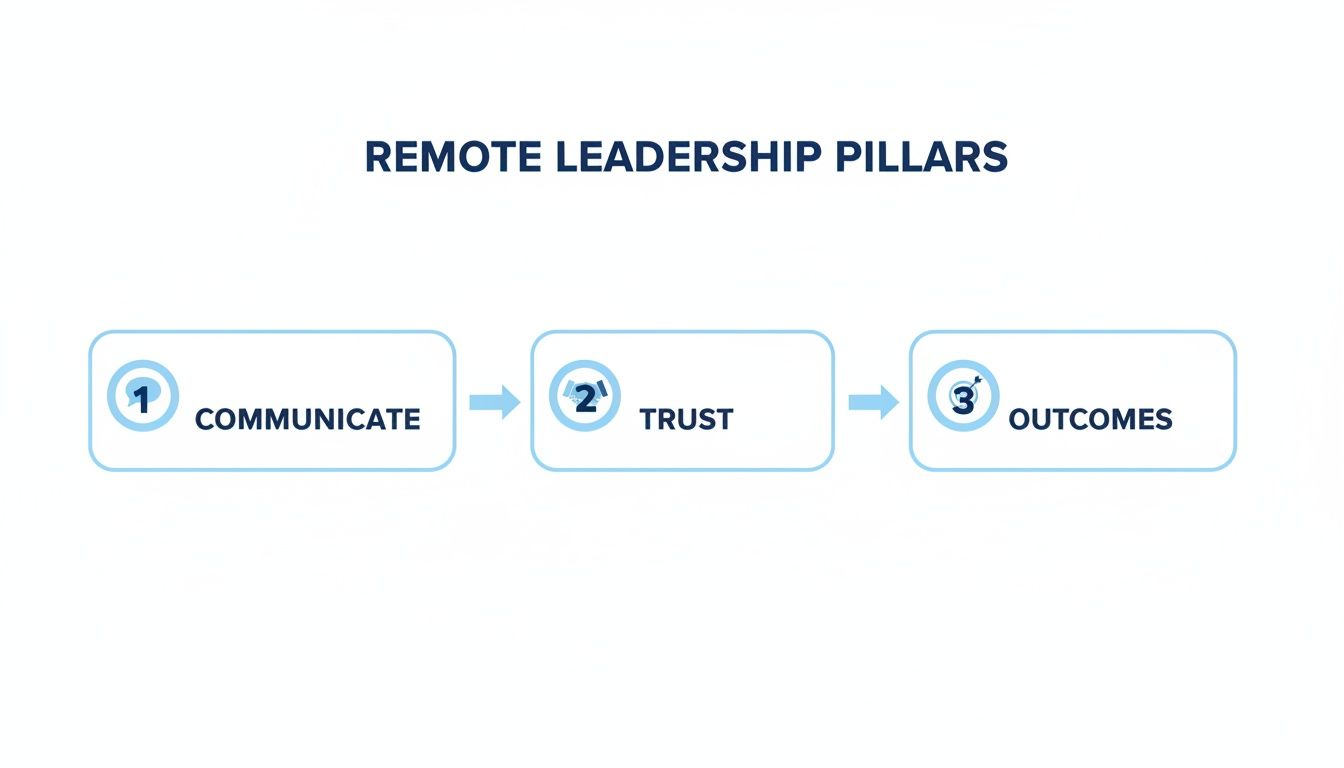
It starts with intentional communication. That foundation builds the trust you need to step back and empower your team to focus on what truly matters: delivering great results.
Define Your Channels Clearly
First things first: give every communication tool a specific job. If you don't, people will default to whatever is easiest in the moment—which usually means a direct message. This habit splinters important conversations and makes finding crucial information later feel like a digital scavenger hunt.
A simple, effective setup that I recommend often looks like this:
- Instant Messaging (like Slack or Teams): This is your "tap on the shoulder." It’s for genuinely urgent, time-sensitive questions that need a fast answer. It's also great for social chatter and team bonding in dedicated channels like
#randomor#pets. - Project Management Tool (like Asana or Jira): This is your single source of truth for work. Period. All questions, updates, and files related to a specific task should live directly on that task's card or thread. No exceptions. This discipline is crucial.
- Email: Think of email as your formal letterhead. I advise teams to use it primarily for communicating with people outside the company—clients, partners, and vendors. It should almost never be used for internal team conversations.
- Video Calls (like Zoom or Google Meet): Save these for the heavy lifting. Use them for complex problem-solving, hashing out strategy, giving sensitive feedback, or for team-building activities where face-to-face connection really counts.
By drawing these lines in the sand, you give your team the greatest gift of all: uninterrupted focus. They no longer have to frantically check five different apps just to feel like they're in the loop.
Master the Art of Asynchronous Communication
One of the biggest mistakes I see managers make is trying to run a remote team on a 9-to-5, real-time schedule. This is a recipe for disaster, especially for teams spanning multiple time zones. It creates meeting fatigue and penalizes anyone not in the "main" time zone. The solution is to embrace an async-first mindset.
Asynchronous work isn't about never talking in real time. It's about creating a system where deep work is the default and synchronous communication is the scheduled, intentional exception.
This approach respects everyone's personal schedules and empowers them to work when they're at their best. It also has a fantastic side effect: it forces clearer communication. When you write something down, you have to provide more care and context than you would when just riffing in a meeting.
Here's a simple, powerful way to replace a weekly status meeting with an async update:
- Use a Shared Doc: Create a template in a tool like Notion or Google Docs. Every team member adds their update by a set time, such as the end of the day on Monday.
- Structure the Update: The template should ask for specific things: What did you accomplish last week? What are your top 3 priorities for this week? Are there any blockers?
- Collaborate in the Comments: Team members are expected to read each other’s updates and use the comment feature to ask questions or offer help. That’s where the collaboration happens, on their own time.
This one change can replace a one-hour meeting, save the entire team a ton of time, and create a written, searchable record of progress. Learning these different ways to improve workplace communication is non-negotiable for remote success.
Run More Effective Synchronous Meetings
Even in an async-first world, some meetings are necessary. When you do have to gather everyone on a call, you owe it to them to make every single minute count. My goal is always to make meetings a tool for connection and decisive action, not just a place to share information.
Before you even think about sending that calendar invite, ask yourself this one simple question: "Could this be an email, a doc, or a quick screen recording instead?" If the answer is yes, do that instead.
For the meetings that absolutely must happen, I stick to these ground rules:
- No Agenda, No Attenda: Always send out a clear agenda beforehand with the key questions you need to answer.
- Give Everyone a Job: Designate one person as the facilitator to keep things on track and another as a notetaker to capture decisions and action items.
- End with Clarity: Before anyone logs off, do a quick recap. "Okay, so we decided X. Sarah, you're taking the lead on Y, and you'll have it done by Wednesday. Any questions?"
When you design your communication system this deliberately, you build an environment of clarity, focus, and mutual trust. You empower your people to do their absolute best work, no matter where their desk happens to be.
Driving Performance and Productivity from Anywhere
When your team is scattered, the old "butts-in-seats" metric for productivity goes right out the window. And honestly? That’s a good thing. It forces a much-needed shift away from tracking activity and toward measuring what actually moves the needle: outcomes.
The secret to unlocking high performance in a remote team isn't about more check-ins or surveillance software. It’s about cultivating a culture built on two pillars: trust and autonomy. My job as a remote leader has shifted from micromanaging tasks to setting clear, ambitious goals. Then I get out of the way and empower my team to figure out how to get there. This isn't about being hands-off; it's about being hands-on with strategy, support, and removing roadblocks.
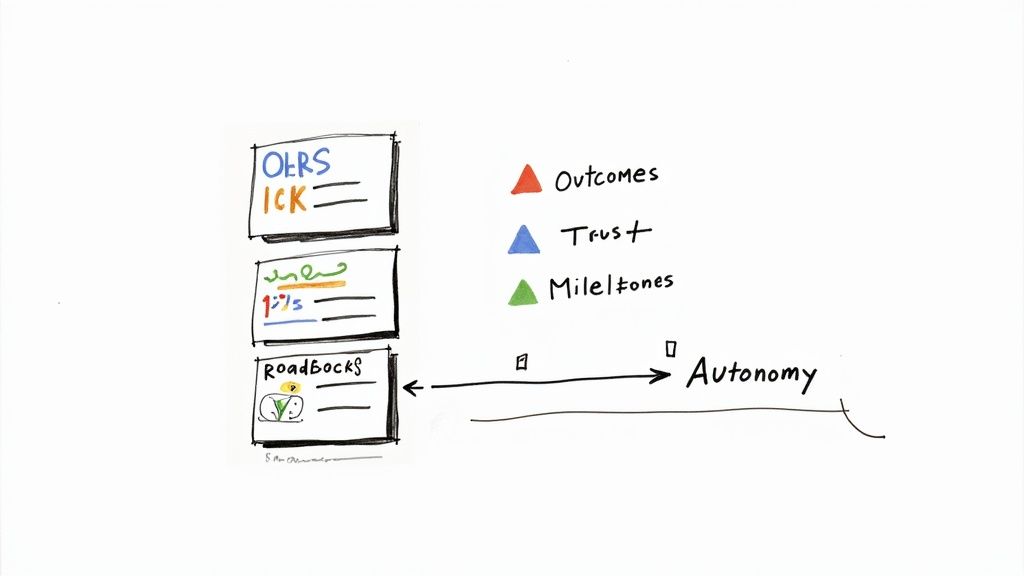
This creates a powerful, self-reinforcing cycle. When you grant autonomy, you’re showing you trust your people. That trust inspires them to take ownership and deliver great work, which in turn deepens your confidence in them.
Set Goals That Inspire Action
Vague goals are a recipe for wasted effort and a disconnected team. To keep everyone rowing in the same direction, you need a solid framework that ties individual contributions back to the company's grand vision. This is exactly where goal-setting systems like Objectives and Key Results (OKRs) come in handy.
OKRs are practically tailor-made for remote work because they focus entirely on outcomes, not the nitty-gritty of the tasks. Here's how I explain it to my teams:
- An Objective is your ambitious, qualitative goal. Think big picture, like "Launch a World-Class Customer Onboarding Experience."
- Key Results are the hard numbers that tell you if you've succeeded. For example, "Improve user activation rate by 15%" or "Reduce support tickets in the first week by 30%."
With a framework like this, everyone on the team knows what success looks like. You’ve given them a clear destination, but they have the freedom to map the best route to get there.
Build a Culture of Trust and Autonomy
You can't build trust overnight with a single team-building retreat. It's earned through consistent actions that show your team you have their back. A culture of real trust is one where people feel safe enough to take smart risks, admit they made a mistake without being blamed, and ask for help when they're stuck.
To get there, you have to fight the urge to monitor activity. Stop worrying about status indicators on Slack or counting commits in a code repository. It's wasted energy. Instead, I channel that energy into actions that matter:
- Delegate ownership, not just tasks. Give someone full responsibility for a project, from start to finish.
- Reframe failures as learning opportunities. When something goes wrong, the conversation should be, "What did we learn from this?" not "Whose fault is it?"
- Default to transparency. Share information about company goals, challenges, and decisions as openly as you can.
The most productive remote teams don't feel managed; they feel enabled. They have the clarity, tools, and trust needed to operate independently and make smart decisions without waiting for approval at every turn.
This is the kind of environment where people do their best work because they aren't wasting mental cycles on office politics or trying to look busy.
Master the Remote 1-on-1
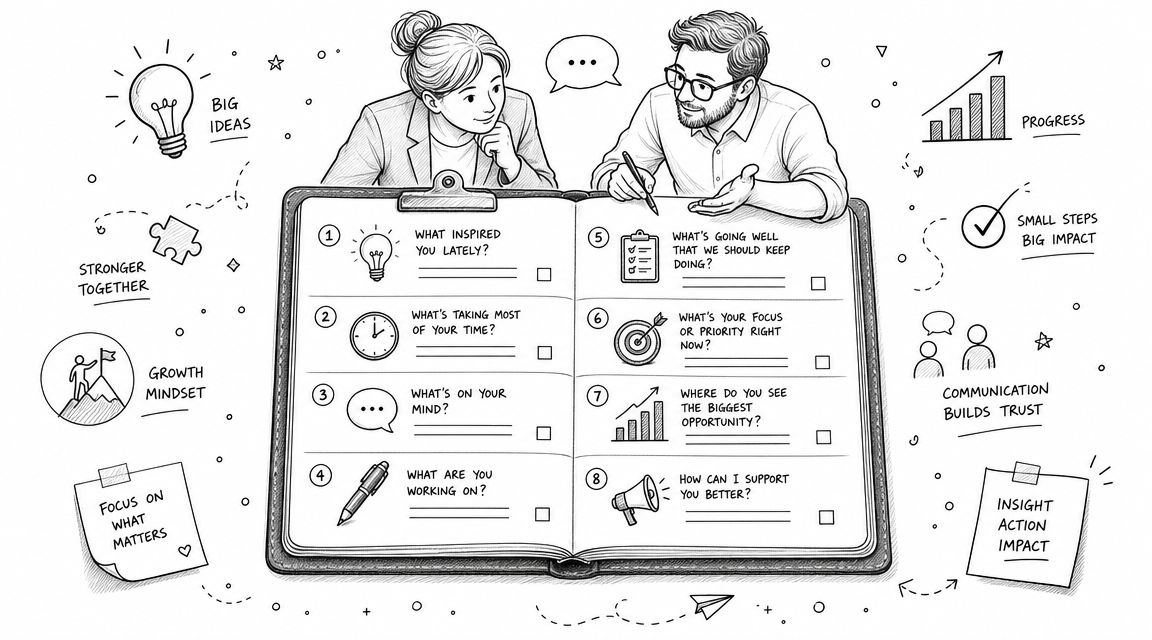
Your regular 1-on-1 meetings are probably the single most powerful tool you have for managing performance on a remote team. But they can easily devolve into boring status updates, which is a massive missed opportunity. A great remote 1-on-1 goes much deeper.
This is your time to be a coach, not just a project manager. The goal is to uncover what’s blocking them, talk about their career goals, and build a genuine human connection. The meeting should be about the employee, not just their to-do list.
To make these conversations count, try following this structure:
- Start with a real check-in. I spend the first 5-10 minutes just connecting as people. Ask about their weekend, a hobby, or how they're really feeling. This builds rapport and gives you context for their work life.
- Let them drive the agenda. I ask them to come prepared with their own topics. Simple questions like "What's top of mind for you this week?" or "Where are you feeling stuck?" empower them to lead the conversation.
- Talk about growth. Always carve out time to discuss their long-term development. What skills do they want to learn? What kind of projects would get them excited for the next six months?
- End with clear takeaways. Nobody should leave the meeting wondering what's next. Documenting the next steps is key for accountability; a simple, shared action item list can ensure nothing important slips through the cracks.
By shifting your mindset from supervision to support and from tracking activity to celebrating outcomes, you’ll empower your team to thrive, no matter where they are.
Building a Thriving Culture Across Distances
Let's be honest: when your team is scattered, you lose the little things that make an office feel like a community. The random chat by the coffee machine, the shared laugh over lunch—those moments don't just happen on their own in a remote world. Isolation is the silent killer of team morale, and if you're not careful, it quickly leads to disengagement and burnout.
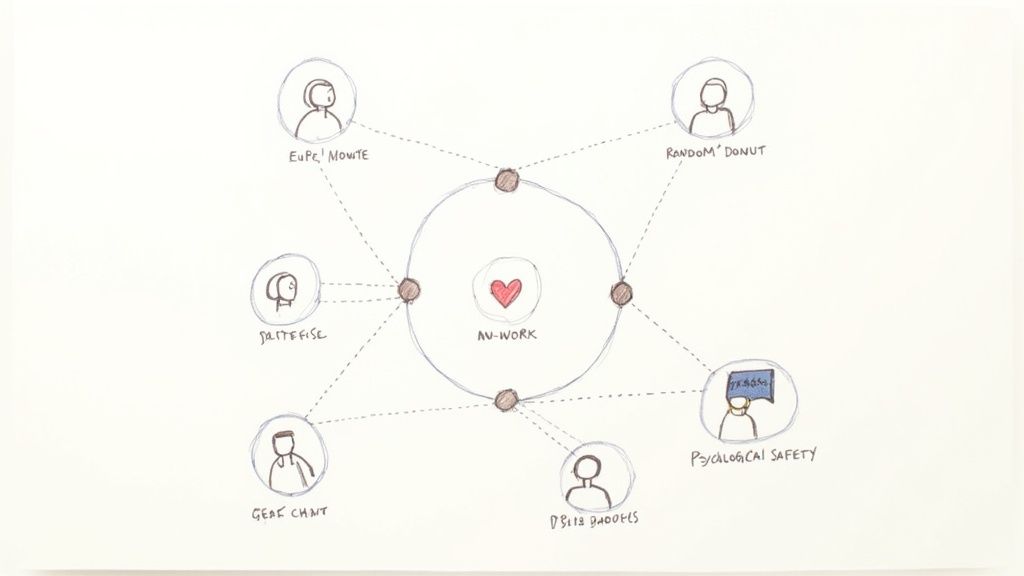
The secret to managing a great remote team is realizing that culture isn't a happy accident. It has to be built, brick by brick, with deliberate and consistent effort. This means going way beyond awkward virtual happy hours and creating real rituals that foster genuine connection and psychological safety. It's about making every single person on your team feel seen, heard, and valued, no matter where they log in from.
Engineer Serendipity and Social Connection
You can't force friendships, but you can absolutely create an environment where they're more likely to happen. It's all about engineering moments for non-work interaction and giving people permission to connect on a human level. The goal is to let the personalities behind the job titles shine through.
Even simple, low-effort rituals can make a huge difference in my experience:
- Automated Coffee Chats: I'm a big fan of apps like Donut for Slack. It randomly pairs two or three team members for a quick, informal video call each week. It’s a fantastic way to break down departmental silos and help people meet colleagues they might never interact with otherwise.
- Dedicated Non-Work Channels: Create specific channels in your messaging app for shared interests. We have
#pets,#cooking, and#good-newschannels, and they are always buzzing. These spaces give people a place to bond over hobbies and life outside of their to-do lists. - Start Meetings with a Human Touch: I always dedicate the first five minutes of team meetings to non-work chatter. A simple icebreaker like, "What's the best thing you ate this week?" can completely shift the energy, setting a more relaxed and collaborative tone before we dive into the agenda.
These small but consistent actions build on each other, weaving a web of relationships that makes the whole team stronger. To foster even deeper bonds and keep isolation at bay, it's also worth looking into engaging virtual team building activities to mix into your routine.
Celebrate Wins and Encourage Vulnerability
In a remote environment, it’s far too easy for great work to go unnoticed. As a manager, you have to become the chief storyteller and cheerleader for your team. It's your job to amplify successes and make people feel truly appreciated.
Public recognition is incredibly powerful. A simple shout-out in a team-wide channel for someone who went above and beyond can boost morale for days. I make it a weekly ritual to highlight both big project milestones and the smaller, everyday efforts that keep the engine running.
Building a strong remote culture is really about creating psychological safety. Team members have to feel safe enough to admit they don't know something, ask for help, or even share that they're having a tough week without fearing judgment.
This has to start with you. As a leader, modeling vulnerability is non-negotiable. When you openly share a mistake you made and what you learned from it, you give your team permission to do the same. This moves the culture away from fear and perfectionism and toward one of learning and growth. True connection isn't just built on shared successes; it's forged when you navigate challenges together.
An open environment also ensures that vital information and honest feedback are shared freely, which is the bedrock of a high-performing team. Thinking about how to organize all this shared knowledge is crucial. If you're not familiar with it, you might want to learn more about what is a knowledge management system to keep these valuable insights accessible to everyone.
Make In-Person Time Count
While a remote-first culture is incredible, nothing can fully replace the energy of being in the same room. If your budget allows, I strongly advocate for occasional in-person gatherings, even just once or twice a year. The return on investment in team cohesion and trust is massive.
These retreats shouldn't be all work. The best ones I've been a part of mix deep, strategic collaboration with plenty of unstructured time for team bonding. The relationships forged during a team offsite can sustain and deepen virtual collaboration for months to come.
By intentionally weaving these practices into your team's rhythm, you create a culture that truly transcends distance—one where people feel a genuine sense of belonging and are excited to bring their best work to the table every single day.
Navigating the Complexities of a Global Team
Managing a remote team is one thing; leading a global remote team is a whole different ballgame. The second you hire someone in another country, you're suddenly dealing with a tangled web of legal, financial, and cultural nuances. While it opens up an incredible, diverse talent pool, it can quickly turn into an administrative nightmare if you’re not prepared.
The operational hurdles are very real. How do you pay someone in euros when your company runs on dollars? What are the local labor laws in Brazil versus Japan? How can you offer competitive benefits that are actually compliant and meaningful in different parts of the world? These are the practical questions that can easily swamp a leader, pulling them away from the actual work of leading their team.
The good news is you don't have to become an expert in international law overnight. The key is understanding the landscape and leaning on the right tools and partners to do the heavy lifting for you.
Getting a Handle on Global Compliance and Payroll
The single biggest challenge with international hiring is compliance. Every country has its own set of rules for employment contracts, mandatory benefits like health insurance and pension plans, tax withholdings, and even termination procedures. One small misstep in any of these areas can lead to serious fines and legal headaches.
This is precisely why the concept of a 'borderless' workforce is taking off. A recent report revealed that over 50% of HR leaders are planning to ramp up their international hiring in the next year. To manage this, smart businesses are turning to specialized partners who can handle the nitty-gritty of global payroll, benefits, and local legal compliance. You can dig into these emerging global workforce trends to see how other companies are adapting.
Trying to manage all of this in-house without a dedicated team is a huge gamble. Just imagine trying to figure out the social contribution systems for five different European countries—it’s a full-time job on its own. That's why so many companies are opting for a much simpler approach.
Simplifying Global Operations with an Employer of Record
One of the most effective ways to cut through this complexity is by using an Employer of Record (EOR). An EOR is a third-party company that legally hires employees on your behalf in another country.
Think of it this way: You find the perfect candidate in Germany. Instead of going through the long and expensive process of setting up your own German legal entity, the EOR hires that person through their already-established German entity. They take care of all the local payroll, taxes, benefits, and compliance, while your new team member works for you, on your projects, just like everyone else.
Here’s a quick look at what an EOR typically manages:
- Compliant Local Contracts: They create employment agreements that follow all local labor laws to the letter.
- International Payroll: They handle salaries in the correct local currency, managing all the complex tax withholdings and social security payments.
- Statutory Benefits: They make sure your team members get all the legally required benefits, from paid time off to health coverage and retirement plans.
- Risk Mitigation: They shoulder the legal liability of employment, shielding your business from compliance-related risks.
Using an EOR lets you tap into global talent quickly and legally, without the massive cost and headache of setting up a legal entity in every country you hire in. It cleanly separates the managerial relationship from the legal employment relationship, which simplifies everything.
Creating Fair Global Compensation Packages
Once you have the legal and payment logistics sorted, the next piece of the puzzle is figuring out fair pay. Offering a San Francisco salary to an employee in Southeast Asia might not make financial sense, but you absolutely don't want to underpay them either. The goal is to be both competitive and equitable.
Many global companies solve this with a location-based compensation strategy. This means researching the cost of living and local market rates for a specific role in a particular city or region. From there, you can build salary bands that are competitive for that location. This approach ensures you’re offering a fair wage that reflects both the value of the role and the local economic reality.
By combining a thoughtful compensation strategy with a reliable partner like an Employer of Record, you can scale your team across borders with confidence. This frees you up to focus on what really matters: integrating your new global talent and building a cohesive, high-performing team.
Your Remote Management Questions Answered
Even with the best game plan, managing a remote team always throws a few curveballs your way. Let's tackle some of the most common questions I hear from leaders. These are quick, practical answers for when you need clarity right now.
How Do I Effectively Onboard a New Employee Remotely?
Great remote onboarding is all about structure and connection. You simply can't wing it. The goal is to make a new hire feel like they're truly part of the team from day one, even if you’ve never shaken their hand in person. A thoughtful process is your best defense against the isolation that can derail a new remote employee.
My experience has shown that a detailed plan for the first month is critical.
- Build a 30-60-90 Day Plan: This isn't just a checklist; it's a roadmap. It should outline clear goals, what they need to learn, and key milestones. This gives them a clear path to follow and shows them exactly what success looks like.
- Assign an Onboarding Buddy: I always pair new hires with a peer—someone who isn't their direct manager. This gives them a safe person to ask the "silly" questions, like how to submit an expense report or who to ping for IT help.
- Schedule Deliberate Introductions: A welcome email is nice, but it's not enough. I get 15-minute video calls on the calendar with the key people they'll be working with. Spread these out over their first week to avoid overwhelming them.
And for goodness sake, make sure their laptop and all their software access are sorted before day one. Nothing crushes first-day excitement faster than spending hours on the phone with IT just trying to log in.
The real point of remote onboarding isn't just about getting someone up to speed on tasks. It’s about intentionally weaving them into the company's social fabric. You want them to feel welcomed, connected, and set up to do great work for the long haul.
What Are the Best Tools for Remote Team Productivity?
Look, the best remote tool stack has nothing to do with having the shiniest new software. It’s all about integration and simplicity. The biggest mistake I see is leaders adopting too many disconnected tools, which just creates confusion and digital clutter. A lean, effective setup always wins.
A solid foundation really only needs four things:
- A Communication Hub: This is your virtual office floor. A tool like Slack is perfect for those quick questions, company-wide announcements, and a bit of social chatter.
- A Project Management Platform: This is your team's single source of truth for work. Something like Asana or Jira makes sure every task and project is tracked in the open.
- A Documentation Center: This is your shared brain. You need a home for all your processes, meeting notes, and company knowledge. A wiki-style tool like Notion or Confluence is essential.
- A Video Conferencing Tool: This is for conversations where nuance matters. Zoom or Google Meet are the go-to choices for 1-on-1s, team strategy sessions, and complex problem-solving.
The most critical piece of the puzzle? Creating clear rules of engagement for each tool. For example: "All feedback on the Q3 report must be left as a comment in the Google Doc, not sent via Slack." This simple discipline prevents tool fatigue and means everyone knows where to look for what they need.
How Do I Handle Time Zone Differences Without Team Burnout?
Managing a team spread across the globe is a balancing act, and the secret is having an "async-first" mindset. The number one mistake is trying to force everyone to work on a single time zone's schedule. It’s a guaranteed recipe for burnout for anyone outside of HQ.
You have to empower your team by setting expectations that respect their local hours.
- Embrace Written Updates: Ditch most of the "just-checking-in" status meetings. Replace them with daily or weekly written updates in a shared doc or your project management tool.
- Rotate Meeting Times: When a real-time meeting is unavoidable, rotate the painful time slot. One week, the team in Europe might have to get up early; the next, it’s the West Coast team staying on late. This shares the burden fairly.
- Define "Core" Hours: Establish a small window of just 2-3 hours where everyone’s schedules overlap. This is your protected time for urgent, collaborative work. Outside of that, give people the freedom to work when they’re most productive.
- Model Healthy Boundaries: This is the big one. As a leader, you have to walk the talk. Don't send emails at 10 PM your time and expect an immediate reply. When you respect your team's personal time, you build a culture that prevents people from feeling like they have to be "always on."
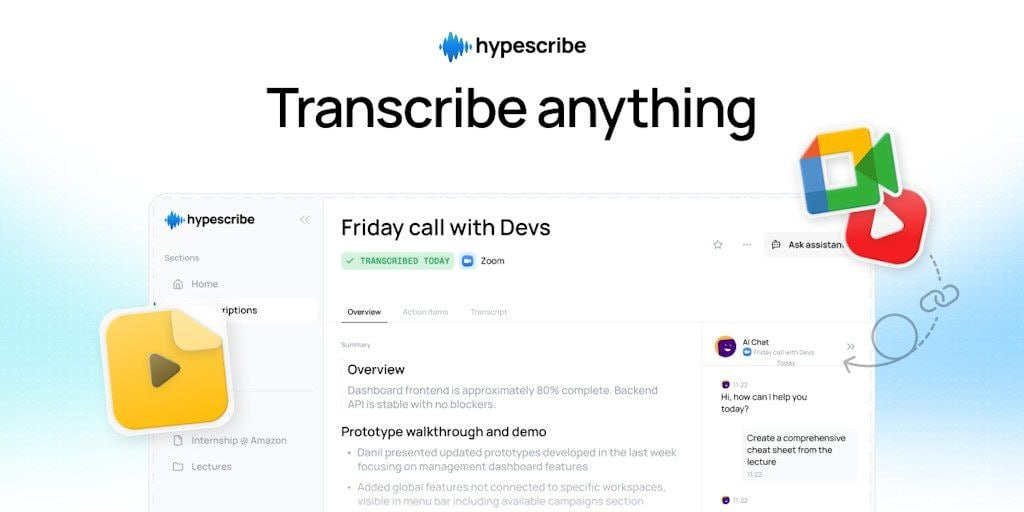
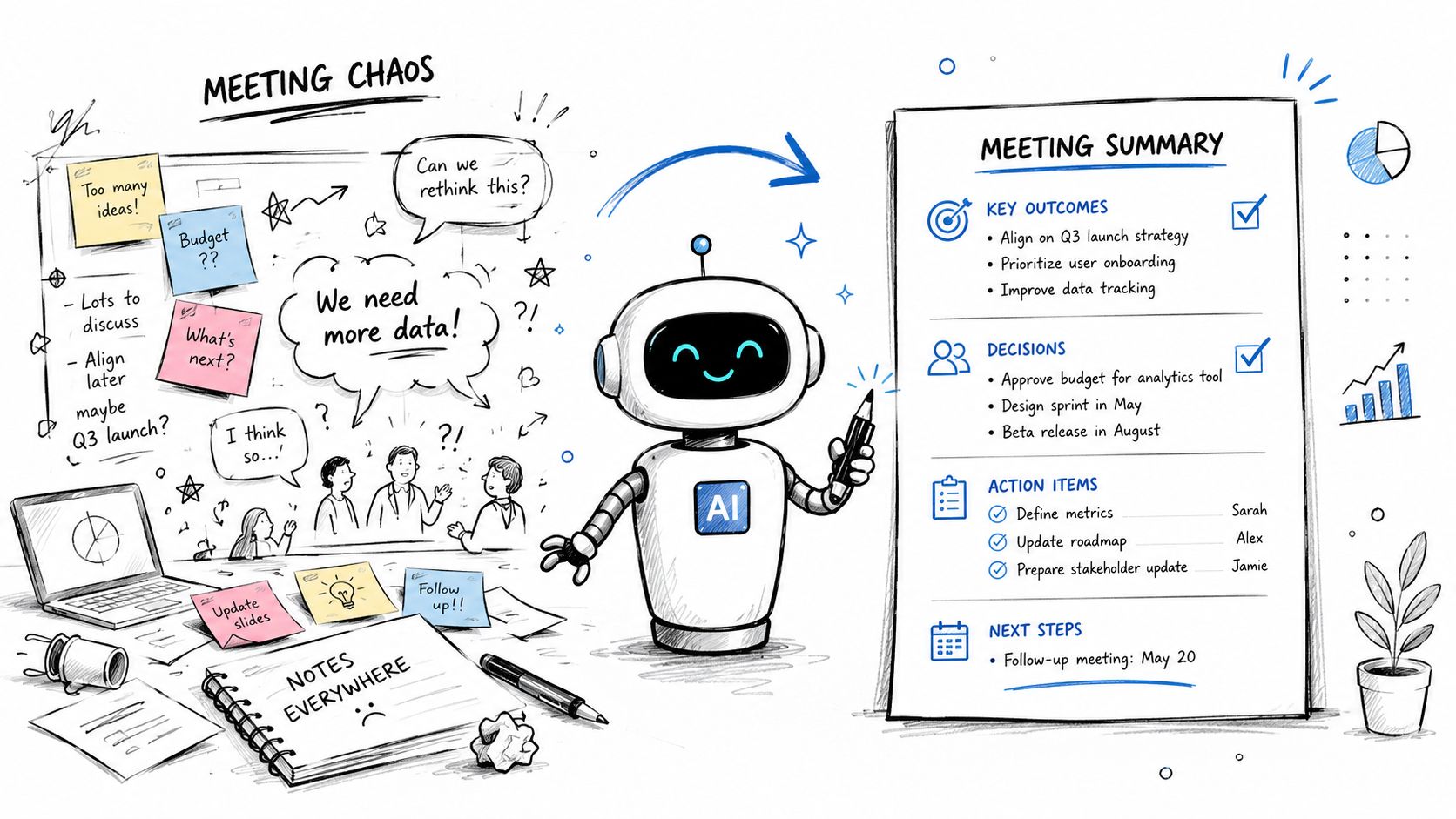
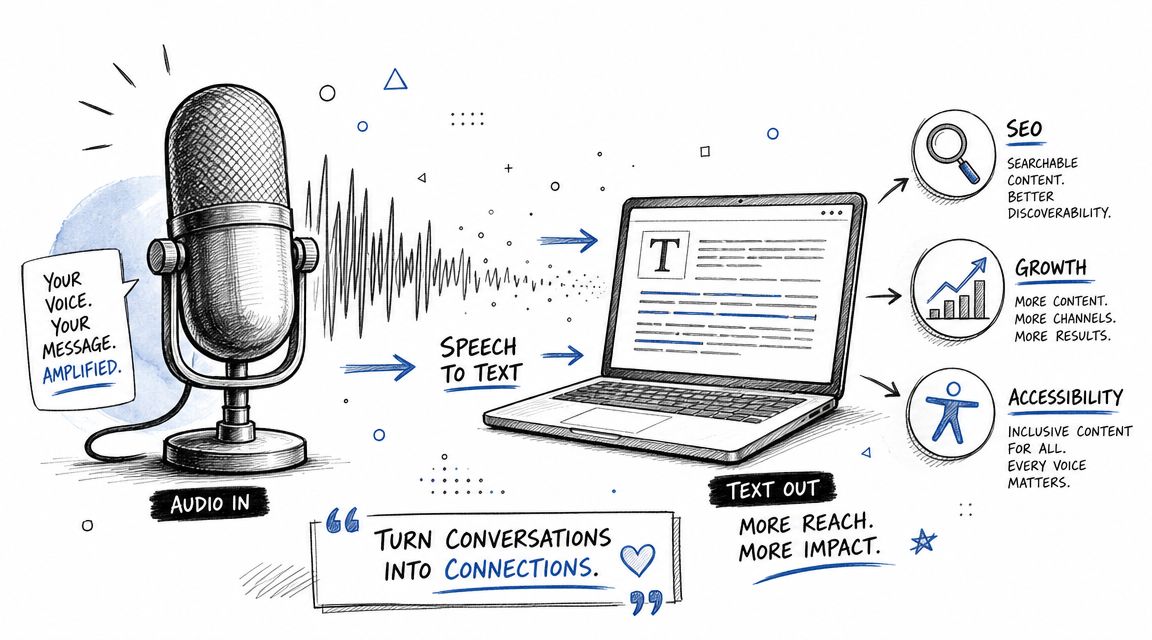
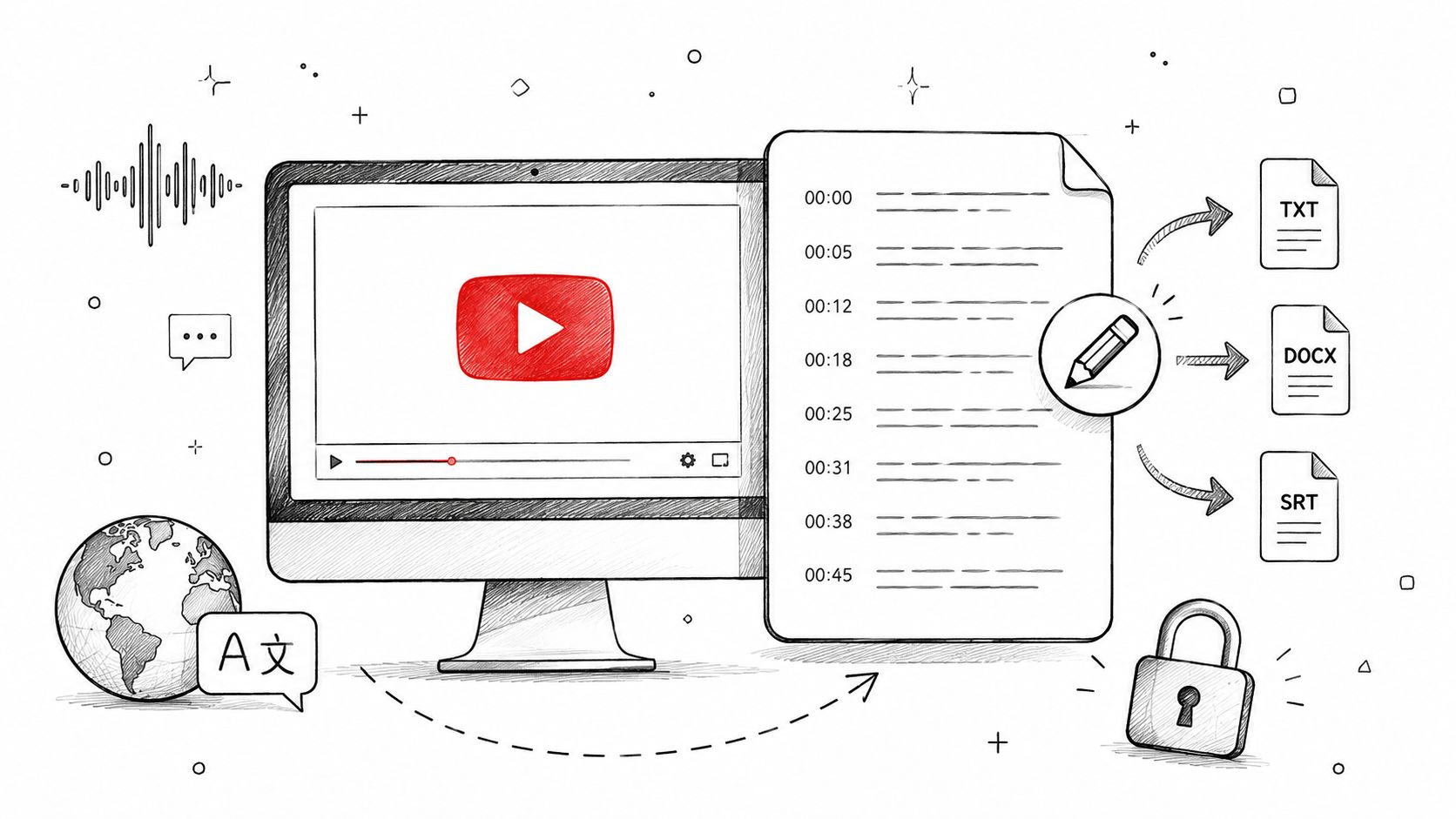
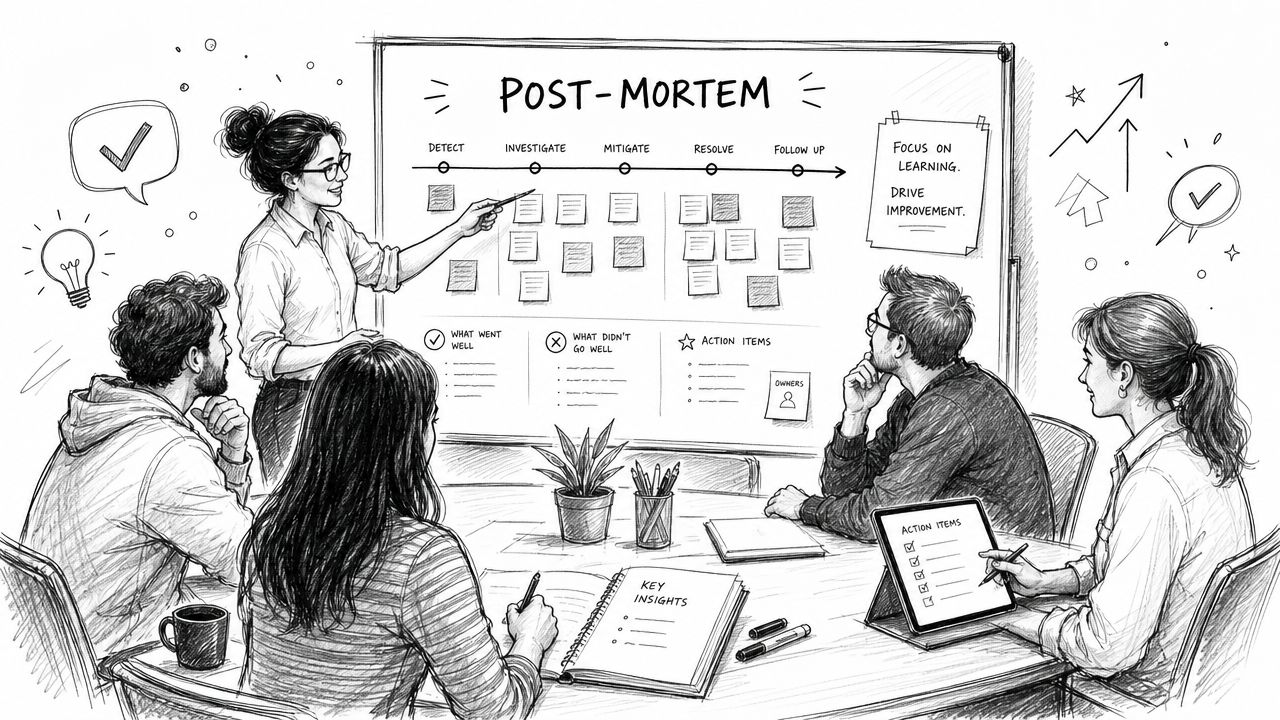
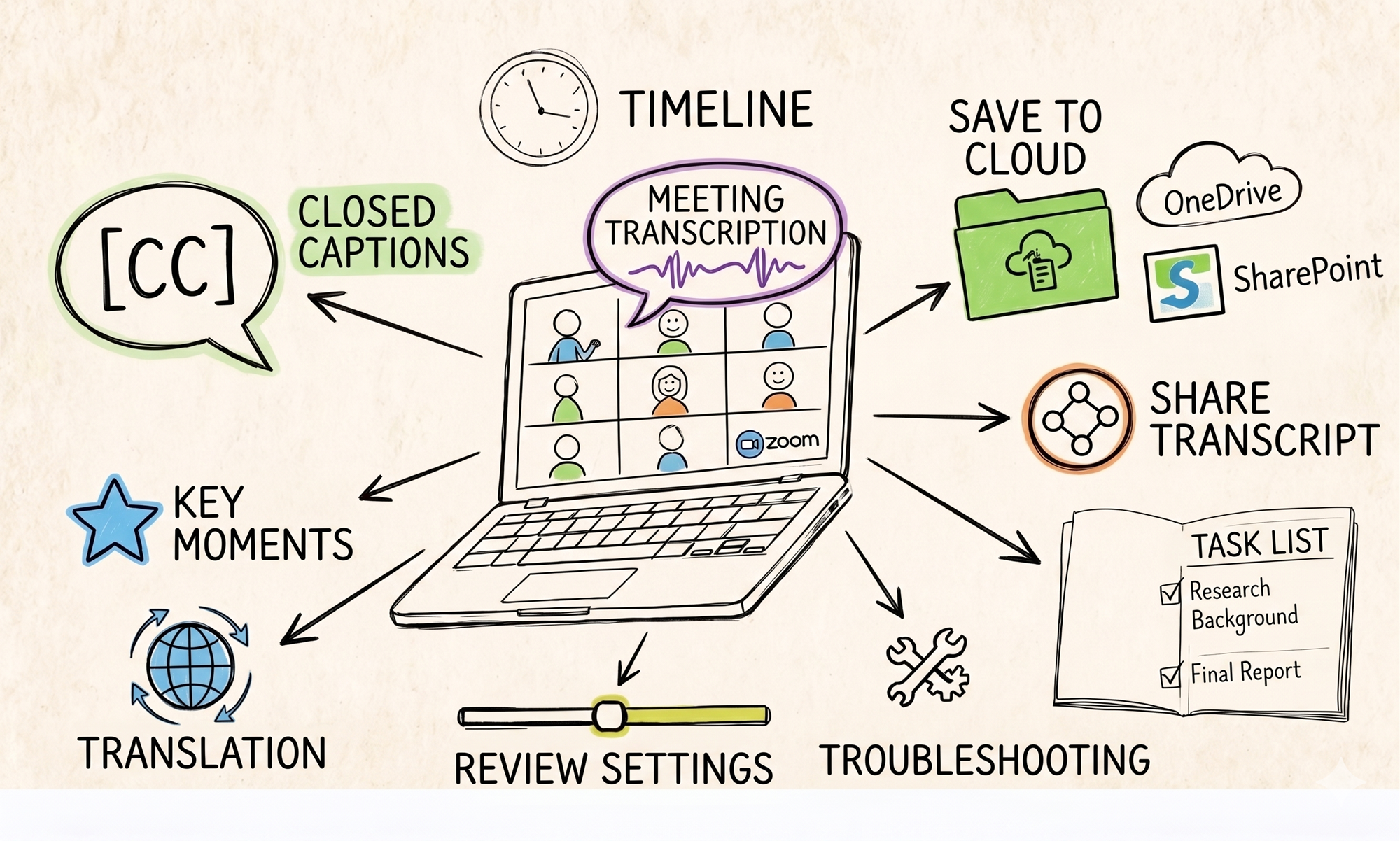
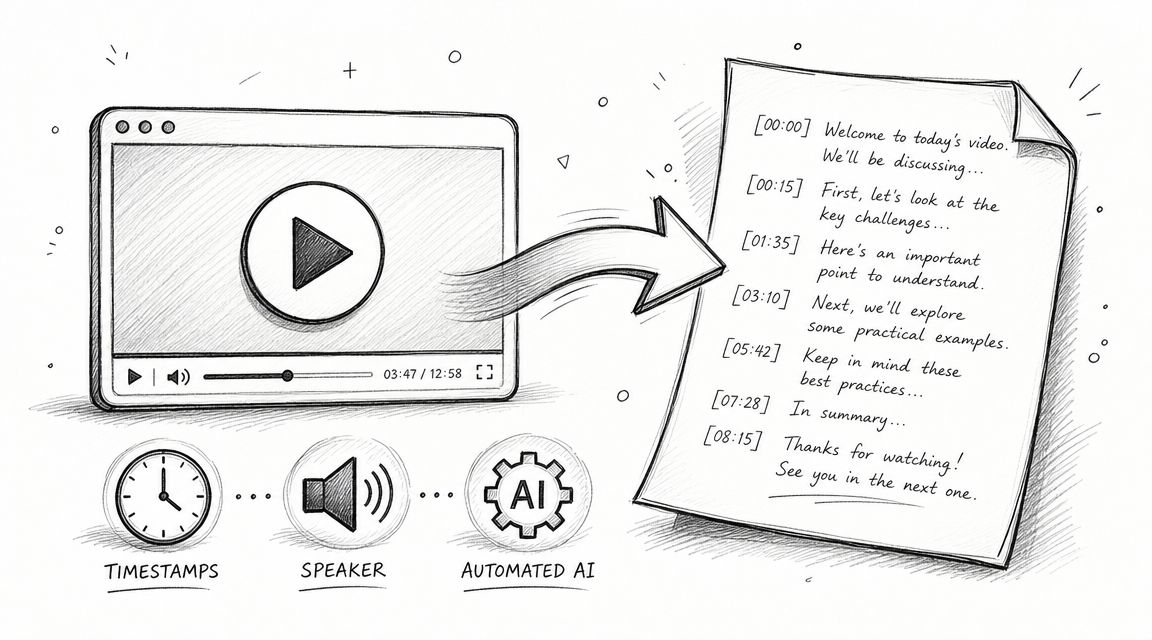
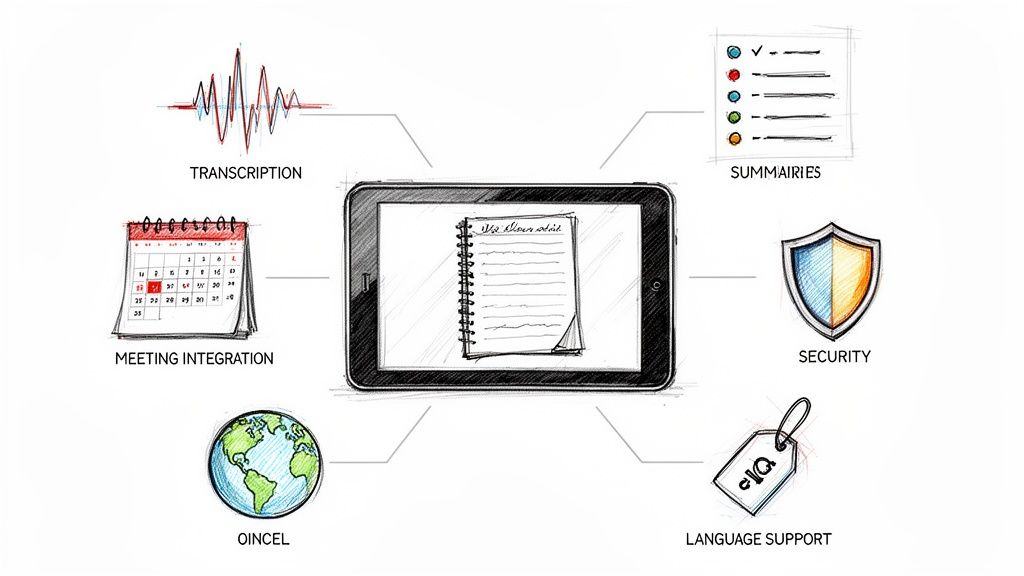
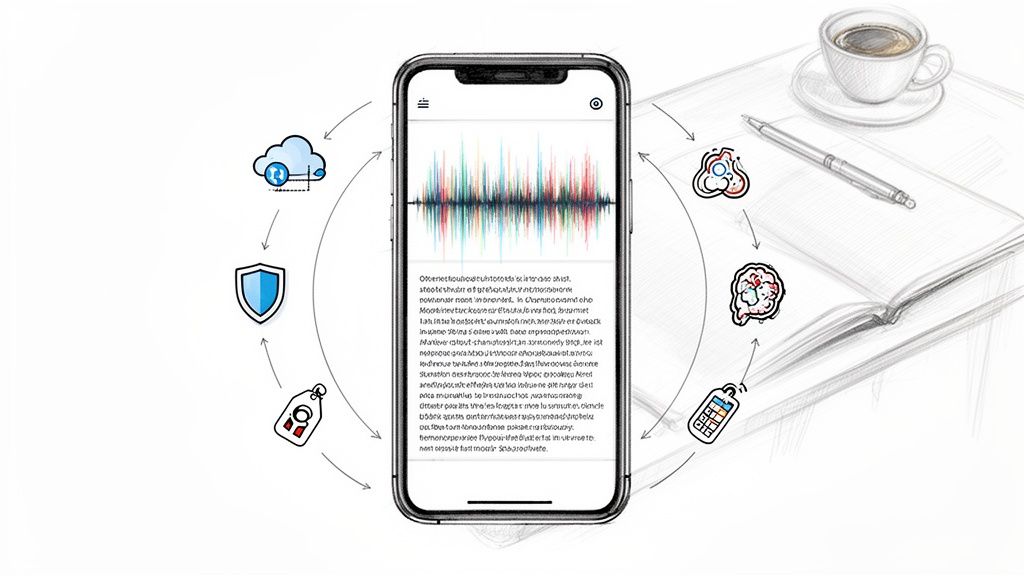
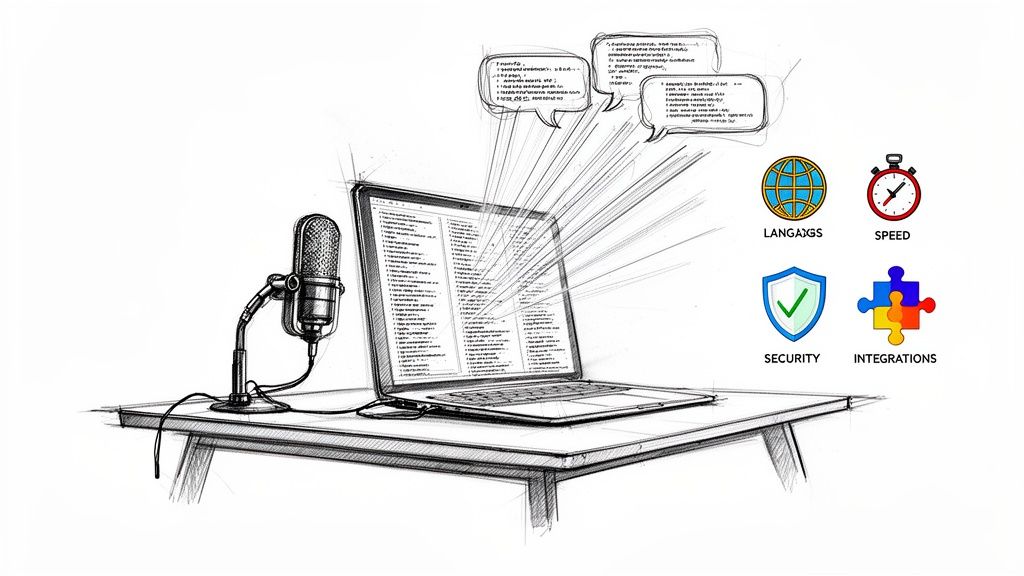
Keeping track of conversations and decisions across a distributed team is tough. HypeScribe makes it easier by transcribing your remote meetings in real-time, creating automatic summaries, and pulling out key action items. Stop letting important details get lost in the shuffle and start turning your team's discussions into clear, documented outcomes. Get started for free at https://www.hypescribe.com.