A Practical Guide to Knowledge Sharing in Organizations
Effective knowledge sharing in organizations is the process of getting valuable wisdom, experience, and insights out of one person's head and into the hands of the entire team. It's a system for capturing and distributing that collective know-how so it becomes a shared asset, not a private stash.
Why Is Knowledge Sharing So Important?
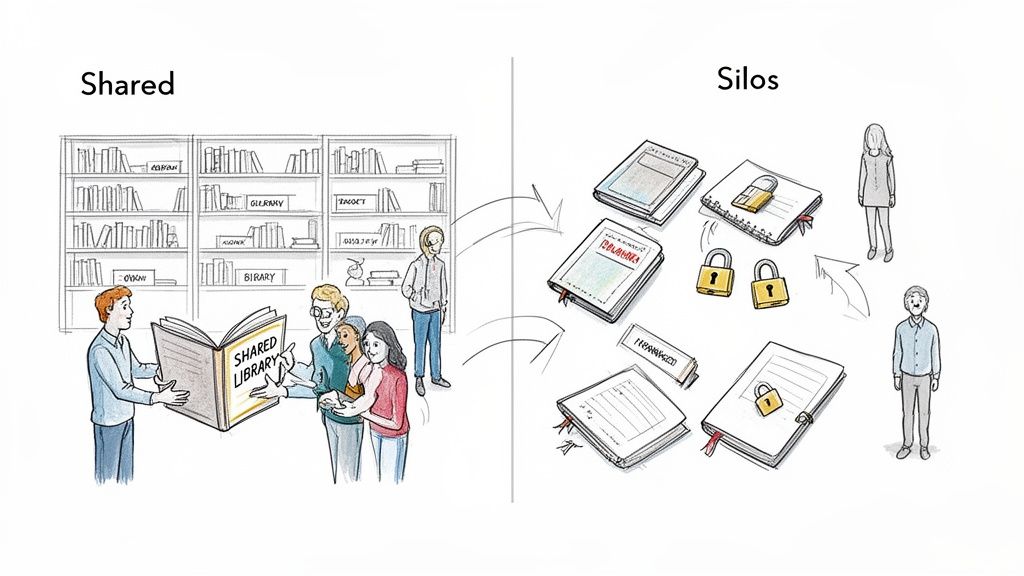
Think about all the expertise in your organization. Is it like a well-organized central library where anyone can find what they need? Or is it more like a bunch of locked diaries scattered across different desks?
For too many companies, it's the latter. This creates invisible walls we call knowledge silos.
This problem has only intensified with remote and hybrid work. Those spontaneous "water cooler" chats or quick desk-side questions—where so much informal knowledge was exchanged—have largely disappeared.
That's where a deliberate strategy for knowledge sharing comes in. It’s more than just storing documents; it’s about intentionally turning individual expertise into collective intelligence.
What Are the Benefits of a Strong Sharing Culture?
When you get information flowing freely, the benefits show up almost immediately. A strong knowledge-sharing culture speeds up pretty much everything, making the whole operation more resilient and agile. Teams stop reinventing the wheel for every new project and start building on a solid foundation of past wins and lessons learned.
This shift has a direct impact on the bottom line and your team's day-to-day experience:
- Faster Onboarding: New hires get up to speed in weeks, not months, because they have instant access to playbooks, project histories, and expert guides.
- Smarter Decision-Making: With historical data and insights from other departments at their fingertips, teams make confident, informed choices and avoid costly mistakes.
- Increased Innovation: When you break down silos, you create space for unexpected connections. Suddenly, an idea from an engineer can solve a stubborn marketing problem.
The core idea is simple: A company can only learn as fast as its people share what they know. When that process is broken, growth grinds to a halt.
You can see this urgency reflected in the market. The global knowledge management industry was valued at US$773.6 billion in 2024 and is expected to hit over $2.1 trillion by 2030. This boom is fueled by the critical need for systems that help remote teams collaborate effectively.
Companies are investing heavily to tear down the silos that kill productivity. By implementing the right knowledge management best practices, you build an environment where information truly empowers everyone.
The Hidden Costs of Poor Knowledge Sharing
When knowledge sharing falls apart within a company, the damage isn't always obvious. It's not a sudden crisis but a slow leak—a constant, quiet drain on time, resources, and morale that gradually undermines your entire operation. It's the little everyday frustrations that add up to a major drag on productivity.
You've probably seen it happen. A new hire spends half a day just trying to find a critical project document. A remote team member makes a mistake that could have been avoided if they'd known about a lesson the team learned last quarter. These aren't just one-off problems; they’re symptoms of a much deeper, systemic issue.
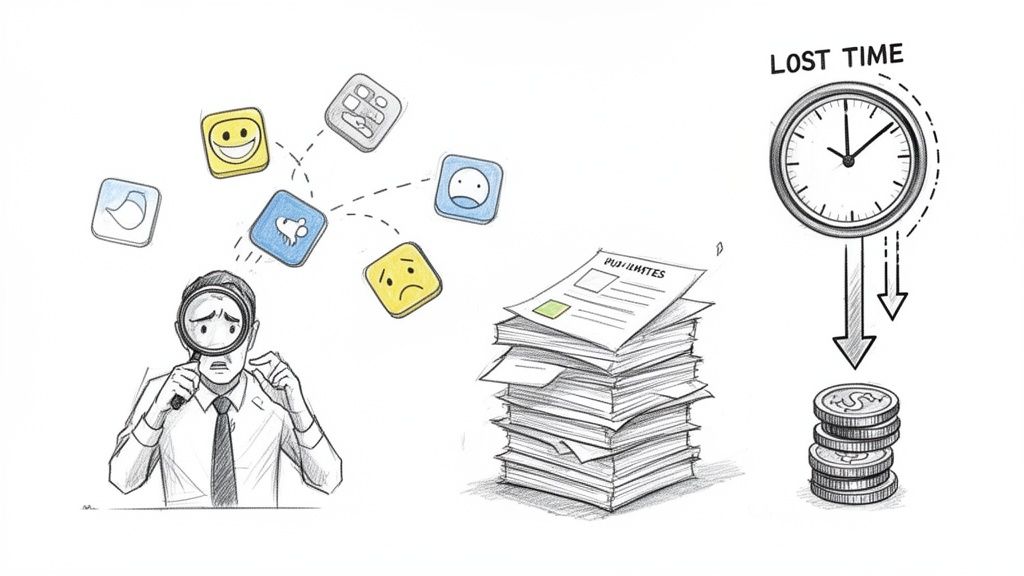
This kind of breakdown in information flow usually traces back to a few core problems that fester in a poor sharing culture.
The Problem of Knowledge Hoarding
One of the most common hurdles is knowledge hoarding. This rarely comes from a bad place. More often, it stems from job insecurity—the belief that holding onto specialized knowledge makes an employee indispensable. When people feel their value is tied to what only they know, there’s no real motivation to document their work or share what they've learned.
The result? You end up with a team full of single points of failure. The moment a key person goes on vacation or, worse, leaves the company, their expertise walks right out the door with them, leaving everyone else scrambling.
When information is treated as a personal possession rather than a communal resource, the entire organization pays the price in lost momentum and duplicated effort.
This resistance to sharing creates bottlenecks that stall projects and frustrate the entire team. It forces people to constantly reinvent the wheel, wasting valuable time solving problems that have already been figured out.
Chaos from Disconnected Tools
Let's face it, the modern workplace is a jumble of different apps. We have one tool for chat, another for project management, and a dozen others for everything in between. This tool sprawl is a huge source of inefficiency. In fact, 54% of organizations now rely on more than five separate platforms to manage and share critical information. This digital chaos means employees burn hours just trying to find what they need, which is a direct hit to productivity.
Imagine trying to cook a meal, but your ingredients are scattered across five different kitchens. You'd spend more time running around than actually cooking. That's exactly what's happening at work:
- Duplicated Work: One team spends a week building a report that another team already finished, but it was buried in a different system.
- Version Control Nightmares: Countless versions of the same document are flying around in emails, chat threads, and cloud drives, leading to massive confusion and mistakes.
- Drained Morale: Nothing kills engagement faster than the constant frustration of not being able to find the information you need to do your job.
The Financial and Productivity Drain
These hidden costs are anything but small. All that time employees waste hunting for information or redoing work is a direct hit to the bottom line. When a developer spends two hours searching for an API key, that's two hours they aren't writing code. A marketer rebuilding a campaign strategy from the ground up is a perfect example of squandered resources.
To sidestep these costs, you have to adopt best practices for knowledge management that actually work. Shifting from a fragmented, fearful culture to one where information is open and accessible isn't just a "nice-to-have." It’s an absolute necessity for any company that wants to stay agile and competitive.
How to Build a Knowledge Sharing Framework That Works
Getting past the hurdles of information silos and wasted time isn't about wishful thinking; it requires a concrete plan. A real strategy for knowledge sharing in organizations goes far beyond just buying new software. It’s about building a system people actually use and believe in, and that system stands on three legs: People, Process, and Technology.
Think of it like a three-legged stool. If any one leg is weak or missing, the whole thing comes crashing down. You can’t have a great process with the wrong tech, and you can’t succeed with the best tools if your people aren’t on board. They all have to work together.
The People Pillar: Foster a Culture of Trust
Let's be clear: the human element is everything. It's also the hardest part to get right. You can roll out the most sophisticated platform in the world, but if your team doesn't feel psychologically safe or motivated to share what they know, it will fail. Building a culture of trust isn't optional—it's the foundation.
This means tackling the underlying fears head-on. People often hoard knowledge because they think it makes them indispensable. Leadership has to actively dismantle that belief by openly and consistently rewarding collaboration. Publicly recognize your "Knowledge Champions" and integrate sharing behaviors into performance reviews. The message has to be clear: making the entire team smarter is far more valuable than protecting individual expertise.
A few proven ways to foster this environment:
- Launch Mentorship Programs: Pairing a seasoned veteran with a newer employee is one of the best ways to transfer tacit knowledge—that gut-feel expertise and unwritten wisdom you can't capture in a document.
- Establish Communities of Practice (CoPs): Give people a dedicated space to connect. This could be a Slack channel for all your project managers or a monthly meetup for your data analysts. It creates a forum for them to solve shared problems and trade insights.
The goal is to shift the mindset from "my knowledge is my power" to "our collective knowledge is our advantage." When sharing becomes a celebrated norm, the entire organization benefits from a deeper pool of expertise.
The Process Pillar: Weave It into the Workflow
Once you have a willing culture, the next step is to make sharing incredibly easy. If contributing knowledge feels like an extra chore tacked onto an already busy day, people simply won't do it. Your processes have to be woven directly into how work already gets done.
The key is to meet people where they are. Don't ask them to learn a completely new, disruptive workflow. Instead, look at their existing routines—team meetings, project kickoffs, client calls—and find ways to capture the valuable information that's already being created.
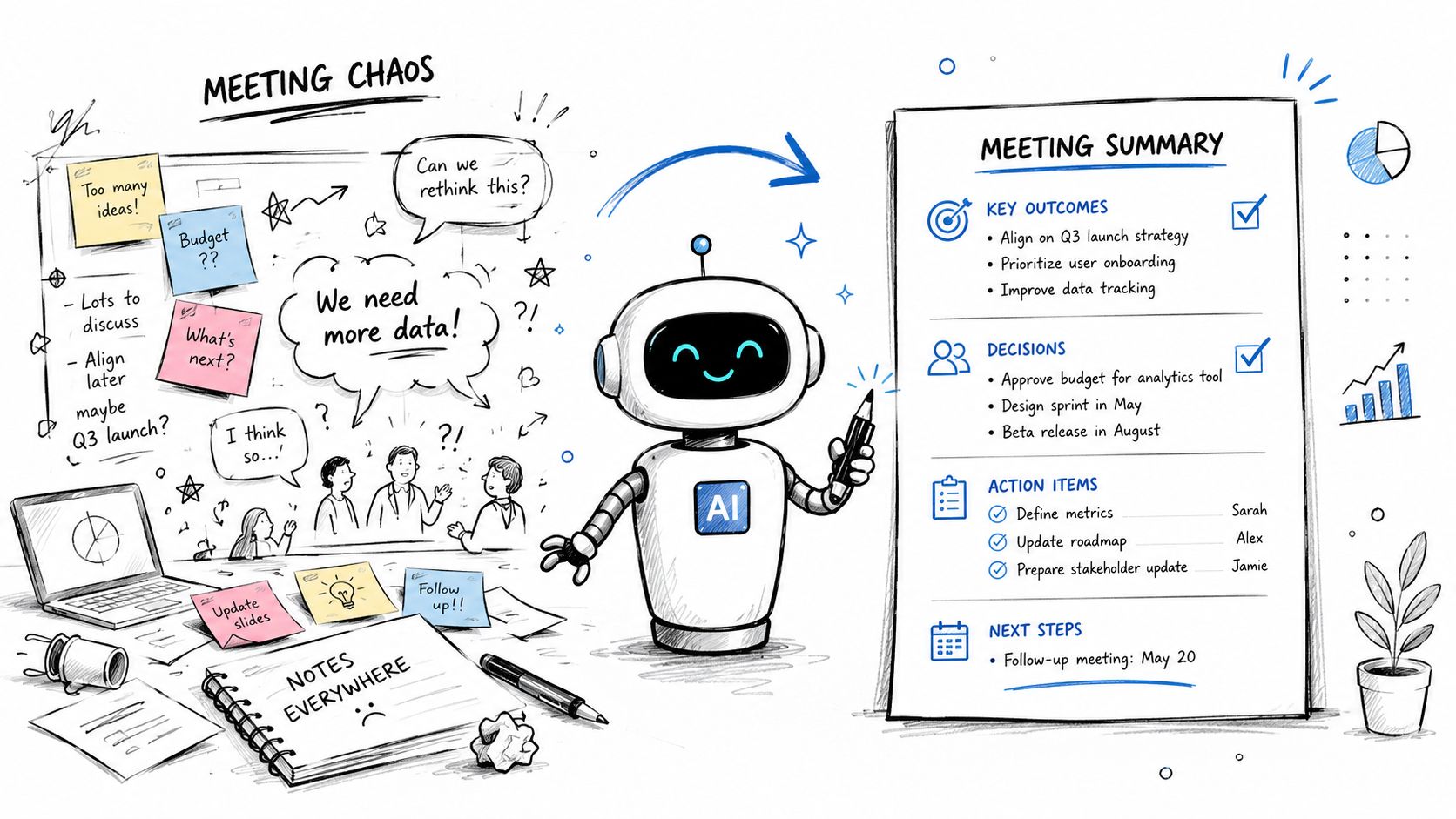
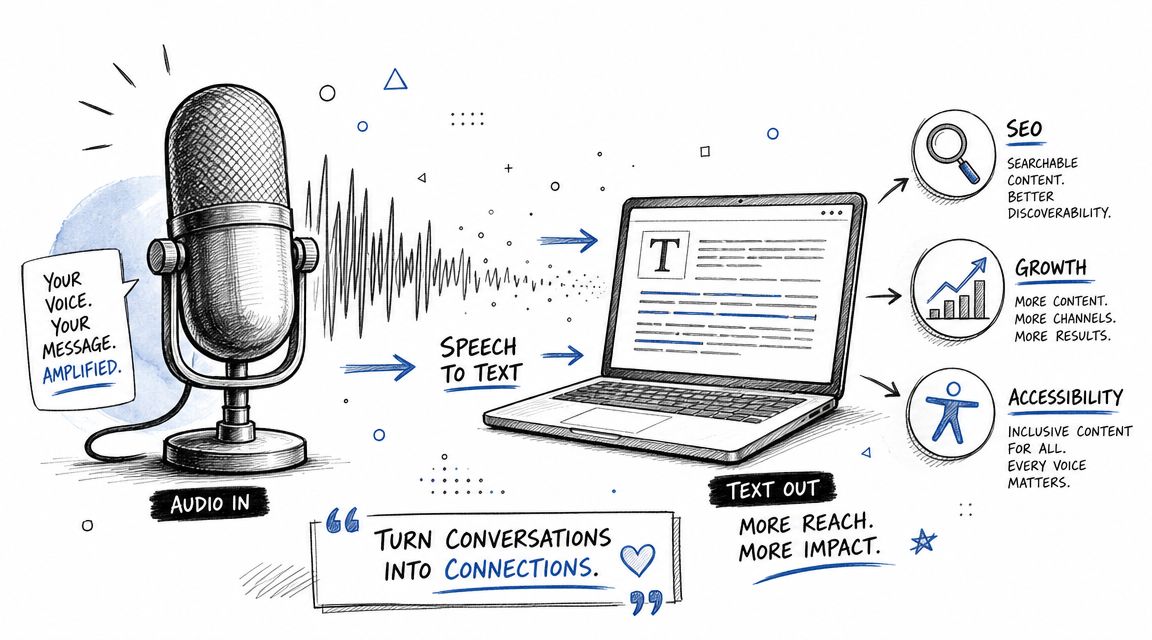
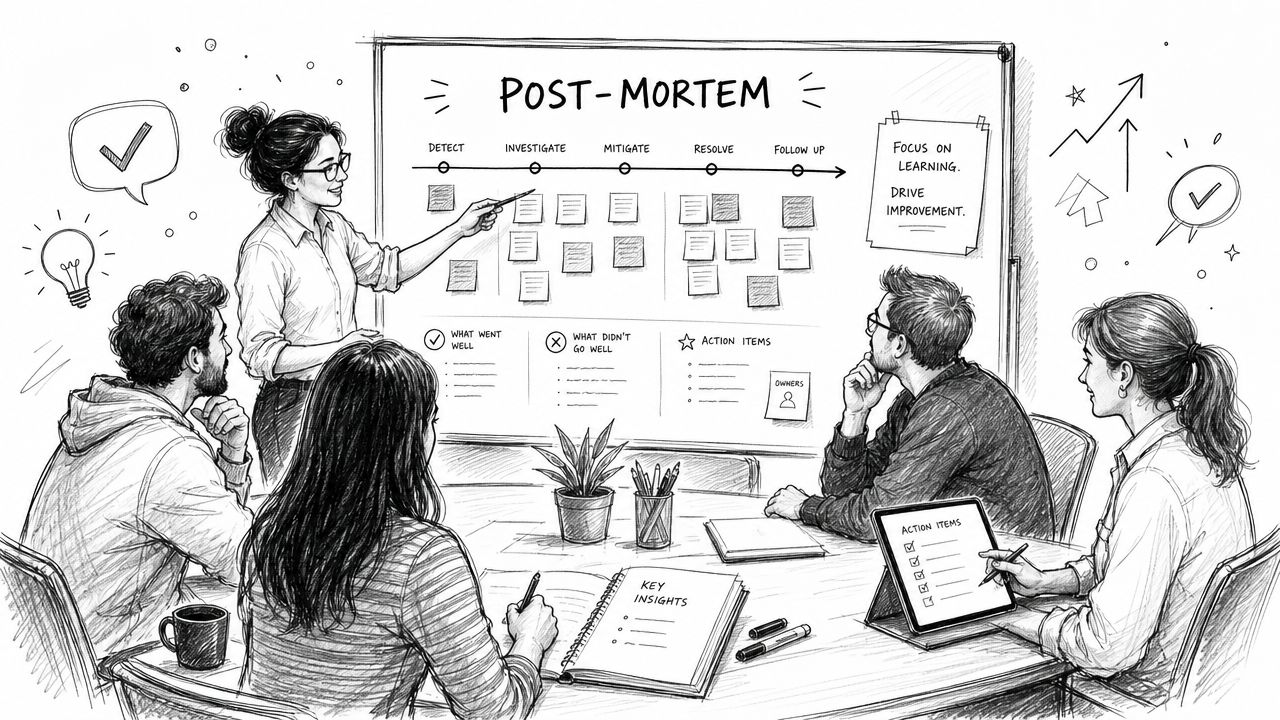
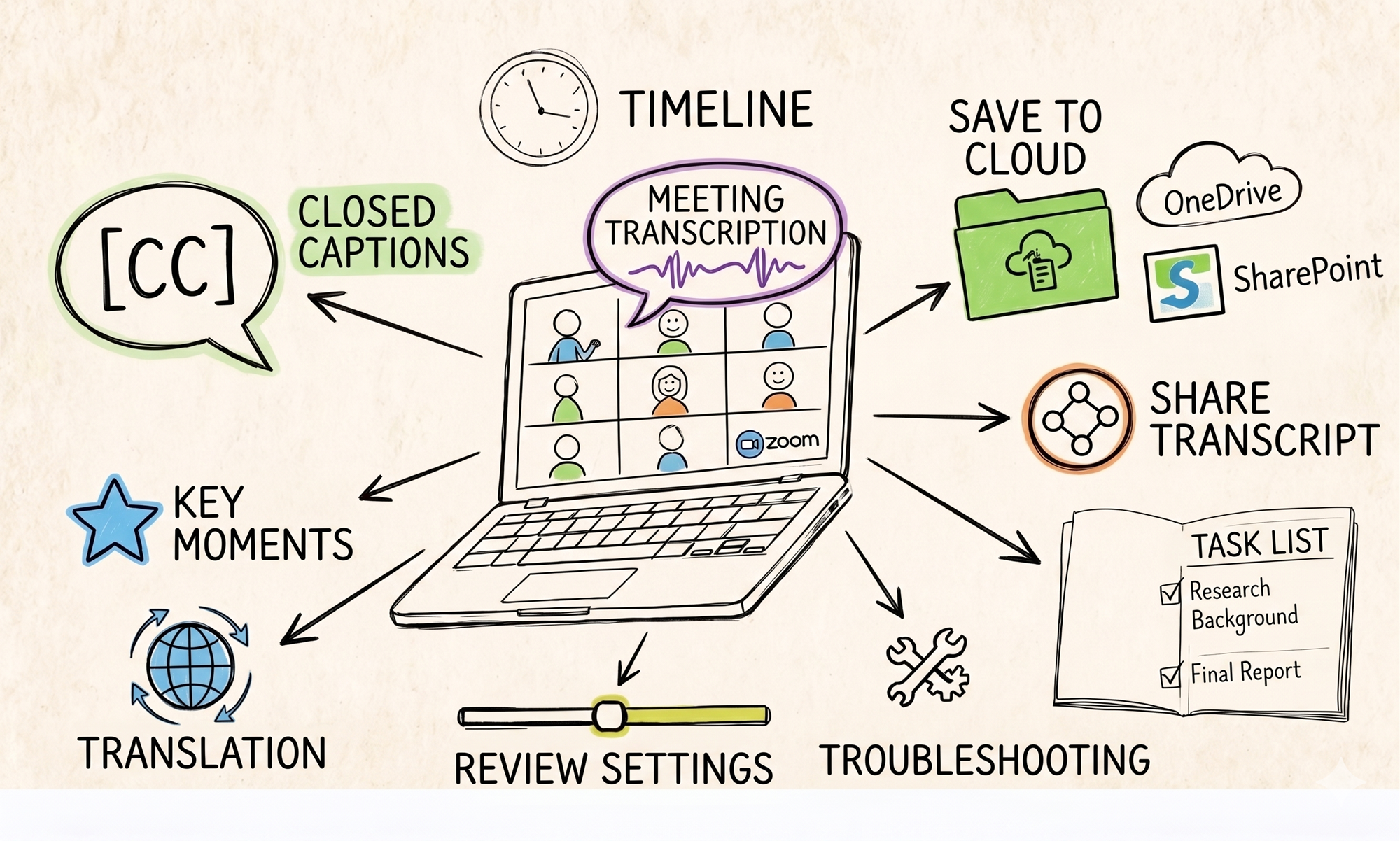
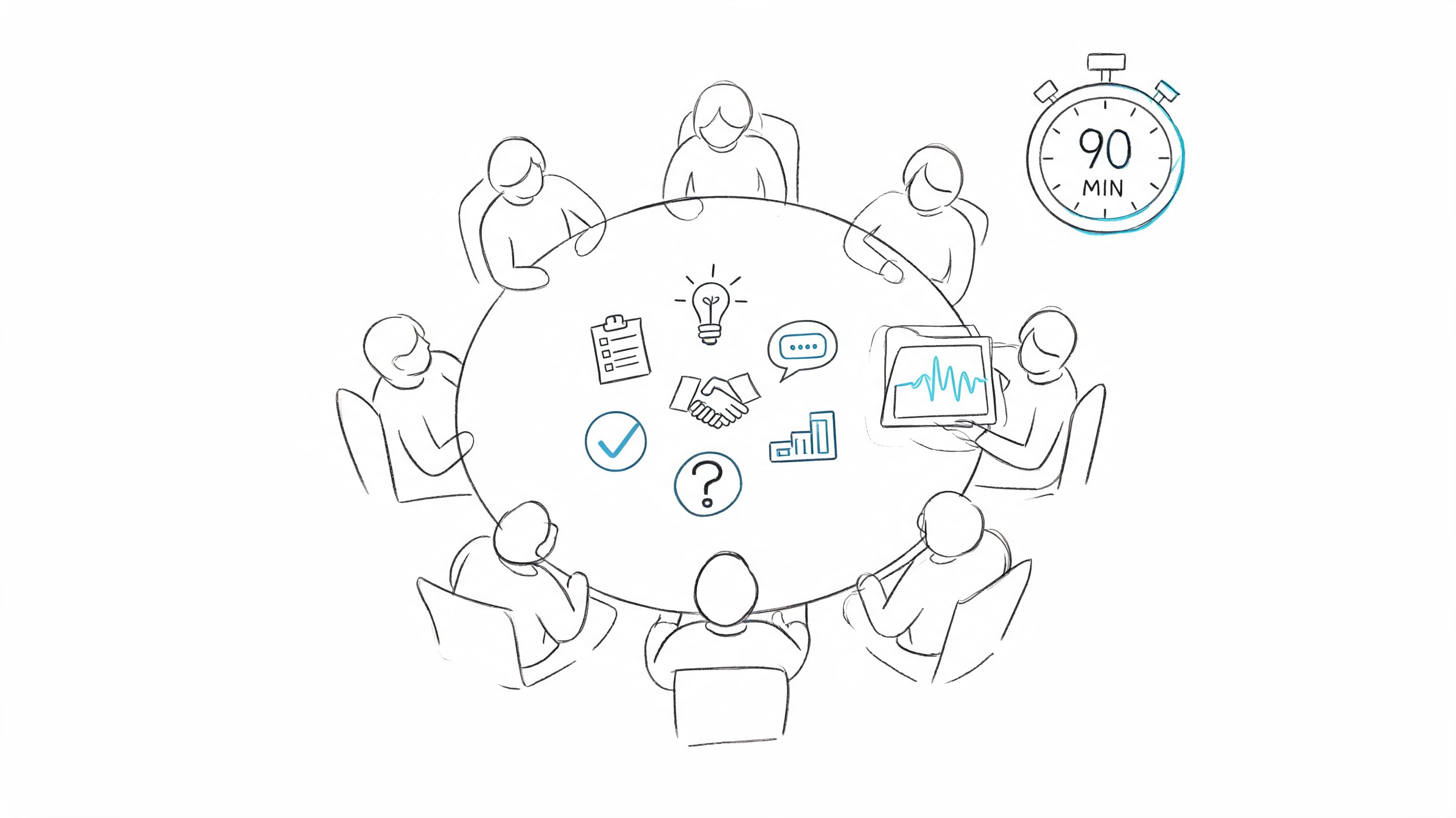
For instance, meetings are goldmines of insights, but that gold usually vanishes the second the call ends. A simple process change, like automatically recording and summarizing every important meeting, transforms a fleeting conversation into a permanent, searchable asset. Best of all, it adds zero extra work for the team.
To design workflows that stick, it helps to be familiar with established knowledge management best practices. This gives you a playbook for creating processes that are both effective and easy for people to adopt.
Different organizations formalize these processes in different ways. Some prefer a top-down, centralized model, while others thrive with a more decentralized, community-driven approach.
Comparing Knowledge Sharing Models
This table breaks down some of the common models you can adapt.
Ultimately, the right model depends on your company's culture, size, and goals. The key is to be intentional about the design rather than letting it happen by accident.
The Technology Pillar: Choose Tools That Help, Not Hinder
Finally, technology is the engine that makes your culture and processes scale. The right tools remove friction, automate the boring stuff, and make finding information feel effortless. The wrong tools become yet another forgotten login.
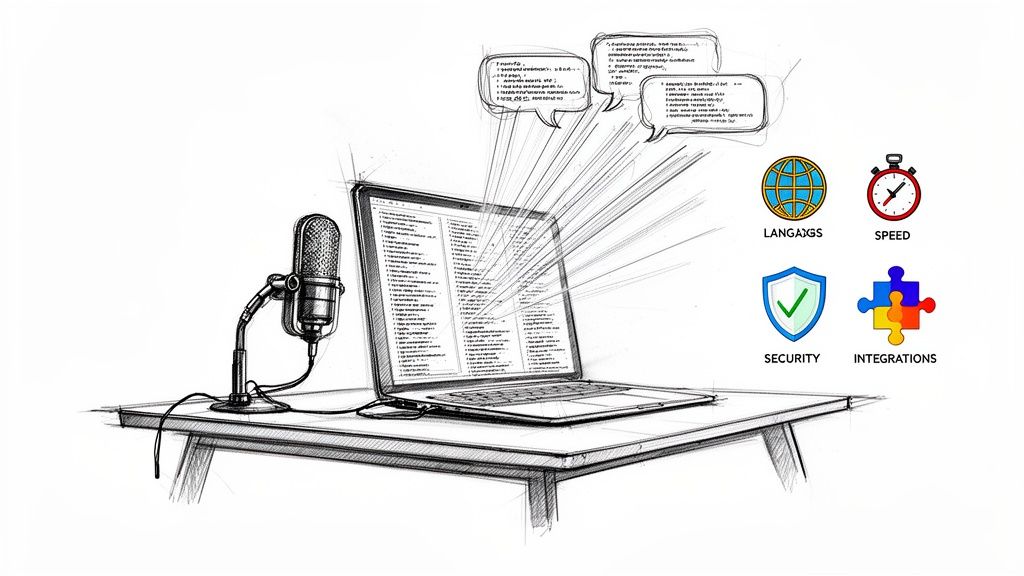
When looking at technology, ask one simple question: Does this make sharing easier or harder? Prioritize solutions that integrate with the tools your team already lives in every day—like their calendar, Slack, and project management software.
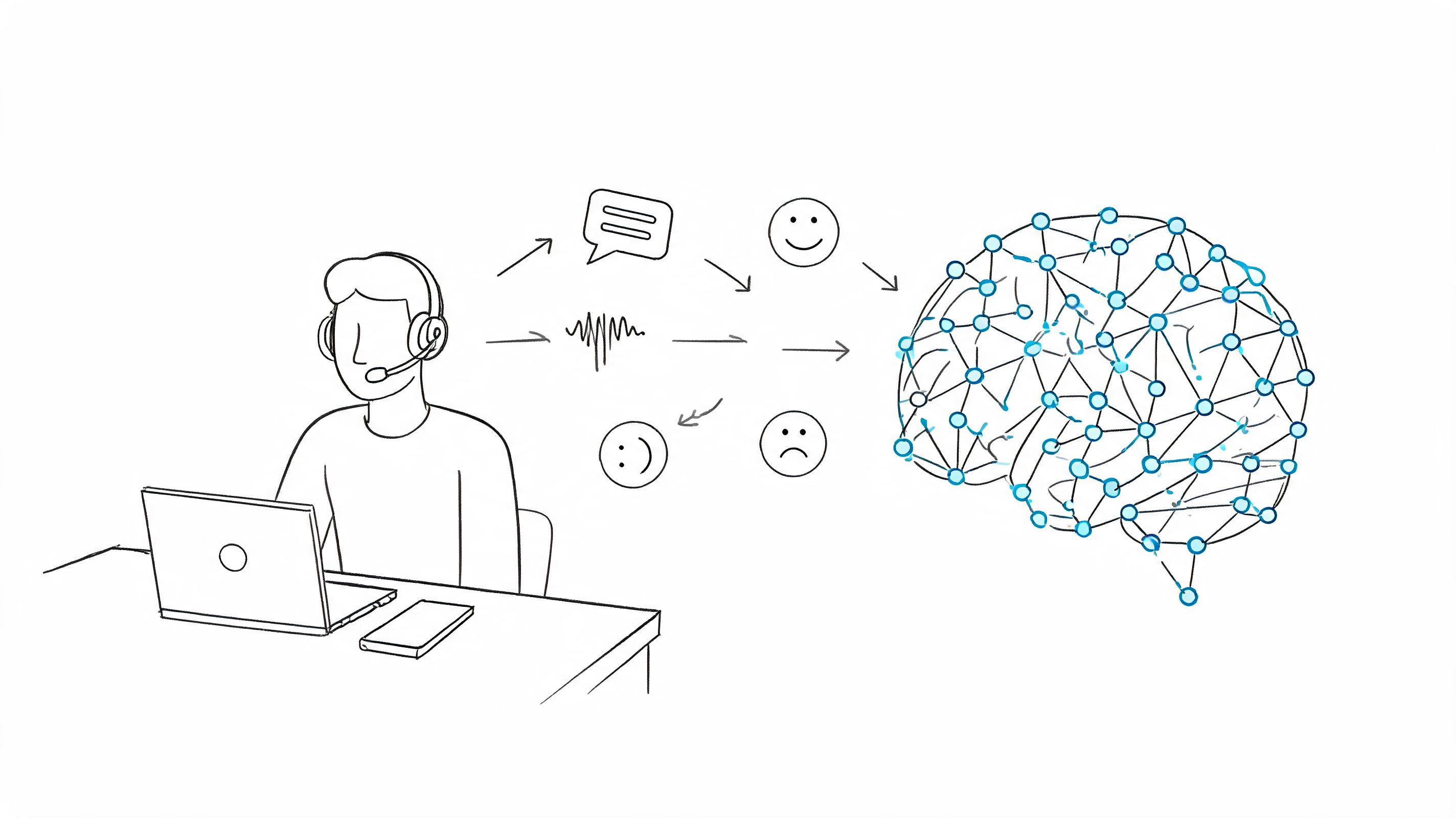
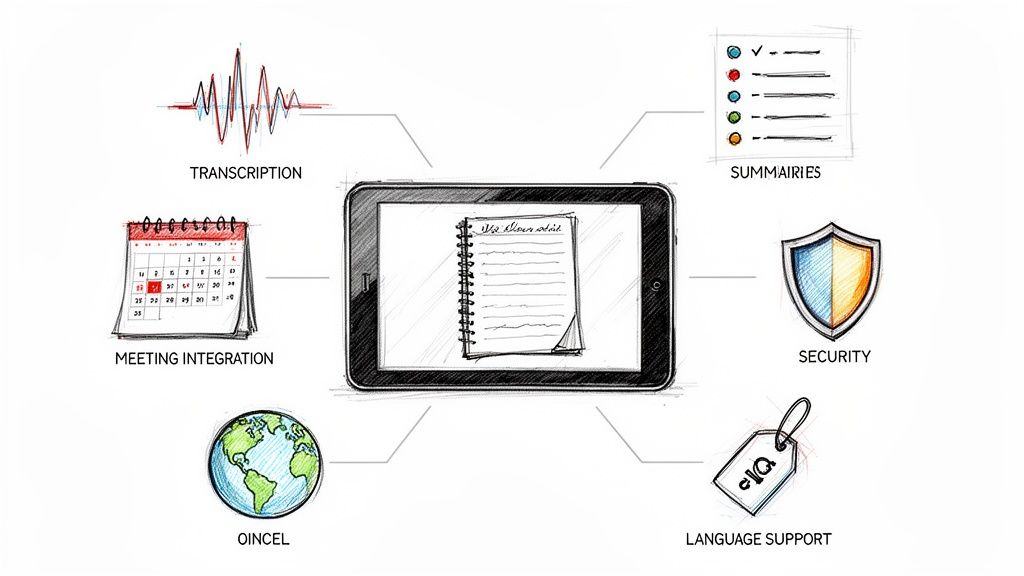
Modern platforms that use AI, like HypeScribe, are a great example of this. Instead of asking people to stop what they're doing to write things down, these tools work in the background. They can automatically capture knowledge from meetings, generate accurate summaries, and pull out key decisions and action items. This turns a passive conversation into an active piece of institutional knowledge without anyone lifting a finger.
By thoughtfully combining these three pillars—People, Process, and Technology—you can build a resilient framework for knowledge sharing that delivers real, measurable results.
How Technology Turns Conversations into Company Assets
A solid knowledge-sharing framework needs an engine, and technology is what provides the horsepower. For years, we relied on tools like internal wikis, intranets, and document repositories. While they had their place, these platforms often felt more like digital filing cabinets—places where information went to be stored, not necessarily to be found and used. Keeping them relevant required a ton of manual effort and discipline.
Then came modern collaboration hubs, which did a better job of integrating chat, project management, and file sharing. Still, they struggled with a fundamental problem: how to capture the most valuable knowledge of all—the kind that surfaces in live conversations. Every single day, brilliant ideas, critical decisions, and crucial insights are shared in meetings, only to evaporate the moment the call ends.
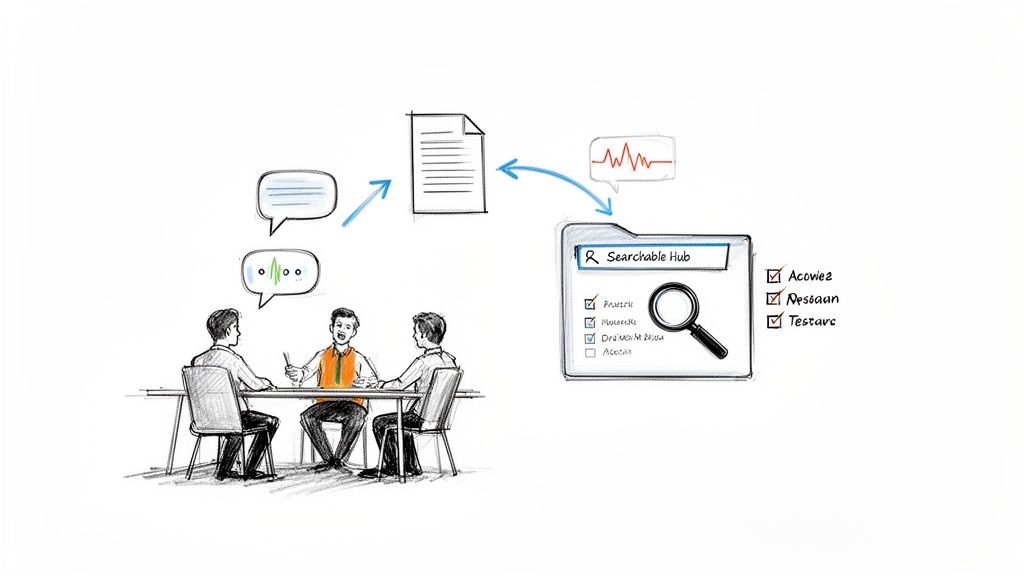
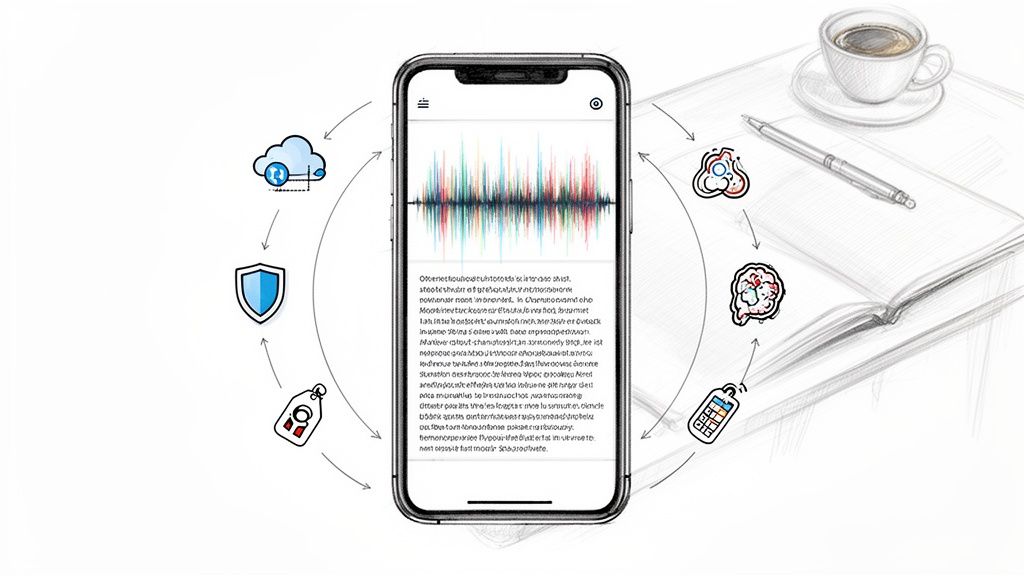
This is where the new wave of technology is completely changing the game for knowledge sharing in organizations. AI-powered platforms are built to solve this exact problem by turning those fleeting conversations into permanent, searchable assets.
From Spoken Words to Searchable Wisdom
Think about a typical project sync. The team debates blockers, brainstorms solutions, and agrees on the next steps. In the past, someone had to be the designated note-taker, frantically trying to type everything down and inevitably missing important details and nuance. That messy document would then need to be cleaned up, formatted, and shared—a step that often gets skipped when you're rushing to the next task.
Now, imagine that same meeting with an AI assistant. It’s a totally different experience.
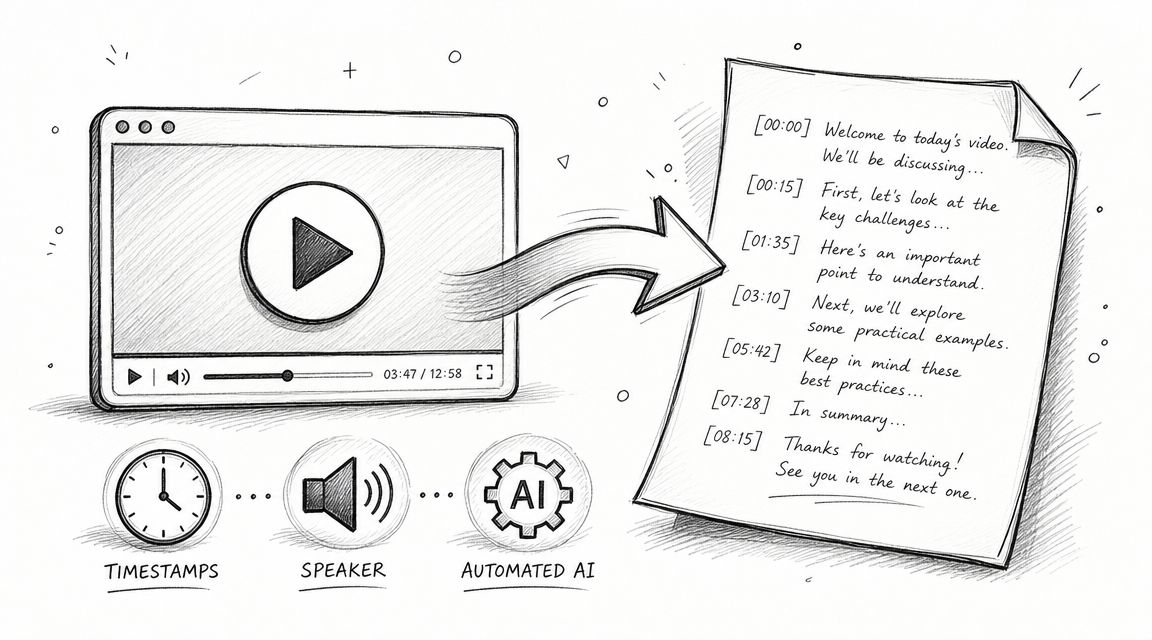
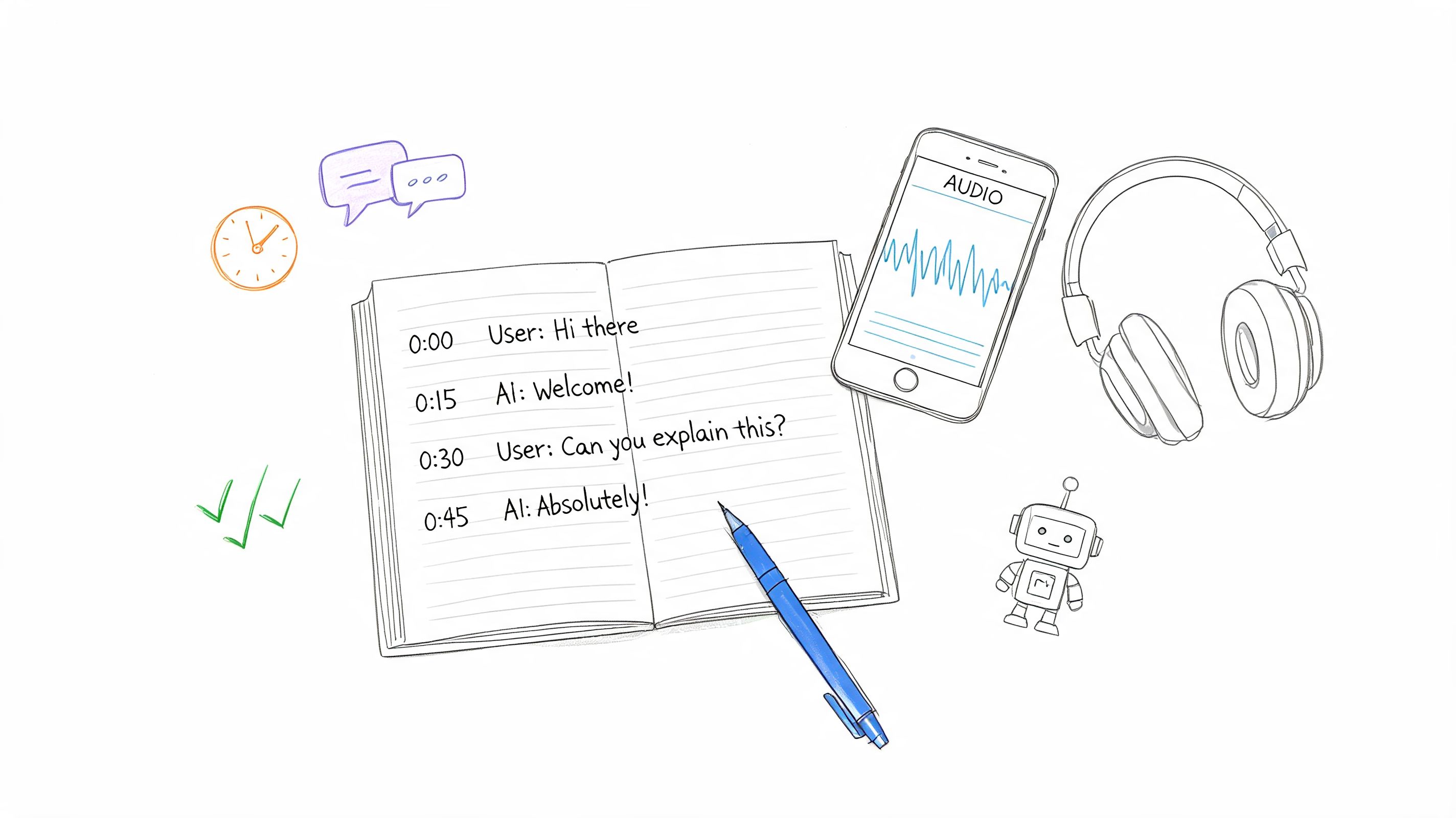
- Automated Capture: An AI tool joins your call and transcribes the entire conversation in real-time. You get a perfect, word-for-word record without anyone lifting a finger.
- Intelligent Summarization: Instead of a giant wall of text, the AI analyzes the transcript and pulls out the key highlights, creating a concise, easy-to-read summary.
- Action Item Extraction: The platform picks up on every commitment made—"I'll have that report ready by Friday," or "Sarah will follow up with the client"—and neatly compiles them into a list of action items, complete with who owns what.
This shift transforms meetings from temporary discussions into knowledge-creation events. You start building a living, searchable library of your company’s intelligence with zero extra effort from your team.
This automated approach is a lifeline for today's distributed teams. The market for these tools is growing fast, especially as remote work has become the norm. North America currently holds 38% of the global market share for knowledge management software, a trend fueled by early adopters in IT, healthcare, and retail leaning into cloud and AI tech.
Making Your Collective Brain Accessible
The real magic here isn't just capturing the information; it's making it easy to find later. Once these conversations are transcribed and indexed, they become part of a central knowledge base.
Suddenly, an employee who missed a meeting can get the key takeaways in minutes. A new hire can search a project’s name and instantly understand the context behind decisions made months before they joined.
This creates a single source of truth that gets smarter with every conversation your team has. It tears down information silos by making expertise available to everyone, no matter their department or time zone. You can learn more about how to streamline this process with an effective AI meeting note taker in our guide.
This solves one of the biggest hurdles in knowledge sharing: the reliance on manual documentation. Instead of pulling busy experts away from their work to ask them to write down what they know, technology can now passively capture that expertise as it’s being shared. It’s a seamless way to build your organization's collective intelligence, one conversation at a time.
Your Step-by-Step Implementation Roadmap
Turning your company into a place where knowledge flows freely is a journey, not an overnight flip of a switch. The best way to tackle it is with a structured, phased roadmap. This isn't about a massive, disruptive overhaul; it's about making smart, incremental changes that build momentum and actually stick.
Think of it like building a house. You don’t just show up and start putting up walls. First, you need a blueprint. Then you pour a solid foundation, and only then do you start building, one floor at a time. These steps are your blueprint for creating a knowledge-sharing culture that lasts.
Phase 1: Start with a Knowledge Audit
Before you can fix how information moves, you have to understand where it’s currently getting stuck. A knowledge audit is your diagnostic tool—your chance to map out how information actually travels (or doesn't) across your teams.
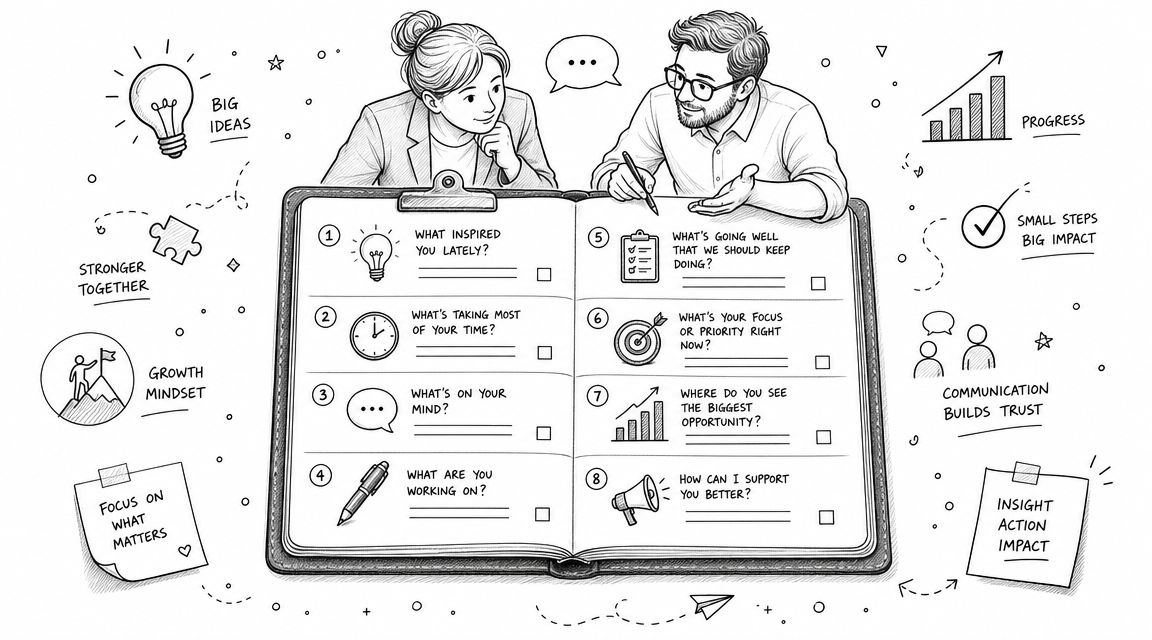
Start by asking some basic questions:
- Where does our most critical information live right now? Is it buried in Slack threads, stuck in certain people's heads, or scattered across old project folders?
- Roughly how much time do people spend just looking for the information they need to do their jobs?
- What are the most common questions people ask over and over again? These are neon signs pointing to your biggest knowledge gaps.
This discovery phase will quickly shine a light on the most painful bottlenecks. You might find your sales team is constantly bugging engineering for the latest tech specs, or that new hires feel lost trying to find basic onboarding docs. These are the leaks you need to plug first.
Phase 2: Secure Leadership Buy-In
Let's be blunt: no knowledge-sharing initiative will get off the ground without genuine support from the top. Leaders set the tone for the entire company. To get them on board, you need to show them a rock-solid business case, not just a vague idea about “better collaboration.”
Use what you learned in your audit to connect the dots between information chaos and business outcomes. Frame it in terms they care about:
- "Our team spends an estimated 5 hours per person per week hunting for information, which is a massive productivity drain."
- "By centralizing our product knowledge, we can cut new hire ramp-up time by 30%."
When you tie the plan to real-world efficiency, cost savings, and faster innovation, it stops being "just another internal project" and becomes a strategic priority.
Phase 3: Run a Targeted Pilot Program
Whatever you do, don't try to boil the ocean by rolling out a new system to everyone at once. That's a recipe for disaster. Instead, start small with a pilot program. Pick one or two teams that are feeling the pain of information silos the most—a customer support team drowning in repetitive questions or a cross-functional project group are often perfect candidates.
A pilot program is your low-risk testing ground. It lets you prove the concept, iron out the kinks in your process, and—most importantly—gather success stories that will help you win over the rest of the company.
The goal here is a quick, visible win. Once other teams see the pilot group working faster and with way less frustration, they’ll be lining up to get on board.
Phase 4: Choose and Integrate the Right Tools
With a successful pilot in the bag, it’s time to pick the technology that will support your new way of working. The absolute key here is to choose tools that slide right into your team’s existing workflow. If people have to dramatically change their habits or log into yet another system, they just won't do it.
Look for solutions that automate the capture of knowledge where it’s already being created. For instance, a tool like HypeScribe can join your meetings on Google Meet or Zoom, automatically transcribing conversations and pulling out summaries and action items. This turns everyday discussions into searchable, valuable assets without adding a single extra task to anyone's plate.
Phase 5: Train Your Team on the "Why"
When you're ready for a company-wide rollout, the training needs to be less about the "how" and more about the "why." Don't just show people which buttons to click. Explain how this new approach is going to make their day-to-day job easier.
Center the training on their specific pain points: "Remember how you can never find the final version of a client proposal? This new system solves that for good." When people clearly see what’s in it for them, they’ll be far more likely to embrace the change.
Phase 6: Measure Progress and Adapt
Finally, a knowledge-sharing system is never really "done." It has to be a living, breathing part of your culture. Set up clear metrics to track how you're doing. Are support tickets being resolved faster? Is the number of repeat questions in Slack going down? Are people actively contributing to the knowledge base?
Use this data to see what’s working and what isn’t, and don't be afraid to adjust your strategy. Continuous feedback and a willingness to improve are what ensure your system stays relevant and valuable for the long haul.
Turning Daily Conversations into Collective Intelligence
Building a world-class system for knowledge sharing in organizations isn't about buying another piece of software; it's about making a fundamental shift in your culture. We've walked through the whole process, from understanding the high cost of information silos to building a practical framework that uses technology to spark real collaboration. The organizations that get ahead are the ones that master this skill, becoming more agile and resilient in the process.
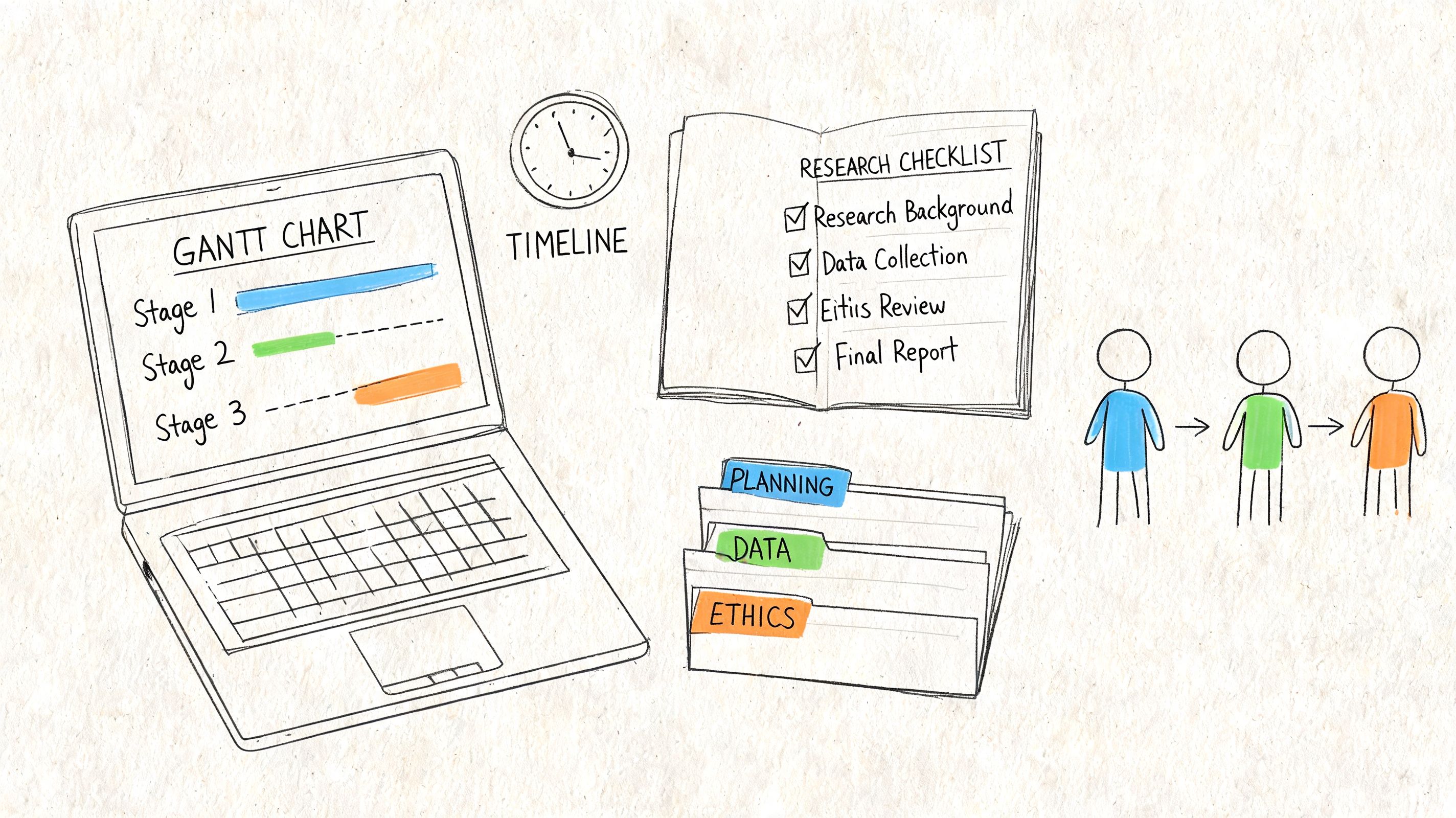
This roadmap lays out the core steps to get started, from auditing what you have now to piloting a new approach and training your team for success.
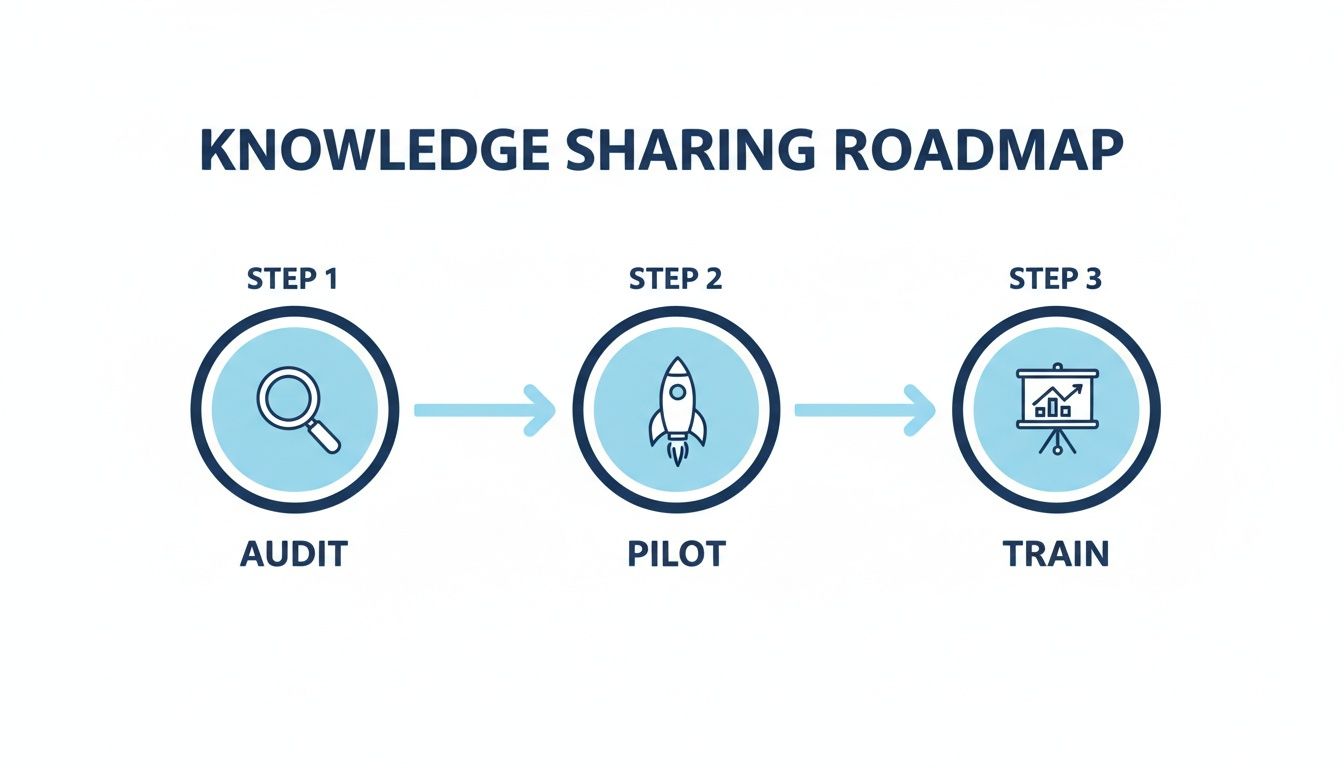
Kicking things off with a small-scale pilot is a great way to prove the concept and rack up some early wins before you roll it out to everyone.
If there's one thing to take away, it's this: start by capturing the valuable knowledge that's already flowing through your team’s daily conversations. This is the first, most powerful step toward building a lasting asset that helps your entire team succeed and is the foundation for creating a culture of collaborative learning across your teams.
Start Small, Win Big
Real change starts with one consistent action. Instead of trying to document everything all at once, just focus on the highest-value interactions that happen every single day: your meetings. By automatically capturing the decisions and insights from these discussions, you create an instantly searchable knowledge base with almost zero extra effort.
This one simple change turns a common frustration into a source of collective strength.
Capturing the wisdom from daily interactions is the most efficient way to build a smarter, more connected organization. It turns fleeting conversations into permanent, accessible intelligence that fuels future growth and innovation.
Once you build this foundation, you create real momentum. The act of sharing becomes a natural part of how people work, not just another task on their to-do list. This is how you go from a group of smart individuals to a truly intelligent organization, ready to tackle whatever comes next.
Frequently Asked Questions
Even the best knowledge-sharing strategy runs into real-world questions. Let's tackle some of the most common hurdles teams face when trying to build a more open and collaborative culture.
How Do You Encourage Employees Who Are Reluctant to Share?
Let’s be honest: hoarding knowledge is often a survival tactic. People worry that sharing what they know will make them less valuable. The only way to fix this is by creating an environment where sharing is not just safe, but celebrated.
Start by shifting the focus from individual heroics to collective success. Recognize people publicly as "Knowledge Champions" or feature their contributions in company all-hands meetings. This shows everyone that lifting the team up is what truly matters.
Also, make it ridiculously easy to share. If contributing feels like filing a TPS report, no one will do it. Weave knowledge capture directly into the tools your team already uses, like automatically saving insights from meetings. The lower the friction, the higher the participation.
What Are the Best Metrics to Measure Success?
You need a mix of hard data and human feedback to know if your efforts are actually working. The most important thing is to tie your metrics directly to business outcomes—are you moving faster, innovating more, or keeping employees happier?
- Quantitative Metrics: Look at the numbers. How many new articles are in your knowledge base? Are people finding what they search for? Have you seen a drop in repetitive questions or support tickets? These are clear signs of progress.
- Qualitative Metrics: Talk to your people. Send out surveys asking if they feel it's easier to find the information they need to do their jobs. A great anecdotal metric is tracking how quickly a new hire gets up to speed or hearing stories about how a connection between two departments sparked a breakthrough.
Ultimately, your metrics should tell a story: better knowledge sharing is making the business run better. That’s how you get buy-in to keep the momentum going.
What Is the Single Most Important First Step?
Before you do anything else, you have to stop the bleeding. The single most critical first step is to stop losing the knowledge you’re already generating every single day. And the biggest culprit? Your meetings.
Think about it. Every day, teams make decisions, hash out brilliant ideas, and agree on next steps in meetings, and then... it all vanishes. It lives only in a few people's memories or scattered notes.
Start by implementing a simple process to automatically capture what happens in those conversations. This single act creates a searchable library of decisions, insights, and action items from day one, without asking your team to do a bunch of extra work. It’s the easiest win you can get and builds the foundation for everything else.
Stop letting valuable insights from your meetings disappear into thin air. HypeScribe automatically transcribes, summarizes, and pulls action items from your calls, turning conversations into a searchable asset for your entire organization. Discover how HypeScribe can transform your knowledge sharing today.