10 Knowledge Management Best Practices for Building a Smarter Organization

Every company loses knowledge the same way: someone leaves, and the answer to a question nobody has asked yet leaves with them.
Buying a wiki does not fix this. What fixes it is deciding what gets written down, who writes it, and when — before the person with the answer is unavailable. The right framework transforms fragmented data into a powerful, accessible resource that fuels smarter decisions and accelerates growth. This article moves beyond generic advice to provide a comprehensive roundup of 10 experience-based knowledge management best practices.
We'll explore actionable strategies that directly answer common challenges, from creating a centralized knowledge hub to fostering a culture where sharing expertise is second nature. Each practice is designed to be implemented within your existing workflows, helping you build a more connected and efficient organization from the ground up. You will learn how to systematically turn individual expertise into a durable, collective asset that gives your team a definitive competitive advantage.
1. Create a Centralized Knowledge Repository
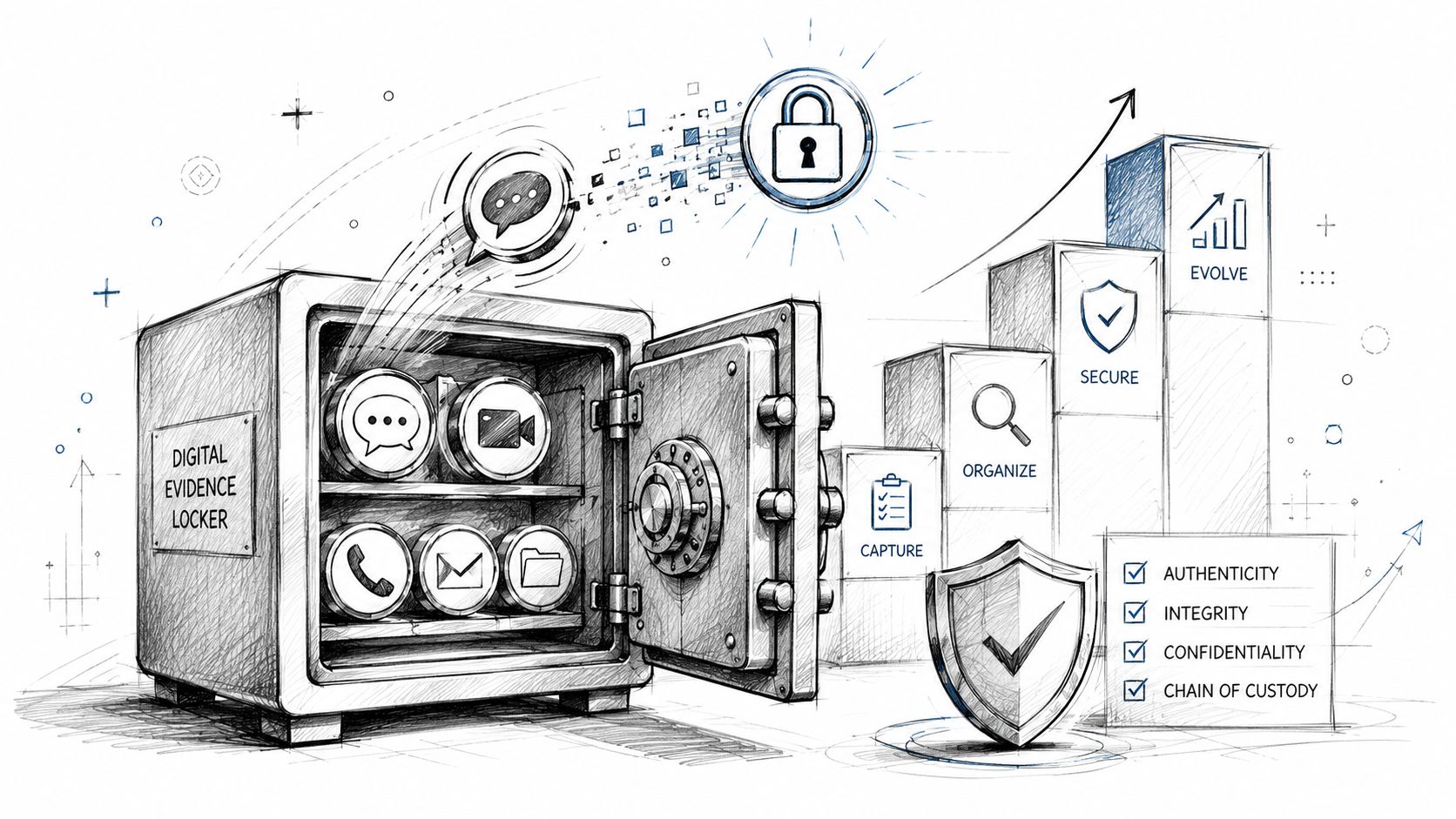
The cornerstone of any effective knowledge management strategy is a centralized knowledge repository. This is a single, unified platform where all organizational knowledge is stored, organized, and made easily accessible to every employee. It acts as the "single source of truth," dismantling information silos that often plague growing teams and ensuring everyone works from the same, up-to-date information. Without this foundation, knowledge remains fragmented across individual hard drives, disconnected cloud apps, and endless email threads, leading to wasted time and inconsistent work.
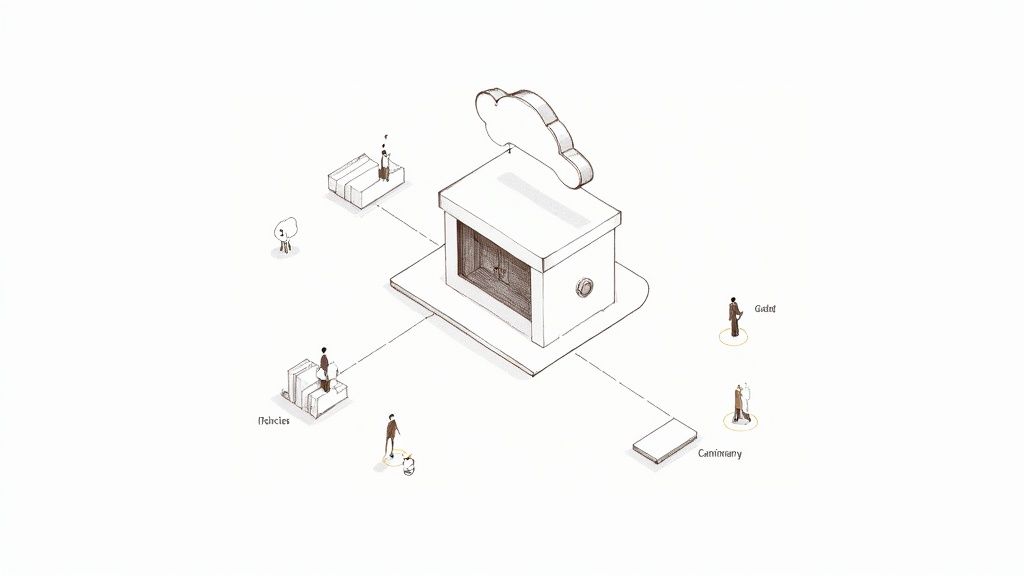
This approach is one of the most fundamental knowledge management best practices because it directly addresses the core challenge of findability. When a sales team member needs the latest product specifications or a new hire needs to understand company policies, they should have one clear place to look. Tools like Atlassian Confluence, Microsoft SharePoint, and Notion have become popular choices for building these repositories, each offering unique structures for different organizational needs.
How to Implement This Practice
Successfully launching a central repository requires more than just choosing software. It demands a strategic approach to organization and maintenance. For a comprehensive guide on actually setting up such a repository, see this article on how to build a knowledge base.
To ensure your repository becomes a valued asset rather than a digital junk drawer, follow these actionable steps:
- Define a Clear Structure: Before migrating any content, map out a logical information architecture. Create parent categories for departments (e.g., Marketing, Engineering, HR) and subcategories for specific topics (e.g., "Brand Guidelines" under Marketing).
- Appoint Knowledge Champions: Assign individuals or a small team to be responsible for maintaining the quality and accuracy of information within their respective domains. These champions ensure content stays relevant.
- Prioritize and Expand: Start by populating the repository with the most critical business knowledge, such as standard operating procedures, HR policies, and key project documentation. Expand to other areas once the initial framework is proven.
- Implement Regular Audits: Schedule quarterly or bi-annual content audits to identify and remove outdated or obsolete information. A clean, current repository encourages trust and continued use.
2. Implement Explicit Capture and Documentation
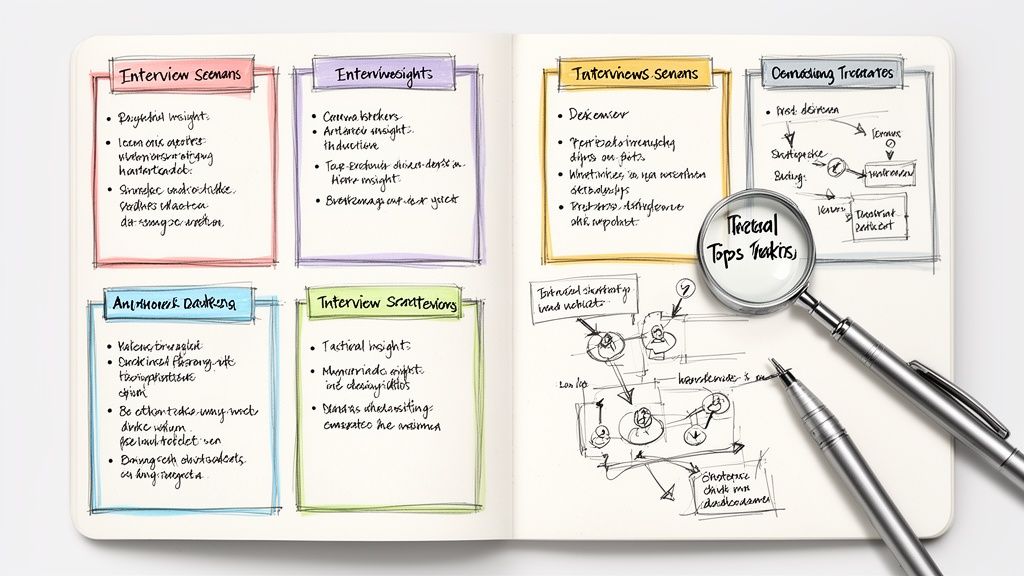
A centralized repository is only valuable if it's filled with high-quality, accessible knowledge. This is where explicit capture and documentation become critical. This practice involves systematically transforming informal, "tacit" knowledge (the unwritten expertise in employees' heads) into explicit, structured assets. It's the process of turning a senior developer's troubleshooting instincts or a top salesperson's client-handling techniques into a documented, reusable resource for the entire organization.
This approach is one of the most vital knowledge management best practices because it prevents "knowledge drain" when experienced employees leave. By documenting processes, decisions, and lessons learned, you build a resilient, scalable organizational memory. NASA's famous "Lessons Learned" system, created to capture insights from missions like Apollo, and Toyota's documented "kaizen" improvement processes are prime examples of how this practice drives continuous improvement and operational excellence.
How to Implement This Practice
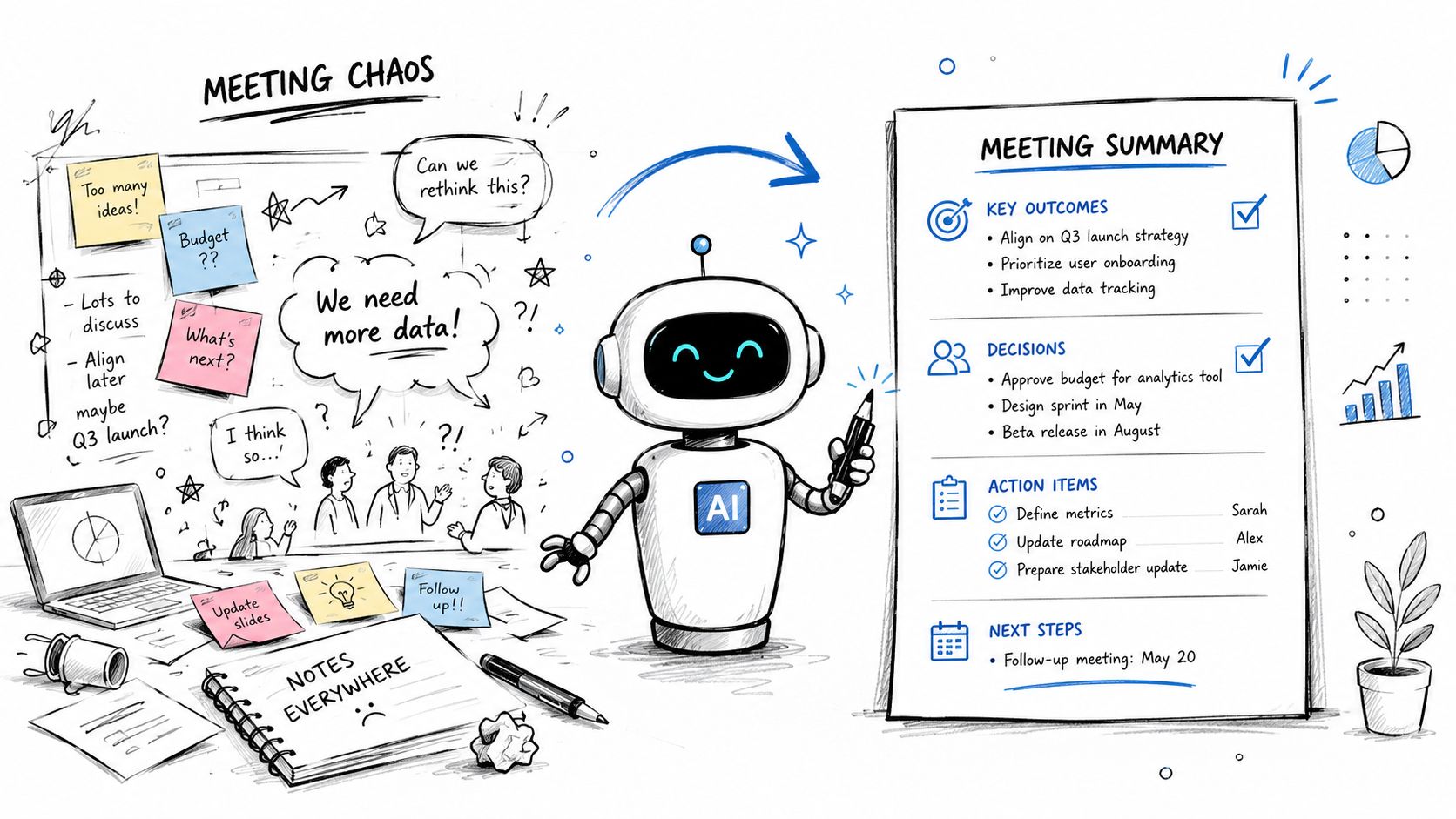
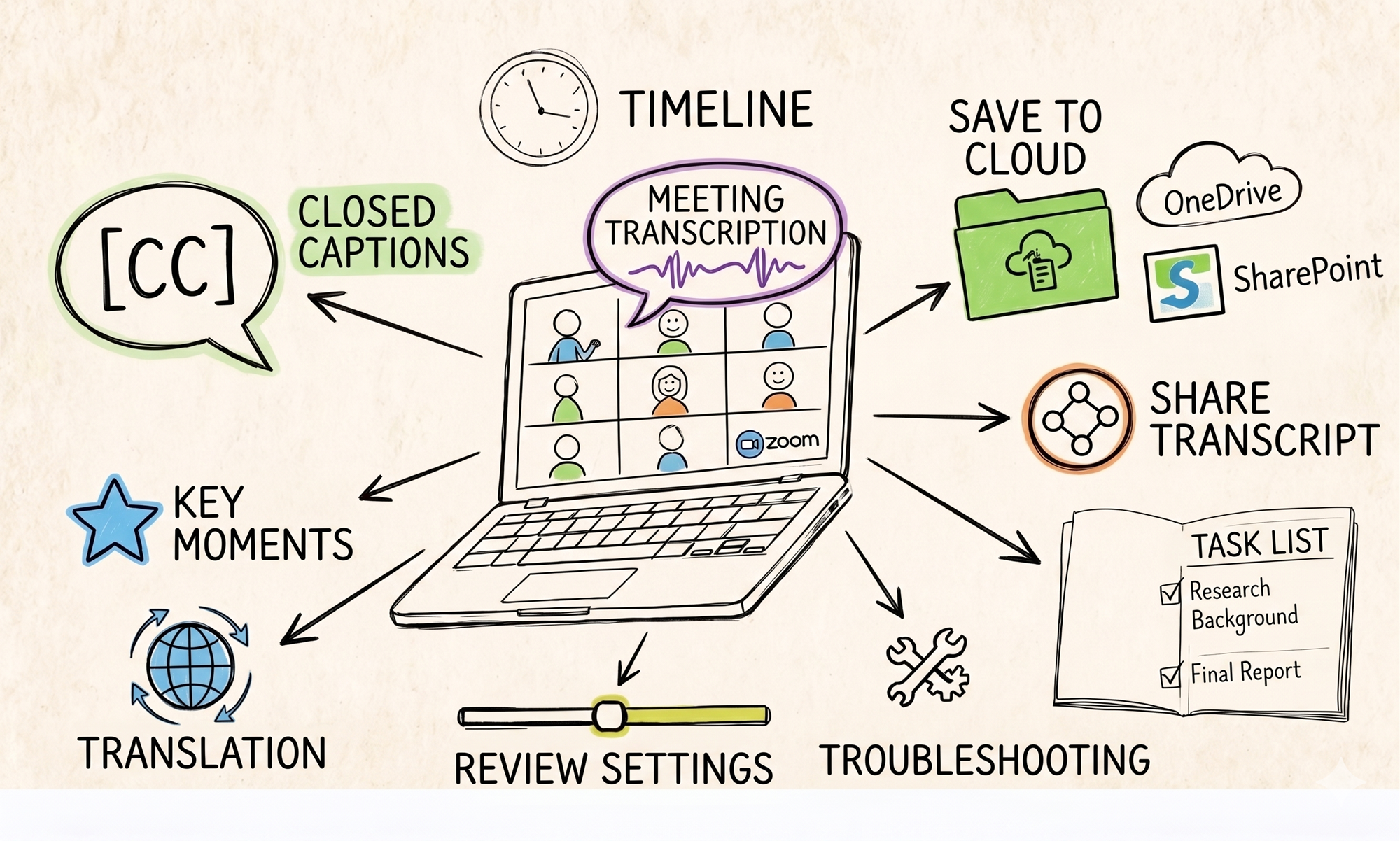
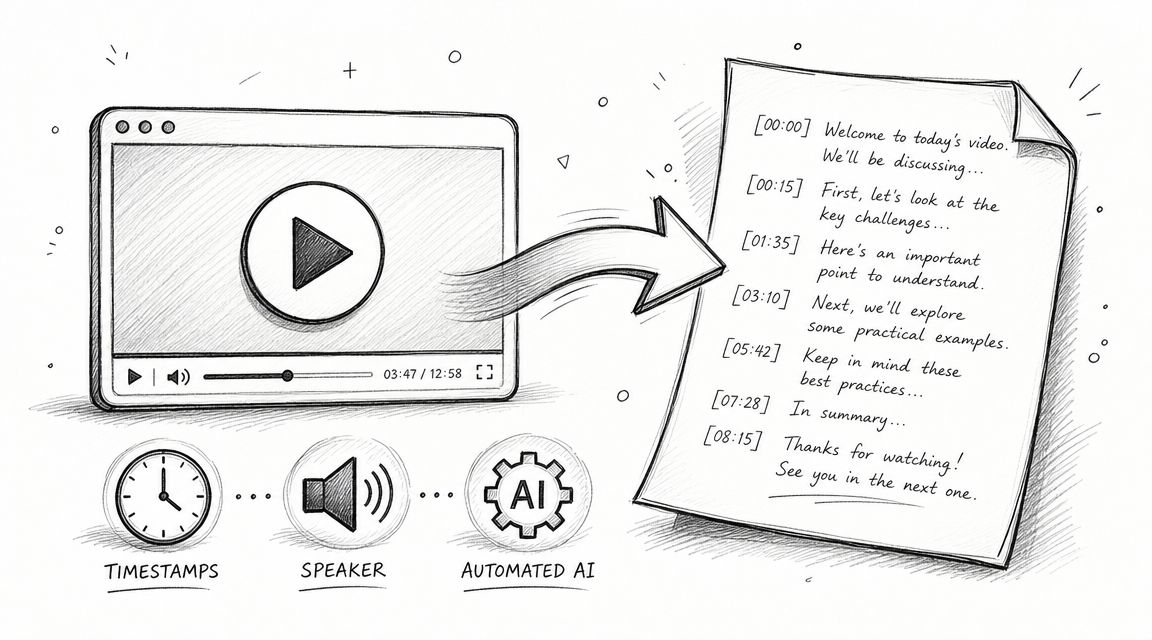
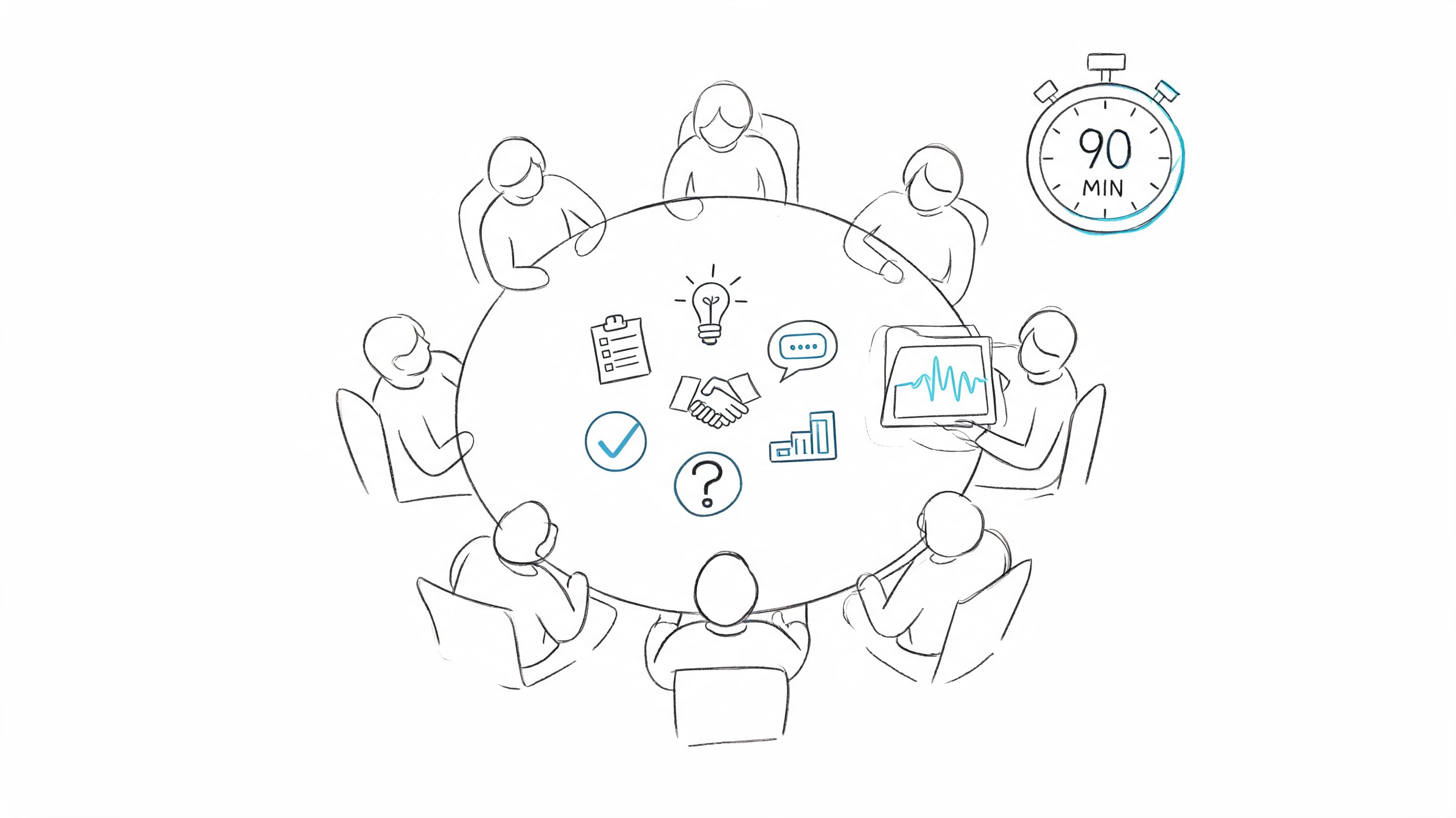
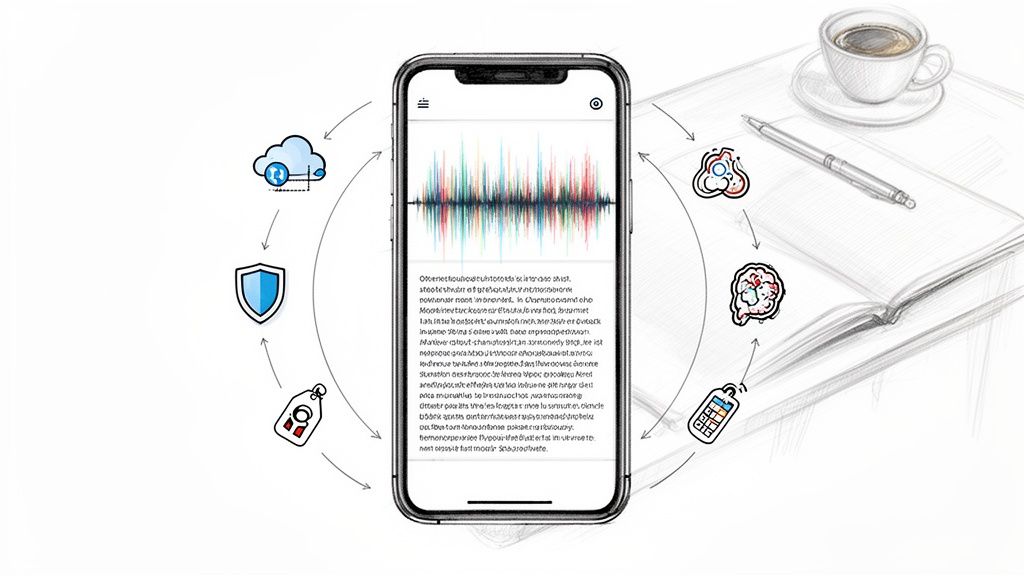
Effective documentation goes beyond just writing things down; it requires a deliberate process to ensure the captured knowledge is clear, consistent, and easy to find. It's about creating assets that empower others to act without needing to ask the original expert. For teams looking to streamline this process, especially from meetings where key decisions are made, modern tools are essential. You can learn more about how to record and transcribe meetings for documentation to make this capture process nearly effortless.
Follow these actionable steps to turn tacit knowledge into a powerful organizational asset:
- Use Standardized Templates: Create consistent templates for different types of knowledge, such as project post-mortems, standard operating procedures (SOPs), and meeting minutes. This ensures uniformity and makes information easier to digest.
- Capture Knowledge Immediately: Document insights, decisions, and processes while they are still fresh. The best time to capture knowledge from a project is right after its completion, not months later when crucial details are forgotten.
- Include Why, Not Just What: Great documentation explains the context and reasoning behind a decision or process. This "why" is crucial for helping others apply the knowledge to new and different situations.
- Leverage Multiple Formats: Don't limit documentation to text. Use screen recordings for software tutorials, audio notes for quick debriefs, and diagrams for complex workflows to cater to different learning styles.
3. Foster a Knowledge-Sharing Culture
Even the most advanced knowledge management system will fail if employees aren't motivated to use it. Fostering a knowledge-sharing culture means creating an environment where sharing expertise is a natural, valued, and rewarded part of daily work. It shifts the organizational mindset from "knowledge is power" to "shared knowledge is power," ensuring that valuable insights flow freely between teams and individuals instead of getting trapped in silos.

This cultural foundation is one of the most critical knowledge management best practices because technology is only an enabler; people are the drivers. Companies like Red Hat, with its open-source collaborative approach, and Patagonia, with its values-driven sharing, demonstrate that a supportive culture is the true engine of innovation and efficiency. When employees feel psychologically safe to ask questions and contribute ideas without fear of judgment, the entire organization becomes more resilient and intelligent.
How to Implement This Practice
Building a knowledge-sharing culture is a long-term commitment that starts with leadership and permeates every level of the organization. For more insights on building the right foundation, explore these ways to improve workplace communication.
To cultivate a culture where knowledge flows naturally, focus on these actionable steps:
- Lead by Example: Executive and management teams must actively participate in sharing knowledge. When leaders openly document their processes, admit what they don't know, and ask for input, it signals to everyone that this behavior is encouraged.
- Recognize and Reward Sharers: Publicly celebrate employees who actively contribute to the knowledge base, answer questions in forums, or mentor colleagues. Tie knowledge-sharing activities to performance reviews and consider small incentives or awards.
- Establish Psychological Safety: Championed by Amy Edmondson, psychological safety is the belief that one will not be punished for speaking up with ideas or questions. Foster this by encouraging open dialogue and framing mistakes as learning opportunities.
- Integrate Sharing into Workflows: Remove friction from the process. Make it easy to document a key decision in a tool like HypeScribe after a meeting or to update a project wiki. The easier it is to share, the more likely it will happen.
4. Develop Effective Knowledge Management Systems and Tools
While a centralized repository is the foundation, the systems and tools you choose to power it are what bring your strategy to life. Effective knowledge management systems are the engines that facilitate knowledge capture, storage, retrieval, and collaboration. Simply choosing a tool is not enough; the technology must align with your team's existing workflows and amplify their ability to share information, not create another layer of complexity. Without the right platform, even the best-laid plans will fail due to poor user adoption.
This step is one of the most critical knowledge management best practices because the right technology acts as a catalyst for cultural change. When a tool is intuitive and integrated into daily work, employees are far more likely to contribute to and consume shared knowledge. For example, platforms like Salesforce Knowledge Cloud for customer-facing teams or Jira for technical documentation are powerful because they exist where the work is already happening, making knowledge management a seamless part of the process.
How to Implement This Practice
Selecting and implementing the right tools requires a thoughtful, user-centric approach. Your goal is to empower users, not overwhelm them. For organizations looking to optimize their digital presence, understanding modern content management system best practices is crucial for developing effective tools that support knowledge sharing. To learn more about the specific components of these platforms, explore this guide on what a knowledge management system is.
Follow these actionable steps to ensure you choose and implement technology successfully:
- Define Clear Requirements: Before evaluating any vendors, document your specific needs. What problems are you trying to solve? Who are the primary users? What are your must-have features?
- Prioritize User Experience (UX): A tool with a steep learning curve will be abandoned. Choose systems with intuitive interfaces and simple navigation to encourage widespread adoption.
- Ensure Seamless Integration: Your knowledge management system should integrate with the tools your team already uses daily, such as Slack, Microsoft Teams, or your CRM. This prevents it from becoming another isolated silo.
- Invest in Training and Change Management: A successful rollout includes comprehensive training and a clear communication plan explaining the benefits of the new system. Show employees how it makes their jobs easier.
5. Build and Support Communities of Practice
While a centralized repository addresses formal knowledge, much of an organization's most valuable expertise is tacit and situational. This is where Communities of Practice (CoPs) come in. A CoP is a group of people who share a common interest, a craft, or a profession. The community evolves naturally as members come together to solve problems, share insights, and develop their skills. They create powerful, informal channels for knowledge sharing that formal systems often miss.
Pioneered by theorists like Etienne Wenger, this concept moves beyond simple training sessions. It fosters a living network where peer-to-peer learning and collaborative problem-solving thrive. For instance, a CoP for project managers could discuss new agile methodologies, while a CoP for UX designers could share best practices for user research. This approach is a critical knowledge management best practice because it nurtures the human element of expertise, building a resilient and innovative workforce.
How to Implement This Practice
Successfully fostering a CoP requires more than just creating a Slack channel. It demands intentional support and a framework that encourages organic growth and genuine engagement. The goal is to provide the soil for these communities to grow, not to build them from the top down.
Follow these actionable steps to cultivate thriving Communities of Practice:
- Align with Strategic Goals: Identify key business areas that would benefit from enhanced collaboration, such as sales effectiveness, software development, or customer support. Launch initial CoPs that directly support these objectives to demonstrate clear value.
- Appoint and Empower Facilitators: Identify respected experts or passionate employees to act as community leaders. These facilitators are not managers; their role is to spark discussions, organize events, and connect members with relevant resources.
- Provide Dedicated Resources: Show organizational commitment by allocating time for employees to participate. This could include a few hours per month for meetings or access to a budget for guest speakers. Platforms like Microsoft Teams or dedicated community software can provide a "home" for discussions and resource sharing.
- Establish Light Governance: Create simple guidelines for the community's purpose, membership, and communication etiquette. This structure helps maintain focus without stifling the informal, member-driven nature of the group.
- Measure Engagement and Impact: Track metrics like participation rates, solutions generated, and member satisfaction. Connect these to business outcomes, such as reduced time to solve problems or the adoption of new, efficient processes.
6. Create and Maintain a Knowledge Taxonomy and Metadata Framework
A centralized repository is only effective if the information within it can be found easily. This is where a knowledge taxonomy and metadata framework comes in. Think of it as the Dewey Decimal System for your company's brain, a structured classification system that organizes information logically and predictably. This framework ensures that all knowledge assets are consistently tagged and categorized, making them discoverable, understandable, and reusable across the entire organization.
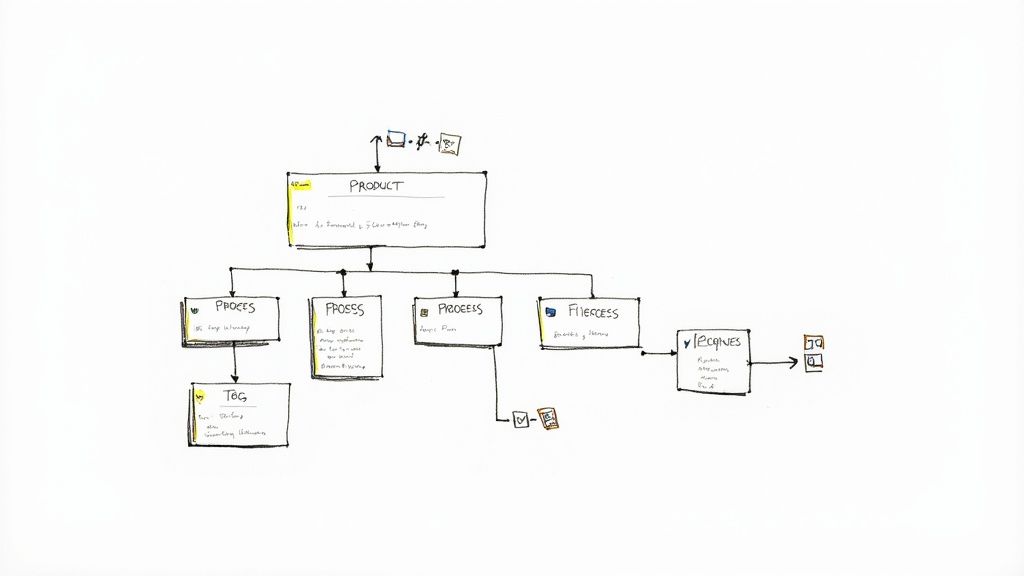
Implementing this system is one of the most impactful knowledge management best practices because it adds a crucial layer of context to your content. Without it, employees are left to guess keywords, leading to frustrating and often fruitless searches. A well-designed taxonomy, like the skill classification system used by LinkedIn or the structured product labeling used by the FDA, guides users to the right information by providing clear, standardized paths for exploration. It transforms a simple keyword search into a sophisticated, filtered discovery experience.
How to Implement This Practice
Building an effective taxonomy and metadata framework requires careful planning and collaboration. It's an iterative process that should reflect how your team actually thinks about and looks for information. The goal is to create a system that feels intuitive to the end user.
To develop a framework that scales with your organization, follow these actionable steps:
- Start with High-Priority Areas: Begin by mapping out the taxonomy for your most critical knowledge domains, such as product information, HR policies, or standard operating procedures.
- Involve Subject Matter Experts (SMEs): Work directly with department heads and SMEs to define categories and tags. Their expertise is crucial for creating a classification system that accurately reflects their domain.
- Keep It Simple and Intuitive: Avoid overly complex or academic structures. The best taxonomy is one that your employees can understand and use without extensive training.
- Automate Metadata Tagging: Use tools that can automatically suggest or apply metadata based on content analysis. For example, a tool like HypeScribe can transcribe a meeting and automatically tag it with keywords like "Q3 Marketing Strategy" or "Project Alpha Update," ensuring consistent classification.
- Review and Refine Regularly: A taxonomy is not a "set it and forget it" project. Schedule quarterly reviews to analyze usage patterns, identify gaps, and refine categories to keep the system relevant and effective.
7. Leverage Mentorship and Apprenticeship Programs
While a digital repository captures explicit knowledge, some of the most valuable organizational wisdom is tacit, learned only through experience and direct interaction. Mentorship and apprenticeship programs are designed to transfer this nuanced, human-centric knowledge by pairing seasoned experts with those eager to learn. This practice formalizes the natural process of guidance, ensuring critical skills and institutional memory are passed down effectively.
This structured approach is one of the most impactful knowledge management best practices because it addresses the human element of learning that documentation alone cannot capture. It fosters a culture of continuous development, strengthens interpersonal connections, and ensures that the expertise of senior team members doesn't leave with them when they retire or move on. Companies like JPMorgan Chase and Microsoft have long used formal mentoring to accelerate talent development and cross-pollinate ideas across generations.
How to Implement This Practice
A successful mentorship program is more than just a series of informal chats; it requires clear structure, commitment, and defined goals. The objective is to create a mutually beneficial relationship that accelerates skill acquisition and builds long-term professional capabilities.
To build a program that delivers tangible results, follow these actionable steps:
- Create a Structured Framework: Define the program's objectives, duration, and expectations. Outline clear roles for both mentors and mentees to ensure everyone understands their commitment.
- Provide Training and Resources: Equip mentors with coaching skills and provide mentees with guidance on how to drive the relationship. A little training goes a long way in making these partnerships productive.
- Match Pairs Thoughtfully: Use a combination of career goals, skill gaps, and personality traits to create strong mentor-mentee pairings. A good match is foundational to the program's success.
- Encourage Reverse Mentoring: Implement programs where junior employees mentor senior leaders on topics like new technology or social media trends. This facilitates a two-way flow of knowledge and bridges generational gaps.
- Measure and Recognize Success: Track progress through regular check-ins and feedback sessions. Publicly recognize successful mentors and highlight positive outcomes to encourage broader participation and demonstrate the program's value.
8. Implement Regular Knowledge Audits and Gap Assessments
A knowledge management system is not a "set it and forget it" solution. Over time, information becomes outdated, processes change, and new knowledge gaps emerge. Implementing regular knowledge audits and gap assessments is a proactive practice that ensures your knowledge base remains relevant, accurate, and aligned with current business objectives. This systematic review identifies what knowledge exists, pinpoints critical gaps, and highlights areas for improvement.
This process transforms your knowledge base from a passive repository into a dynamic strategic asset. It's one of the most crucial knowledge management best practices because it directly links knowledge assets to business performance. For example, a pharmaceutical company might audit its R&D knowledge to prevent redundant experiments, while a global firm like Siemens uses knowledge mapping to ensure operational excellence is shared across all business units. The goal is to continuously refine and optimize your organization’s collective intelligence.
How to Implement This Practice
A successful knowledge audit provides a clear roadmap for strengthening your company's intellectual capital. It moves beyond simply checking for outdated documents and delves into how knowledge flows (or doesn't flow) between teams and strategic functions.
To conduct an effective audit and turn insights into action, follow these steps:
- Schedule Audits Systematically: Establish a regular cadence for audits, such as annually or biennially, to make it a routine part of your operational rhythm.
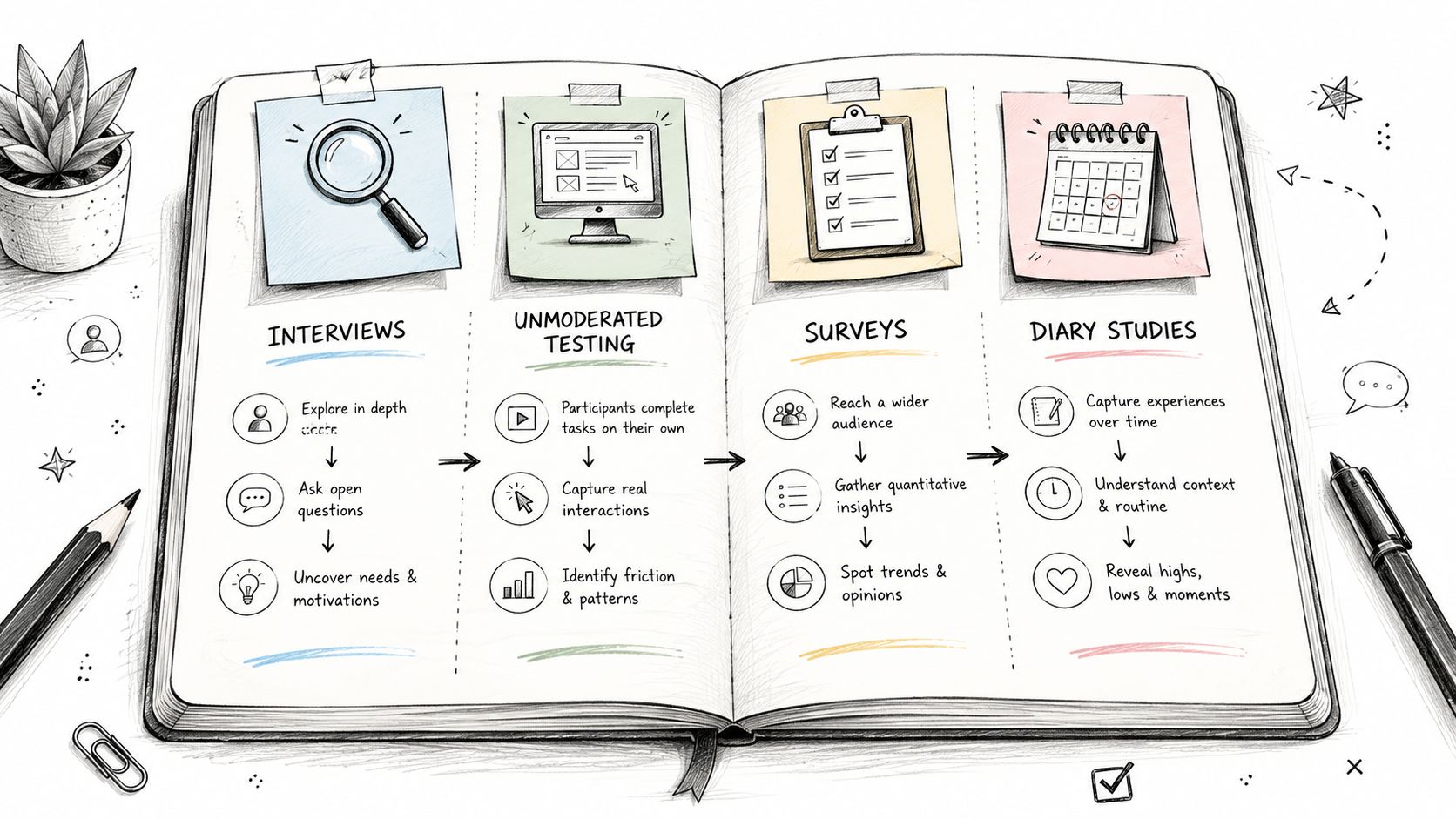
- Use a Mixed-Methods Approach: Combine quantitative and qualitative methods for a complete picture. Use surveys to gather broad feedback, conduct interviews with subject matter experts to uncover deep insights, and analyze system usage data to see what content is accessed most.
- Map Knowledge to Business Goals: Don't just audit content; audit its strategic value. Map key knowledge assets to specific business processes and strategic initiatives to identify which gaps pose the greatest risk or offer the biggest opportunity.
- Develop and Track Action Plans: The audit's output should be a clear action plan. Prioritize filling the most critical gaps, assign ownership for creating or updating content, and set deadlines. Track progress to ensure the audit leads to tangible improvements.
9. Establish Knowledge Management Governance and Stewardship
Implementing tools and processes is only half the battle; sustaining a successful knowledge management program requires a formal governance structure. This involves creating clear roles, responsibilities, policies, and decision-making frameworks to oversee the entire knowledge ecosystem. Strong governance ensures the quality, consistency, security, and long-term alignment of your knowledge assets with broader organizational objectives, transforming your KM initiative from a one-off project into a sustainable business function.
Without proper stewardship, even the best knowledge base can devolve into a disorganized and untrustworthy resource. Governance provides the necessary oversight to maintain data integrity, manage content lifecycles, and ensure the system evolves with the company. This strategic approach is one of the most critical knowledge management best practices because it builds accountability and ensures the system delivers lasting value. For instance, companies like Unilever have established Chief Knowledge Officer roles to provide executive-level oversight, ensuring KM initiatives receive the sponsorship and resources needed to succeed.
How to Implement This Practice
Effective governance balances control with agility, providing structure without stifling innovation or user adoption. It's about creating a clear set of rules for how knowledge is created, validated, shared, and archived, ensuring everyone understands their role in the process.
To build a robust governance framework that supports your knowledge management goals, follow these actionable steps:
- Define a Clear Mission and Objectives: Start by documenting what you want to achieve with your KM program. Is the goal to improve onboarding, accelerate innovation, or enhance customer support? A clear mission statement will guide all governance decisions.
- Establish Executive Sponsorship: Secure a high-level executive sponsor to champion the initiative. This leader will advocate for resources, remove roadblocks, and reinforce the importance of knowledge sharing from the top down.
- Assign Stewardship Roles: Appoint "knowledge stewards" or "domain experts" responsible for specific areas of knowledge. These individuals are tasked with reviewing, updating, and validating content within their domain, ensuring its accuracy and relevance.
- Create KM Policies and Procedures: Develop and communicate clear guidelines on content creation standards, version control, access rights, and the process for archiving or deleting obsolete information.
- Integrate with IT and Compliance: Work closely with IT, security, and legal departments to ensure your KM governance aligns with existing data security policies, privacy regulations (like GDPR), and compliance requirements.
10. Integrate Knowledge Management with Business Processes and Decision-Making
To truly elevate knowledge management from a passive resource to an active driver of success, it must be woven directly into the fabric of daily operations. This means embedding knowledge sharing and utilization into the very business processes and decision-making frameworks that power your organization. When knowledge is a required input for a workflow, it ceases to be an optional extra and becomes an essential component for achieving operational excellence and making informed choices.
This approach transforms knowledge from something people can look up to something they must engage with to complete their work. It's one of the most powerful knowledge management best practices because it guarantees that insights are applied where they matter most, directly impacting outcomes like efficiency, innovation, and risk mitigation. For example, Siemens famously embedded knowledge capture into its Six Sigma quality improvement processes, ensuring lessons learned from one project directly improved the next.
How to Implement This Practice
Integrating knowledge into workflows requires a deliberate and systematic effort to connect information to action. It’s about making the right knowledge available at the right time within the tools and processes your team already uses.
Follow these actionable steps to embed knowledge into your core business functions:
- Map Knowledge Needs to Processes: Start by identifying a high-impact process, like new client onboarding or product development. Map out each step and pinpoint exactly what knowledge is needed to execute it successfully. This could be a best-practice checklist, a risk assessment template, or customer data.
- Embed Knowledge into Workflows: Design your workflows to prompt users to consult or contribute knowledge at critical junctures. For instance, a project management workflow could include a mandatory "lessons learned" phase before a project can be marked as complete, ensuring valuable insights are captured every time.
- Create Decision-Support Tools: Build dashboards or automated reports that pull relevant, real-time data and knowledge from your repository directly into the decision-making environment. This helps leaders make evidence-based choices without having to manually search for information.
- Link Performance to Knowledge Integration: Tie performance metrics to the effective use of knowledge. Measure improvements in cycle time, error rates, or customer satisfaction for processes where knowledge management has been integrated, demonstrating its tangible business value.
Where Knowledge Actually Leaks
Before choosing practices, it helps to know where the losses happen. In most teams it is these four points, in this order.
Notice that three of the four are conversations, not documents. That is the part most knowledge management projects miss: they build a place to write things down, then discover nobody has time to write.
Top 10 Knowledge Management Best Practices Comparison
From Information Overload to Intelligent Action
Embarking on a journey to refine your organization's approach to knowledge management can feel monumental. The ten best practices we've explored serve not as a rigid checklist but as a strategic blueprint for transforming your company’s collective intelligence from a scattered liability into a dynamic, actionable asset. Moving beyond the chaotic state of information overload requires a deliberate and sustained effort, but the rewards are profound, impacting everything from daily operational efficiency to long-term strategic innovation.
The core theme connecting these practices is intentionality. A robust knowledge management framework doesn't happen by accident. It is the direct result of creating a centralized knowledge repository that acts as a single source of truth, establishing clear processes for explicit capture and documentation, and actively cultivating a knowledge-sharing culture where collaboration is rewarded. Without these foundational pillars, even the most advanced tools will fail to deliver their promised value.
Synthesizing Strategy, Culture, and Technology
The true power of these knowledge management best practices emerges when they are integrated into a cohesive system. Think of it as a three-legged stool:
- Culture: Fostering psychological safety and building Communities of Practice are the cultural bedrock. This encourages team members to ask questions, share nascent ideas, and volunteer expertise without fear of judgment. It’s about making "what do we know?" a more common question than "who do I ask?"
- Process: This is where structure brings order to chaos. Implementing a clear knowledge taxonomy, conducting regular knowledge audits, and establishing governance and stewardship roles ensure that your knowledge base remains relevant, accurate, and easy to navigate. It turns a messy digital attic into a well-organized library.
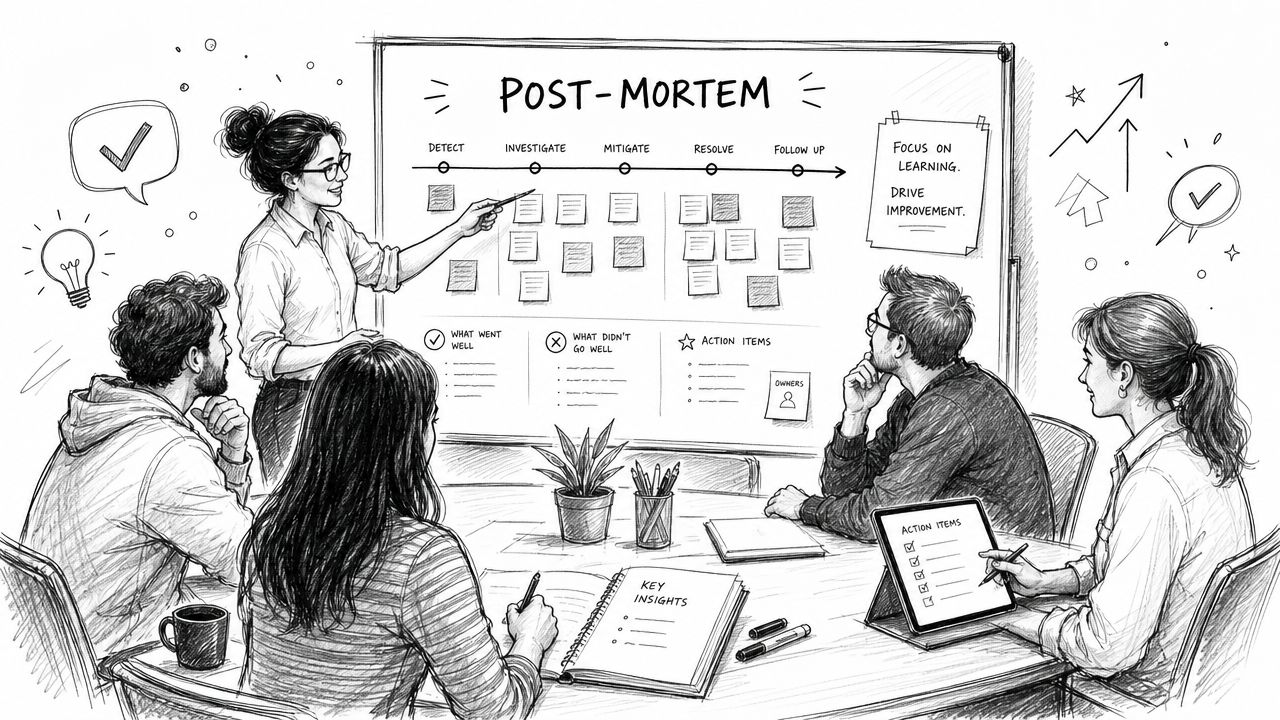
- Technology: The right knowledge management systems and tools are the enablers. They automate capture, facilitate search, and connect people. For instance, a tool like HypeScribe can automatically transcribe a project post-mortem meeting, creating an explicit record that can be tagged, categorized, and added to your central repository, ensuring no lesson learned is ever lost.
By weaving these elements together, you create a self-reinforcing cycle. A supportive culture encourages people to use the processes, well-defined processes make the technology more effective, and effective technology makes it easier for people to participate, further strengthening the culture.
Your First Steps Toward Intelligent Action
The path to maturity in knowledge management is a marathon, not a sprint. Attempting to implement all ten practices at once will lead to burnout and limited adoption. Instead, focus on building momentum through targeted, high-impact initiatives.
Start by identifying your organization's most significant "knowledge pain point."
- Is crucial information consistently lost after projects end? Begin by integrating a "lessons learned" debrief into your standard project workflow.
- Are new hires struggling to find essential onboarding documents? Prioritize creating a centralized repository for just that specific need.
- Do different departments constantly reinvent the wheel? Launch a pilot Community of Practice around a shared discipline, like marketing or software development.
By tackling a tangible problem and demonstrating clear value, you build the business case and the organizational enthusiasm needed for broader change. The ultimate goal is to embed these knowledge management best practices so deeply into your daily operations that they become invisible, seamlessly empowering your teams to make smarter decisions, innovate more rapidly, and consistently build upon their collective experience. You are not just organizing documents; you are architecting a smarter, more resilient organization prepared for the challenges of tomorrow.
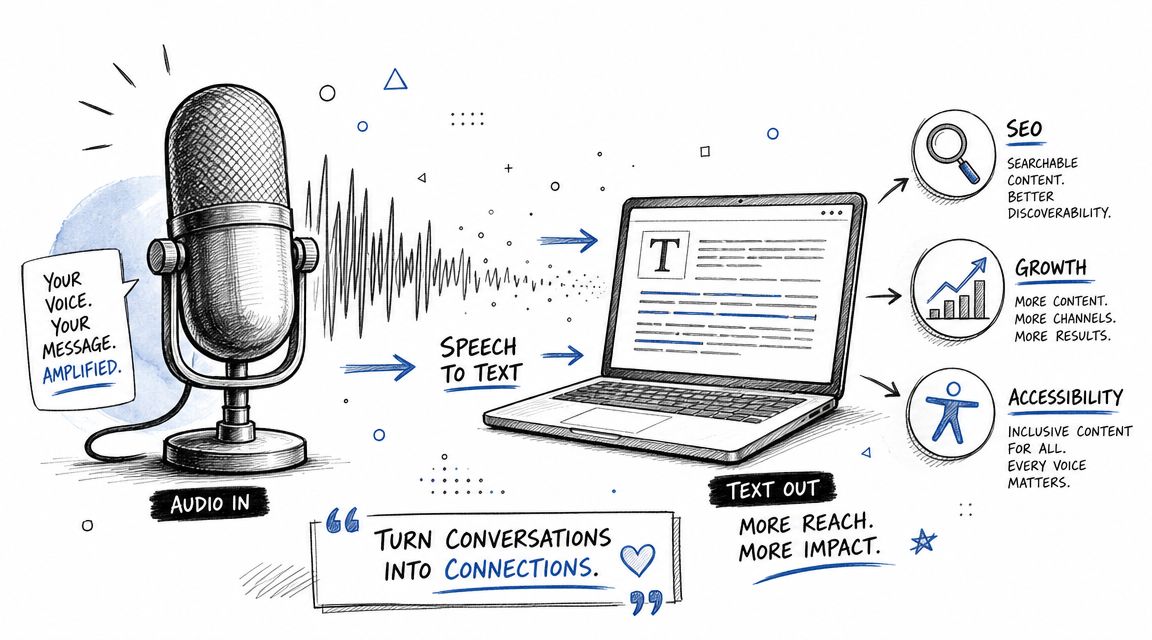
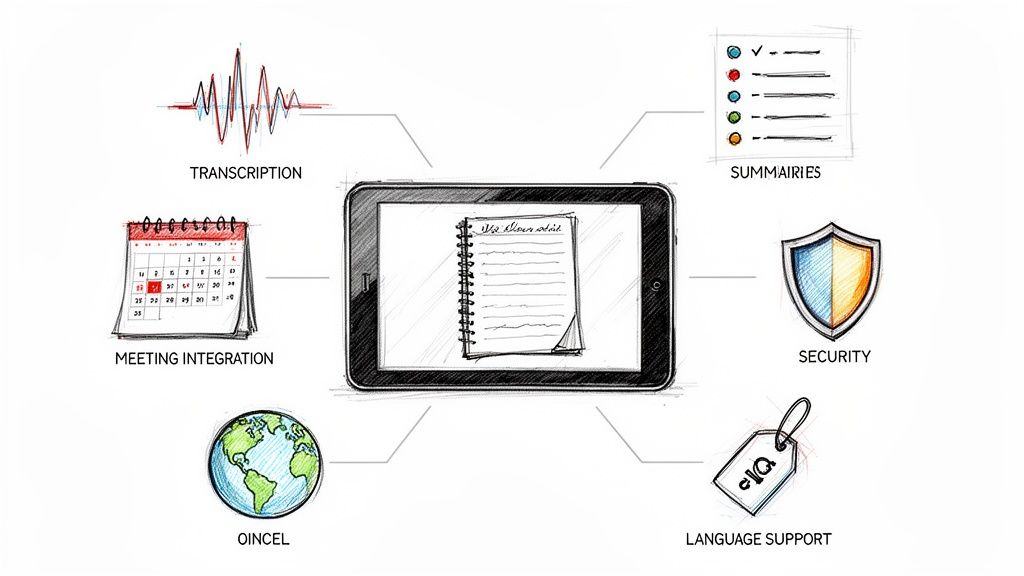
Most institutional knowledge is spoken, not written — in onboarding calls, handovers and the meeting where the decision was actually made. HypeScribe turns those recordings into searchable transcripts with summaries, so the answer exists somewhere other than one person's memory. Try it free — three files a month, no card required.