10 Best Practices for Onboarding New Employees in 2026

When a new hire joins your team, their experience in the first few months is one of the most critical periods in their entire journey with your company. A confusing or disorganized onboarding process often leads to disengagement and can significantly increase turnover within the first 18 months. On the other hand, a well-structured onboarding program can boost employee retention by over 80% and productivity by 70%, setting a new team member up for long-term success. The difference is a thoughtful, structured, and intentional approach.
This guide goes beyond the basic welcome packet and IT setup to provide actionable strategies for building a world-class onboarding program. Before we dive into the specifics, getting a broad overview from resources on general employee onboarding best practices can offer a solid foundation. From there, this article will walk you through ten specific, practical steps you can implement right away.
We'll share real-world examples and proven techniques to help you design a system that not only keeps top talent but also helps them make an impact from day one. You'll learn how to create clear 30-60-90 day plans, foster meaningful connections with mentors, and use feedback to continuously improve. We will also show how modern tools like HypeScribe can streamline these processes by transcribing training sessions and creating searchable knowledge hubs, which is especially important for supporting remote and hybrid teams. Here are the best practices for onboarding new employees that will turn your process from a simple orientation into a strategic advantage.
1. Implement a Structured Onboarding Program with Clear Milestones
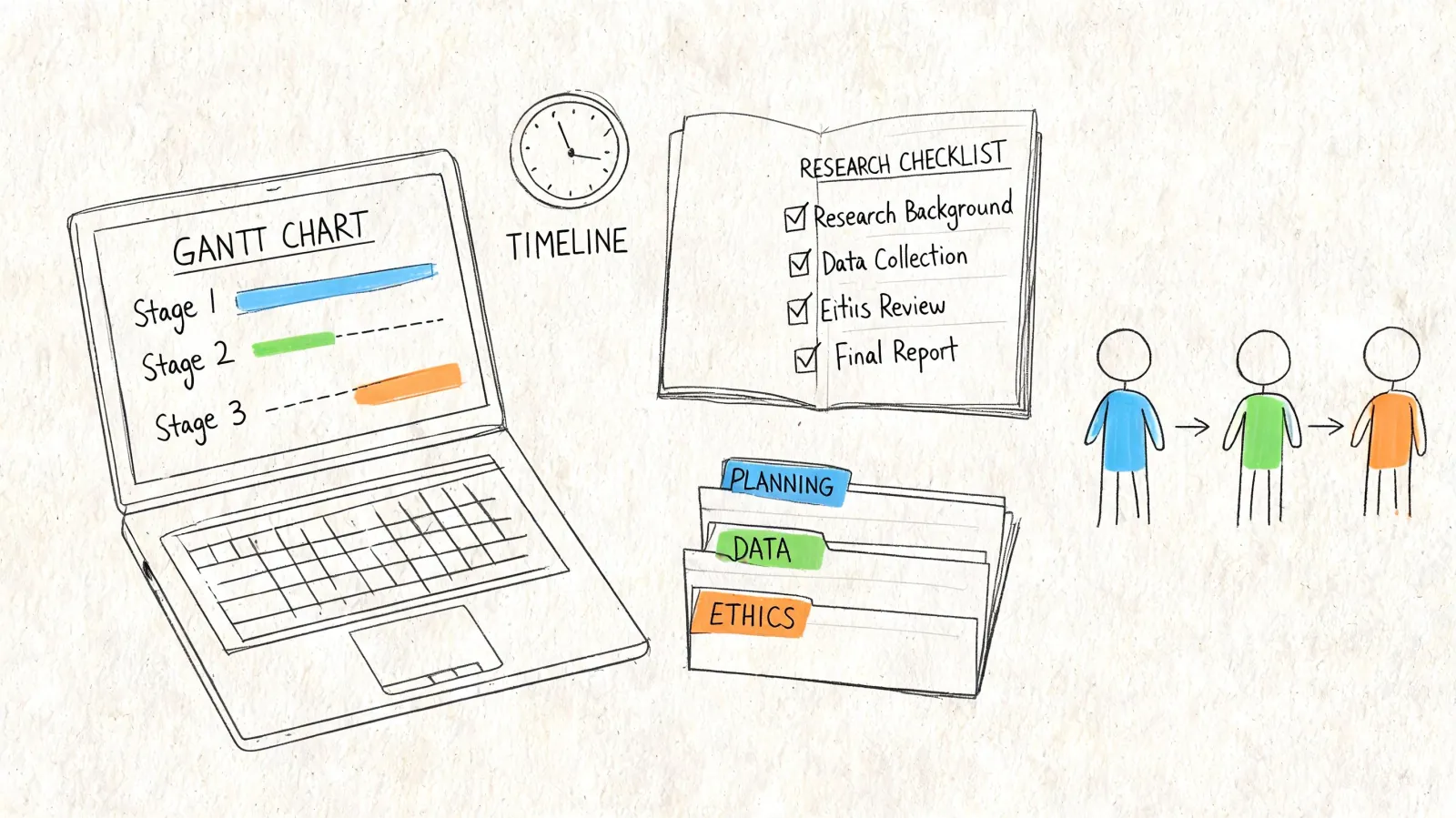
A structured onboarding program gives new hires a clear, step-by-step roadmap instead of leaving them to guess what comes next. This approach breaks the integration process into distinct phases, such as pre-arrival, the first day, the first week, and the first 30, 60, and 90 days. Each phase should have specific, measurable goals, so new employees know exactly what’s expected of them and can see their own progress.
This turns onboarding from a simple orientation into a strategic journey toward becoming a fully productive and integrated team member. By setting clear milestones, you can proactively address challenges, measure progress, and create a consistent, positive experience for every new hire. Companies like Google and Microsoft have shown that a structured approach leads to faster ramp-up times and higher employee retention.
How to Implement a Structured Program
To effectively implement this best practice for onboarding new employees, your main goal is to create a detailed plan with actionable steps for each phase.
- Create Role-Specific Roadmaps: Develop a unique plan for each role. A comprehensive onboarding checklist for new employees is an invaluable tool for ensuring a smooth and structured start. This should outline key training sessions, introductory meetings with colleagues, and initial projects.
- Set Measurable Milestones: Define clear, trackable goals for each stage. For example, a new hire should complete compliance training by day 3, have access to all necessary systems by week 1, and contribute to their first team project by day 30.
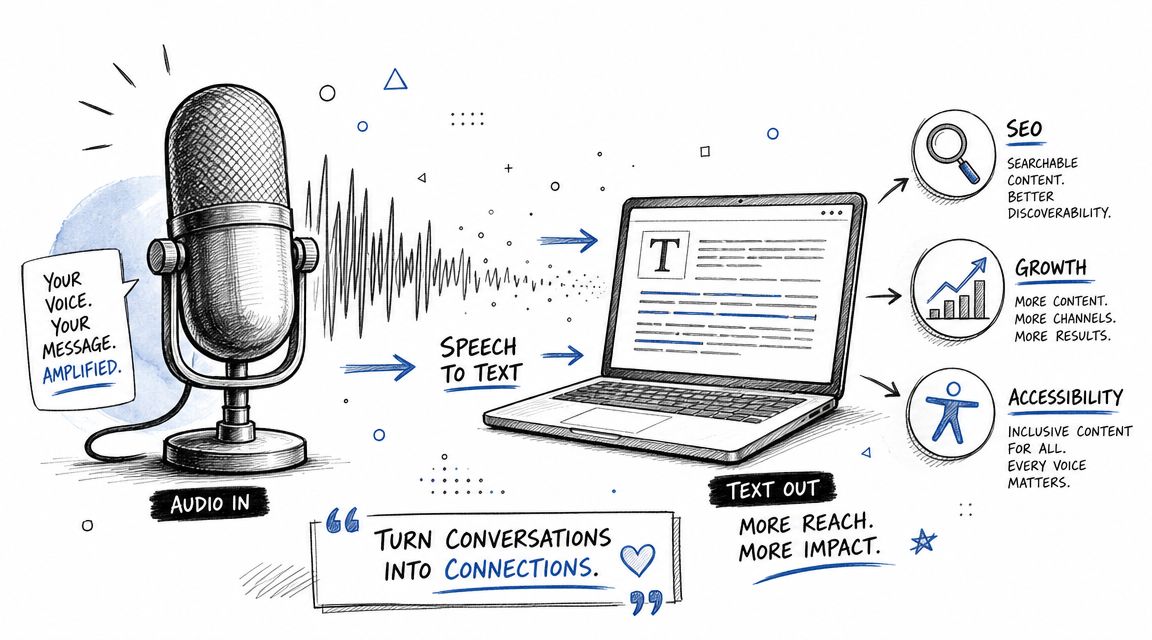
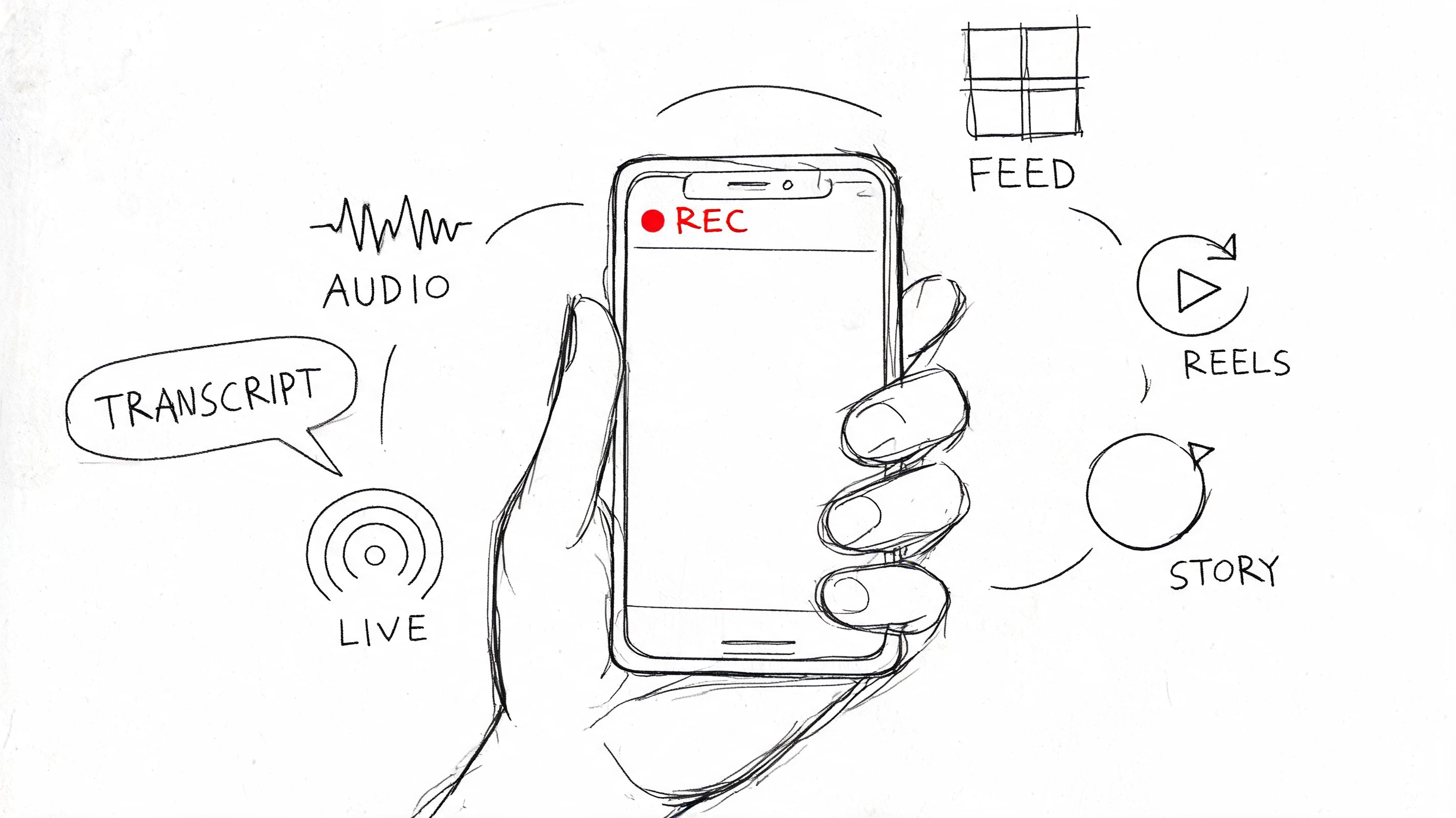
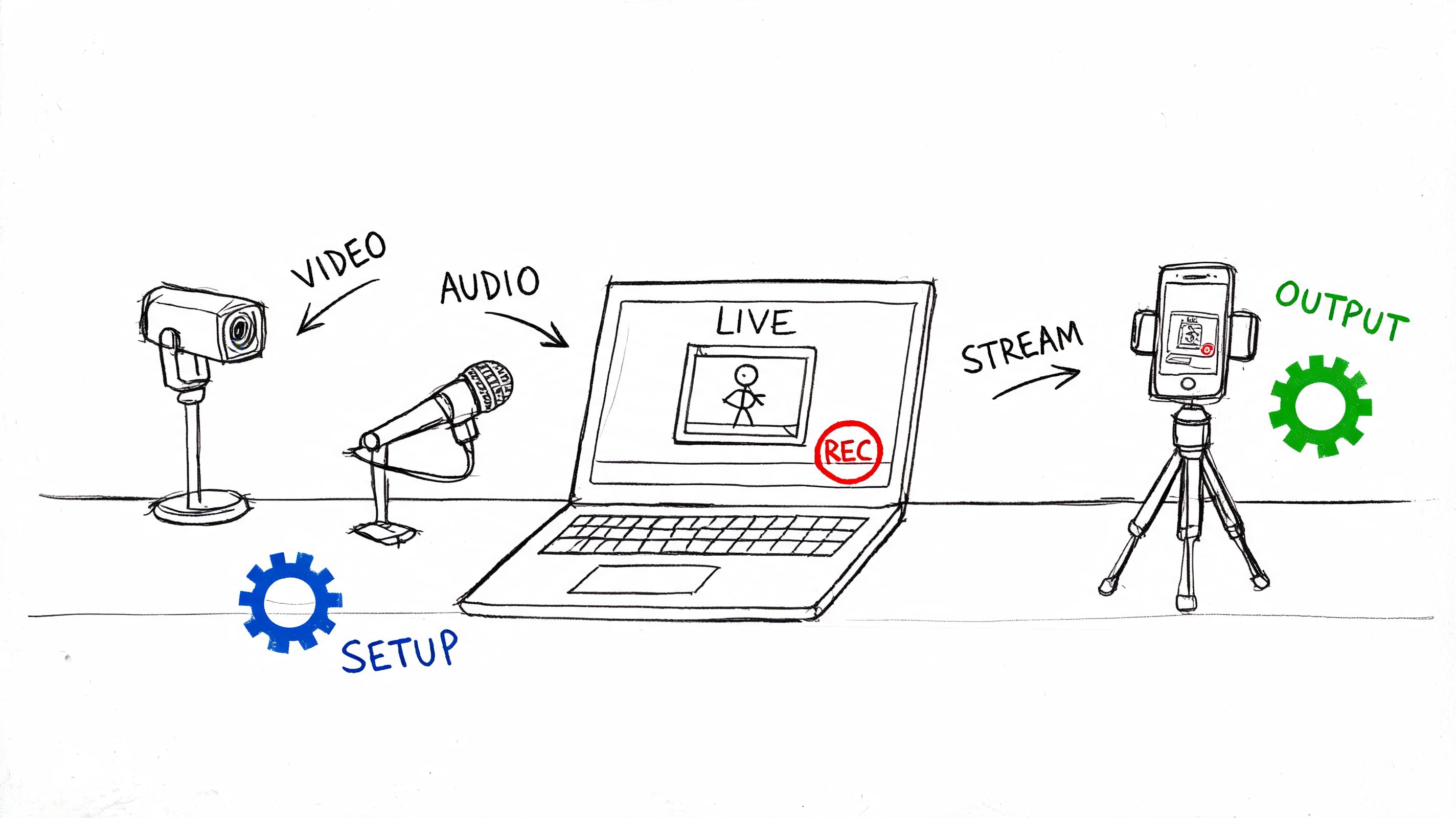
- Leverage Technology for Consistency: Use tools like HypeScribe to document and standardize your process. When you record key onboarding sessions, HypeScribe can automatically transcribe them, creating a searchable knowledge base that new hires can reference anytime. This is particularly helpful for remote teams who need to access training materials asynchronously. Action items from check-in meetings are automatically captured, ensuring everyone stays accountable.
- Build in Flexibility: While structure is key, it's also important to allow for adjustments based on individual learning styles. Regular check-ins with managers can help tailor the timeline to the new employee’s specific needs, ensuring they feel supported rather than rushed.
2. Create Comprehensive Role Documentation and a Knowledge Base
Comprehensive role documentation gives new hires an on-demand reference library for their responsibilities, workflows, and key processes. This goes beyond a simple job description; it’s a living repository of institutional knowledge, including detailed process guides, video walkthroughs, and recorded knowledge-sharing sessions. This practice ensures that critical information isn't locked away with individual team members but is captured and organized for everyone.

This approach empowers new employees to find answers on their own, reducing their reliance on colleagues for repetitive questions and speeding up their learning curve. Companies like GitLab, known for their handbook-first approach, demonstrate how a culture of documentation fosters autonomy and makes it easier to scale. This is one of the most important best practices for onboarding new employees because it builds a foundation for long-term success and continuous learning.
How to Implement Comprehensive Documentation
To effectively build and maintain this knowledge base, focus on making information easy to capture, find, and update. For a deeper look at organizing this information, reviewing these knowledge management best practices can help you build a more robust system.
- Build a Centralized Knowledge Hub: Use a platform like Notion, Confluence, or a shared drive to create a single source of truth. Organize it with clear, intuitive sections for role-specific duties, team workflows, and company-wide policies.
- Embrace Multimedia Formats: Cater to different learning preferences by including written guides, video tutorials, and diagrams. A video walkthrough of a complex software process is often more effective than a long text document.
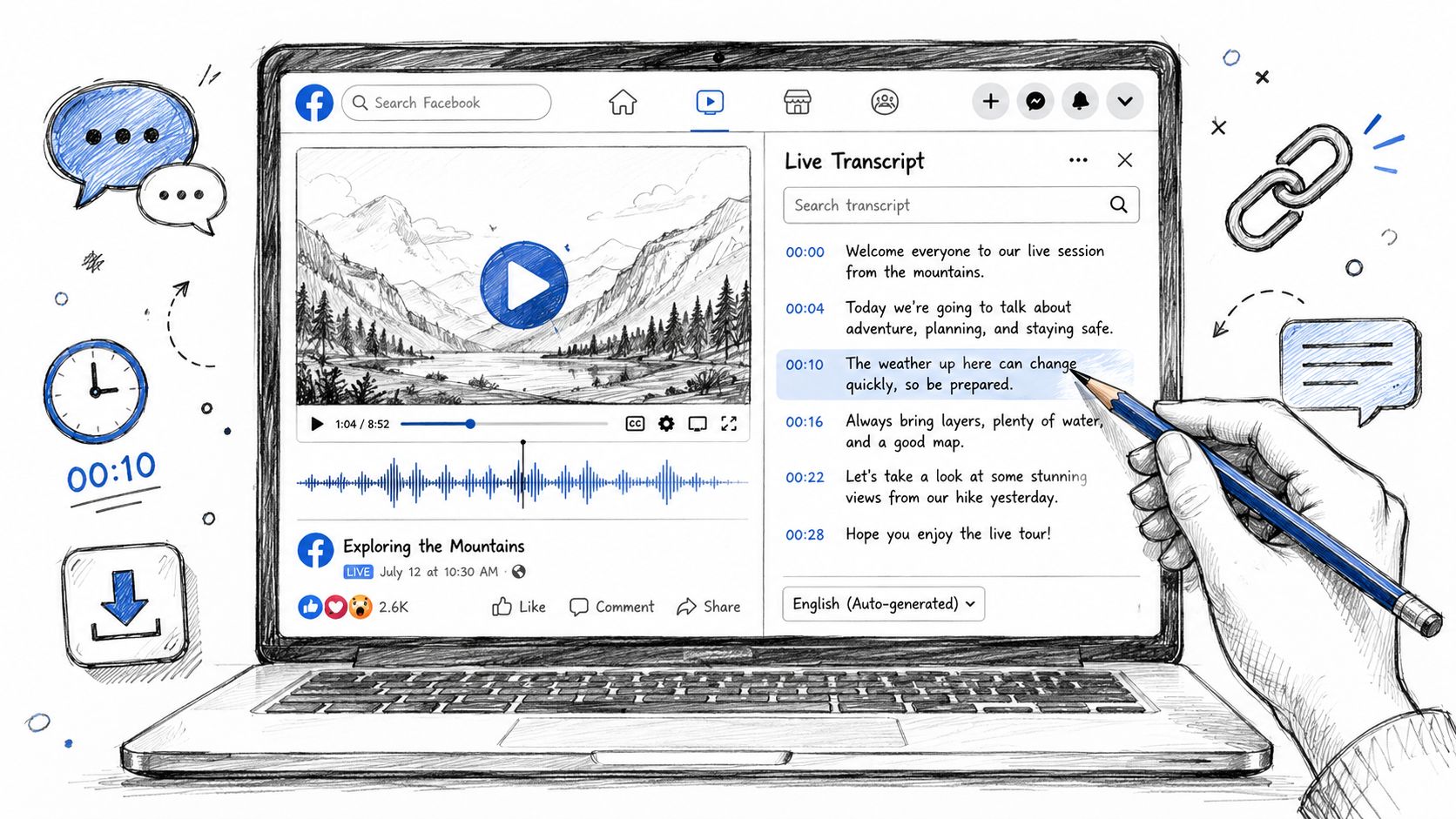
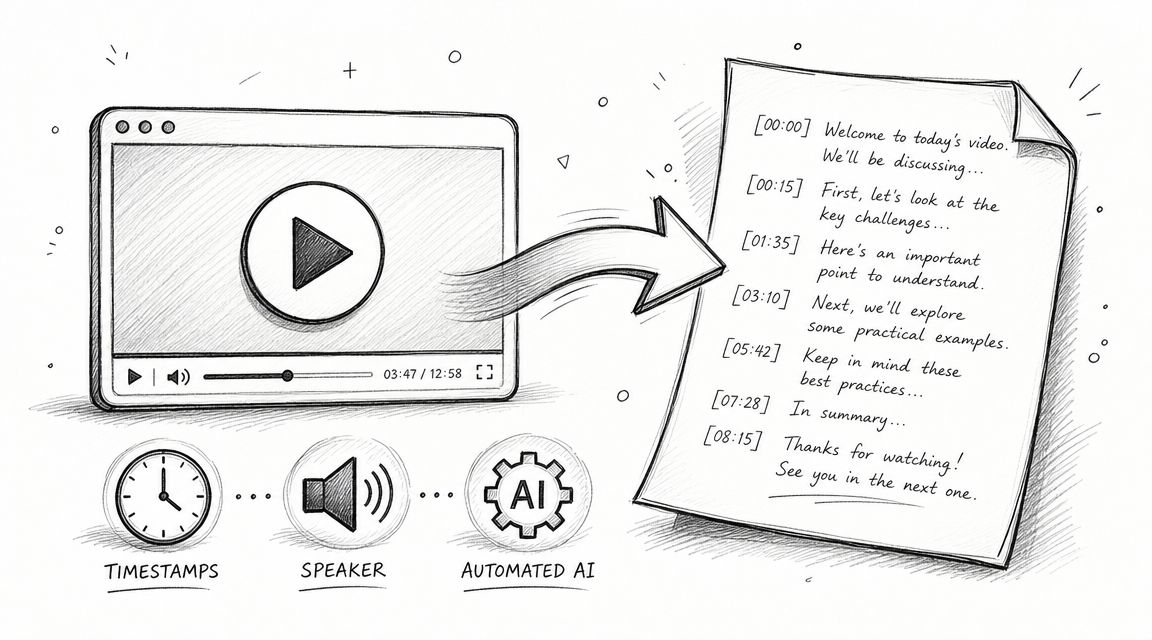
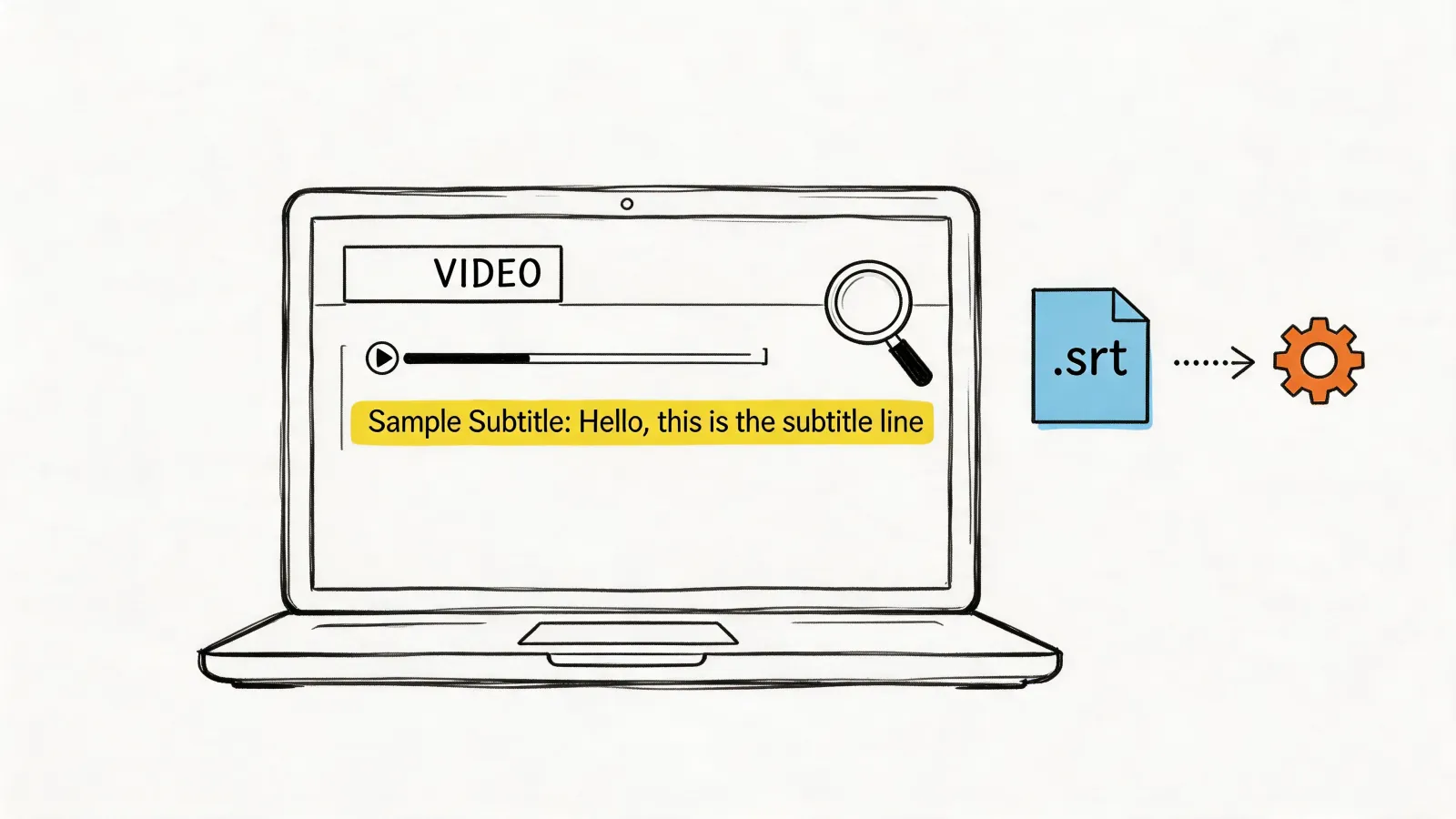
- Leverage HypeScribe for Knowledge Capture: Record virtual training sessions or process walkthroughs and use HypeScribe to automatically transcribe them. This creates a searchable text version alongside the video, allowing new hires to quickly find specific information without re-watching entire recordings.
- Generate Actionable Summaries: Use HypeScribe to create concise summaries of long training videos or knowledge transfer meetings. These summaries act as quick reference guides, reinforcing key takeaways and helping new hires remember important steps. You can easily export transcripts to Google Docs or Markdown to integrate them into your central knowledge hub.
3. Establish a Mentorship and Buddy System
Assigning a mentor or a buddy gives new hires a dedicated, personal guide for navigating their new role and the company culture. This practice pairs a new employee with either a senior mentor for career guidance or a peer-level buddy for day-to-day questions. This personal connection humanizes the onboarding process, giving new hires a safe space to ask questions they might be hesitant to bring to their manager.

This approach transforms onboarding from a series of tasks into a relationship-building experience. It helps new hires integrate into the company culture and absorb knowledge much faster than formal training alone. Companies like Airbnb use a "buddy" system to immerse new hires in their unique culture quickly, while Intel's formal mentorship programs are known to significantly boost employee satisfaction and long-term retention.
How to Implement a Mentorship Program
To successfully launch a mentorship or buddy system as one of your best practices for onboarding new employees, focus on creating clear guidelines and using tools to ensure accountability.
- Define Roles and Expectations: Clearly explain the difference between a mentor (career focus) and a buddy (peer support). Provide both parties with a guide outlining their responsibilities, suggested meeting schedules, and conversation starters.
- Make Thoughtful Pairings: Match new hires based on shared interests, communication styles, or career goals, not just their department. A well-matched pair is more likely to build a genuine, productive relationship that lasts beyond the initial onboarding period.
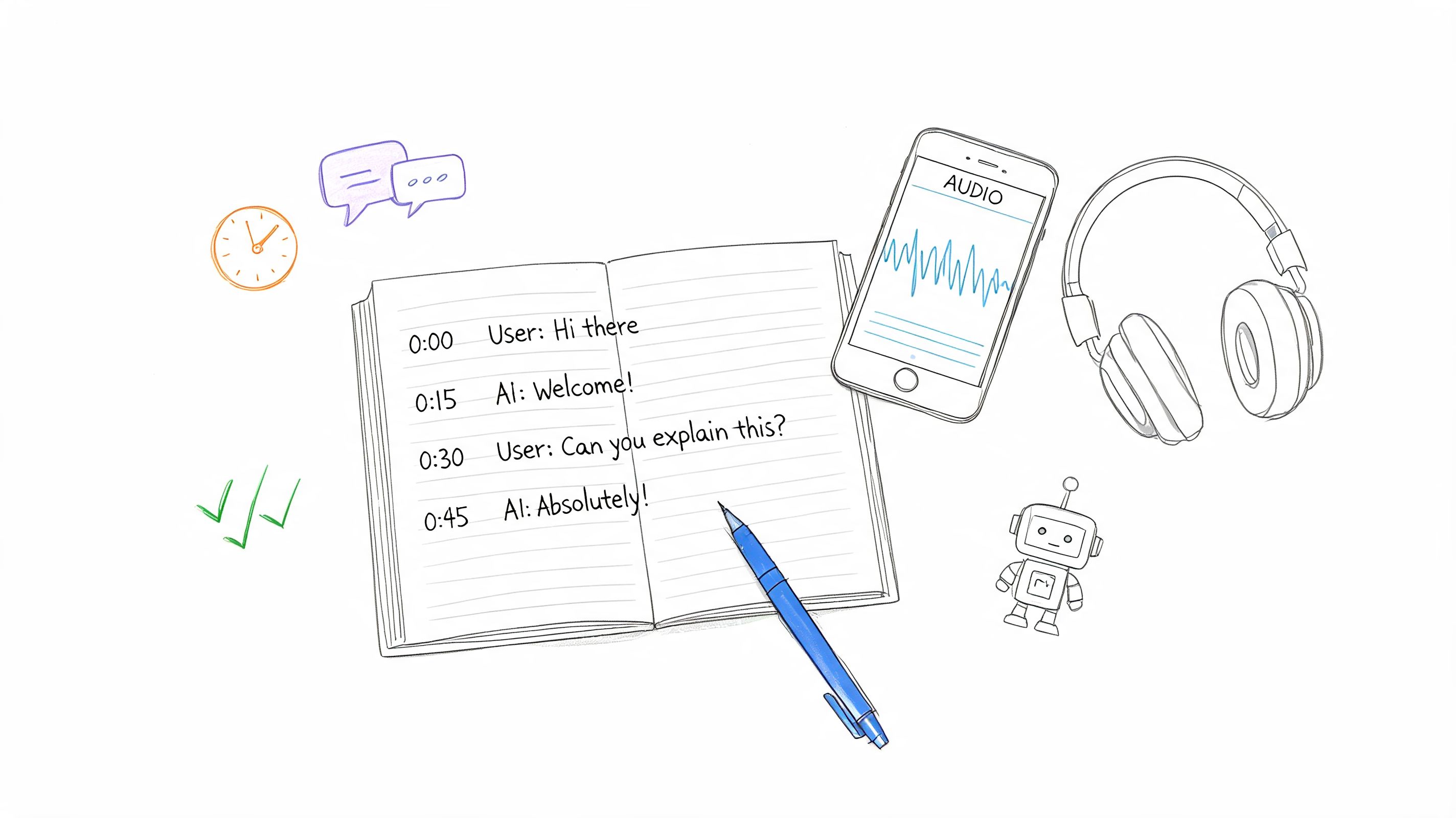
- Use HypeScribe for Accountability: Record and transcribe mentor-mentee check-in meetings with HypeScribe. This creates a searchable log of discussions and a record of progress. AI-powered summaries can also identify common questions and knowledge gaps across multiple new hires, helping HR refine the overall onboarding program.
- Track Progress with Action Items: After each check-in, use HypeScribe to automatically generate a list of action items. This ensures both the mentor and mentee follow through on commitments, such as scheduling introductions or reviewing training materials, making progress tangible and trackable.
4. Provide Interactive Technology and Tools Orientation
Providing dedicated, hands-on training for essential company technology is a cornerstone of modern onboarding. This goes beyond simply handing over login credentials; it involves interactive sessions for the software new hires will use daily, such as project management tools, CRMs, and communication platforms. By integrating this training from day one, you empower employees to contribute faster and with more confidence.
This approach ensures new hires don’t just know what tools to use, but how to use them effectively within your company’s specific workflows. Companies like Slack and Asana do this well by building tutorials directly into their platforms, reducing the learning curve and making technology an enabler, not a barrier. Investing in this orientation is one of the most effective best practices for onboarding new employees because it directly impacts their immediate productivity.
How to Implement Interactive Tools Orientation
To build an effective tech orientation, focus on hands-on practice and creating reusable resources that support learning at their own pace.
- Host Live, Interactive Training Sessions: Schedule sessions where new hires can follow along, set up their accounts, and ask questions in real-time. Cover the core software stack, including project management (Asana, Trello), communication (Slack, Teams), and role-specific tools (HubSpot, Salesforce).
- Demonstrate Key Workflows: Don't just show features; show how tools are used in everyday work. For instance, demonstrate how to create a task, assign it, and update its status within a live project board. Contextual learning is far more effective than a generic overview.
- Create a Searchable Tech Knowledge Base: Record all tool training sessions and use HypeScribe to instantly transcribe them. This creates a permanent, searchable library of tutorials that new hires can access whenever they need them. If someone forgets how to use a specific feature, they can quickly search the transcript instead of interrupting a colleague.
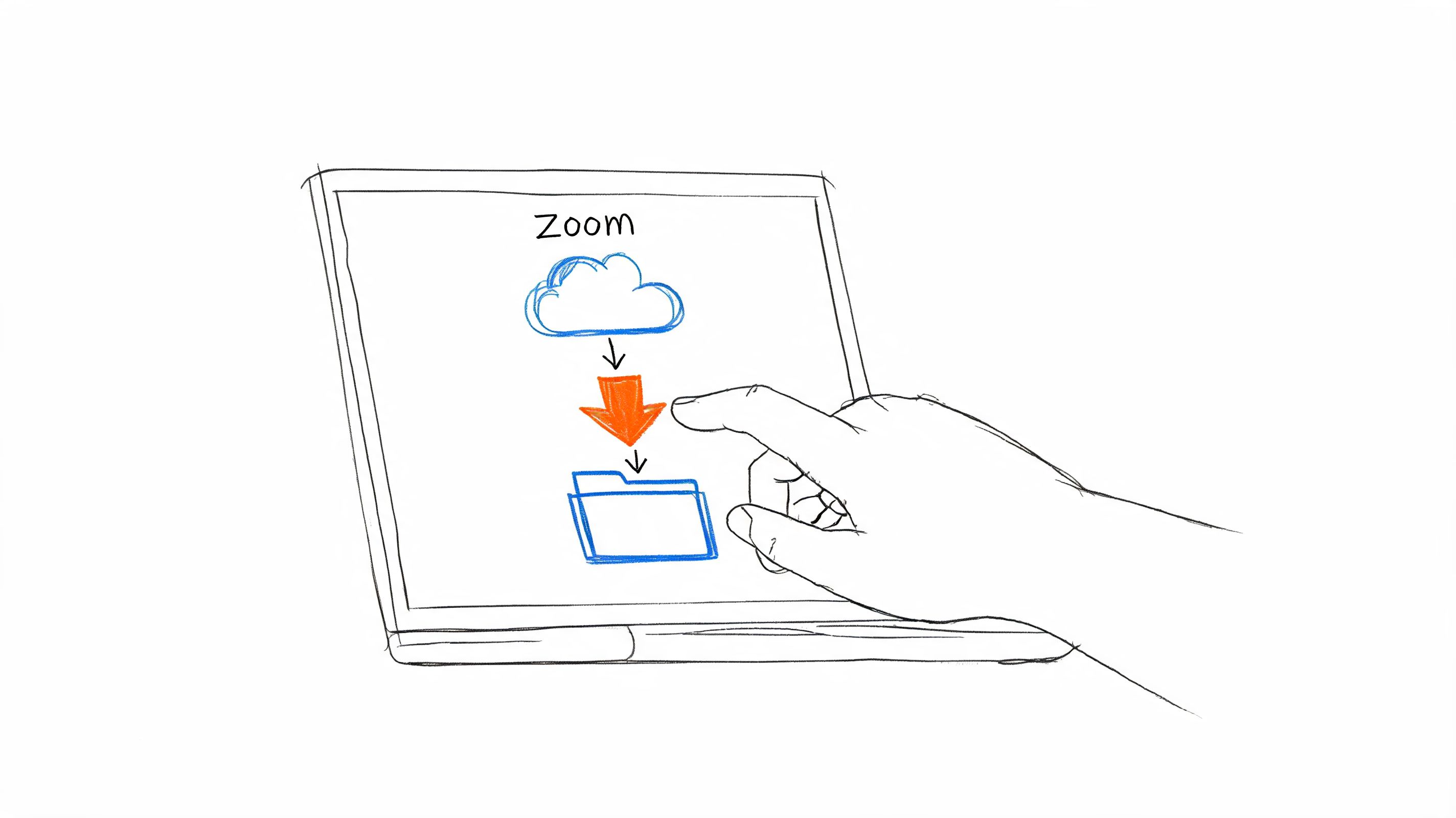
- Showcase Integrations and Best Practices: A key part of tools orientation is showing new hires how their tools work together. For example, demonstrate how to use the HypeScribe integration for Zoom or Google Meet to automatically record and transcribe their own meetings, turning conversations into actionable notes.
5. Prioritize Cultural Integration and Team Building
Focusing on cultural integration helps new employees feel a sense of belonging, which is crucial for long-term engagement and retention. This practice goes beyond formal training by creating opportunities for new hires to connect with colleagues on a personal level, understand company values in action, and learn the unwritten rules of the workplace. By intentionally fostering these connections, you make new team members feel like they truly belong.
This approach transforms onboarding from a series of tasks into a genuinely welcoming experience. It shows that the company values its people and their relationships just as much as their work. Companies with strong cultures, like Automattic and Slack, integrate team-building activities from day one, using virtual coffee chats and social channels to build rapport in distributed teams. This proves that cultural integration is one of the most vital best practices for onboarding new employees.
How to Implement Cultural Integration
To effectively integrate new hires into your company culture, combine structured activities with opportunities for informal social interaction.
- Schedule Dedicated Culture Sessions: Organize sessions focused on the company’s history, mission, and core values. Patagonia does this exceptionally well by immersing new hires in its brand heritage, which helps them connect deeply with the company's purpose.
- Facilitate Informal Social Gatherings: Arrange low-pressure events like team lunches, virtual coffee breaks, or interest-based social clubs. These activities help break down formal hierarchies and encourage genuine relationship-building among colleagues.
- Use Technology to Preserve and Share Culture: Record key culture presentations and team introductions. Using a tool like HypeScribe to transcribe these sessions creates a searchable library of your company’s heritage and values. New hires can revisit these recordings to understand cultural nuances and learn about their teammates at their own pace, which is especially powerful for remote and hybrid teams.
- Assign a Culture Buddy: Pair the new hire with an established employee who is not their direct manager. This "buddy" can answer informal questions about office norms, communication styles, and social dynamics, providing a safe space for the new employee to ask questions they might not feel comfortable asking their manager.
6. Set Up a Performance Metrics and Progress Tracking System
A performance metrics and progress tracking system provides a data-driven way to evaluate a new hire's integration and performance. Instead of relying on gut feelings, this approach uses clear, measurable success criteria to track progress during the critical first 30, 60, and 90 days. It defines Key Performance Indicators (KPIs) tailored to the role, ensuring both the employee and their manager have an objective understanding of what’s expected.
This method turns onboarding from a subjective process into a transparent, goal-oriented journey. By tracking metrics, you can identify where a new hire is excelling and where they might need additional support, allowing for timely intervention. Companies like Deloitte and Microsoft use structured feedback and productivity metrics to ensure new hires are ramping up effectively, which directly contributes to higher performance and retention.
How to Implement a Metrics and Tracking System
To effectively implement this best practice for onboarding new employees, focus on defining relevant KPIs and establishing a consistent review schedule.
- Define Phase-Specific KPIs: Establish clear performance indicators for each onboarding stage. For a sales role, this could be completing product training by week one, shadowing five calls by week two, and making 10 qualified calls by day 30. For a developer, it might be completing their dev environment setup by day two and shipping their first small code commit by week two.
- Establish a Regular Feedback Cadence: Schedule formal check-ins at the 30, 60, and 90-day marks to review progress against the defined KPIs. These meetings create dedicated time to discuss achievements, address challenges, and align on future goals.
- Use Technology to Document and Track Feedback: Leverage a tool like HypeScribe to record and transcribe performance review meetings. This creates a searchable and accurate record of all feedback discussions, goals, and action items. Managers can quickly generate summaries to share with the new hire and HR, ensuring everyone is aligned.
- Create Actionable Development Plans: Use the data from check-ins to build targeted development plans. If a new hire is struggling with a specific software, the action item can be to schedule dedicated training. With a clear system for mastering action item tracking, you can ensure these development goals are followed through, turning feedback into tangible progress.
7. Customize the First Day and First Week Experience
A thoughtfully planned first day and week creates a lasting positive impression, significantly reducing new-hire anxiety and setting a foundation for long-term success. This best practice for onboarding new employees moves beyond a simple IT setup and focuses on curating a welcoming, informative, and engaging initial experience. It involves a balanced mix of structured activities, informal introductions, and manageable initial tasks to build momentum without overwhelming the new team member.
This intentional approach transforms the first week from a period of uncertainty into a powerful tool for cultural immersion and initial productivity. Companies like Zapier achieve this with detailed first-day schedules and welcome packages, while Basecamp advocates for an intentionally light first day to ease the transition. By customizing this critical period, you demonstrate a genuine investment in your new employee’s well-being and future contributions.
How to Implement a Customized First Week
To execute this, focus on creating a supportive and clear schedule that helps new hires navigate their initial days with confidence.
- Design a Balanced Schedule: Craft a detailed itinerary for the first week that includes a mix of activities: 1-on-1 meetings with key team members, an overview of company culture and values, initial training on core tools, and some unscheduled time for them to review materials or explore systems on their own.
- Prepare a Welcome Kit: Assemble a physical or digital welcome package. This can include company swag, a handwritten welcome note from their manager, an organizational chart, and a guide to the company's communication norms and key contacts.
- Automate Information Capture with HypeScribe: Use HypeScribe to record and transcribe all introductory and orientation meetings. This creates a searchable knowledge base for the new hire, allowing them to revisit crucial information about team roles, project goals, or company history whenever needed. HypeScribe can also generate summaries and action items from their initial planning sessions, providing a clear checklist of next steps.
- Prioritize Human Connection: Schedule intentional, low-pressure social interactions. This could be a team lunch (virtual or in-person), a coffee chat with their onboarding buddy, or an informal meet-and-greet with the wider department to help them start building relationships from day one.
8. Ensure Manager Engagement with a One-on-One Cadence
The direct manager is the single most influential person in a new hire's onboarding experience. A key best practice for onboarding new employees is to establish a consistent schedule of one-on-one meetings, which transforms the manager's role from a simple supervisor to a dedicated coach. This approach ensures new hires receive continuous guidance, feel supported, and have a clear channel to ask questions, receive feedback, and discuss any challenges.
This consistent engagement is critical for setting clear expectations and building a strong working relationship from the start. Companies like Dropbox have found that making managers directly responsible for onboarding milestones dramatically improves a new hire's sense of belonging and accelerates their path to full productivity. Active manager involvement ensures the onboarding plan is a personalized journey tailored to the employee's specific needs, not just a generic checklist.
How to Implement Manager-Led Onboarding
To effectively implement this practice, managers need the right tools and a clear framework for conducting meaningful, structured one-on-one meetings.
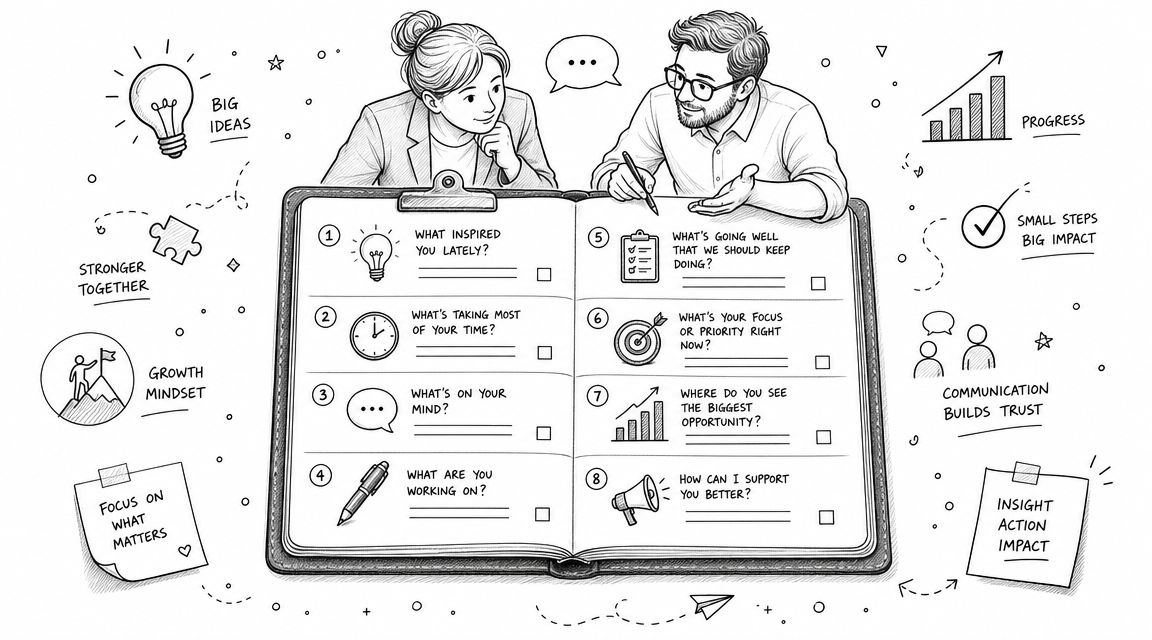
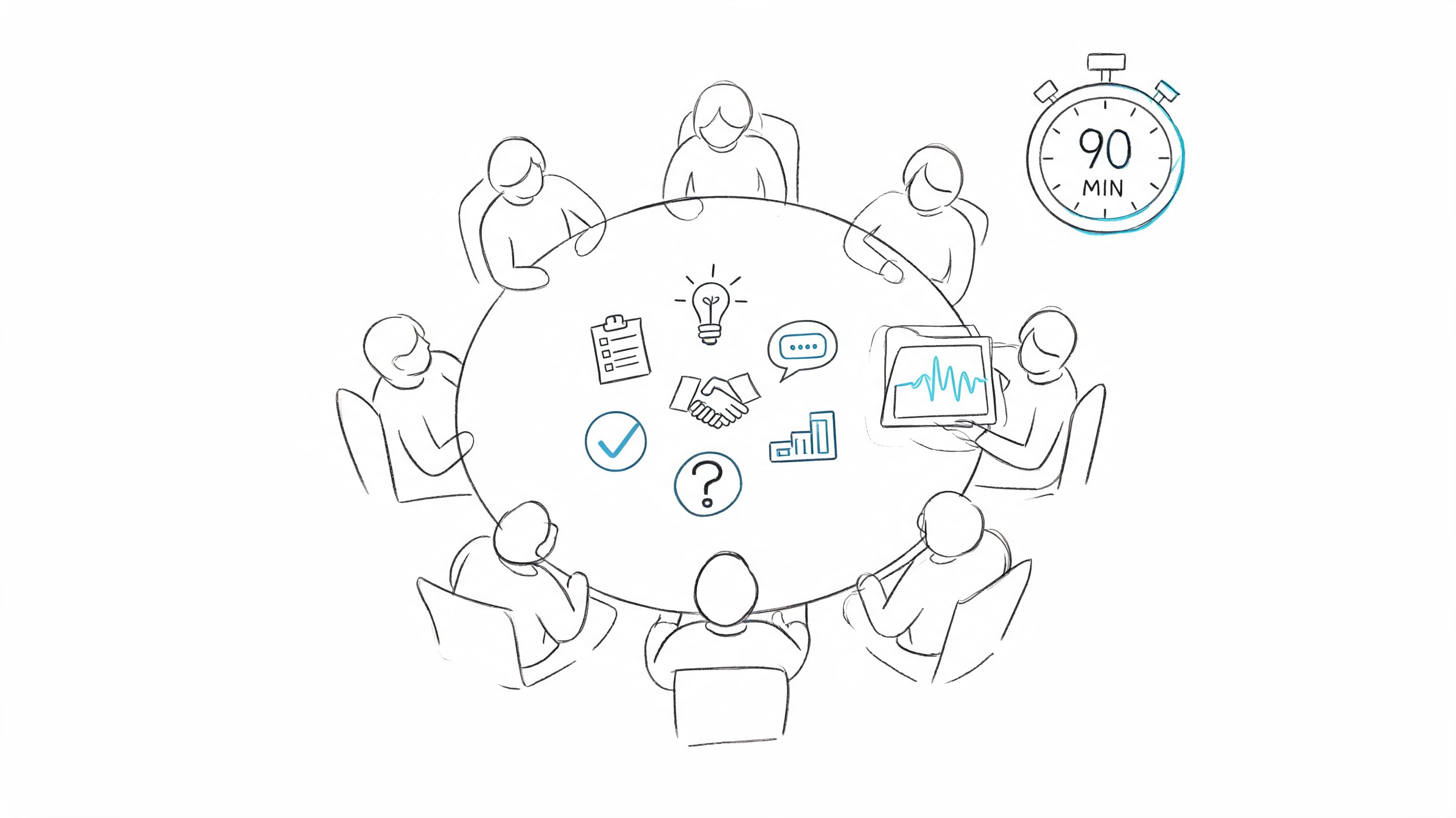
- Establish a Regular Cadence: Schedule weekly one-on-one meetings for at least the first 90 days. These meetings should have a clear agenda focused on progress against onboarding goals, immediate challenges, and relationship-building.
- Set Clear Expectations and Goals: Use the initial meetings to collaboratively set 30, 60, and 90-day goals. This ensures alignment and gives the new employee a clear picture of what success looks like in their role. Managers should practice active listening to fully understand the new hire’s perspective.
- Document and Track Progress with HypeScribe: Record one-on-one meetings using HypeScribe to automatically transcribe conversations. This creates a searchable record of feedback, commitments, and goals. Both managers and new hires can revisit key discussion points and review automatically generated action items to ensure accountability.
- Focus on Feedback and Development: Structure conversations to provide constructive, real-time feedback. Don't wait for formal reviews. Use these check-ins to celebrate small wins, identify skill gaps, and collaboratively create a plan for professional development.
9. Provide Cross-Functional Exposure and Project Involvement
Isolating new hires within their immediate team can limit their understanding of the broader business. Integrating cross-functional exposure into onboarding helps new employees see how their role fits into the larger company, fostering a sense of purpose and building crucial internal networks from day one. This practice involves systematically introducing them to different departments, projects, and key stakeholders.
This strategic approach transforms a role-specific introduction into a holistic company immersion. By participating in or observing other teams, new hires gain valuable context, learn faster, and build relationships that will be vital for future collaboration. Companies like Amazon are known for involving new hires in cross-functional projects early on, which helps them understand the company’s customer-centric principles and operational complexities far more quickly.
How to Implement Cross-Functional Exposure
To effectively implement this best practice for onboarding new employees, create structured opportunities for new hires to connect with and learn from colleagues across the organization.
- Schedule Rotational Introductions: Arrange short, informal "meet and greet" sessions or shadowing opportunities with key individuals in related departments like marketing, sales, product, and customer support. This helps demystify other functions and builds a foundation for collaboration.
- Assign a Cross-Functional "Onboarding Project": Involve the new hire in a small-scale project that requires collaboration with another team. This provides a practical, hands-on understanding of inter-departmental workflows and decision-making processes.
- Leverage Technology to Capture Insights: Use HypeScribe to record and transcribe cross-functional introduction meetings and project kickoffs. This creates a searchable repository of who does what and why, allowing the new hire to revisit conversations and understand different team dynamics. The automatic transcription and action item generation ensure key takeaways from these collaborative sessions are never lost.
- Create a "Company Ecosystem" Map: Provide a visual chart or document that outlines how different departments interact to achieve company goals. Walk the new hire through this map during their first week, explaining key touchpoints relevant to their role.
10. Continuously Gather Feedback and Iterate on the Onboarding Process
A static onboarding program quickly becomes outdated. The best practice is to treat onboarding not as a fixed product, but as a living process that evolves through continuous feedback and iteration. This involves systematically gathering insights from new hires, their managers, and mentors to identify friction points, celebrate successes, and pinpoint areas for improvement.
This iterative approach ensures the onboarding experience remains relevant, effective, and aligned with the company's changing needs and culture. By actively seeking and acting on feedback, organizations demonstrate a commitment to employee experience from day one. Companies like LinkedIn and HubSpot are known for this practice, regularly reviewing and experimenting with their onboarding to remove obstacles and enhance new hire integration, which is a core tenet of the best practices for onboarding new employees.
How to Implement Continuous Feedback and Iteration
To build an agile and responsive onboarding program, you must create formal channels for collecting and analyzing feedback.
- Schedule Formal Feedback Sessions: Conduct structured feedback sessions at key intervals, such as at the 30, 60, and 90-day marks. Ask specific questions about what was helpful, what was confusing, and what could have made the transition smoother.
- Use Multiple Feedback Channels: Combine quantitative data from anonymous surveys with rich qualitative insights from one-on-one conversations or small group discussions. This provides a holistic view of the onboarding experience.
- Leverage Technology for Deep Insights: Record feedback sessions and use HypeScribe to automatically transcribe them. This creates a searchable database of qualitative data. You can quickly analyze transcripts to identify recurring themes and pain points across different cohorts of new hires without losing nuance.
- Create an Action and Review Loop: Don't just collect feedback; act on it. Use HypeScribe to generate a list of action items from feedback meetings. Assign ownership to these improvement tasks and schedule quarterly reviews with HR and leadership to track progress and document the evolution of the onboarding process.
Comparison of Top 10 Onboarding Best Practices
Building a Better Beginning for Every New Hire
The journey from a promising candidate to a fully integrated, high-performing team member is one of the most critical transitions in the employee lifecycle. As we've explored, effective onboarding is far more than a simple administrative checklist. It's a long-term, strategic initiative that lays the foundation for employee engagement, productivity, and retention. The difference between a disjointed introduction and a structured, supportive experience is what separates an employee who merely survives their first few months from one who truly thrives.
The best practices for onboarding new employees detailed in this article are not isolated tactics; they are interconnected parts of a holistic system designed to set every new hire up for success. From planning a 30-60-90 day roadmap and establishing a robust buddy system to scheduling regular manager one-on-ones and integrating cultural immersion activities, each element plays a vital role. By moving beyond the basics, you transform onboarding from a procedural formality into a powerful cultural and operational tool.
Key Takeaways for a Transformed Onboarding Experience
To truly elevate your process, it's essential to shift your mindset from short-term orientation to long-term integration. Here are the most critical takeaways to focus on:
- Structure is Non-Negotiable: A well-defined program with clear milestones, documented roles, and transparent performance expectations removes ambiguity. New hires should never have to guess what is expected of them. This clarity is the bedrock of confidence.
- Connection Drives Retention: Onboarding is fundamentally about building relationships. A dedicated mentor, consistent manager check-ins, and intentional cross-functional introductions are essential for fostering a sense of belonging and psychological safety, which are directly linked to employee loyalty.
- Technology Should Empower, Not Overwhelm: Your tech stack should facilitate a smooth transition. A streamlined setup process, clear tool orientation, and the use of platforms that simplify knowledge sharing are crucial, especially in a remote or hybrid world.
- Feedback is a Two-Way Street: The most successful onboarding programs are living systems that evolve. Actively soliciting feedback from new hires about their experience and using that data to improve the process is the hallmark of a world-class organization.
Your Actionable Next Steps
Implementing these best practices for onboarding new employees may seem like a big project, but you can start making an impact right away. Begin by auditing your current process against the key pillars discussed: structure, connection, technology, and feedback. Identify one or two areas for immediate improvement. Perhaps it's formalizing your buddy program or creating a standardized checklist for managers.
Small, incremental changes can create a ripple effect, improving the experience for your next hire and setting a new standard for your entire organization. Remember, the investment you make in creating a world-class onboarding experience pays for itself in the form of higher engagement, faster productivity, and a stronger company culture. By prioritizing this crucial phase, you're not just welcoming a new employee; you're strategically building a more resilient and high-performing team.
Ready to supercharge your onboarding process with seamless knowledge transfer and perfect documentation? HypeScribe automatically transcribes your training sessions, team meetings, and one-on-ones, creating a searchable knowledge base that new hires can access anytime. See how you can build a more efficient and effective onboarding experience by visiting HypeScribe today.