How to Prepare for Job Interviews and Get Hired

Walking into an interview unprepared is like trying to navigate a new city without a map. You might get there eventually, but it’s going to be a stressful, inefficient journey. The good news? A little strategic planning can transform that anxiety into pure confidence. My experience has shown me it's not about memorizing lines; it's about building a solid framework so you can showcase your true value.
Your Blueprint for Interview Success
This guide isn't just a list of generic tips. Think of it as your personal roadmap to acing your next interview, packed with actionable steps I’ve seen work time and time again. Our goal is to shift your mindset from simply reciting your resume to telling a compelling story about what you bring to the table.
Let's be real: just landing the interview is a huge win. In today's market, a staggering 2% of applicants might get a call back for a popular role, and it's not uncommon for a single posting to attract over 300 candidates. This isn't meant to scare you—it's to highlight why every single interaction matters. When the competition is this fierce, preparation is what sets you apart. You can learn more about how to stand out from the crowd in a crowded field.
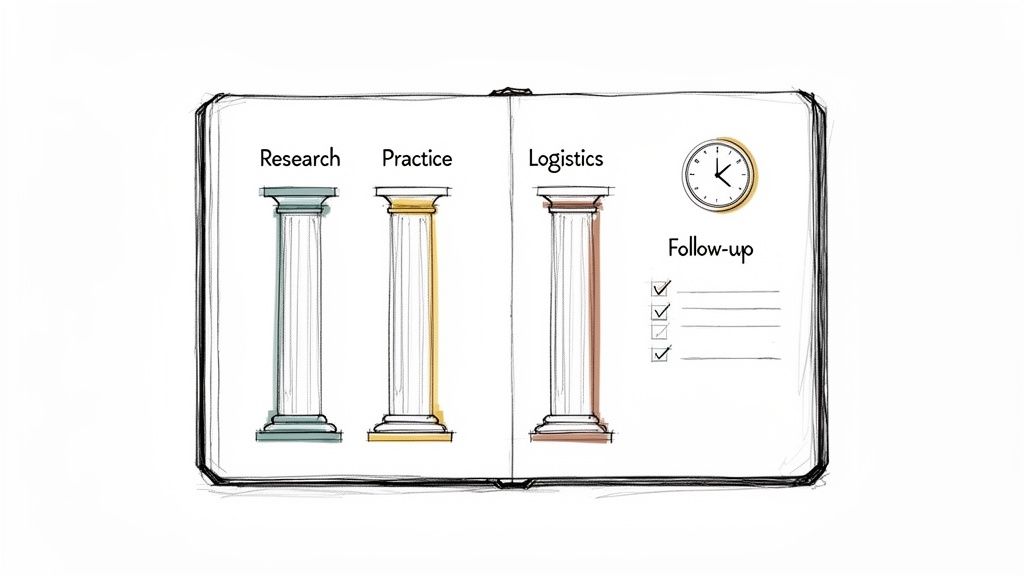
To simplify the process, I break down preparation into four essential pillars. Each one builds on the last, creating a comprehensive strategy that covers all your bases.
The Four Pillars of Preparation
Here's a quick look at the core areas we’re going to dive into:
- Deep Research: We’ll move past a quick glance at the company’s "About Us" page. This is about truly understanding their business, their pain points, and exactly how this role fits into their bigger picture.
- Structured Practice: This is where you build your confidence. You'll learn how to craft clear, impactful answers for any question—behavioral or technical—using proven frameworks that stick.
- Logistical Readiness: From checking your Wi-Fi for a video call to picking the right outfit, we’ll handle all the small details so nothing distracts you on the big day.
- Strategic Follow-Up: A well-crafted thank-you note is more than just polite. It's a final opportunity to reinforce your value and keep the conversation going.
A great interview isn't about having perfect, rehearsed answers. It's about demonstrating genuine curiosity, showing how you solve problems, and connecting your past successes to the company's future needs.
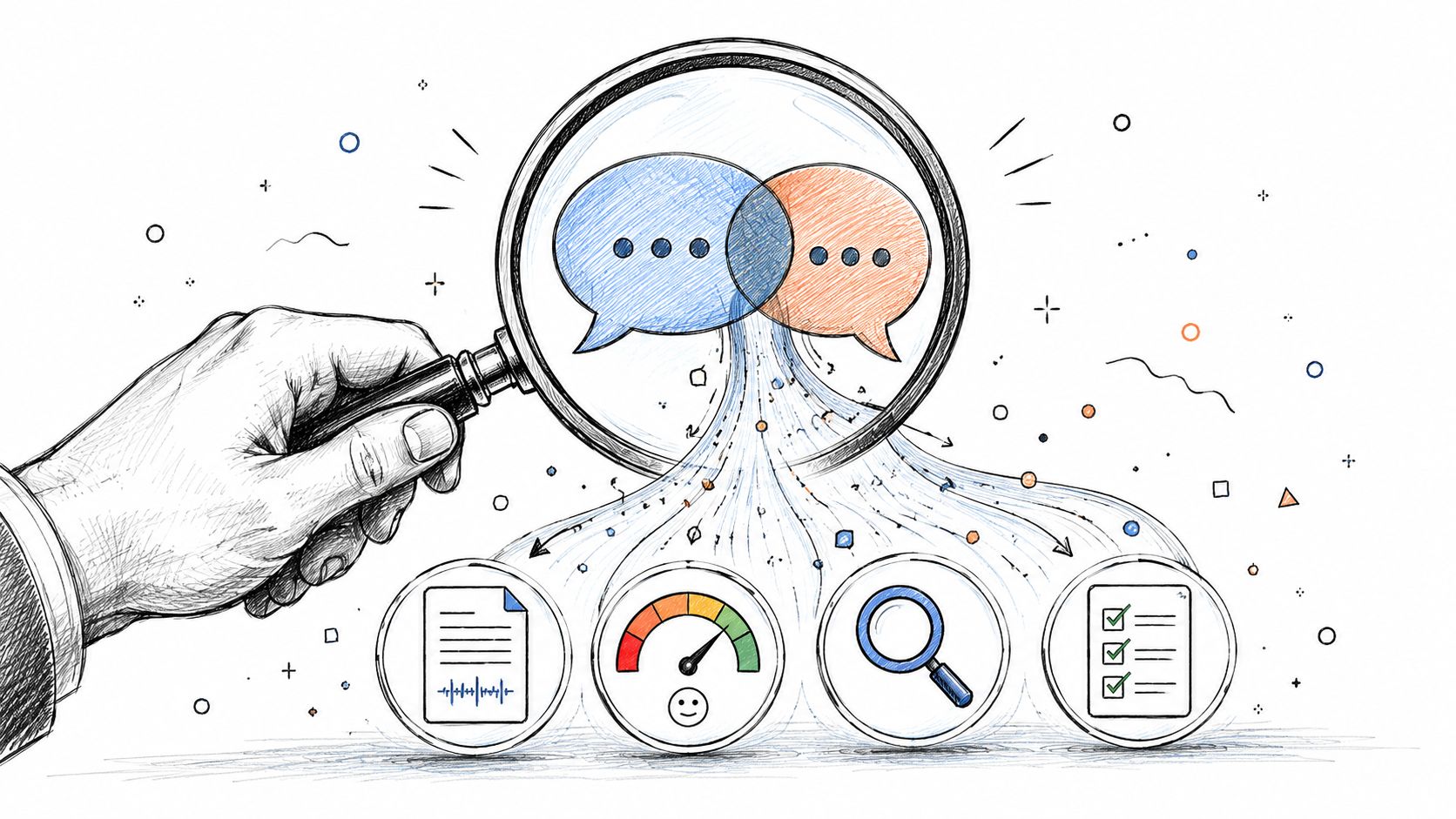
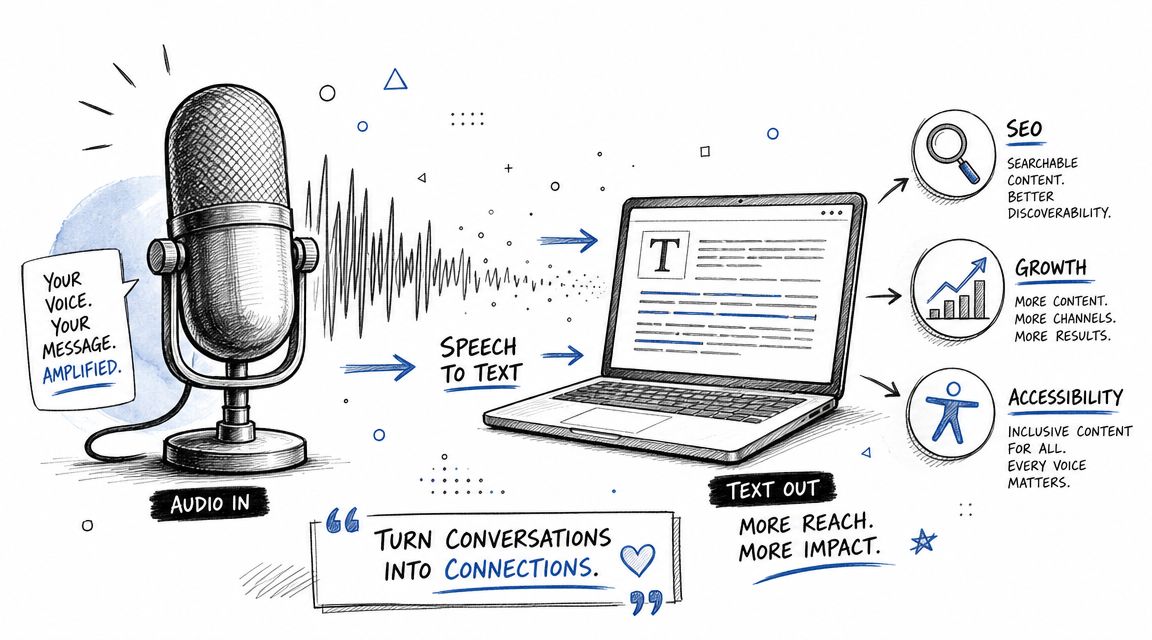
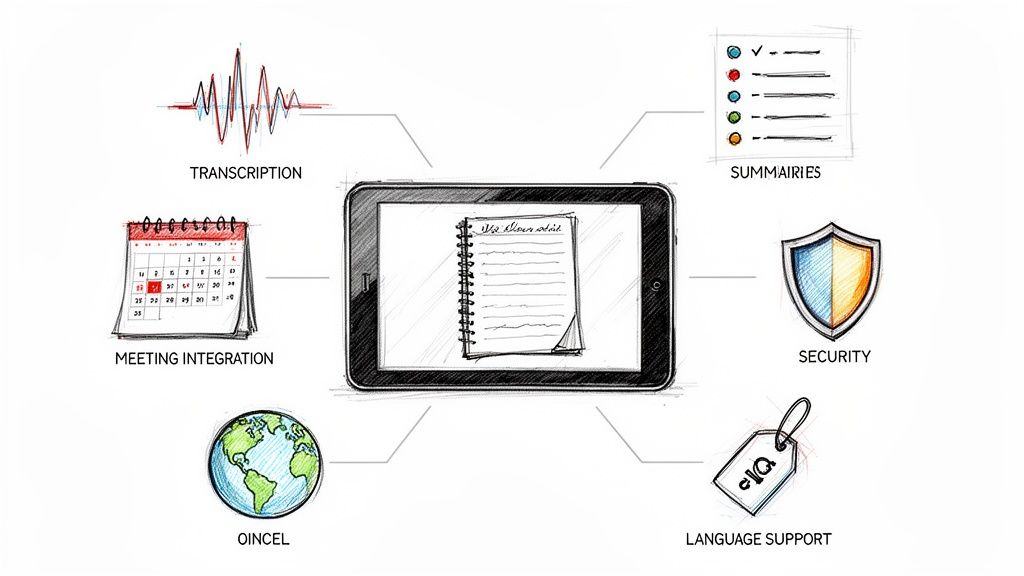
This methodical approach ensures you walk in feeling calm, collected, and ready to show them why you're the perfect fit. We'll also explore how you can use tools like HypeScribe to supercharge your practice sessions by recording and analyzing your responses. Ready to build your advantage? Let's get started.
To give you a bird's-eye view of what's ahead, this checklist summarizes the key stages we'll be covering.
Your Interview Preparation Checklist
Think of this table as your master plan. As you work through the guide, you’ll be checking off each of these critical areas, building a solid foundation for success.
Building Your Advantage with Deep Research
Here’s a secret I’ve learned from countless interviews: most candidates barely scratch the surface when it comes to research. A quick glance at the company’s homepage and they call it a day. This is your first, and best, chance to pull ahead of the pack.
Going deep isn't about memorizing random facts for a pop quiz. It’s about genuinely understanding the company—its story, its pain points, and where it’s headed. When you get this, you can frame your entire experience around what they actually need. You’re no longer just a candidate; you become the candidate.
Decode the Job Description
Think of the job description as a treasure map. It’s not just a list of duties; it’s a detailed outline of a problem the company needs to solve. Your job is to figure out what that problem is.
Look past the corporate jargon and standard bullet points. What is the real challenge here? Are they trying to break into a new market? Struggling to scale their tech stack? Losing customers to a new competitor? That's the problem they're hiring you to fix.
- Hunt for Action Verbs: Words like "build," "optimize," "lead," or "transform" are huge clues. They point directly to the results the company is paying for.
- Separate Must-Haves from Nice-to-Haves: The "required" qualifications are your primary target. Make sure your most powerful stories and examples hit these points head-on.
- Find the Hidden Clues: Read between the lines. If a project manager role mentions "cross-functional communication" five times, you can bet their teams are working in silos and it's causing chaos. That’s your cue to talk about how you bring teams together.
Go Beyond the Company Website
Once you’ve got a handle on the role itself, zoom out. A truly impressive candidate can talk intelligently about where the company sits in its industry. This shows a level of engagement that most people just don't bother with.
The goal is to gather enough intel to speak their language. Imagine dropping a reference to a recent product launch or a CEO's comment from last quarter's earnings call. That’s how you instantly build credibility.
When you can connect your experience to a company's specific, recent strategic initiative, you stop sounding like an applicant and start sounding like a future colleague.
Here are a few of my go-to resources for this kind of intel:
- News & Press Releases: What’s been happening in the last six months? New funding, major partnerships, or market expansions are fantastic talking points.
- Quarterly Earnings Calls: This is a goldmine for public companies. You don't need to listen to the whole hour—the first 15 minutes of the transcript will give you the C-suite's direct take on priorities and challenges.
- Industry Reports: Get a feel for the competitive landscape. Knowing who their main rivals are and what market trends are affecting them shows you’re thinking bigger than just the job description.
Research Your Interviewers
At the end of the day, an interview is just a conversation. Taking five minutes to learn a little about the people you'll be talking to is a simple, powerful way to build real rapport. It's not about being a stalker; it's about finding common ground.
LinkedIn is your best friend here. A quick look at their profile can give you so much to work with.
- Their Career Path: How long have they been at the company? Did they work their way up? This can tell you a ton about career progression and company culture.
- Shared Connections or Backgrounds: Did you go to the same school, work at the same company years ago, or share an interest in a particular cause? These are easy, natural ways to break the ice.
- Recent Activity: Did they just publish an article or share a post you found interesting? Bringing it up shows genuine curiosity. A simple, "I saw your recent post on LinkedIn about the future of AI in marketing, and it really got me thinking about..." can completely change the dynamic of the conversation.
This small effort humanizes the entire process. It helps turn what can feel like an interrogation into a collaborative discussion, giving you the confidence to truly shine.
How to Craft and Practice Compelling Answers
Knowing your background is one thing. Being able to talk about it compellingly, under pressure, is what lands the job. This is where you shift from just listing qualifications to telling memorable stories that connect your experience directly to what the company actually needs.
The goal here isn't to memorize scripts—that sounds robotic. It's to prepare your core stories so you can deliver them with genuine confidence.
A great place to start is with the classics. Every interview has them. The first, and maybe most important, is that opening question that sets the tone for everything. For a fantastic breakdown of how to structure your response, take a look at this guide on how to answer 'tell me about yourself'. Nailing this intro makes the rest of the conversation flow so much more smoothly.
Mastering the STAR Method for Behavioral Questions
Hiring managers lean heavily on behavioral questions—"Tell me about a time when..."—for a simple reason: past performance is the best indicator of future success. They want proof, not just promises. The STAR method is your best friend here. It's a simple framework for telling a clear, impactful story.
Here's how it breaks down:
- Situation: Set the scene, but keep it brief. What was the challenge or context? Give just enough detail for the interviewer to grasp the stakes.
- Task: What was your specific mission? What goal did you need to accomplish within that situation?
- Action: This is the heart of your story. Describe the exact steps you took to address the task. Focus on your individual contribution and use strong, active language.
- Result: What happened? If you can, put a number on it. Did you boost revenue by 15%? Cut customer complaints by 30%? Save the team 10 hours of work a week? Hard numbers stick.
The STAR method is what turns a generic claim like "I'm a team player" into a powerful, evidence-backed story that an interviewer will actually remember.
Tackling Those Tricky Questions
Some questions are less about your resume and more about your self-awareness and character. Let's walk through how to handle two of the most common ones without stumbling.
"What is your greatest weakness?"
This isn't a trap; it's a test of honesty and your commitment to growth.
- Ditch the clichés. Seriously. "I'm a perfectionist" or "I work too hard" will get you an internal eye-roll from the interviewer. They've heard it all before.
- Be real. Pick a genuine, but manageable, weakness. Maybe you’re not a natural at public speaking, or you’ve had to learn how to delegate tasks more effectively.
- Show you're working on it. This is the critical part. Explain what you're doing to improve. "To get more comfortable presenting, I joined Toastmasters..." or "I've started using Asana to delegate and track tasks, which has made a huge difference for my team."
"Why do you want this job?"
A vague answer like "It seems like a great opportunity" is a dead end. This is your chance to show you’ve done your homework and are genuinely invested.
- Get specific about the company. Mention something you admire about their product, their company culture, or a project they recently launched.
- Connect it to the role. Explain how the responsibilities listed in the job description are a perfect fit for your skills and what you want to do next in your career.
- Show real enthusiasm. Let them see that you're excited about the idea of joining their team and making a contribution.
The research you do beforehand is what fuels these great answers. It all connects.

When you dig into the role, the company, and even the interviewer, you gather the raw material you need to craft answers that truly connect.
Build a Killer Practice and Feedback Loop
Practice is what closes the gap between knowing your answers and delivering them flawlessly. But just repeating your stories in your head won't cut it. You need an objective way to see what the interviewer sees and hears.
Here’s a simple but powerful system:
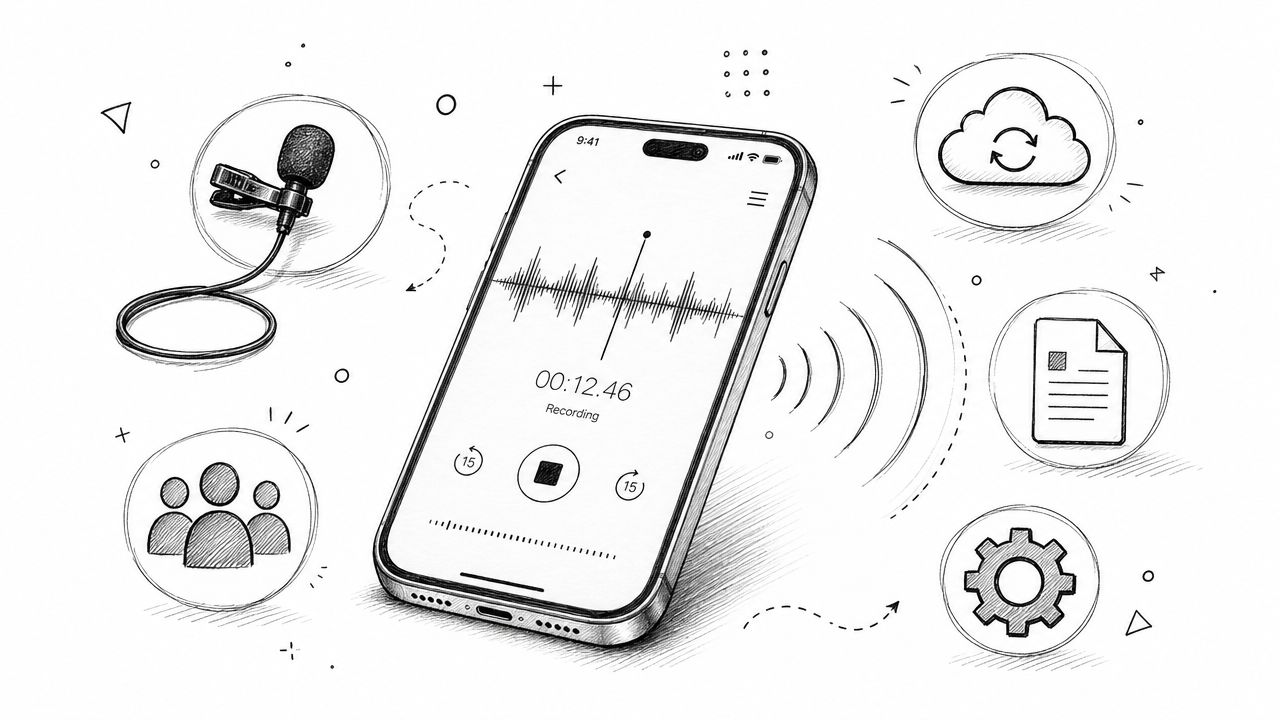
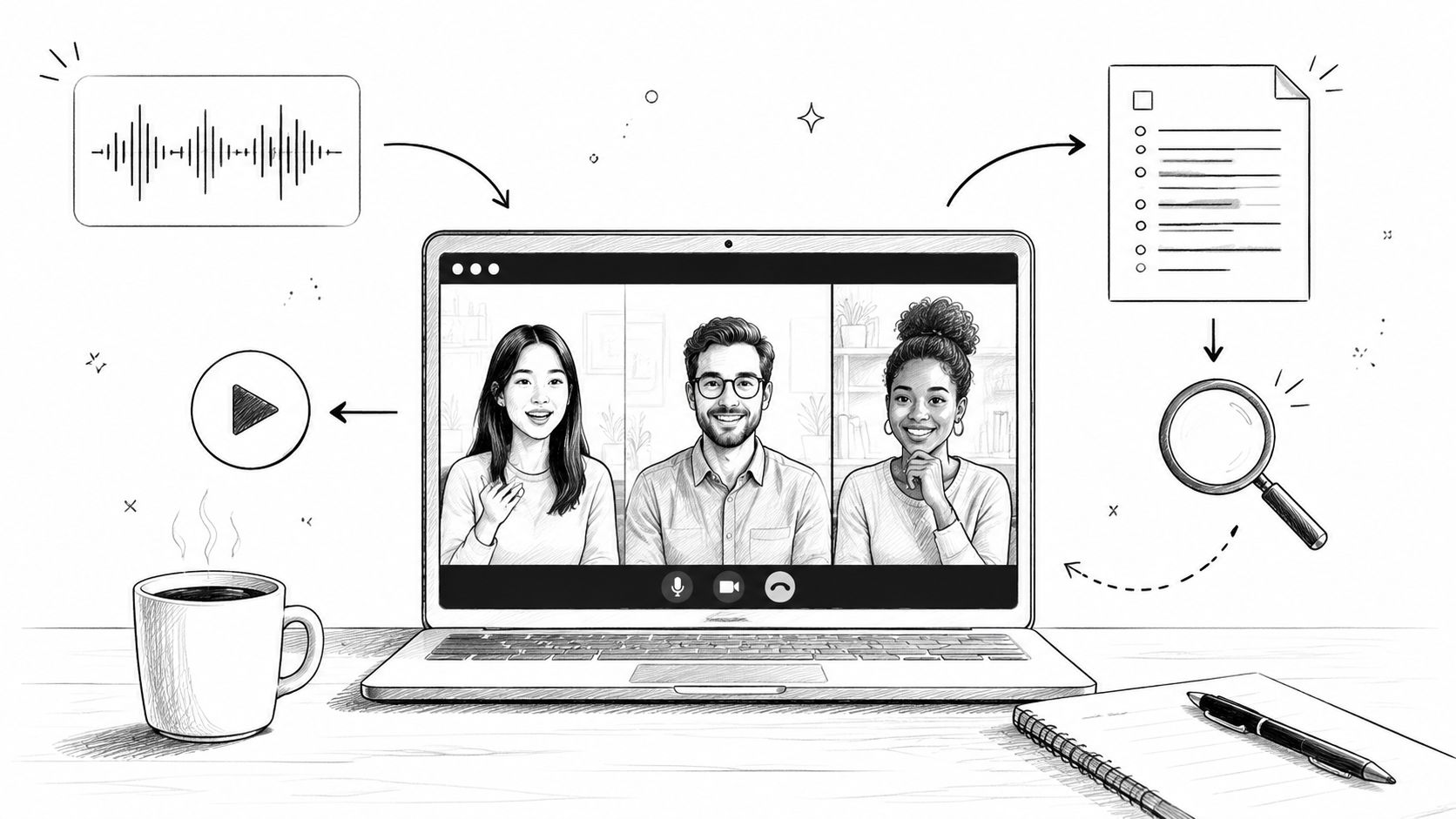
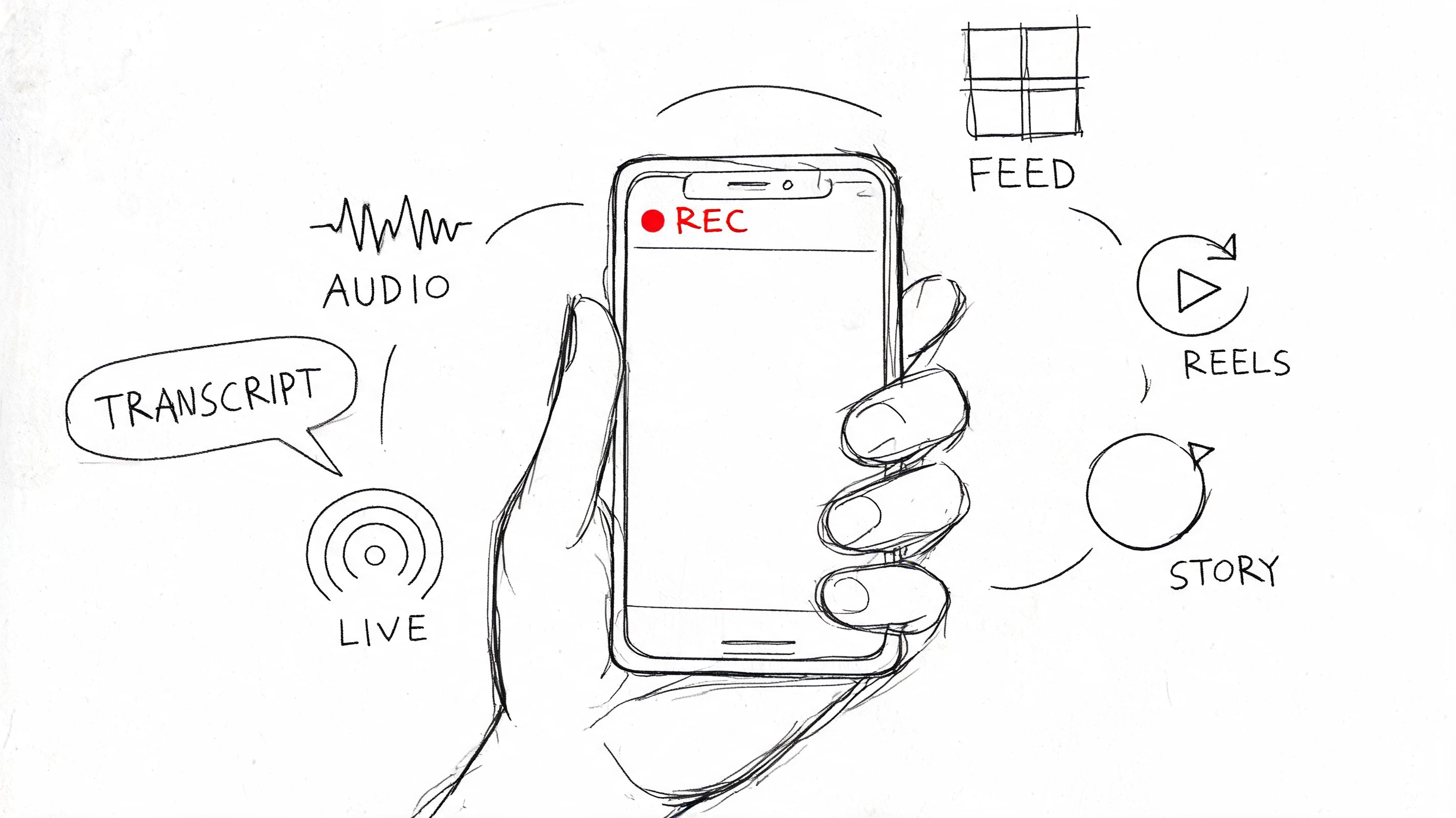
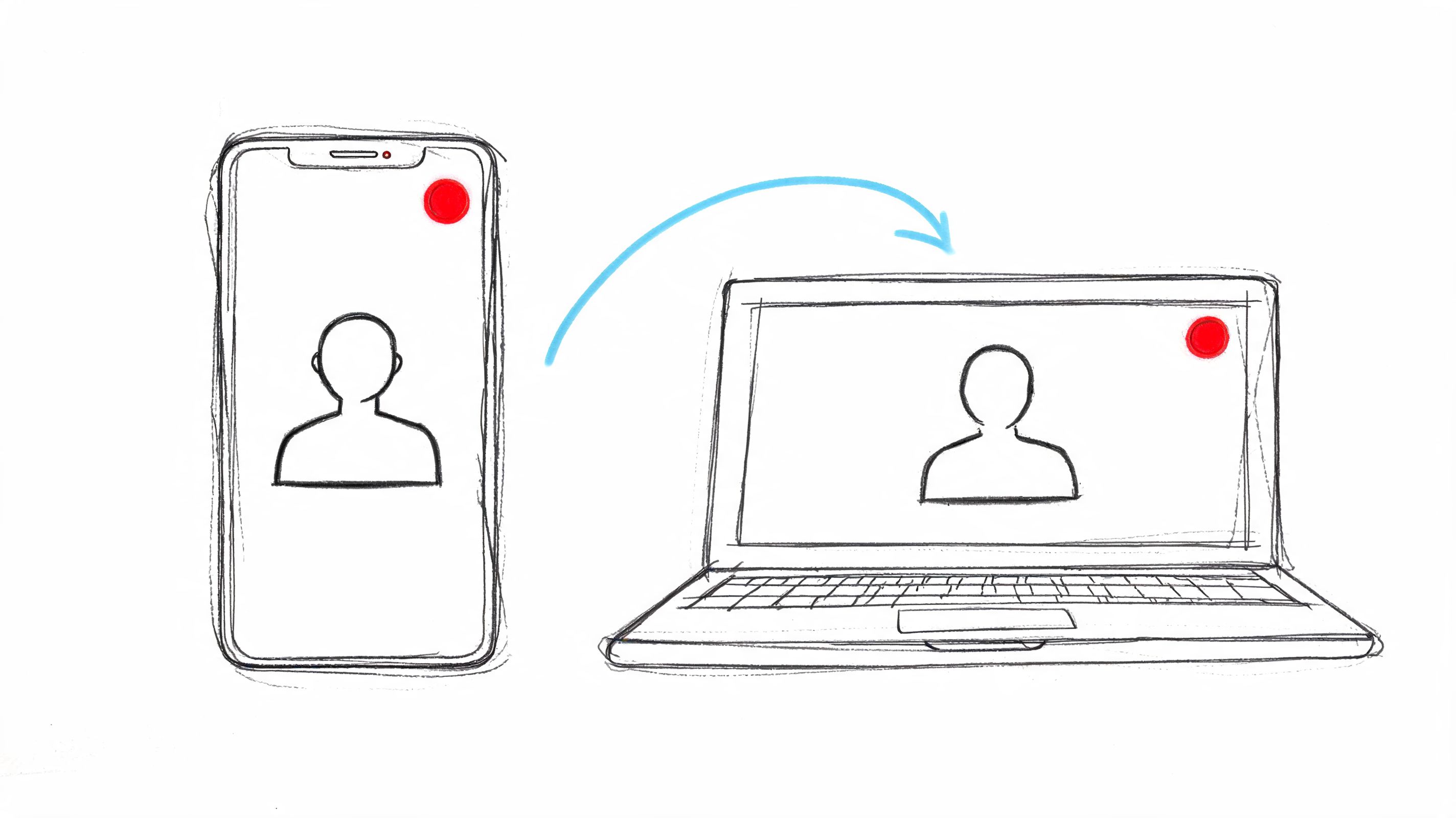
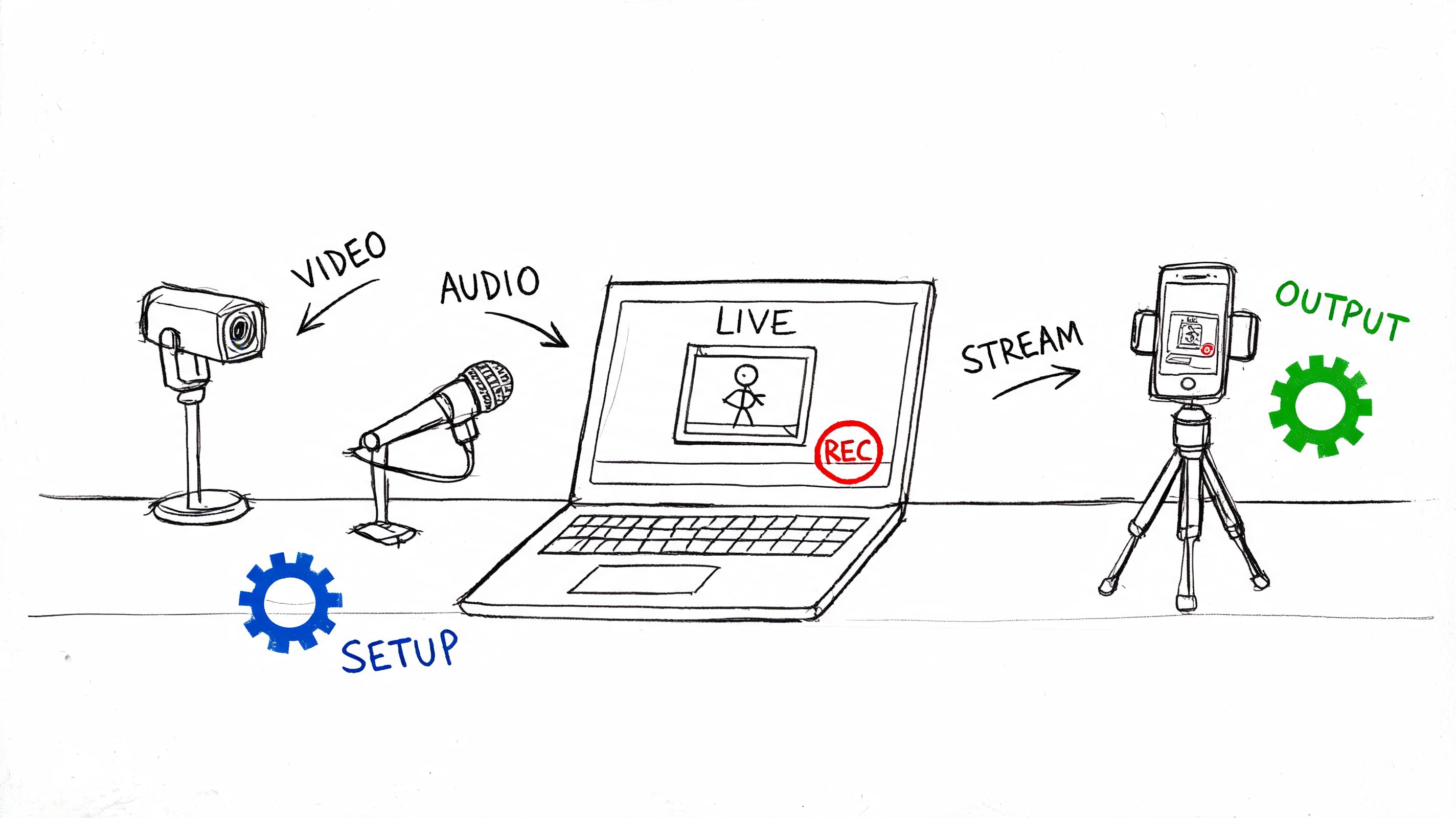
- Record Yourself: Fire up the camera on your phone or laptop and record yourself answering common interview questions out loud. It feels awkward at first, but it’s worth it.
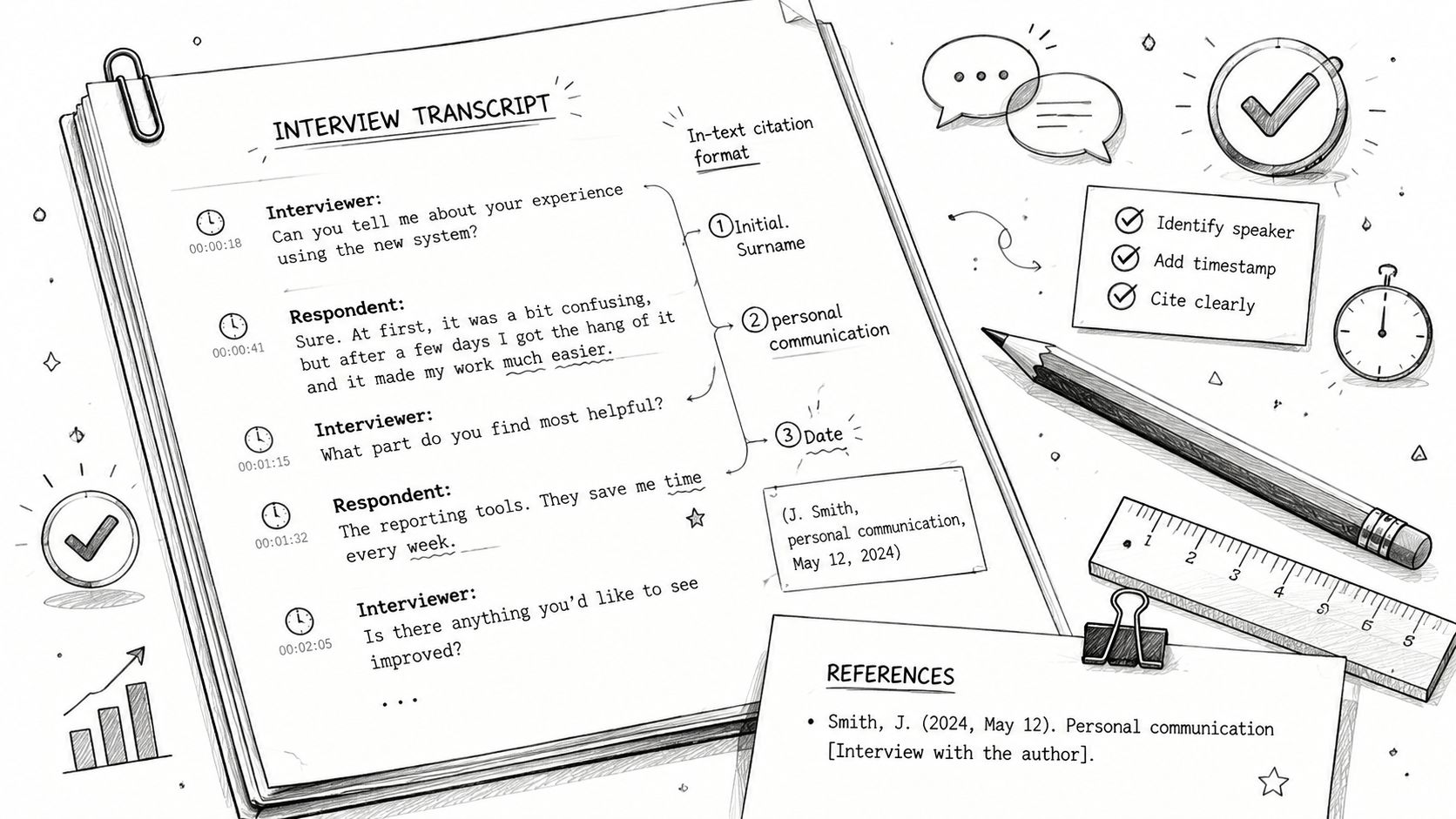
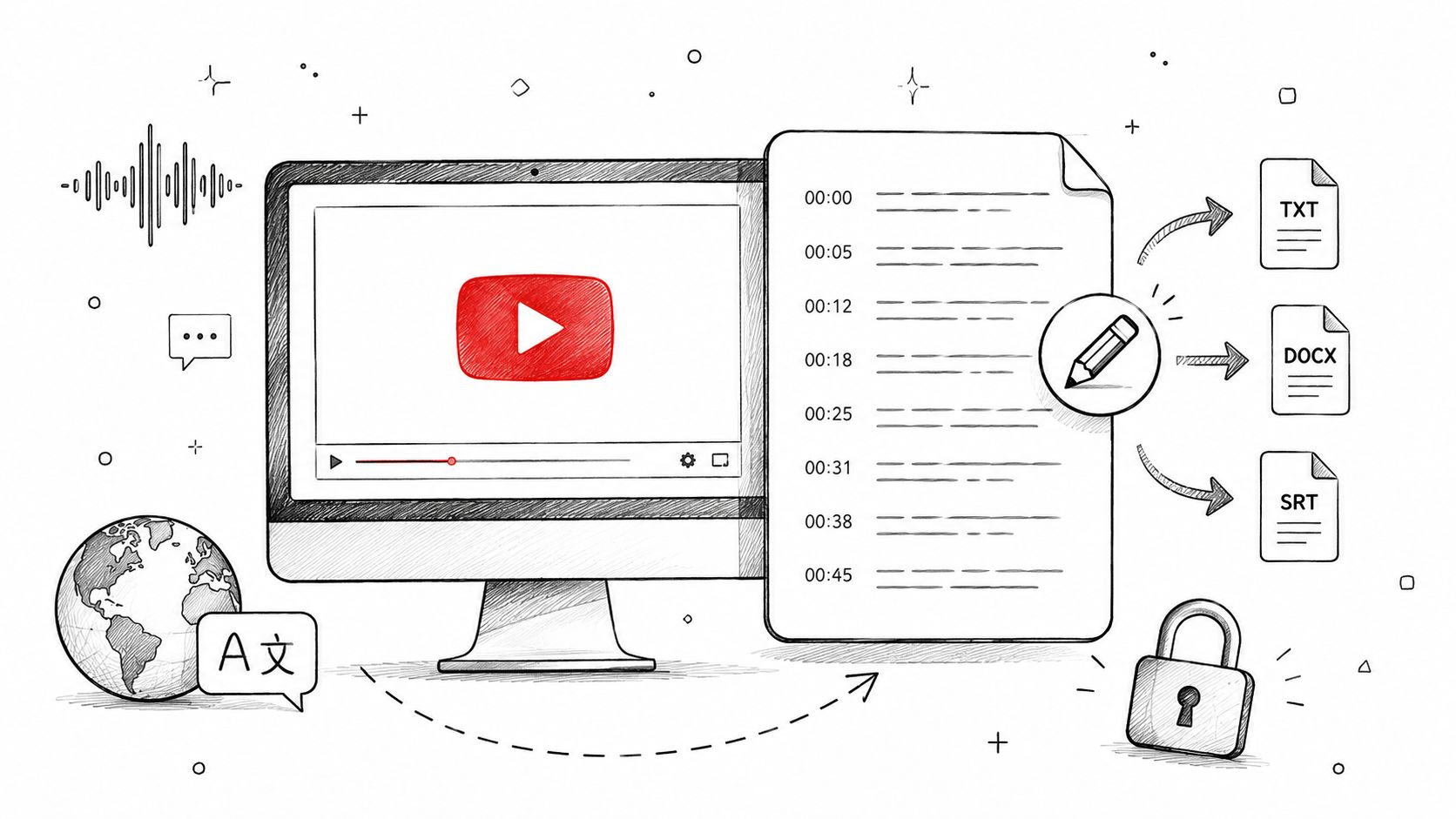
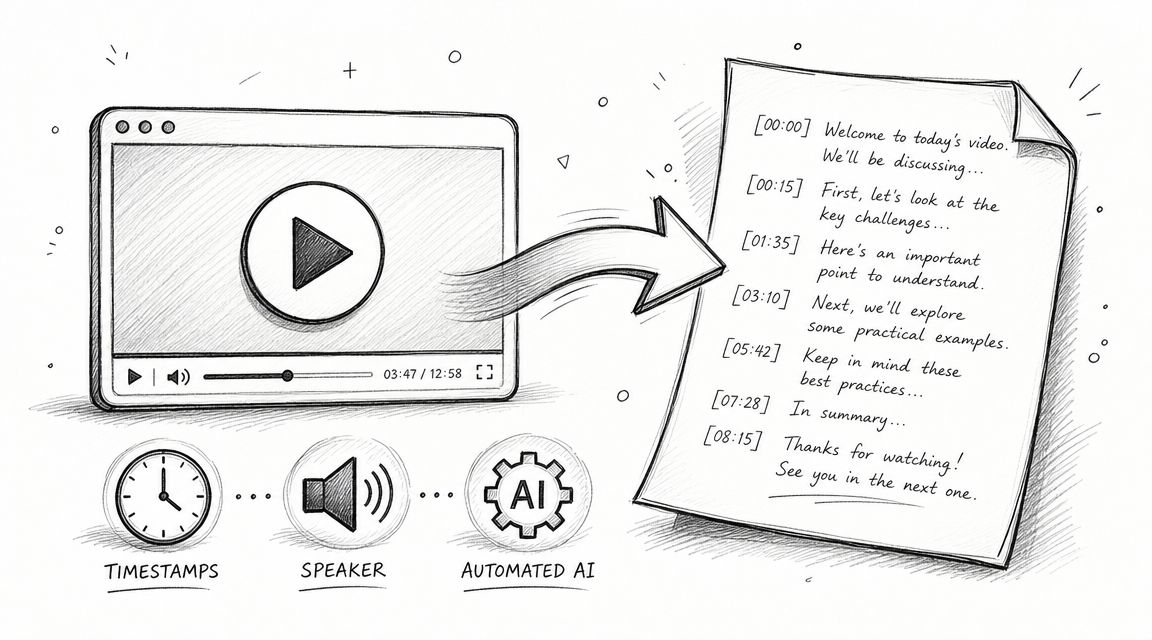
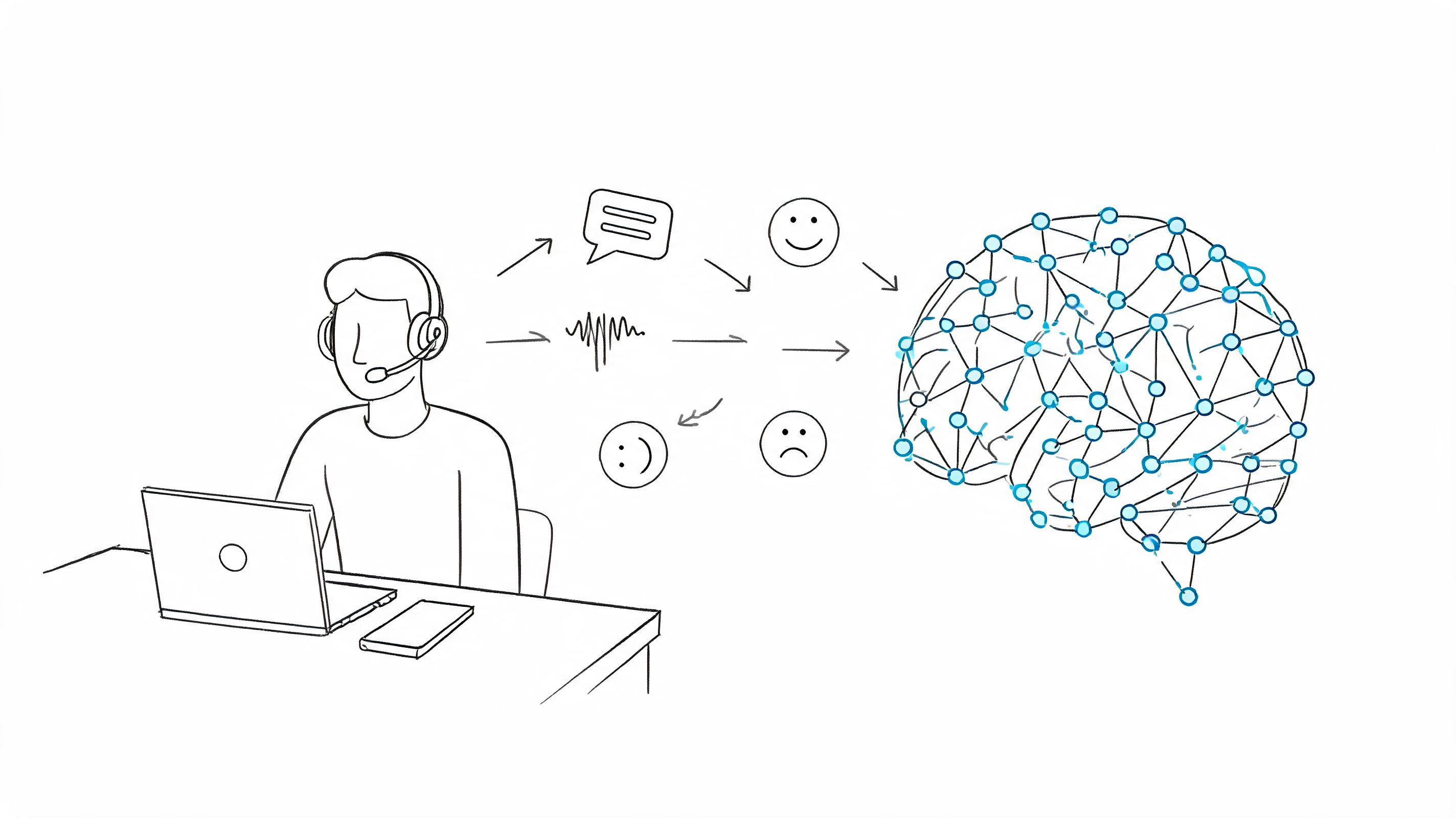
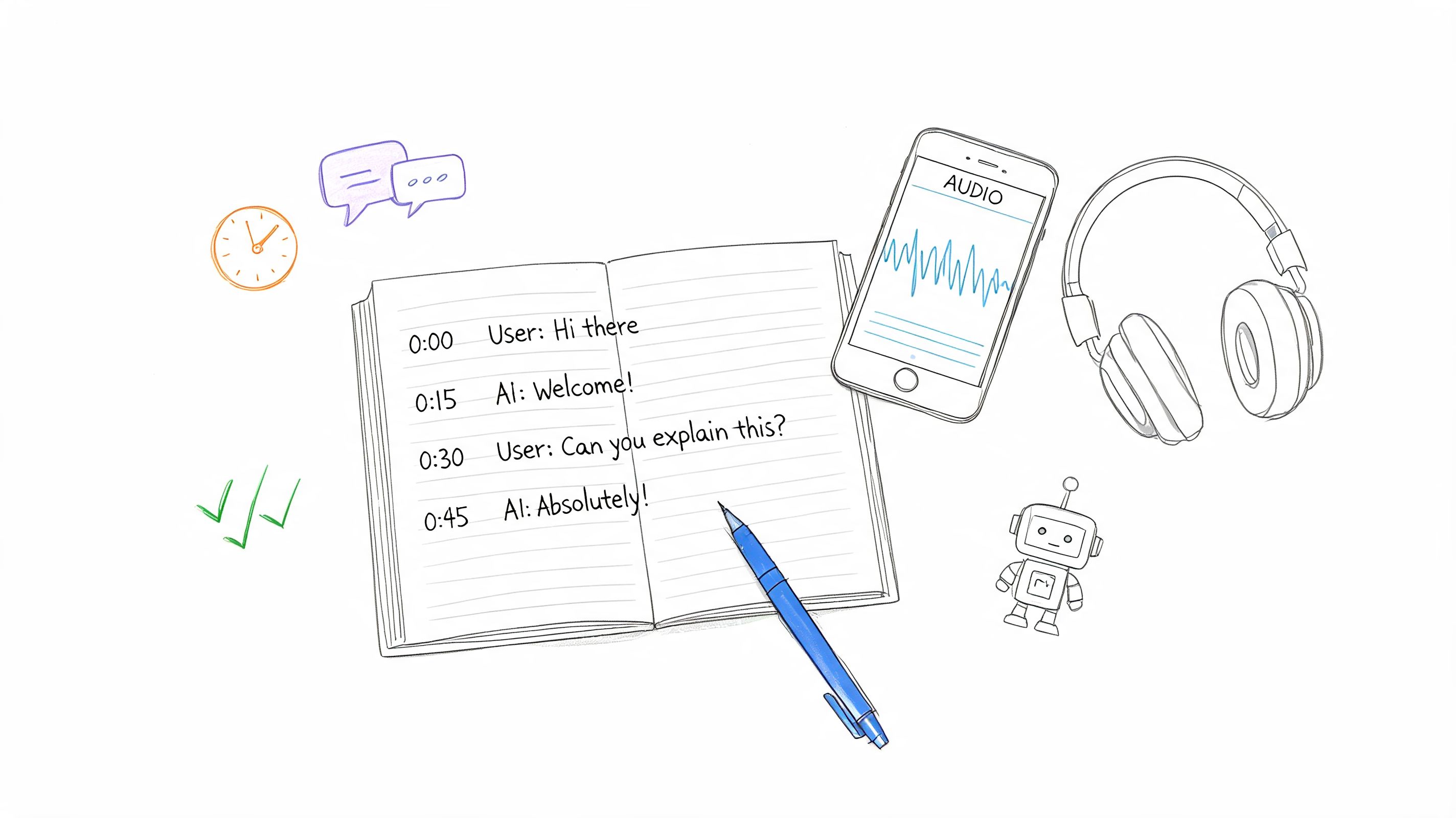
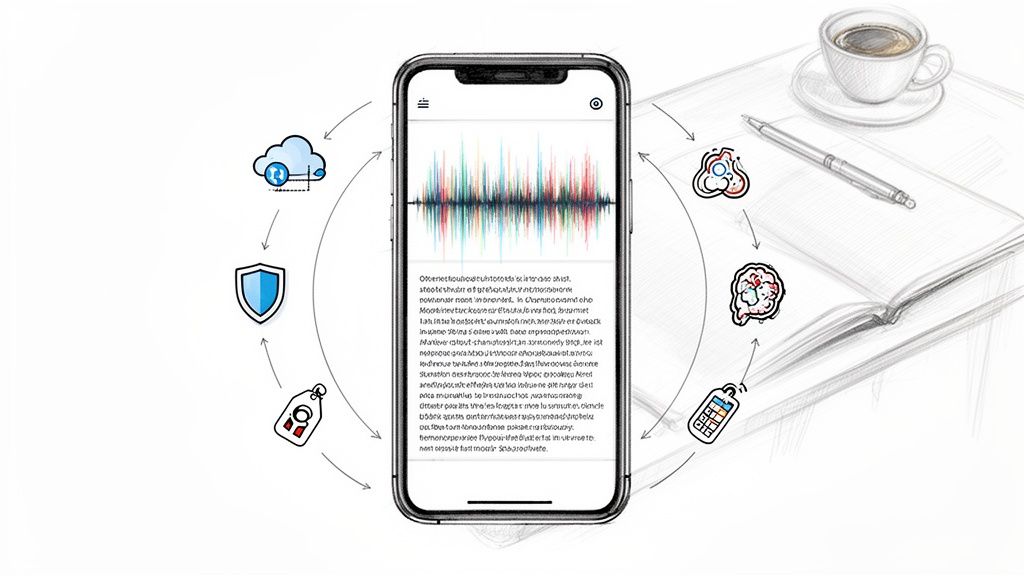
- Transcribe and Analyze: Get a written transcript of your answers. This is where the magic happens. You can spot filler words ("um," "like"), see if your sentences are rambling, and check if your main point is getting lost.
- Refine and Repeat: Based on what you find, tighten up your answers. Is the "Result" in your STAR story punchy enough? Are you getting to the point quickly? Record yourself again and compare.
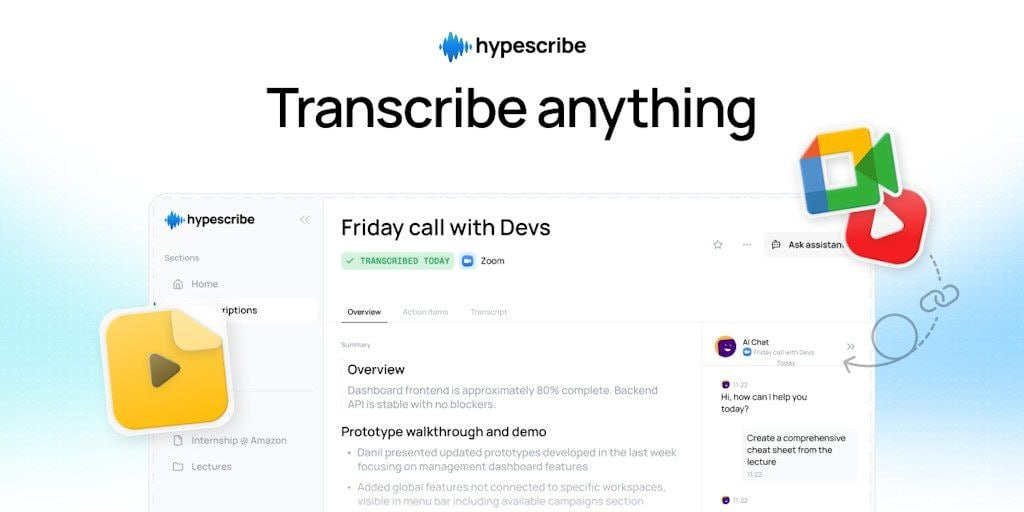
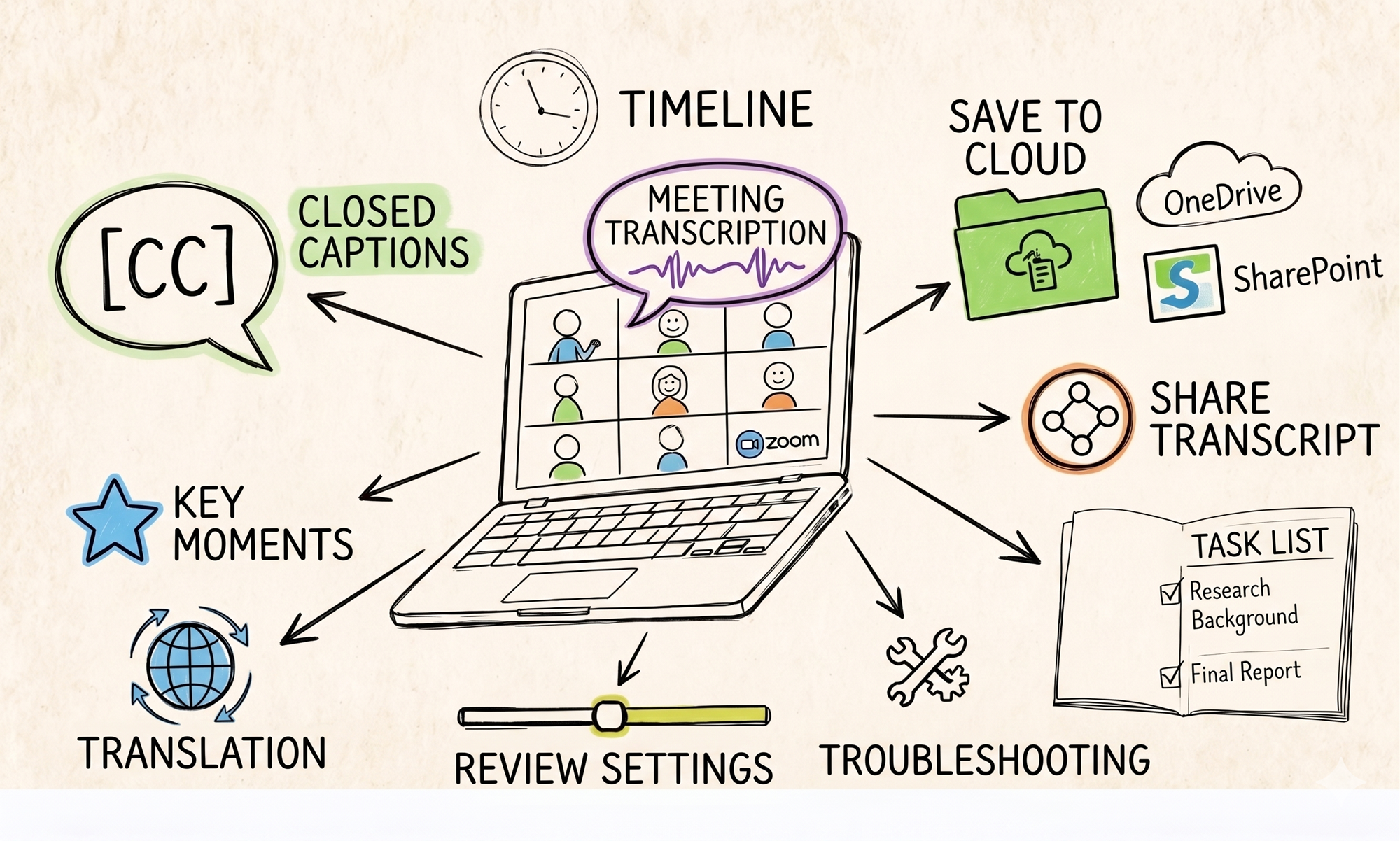
A tool like HypeScribe can make this whole process way easier by automatically transcribing your recordings and pulling out key insights. This cycle of practice, analysis, and refinement builds the confidence you need to walk in and own that interview.
Handling Today’s Video and AI Interviews
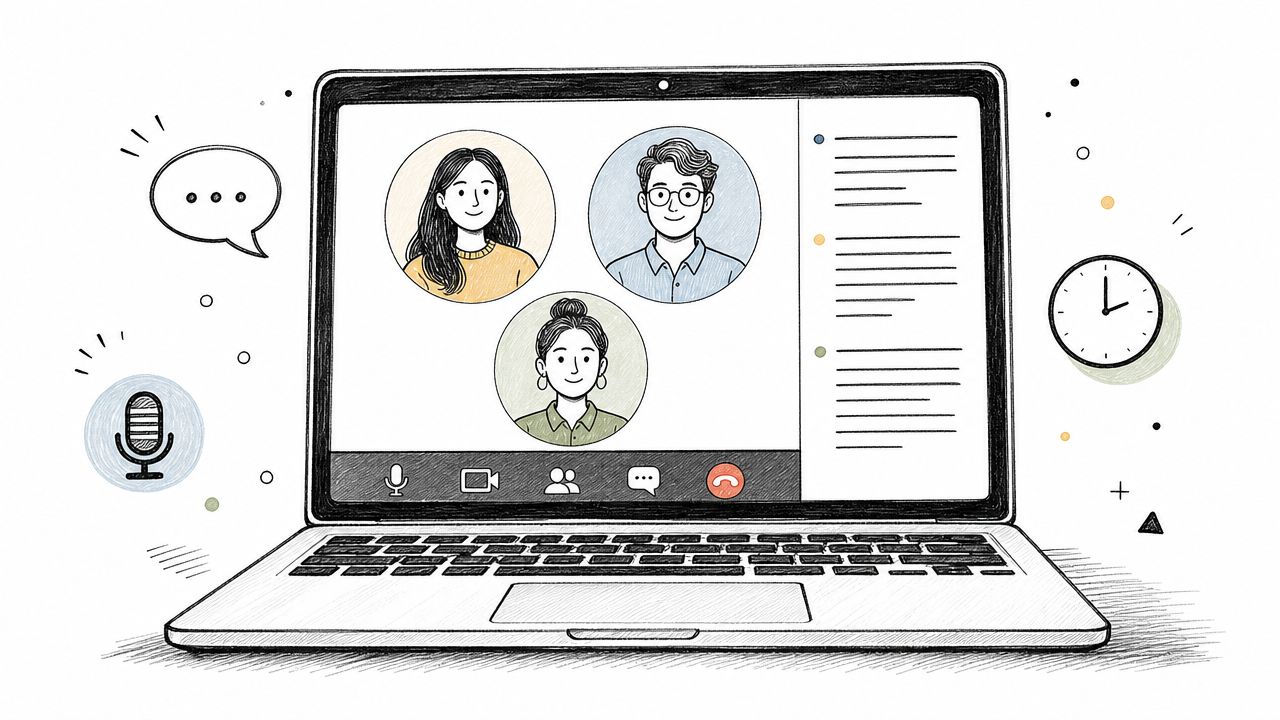
Let's face it, the days of walking into an office for every single interview are mostly behind us. The job market now runs on virtual interviews, which means your on-camera presence is just as critical as your resume. Getting comfortable on this digital stage isn't optional anymore; it’s a core part of landing a great role.
This isn't a small shift. As of 2025, a staggering 9 in 10 companies (90%) now use video for early screening, a massive leap from just 25% before the pandemic. But there's a catch: 62% of candidates say they've run into technical problems during a call. My advice for anyone prepping for an interview is to test your setup like your job depends on it—because it just might. You can find more data like this in these job interview statistics from SecondTalent.com.
Setting the Stage for a Flawless Video Call
Before you say a single word, your environment is already speaking for you. A cluttered background or a glitchy connection can send the wrong message, suggesting you aren't prepared or detail-oriented. Nailing the logistics lets your skills and personality shine through without any distractions.
My advice? Do a full tech check at least a day before your interview. Don't wait until the last minute.
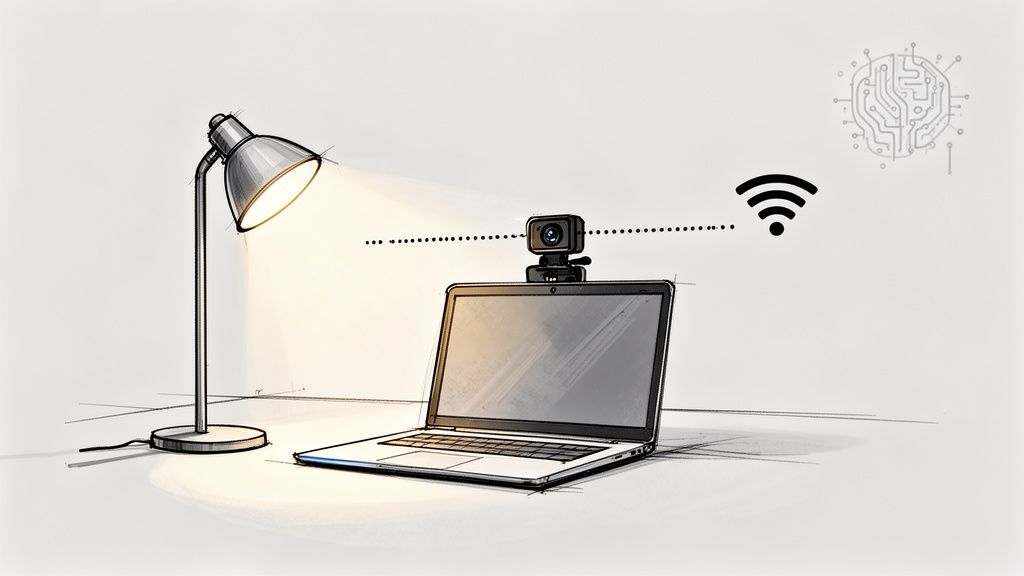
- Your Internet Connection: Run a speed test. If your Wi-Fi is spotty, a simple ethernet cable can be a lifesaver, preventing you from freezing mid-sentence.
- Audio and Video: A laptop's built-in gear can be passable, but an external webcam and a headset with a dedicated mic make a world of difference in quality. Make sure to test them on the actual platform you'll be using, whether it's Zoom, Google Meet, or Teams.
- Lighting is Everything: Natural light is your best friend. Set yourself up facing a window. If that's not possible, a simple ring light can work wonders. Just avoid sitting with a bright light or window behind you, or you’ll end up as a silhouette.
- The Background: Keep it clean and professional. A tidy bookshelf, a neutral wall, or a subtle, non-distracting virtual background are all solid choices.
The goal is to make the technology completely invisible. When it all just works, the interviewer can focus on the only thing that matters: the value you bring to the table.
Building a Real Connection Through the Camera
One of the toughest parts of a video interview is creating that genuine human connection. It feels weird to talk to a tiny camera lens, but that's exactly how you make the other person feel like you're right there in the room with them.
The trick is to train yourself to look directly at the camera, not at the person's face on your screen. It’s what creates the illusion of direct eye contact and shows you’re fully engaged. This takes some practice, but it's worth it. I've seen people stick a small, brightly colored sticky note next to their webcam as a physical reminder to look up.
Decoding AI and One-Way Interviews
More and more, you'll see companies using automated systems for initial screenings. This could be an AI-driven assessment or a one-way video interview where you record answers to preset questions. They can feel a bit robotic and impersonal, but they’re much easier to manage once you know the game.
In these automated interviews, clarity and structure are king. The software is often analyzing your word choice, how you speak, and whether you hit certain key competencies.
Tips for Acing AI and One-Way Interviews:
- Treat it Like the Real Thing: Get dressed professionally and sit up straight. Even if no one is watching live, your posture and energy come through on camera.
- Stick to the STAR Method: Answering with a clear structure like STAR (Situation, Task, Action, Result) keeps your stories tight, logical, and impactful for the system (and the human who watches it later).
- Watch the Clock: These interviews are almost always timed. Practice answering common questions within a 90-second or two-minute window so you don't get cut off.
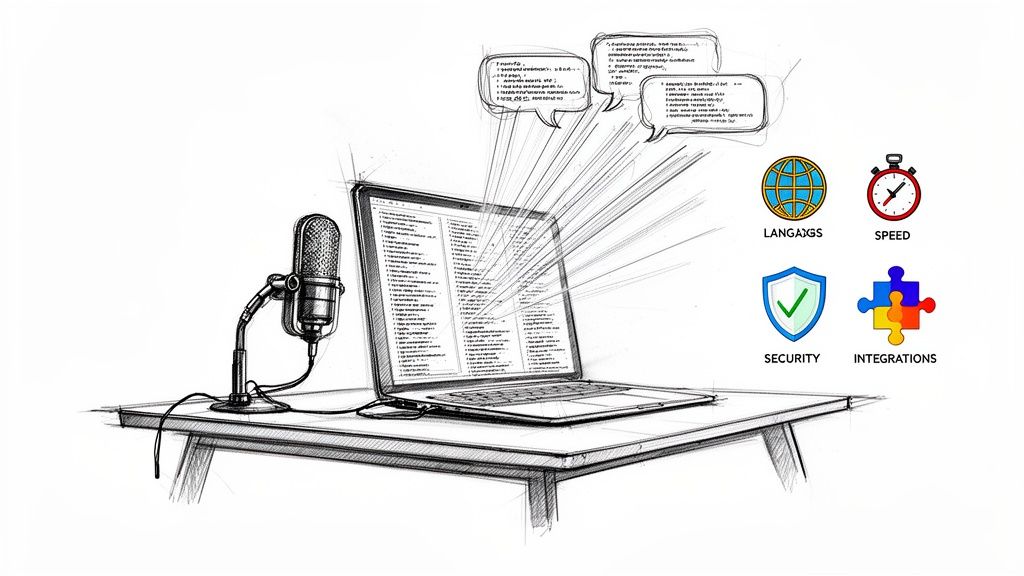
- Use Your Tools: This is the perfect time to record yourself. A tool like HypeScribe is great for this—you can turn your practice video to text to see exactly what you’re saying, spot filler words, and refine your answers.
When you show you're comfortable with these digital formats, you're also proving you’re adaptable and tech-savvy—two skills every employer is looking for.
Nailing the Final Details: Your Post-Interview Game Plan
The interview isn’t over when you walk out the door. Far from it. The way you handle the final details—both right before and immediately after—can make or break your chances. These aren't just formalities; they're powerful signals of your professionalism and genuine interest, often becoming the deciding factor between you and another great candidate.
Think about the night before. This is your last chance to get everything squared away so you can walk in feeling confident, not flustered. Lay out your outfit—make sure it’s clean, pressed, and fits the company vibe. Pack your bag with the essentials: a notebook, a good pen, and yes, a few extra copies of your resume. You never know who you might end up meeting.
Have Smart Questions Ready to Ask
At some point, you’re guaranteed to hear, "So, do you have any questions for us?" Your answer should always be a confident "Yes." This is your moment to flip the script.
Don't waste this opportunity on generic questions about salary or vacation days—that can come later. Now is the time to show you were actively listening and are already thinking about how you can contribute. This turns a one-sided interrogation into a genuine conversation.
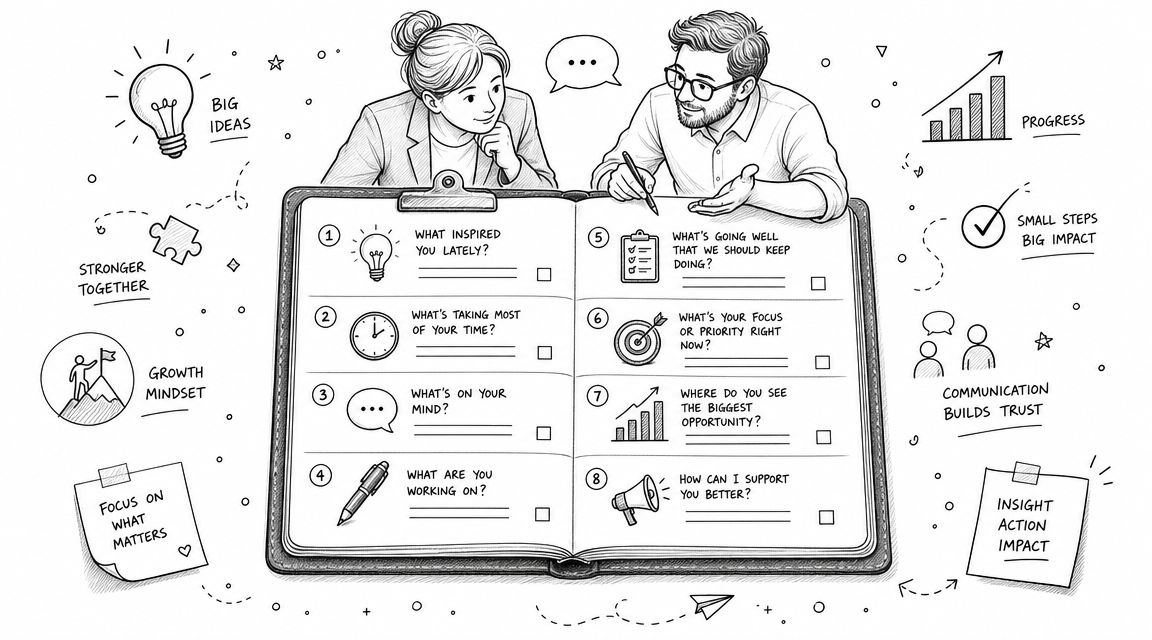
Try a few of these on for size:
- "You mentioned the team is working to solve [specific challenge]. How would this role contribute to that solution in the first 90 days?" This proves you paid attention and are focused on making an impact.
- "What does real success look like in this position, and how is it measured?" This shows you're serious about performance and meeting expectations.
- "Could you tell me a bit about the team's dynamic? How do you all collaborate on a typical project?" This helps you understand the culture and see if you’ll actually enjoy working there.
Asking thoughtful questions is one of the most powerful ways to show you're not just looking for any job—you're looking for this job. It shifts the dynamic from a candidate being interrogated to a professional having a collaborative discussion.
Write a Thank-You Email That Gets Noticed
Sending a well-written thank-you email within 24 hours is non-negotiable. It’s a simple gesture that reinforces your interest and pops your name back to the top of the interviewer's inbox. It's also your final chance to add a quick point you forgot to mention or double down on a key strength.
Keep it short, personal, and professional. The trick is to reference something specific from your conversation to jog their memory. Thank them for their time, briefly restate your excitement, and connect one of your top skills to a problem they talked about. For more ideas, check out our guide on meeting follow-up templates.
Remember, with 99.8% of talent teams planning to use AI agents by 2026 and 20% of companies already using AI to interview, a polished, human follow-up helps you stand out. Candidates are already wary, with only 26% trusting AI's fairness. A personal touch goes a long way.
How to Handle the Waiting Period
Once you've hit "send" on that thank-you note, the dreaded waiting game begins. The goal is to stay top-of-mind without being annoying.
If the interviewer gave you a timeline, respect it. Don't bug them before that date. If the timeline passes by a day or two and you've heard nothing but silence, it's perfectly fine to send a brief, polite follow-up email. A simple note asking for an update on the hiring process is all you need. If you're unsure how to phrase it, this guide on how to follow up after a job interview has some great examples.
No matter what happens, treat every interview as a learning opportunity. Take a few minutes to debrief with yourself. What went well? Which questions tripped you up? This kind of self-reflection is gold, turning every experience—good or bad—into fuel for your next win.
Your Top Interview Prep Questions, Answered
As you get closer to the interview, a few nagging questions about the prep process itself always seem to pop up. Let's tackle those head-on so you can walk in feeling prepared and confident, not wondering if you missed something.
How Much Time Should I Actually Spend Prepping?
There's no magic number, but from my experience, for an interview you really care about, aim for 5-10 hours of solid prep. The key is to spread it out over a few days—cramming the night before just leads to burnout and a jumbled mind.
Here's how I recommend breaking it down:
- Deep Dive Research (2-3 hours): Go beyond the homepage. Dig into their recent press releases, study the role's specific challenges, and understand their place in the market.
- Storytelling Practice (3-4 hours): This is where you outline your key career stories using the STAR method. Don't just think about them—write them down or talk them out. This is where you connect your past wins to their future needs.
- Mock Interviews (1-2 hours): Find a trusted friend or mentor and run through a full practice session. Even better, record yourself to catch awkward phrasing or nervous habits you didn't know you had.
- Final Touches (1 hour): Get your logistics in order and, most importantly, prepare smart, insightful questions for them.
Naturally, the more senior the position, the more time you should invest. This isn't about logging hours; it's about making sure every minute is spent building a compelling case for yourself.
What's the Single Biggest Mistake People Make?
Easy. Speaking in vague generalities. It's the fastest way to become forgettable.
So many candidates say things like, "I'm a great leader" or "I'm a collaborative team player" without offering a shred of proof. A hiring manager has heard that a thousand times. What they haven't heard is your specific story.
A vague answer is a forgotten answer. The most memorable candidates prove their skills with concise stories and tangible results, turning claims into credible evidence of their value.
Instead of just making a claim, tee up a real example. "Let me tell you about a time my team was behind schedule..." immediately grabs their attention and proves you have substance behind your words. The other classic blunder is not doing enough research on the company and the people you're meeting, which leads to generic questions that show you're not genuinely interested.
Any Tips for Calming My Nerves Beforehand?
The best antidote to anxiety is preparation. When you know your stories inside and out and have a genuine understanding of the company, you leave less room for doubt to creep in. Confidence comes from competence.
On the day of, a few simple rituals can work wonders:
- Breathe: It sounds cliché, but it works. A few minutes of slow, deep breathing actually slows your heart rate and gets you out of that "fight or flight" mode.
- Visualize Success: Seriously. Close your eyes and picture yourself acing the interview—building rapport, answering questions clearly, and feeling confident. It primes your brain for the real thing.
- Move Around: Go for a quick walk before your call. It helps burn off that restless, nervous energy and clears your head.
And here’s a crucial mindset shift: An interview is a two-way conversation, not an interrogation. You're there to see if they're a good fit for you, too. Taking back some of that control can instantly lower the pressure.
Do I Really Need to Send a Thank-You Note Every Time?
Yes. Absolutely, 100% yes. Sending a personalized thank-you email within 24 hours is non-negotiable. It’s not just about being polite; it’s a strategic move that reinforces your interest and keeps you top of mind.
This is your last chance to make an impression. A good thank-you note can reiterate a key point, clarify something you wish you’d said better, or simply remind them why you're the right person for the job. Just make sure you tailor it to the specific person you spoke with—mentioning something unique from your conversation shows you were truly engaged.
Ready to turn practice into perfection? HypeScribe helps you record, transcribe, and analyze your mock interview answers, so you can walk into any conversation with total confidence. Get key takeaways and action items instantly, ensuring you're fully prepared to impress. Start for free at https://www.hypescribe.com.