How to Improve Reading Comprehension Skills for Deeper Understanding

If you want to get more out of what you read, it’s not about finding some magic trick. It's about changing your approach. From my own experience, the entire process really boils down to three key phases: what you do before you read, how you engage while you read, and the way you reflect after you’re done. Getting this rhythm down turns reading from a passive chore into an active, and frankly, more rewarding process.
Your Foundation for Better Reading Comprehension
So much of what we call "comprehension" actually happens before you even read the first sentence. I used to just dive right into texts, expecting to absorb everything by sheer willpower. But then I'd find myself rereading the same paragraph three times, and nothing would stick. I learned that the smarter way is to build a mental framework first.
Think of it like putting together a piece of IKEA furniture. You wouldn't just dump the box of screws and panels on the floor and start guessing, right? You’d look at the picture on the box, glance over the instruction booklet, and get a general idea of what you’re building. That little bit of prep makes the actual assembly a hundred times easier. Reading is no different.

The Power of Pre-Reading
Honestly, spending just five minutes previewing a text can save you a world of frustration later. I make it a habit to just skim the headings, look at any bolded text, and read the first sentence of a few paragraphs. This simple act creates a mental map of what I'm about to dive into, priming my brain to notice the important stuff when I see it again.
This isn't about trying to learn it all upfront. It's about setting an intention. I ask myself: What do I already know about this? What am I hoping to get out of this chapter? This kind of curiosity flips a switch in your brain, turning you from a passive consumer into an active investigator.
Building this mental map is the single most impactful habit for better comprehension. It provides context, which acts like glue for new information, helping it stick in your memory long after you've closed the book.
A Structured Approach to Understanding
To put this into practice right away, it helps to see the whole process laid out. Each stage has a clear purpose, and they work together to create a powerful learning cycle. If you skip one, the whole structure gets wobbly, which is why details get forgotten and you're left with a fuzzy understanding of the material.
To make this crystal clear, here’s a quick-reference guide breaking down the essential strategies for each pillar. Think of it as a checklist to keep your reading sessions focused and productive.
The Three Pillars of Reading Comprehension
PillarObjectiveKey StrategiesBefore ReadingTo build context and set a purpose for reading.Skim headings and summaries, ask preliminary questions, and activate prior knowledge.During ReadingTo actively engage with the text and monitor understanding.Highlight key ideas, take notes in the margins, and pause to summarize sections in your own words.After ReadingTo solidify understanding and connect ideas.Review your notes, create a summary, and discuss the material with someone else.
This systematic approach is how you build lasting reading comprehension skills. It’s not just about pushing through the pages; it’s about making the information truly yours. By consciously working through these three stages, you train your brain to process information more deeply and effectively, no matter how complex the topic gets.
Getting to the Root of Your Reading Skills
If you really want to get better at understanding what you read, you have to look past the surface-level tips and tricks. It's time to dig into the bedrock of literacy itself.
Think of it like building a house. You wouldn't start picking out paint colors or hanging windows before you knew for sure the foundation was solid, right? In reading, that foundation is built from a handful of core skills. If one of them is weak, the whole structure you try to build on top of it becomes wobbly.
Many people who struggle with comprehension think the problem is some big, complex mystery. But from what I've seen, it often traces right back to one of these fundamental areas. You might be able to read quickly, for instance, but if your vocabulary is limited, you're just going to keep hitting roadblocks that kill your momentum and hide the author's real message.
The 6 Pillars of Strong Reading
Proficient reading isn't just one skill; it's a blend of six interconnected abilities. When they're all working together, reading feels natural, almost effortless. But when one is lagging, it can turn reading into a real chore.
A comprehensive 2025 World Bank report drove this point home, revealing that a staggering 70% of children in many developing nations struggle with basic comprehension because they lack systematic instruction in these core areas. It’s a global issue with a clear, evidence-based solution.
So, what are these pillars? Let's break them down.
- Oral Language: This is all about your comfort with spoken language. How well you understand and use it directly shapes your grasp of sentence structure and vocabulary when you see it written down.
- Phonological Awareness: This is your ear for the sounds within words. It’s what lets you hear the rhyme in "cat" and "hat" or break "stop" into its individual sounds: /s/ /t/ /o/ /p/.
- Systematic Phonics: Here’s where you connect the sounds you hear to the letters on the page. It's the engine that lets you decode unfamiliar words instead of just guessing at them.
- Reading Fluency: Think of fluency as the bridge from simply saying words to actually understanding them. It’s about reading with accuracy, a natural pace, and expression, which frees up your brain to focus on the meaning.
- Comprehension Strategies: These are the active techniques we've been talking about—things like asking questions as you read, summarizing, and connecting the text to what you already know.
- Writing: The act of writing is a powerful tool for comprehension. It forces you to organize your thoughts, choose your words carefully, and engage with the material on a much deeper level.
For a closer look at how these pieces fit together, it’s worth exploring resources that unpack these foundational reading skills in greater detail.
Fluency Is So Much More Than Speed
This is a big one. So many people chase reading speed, thinking faster equals better. But true fluency isn't about how many words you can skim per minute; it’s about automaticity.
When you’re a fluent reader, your brain recognizes words instantly, without conscious effort. That process becomes so automatic that your mental energy is freed up for the real work: thinking about the ideas, arguments, and stories in the text.
Imagine trying to have a deep conversation in a language you’re just starting to learn. You'd be so busy translating each word that you'd completely miss the bigger picture. That's exactly what reading without fluency feels like. You’re stuck on the words, never quite making it to the ideas.
A fluent reader can process text with the same ease as they process spoken language. This frees up crucial mental bandwidth, allowing them to make inferences, connect ideas, and truly comprehend the material.
How to Pinpoint Your Weak Spot
So, how do you figure out which of your own pillars might need some work? Get honest about your reading experience.
- Do you often have to sound out common words or re-read them to be sure? That could point to a weakness in Phonics/Decoding.
- Is your reading slow and choppy, even with simple texts? That’s a classic sign you need to work on Fluency.
- Do you constantly run into words you don't know, bringing your reading to a dead stop? Your Vocabulary (a key part of Oral Language) might be the culprit.
- Can you read an entire page smoothly but have no clue what you just read? You probably need to focus on your Comprehension Strategies.
Finding the bottleneck is the first real step toward a breakthrough. You could be a master decoder, but if your vocabulary is small, you'll always hit a comprehension ceiling. On the flip side, you might know all the words, but if your reading is slow and halting, you'll be too mentally exhausted to put the meaning together. It's all about building a balanced, solid foundation for everything else to stand on.
Mastering Active Reading Techniques
There's a world of difference between just letting your eyes scan a page and actually engaging with the text. One is passive, like being a passenger on a bus tour, hoping some of the sights stick. The other is active reading—you're in the driver's seat, asking questions and making connections.
When you read passively, you’re basically outsourcing the work to the author, expecting the information to just soak in. Active reading, however, is a hands-on, dynamic process. You start a conversation with the author, challenging their ideas and marking up the margins with your own thoughts. This small shift in approach turns reading from a one-way lecture into a two-way dialogue, which is a game-changer for understanding and remembering complex stuff.
This simple diagram shows how we get from seeing letters on a page to actually understanding what they mean. True comprehension is the final destination.

As you can see, comprehension is built on a solid foundation of being able to decode words and then read them smoothly.
The SQ3R Method: Your Secret Weapon
One of the best frameworks I've ever used for active reading is the SQ3R method. It’s a simple acronym for Survey, Question, Read, Recite, and Review. Think of it as a reliable roadmap for getting through any text, whether it’s a dense textbook chapter or a lengthy online report.
Let's walk through a real-world example. Say you've been given a 20-page market trends report for work. Instead of just jumping in at page one, you'd use SQ3R:
- Survey: First, take two minutes to just skim the entire report. Look at headings, charts, pull-quotes, and the conclusion. Get the lay of the land.
- Question: Next, turn those headings into questions. If a section is titled "Emerging Consumer Behaviors," your question is, "So, what are the emerging consumer behaviors?" This simple act primes your brain to hunt for answers.
- Read: Now you read, but with a mission. You’re actively searching for the answers to the questions you just created, which keeps you focused.
- Recite: After each section, pause. Look away from the report and try to answer your question out loud or by scribbling a quick note. This is the moment you check if you really got it.
- Review: Once you've finished the whole thing, quickly go back over your questions and notes. This final pass locks in the key takeaways and shows you how everything connects.
Annotate Like You Mean It
Good annotation isn't about mindlessly highlighting sentences that look important. It’s about creating a physical record of your conversation with the text. You’re turning a static document into a dynamic tool you can come back to.
Your annotations should capture questions, "aha!" moments, and connections to other things you know. A well-marked-up page is a map of your thinking process, making it incredibly easy to review later. For those who read digitally, learning how to improve note-taking skills with modern apps can supercharge this process.
Here are a few practical annotation tricks I use all the time:
- Summarize in the Margins: After a dense paragraph, I write a one-sentence summary of the main point. This forces me to process what I just read.
- Develop a Symbol System: I've created my own shorthand. An exclamation point (!) for surprising facts, a question mark (?) for confusing bits, and a star (*) for thesis-level arguments.
- Draw Connections: I literally draw lines and arrows to link related ideas across paragraphs or even pages. This helps me visually map out the author's logic.
The point of annotating isn't to make the page look busy; it's to get your thoughts out of your head and onto the page. You're creating a personalized study guide as you go.
This is especially critical for struggling students. Global studies have found that active reading strategies—like summarizing and questioning—are one of the most effective ways to help lower-performing students improve. It's no surprise that comprehension gaps often hit these students the hardest, but focused practice can make a real difference. For instance, the US scored 504 in the 2022 PISA reading assessment, well above the OECD average of 476, showing how targeted approaches can yield strong results.
Master the Art of Summarization
Here's one of the best tests of comprehension: can you explain what you just read in your own words? If you can't explain an idea simply, you probably don't understand it as well as you think.
This doesn't need to be a big, formal exercise. Just pause after a few pages or at the end of a section. Close the book and ask yourself, "What was the big idea there?" Try saying it out loud or jotting down a few bullet points. This tiny act of retrieval does wonders for cementing information in your brain.
This habit helps you catch gaps in your understanding right away, so you can go back and re-read a tricky part before moving on. Over time, you'll become a much more focused and efficient reader because you're constantly checking in with yourself. To explore more ways to engage with what you're reading, check out these proven effective active reading strategies.
Reading Between the Lines: Vocabulary and Inference
True comprehension isn’t just about reading the words on the page. It's about understanding what the author isn't saying, and that requires two skills working together: a solid vocabulary and the ability to make smart inferences.
Think of it this way: if you're reading a historical text and a general’s victory is described as “pyrrhic,” you’re lost without that word. You might see “victory” and assume a clear win. But knowing that pyrrhic means a victory won at a devastating cost completely flips the meaning. You’ve just uncovered the author’s subtle critique, all thanks to one word.
This is why building your word bank is so crucial. It’s not just about knowing more words; it’s about grasping the subtle shades of meaning that authors use to make their point.
Building Your Vocabulary the Right Way
Forget memorizing the dictionary. The best way to expand your vocabulary is to develop active, consistent habits that help you learn new words from the things you're already reading. The goal is to make these words part of your active toolkit, not just trivia you'll forget next week.
Here are a few practical methods I’ve found incredibly effective:
- Play Word Detective: When you hit a word you don’t know, don’t just skip over it. Hunt for context clues in the surrounding sentences. Often, the author gives you hints through examples or even a quick definition woven into the text.
- Keep a Word Journal: Use a dedicated notebook or a simple note-taking app to jot down new words. Crucially, don't just write the definition. Write down the entire sentence where you found it. Context is everything.
- Use Smart Tech: Tools like Anki or Quizlet are fantastic for this. They use spaced repetition, a learning technique that shows you new words at just the right intervals to move them from your short-term recall into your long-term memory. It's a game-changer.
Real vocabulary growth happens in the wild, not from a list. When you commit to wrestling with challenging texts and looking up words as you go, you create a powerful, natural learning loop.
This isn’t a passive process. You have to actively engage with the material to make it stick.
The Art of Making Smart Inferences
Once you've got a handle on the words themselves, the next level is inference. This is the art of reading between the lines—of connecting the author's clues with your own background knowledge to figure out the unsaid. Good writers don't spell everything out; they expect you to connect the dots.
For instance, a story might describe a character pacing, constantly checking his watch, and tapping his foot. The author never has to write, "He was anxious." You infer his anxiety from his actions. That's the classic "show, don't tell" in action, and your ability to infer is what lets you see it.
To get better at this, you have to become a more curious and questioning reader.
Ask Yourself These Questions as You Read:
- Why this detail? Every word is a choice. A description of the weather, a character's worn-out shoes—these aren't just filler. They often foreshadow events or reveal a character’s state of mind.
- What's the tone here? Is the author being sarcastic, urgent, or critical? The tone can completely change the meaning. A sentence like, "It was a brilliant plan," could be sincere praise or biting criticism, and only the tone will tell you which.
- What does this remind me of? Draw connections to your own life, other books, or historical events. This personal context is the raw material you use to fill in the gaps the author intentionally leaves.
Learning to make sharp inferences is what transforms reading from a passive activity into an active conversation with the text. It's how you move beyond simply decoding words to truly constructing meaning.
Creating a Supportive Home Reading Environment
Improving reading comprehension isn't a solo mission. The space you read in—your home environment—can make a massive difference, turning reading from a chore into something you actually look forward to.
When your home treats reading as a positive, shared activity, it can be a game-changer for learners of all ages. The goal is to create a culture where curiosity is encouraged and grabbing a book is just as natural as turning on the TV. This kind of supportive atmosphere is a powerful catalyst for growth.

Make Reading a Shared Experience
One of the best ways to build a pro-reading household is to make it social. When families or housemates read and talk about it together, you create a natural space for questions, clarifications, and deeper thinking. That shared dialogue is where real comprehension happens.
Here are a few simple ways to get started:
- Start a Family Book Club: Pick a book everyone might enjoy and set aside time to chat about a chapter or two each week. It doesn't need to be a formal meeting. Just talking about the plot twists and characters over dinner works wonders.
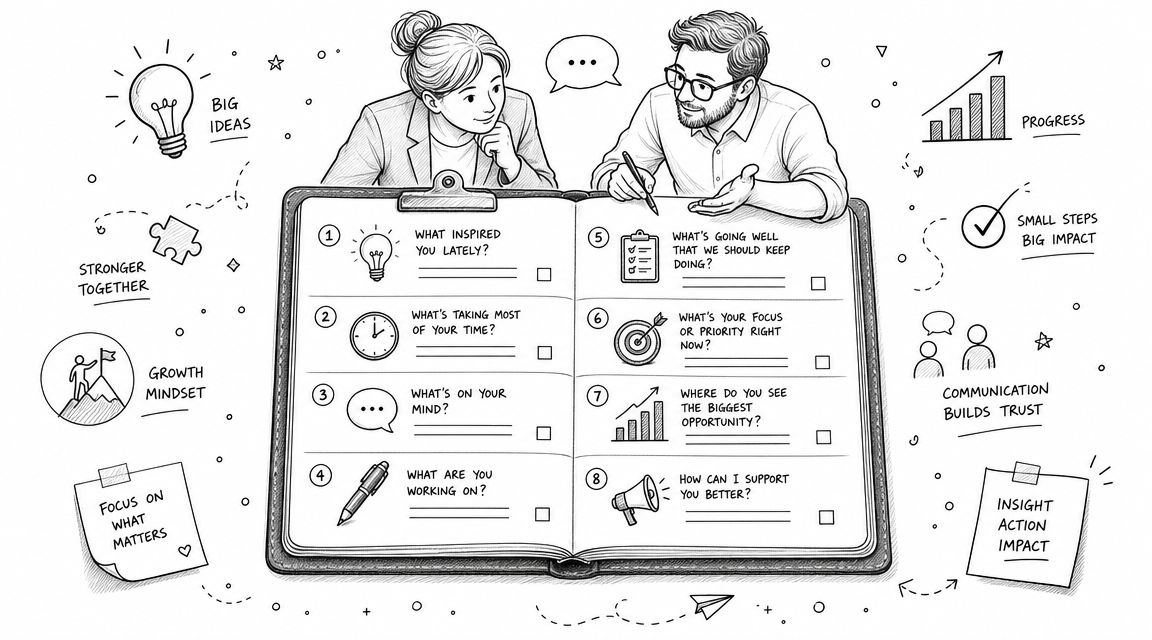
- Discuss the News: Find an interesting article and bring it up. Asking simple questions like, "What did you think about this?" encourages critical thinking and helps connect what you're reading to the world around you.
- Connect Reading to Real Life: If you read a book about space, maybe you plan a visit to a local planetarium. If an article mentions a new recipe, why not try cooking it together? These real-world links make reading feel much more relevant and memorable.
Curate a Diverse Home Library
Having interesting things to read easily within reach is crucial. A home library shouldn't be a dusty shelf of classics nobody touches; it should be a living, changing collection that reflects a wide range of interests and reading levels. The whole point is to have options that spark genuine curiosity.
Make sure your collection has a good mix of genres and formats to appeal to everyone.
- Novels and non-fiction books
- Magazines about hobbies
- Graphic novels and comics
- Newspapers or online news subscriptions
A well-stocked home library sends a powerful message: reading is valued here. It’s the first step toward building a lifelong love for reading, which is the ultimate driver of comprehension.
And this isn't just a hunch; the data backs it up. The Progress in International Reading Literacy Study (PIRLS) 2021, which assessed 400,000 students, found that home support is critical for success. Students who enjoy reading and get more engagement at home consistently score higher. Singapore, which topped the charts with an average score of 587, is a perfect example of how a culture that values literacy leads to incredible results. You can discover more about how home engagement boosts literacy and see the full study for yourself.
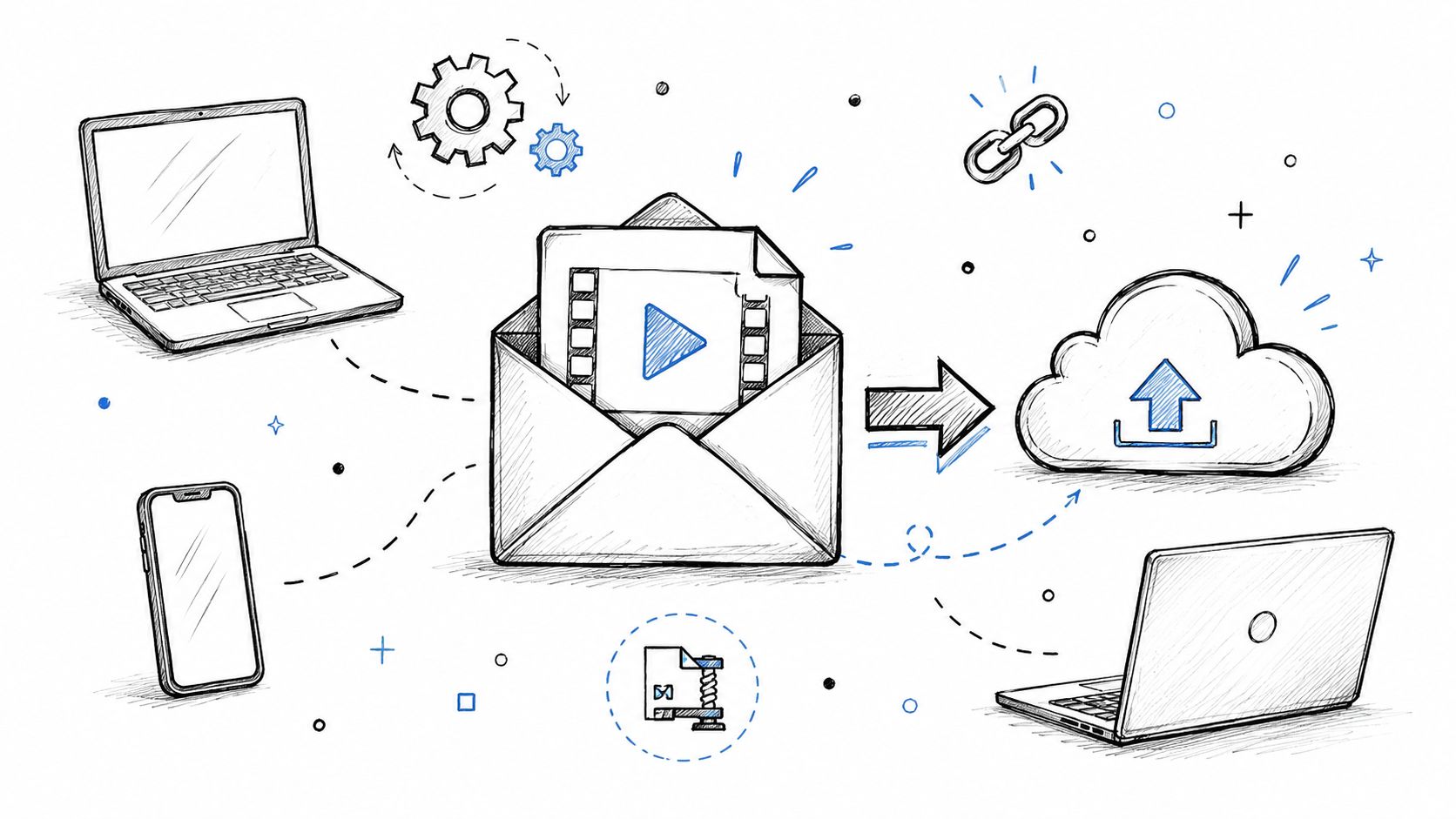
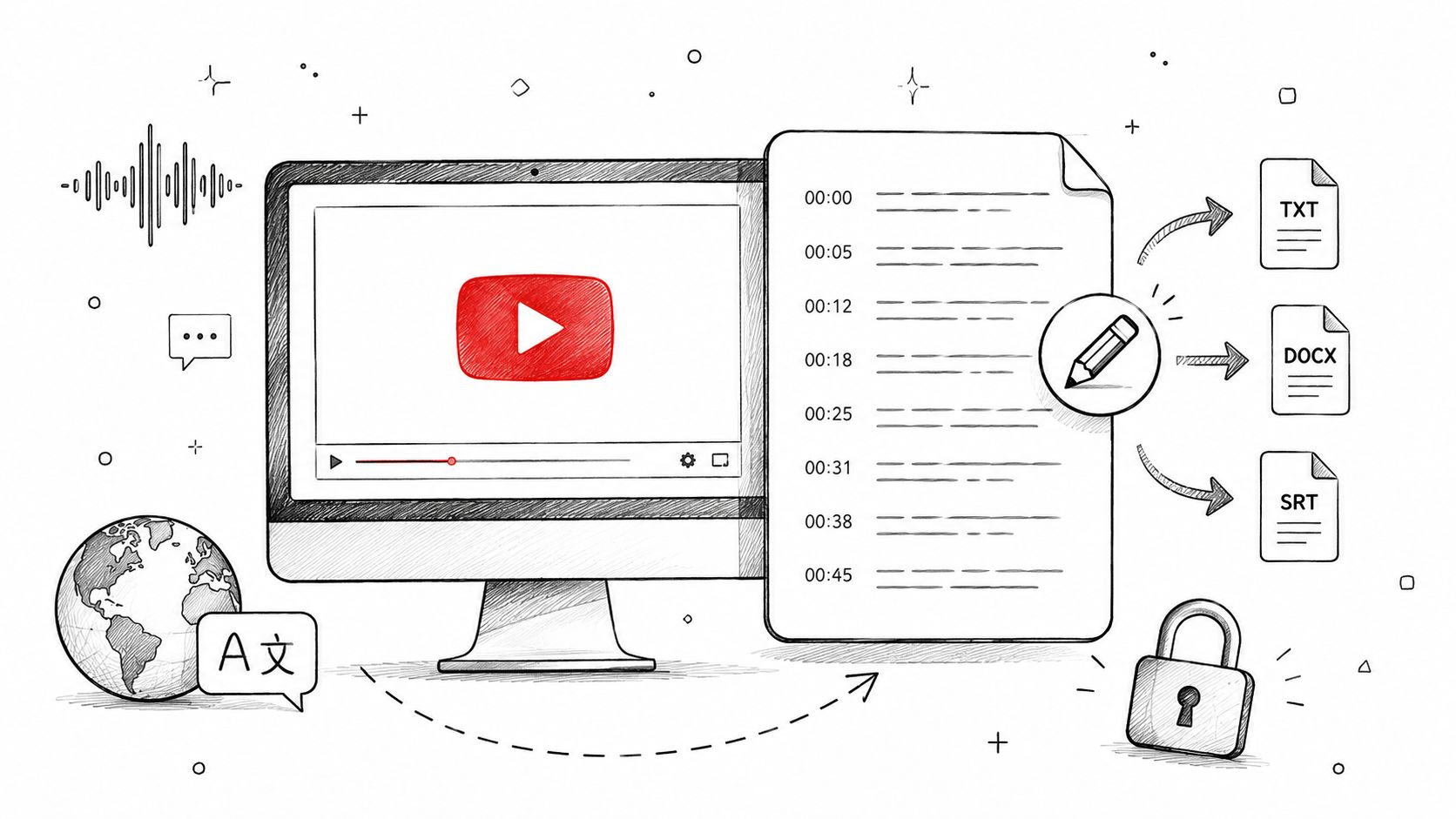
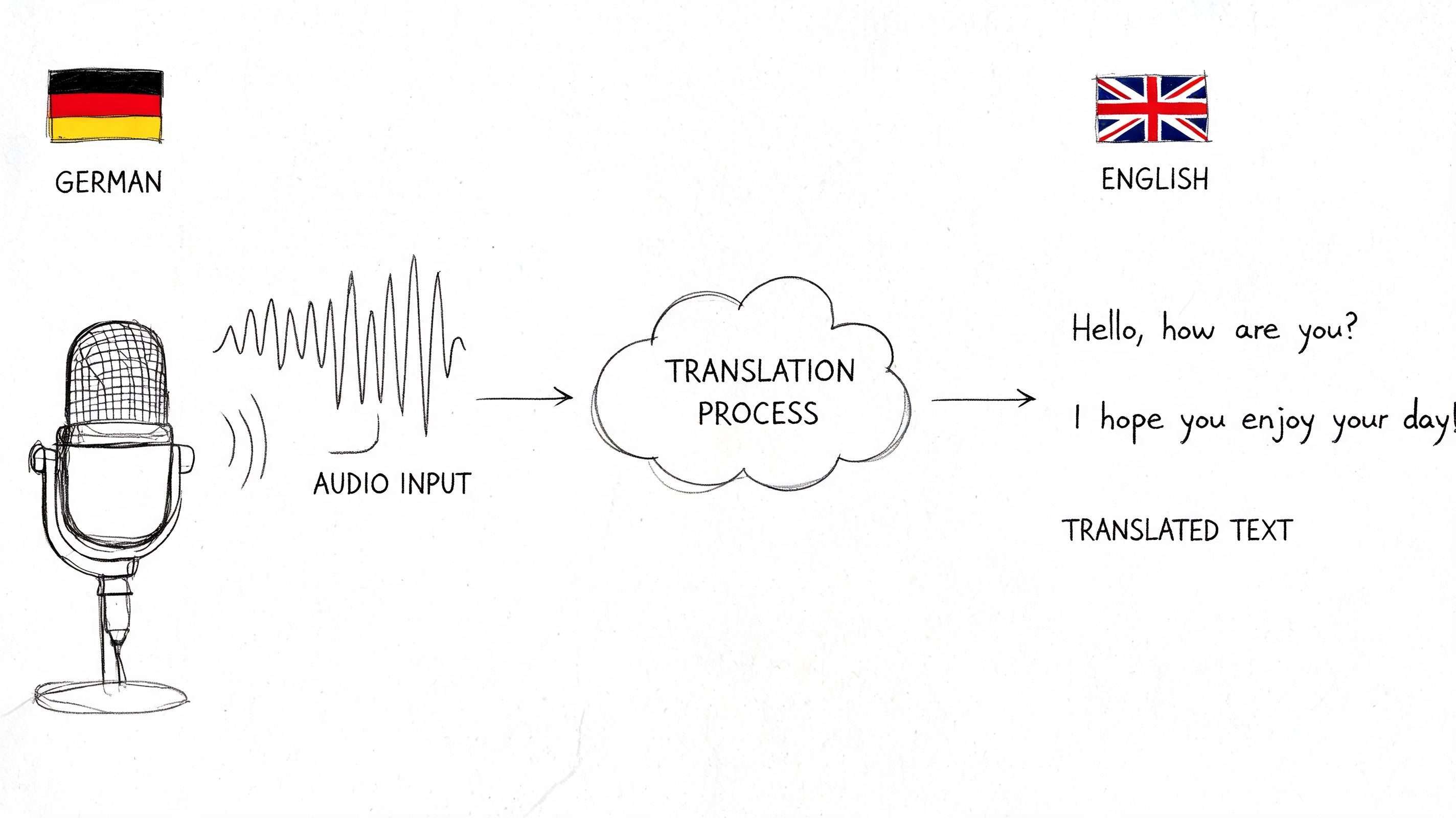
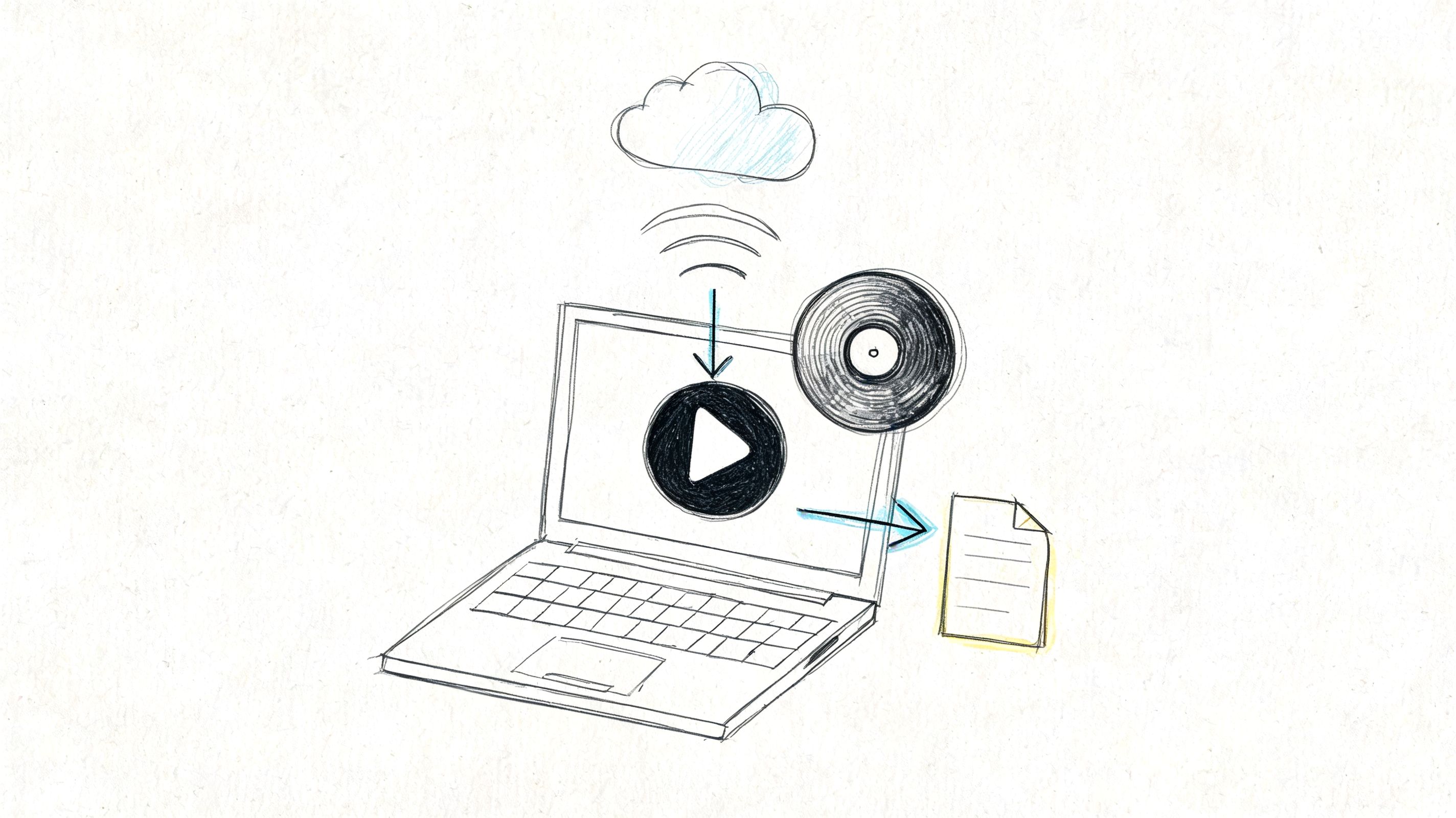
For those who are auditory learners or just looking for other ways to engage with content, technology can be a great ally. If your family is into audiobooks or recorded lectures, you might find it useful to convert audio to text for easy review and discussion. This lets you capture key ideas from what you've heard and talk about them just as you would with a printed book.
Building Your Personal Reading Improvement Plan
All the strategies in the world won't help unless you turn them into a consistent practice. The goal here isn't to add another chore to your to-do list. It’s about building a sustainable routine that fits into your life and delivers steady, noticeable progress in how well you understand what you read.
The trick is to start small. It’s easy to get fired up and declare you’ll read a book a day, but that’s a fast track to burnout. Real momentum comes from setting manageable targets you can actually hit, which builds confidence and makes the habit stick.
Setting Actionable Goals
To create a plan that you'll actually follow, you need to focus on specific actions, not vague ambitions. This is how you make your progress tangible and give yourself small wins to celebrate along the way.
Here’s what I mean by clear, actionable goals:
- Practice active annotation for 20 minutes, three times a week, on an article related to your work or a personal interest.
- Read one challenging chapter from a non-fiction book each week, making sure to summarize the main argument in your own words.
- Dedicate 15 minutes every morning to reading a quality newspaper or long-form journalism, actively hunting for unfamiliar vocabulary.
When you're picking what to read, try to find material that pushes you just a little bit. You want something that’s challenging but not completely overwhelming. A good rule of thumb is if you understand about 95% of the words, you're in the sweet spot for learning without getting frustrated.
Your plan should feel like a rewarding part of your day, not a punishment. The best plan is always the one you can stick with consistently without getting discouraged.
Tracking Progress Beyond Speed
Getting better at reading isn't just about how fast your eyes move across the page. It's about how much you actually understand and remember. So, instead of timing yourself, track your growth with metrics that actually reflect comprehension.
After a reading session, ask yourself a few simple questions: Could I explain the main ideas to a friend? Do I remember the key details from what I read yesterday? This kind of honest self-assessment is far more valuable than any speed-reading app.
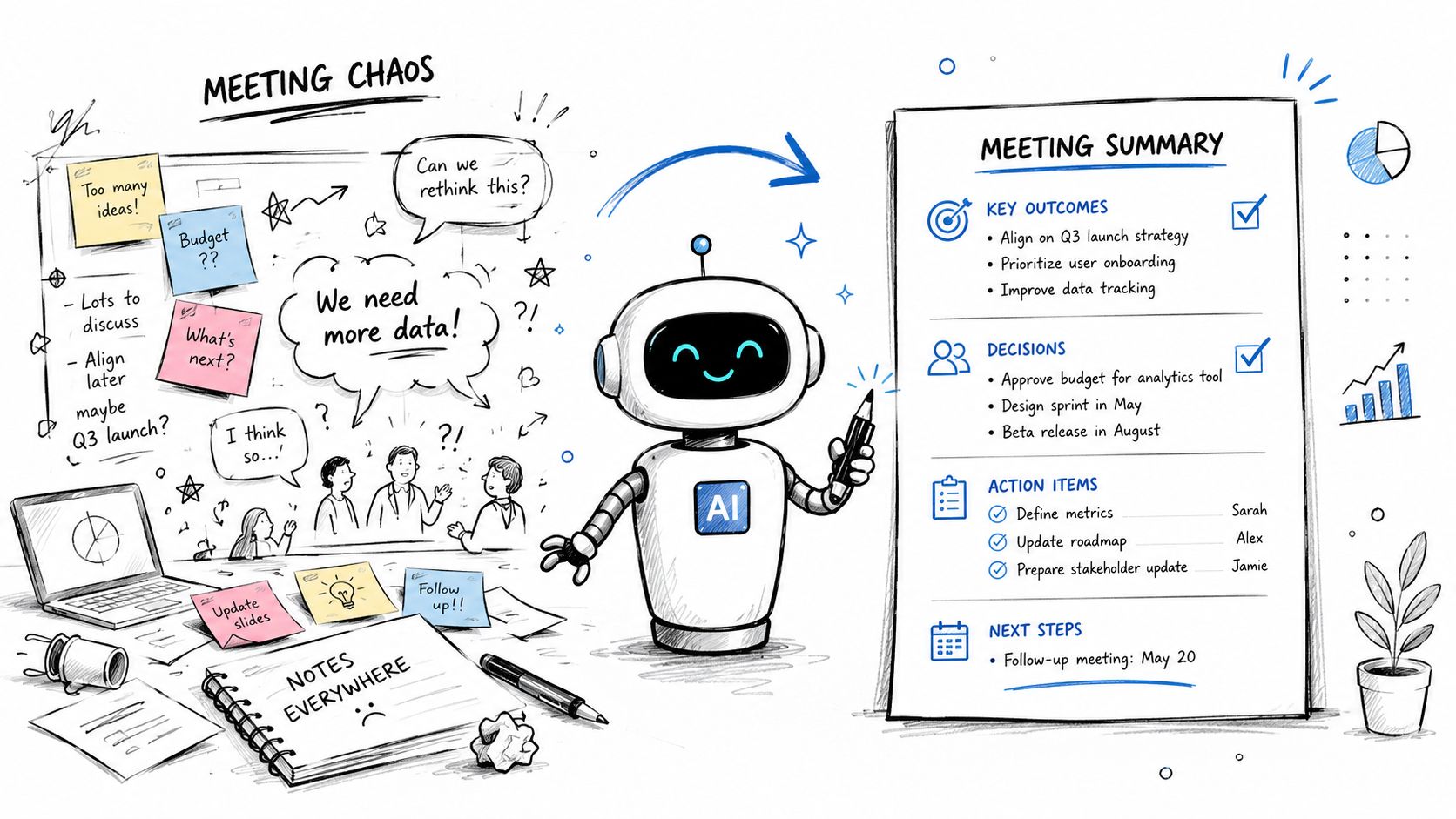
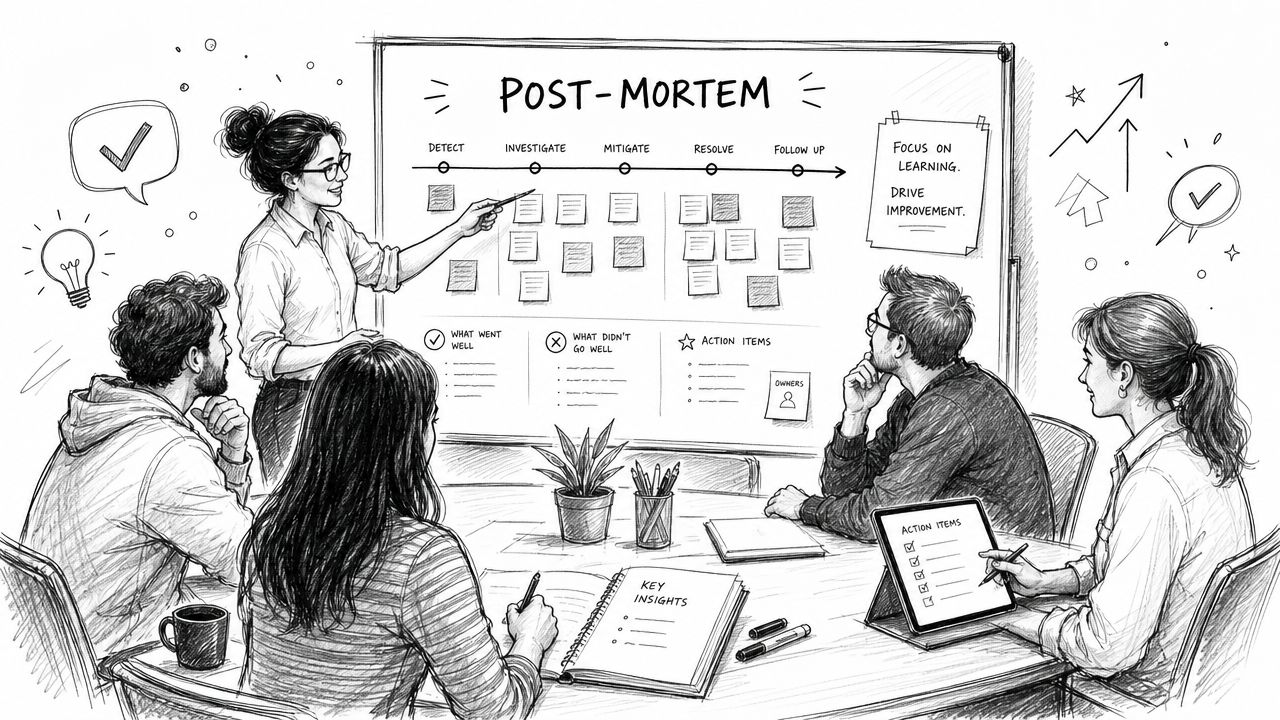
This applies directly to professional life, too. For example, if you can review meeting notes and quickly summarize a meeting for colleagues who couldn't attend, that's a perfect real-world test of your comprehension. It shows you didn't just passively listen—you grasped the meaning and can now communicate it effectively.
Your Reading Comprehension Questions, Answered
As you start putting these reading strategies into practice, a few common questions are bound to pop up. Let's tackle some of the ones I hear most often from people working to become stronger, more active readers.
How Long Until I Actually See Improvement?
There’s no one-size-fits-all answer here, as everyone starts from a different place. But based on my experience, if you can dedicate a focused 20-30 minutes a day to active reading, you'll likely feel a real difference in your focus and how much you remember within just a few weeks.
Deeper gains, like confidently tackling dense academic papers or building a robust vocabulary, take more time—think a few months of consistent effort. The real secret isn't cramming; it's the steady, daily habit of engaging with what you read.
Can Tech Tools Genuinely Help Me Read Better?
They absolutely can, if you use them the right way. Modern tools can be fantastic partners in your reading journey.
Think about it:
- E-readers often have built-in dictionaries, which is a game-changer for learning new words on the fly.
- Note-taking and annotation apps let you mark up digital texts just like you would a physical book, highlighting key points and jotting down questions as they arise.
- Vocabulary apps that use spaced repetition are incredibly effective for making new words stick long-term.
- Text-to-speech tools can be a huge help for auditory learners, as hearing the flow and cadence of the sentences can clarify meaning.
The trick is to use technology to support your active reading, not to outsource your thinking. These tools should make it easier to engage, question, and analyze the text—not do the work for you.
Will Reading Faster Make Me Understand Less?
This is a huge concern for many people, and it’s a valid one. If you just try to skim faster without a plan, your comprehension will definitely take a nosedive.
The goal isn't just raw speed; it's reading efficiency. Many of the techniques we've discussed, like previewing a chapter or scanning for headings, naturally boost your speed because you're creating a mental map of the content before you dive in. You process the information more effectively.
Focus on mastering the active reading strategies first. As you become more skilled at identifying main ideas, making connections, and questioning the text, you'll find that your reading pace picks up naturally. Speed becomes a happy byproduct of better understanding.
At HypeScribe, our goal is to transform spoken knowledge into text you can actually use. Our AI-powered tool transcribes your lectures, meetings, and interviews in seconds, then gives you smart summaries and key takeaways to make studying and reviewing a breeze. Start your free trial today at HypeScribe and discover a more efficient way to learn.