12 Best Meeting Notes App Options for Teams in 2026

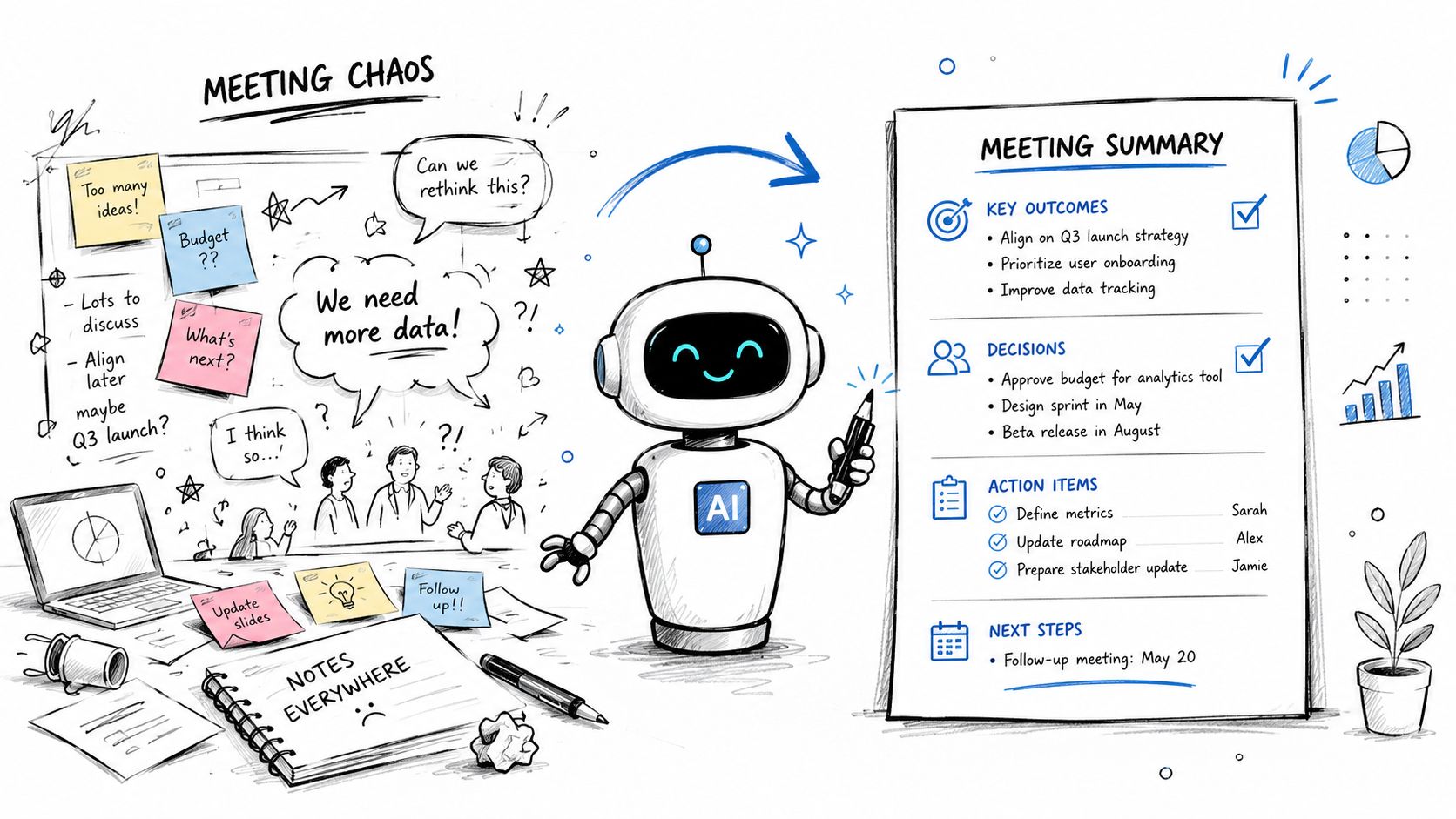
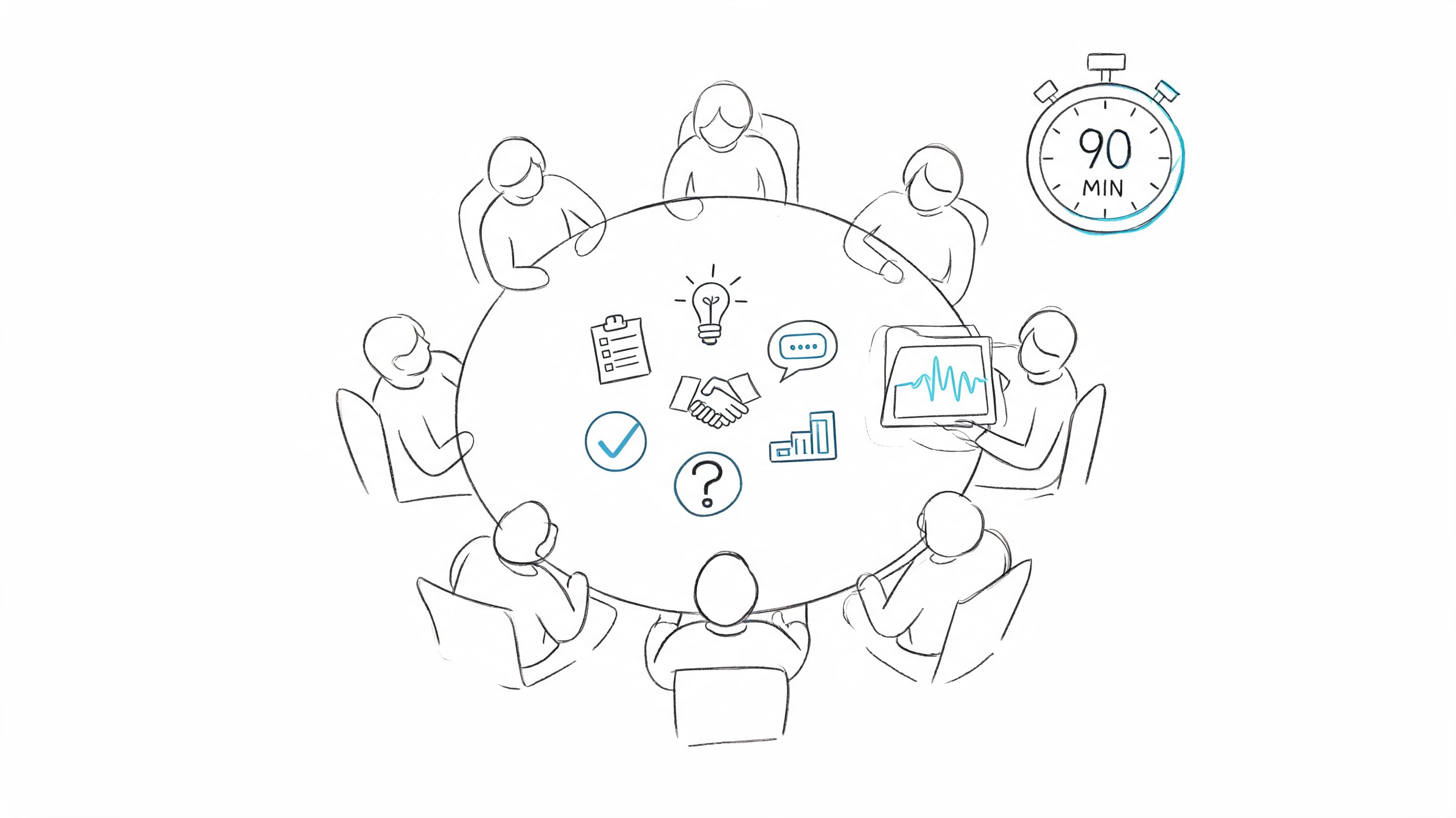
The value of a meeting is decided after it ends. If the decisions are not written down within a day, the meeting will effectively be repeated. This gap between conversation and outcome is a major drain on productivity. The right app is a direct solution, turning spoken words into structured, actionable records.
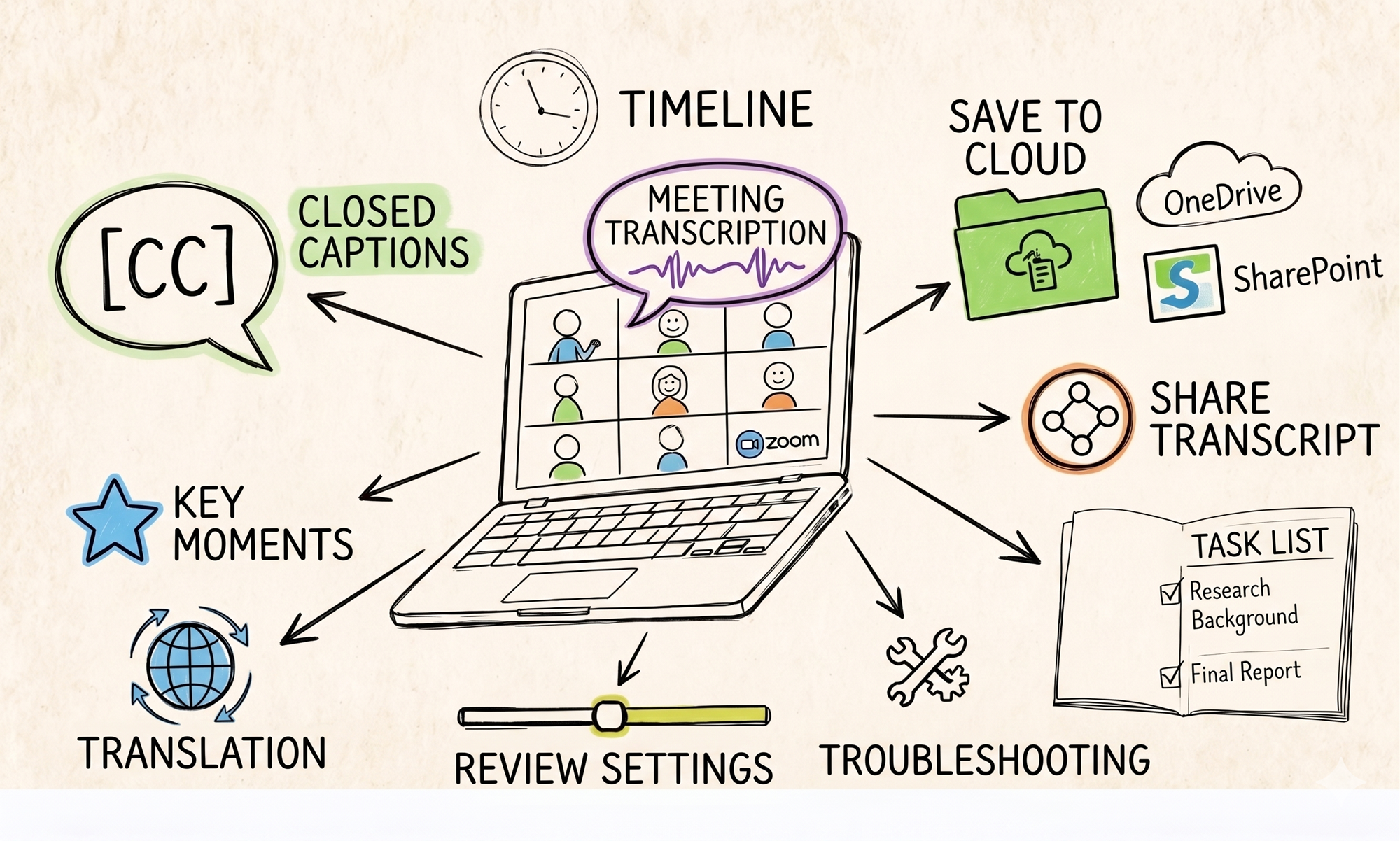
This guide will help you find the best meeting notes app for your team's workflow. We've moved beyond marketing jargon and surface-level reviews to provide a clear analysis based on our own hands-on testing. Our goal is to give you a real-world understanding of how each tool performs, highlighting both its strengths and limitations. We will explore 12 leading options, from powerful AI transcription services like HypeScribe and Otter.ai to integrated productivity hubs like Fellow.app and Notion.
Inside this resource, you’ll find a detailed breakdown of each platform, complete with screenshots, direct links, and practical insights from our experience. We cover everything from AI-powered summarization and speaker identification to collaboration features and integration capabilities. Whether you're a project manager juggling multiple teams, a student transcribing lectures, or a consultant documenting client calls, this comparison will help you choose the perfect tool. Let's reclaim your post-meeting productivity and make sure no important detail is ever missed again.
1. HypeScribe: Best for Unmatched Speed and Versatility
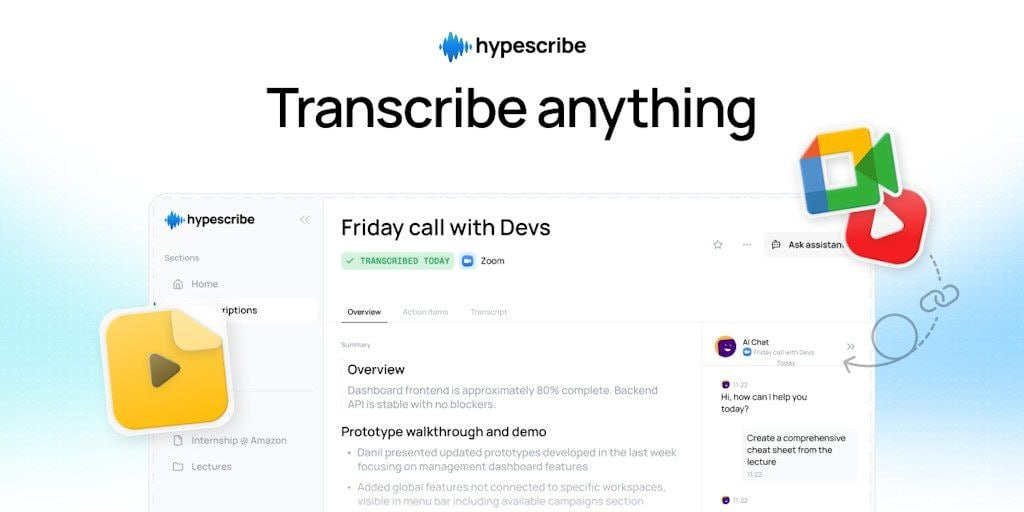
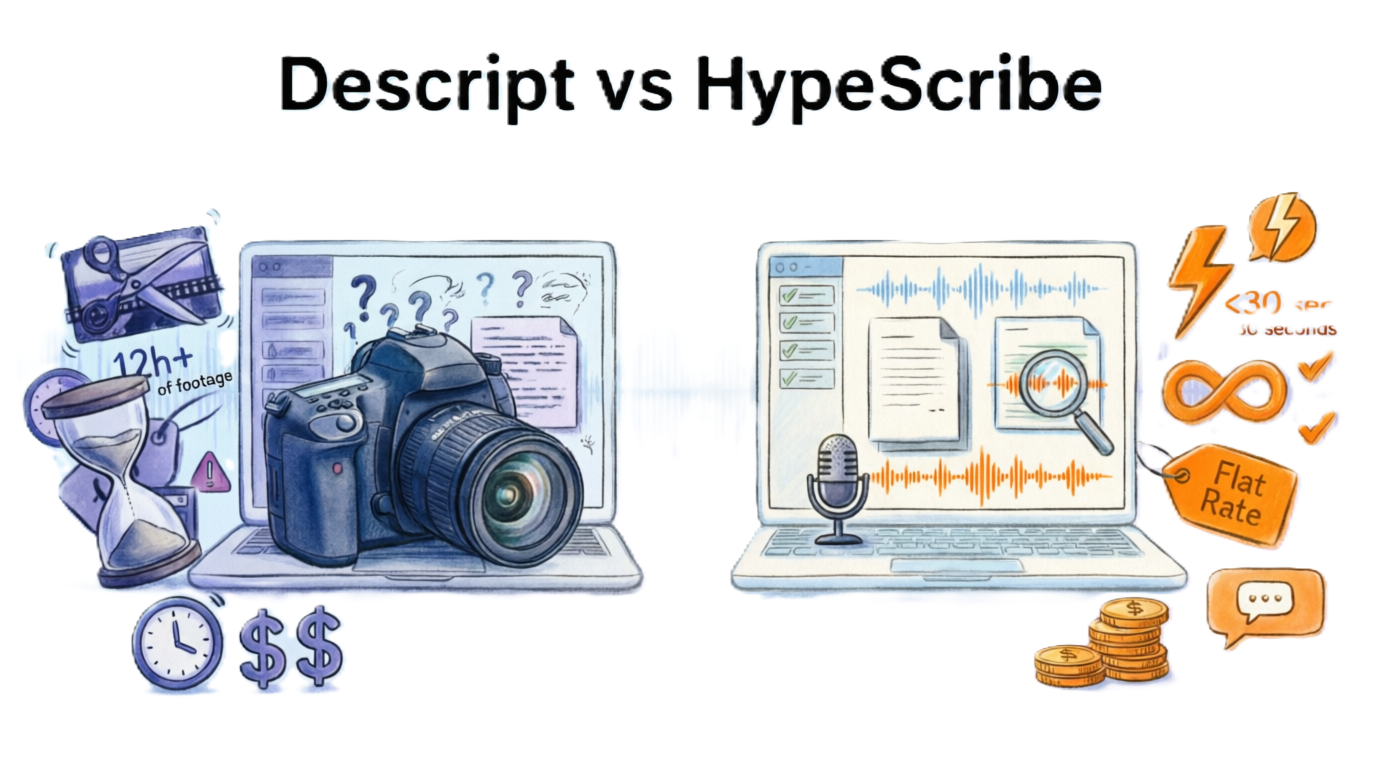
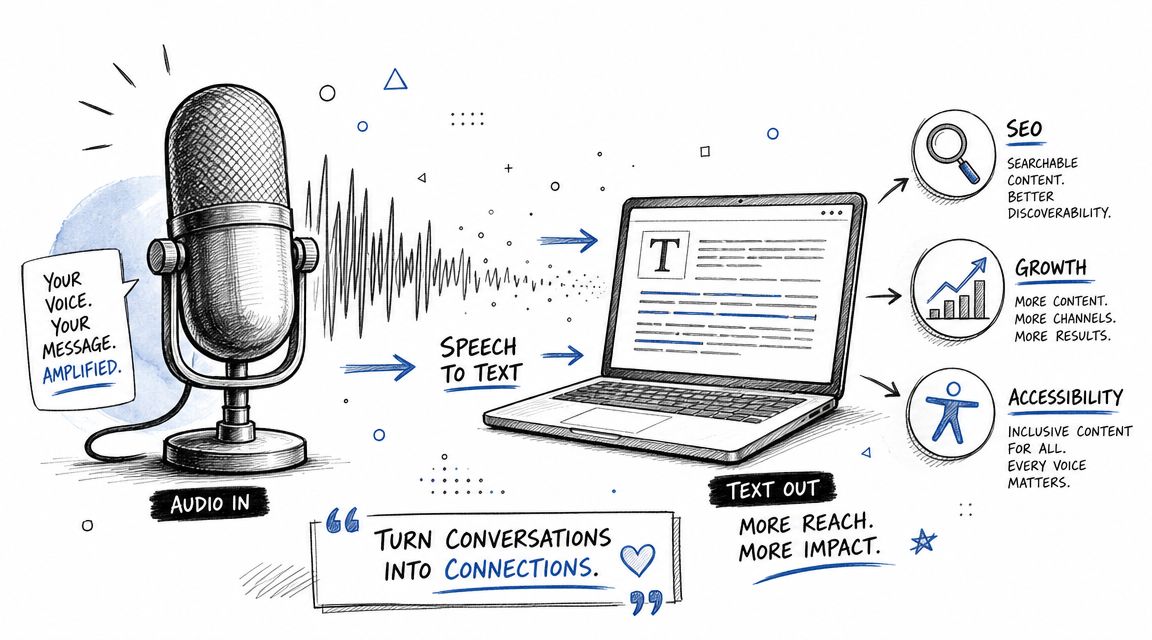
HypeScribe is more than just a meeting notes app; it's a comprehensive AI productivity engine. Its core strength is its incredible processing speed—it can transcribe an hour of audio in under 30 seconds. In a fast-paced environment where every second counts, this speed, combined with its ability to handle various inputs, makes it an indispensable tool.
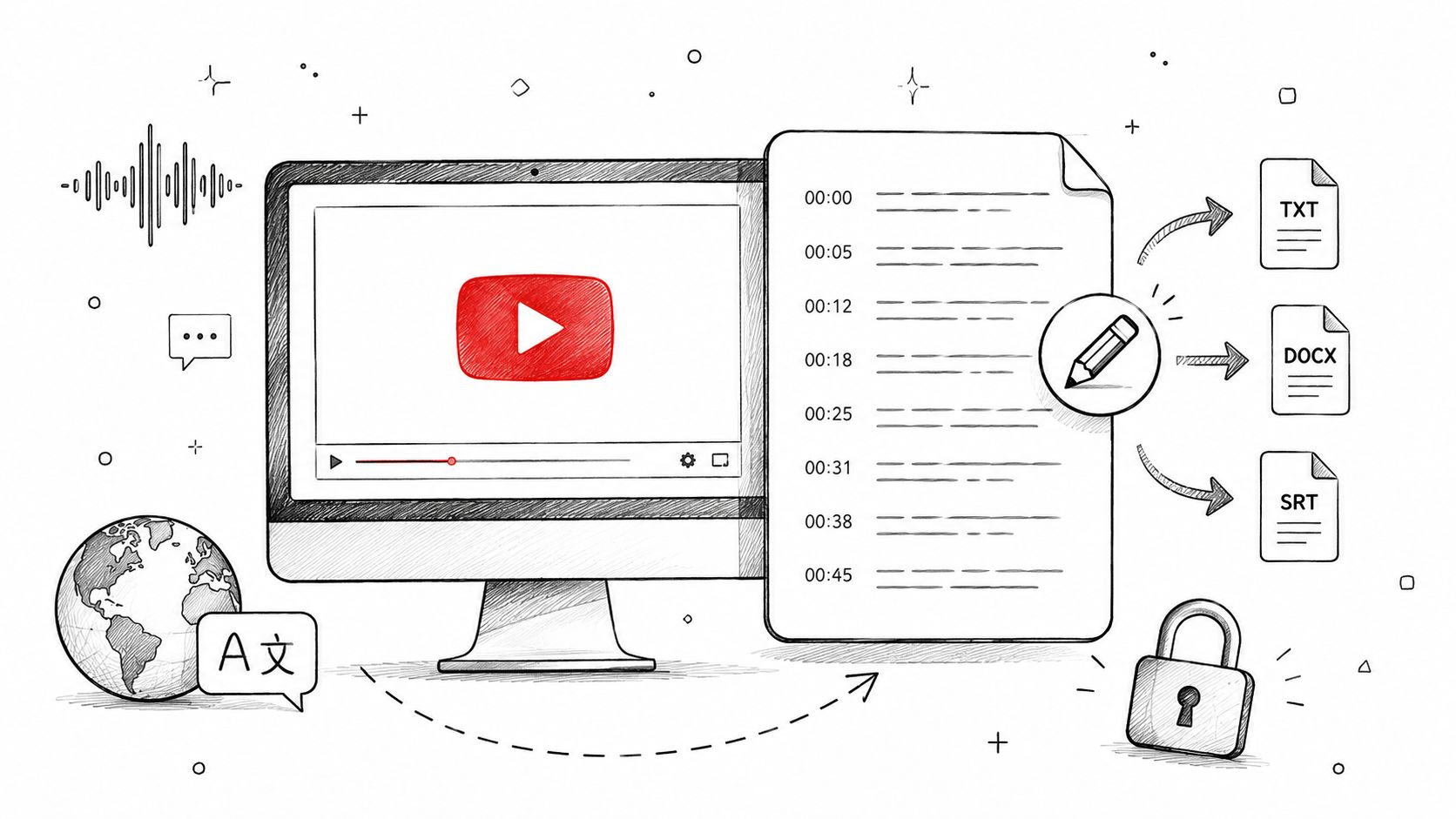
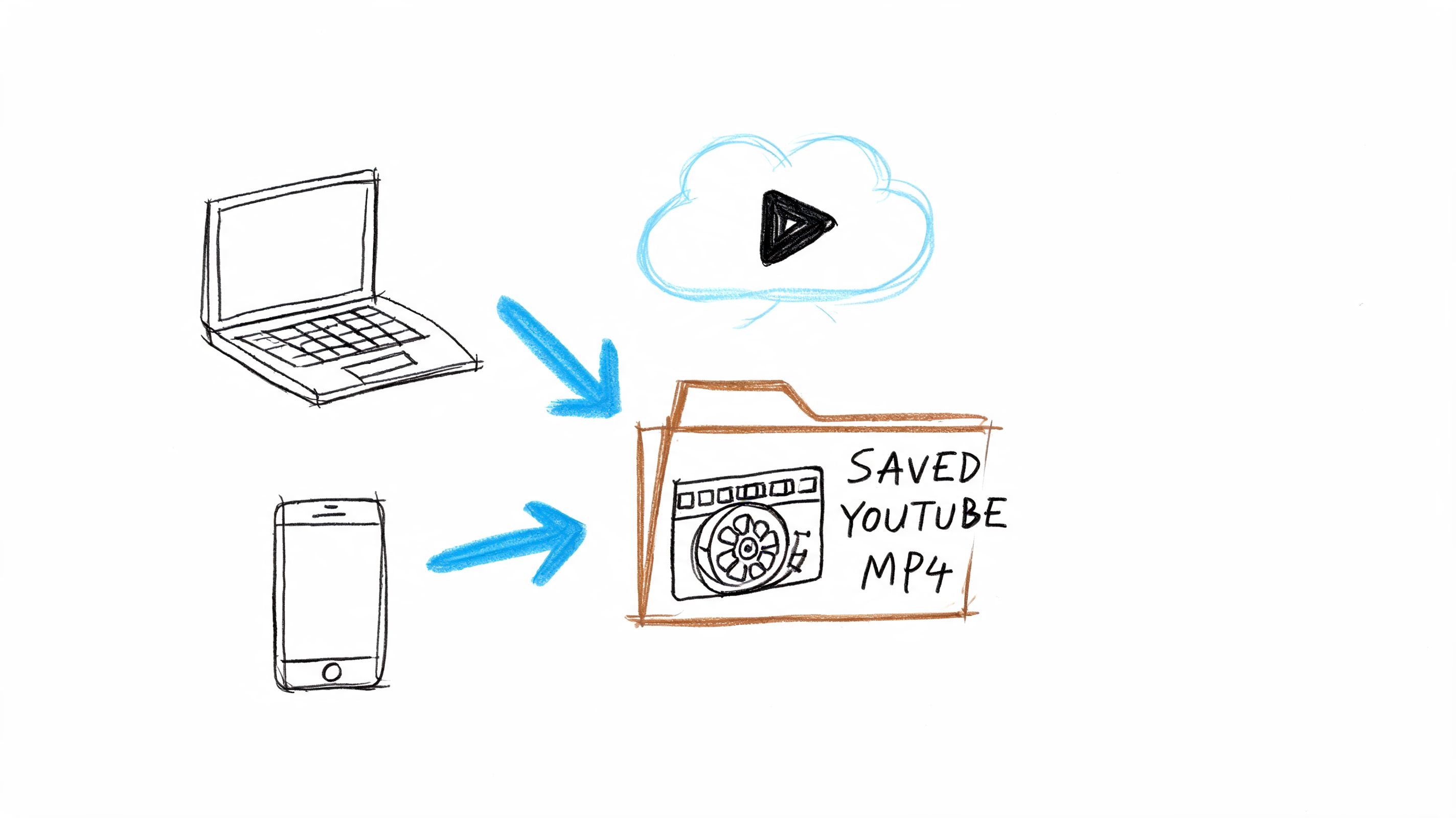
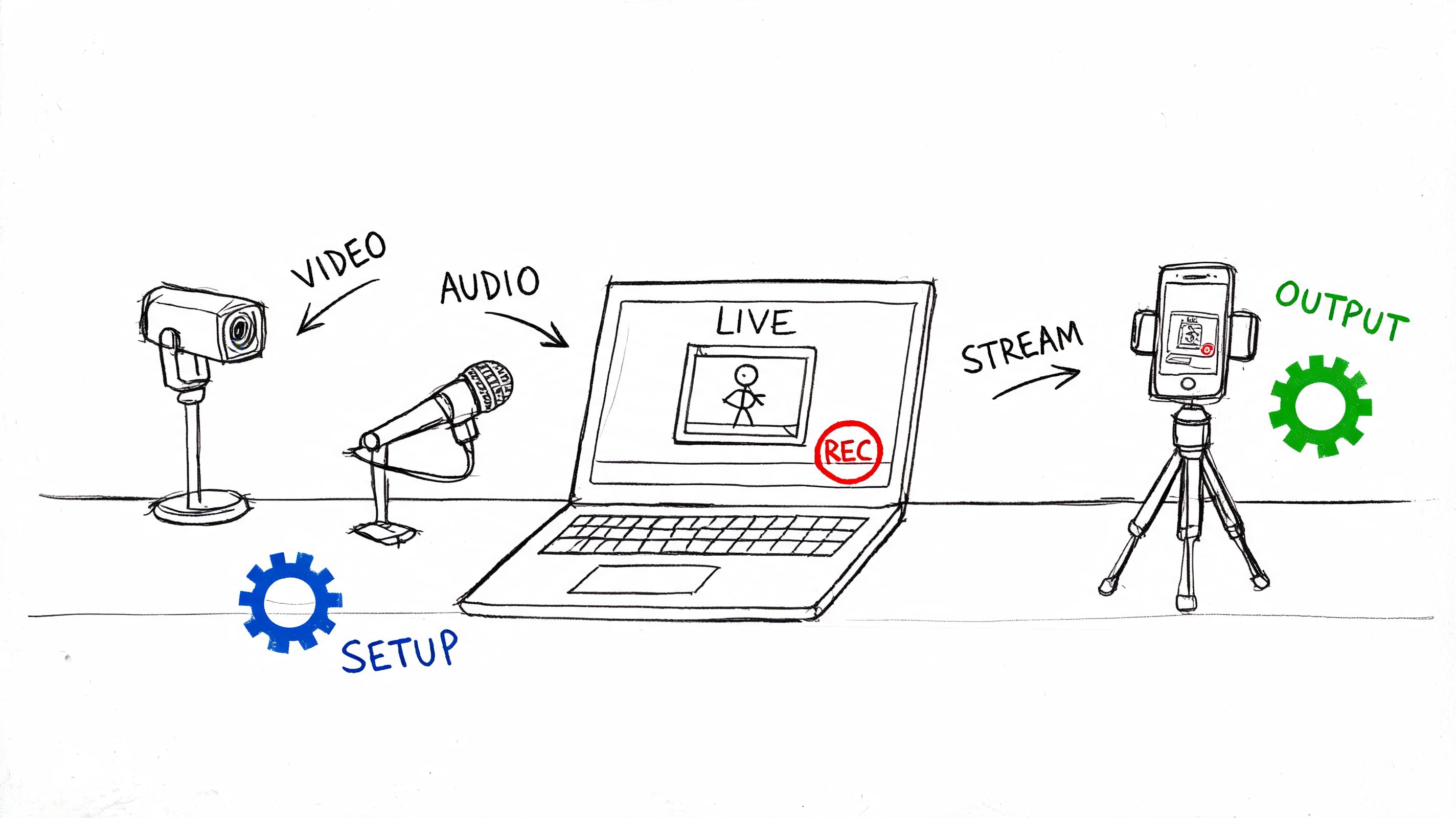
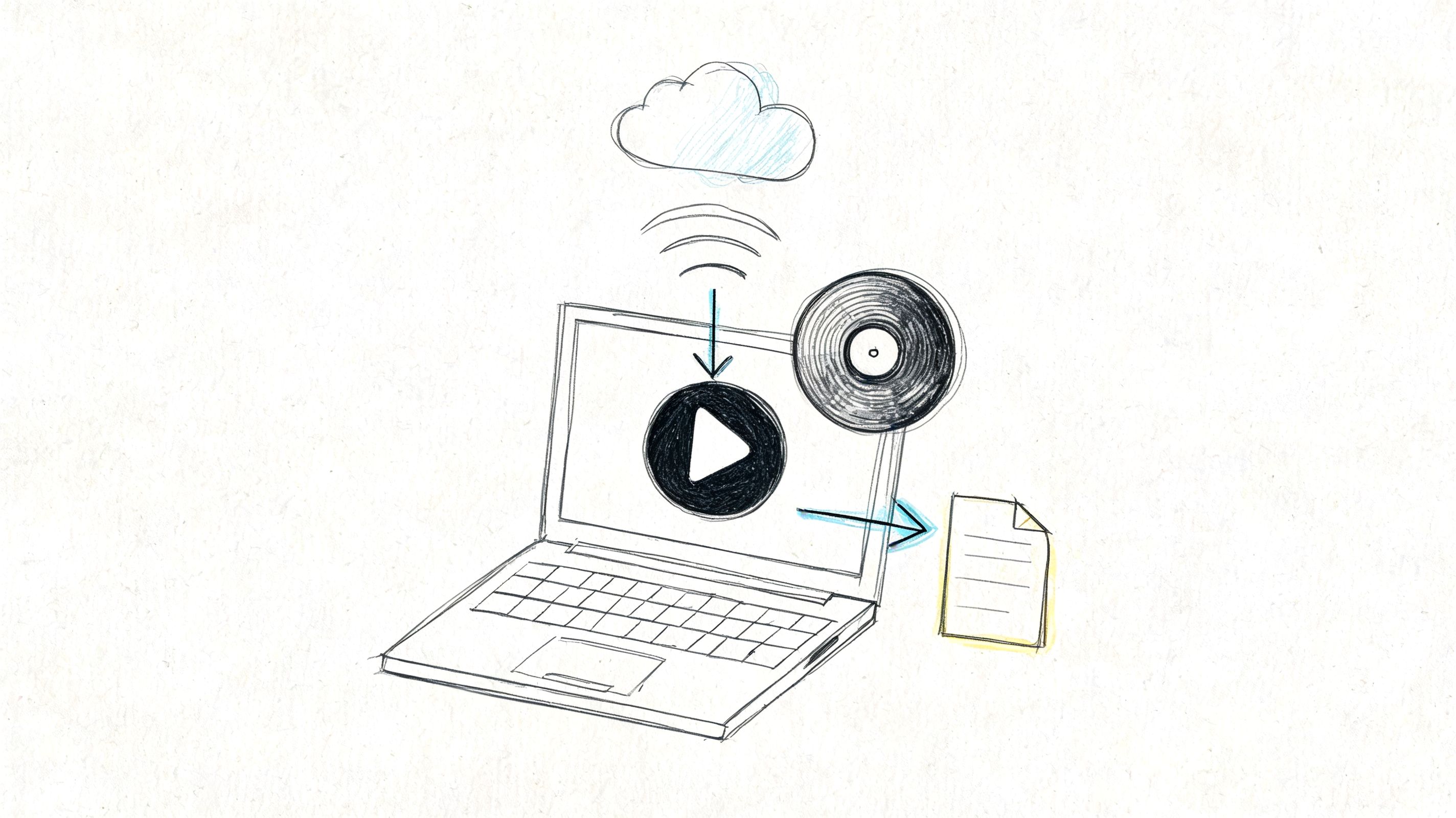
Unlike competitors that focus only on live meetings, HypeScribe excels at processing both live and pre-recorded content. It integrates with Zoom, Google Meet, and Microsoft Teams for real-time transcription, and it also lets you upload audio/video files or paste links from over 10 platforms like YouTube and Google Drive. This dual capability makes it the best meeting notes app for teams that need to document everything from client calls to training videos and internal brainstorming sessions.
Key Features and Use Cases
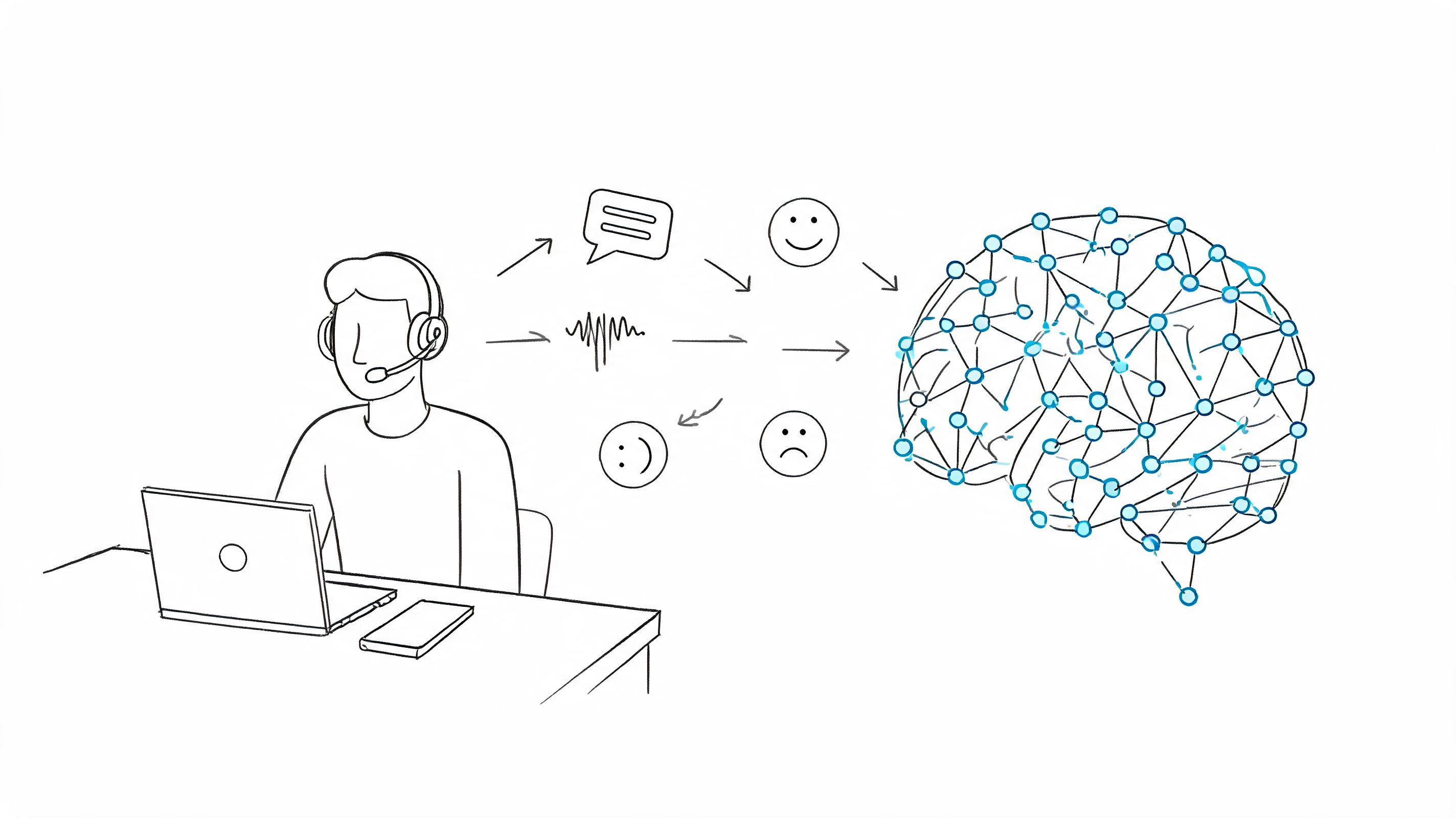
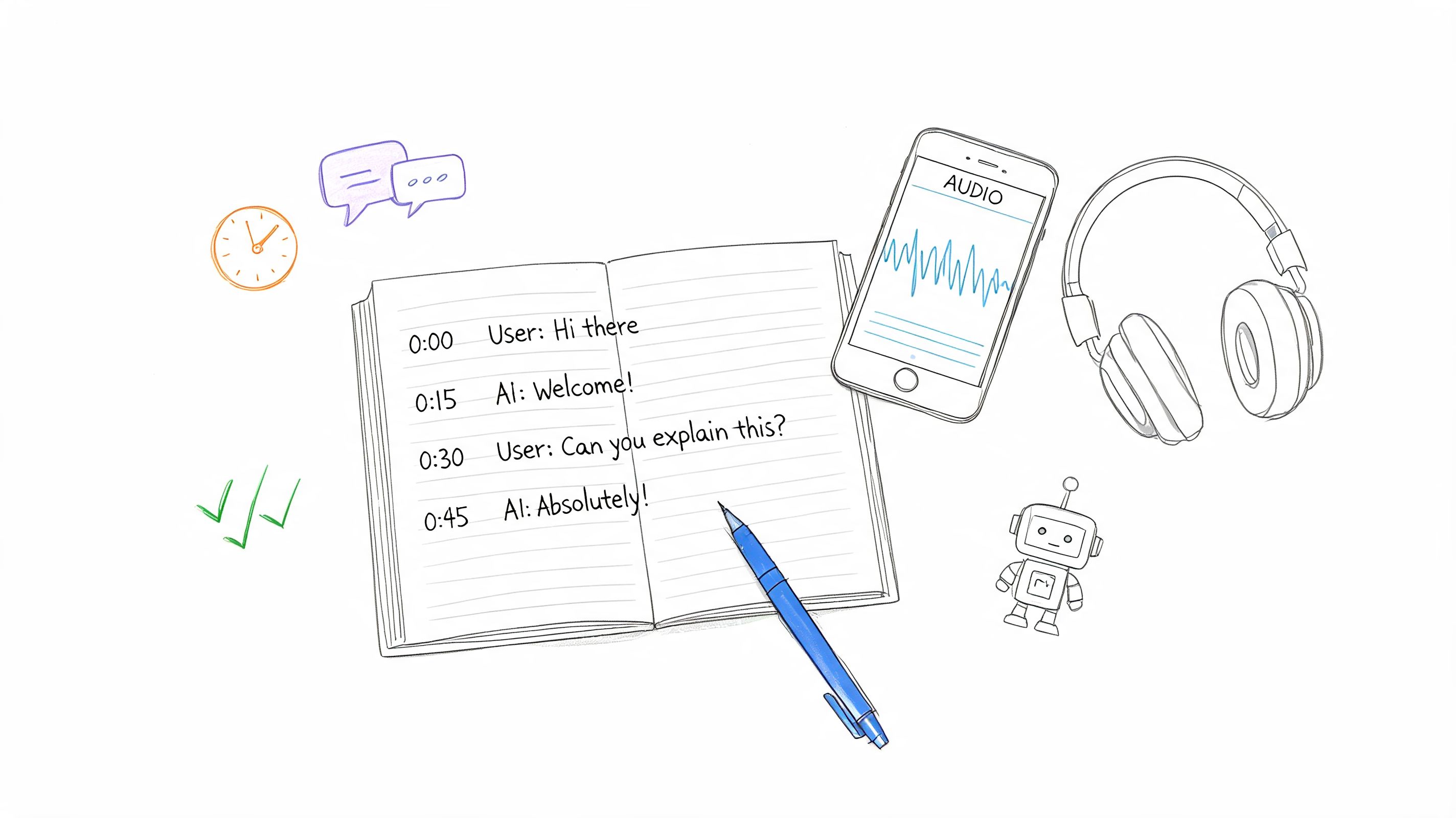
HypeScribe’s AI doesn't just create a raw transcript. It intelligently analyzes the conversation to generate smart summaries, key takeaways, and a clear list of action items. This feature is a huge time-saver, turning unstructured dialogue into a structured workflow without manual effort.
- For Project Managers: Instantly capture action items and decisions from stakeholder meetings, ensuring clear accountability and follow-up.
- For Content Creators: Transcribe interviews, podcasts, or social media videos with up to 99% accuracy across 100+ languages, creating searchable text for content repurposing.
- For Educators & Students: Record and transcribe lectures or research interviews, making study materials easily searchable and accessible.
Pricing and Overall Value
HypeScribe offers a transparent, token-based pricing model that provides excellent value. It starts with a free trial and scales to affordable monthly plans starting at $6.99. This flexibility, combined with robust end-to-end encryption and the ability to delete all source files, ensures both security and cost-effectiveness.
Pros:
- Blazing-Fast Processing: Transcribes 1 hour of audio in less than 30 seconds.
- High Accuracy: Advanced AI delivers up to 99% accuracy in over 100 languages.
- Versatile Inputs: Supports direct uploads and links from major social and cloud platforms.
- Intelligent Summaries: Automatically generates key takeaways and actionable items.
Cons:
- Requires clear audio for optimal accuracy.
- The token-per-file system may be less cost-effective for users with numerous very short recordings.
Website: https://www.hypescribe.com
2. Otter.ai
Otter.ai is a major player in the AI transcription space and a top contender for the best meeting notes app, especially for those who need automated, accurate transcripts. It connects directly with your calendar and video conferencing tools like Zoom, Google Meet, and Microsoft Teams. Once connected, the OtterPilot automatically joins your meetings, records audio, and generates a real-time transcript you can follow.
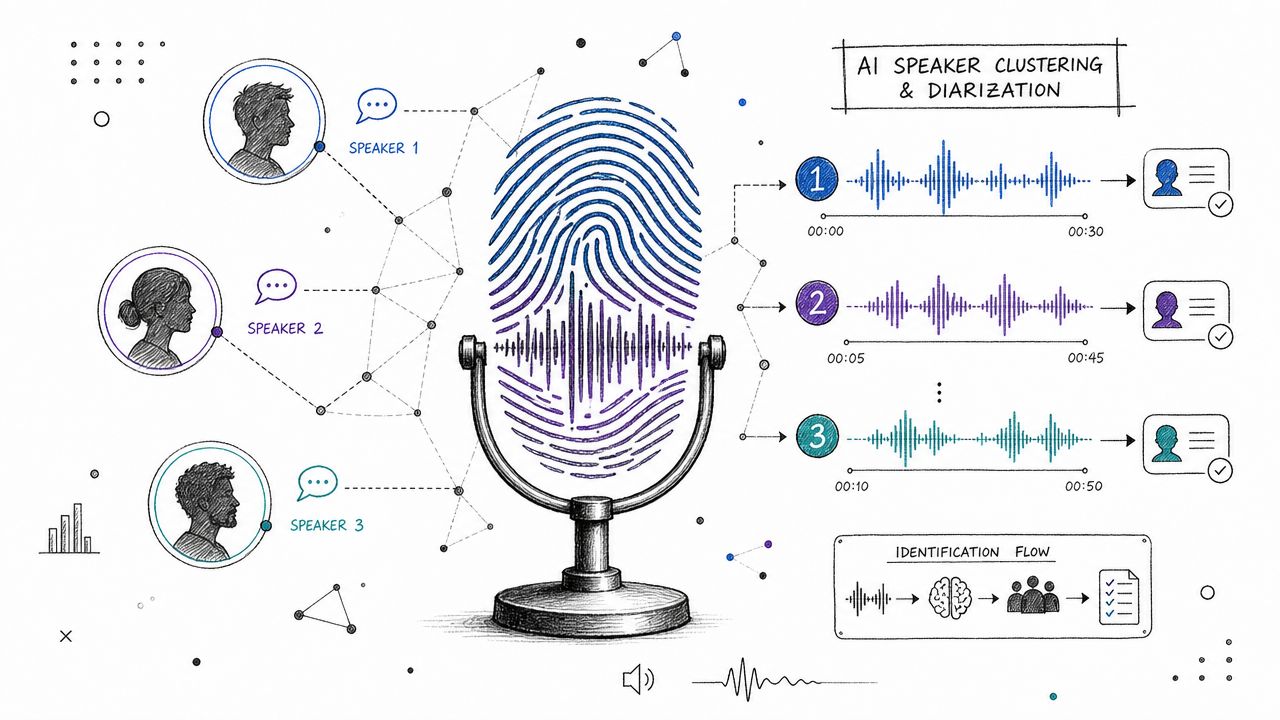
Its core strength is its mature transcription engine, which reliably identifies different speakers and produces an interactive transcript. After the meeting, Otter’s AI generates a concise summary, outlines key discussion points, and extracts action items, which saves a lot of time on manual note-taking. You can click on any part of the transcript to instantly play back the corresponding audio, making review and clarification incredibly efficient. The platform also allows for collaborative editing, highlighting, and commenting directly on the transcript.
Pricing & Key Features
Otter.ai offers a tiered pricing structure that includes a free plan for individuals getting started. This Basic plan includes real-time transcription for meetings up to 30 minutes long. For more advanced needs, paid plans unlock longer transcription durations, more monthly imports, and sophisticated team features.
- Basic Plan: Free, with limited transcription minutes.
- Pro Plan: Ideal for individual professionals, offering more minutes and features.
- Business Plan: Tailored for teams with user management, custom vocabulary, and advanced admin controls.
A standout feature is Otter's ability to import existing audio or video files for transcription, making it a versatile tool beyond live meetings.
Pros:
- Mature, reliable live transcription.
- Easy sharing and collaboration for teams.
- Education discounts are available.
Cons:
- Advanced workspace/admin features are limited to paid tiers.
- No PayPal payment support.
Website: https://otter.ai
3. Fireflies.ai
Fireflies.ai is a powerful AI notetaker that automates meeting documentation across various platforms. It integrates seamlessly with popular video-conferencing tools, including Zoom, Google Meet, and Microsoft Teams, by having its AI assistant, Fred, join your calls to record and transcribe them. This makes it an excellent choice for teams looking for a set-it-and-forget-it solution to capture every conversation.
Its key differentiator is its emphasis on conversation intelligence and post-meeting analytics. Beyond providing a searchable transcript, Fireflies generates smart summaries, extracts action items, and allows you to track specific topics or keywords across all your meetings. This is invaluable for sales teams tracking objections or project managers monitoring progress. The platform offers extensive integrations with CRMs like Salesforce, project management tools like Asana, and communication hubs like Slack, creating a connected workflow.
Pricing & Key Features
Fireflies.ai provides a clear, tiered pricing model with a generous free forever plan that includes limited transcription credits and storage. Paid plans expand these limits and introduce advanced features for professional and team use.
- Free Plan: Includes limited transcription credits and 800 mins of storage per seat.
- Pro Plan: Aimed at individuals and small teams, offering more credits and storage.
- Business Plan: Provides unlimited transcription and storage, plus team features and conversation intelligence.
A significant advantage is its "Soundbites" feature, which allows you to create and share short, highlight-reel audio clips from your meetings, perfect for sharing key takeaways.
Pros:
- Generous free tier with core features.
- Unlimited storage on Business and Enterprise plans.
- Advanced conversation intelligence and analytics for teams.
Cons:
- Monthly billing is significantly more expensive than annual plans.
- Some advanced AI features may require a separate AI credits add-on.
Website: https://fireflies.ai
4. Fathom
Fathom stands out as a leading AI meeting notetaker by focusing on instant, actionable outputs and an exceptionally generous free tier. It integrates seamlessly with Zoom, Google Meet, and Microsoft Teams to record, transcribe, and summarize your conversations automatically. Once a meeting ends, Fathom immediately generates a comprehensive summary, complete with highlighted action items and key decisions, which can be sent directly to your team or CRM.
Its major differentiator is offering unlimited recordings, transcription, and storage on all plans, including the free one. This makes it an incredibly accessible and powerful meeting notes app for individuals and small teams without budget constraints. The platform supports over 25 languages and lets you create playlists to organize and share related meeting content, like client onboarding calls or project kickoffs. From our testing, the user interface is clean and intuitive, making it easy to adopt without much training.
Pricing & Key Features
Fathom's pricing is straightforward, with a free plan that provides immense value and paid plans that add advanced team and administrative functionalities.
- Standard Plan: Free for individuals, offering unlimited recordings, transcriptions, and summaries.
- Pro Plan: Designed for teams, adding centralized billing and advanced admin controls.
- Enterprise Plan: Tailored for large organizations requiring enhanced security, compliance, and custom onboarding.
Fathom's ability to generate multiple summary styles for the same meeting allows you to tailor the output for different audiences, from a high-level executive brief to a detailed task list for the project team.
Pros:
- Unlimited recordings and storage on the free plan.
- Instantly generates and shares meeting summaries.
- Straightforward and simple upgrade path.
Cons:
- CRM synchronization is a paid feature.
- Advanced compliance and security tools are exclusive to enterprise tiers.
Website: https://fathom.video
5. Supernormal
Supernormal is a streamlined AI notetaker designed to generate polished, shareable meeting notes with minimal effort. It integrates seamlessly with Google Meet, Microsoft Teams, and Zoom, automatically joining your calls to record, transcribe, and summarize the discussion. The platform’s standout feature is its emphasis on template-driven outputs, allowing teams to standardize their meeting documentation for different purposes like 1:1s, sprint planning, or client kick-offs.
This focus on structured notes makes Supernormal a strong contender for the best meeting notes app for organizations that value consistency. After a meeting, the AI generates a clean summary, identifies key decisions, and lists clear action items, all formatted into a pre-selected template. You can then instantly share these notes via Slack, email, or push them directly into tools like Asana, HubSpot, and Salesforce. The interface is clean and user-friendly, prioritizing quick setup and immediate value.
Pricing & Key Features
Supernormal provides a free starter plan for individuals and small teams, with paid plans that unlock more advanced features, longer recording times, and deeper integrations. The paid tiers are designed to scale with organizational needs, offering enhanced AI capabilities and administrative controls for larger deployments.
- Starter Plan: Free, includes basic transcription and note generation for shorter meetings.
- Pro Plan: Aimed at individual professionals and small teams needing more minutes and integrations.
- Business Plan: For companies requiring centralized billing, user management, and access to the most advanced AI models.
A key differentiator is Supernormal's deep integration with CRMs like Salesforce and HubSpot, automatically enriching contact records with meeting insights and notes.
Pros:
- Excellent template-driven notes for consistent documentation.
- Simple setup and user-friendly interface.
- Competitive annual pricing on Pro and Business plans.
Cons:
- Advanced AI models and controls are limited to the Business plan.
- Lacks the in-depth audio editing features of some competitors.
Website: https://www.supernormal.com
6. tl;dv
tl;dv is a powerful AI meeting recorder and transcriber that stands out with one of the most generous free plans on the market, making it an excellent meeting notes app for teams on a budget. It integrates seamlessly with Google Meet, Zoom, and Microsoft Teams, automatically joining your calls to record, transcribe, and summarize the discussion. The platform is designed to make meetings more efficient by allowing users to create highlights and clips in real-time.
Its core advantage is the ability to quickly capture and share key moments without requiring attendees to sit through the entire recording. After the meeting, its AI generates concise notes, action items, and a summary. Users can search the entire transcript library for specific keywords, making it easy to find information across multiple meetings. This makes tl;dv particularly useful for user research, sales coaching, and customer success teams who need to reference specific conversation details.
Pricing & Key Features
tl;dv’s pricing model is incredibly accessible, starting with a free-forever plan that offers unlimited recordings and transcripts—a significant differentiator. Paid plans add more advanced features for growing teams and enterprises.
- Free Plan: Unlimited recordings and transcripts, AI summaries, and integrations.
- Pro Plan: Ideal for teams needing advanced analytics, native CRM integrations, and downloadable recordings.
- Enterprise Plan: Custom solution for large organizations requiring advanced security and support.
A standout feature is its powerful search capability, allowing you to search for spoken words across your entire meeting library, not just a single transcript.
Pros:
- Extremely generous Free tier with unlimited recordings.
- Growing sales coaching and analytics capabilities.
- Easy to create and share video clips of key moments.
Cons:
- No native mobile application is available.
- Limited revenue intelligence features compared to specialized tools.
Website: https://tldv.io
7. Avoma
Avoma is an end-to-end meeting lifecycle platform that acts as a powerful meeting assistant, especially for revenue-generating teams like sales and customer success. It goes beyond simple transcription by integrating scheduling, agenda templates, collaborative note-taking, and sophisticated conversation intelligence into one workflow. It’s designed not just to capture what was said but also to provide actionable insights to improve meeting outcomes, making it a comprehensive choice for a meeting notes app.
Its core advantage lies in its AI-powered note-taking, which generates summaries and automatically categorizes notes based on customizable topics like "Action Item" or "Objection." This structure, combined with deep CRM synchronization, ensures that critical information flows directly into your business systems. Avoma's conversation intelligence provides analytics on talk-time, topics discussed, and other key metrics, turning every meeting into a coaching opportunity. This is ideal for teams looking to standardize their meeting processes and extract tangible business value from conversations.
Pricing & Key Features
Avoma offers several pricing tiers, including a free plan that provides a great starting point for individuals. The paid plans are structured to support growing teams with more advanced features, greater recording allowances, and deeper integrations. The flexible seat model is a notable benefit.
- Basic Plan: Free, for individuals to get started with basic recording and AI notes.
- Starter Plan: Adds more transcription hours and core AI features for small teams.
- Plus Plan: Unlocks advanced conversation and revenue intelligence features.
- Business Plan: Tailored for larger organizations needing advanced analytics and CRM automation.
A key differentiator for Avoma is its combination of meeting management and robust coaching tools, helping teams analyze and improve their communication strategies directly from meeting data.
Pros:
- Strong coaching and conversation intelligence features for revenue teams.
- Flexible seat models include free viewer/collaborator access.
- Deep integration with popular CRMs and business tools.
Cons:
- Advanced analytics and automation features are only available on higher tiers.
- Can be more complex than simpler, transcription-only tools.
Website: https://www.avoma.com
8. Sembly AI
Sembly AI is a smart, team-oriented AI meeting assistant, making it another strong candidate for the best meeting notes app. It integrates seamlessly with Zoom, Google Meet, and Microsoft Teams to record, transcribe, and analyze conversations. Its primary goal is to transform unstructured meeting discussions into structured, actionable intelligence, including notes, tasks, and key insights.
What makes Sembly AI stand out is its emphasis on creating a "single source of truth" for team meetings. After the call, the platform generates high-accuracy transcripts and smart meeting summaries, often called "GlanceView," which highlights key topics, decisions, and action items. This feature allows team members who missed the meeting to catch up quickly without reading the entire transcript. The platform also includes video recording on its paid plans, offering a more complete record of the meeting.
Pricing & Key Features
Sembly AI provides a straightforward pricing model with a free plan for individuals and clear, affordable paid tiers for professionals and teams. The plans scale based on recording limits, file upload minutes, and advanced team features.
- Personal Plan: Free, with limited online recording hours per month.
- Professional Plan: Offers unlimited online recording and increased upload minutes for processing external files.
- Team Plan: Designed for collaboration with shared workspaces, higher upload limits, and centralized management.
A key benefit is the platform's ability to not only generate notes but also identify tasks and risks discussed during the meeting, helping teams stay proactive and organized.
Pros:
- Clear and affordable Professional and Team plans.
- Includes video recording and automation beyond the Free tier.
- Strong focus on generating actionable insights and tasks.
Cons:
- Upload minutes for external audio/video files are limited on lower-tier plans.
- The free plan has stricter recording limits than some competitors.
Website: https://www.sembly.ai
9. Fellow.app
Fellow.app is a purpose-built meeting productivity platform designed to manage the entire meeting lifecycle, making it an excellent candidate for the best meeting notes app for managers and collaborative teams. It goes beyond simple note-taking by integrating collaborative agendas, real-time note-taking, and post-meeting action item tracking into a single, unified workflow. Fellow connects with your calendar and video conferencing tools, ensuring every meeting is structured and actionable.
Its core advantage is its meeting-centric design. Before a meeting, participants can collaboratively build an agenda directly within Fellow. During the meeting, notes and decisions are documented in real-time, and its AI Meeting Copilot can record, transcribe, and generate summaries. Afterward, Fellow excels at tracking action items, assigning owners, and setting due dates, which are visible in a dedicated space to ensure accountability. This structure helps teams develop better meeting habits and turn discussions into tangible outcomes.
Pricing & Key Features
Fellow offers a robust free plan suitable for small teams, with paid tiers unlocking more advanced features for larger organizations.
- Free Plan: For teams of up to 10, including unlimited meetings and basic features.
- Pro Plan: Aimed at growing teams, adding more integrations and note templates.
- Business Plan: For entire organizations, with analytics, goals (OKRs), and guest access.
- Enterprise Plan: Tailored for large companies needing advanced security and admin controls.
A standout feature is Fellow's deep integration with project management tools and CRMs, allowing action items from meetings to flow directly into existing team workflows.
Pros:
- Designed specifically for meeting productivity and habits.
- Excellent for collaborative agendas and action item tracking.
- Scales well from individuals to large enterprise teams.
Cons:
- Advanced AI recording and permission controls are limited to the Enterprise tier.
- Can feel feature-heavy for users seeking a very simple note-taking app.
Website: https://fellow.app
10. Read.ai
Read.ai is an AI copilot that unifies conversational intelligence across all your communication channels, making it a powerful contender for the best meeting notes app. It goes beyond single meetings by providing automatic notes, transcripts, and recaps for video calls, emails, and even messages. The platform connects seamlessly with Google Meet, Zoom, and Microsoft Teams, deploying its assistant to capture every detail.
The platform's strength is its ability to create a searchable, unified knowledge base from your conversations. After a meeting, Read.ai delivers a comprehensive summary with key topics, action items, and a full transcript. Its coaching features even provide metrics on meeting engagement and sentiment, offering insights to improve future discussions. This makes it ideal for teams looking not just to document meetings, but to analyze and optimize their communication workflows.
Pricing & Key Features
Read.ai offers a generous free plan and competitively priced paid tiers, making its advanced features accessible. The free plan is a great starting point for individuals, while paid plans provide unlimited meetings and enhanced analytics for professional teams.
- Free Plan: Includes meeting reports for up to 5 meetings per month.
- Pro Plan: Designed for individuals and small teams, offering unlimited meetings and advanced features.
- Enterprise Plan: Custom solution for large organizations needing advanced security, integrations, and analytics.
The standout "Search Copilot" feature lets you ask questions across all your transcribed meetings and connected channels, instantly finding answers and insights without manual searching.
Pros:
- Clear free starter plan with 5 meetings per month.
- Competitive pricing with unlimited meetings on paid plans.
- Provides meeting coaching and engagement metrics.
Cons:
- Video playback and highlight downloads are locked behind higher-tier plans.
- The extensive features might be overwhelming for users needing only basic notes.
Website: https://www.read.ai
11. Notion
Notion is more than a typical app—it’s an all-in-one workspace where meeting notes live seamlessly alongside project boards, wikis, and databases. It's an excellent choice for teams who want to consolidate their entire workflow into a single platform, making it a powerful contender for the best meeting notes app. Instead of just capturing notes, Notion allows you to link them directly to tasks, project timelines, and broader company knowledge bases.
The platform's strength lies in its incredible flexibility. You can create standardized meeting templates that automatically populate with agendas, attendee lists, and action item sections. With the introduction of Notion AI, users can now automatically summarize lengthy notes, extract key decisions, and generate action items with a single click, saving valuable post-meeting processing time. For those looking to elevate their note-taking, you can learn more about how to improve note-taking skills with systems like Notion.
Pricing & Key Features
Notion provides a tiered plan structure, including a generous free plan for personal use. Paid plans add more collaborative features, advanced security, and greater access to Notion AI.
- Free Plan: For individuals, offers unlimited blocks and pages.
- Plus Plan: For small teams, adds unlimited file uploads and a 30-day page history.
- Business Plan: For companies, with SAML SSO, private teamspaces, and advanced page analytics.
- Enterprise Plan: For large organizations needing advanced security, controls, and dedicated support.
Notion’s standout feature is its database functionality, which allows you to turn your meeting notes into a structured, sortable, and filterable knowledge base.
Pros:
- Centralizes meeting notes, tasks, and company knowledge.
- Highly flexible and customizable with powerful templates.
- Strong collaborative features for real-time editing.
Cons:
- Can have a steep learning curve for new users.
- Key AI features for summarizing meeting notes are limited to paid add-ons or higher tiers.
- Lacks native audio transcription capabilities.
Website: https://www.notion.so
12. Google Workspace (Docs/Meet)
For teams already using Google's ecosystem, leveraging Google Workspace as a meeting notes app is a natural and effective choice. The strength of this approach lies in the seamless integration between Google Meet and Google Docs. You can create and attach a meeting notes document directly from a Google Calendar invite, providing a centralized agenda and note-taking space that all attendees can access and contribute to in real-time. This eliminates the friction of switching between different applications.
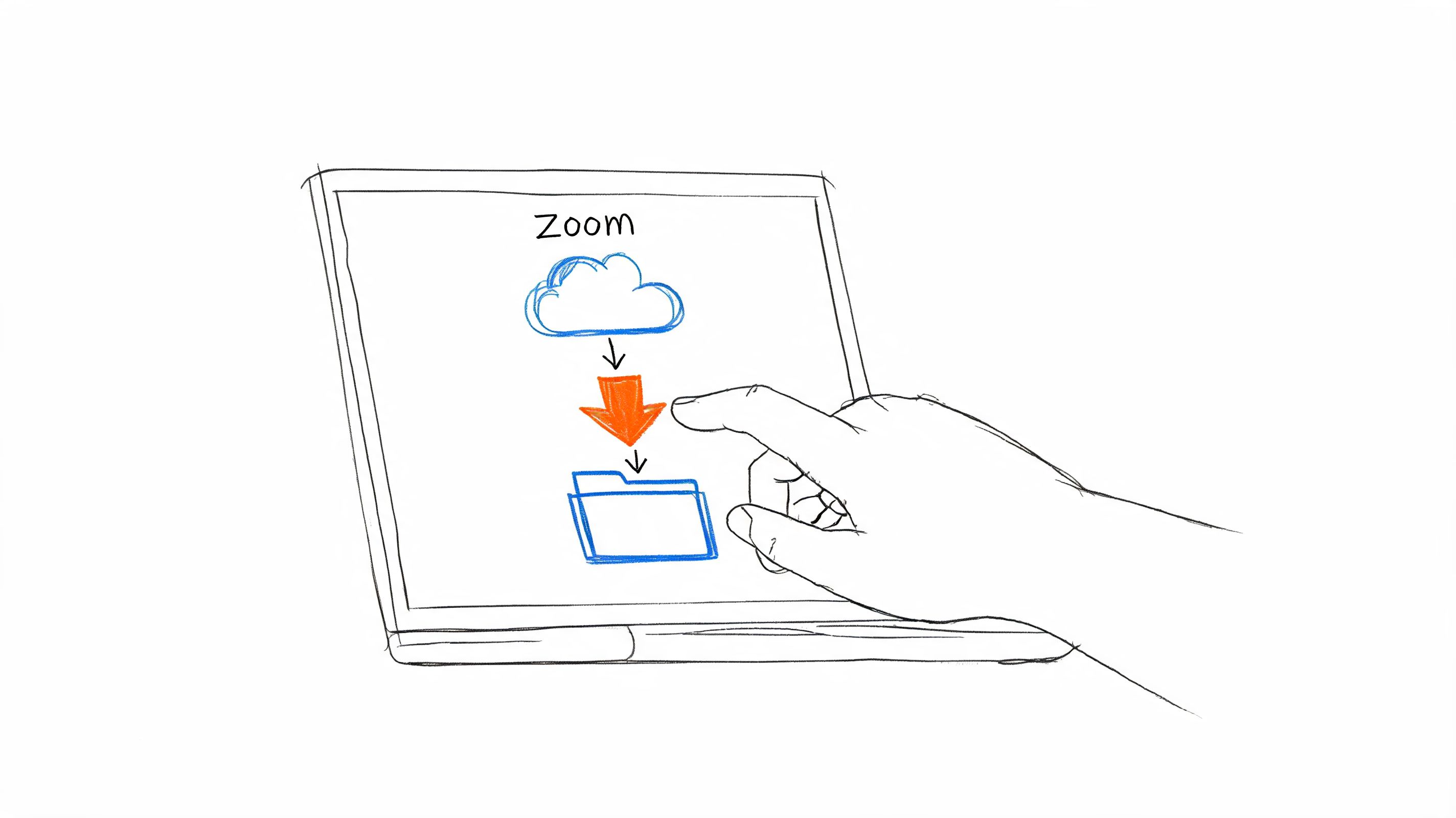
The platform's core advantage is its world-class collaborative editing. Multiple users can type, comment, and assign tasks using the "@" mention feature within a single document simultaneously. With recent AI advancements, eligible Google Workspace plans now offer automated meeting summaries, action items, and even full transcripts directly within Google Meet, which can be sent to attendees or saved to Google Drive. This brings powerful AI capabilities into a familiar and secure environment.
Pricing & Key Features
Google Workspace offers various subscription tiers, starting with plans for individuals and scaling up to enterprise-level solutions. The advanced AI features like automated summaries and transcripts are typically included in higher-tier business and enterprise plans.
- Business Starter/Standard: Core apps with basic collaboration.
- Business Plus: Enhanced security, management, and more storage.
- Enterprise Plans: Includes advanced AI features, premium security, and compliance controls.
The deep integration with Gmail, Calendar, and Drive means that meeting notes, action items, and follow-ups are all interconnected, creating a unified workflow without leaving the Google environment.
Pros:
- Familiar interface with strong security and admin controls.
- All-in-one subscription covering email, meetings, docs, and storage.
- Excellent real-time collaborative editing in Google Docs.
Cons:
- Full AI meeting features depend on the specific edition.
- Can incur higher costs for large organizations needing advanced features.
Website: https://workspace.google.com
Notes That Survive the Week
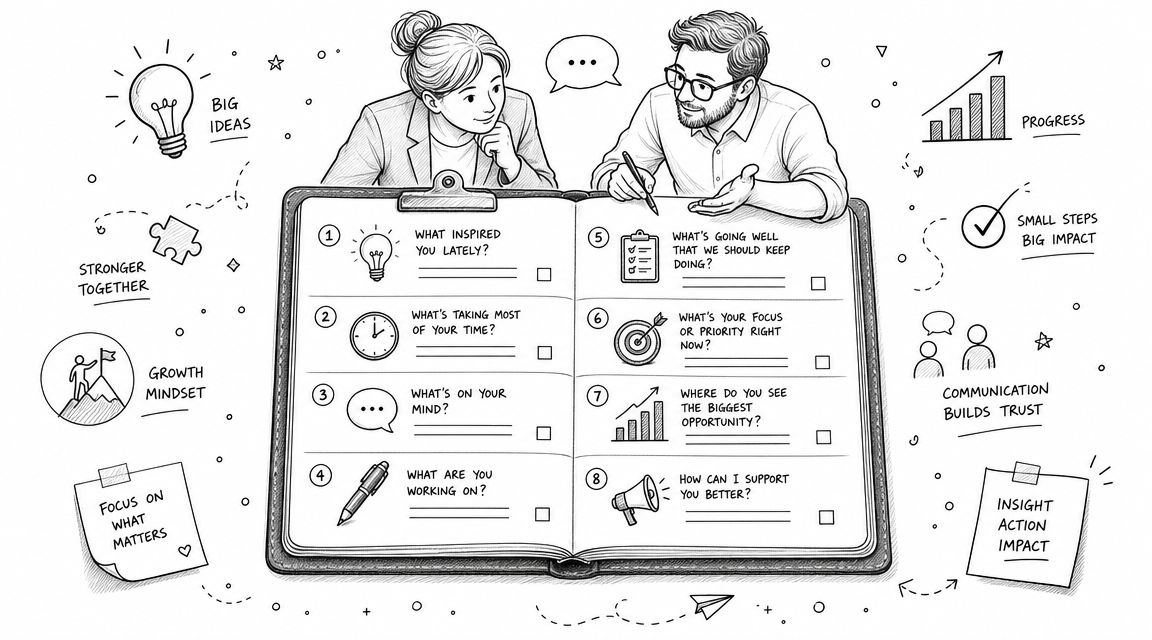
The app matters less than the habit. Four rules separate notes that get reopened from notes that get forgotten.
If a meeting produces no decision and no action, that is worth noting too — it is the clearest evidence you can bring to the argument that the meeting should have been an email.
Feature Comparison of Top 12 Meeting Notes Apps
Making Your Choice: Moving from Conversation to Action
We've explored a comprehensive landscape of meeting documentation tools, from AI-powered transcribers like Otter.ai and Fireflies.ai to integrated productivity hubs like Notion and Fellow.app. While the list is long, the goal is simple: find the tool that bridges the gap between conversation and concrete action for your team. The quest for the best meeting notes app isn't about crowning a single winner; it's about making an informed decision that aligns with your specific operational needs, budget, and collaborative style.
This journey requires moving beyond feature checklists and thinking critically about your team's daily pain points. Are you losing valuable insights from sales calls? Are project follow-ups consistently missed because action items get buried in a sea of text? The right application doesn't just record what was said—it intelligently extracts what needs to be done.
Key Takeaways: How to Choose Your Ideal App
Your final decision should be guided by a clear understanding of your primary use case. To help you synthesize the information from this guide, consider which of these profiles best describes your team's needs:
For the Sales and Revenue-Driven Team: If your meetings are intrinsically linked to CRM data and sales pipeline velocity, your focus should be on tools with deep integrations. Fireflies.ai and Avoma are standout choices here, offering robust automation that connects call insights directly to customer records in platforms like Salesforce and HubSpot. They turn every client conversation into an actionable data point.
For the Collaboration-Centric Team: If your main challenge is maintaining organizational alignment from agenda creation to post-meeting follow-up, a holistic meeting management platform is crucial. Fellow.app excels in this area, providing a structured framework that encourages accountability and ensures every meeting has a clear purpose and outcome.
For the User Research and Qualitative Analysis Pro: When the nuance of conversation is paramount, you need more than just a transcript. Tools like Fathom and HypeScribe are excellent for pulling out key moments, creating clips, and analyzing sentiment. They help you find the "why" behind the "what" in user interviews and feedback sessions.
For the Individual Contributor or Small Team: If you need a straightforward, cost-effective way to capture notes and summaries without a complex setup, options like Supernormal or tl;dv offer immense value. They focus on delivering high-quality, automated summaries that save you time, allowing you to stay present in the conversation without worrying about documentation.
Implementation: A Phased Approach to Adoption
Once you've shortlisted a few candidates, successful implementation is key. Don't mandate a tool overnight. Instead, pilot it with a small, enthusiastic group. Encourage them to use the app in a variety of real-world meeting scenarios—a team sync, a client call, a brainstorming session. Gather their honest feedback on what works and what doesn't.
Pay close attention to the learning curve. The best meeting notes app for your organization will be one that feels intuitive and slots seamlessly into existing workflows, rather than adding another layer of complexity. Take full advantage of the free trials offered by nearly every tool on our list. This hands-on testing period is the single most important step in making a confident, long-term decision.
Ultimately, the goal is to reclaim the cognitive energy your team spends on manual note-taking and redirect it toward innovation, problem-solving, and strategic thinking. By automating the administrative burden of meetings, you empower your team to focus on what humans do best: connecting, creating, and driving progress. The right tool won't just change how you document meetings; it will fundamentally improve how you conduct them.
HypeScribe joins the call, transcribes it, and sends back a summary with the action items and their owners — so nobody has to volunteer as note-taker. Try it free: three meetings a month, no card required.