Law Enforcement Technology: Your 2026 Guide
A patrol officer stops a car after dispatch flags a possible connection to an earlier incident. Before the conversation ends, the officer has checked dispatch records, reviewed recent notes in the records system, and captured audio and video that may matter later in court. That compressed sequence captures what law enforcement technology has become: not a collection of gadgets, but an operating system for modern policing.
The Digital Transformation of Policing
Law enforcement technology used to evolve in visible, durable steps. Two-way police radio emerged in 1934, and in 1967 the FBI created the National Crime Information Center, the first national law enforcement computing system according to OpenFox's history of law enforcement technology. Those changes mattered because they solved coordination problems that had defined policing for decades. Officers could communicate faster, and agencies could share records across larger geographic areas.
Today's shift is different in kind, not just degree.
Radio and centralized records expanded reach. Current digital systems compress time. They turn what used to be separate stages, reporting, review, analysis, deployment, into a much tighter loop. A body-worn camera, a dispatch note, a records entry, a forensic extraction, and an analyst's alert can all feed the same operational picture.
From tools to workflows
That distinction matters because people often discuss law enforcement technology as if each tool can be judged in isolation. In practice, agencies rarely deploy technology that way. Meaningful change comes from integration. A camera alone records. A records system alone stores. A dispatch platform alone routes calls. Once connected, those tools begin shaping how officers perceive events, how supervisors allocate resources, and how investigators build cases.
Three features define the current environment:
- Continuous data capture: Officers and agencies generate more digital evidence during routine work.
- Faster operational cycles: Information moves from collection to action with less delay.
- Broader institutional consequences: Procurement, training, privacy, retention, and courtroom scrutiny all become more important.
Key point: The central policy question isn't whether agencies should use technology. It's whether they can govern interconnected systems well enough to improve safety without eroding legitimacy.
Why the stakes are higher now
Law enforcement technology now sits at the intersection of public safety, administrative efficiency, and civil liberties. That creates a tension older tools didn't raise at the same scale. A radio rarely created a permanent behavioral record of the public. A modern digital stack often does.
This is why debates about police technology can sound confused. One side sees practical gains: quicker information access, stronger documentation, and more coordinated response. The other sees persistent surveillance, hidden error, and overconfidence in software outputs. Both sides are reacting to the same reality. The same systems that make agencies more informed can also make them more intrusive.
A useful way to think about 2026 is this: law enforcement technology is no longer peripheral equipment. It is core institutional infrastructure. That means its success depends less on novelty and more on rules, data quality, staffing, maintenance, and accountability.
A Catalog of Modern Policing Tools
Most discussions of law enforcement technology become a loose list of devices. That's not how agencies experience it. They deal with categories of tools that support distinct functions, then struggle to connect them without creating operational chaos.
The main categories
| Technology Category | Primary Function | Key Benefit | Principal Concern |
|---|---|---|---|
| Surveillance and monitoring | Capture events, movements, or environments | Better documentation and situational awareness | Privacy intrusion and overcollection |
| Data and analytics | Organize, search, and interpret records and signals | Faster pattern detection and decision support | Hidden bias, false confidence, poor validation |
| Forensic and biometric tools | Identify people, devices, or digital evidence | Stronger investigative leads and evidentiary support | Reliability challenges and courtroom scrutiny |
| Communication and operations | Coordinate dispatch, reporting, and field response | Lower delay between incident and action | Integration failure and workflow dependence |
Surveillance and monitoring
This category includes body-worn cameras, fixed cameras, automated license plate readers, and drones. Their main function is straightforward: capture what officers or agencies can't reliably remember or manually observe at scale. These systems can improve documentation and expand visibility during emergencies or complex scenes.
But surveillance tools don't stay limited to the original incident. They create retention, access, and disclosure questions. The operational benefit often arrives immediately, while the governance burden arrives later, during audits, public-records disputes, and criminal litigation.
For readers comparing adjacent legal and investigative software ecosystems, it can also help to find powerful legal AI tools that show how documentation, review, and case preparation technologies are converging outside policing as well.
Data and analytics
This is where modern policing becomes less visible and more consequential. Computer-aided dispatch, records management systems, crime analysis platforms, mapping tools, and AI-assisted review software help agencies sort large volumes of structured and unstructured information.
These systems don't just store information. They change what becomes actionable. A handwritten note in an older system might sit untouched. A tagged digital record can trigger a search result, join a pattern, or inform a deployment decision.
Better analytics don't automatically create better policing. They create faster policing. Whether that speed helps depends on data quality, review standards, and the judgment of the people using the system.
Forensic and biometric tools
This group includes digital forensics, device extraction, DNA analysis, facial recognition, and other identification tools. Their value lies in narrowing uncertainty. Investigators use them to connect individuals, devices, locations, and timelines that would be difficult to reconstruct manually.
The principal concern isn't just privacy. It's evidentiary confidence. Some tools generate leads that are useful operationally but fragile legally. That gap between investigative utility and courtroom defensibility is where many agencies now face the hardest questions.
Communication and operations
Older communications tools focused on contact. Current systems focus on coordination. Next-generation dispatch, mobile data terminals, shared information platforms, and integrated command interfaces help agencies move information from call intake to field action with less friction.
These tools often look mundane compared with AI or biometrics. In practice, they may matter more. If dispatch records are incomplete, if officers can't retrieve records in the field, or if systems don't sync cleanly, advanced analytics won't rescue the workflow.
Technology on the Beat Real-World Use Cases
The clearest way to understand law enforcement technology is to watch where it shows up during an ordinary shift. A patrol officer starts with a dispatch call, receives updates through a mobile device, checks prior reports in the records system, and records the encounter with a body camera. None of that is futuristic. What matters is that these actions no longer sit in separate administrative silos.

Patrol work as connected data work
Modern patrol has become partially data management. The officer still makes judgments in person, but those judgments are increasingly informed by connected systems. According to American Public University's overview of technology in law enforcement, agencies are combining CAD, RMS, body-worn cameras, and digital forensics into unified analytical workflows, allowing AI and machine learning systems to detect patterns that support faster suspect identification and resource deployment.
That means the officer responding to a disturbance may arrive with more context than officers once had: prior incident notes, location history from earlier calls, alerts from analysts, and near-immediate access to records. The practical benefit isn't abstract efficiency. It's lower delay between incident capture and operational decision.
A connected workflow often looks like this:
- Dispatch intake: Call data enters CAD and creates the first structured record of the event.
- Field enrichment: The officer adds observations, spoken statements, and video evidence.
- Analytical review: Supervisors, crime analysts, or investigators correlate the incident with prior records and other sources.
Investigations now pull from mixed evidence streams
Detective work has changed even more. A serious investigation may combine phone-related location information, CCTV footage, digital device evidence, interview recordings, and open-source material. The challenge is no longer only finding evidence. It's sorting, correlating, and validating evidence that arrives in different formats and from different systems.
That's one reason real-time crime centers have become so influential in larger agencies. They shorten the distance between collection and interpretation. Analysts can flag patterns while the event is still unfolding, not days later in a retrospective review.
For a practical look at how aerial systems fit into emergency response, Dronedesk on transforming emergency services offers useful operational context on where drones can support search, scene awareness, and rapid assessment.
A short explainer is useful here before going further:
The hidden shift is temporal
People often describe these tools in terms of visibility, cameras, dashboards, maps. The more important change is temporal. Agencies can move from historical reporting to live operational intelligence. That sounds like a technical distinction, but it changes command decisions, patrol strategy, and investigative sequencing.
A department doesn't need every advanced tool to feel this shift. Once dispatch, reporting, and evidence systems begin feeding one another in close to real time, the organization starts operating differently.
The policy implication is easy to miss. When technology speeds action, it also speeds mistakes. Faster workflows can help officers intervene sooner, but they can also lock weak assumptions into official records before anyone has tested them.
Weighing the Evidence Benefits and Risks
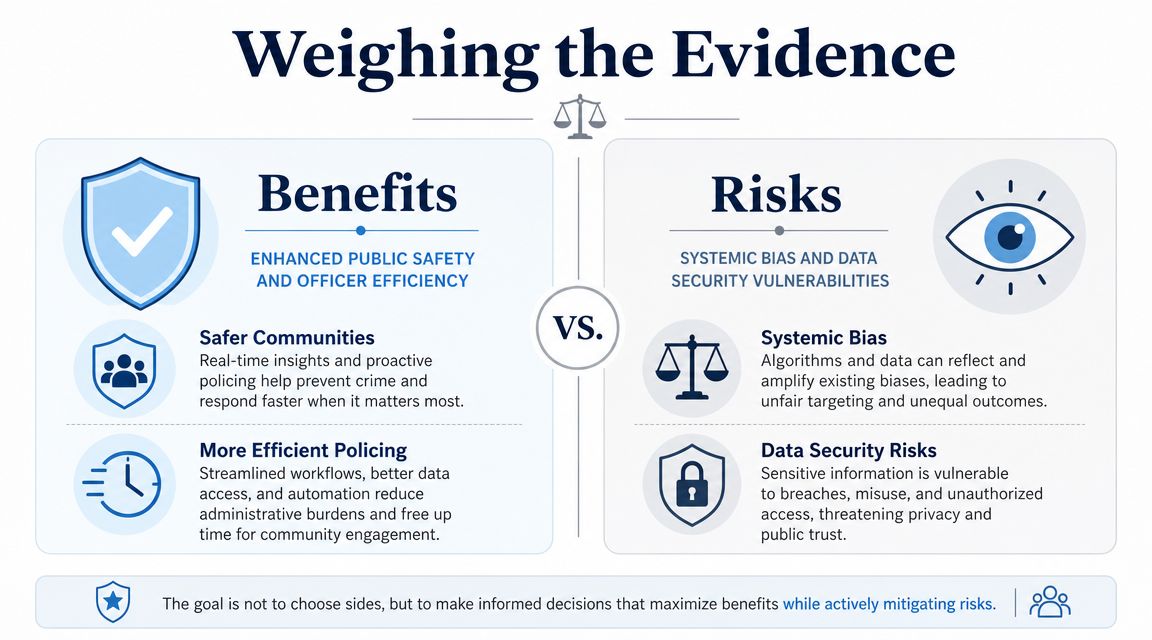
Law enforcement technology rarely produces clean outcomes. The same system that sharpens response can widen surveillance. The same software that helps analysts spot patterns can also formalize bad assumptions if the input data is weak.
Where the benefits are real
The strongest case for law enforcement technology is operational. Data-driven systems can help agencies deploy officers with more context, retrieve records faster, and document encounters more thoroughly. Routine administrative work also becomes easier to standardize when reporting, audio, and video are handled through connected platforms.
These gains matter because policing has always suffered from fragmented information. A system that reduces delay between a report, an analyst's review, and a field decision can make agencies more responsive. In specific workflows, that may mean faster lead generation, better evidence preservation, or fewer manual handoffs between teams.
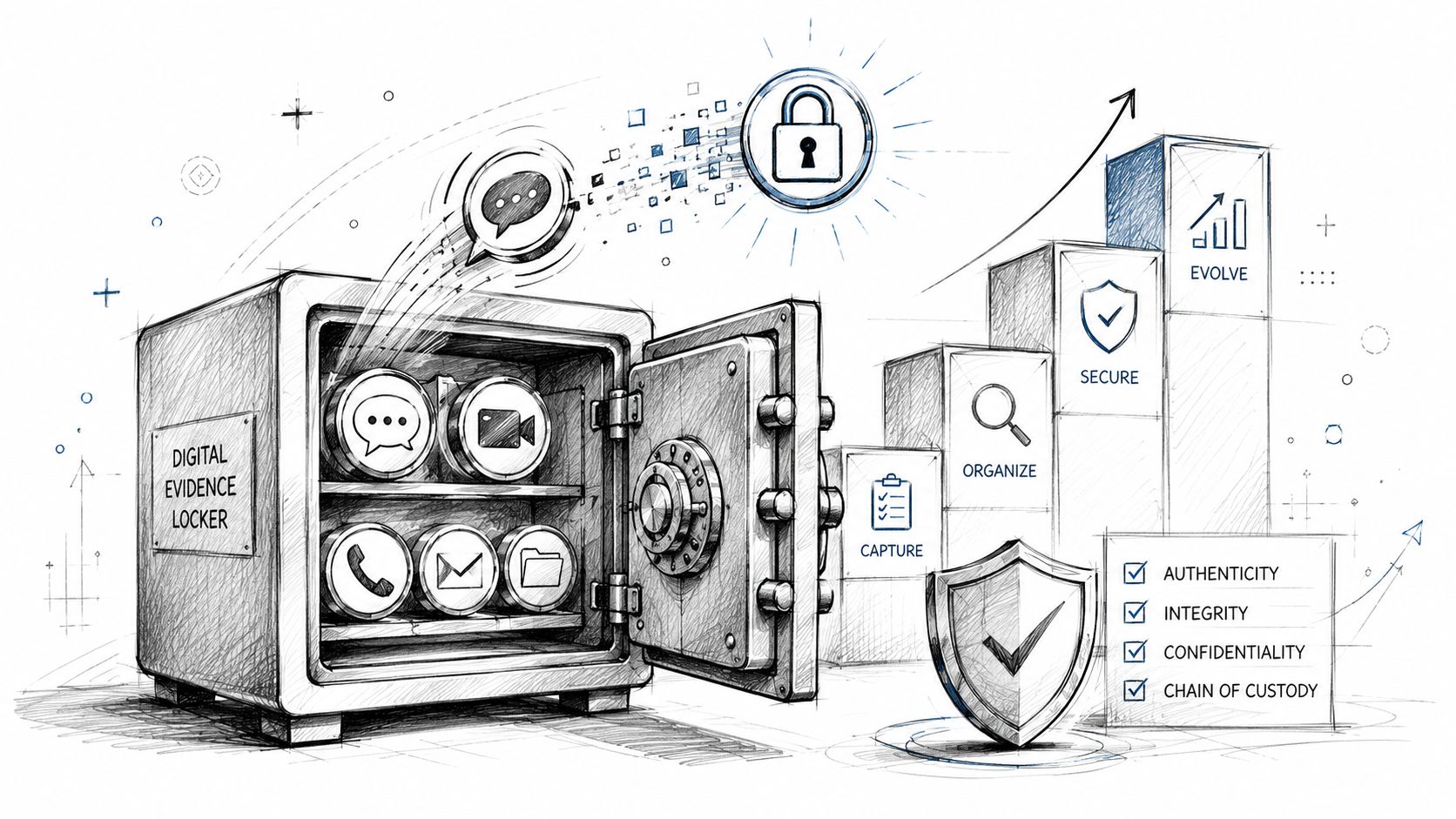
There's also a documentation benefit. Recorded interactions and digital records can create a more reviewable trail than memory alone. That can support accountability, though only if retention and access rules are clear.
Where the risks become structural
According to Cognyte's discussion of data-driven policing, modern policing models use GPS, cell-tower data, social media, and crime records to construct risk forecasts, but the reliability of the underlying technology must be assessed before use because these systems can produce errors and bias without proper validation and oversight.
That warning is more than a technical caveat. It goes to the legitimacy of police action. If an agency relies on opaque scoring, weakly validated pattern detection, or low-quality source data, technology can give institutional authority to conclusions that should have remained tentative.
Three risks deserve particular attention:
- Bias amplification: Historical records can reflect earlier enforcement patterns. A model trained on those records may reproduce them.
- Function creep: Tools bought for a narrow purpose often expand into broader surveillance use.
- Over-reliance: Officers and supervisors may treat software outputs as neutral when they are only probabilistic.
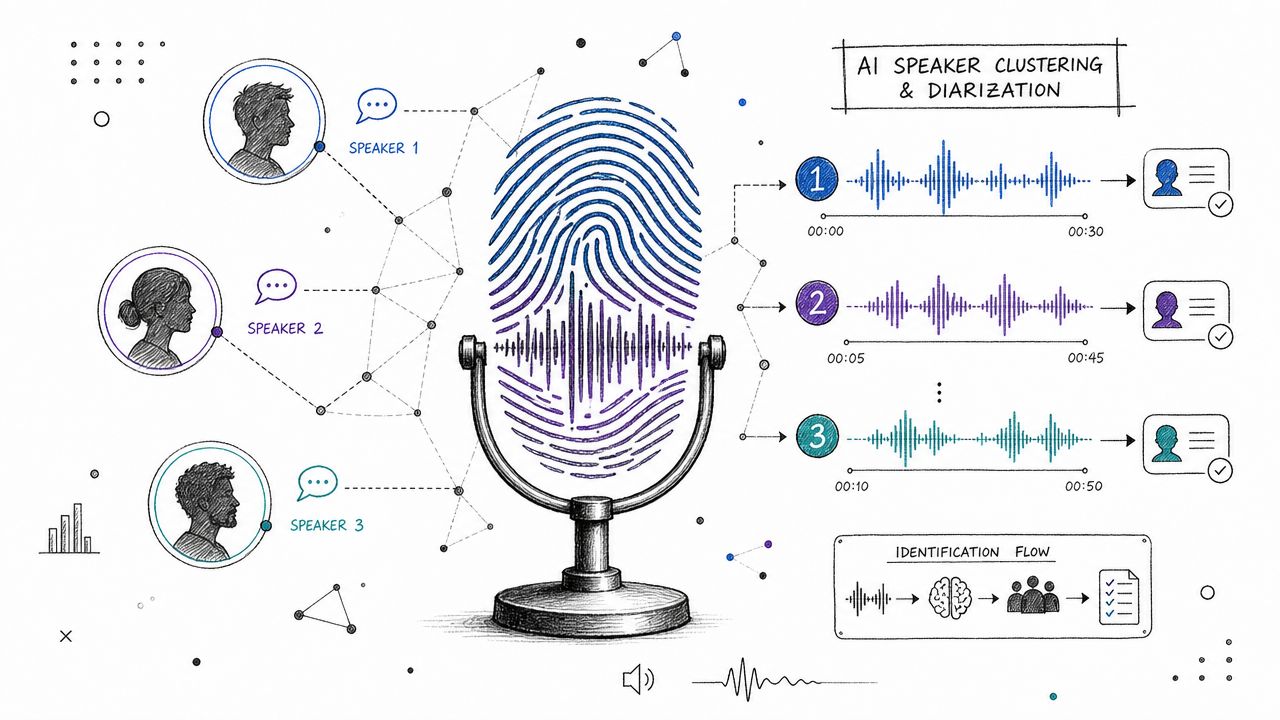
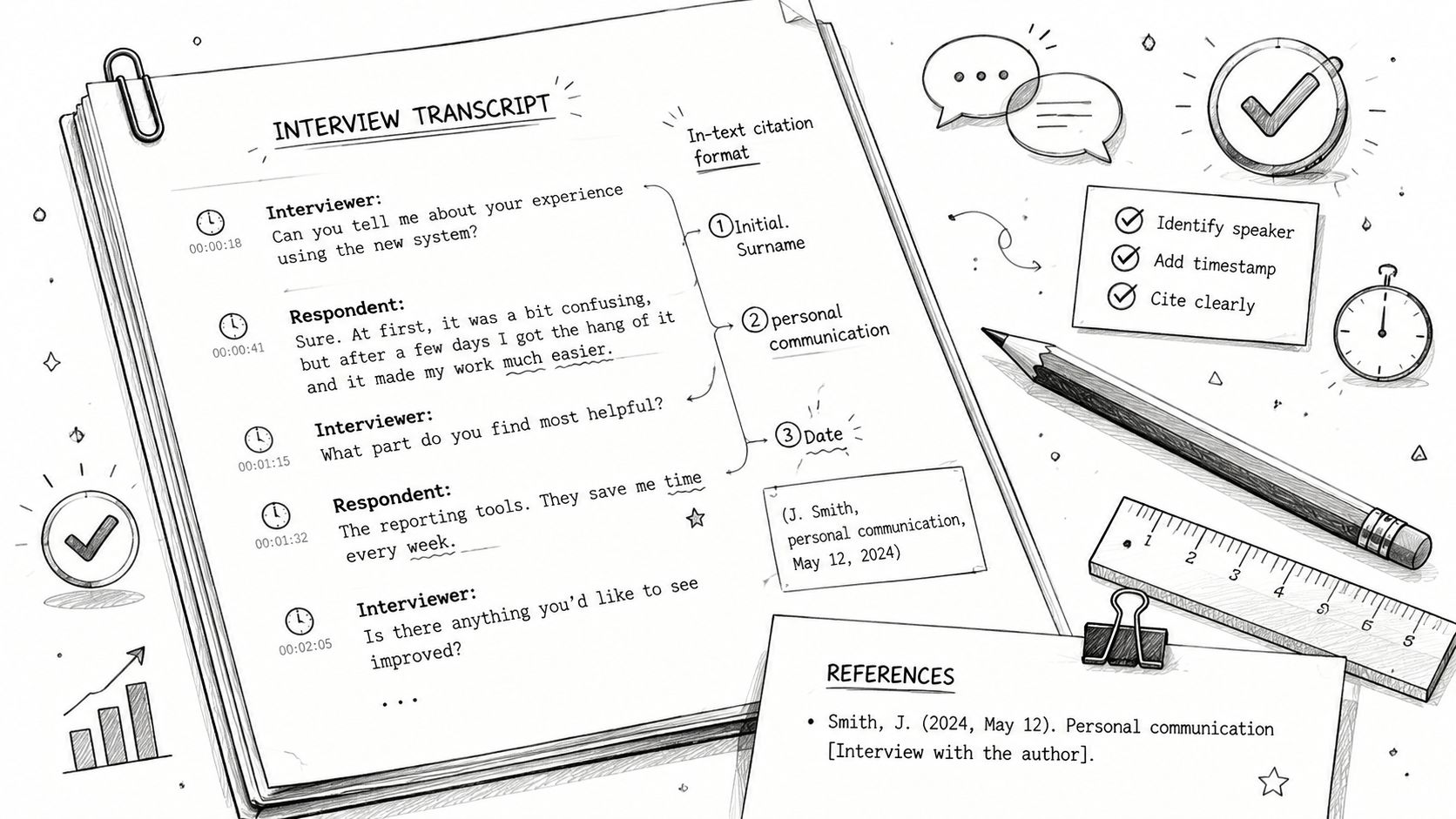
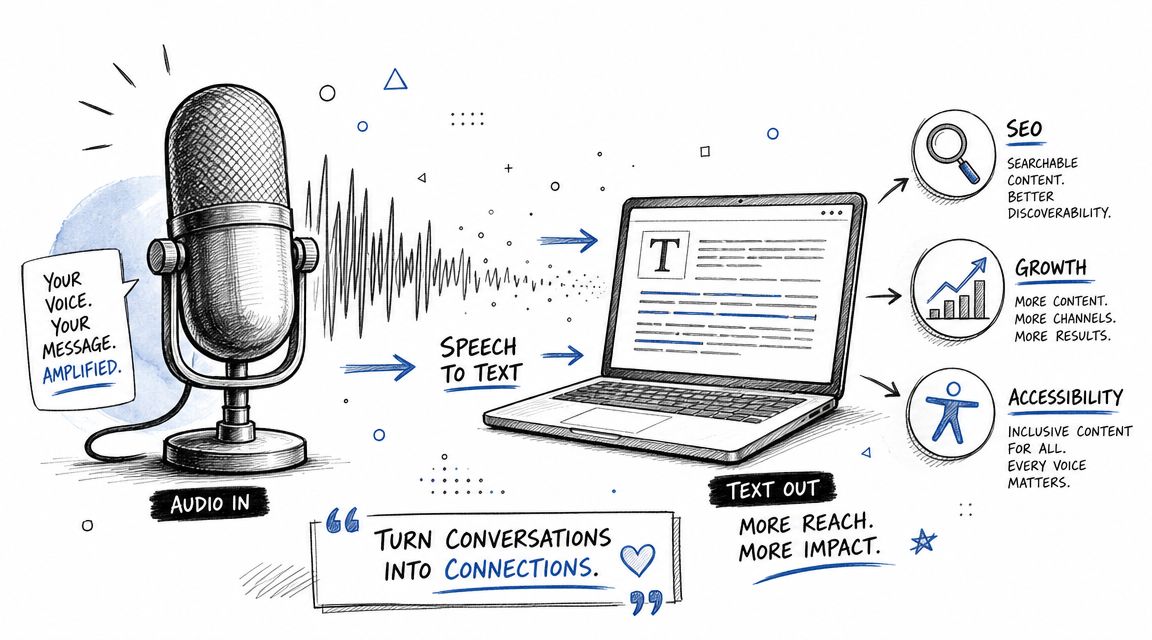
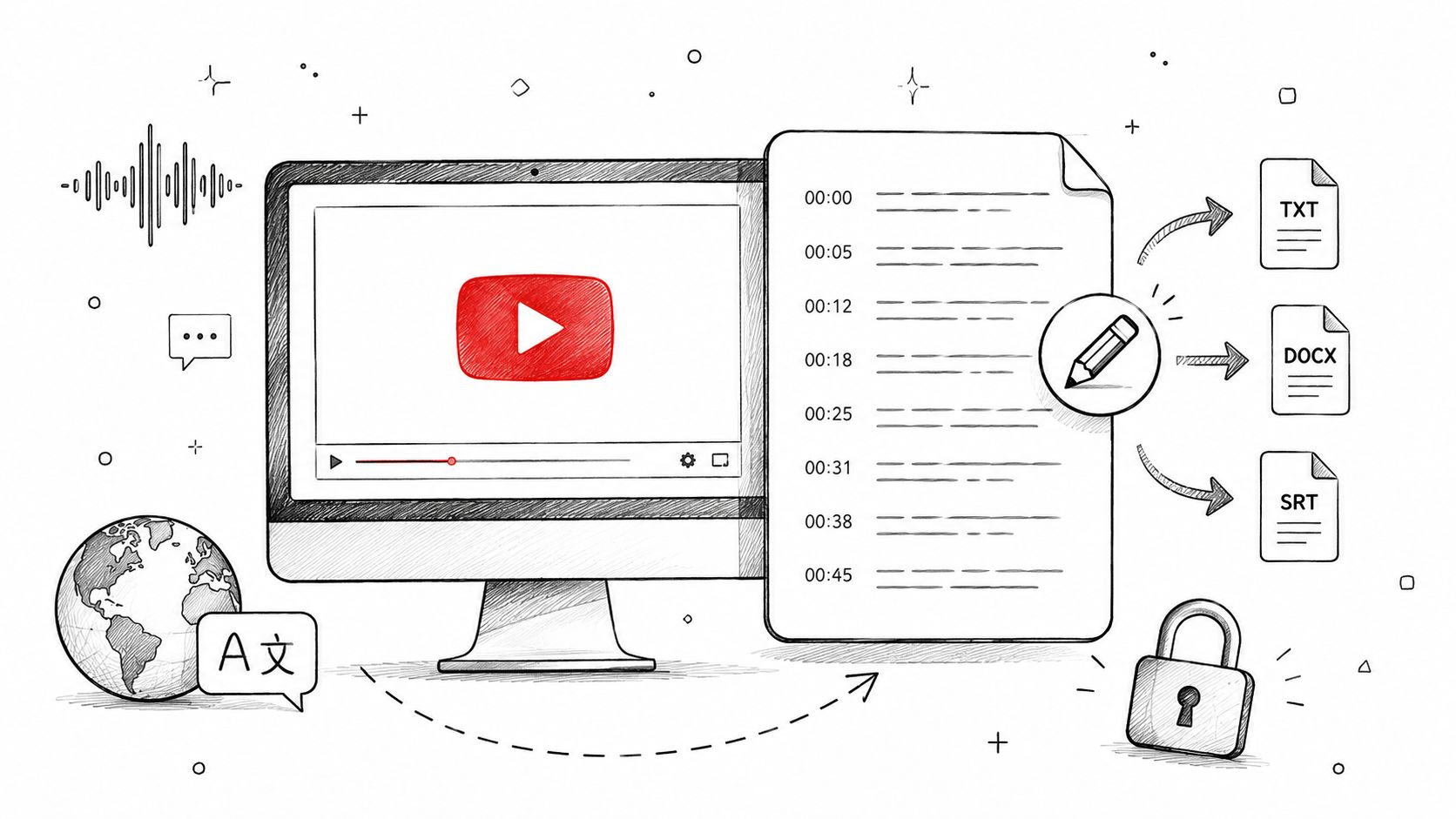
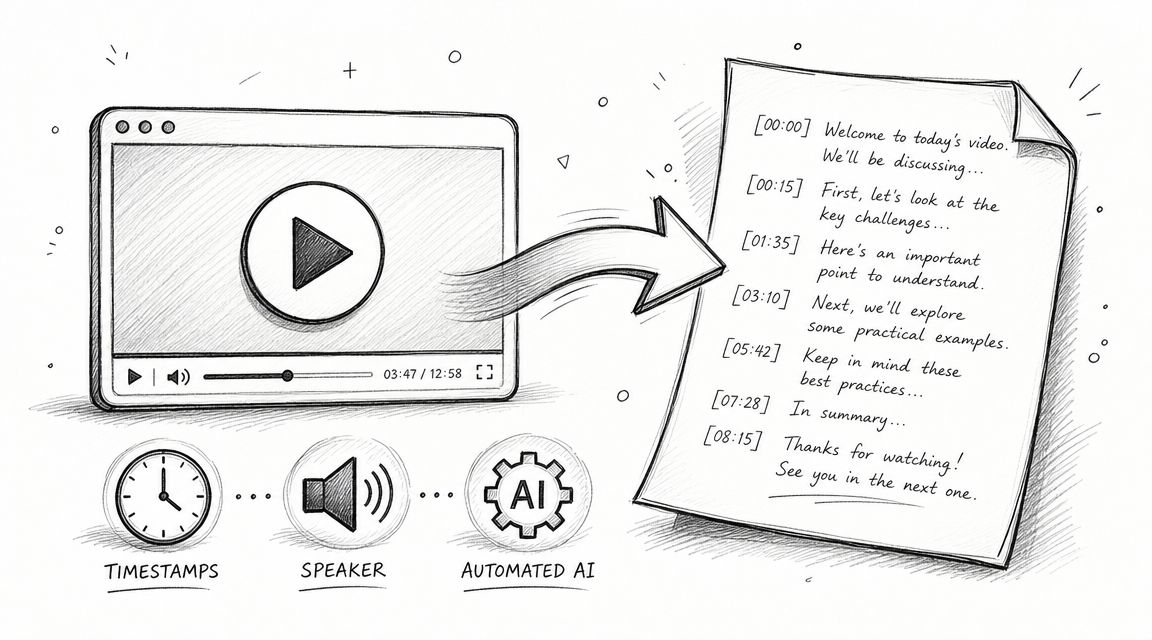
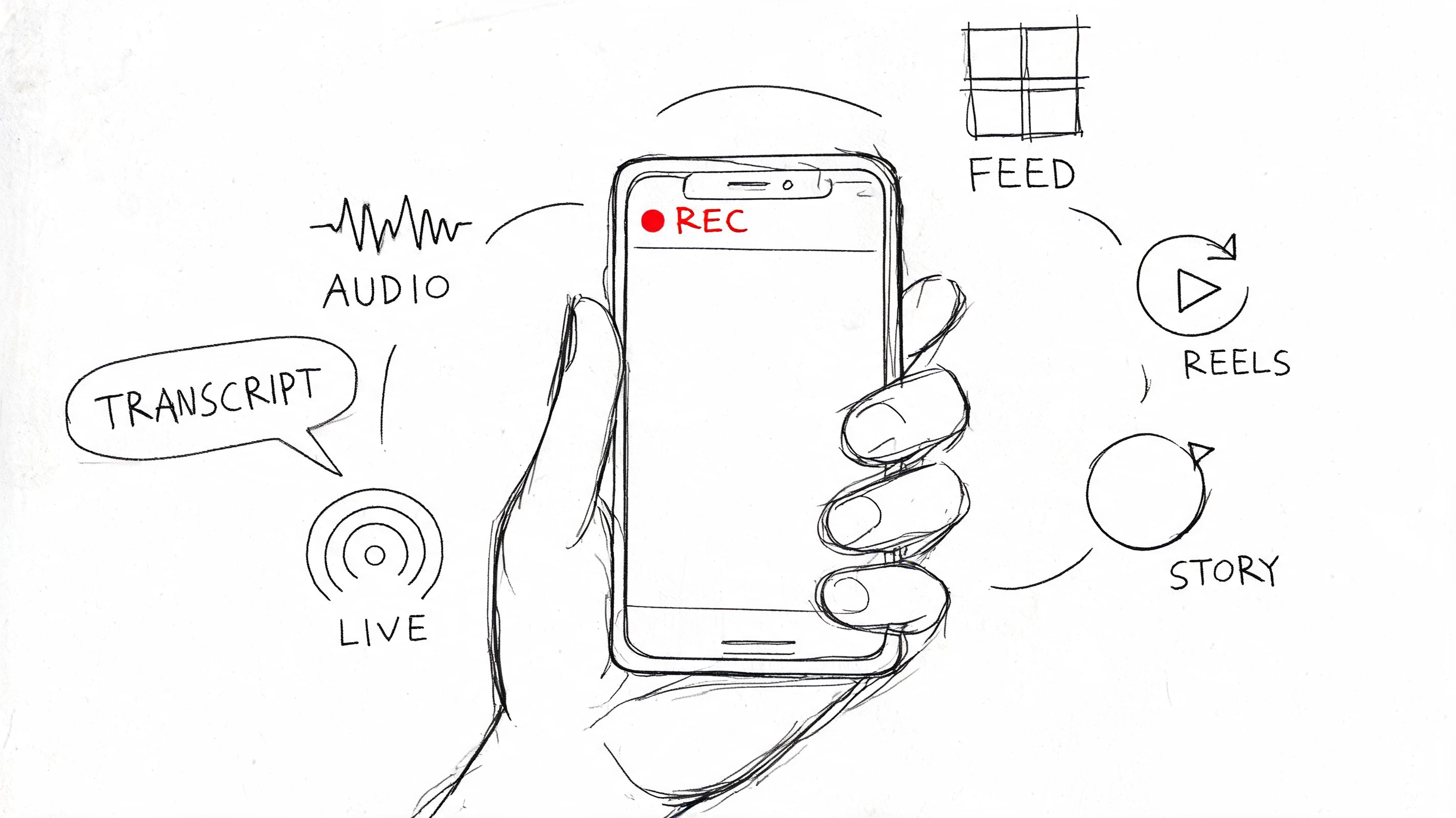
The documentation layer matters here too. Agencies that convert recordings into searchable text can make internal review easier, but they also need strong policies on accuracy checks, disclosure, and retention. Tools used for transcription and records support, such as real-time transcription software for review workflows, can reduce manual workload, yet they still require human verification when the material may affect discipline, charging, or court proceedings.
Practical rule: Treat every automated output as a lead, not a verdict.
The most important conclusion is that benefits and risks do not sit on opposite sides of a policy scale. They are often produced by the same design choice. More data can improve investigations and also broaden unnecessary collection. More automation can reduce paperwork and also reduce skepticism at the wrong moment.
Balancing Power Legal and Ethical Guardrails
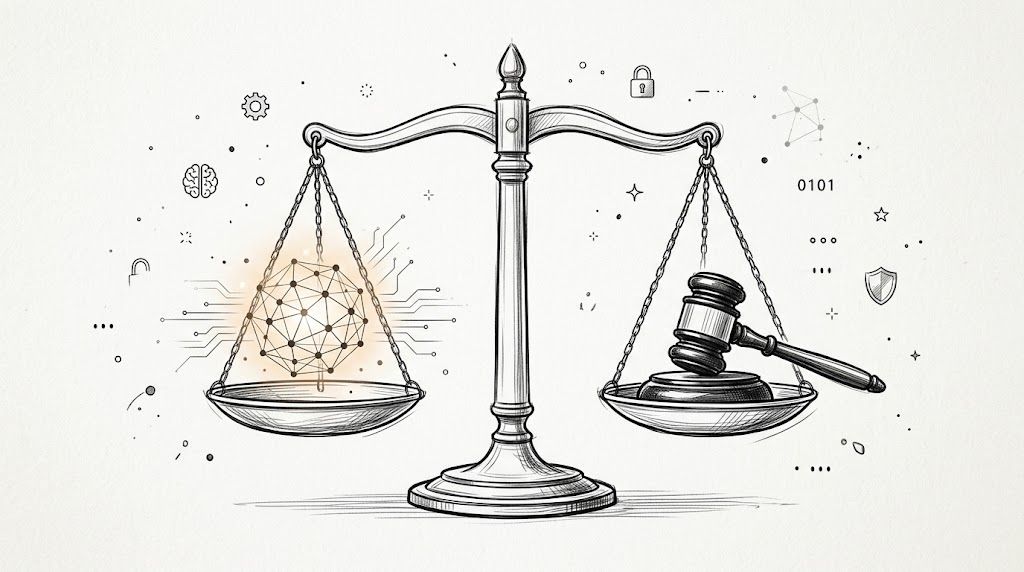
The hardest question in law enforcement technology isn't what the tools can do. It's what agencies must prove before using them to affect liberty, reputation, or legal outcomes.
Accuracy is not enough
A tool can be useful in practice and still be weak in court. That distinction is becoming central to policing policy. Columbia Law Review's discussion of police technology experiments notes that a key challenge is proving police AI tools are accurate and legally defensible, and it highlights the argument from Georgetown's Center on Privacy & Technology that face recognition is not a mature forensic science. The same discussion points to rising expectations for traceability and human review, rather than blind acceptance of black-box outputs.
That shift should change procurement standards. Agencies shouldn't ask only whether a vendor can identify, sort, or score. They should ask whether the system can be explained, tested, challenged, and audited after the fact.
The guardrails that actually matter
Good governance isn't a slogan. It shows up in operational rules that officers, analysts, defense counsel, judges, and the public can all inspect.
A workable framework usually includes:
- Use limits: Clear statements on what the tool may and may not be used for.
- Human review: Requirements that an officer or analyst validate outputs before acting on them.
- Audit trails: Logs showing who queried what, when, and for what purpose.
- Disclosure rules: Procedures for documenting when technology informed an arrest, identification, or charging decision.
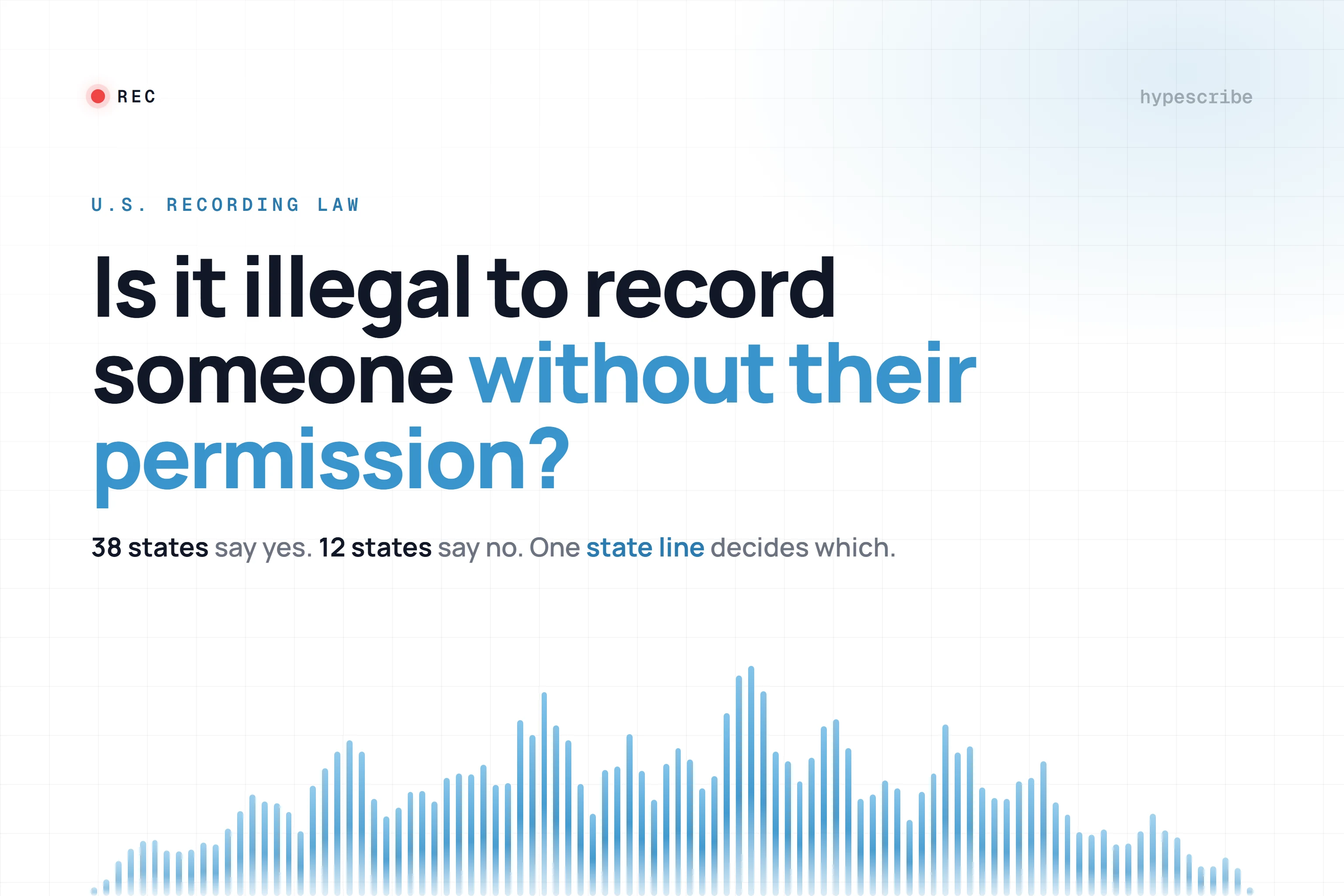
Questions about recording law and consent are part of this governance picture too, especially for interviews, field encounters, and captured audio. Agencies reviewing those boundaries can benefit from a plain-language guide on whether it is legal to record a conversation without consent.
Broader public debates around biometric systems also matter because police technologies don't exist in isolation from commercial surveillance norms. For readers tracking how identification tools spill from consumer platforms into public concerns, this analysis of facial recognition Facebook privacy helps frame why public skepticism persists.
Public trust usually breaks before a technology fails technically. It breaks when people can't tell who is accountable for its use.
Why transparency is operational, not cosmetic
Transparency is often framed as a public-relations exercise. It isn't. It is part of error control. If agencies publish use policies, preserve records of tool-assisted decisions, and document testing standards, they make it easier to catch misuse before it hardens into routine practice.
Without those guardrails, agencies invite two failures at once. They weaken civil-liberties protections, and they make legitimate evidence easier to challenge.
From Procurement to Practice Implementation Done Right
Many agencies don't fail because they chose the wrong law enforcement technology. They fail because they treated purchase as implementation. The difficult work begins after the contract is signed.
Start with the operating environment
The National Institute of Justice found that many smaller agencies still struggle with basic infrastructure like RMS, CAD, and information-sharing, and that their limiting factor is often implementation capacity, training, and maintenance overhead, as detailed in the NIJ report on technology needs and adoption. That finding should reset how public officials think about modernization.
In other words, an agency with weak connectivity, thin staffing, and inconsistent records practices won't be transformed by an advanced analytic layer. It will inherit another system to maintain.
A better implementation sequence
Leaders usually focus first on capability. They should focus first on friction. Before buying a new platform, agencies should map where existing workflows break down. Is the problem delayed reporting, fragmented evidence storage, poor retrieval in the field, or insufficient analyst capacity? Different bottlenecks call for different solutions.
A practical sequence looks like this:
- Define the workload problem clearly. Agencies should identify whether the technology is meant to reduce paperwork, improve retrieval, strengthen evidence management, or support deployment decisions.
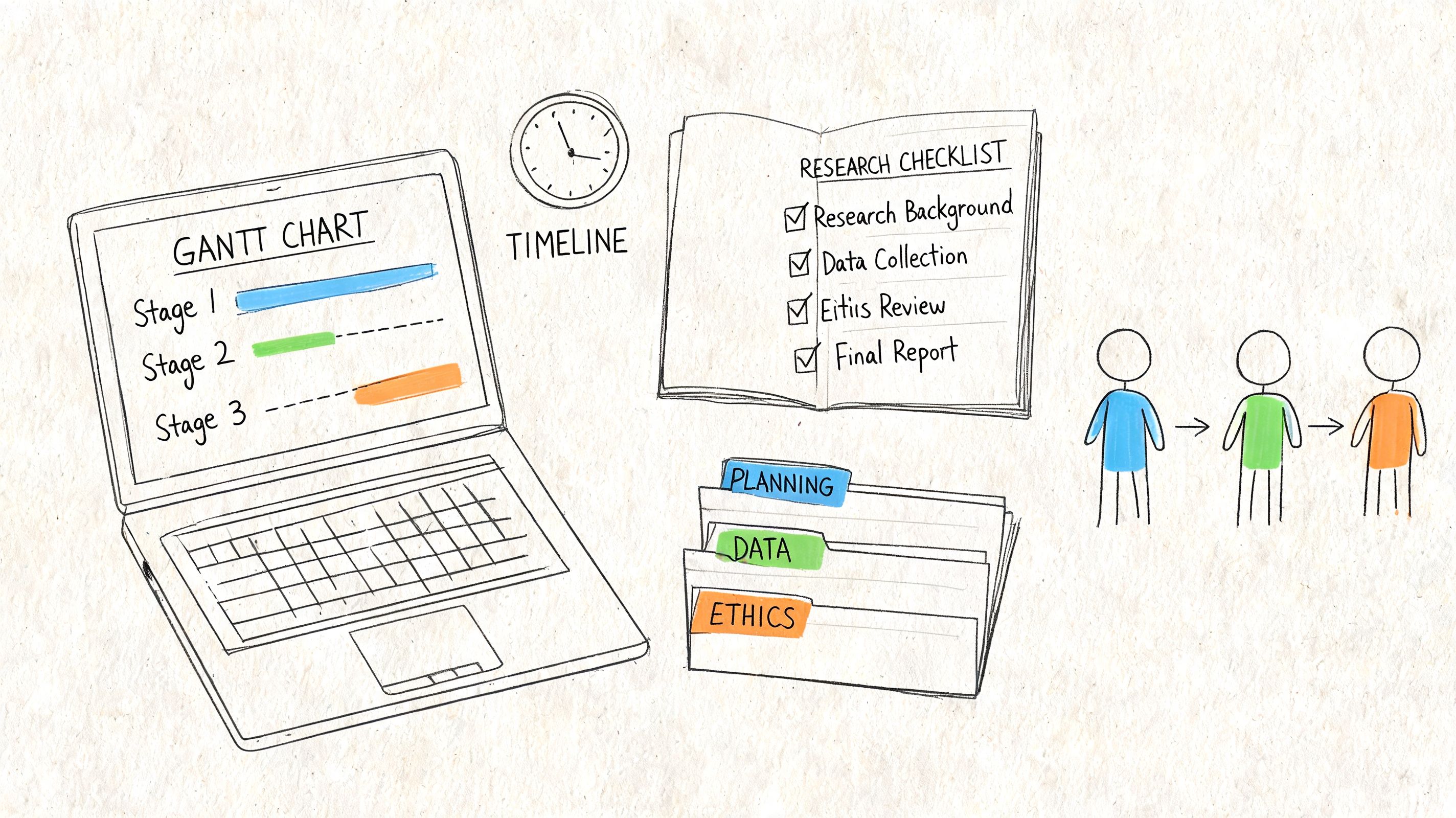
- Test policy before scale. A pilot should include retention rules, access controls, and supervisory review standards from the start.
- Budget for ongoing administration. Storage, training refreshers, software updates, and records requests often create the heaviest long-term burden.
Training is not a one-time event
Officers and civilian staff need more than tool orientation. They need scenario-based training that covers misuse, edge cases, and documentation standards. The same applies to supervisors, who often become the primary control point for whether technology improves judgment or just speeds routine behavior.
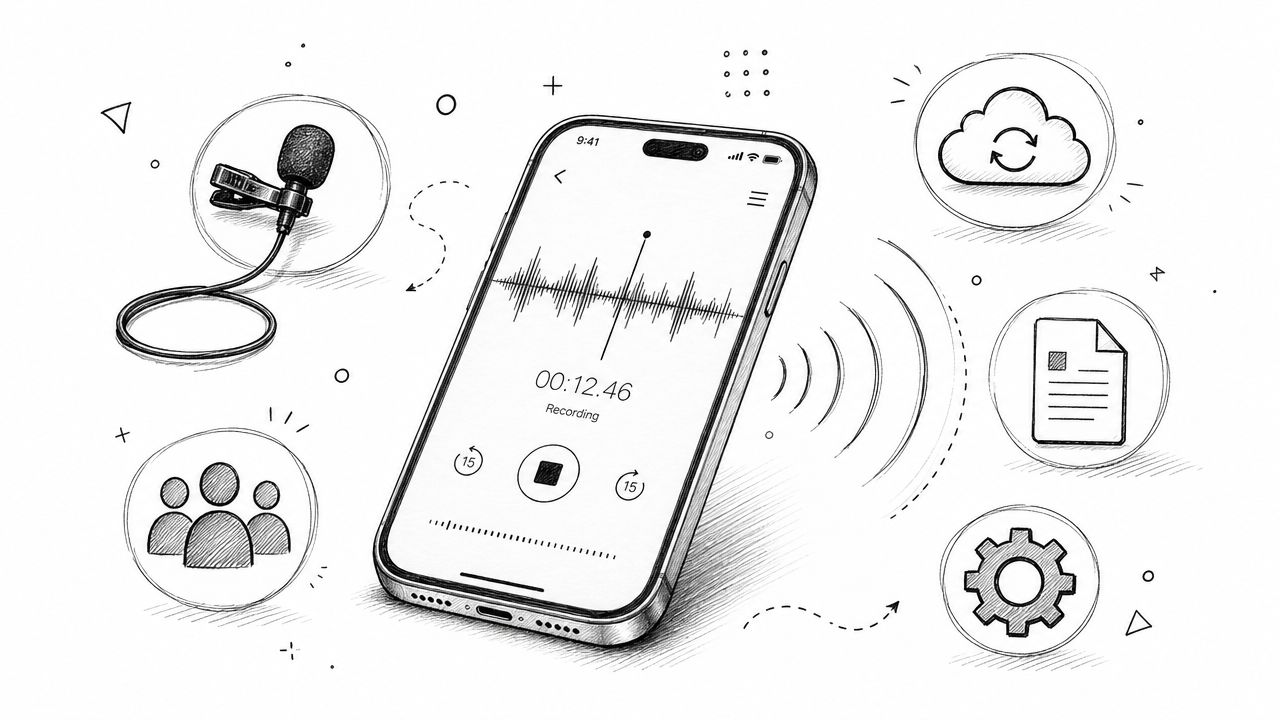
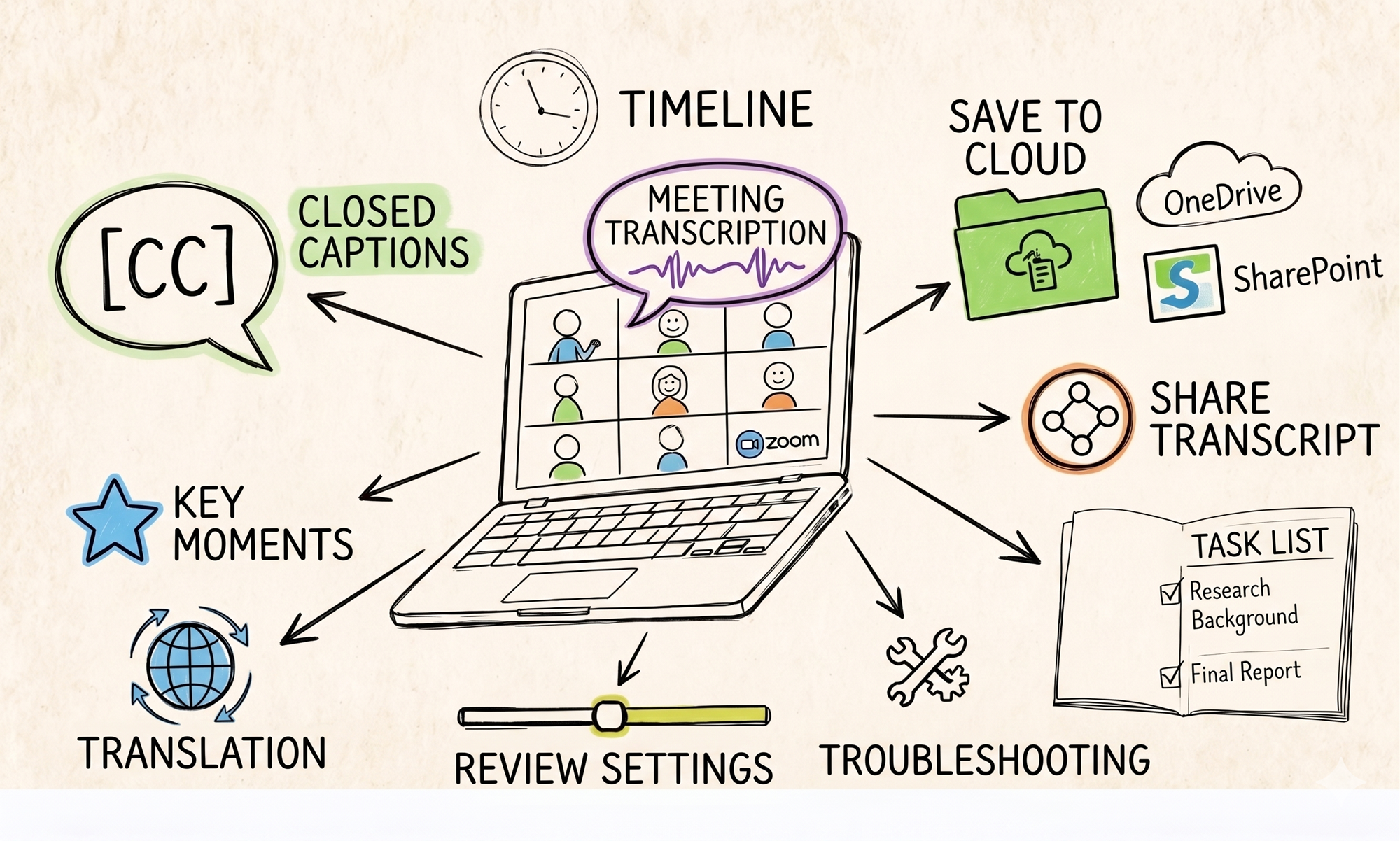
For departments trying to handle growing volumes of spoken material from interviews, briefings, or evidence review, tools such as meeting transcription software can support documentation workflows by converting audio into searchable text. Used carefully, that kind of system can reduce clerical burden. It shouldn't replace review by personnel responsible for evidentiary accuracy.
A strong implementation plan should also include:
- Community input before deployment: Residents often identify privacy and misuse concerns that procurement teams miss.
- Data retention schedules: If agencies keep everything by default, storage and legal exposure expand quickly.
- Exit planning: Departments need a way to migrate data or end contracts without losing institutional records.
The mature agency isn't the one with the most tools. It's the one that knows which tools it can govern well.
Future Frontiers in Law Enforcement Technology
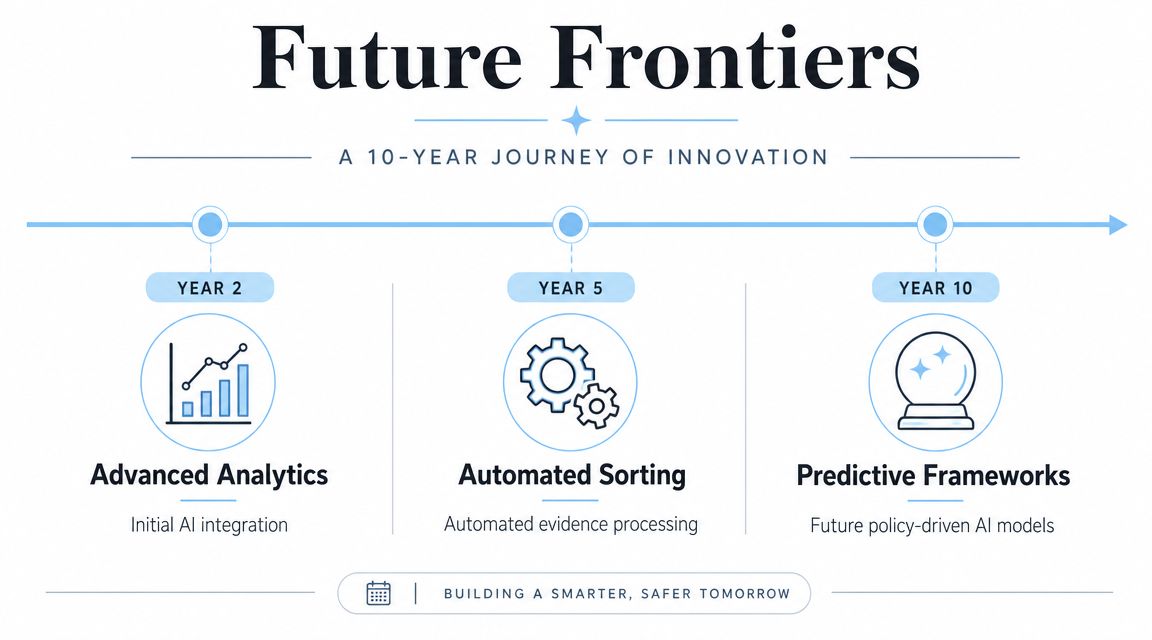
The next phase of law enforcement technology will likely be defined less by new hardware and more by classification, sorting, authentication, and cybersecurity. Agencies already collect large amounts of digital evidence. The frontier is deciding what software can reliably do with it.
The likely technical direction
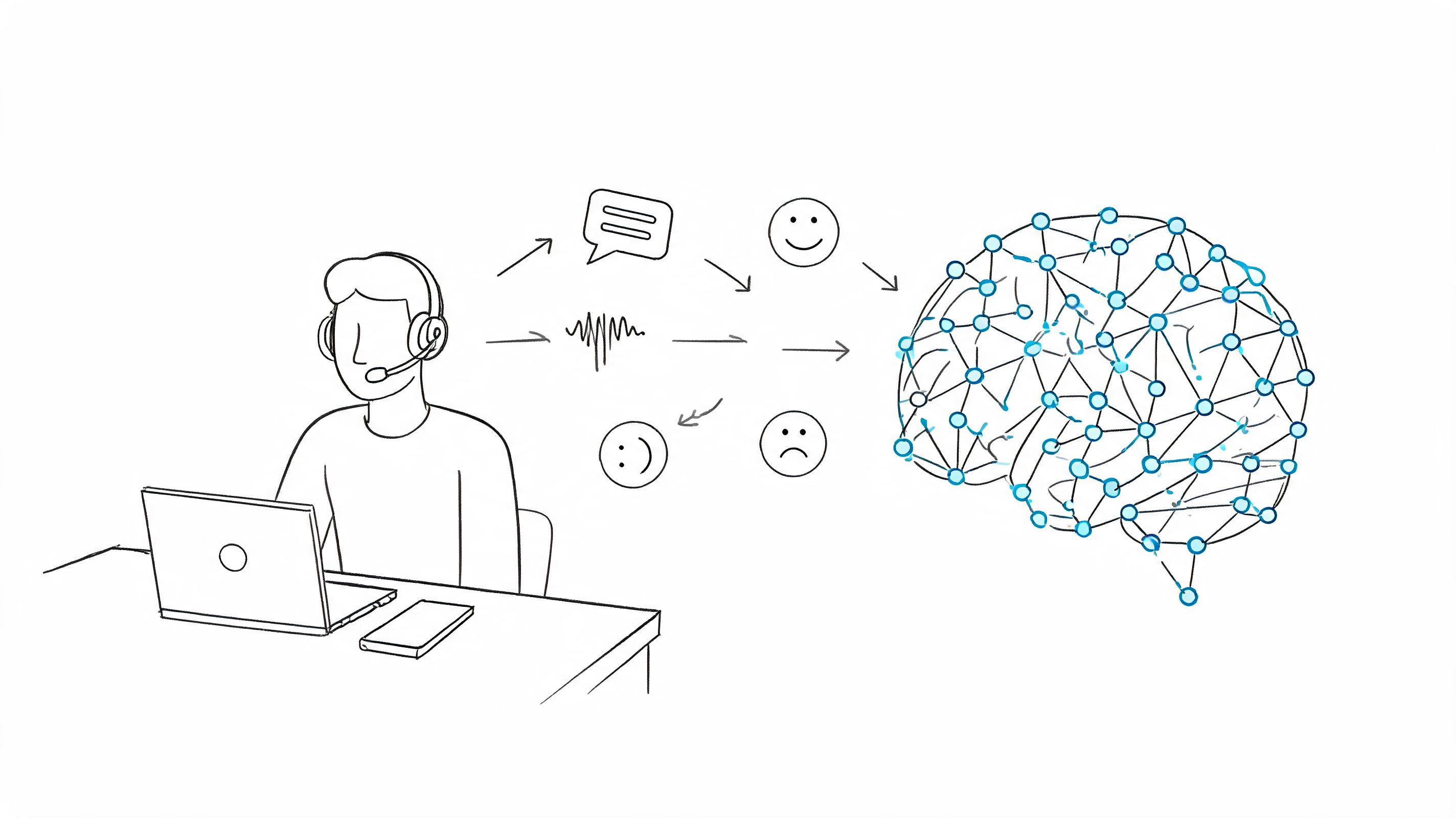
Expect more pressure to automate first-pass review of video, audio, and device data. That doesn't mean fully autonomous policing. It means agencies will want systems that can flag relevant clips, cluster related records, identify anomalies, and route material for human attention.
That shift could help overwhelmed investigators, but it will also intensify questions that already exist. If software sorts evidence before a person sees it, agencies will need to explain the criteria, error handling, and audit record for that sorting process. Deepfake detection and media authentication will likely become more important for the same reason. Police won't just need tools to analyze evidence. They'll need tools to establish whether the evidence is genuine.
The policy frontier may matter more than the technical one
Technical capability is expanding faster than institutional consensus. Communities are still arguing over what the public has a right to know about police tools, what testing should be mandatory, and what forms of automated identification should face tighter limits.
That means future progress will depend on governance choices such as:
- Common validation standards: Agencies need more consistent expectations for testing and error review.
- Public disclosure norms: Residents should be able to understand what categories of tools their agencies use.
- Cybersecurity discipline: Police departments themselves are data holders, which makes them targets as well as users of digital systems.
The broad lesson from the current era should guide the next one. Agencies shouldn't confuse speed with maturity. A product that works in a demo environment may still fail under public-records law, adversarial court review, or ordinary staffing constraints.
The questions communities should keep asking
A healthy public debate about law enforcement technology doesn't ask whether police should modernize. It asks harder questions.
- What problem is this tool solving that existing practice cannot solve?
- What evidence shows the tool is reliable enough for its intended use?
- Who reviews errors, and what happens when the system is wrong?
- How can the public evaluate the tool without exposing legitimate investigative methods?
Those questions push agencies toward a more durable model of innovation. The goal isn't to freeze technology. It's to make sure safety and justice scale together.
If your team handles interviews, hearings, field recordings, or long operational meetings, HypeScribe can help convert spoken material into searchable text, summaries, and action items. That kind of workflow support is useful anywhere documentation volume is rising and staff need faster review without losing a clear record.