Is Recording a Conversation Legal in NY? One-Party Consent Rules

A lot of people ask this question at the exact moment they’re about to hit record.
You’re on a remote call. It’s a sensitive conversation. Maybe it’s a contractor dispute, a performance discussion, a client meeting with moving parts, or an interview you don’t want to misquote later. You’re in New York, so you’ve heard some version of “NY is one-party consent,” but that answer feels too neat for real life.
It should. The legal rule is simple at the top level and much messier in practice.
If you’re trying to figure out is recording a conversation legal in ny, the short answer is often yes if you’re part of the conversation. But that’s not the end of the analysis. Key issues often involve privacy, multi-state calls, workplace policies, and whether the recording will help you later if a dispute turns into HR action or litigation.
Professionals run into this constantly now because modern work creates more recordable moments than old office life ever did. Zoom, Teams, mobile calls, in-person meetings in shared spaces, side conversations after the formal meeting ends. The law doesn’t care that the record button is easy to press. It cares who recorded, where the conversation happened, and whether the people involved had a reasonable expectation of privacy.
That’s why the practical answer isn’t “yes” or “no.” It’s closer to this: New York gives participants meaningful room to record, but careless recording creates legal and employment risk fast.
Introduction Navigating the Recording Gray Area
A Brooklyn project manager on a difficult call with a California freelancer has a very modern problem. The call will cover missed deadlines, money, and who promised what. She wants a clean record because memory gets fuzzy once conflict starts. She also knows the other person may deny parts of the conversation later.
Her instinct is common. Record it, transcribe it, save the notes, move on.
That instinct is sometimes legally safe in New York. It is not always operationally safe.
The difference matters. A person can be within New York’s general recording rule and still create trouble by crossing into another state’s stricter consent law, violating an employer’s no-recording policy, or recording in a setting where privacy expectations change the analysis. That’s where people get burned. Not because they misunderstood the headline rule, but because they treated the headline rule like a blanket permission slip.
For journalists, HR staff, managers, consultants, founders, researchers, and anyone handling remote conversations, the better approach is disciplined rather than casual. Ask three things before you record:
- Are you a participant in the conversation, or are you trying to capture other people talking?
- Where are the participants located, especially if the call crosses state lines?
- Does this setting feel private, even if the technology makes recording easy?
Those questions catch most bad recording decisions early.
Practical rule: If you have to justify the recording by saying “I wasn’t really in the conversation, but I needed to know what they said,” you’re already in dangerous territory.
The legal framework in New York is usable. The challenge is using it in a way that still looks defensible after a complaint, internal investigation, or court filing.
New Yorks One-Party Consent Law Explained
New York follows a one-party consent rule for recording conversations. In plain terms, if you are a participant in the conversation, your own consent can generally satisfy the consent requirement.
That rule comes from New York Penal Law Sections 250.00 and 250.05, which define and prohibit certain forms of eavesdropping while allowing participant consent. The useful mental model is simple. If you are inside the conversation, the law usually treats you differently from someone secretly capturing it from the outside.

What one-party consent actually means
One-party consent doesn’t mean “secret recording is always legal.” It means one party to the conversation can provide the needed consent. If that one party is you, and you’re actively participating, that’s often enough under New York law.
What it does not allow is acting like a silent surveillance system.
A hidden device in a room you’ve left, a microphone placed to capture coworkers talking when you’re not present, or an app set up to record other people’s discussion without your participation moves you away from participant recording and toward eavesdropping.
According to the Reporters Committee guide to New York recording law, New York’s one-party consent rule is established through Penal Law Sections 250.00 and 250.05, and recording as a non-participant can constitute eavesdropping, a Class E felony punishable by up to 4 years in prison and fines up to $5,000.
That’s the line that matters most. Participant recording and non-participant recording are not close cousins. They’re different categories with very different risk.
Why lawyers and professionals still tread carefully
The legal rule is permissive compared with stricter states, but professionals shouldn’t confuse legality with good process. Even where New York law allows recording, disclosure can still be the smarter move because it reduces later fights over trust, privacy, and misuse.
For a broader look at consent rules beyond New York, this guide on recording a conversation without consent is useful because it frames the state-by-state differences people run into on modern calls.
The easiest way to think about it
Use this shorthand:
- You’re in the conversation: often legally recordable under New York’s default rule.
- You’re not in the conversation: likely serious risk.
- You’re unsure whether you’re really a participant: treat that uncertainty as a warning, not a loophole.
The law is more forgiving when you record your own conversation than when you turn technology into a listening device for someone else’s.
That distinction sounds obvious. In practice, a lot of bad recordings happen because people blur it.
In-Person vs Phone Calls and Interstate Nuances
Recording law gets harder when the conversation changes form. A face-to-face conversation in Manhattan raises one set of issues. A phone call with someone in Florida or California raises another. A Zoom meeting with participants spread across states raises another still.
The medium matters less than often assumed. Your role in the conversation and the location of the participants matter more.
In-person and phone calls are not treated the same way by instinct
People tend to feel more casual about in-person recording because phones are always present. That casualness can be misleading. The law still asks whether you were a participant and whether the setting involved privacy expectations.
Phone and video calls add a second problem. State borders become legally relevant even when nobody moves from their desk.
Federal law also generally allows one-party consent recordings, and New York aligns with that approach. But interstate situations don’t become easy just because both New York and federal law are relatively permissive. Once another state enters the call, you may have to reckon with a stricter rule.
The stricter state usually drives the safer approach
The practical rule for interstate calls is conservative for a reason. If one participant is in a two-party consent state, recording without disclosure can expose you to risk even if you’re sitting in New York.
The verified materials specifically note interstate complications, including a case involving Joan Lunden in New York and Pennsylvania where courts applied the stricter law’s locus. That’s a practical warning sign professionals should pay attention to. Cross-border calls can pull you out of a New York-only analysis.
Here is the quick version.
JurisdictionConsent RequirementGoverning Law ExampleNew YorkOne-party consentA participant in New York records a call they are part ofFederal baselineOne-party consentFederal wiretap law generally aligns with participant-consent logicTwo-party consent statesAll participants must agreeA New York caller speaks with someone in California, Florida, or Pennsylvania
For a practical companion focused on call recording workflows, this piece on can I record a phone call is a helpful reference.
What this means in ordinary work
If you’re recording:
- A meeting in New York with only New York participants, the analysis is usually more straightforward.
- A sales call with a California contact, don’t assume New York’s rule protects the whole event.
- A hybrid meeting with room audio plus remote attendees, separate the questions. Who is present, who is participating, and where are they located?
Considering these factors, many organizations should slow down and use notice by default. It’s not because New York requires disclosure in every participant recording scenario. It’s because disclosure helps manage the interstate problem before it becomes your problem.
When participants are spread across states, the safest workflow is often simpler than the legal analysis. Tell everyone the call is being recorded and get clear assent.
Public conversation versus remote private conversation
An in-person conversation in a loud public environment can raise fewer privacy issues than a quiet remote call where participants reasonably expect confidentiality. That sounds backward to some people because public spaces feel less formal. Legally, though, privacy often turns on context rather than format.
A coffee shop discussion people around you can plainly overhear may not receive the same treatment as a closed-door virtual meeting where participants expect only the invited group can hear. The device in your hand doesn’t change that.
A practical interstate checklist
Before recording a phone or video call, check:
- Participant locations
If even one person is outside New York, stop treating it like a New York-only event. - Call purpose
HR, legal, disciplinary, and negotiation calls deserve more caution than routine scheduling calls. - Notice method
Use a verbal statement at the start, a written notice in the invite, or both. - Platform behavior
Know whether Zoom, Teams, or your dialer gives participants visible recording alerts. - Retention plan
Don’t record if nobody has thought through storage, access, and deletion.
The law may allow more than your risk tolerance should.
Crucial Exceptions The Expectation of Privacy
The biggest mistake people make after learning New York is a one-party consent state is assuming that ends the discussion. It doesn’t. The hardest recording questions usually sit inside one phrase: reasonable expectation of privacy.
That phrase explains why a loud argument in a place where everyone can hear it may be treated differently from a low-voiced discussion in a private office, home, or quiet booth.

Privacy depends on setting, conduct, and common sense
A useful way to think about privacy is this. Ask whether the people involved behaved like they expected the conversation to stay confined to that setting.
That expectation can come from where they are, how they’re speaking, who else is nearby, and whether the conversation is obviously confidential. If people step away from others, lower their voices, close a door, or move into a secluded part of a venue, those facts matter.
For a plain-English overview of the concept, Brian Hansford Law has a helpful explanation of expectation of privacy.
What usually raises risk
The verified guidance from Romano Law is especially important here. It states that unattended devices or hidden microphones constitute illegal eavesdropping, and that “private places” such as homes and quiet booths can create reasonable privacy expectations under New York law. It also notes that illegally obtained recordings can be inadmissible in New York courts under rules suppressing the fruits of wiretap violations, as discussed by Romano Law’s New York recording analysis.
That gives you several concrete warning signs.
- Unattended recording devices
Leaving your phone in a room to capture what happens after you leave is a classic high-risk move. - Hidden microphones
Concealment usually makes the facts worse, not better. - Private environments
Homes, quiet booths, secluded offices, and similar spaces invite privacy arguments. - Sensitive subject matter
Even when the setting is mixed, conversations about health, discipline, legal strategy, or intimate personal matters call for extra restraint.
What tends to lower risk
Some conversations carry less privacy expectation because the environment itself works against secrecy.
Examples include:
- Open public discussions where people nearby can hear without effort
- Loud exchanges in common areas
- Conversations plainly exposed to others rather than shielded from them
The verified materials also refer to case law indicating that public conversations lacking a privacy expectation may not require consent in the same way. The practical takeaway is not “public means always safe.” It is that the privacy analysis changes with the facts.
A recording decision becomes much harder to defend when the people involved acted like they were trying to keep the conversation confined.
Hybrid work creates privacy traps
Remote and hybrid work blurs old boundaries.
A Teams call may feel informal because everyone is at home, but home settings often strengthen privacy arguments rather than weaken them. The same goes for breakout rooms, direct messages converted into side calls, or “quick chats” after the official meeting ends.
In offices, people also make avoidable errors with room systems. A conference-room device keeps running after some attendees leave. A manager records “just the meeting” but catches sidebar comments before or after the formal discussion. A phone on the table keeps capturing hallway speech.
Those are not minor cleanup problems. They can change the legal character of the recording.
A fast way to pressure-test the situation
Ask these questions before recording:
QuestionLower-risk answerHigher-risk answerAre you an active participant?YesNo or only indirectlyCan others easily overhear?Yes, naturallyNo, the setting is secludedDid people act confidentially?NoYes, they lowered voices or isolated themselvesIs the device obvious and controlled?YesNo, it’s hidden or left behind
If you answer toward the right side of that table, disclosure becomes much more important, and in some cases recording shouldn’t happen at all.
What works better than legal hair-splitting
Professionals often waste time trying to parse the outer edge of legality when the safer operational move is obvious. If the setting feels private, disclose. If the conversation is sensitive, disclose. If you can’t comfortably explain the setup to HR, opposing counsel, or a judge later, don’t rely on technicalities.
That’s especially true where modern tools can start recording automatically. Technology creates convenience. It doesn’t create permission.
Criminal vs Civil The Real-World Consequences
People often focus on whether a recording is legal and ignore a second question that matters just as much. What happens if you get it wrong?
The answer isn’t just “maybe nothing.” In New York, the consequences can be criminal, civil, and practical all at once.

Criminal exposure is about unlawful interception
The criminal side is often the least-known aspect. If someone records as a non-participant and crosses into eavesdropping, the risk can become serious fast. That’s not just a policy violation or a bad look. It can be a felony problem under the framework covered earlier.
Legal reality: A recording can move from “useful documentation” to “potential criminal evidence” when the recorder stops being a participant and starts acting as a covert listener.
That’s why hidden room devices and abandoned phones create so much risk. The issue isn’t only secrecy. It’s that the recorder may no longer have the participant status that made the initial idea defensible.
Civil liability can arrive even when people skip the criminal angle
Civil claims are often the surprise.
According to Justia’s survey of state recording laws, civil liabilities under New York law can include damages, costs, and reasonable attorney’s fees for unauthorized recording of private phone communications, and civil suits often turn on whether all parties were notified, either verbally or with an automatic tone warning every 15 seconds. The underlying explanation appears in Justia’s 50-state survey on recording phone calls and conversations.
That matters because a person can spend all their energy asking whether participant consent avoids criminal liability and still end up defending a civil dispute about notice and privacy.
A recording can also become useless
In these situations, poor recording decisions often become self-defeating.
An illegally obtained recording may be excluded or suppressed. In practical terms, that means the recording you thought would protect your position may not help you at all when you need it most. Instead, it can shift attention onto how you got it.
That changes the cost-benefit analysis for workplace disputes, family disputes, business conflicts, and harassment complaints. A risky recording is not automatically a strategic asset. Sometimes it’s just a new problem attached to the original problem.
The real-world consequences usually stack
When people make poor recording decisions, the fallout tends to arrive in layers:
- First, the relationship damage
Trust collapses once undisclosed recording becomes known. - Second, the internal consequences
HR, compliance, or management may treat the conduct as misconduct even before any court gets involved. - Third, the legal fight over the recording itself
Now the argument isn’t just about the underlying dispute. - Finally, the evidence problem
You may have taken substantial risk for material that won’t carry the weight you expected.
A bad recording rarely stays a narrow technical issue. It usually changes the whole dispute.
Better risk framing for professionals
If you’re evaluating whether to record, don’t ask only “Can I?” Ask:
- Would I still want this recording if everyone learned how it was made?
- Would a court or employer view the method as fair and defensible?
- If the recording is challenged, does it still help me?
Those questions produce better decisions than legal minimalism.
How to Record Legally and Ethically Using HypeScribe
The safest recording workflow in New York is simple. Use transparency as your default, document your process, and control what gets stored. That approach protects you far better than trying to operate at the edge of the law.

Start with policy, not the record button
In workplace settings, the first question isn’t always whether New York law permits participant recording. It may be whether your employer forbids it.
The verified guidance from MWL-Law notes that employer no-recording policies can trigger at-will termination even if the recording is legal under New York’s one-party consent law, and that an illegally obtained recording may be suppressed in court under CPLR § 4506, making it useless for claims such as harassment, as explained in MWL-Law’s discussion of recording conversations at work.
That means the right sequence is:
- Check the law.
- Check the company policy.
- Check the setting.
- Then decide whether recording still makes sense.
A lot of employees reverse that order and regret it.
A practical compliance workflow
Use a repeatable process rather than making ad hoc decisions each time.
- Confirm you’re a participant
If you’re not part of the exchange, stop. Don’t try to solve that problem with hidden tech. - Identify where everyone is located
This matters for calls, video meetings, and interviews with out-of-state participants. - Give clear notice when risk is higher
That includes interstate calls, HR matters, sensitive interviews, negotiations, and any setting that feels private. - Use visible recording indicators
Platform prompts, written calendar language, and spoken notice all help create a cleaner record of consent and expectation. - Limit access after recording
Restrict who can view the transcript or audio. - Delete what you don’t need
Retention should be intentional, not accidental.
Sample language that works in practice
You don’t need elaborate scripts. You need clarity.
For a meeting invite:
- Written notice
“This meeting may be recorded and transcribed for note-taking and follow-up.”
At the start of a call:
- Direct verbal notice
“I’d like to record this conversation so I have an accurate record of what we discuss. Is that okay?”
For multi-state meetings:
- Safer version
“Before we continue, I want to confirm that everyone is okay with this meeting being recorded and transcribed.”
That kind of language does two jobs. It supports compliance and improves trust. People speak differently when they know a record exists. In many professional settings, that is a feature, not a bug.
Tool settings matter more than people think
Recording problems often come from defaults, not intent.
If you use a transcription platform, meeting bot, or conferencing tool, check:
- Whether recording starts automatically
- Whether participants see an on-screen notice
- Whether transcripts are shared broadly by default
- Whether deletion is available and easy
- Whether exports create unnecessary copies
For a useful broader roundup of platforms in this space, this list of best legal tech tools is a worthwhile reference, especially if you’re comparing workflows rather than just features.
Documentation is your best defense
If someone later questions the recording, your best evidence usually isn’t a legal argument. It’s a clean process record.
Keep:
- Meeting invitations with recording notice
- Chat confirmations or email acknowledgments
- Platform logs showing participants and start times
- Access controls showing who received the files
- Deletion records when content was removed
That kind of documentation matters in compliance reviews and internal disputes because it shows intent and discipline.
A practical example helps. If an HR team records an interview, the strongest setup isn’t “New York is one-party consent, so we didn’t have to say anything.” The stronger setup is “The invite disclosed recording, the interviewer repeated that notice at the start, the platform displayed recording status, and only designated staff had access to the transcript.”
That record is easier to defend.
See the workflow in action
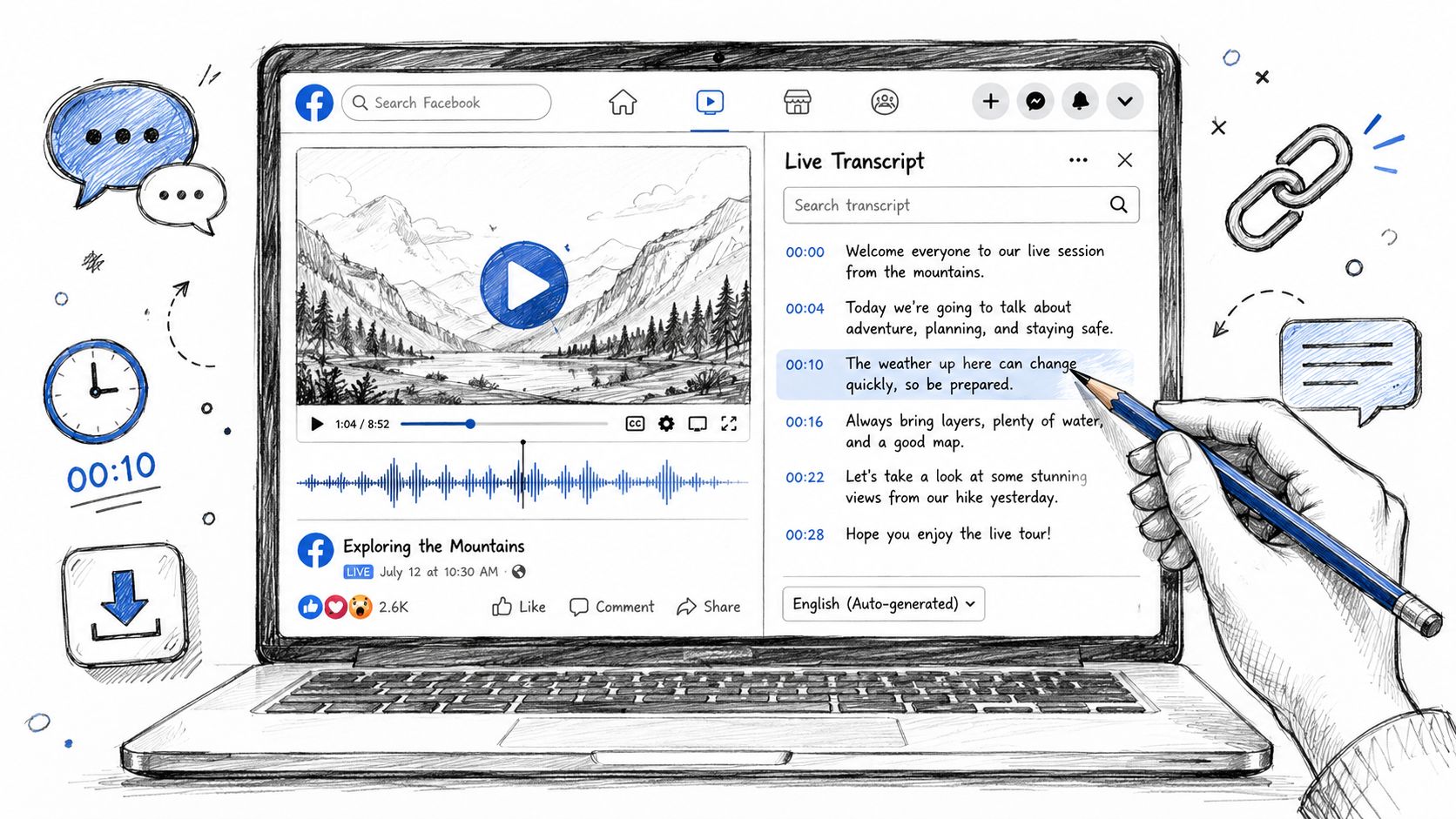
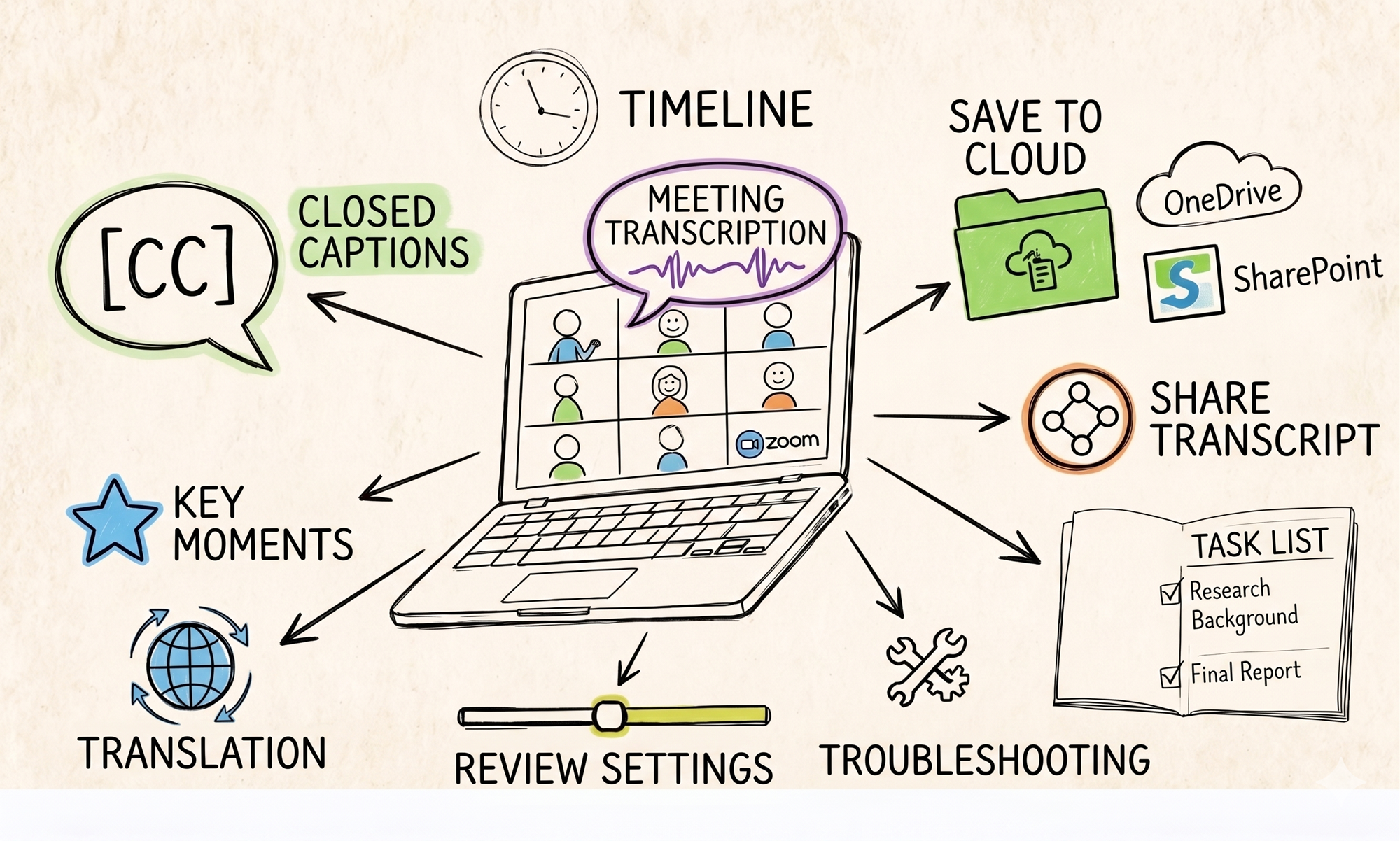
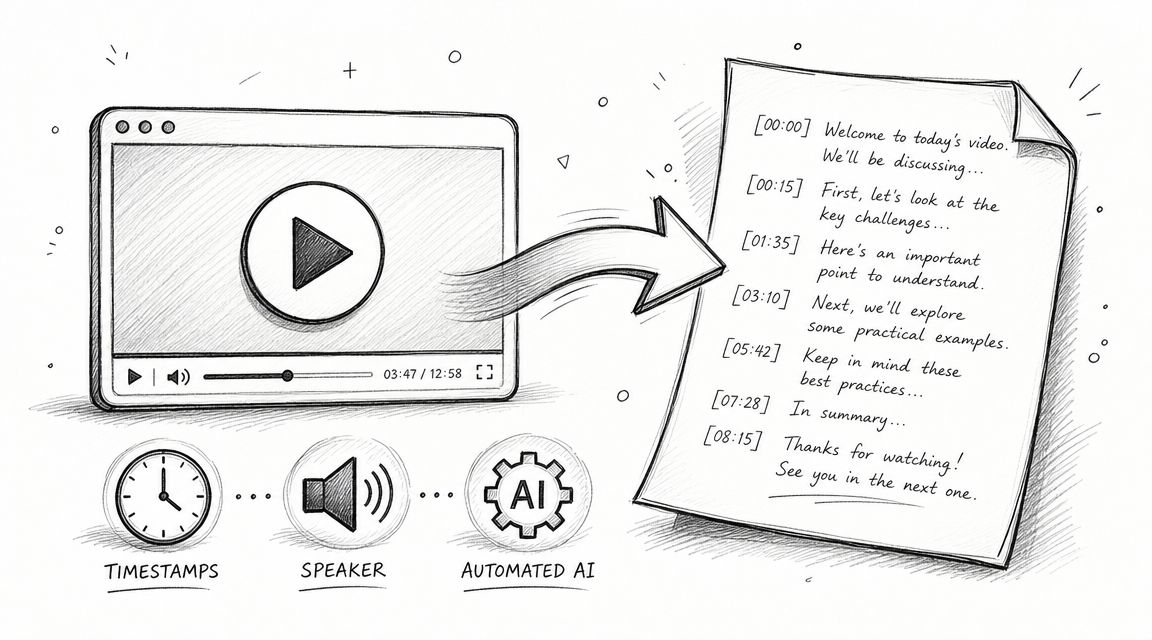
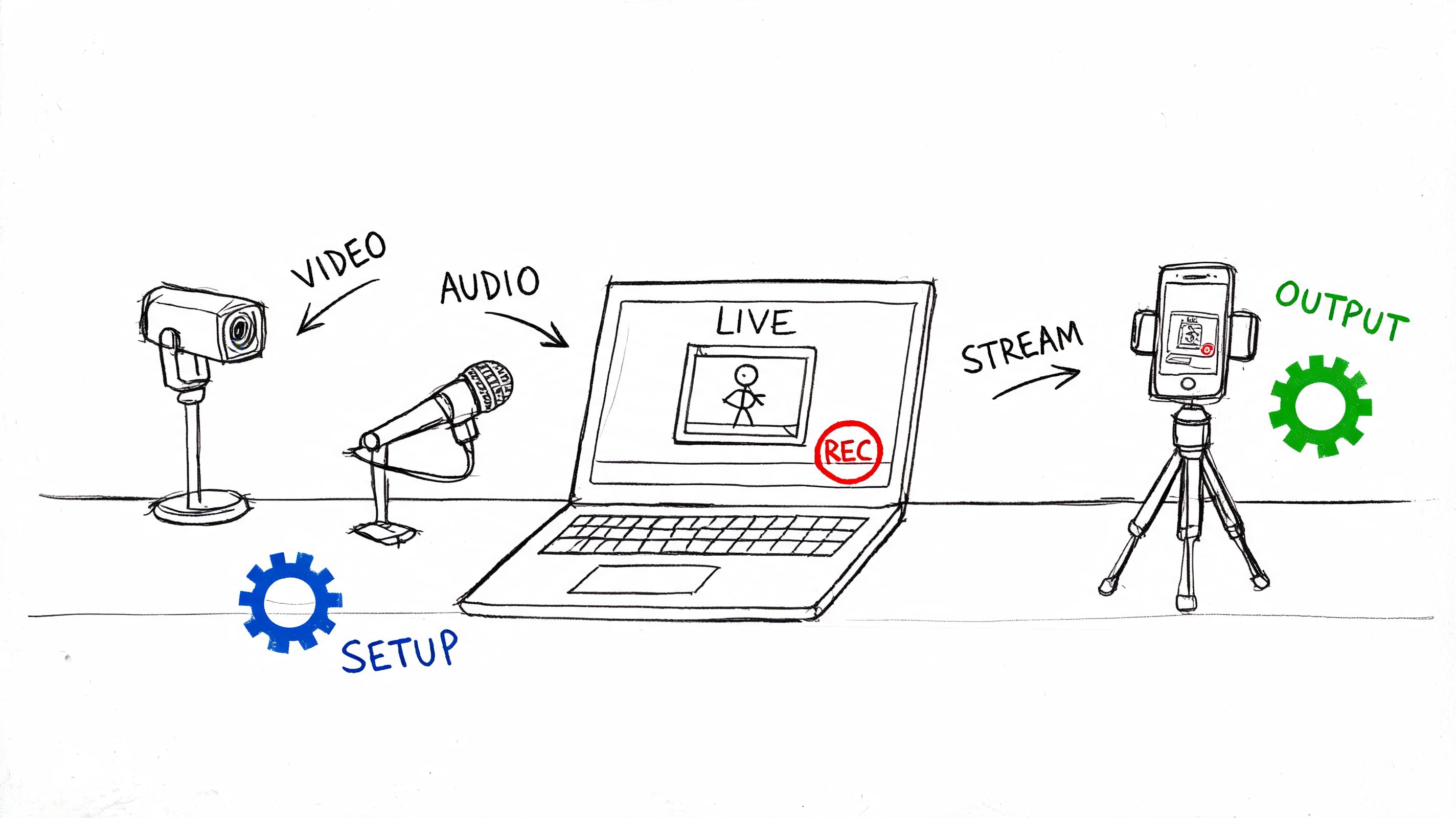
This walkthrough is useful if you want to see how a modern meeting-transcription flow works in practice.
If you want a step-by-step product-oriented guide to setting up compliant meeting capture, this resource on record meetings and transcribe is the most directly relevant starting point.
The safest recording practice is not silent efficiency. It’s visible process.
Ethical use is often the winning move
Even when the law gives you room to record, ethics and strategy may point toward disclosure anyway.
That is especially true for:
- Client and vendor relationships
- Internal employee conversations
- Interviews and performance meetings
- Conversations that may later be used as evidence
Transparent recording tends to reduce downstream disputes over authenticity, manipulation, and surprise. Secret recording tends to create them.
Conclusion Record Smart and Stay Compliant
So, is recording a conversation legal in NY?
Often yes, if you’re a participant. That’s the baseline. But it’s only the baseline.
The safer answer for real professionals is more careful. New York’s one-party consent rule gives participants room to record, yet that room narrows quickly when privacy expectations rise, other states are involved, or workplace policy says no. Add hidden devices, unattended recording, or private settings, and the risk profile changes fast.
The smartest approach is usually the least dramatic one. Be part of the conversation. Know where the other participants are. Treat private settings as high risk. Give notice when the situation calls for it. Keep your storage, access, and deletion process tight. And remember that a recording only helps if the way you obtained it still looks defensible later.
A lot of legal trouble starts with a person who thought they were just being careful.
Good recording practice is less about squeezing every inch out of one-party consent and more about building a workflow that can withstand scrutiny. That’s what protects your notes, your organization, and your credibility.
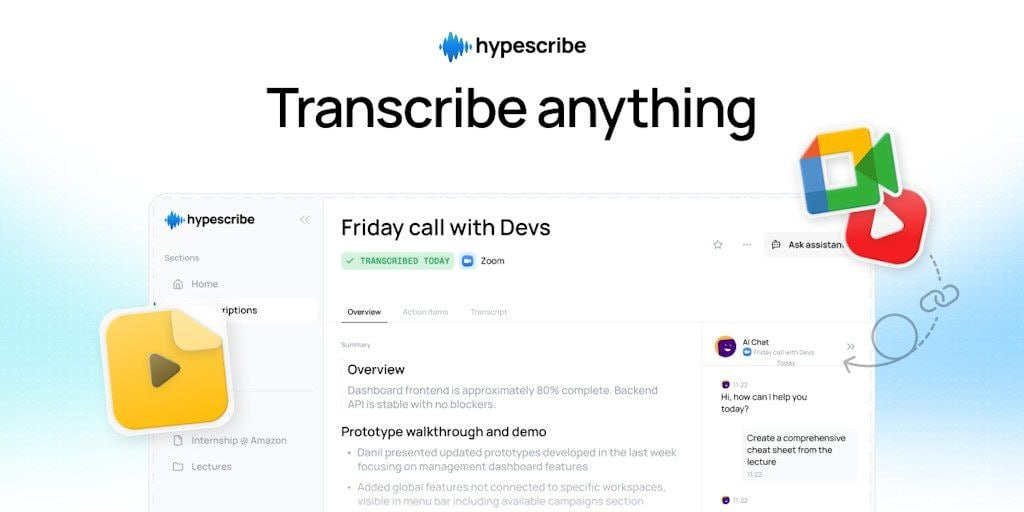
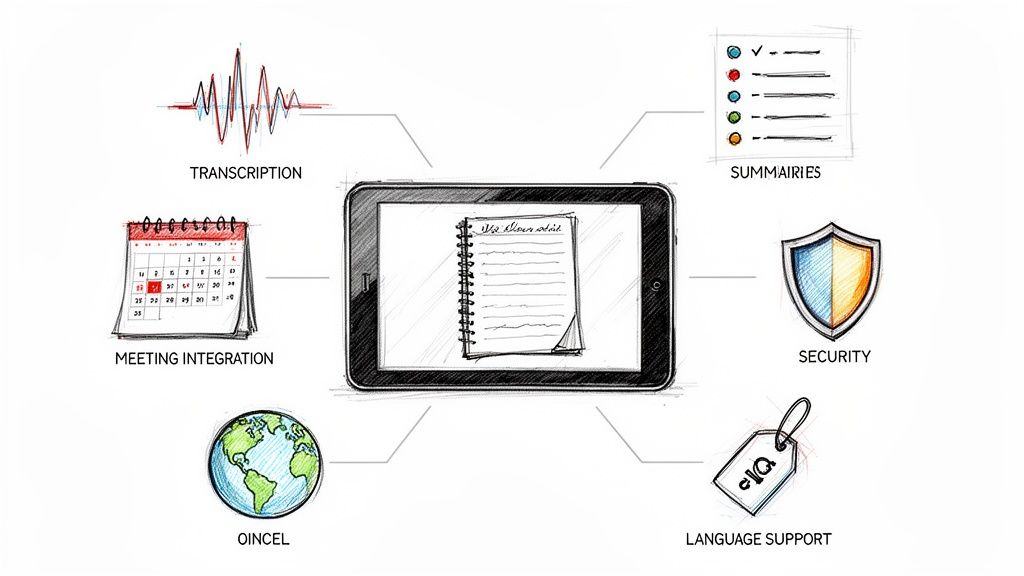
If you need a practical way to record, transcribe, organize, and control meeting content, HypeScribe gives teams a cleaner workflow for documentation without turning every conversation into a compliance mess. Use it to keep searchable records, generate summaries and action items, export what you need, and delete what you don’t, all with a process that supports smarter, more transparent recording.