6 Comprehensive Interview Summary Examples and Templates

In a world of back-to-back calls, the true value of an interview isn't just in the conversation itself—it's in the clear, concise summary that follows. From my experience managing hiring pipelines, a well-crafted summary is what turns a lengthy transcript into an actionable document (if you still record and type everything by hand, start with our pick of the best transcription software for interviews). It makes it easier for hiring managers, research teams, and journalists to make informed decisions quickly.
But moving from raw notes or a full transcript to a powerful summary is an art. Many professionals struggle with capturing the right details, maintaining objectivity, and presenting insights in a format that is both thorough and scannable. This guide directly answers that challenge. I'll break down six distinct interview summary examples, providing you with experience-based templates and actionable strategies for each scenario.
You will learn not just what a good summary looks like, but how to create one efficiently, turning every interview into a source of clear, strategic intelligence. From a quick phone screen to a detailed executive debrief, these examples cover the specific details you need to include, the common pitfalls to avoid, and the best structure to use. I'll also show you how tools like HypeScribe can automate the grunt work, so you can focus on analysis, not just note-taking. This article is your direct path to mastering the interview debrief.
1. Phone Screen Interview Summary
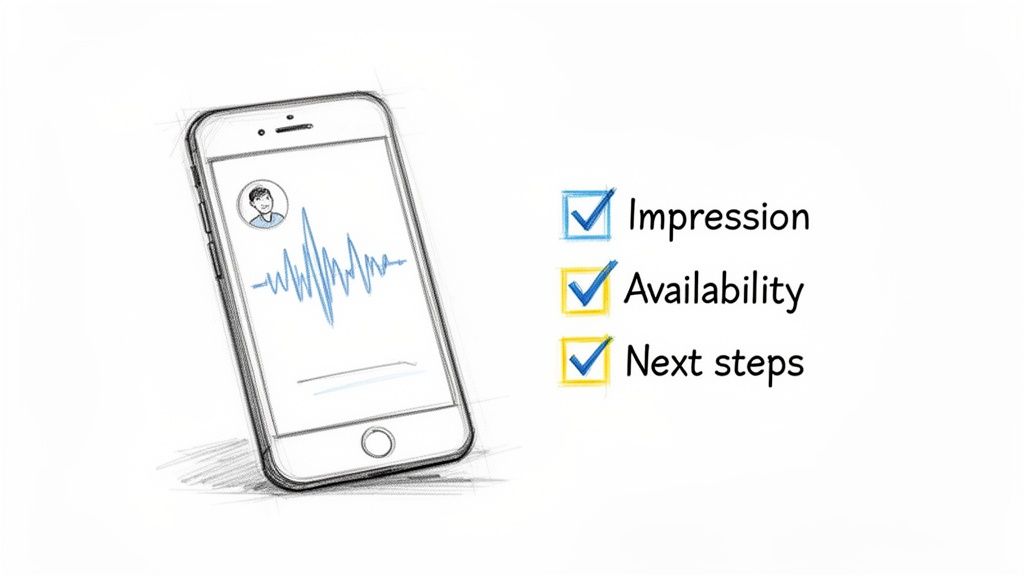
A phone screen interview summary is a critical first-pass document in any high-volume hiring process. These brief, 15 to 30-minute calls are designed to quickly assess a candidate's baseline qualifications, communication skills, and interest in a role. A well-structured summary captures the essential data from this interaction, allowing recruiters and hiring managers to make swift, informed decisions about who moves forward. It’s the foundational document that prevents the best candidates from getting lost in the noise.
This type of summary isn't just a collection of notes; it's a strategic tool. For instance, when I was hiring software engineers for a fast-growing tech company, we screened dozens of applicants weekly. These summaries created a consistent evaluation framework that was essential for making fair comparisons. For a recruitment agency, they provide a clear log of candidate momentum and decision points.
What Should Be in a Phone Screen Summary?
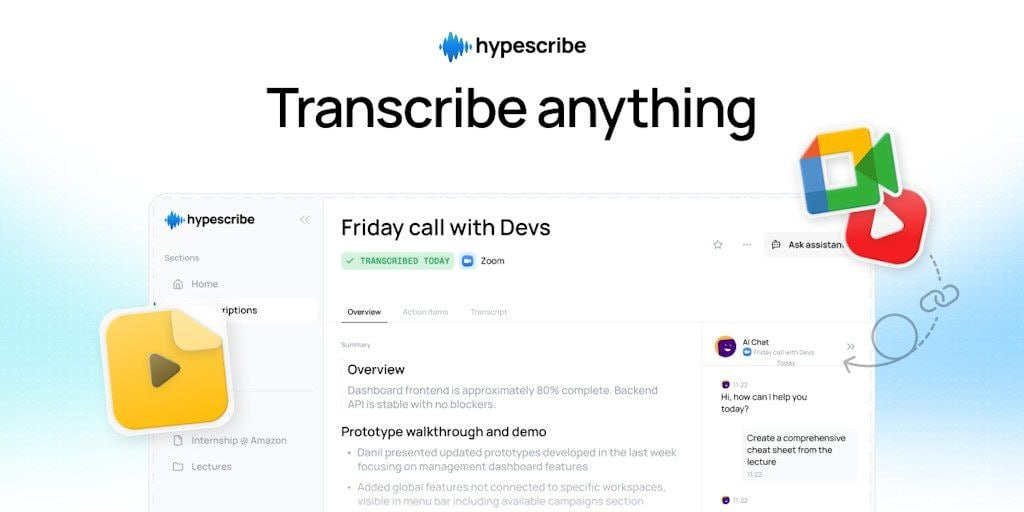
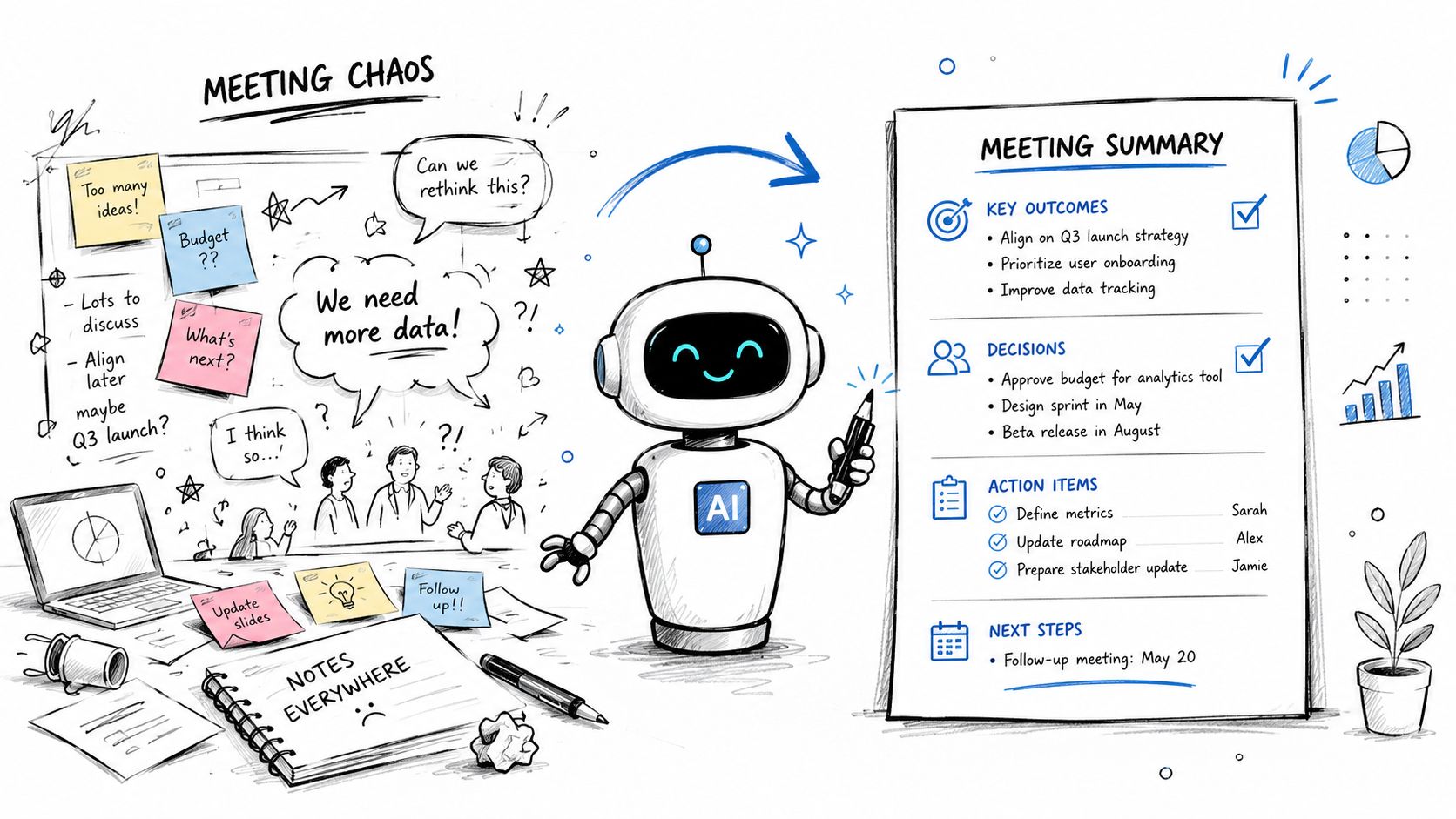
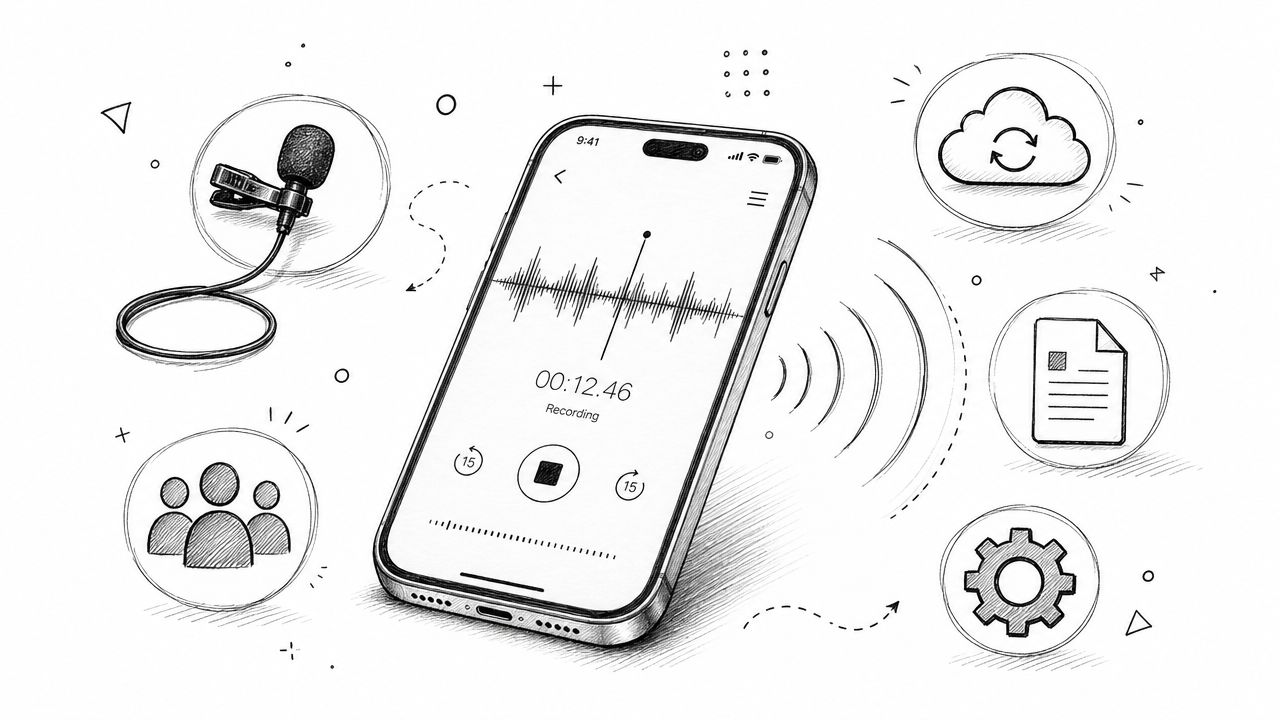
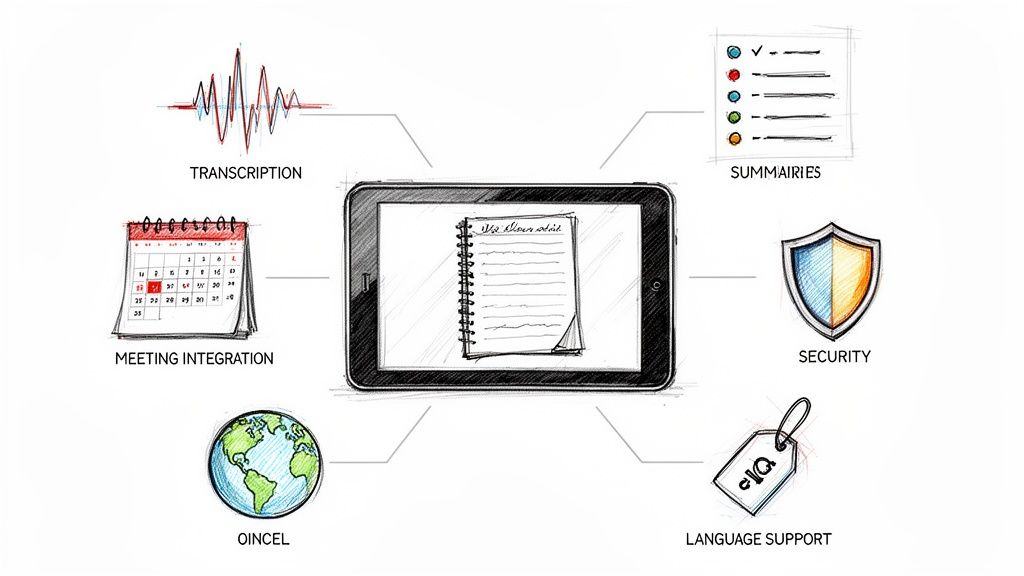
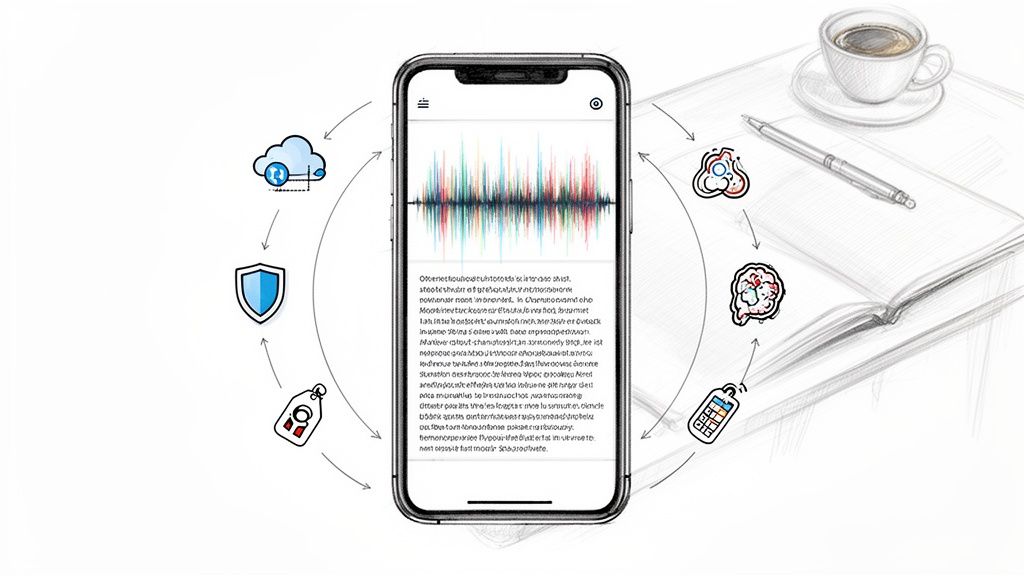
A powerful phone screen summary does more than just list answers. It synthesizes impressions, facts, and red flags into a digestible format. Instead of manually taking notes and risking a distracted conversation, tools like HypeScribe can record and transcribe the call, allowing the recruiter to focus on engagement. Afterward, its AI summary feature can distill the conversation into key points.
Let’s look at the core components of an effective summary:
- Candidate Snapshot: Includes name, the role they applied for, and contact details.
- Key Qualifications Match: A quick checklist or bulleted list comparing the candidate's core skills (e.g., "5+ years Java," "React experience") against the top 3-5 job requirements.
- Communication & Professionalism: A qualitative assessment. Were they articulate? Engaged? Did they ask thoughtful questions? This is where first impressions are recorded.
- Logistical Details: Captures salary expectations, availability to start, and any relocation needs. This is a crucial filter.
- Recruiter's Recommendation: A clear "Advance," "Hold," or "Reject" with a one-sentence justification.
Key Insight: The goal is not a word-for-word transcript but a decision-making instrument. From my experience, a hiring manager should be able to scan the summary in 60 seconds and understand exactly why a candidate is (or isn't) a fit for the next round.
When to Use This Summary
This interview summary example is essential in any scenario characterized by a high applicant-to-hire ratio.
- Large-Scale Recruitment: When an HR team must filter over 200 applicants for entry-level roles.
- Agency Recruiting: When presenting a shortlist of candidates to a client, these summaries provide crucial context.
- Fast-Paced Tech Hiring: For roles like software engineers where the talent pool is large and speed is critical.
Actionable Tips for Creating Great Phone Screen Summaries
To make your phone screen summaries truly effective, consistency and clarity are paramount. Here’s how you can refine your process based on what's worked for me:
- Create a Standardized Template: Build a template in your applicant tracking system (ATS) or a shared Google Doc. Required fields ensure no critical information is missed.
- Generate Automatic Summaries: Use HypeScribe's AI to produce an initial summary draft immediately after a call. This saves time and captures key takeaways, which you can then polish.
- Focus on "Why": Don't just state that a candidate has a skill. Add context. "Mentioned using Python for data automation project, which aligns with our team's Q3 goals."
- Track Action Items: Use a tool's action items feature to automatically create follow-up tasks, like "Send coding challenge by EOD" or "Schedule follow-up with hiring manager." This prevents promising candidates from falling through the cracks.
2. Behavioral Interview Summary
A behavioral interview summary moves beyond surface-level qualifications to evaluate a candidate's past performance as an indicator of future success. By asking candidates to describe specific past experiences, interviewers can gauge core competencies like problem-solving, leadership, and conflict resolution. A great summary of this interview type translates anecdotal evidence into measurable data, providing a deep, qualitative look at how a candidate thinks and acts under pressure. It's the document that separates competent candidates from truly exceptional ones.
This type of summary is foundational for roles where soft skills are paramount. A Fortune 500 company might use it to assess leadership potential by analyzing how 30 manager candidates respond to, "Tell me about a time you failed." Similarly, a consulting firm can confirm client-facing skills by transcribing and comparing behavioral stories across a new hiring class. My experience has shown that the goal is to build a consistent, evidence-based picture of a candidate's abilities.
What Should Be in a Behavioral Interview Summary?
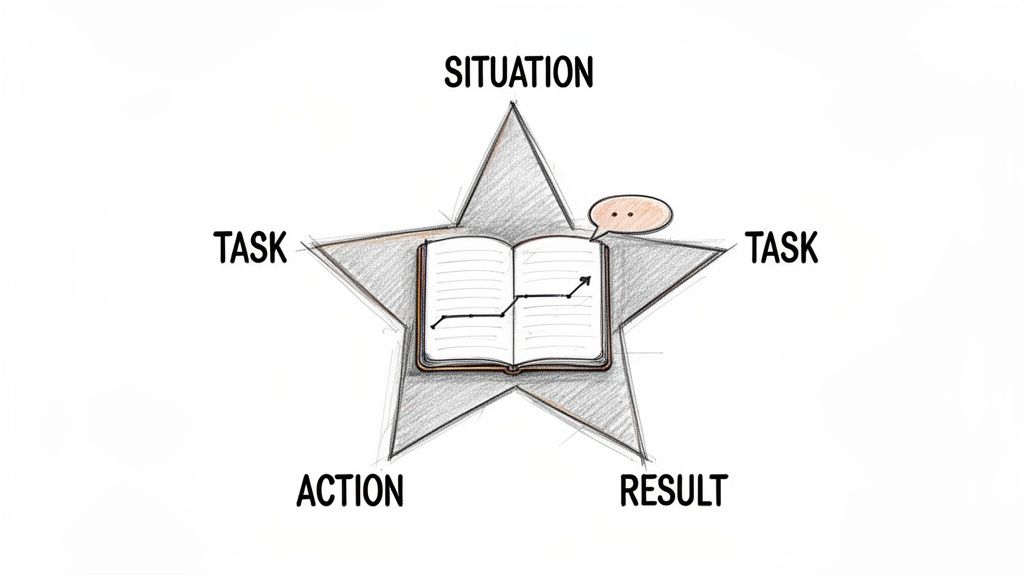
A strong behavioral summary organizes unstructured stories into a structured assessment. The interviewer's primary challenge is actively listening while also evaluating the story against a competency framework like the STAR method (Situation, Task, Action, Result). Using a tool like HypeScribe to record and transcribe the conversation frees the interviewer to focus on asking insightful follow-up questions. The AI summary can then extract the core STAR components from the candidate's narrative.
Let's break down the key elements of an effective behavioral interview summary:
- Competency Assessed: Clearly state the competency being evaluated with each question (e.g., "Leadership," "Conflict Resolution").
- STAR Method Breakdown: Briefly summarize the candidate's story using the STAR framework. This creates a consistent structure for comparing different candidates' answers to the same question.
- Response Quality Score: A simple rubric (e.g., 1-5 scale) that rates the completeness and impact of the candidate's answer. Did they clearly state the result? Was the action they took impactful?
- Key Quotes & Observations: Include a direct quote that captures the candidate's mindset or a specific, powerful part of their story. Note non-verbal cues or hesitation if relevant.
- Interviewer's Assessment: A concise analysis of the candidate's demonstrated skill level and any potential red or green flags revealed by their story.
Key Insight: The summary’s purpose is to find patterns. It’s not just about one good story; it’s about connecting the dots across multiple answers to see if a candidate consistently demonstrates the desired behaviors.
When to Use This Summary
This interview summary example is vital for hiring where character and soft skills are as important as technical abilities. Understanding how to answer common behavioral interview questions is a skill in itself, and the summary captures this performance.
- Leadership & Management Roles: To assess decision-making, team motivation, and ability to handle pressure.
- Client-Facing Positions: For roles in sales, consulting, or customer success where empathy and communication are key.
- High-Stakes Team Environments: To ensure a new hire can collaborate effectively and resolve conflicts constructively.
Actionable Tips for Creating Great Behavioral Interview Summaries
To transform storytelling into data, your summaries must be consistent and analytical. Here are some tips to improve your process:
- Define Competencies First: Before the interview, create a scoring rubric in a shared Google Doc that lists the 4-6 key competencies for the role and what a "good" answer looks like for each.
- Let AI Handle the First Draft: Use HypeScribe to transcribe the call and its auto-summary feature to generate an initial breakdown of each STAR-based answer. This gives you a structured starting point for your analysis.
- Probe and Document Follow-Ups: In your summary, note where you asked follow-up questions like, "What would you do differently?" This shows a deeper level of engagement and evaluation.
- Link Directly to Evidence: When using a digital summary, link your assessment directly to transcript excerpts. This allows other stakeholders to read the candidate's exact words and validate your conclusions.
3. Technical Interview Summary
A technical interview summary is a detailed assessment document that evaluates a candidate's technical skills, problem-solving abilities, and system design knowledge. More than just a "pass" or "fail," this summary captures the nuances of a candidate's performance, from their coding efficiency and solution quality to how they communicate complex technical concepts under pressure. It's the key to making objective, data-driven hiring decisions for specialized roles.
For engineering teams I've worked with, a good technical summary provides concrete evidence for a hiring decision. It moves the conversation beyond "I liked them" to "They optimized the query using a window function after I gave a hint, showing they can learn quickly."
What Should Be in a Technical Interview Summary?
An effective technical summary dissects a candidate's thought process. Instead of trying to scribble notes while administering a complex coding challenge, interviewers can use HypeScribe to record the entire session. This captures the candidate's verbal explanations of their code and design choices, which is often more telling than the code itself. The AI summary can then extract key assessment points, saving the interviewer from post-interview administrative work.
Let’s look at the core components of one of these interview summary examples:
- Problem Statement & Complexity: Briefly describe the problem given to the candidate (e.g., "Design a Twitter-like feed," "Implement a Least Recently Used cache").
- Solution Quality & Efficiency: An objective analysis of the final code or design. Did it work? Was it optimal (e.g., Big O notation analysis)? Were there bugs?
- Technical Communication: How well did the candidate explain their approach? Did they clarify requirements? Could they articulate trade-offs between different solutions?
- Problem-Solving Approach: A narrative of how they tackled the problem. Did they jump straight to coding? Did they start with questions and a high-level plan? Did they get stuck, and if so, how did they recover?
- Interviewer Recommendation & Rationale: A clear "Hire," "No Hire," or "Leaning Hire" with specific technical justifications.
Key Insight: The summary’s purpose is to document the how and why behind a candidate's solution, not just the final result. It should capture hints given and the candidate's ability to incorporate feedback.
When to Use This Summary
This type of summary is indispensable for any role where technical proficiency is the primary hiring criterion.
- Software Engineering: Used by teams at startups and large tech companies to evaluate coding, algorithms, and system design.
- Data Science & Analytics: For capturing discussions around SQL optimizations, statistical concepts, and machine learning model design.
- DevOps & SRE: Essential for documenting a candidate's thought process during an infrastructure or cloud architecture design interview.
Actionable Tips for Creating Great Technical Interview Summaries
To create summaries that lead to better hires and a more calibrated team, focus on capturing objective evidence.
- Record the Entire Session: Use a tool to record the audio and screen, including whiteboarding. This provides an undisputed record of the candidate's work and explanations.
- Document Hints and Corrections: Note every time you provided a hint or course correction. A great summary distinguishes between what a candidate produced independently and what they achieved with guidance.
- Use HypeScribe for Key Takeaways: Generate an AI summary to pull out the main technical points, trade-offs discussed, and final conclusions. You can then edit this draft with your specific rubric scores.
- Share Transcripts for Calibration: Share anonymized transcript excerpts or summaries with other interviewers to ensure everyone is evaluating candidates against the same bar. This is a powerful training tool.
4. Panel Interview Summary
A panel interview summary is a consolidated assessment document that harmonizes perspectives from multiple interviewers who evaluated one candidate. This collaborative approach—where candidates meet with engineering, product, and leadership representatives at once—is designed to gauge technical skills, cultural alignment, and collaborative potential from various angles. A great summary synthesizes these distinct viewpoints into a cohesive narrative, ensuring no single opinion overshadows the collective decision.
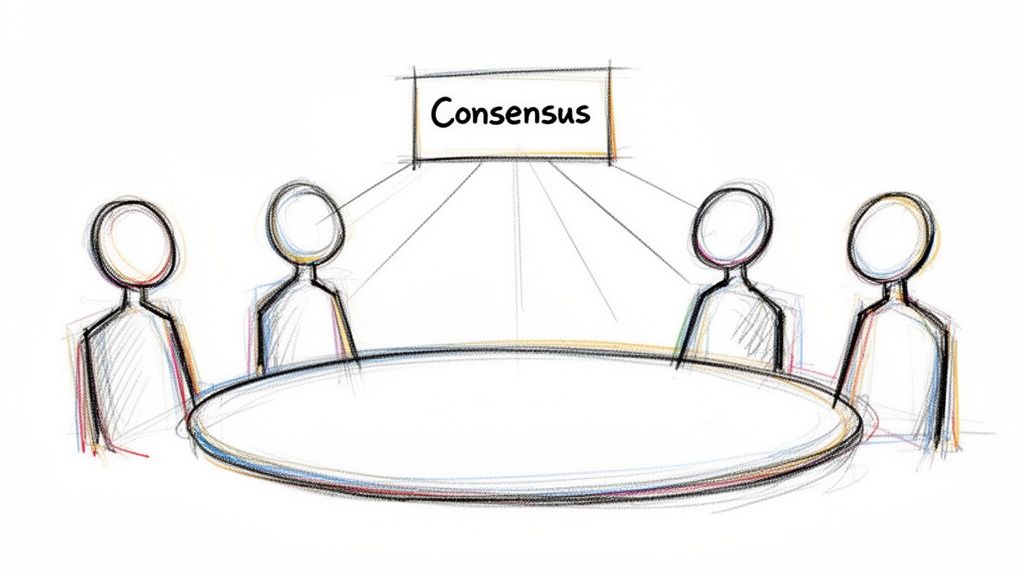
This document is essential for making high-stakes hiring decisions, especially for senior or cross-functional roles. In my experience hiring product managers, a panel interview with leads from engineering, product, and design can reveal how a candidate navigates different priorities. For a corporate hiring committee, it captures how a candidate presents to the CEO, a department head, and a future peer, offering a 360-degree view of their fit.
What Should Be in a Panel Interview Summary?
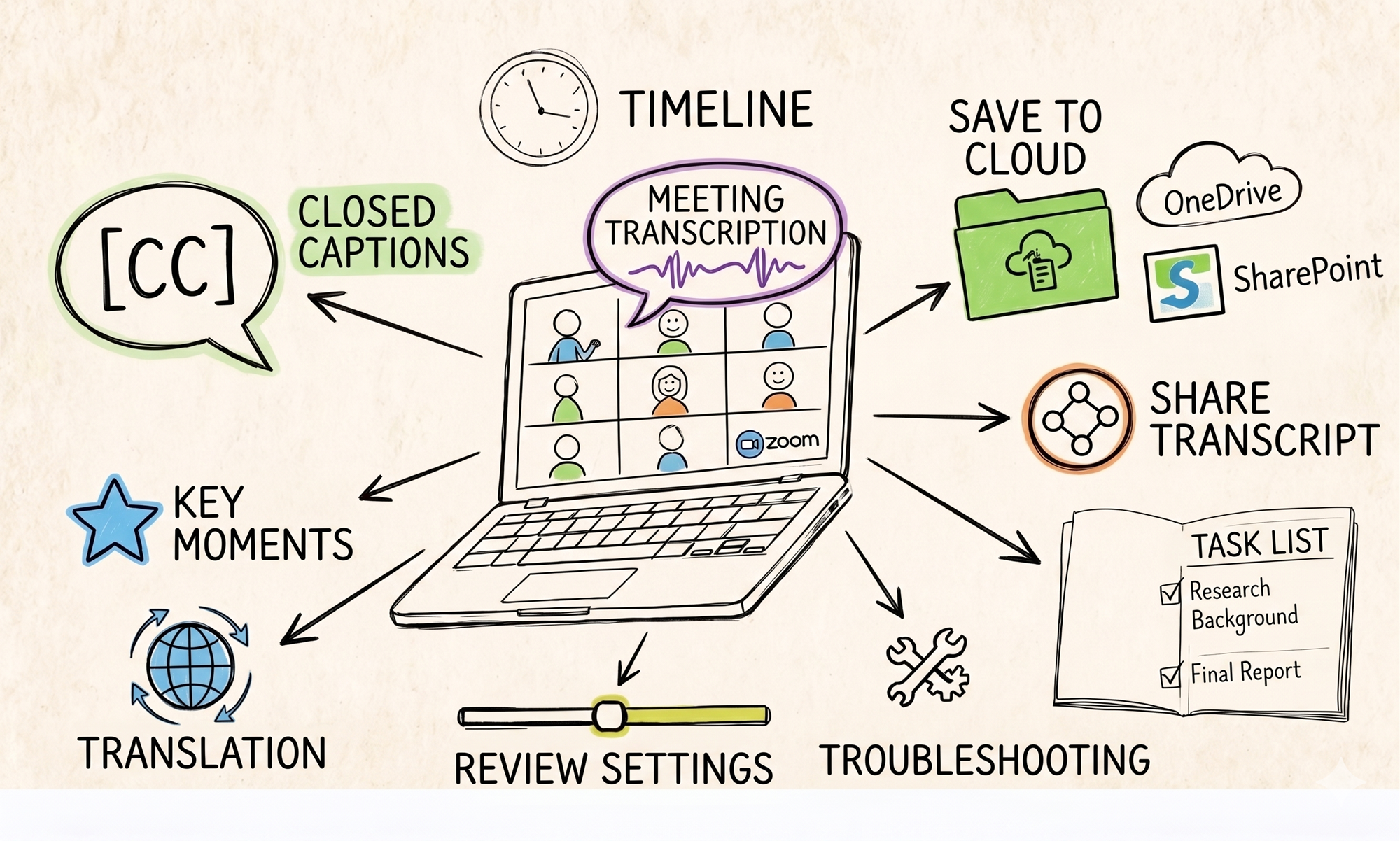
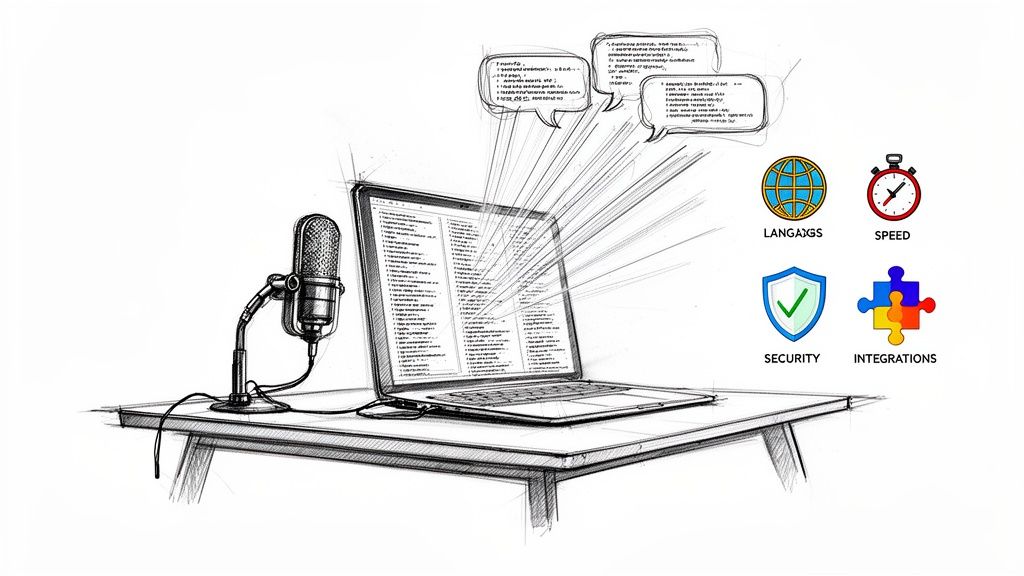
An effective panel interview summary moves beyond a simple collection of individual scorecards; it creates a unified decision-making tool. The biggest challenge is capturing every question and nuance when multiple people are speaking. Tools like HypeScribe can provide real-time transcription during a group video call on Zoom, creating an identical record for all panelists and removing the risk of biased note-taking.
Let’s examine the core components of a strong summary:
- Candidate & Panel Details: Lists the candidate's name, the role, and all panelists with their titles.
- Thematic Assessment: Organizes feedback by key themes (e.g., Technical Proficiency, Problem-Solving, Team Collaboration, Leadership Potential) rather than by interviewer.
- Points of Alignment & Divergence: Highlights where panelists agreed and, more importantly, where their assessments differed. For instance, "Engineering lead found technical answers strong; Design lead noted a lack of user-centric thinking."
- Key Quotes & Evidence: Pulls direct quotes from the transcript to support assessments, providing concrete evidence for qualitative judgments.
- Final Consensus & Recommendation: A clear "Hire," "No Hire," or "Further Discussion Needed" decision, with a summary of the primary reasons that led to this consensus.
Key Insight: The summary’s purpose is to facilitate a structured debrief. It should expose differing viewpoints and force a conversation about what trade-offs the team is willing to make, transforming individual opinions into a collective, defensible hiring decision.
When to Use This Summary
This type of summary is crucial for any interview format involving multiple decision-makers, as it standardizes feedback and prevents "groupthink" during the debrief.
- Cross-Functional Role Hiring: When a Product Manager candidate is interviewed by Engineering, Marketing, and Design leads.
- Executive & Leadership Interviews: When a hiring committee (e.g., CEO, department head, peer) evaluates a senior candidate.
- Remote & Asynchronous Panels: For international companies conducting panels across time zones, a recorded session and transcript allow for asynchronous review and feedback.
Actionable Tips for Creating Great Panel Interview Summaries
To produce panel summaries that drive clear decisions, focus on structure, evidence, and consensus-building.
- Assign a Facilitator: Designate one panelist to moderate the interview, ensuring each member gets to ask their key questions and the discussion remains balanced.
- Capture Everything with a Transcript: Use HypeScribe's real-time transcription on Zoom to capture every question and answer. This creates an objective source of truth for the post-interview debrief.
- Encourage Independent Scoring First: Have each panelist complete their individual assessment scorecard before the debrief or reading the shared summary to avoid influencing each other’s initial impressions.
- Use AI to Distill Key Themes: Generate an initial summary with HypeScribe to identify key takeaways and automatically tag action items. You can refine these points to reflect each panelist's focus area. You can learn more about how to summarize a meeting effectively with these techniques.
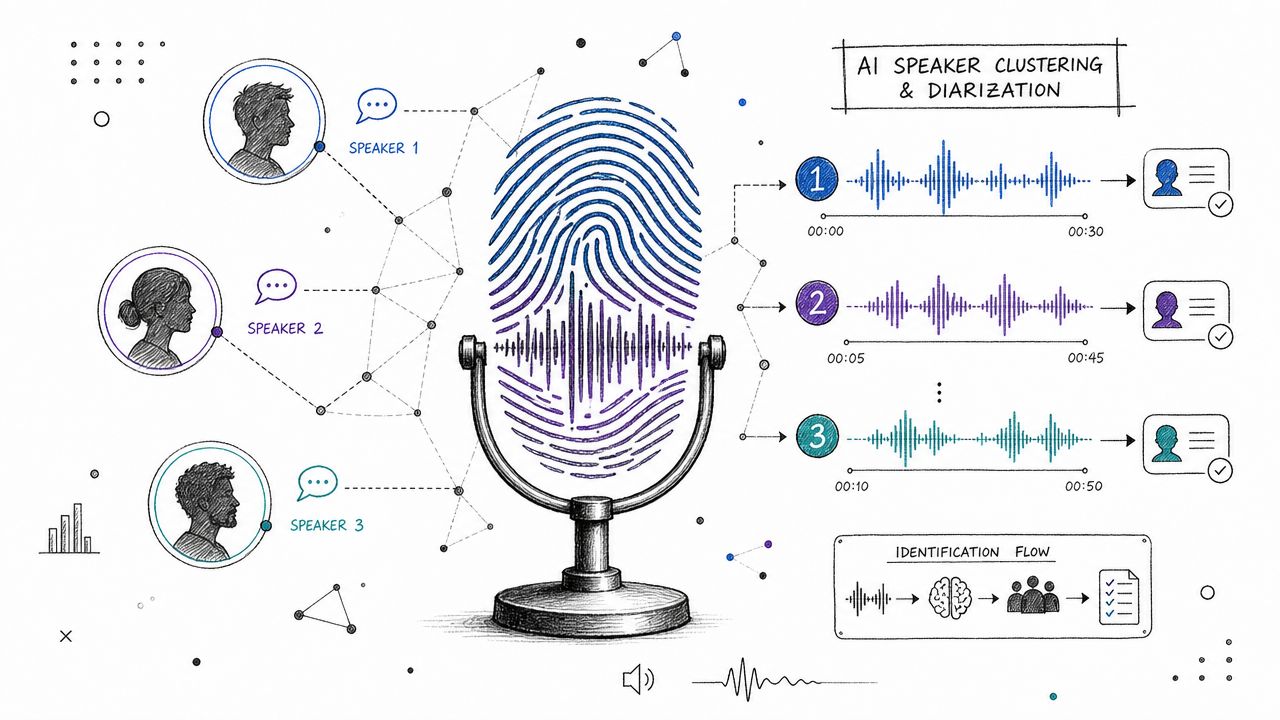
- Tag Speakers in the Transcript: Export the transcript to a shared document and ensure each panelist's name is tagged to their questions and comments for easy reference.
5. Executive Interview Summary
An executive interview summary is a polished, high-stakes assessment document created for C-level, board, or senior leadership evaluations. Unlike other summaries, its focus is less on technical skills and more on strategic vision, executive presence, and cultural alignment. These interviews probe a candidate's leadership philosophy, business acumen, and change management capabilities. A precise summary captures these nuanced discussions, providing a clear basis for one of the most critical decisions a company can make.
For an executive search firm presenting candidates to a board, or an enterprise C-suite filling a CFO role, this document is the primary tool for comparative analysis. It distills complex conversations about financial strategy or market disruption into a format that supports decisive action from the hiring committee.
What Should Be in an Executive Interview Summary?
A superior executive summary moves beyond simple notes to provide a deep analysis of leadership potential. Given the gravity of these conversations, recording them is essential for accuracy. From my experience, using a service like HypeScribe ensures professional-grade transcription that captures the exact language and tone of the discussion, which can then be synthesized into a powerful summary.
Let's break down the essential components of a strong executive summary:
- Candidate Overview: Includes the candidate's name, the target role (e.g., Chief Executive Officer), and a brief on their current position.
- Leadership & Strategic Vision: Synthesizes the candidate's core leadership philosophy and their vision for the company's future. This section should reference their proposed strategies and long-term goals.
- Business Acumen & Decision-Making: Assesses their understanding of market dynamics, financial drivers, and operational challenges. How do they approach complex, high-impact decisions?
- Executive Presence & Communication: A qualitative evaluation of their communication style, confidence, and ability to command a room. Did their answers reflect preparedness and strategic thought?
- Organizational & Culture Fit: An analysis of how the candidate's values and proposed leadership style align with the company's existing or desired culture.
Key Insight: The executive summary is not just a report; it's a piece of evidence. It should empower a board or hiring committee to confidently select a leader by providing a clear, defensible rationale grounded in the candidate's own words and ideas.
When to Use This Summary
This type of interview summary example is reserved for the highest levels of recruitment, where the cost of a bad hire is monumental.
- Board-Level & C-Suite Hiring: When a board is interviewing candidates for a CEO, CFO, or other top executive positions.
- Executive Search Firms: Essential for presenting a vetted shortlist of senior leaders to clients, complete with detailed analysis.
- Succession Planning: When evaluating internal candidates for promotion into senior leadership roles.
Actionable Tips for Creating Great Executive Interview Summaries
Accuracy, discretion, and strategic insight are the pillars of an effective executive summary. Here’s how to ensure your summaries meet this standard:
- Obtain Explicit Consent: Always get clear permission before recording an executive interview. Frame it as a tool to ensure full and accurate consideration by the entire hiring committee.
- Use Professional Export Features: Generate a polished, board-ready document by using a tool's PDF export function. This presents the information with the necessary professionalism.
- Highlight Key Strategic Themes: Use HypeScribe's AI summary to quickly identify and pull out the core strategic arguments and leadership tenets from the conversation. You can then build your analysis around these key points.
- Document Their Questions: Note the questions the candidate asks about company strategy, challenges, and culture. This is a powerful indicator of their diligence, interest, and how they think.
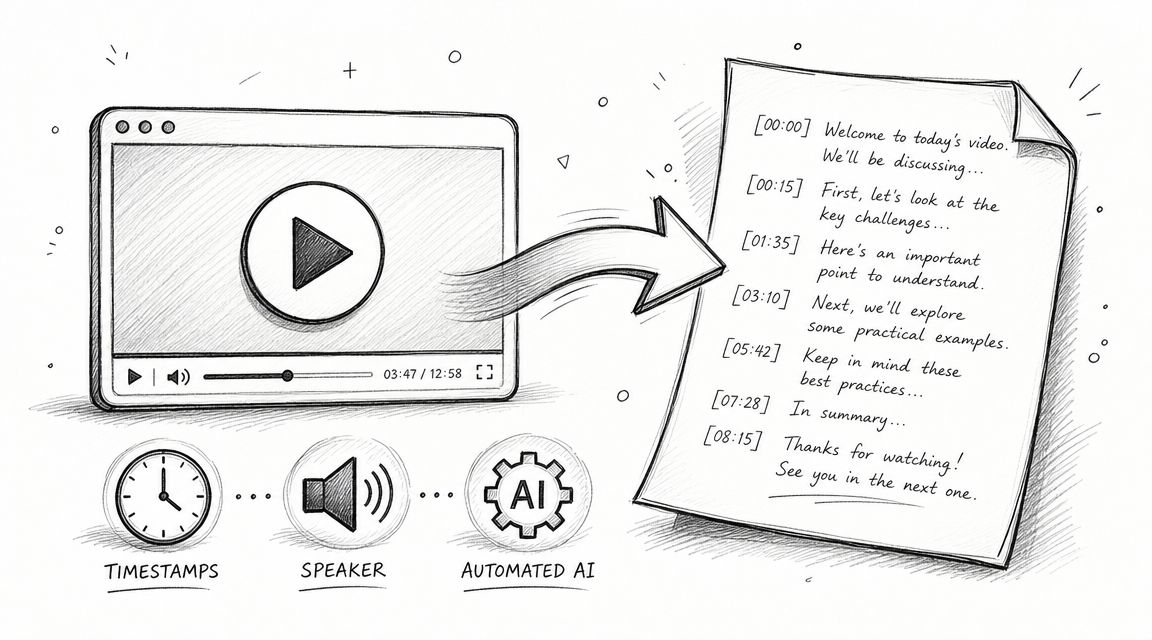
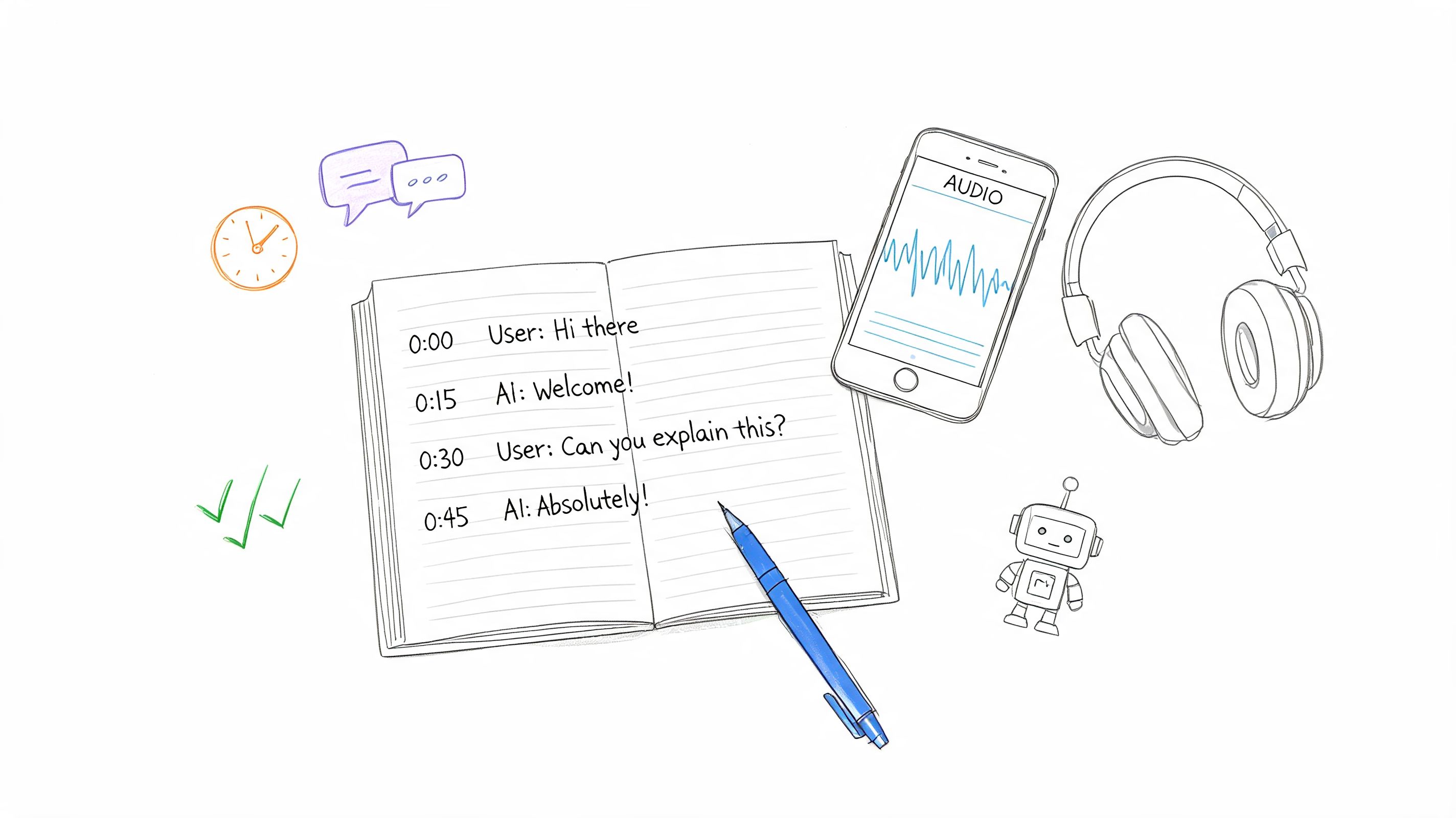
- Use Timestamps for Quick Reference: In your summary or the shared transcript, include timestamps for critical moments, such as their response to a major strategic question. This allows board members to review specific sections directly.
6. Entry-Level Interview Summary
An entry-level interview summary is a specialized document for evaluating candidates with minimal professional history, like recent graduates or career-switchers. Instead of focusing on years of experience, it assesses potential, enthusiasm, and foundational skills. This summary helps hiring managers look beyond a sparse resume to identify candidates who possess the raw talent, learning ability, and cultural alignment to grow with the company. It’s a key tool for building a strong talent pipeline from the ground up.
This type of summary is crucial for organizations running large-scale graduate recruitment programs or for tech bootcamps placing new talent. It standardizes how interviewers capture first impressions, project details, and a candidate's passion, ensuring that high-potential individuals are not overlooked simply because they lack a traditional work history.
What Should Be in an Entry-Level Summary?
A great entry-level summary shifts the focus from past performance to future potential. It tells a story about the candidate's drive and aptitude. Rather than trying to capture every detail of a candidate's coursework during a conversation, using HypeScribe to record and transcribe the interview allows the recruiter to remain present and engaged. Its AI can then generate an initial summary draft that highlights key themes.
An effective entry-level summary includes these core components:
- Candidate Profile: Name, role, and academic background (e.g., University, Degree, Graduation Date).
- Potential & Coachability: An assessment of the candidate's growth mindset. Did they demonstrate a passion for learning? How did they discuss overcoming challenges in their projects or studies?
- Relevant Projects & Coursework: Bullet points detailing specific projects, internships, or relevant coursework. Connects academic experience directly to job requirements.
- Cultural Fit & Enthusiasm: Captures the candidate's energy, long-term career interests, and why they are specifically interested in the company and role.
- Interviewer's Recommendation: A clear "Advance," "Hold," or "Reject" decision based on potential and fit, not just hard skills.
Key Insight: For entry-level roles, a summary should answer the question: "Can this person be trained to excel here?" The focus is on trainability, attitude, and raw intelligence over direct experience.
When to Use This Summary
This interview summary example is most effective when hiring for roles where you are investing in a candidate's future growth.
- Graduate Recruitment Programs: When a corporation needs to evaluate hundreds of recent graduates for its annual intake.
- Internship Hiring: To document and compare candidates for a limited number of intern positions.
- Tech Bootcamp Placements: When a placement team needs to match newly trained developers with suitable entry-level positions based on their project work and specific technical interests.
Actionable Tips for Creating Great Entry-Level Summaries
To make your entry-level summaries powerful evaluation tools, you need a process that prioritizes potential over polish. If you want to refine how you conduct effective interviews for these roles, here’s a good place to start.
- Focus on "How" and "Why": Structure questions around project experiences. Ask, "How did you approach that problem?" and "Why did you choose that solution?" This reveals their thought process.
- Generate Instant Summaries: Use HypeScribe's AI summary after each interview to capture your immediate assessment of a candidate’s enthusiasm and coachability, which can fade over time.
- Use Action Items for Follow-Ups: Automatically create tasks like "Verify GPA" or "Request project portfolio link" within your summary notes to ensure all necessary due diligence is completed.
- Document Enthusiasm: Make a specific note on the candidate's level of engagement and the quality of their questions about the company culture and growth opportunities. This is a strong indicator of genuine interest.
Which Interview Summary Type Do You Need? A Comparison
| Interview Type | Complexity 🔄 | Resources ⚡ | Expected Outcomes 📊⭐ | Ideal Use Cases 💡 | Key Advantages ⭐ |
|---|---|---|---|---|---|
| Phone Screen Interview Summary | Low — brief, single-interviewer format | Low — 15–30 min, minimal equipment, live transcription | 📊 Rapid shortlist and availability/salary clarity; ⭐⭐ reliable for initial fit | High-volume early-stage screening, recruiter triage | ⭐ Fast screening, consistent criteria, searchable transcripts |
| Behavioral Interview Summary | Medium — structured STAR approach, follow-ups needed | Moderate — 45–60 min, trained interviewer(s), transcript review | 📊 Deep soft-skill insights and pattern identification; ⭐⭐⭐ predictive of on‑job behavior | Roles needing teamwork, leadership, client interaction | ⭐ Reduces bias via structure; full stories preserved for review |
| Technical Interview Summary | High — complex problems, coding, design discussion | High — senior interviewers, longer sessions, code capture + transcript | 📊 Detailed technical competency and problem-solving evaluation; ⭐⭐⭐ | Engineering, data science, system design, DevOps hiring | ⭐ Captures explanations/trade-offs; supports objective technical review |
| Panel Interview Summary | High — coordination across multiple panelists | High — 3–5 interviewers, scheduled debrief, shared docs | 📊 Multi-perspective consensus and broader fit assessment; ⭐⭐⭐ | Cross-functional hires, roles requiring stakeholder alignment | ⭐ Reduces individual bias; identical transcript for all panelists |
| Executive Interview Summary | Very High — long, sensitive strategic conversations | Very High — board or C‑suite participants, confidentiality controls | 📊 Strategic vision and leadership fit; high-stakes decision support; ⭐⭐⭐⭐ | C‑suite, board roles, senior leadership searches | ⭐ Board-ready transcripts, captures nuanced executive communication |
| Entry-Level Interview Summary | Low–Medium — structured but concise | Moderate — many short interviews, rapid transcription | 📊 Assess potential, trainability, and projects; ⭐⭐ suitable for volume | Graduate programs, bootcamp placements, high-volume pipelines | ⭐ Fast processing at scale; consistent evaluation for cohorts |
Turn Your Conversations into Decisions, Faster
Mastering the art of the interview summary is a genuine superpower in any professional setting. Based on my years in recruiting and content creation, it's the critical final step that ensures no crucial detail from a conversation is lost, empowers your team to make clear-headed and objective decisions, and ultimately turns hours of discussion into a definitive path forward.
Throughout this guide, we’ve explored a variety of interview summary examples, each tailored to a specific context. From the rapid-fire efficiency needed for a phone screen recap to the deep, strategic analysis required for an executive debrief, a clear pattern emerges. The goal is never just to take notes; it’s to perform strategic information synthesis. You are connecting the candidate’s words to the core requirements of the role.
How to Turn Raw Notes into Decisive Action
The most effective summaries don’t just report what was said. They interpret, contextualize, and evaluate. Let’s distill the core principles we’ve covered into actionable takeaways:
- Structure is Strategy: A predefined template is your best defense against bias and inconsistency. Whether using a simple scorecard for a phone screen or a detailed narrative for a final-round candidate, structure ensures every applicant is measured against the same essential criteria.
- Balance Evidence with Evaluation: A great summary presents direct evidence (quotes, specific project examples) and then follows it with a clear evaluation. Link their STAR-method answer directly to a required competency. This "show, then tell" approach builds a strong, defensible case for your hiring recommendation.
- Focus on the "So What?": Don't just list a candidate's skills. Explain why those skills matter for this specific role and your team’s current challenges. A summary for a technical interview, for instance, should not only state that the candidate solved the coding challenge but also explain how their approach demonstrates a capacity for clean, scalable code.
Ultimately, the quality of your summary is a direct reflection of the quality of your interview. To ensure your debrief is thorough and captures all necessary information for a hiring decision, it helps to start with a strong interview process, including knowing what strategic questions to ask during an interview. A well-prepared interview yields the rich, specific data needed for a powerful summary.
Making Objectivity Your Default Setting
One of the most significant benefits of a well-crafted interview summary is its ability to combat hiring bias. When a debrief focuses on evidence-backed assessments tied to predefined competencies, it moves the conversation away from "gut feelings" and toward objective reality.
This is where the detailed interview summary examples we've examined become so practical. They provide a blueprint for consistency. When every candidate, from entry-level to executive, is evaluated through a similar structured lens, you create a more equitable and effective hiring process. Your team can confidently compare candidates based on demonstrated abilities, not on personality or shared backgrounds.
This commitment to structure and evidence doesn’t just protect the company; it respects the candidate. It ensures the decision is based on the substance of your conversations, honoring the time and effort they invested. By moving beyond simple note-taking to this higher level of strategic analysis, you stop letting valuable information slip through the cracks. You start creating a repository of knowledge that gives your team the confidence to act decisively, hire the right person, and build a stronger organization.
Ready to stop drowning in transcripts and start making faster, smarter decisions? HypeScribe generates remarkably accurate transcripts and AI-powered summaries from your interview recordings in minutes. Let our technology handle the note-taking so you can focus on the human element of hiring. Try HypeScribe today and see how effortless creating perfect interview summaries can be.