A Practical Guide to Using a Videotaping Release Form
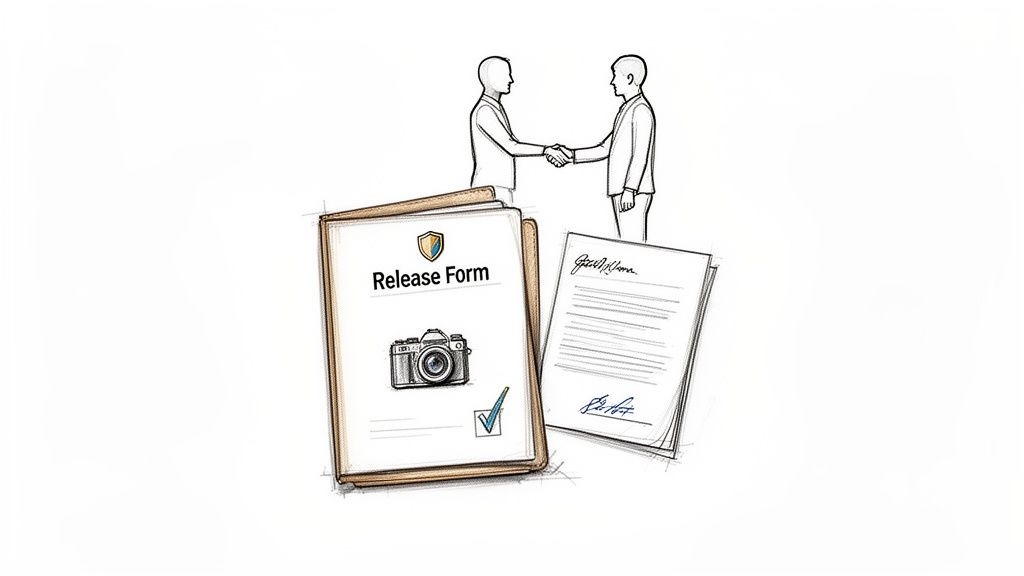
A videotaping release form is a legal document that gives you permission to record someone and, more importantly, use that footage. From my experience, it's the single most important document separating a smooth project from a potential legal nightmare. It's your project's legal and ethical safety net.
Without a signed release, you're exposing yourself to privacy claims or usage disputes that can lead to costly legal battles and derail your work entirely.
Why a Videotaping Release Form Is a Non-Negotiable Tool
It doesn't matter if you're an HR manager recording a training session, a documentarian capturing an interview, or a content creator filming in public—this form is your best friend. It’s the formal agreement that ensures everyone is on the same page before the camera starts rolling.
I’ve seen it happen more times than I can count: great projects, from corporate testimonials to indie films, get stuck in legal limbo because someone forgot this crucial step. The fallout isn't just about money; it can seriously damage your professional reputation.
A release form turns a casual "yeah, that's fine" into a legally binding contract. A verbal agreement is flimsy and notoriously difficult to prove in court. A signed document, on the other hand, is clear, irrefutable proof of consent.
Defining Usage Rights and Boundaries
One of the most crucial functions of a videotaping release form is to spell out exactly how you can use the video footage. This is a win-win: it protects you by giving you the rights you need, and it protects your subject by setting clear boundaries from the start.
A well-drafted release defines the scope of use, preventing misunderstandings about where and how the video might appear later on.
Here are a few scenarios where a solid release is absolutely essential:
- Commercial Projects: Planning to use footage in ads, product promos, or anything that generates revenue? You need explicit, written permission.
- Online Content: The form should grant you the right to post clips on platforms like YouTube and Instagram, as well as your own website.
- Repurposing Footage: Want to pull a great quote from a long interview for a short promo reel? A broad release clause gives you that flexibility.
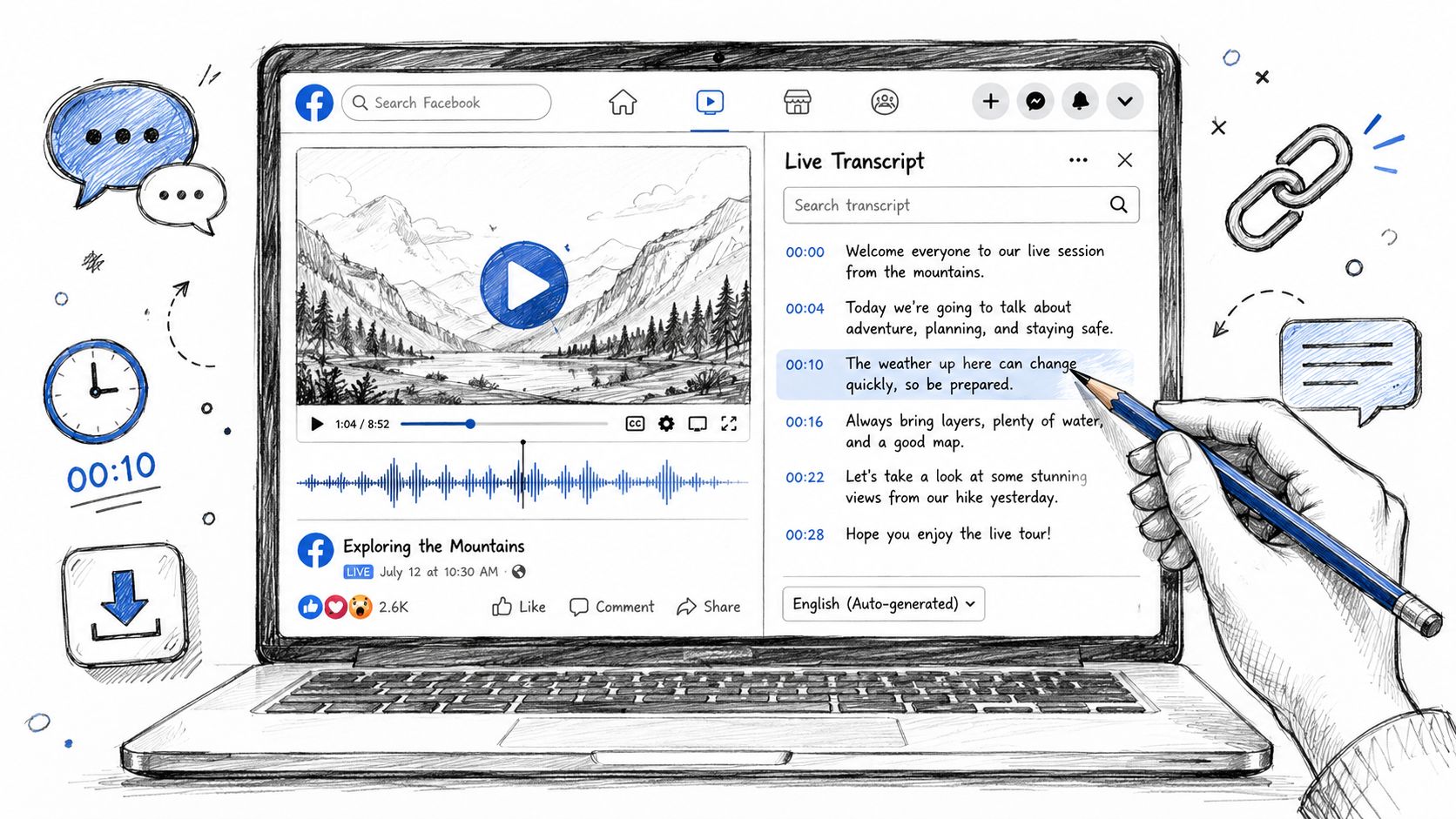
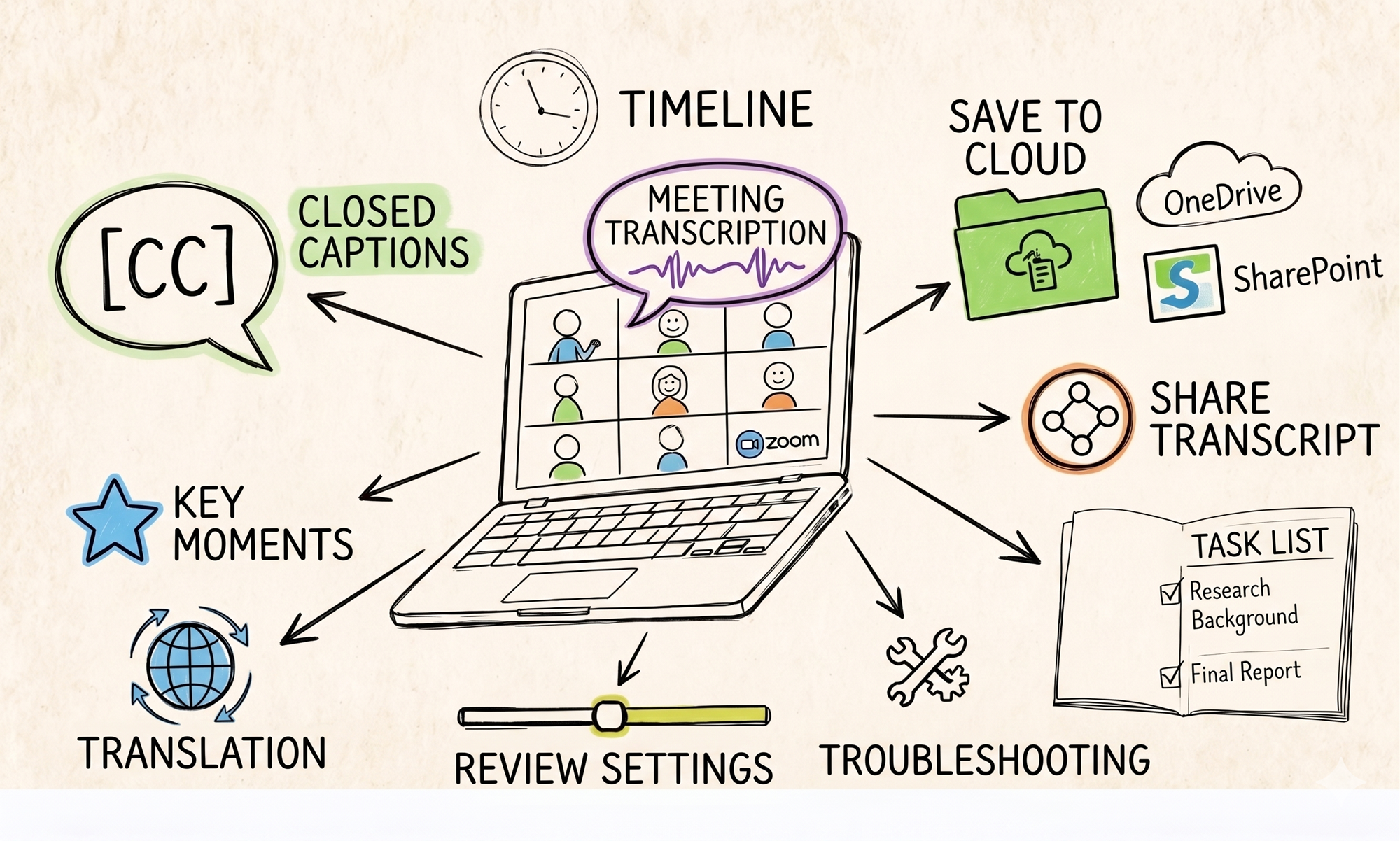
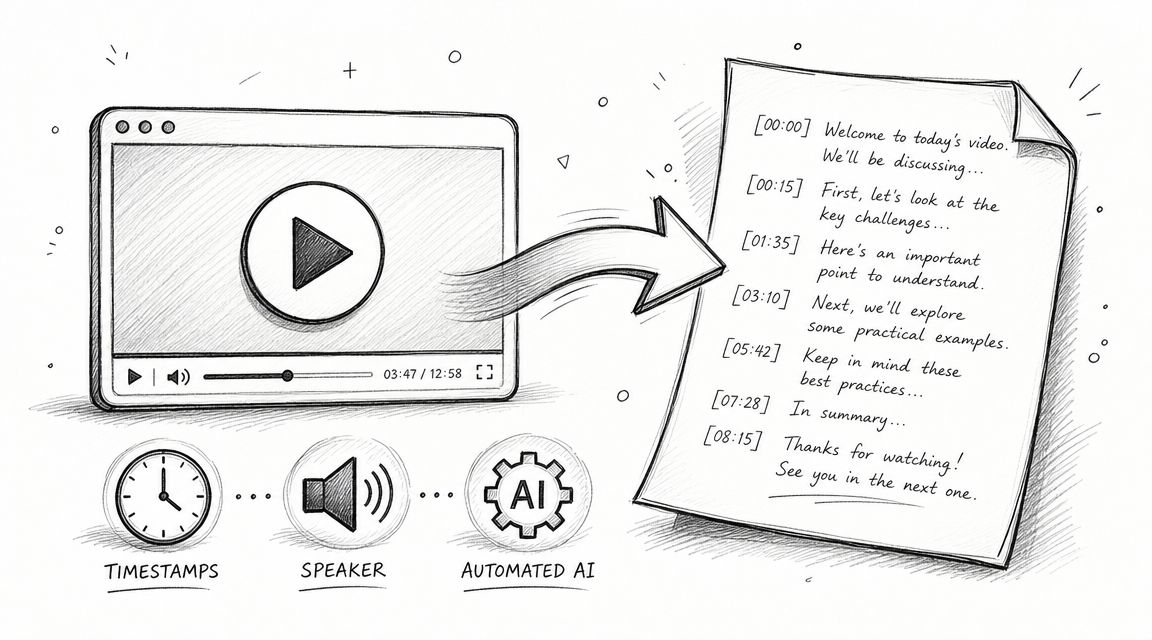
- Distribution and Transcription: If you plan to share the video with third parties or create written transcripts, your form must cover it. For instance, teams that record and transcribe meetings for an internal knowledge base absolutely need clear consent.
Without these terms spelled out, someone could later object to their image being used in a way they didn't expect, forcing you to take down your content.
A Cautionary Tale: I once consulted for a small business that filmed a fantastic customer testimonial but skipped the release form. A year later, they used a clip in a paid Facebook ad. The customer, who had since started working for a direct competitor, threatened a lawsuit. The business had to pull the ad, scrap the footage, and lose all that momentum.
Core Components of a Videotaping Release Form
An effective release form is more than just a signature on paper. It's a collection of specific clauses, each designed to close a potential legal loophole and provide comprehensive protection.
Think of this as your checklist for creating a legally sound document.
| Component | Purpose | Why It's Critical |
|---|---|---|
| Participant Information | Clearly identifies the individual granting consent. | Without the person's full legal name and contact info, you can't legally prove who signed the form. |
| Grant of Rights | Explicitly states that the participant gives you permission to record them. | This is the heart of the document—the core consent clause that gives you the right to film in the first place. |
| Permitted Uses | Defines how the footage can be used (e.g., commercial, web, social). | This prevents disputes by setting clear expectations about where the footage will appear. |
| Compensation Clause | Clarifies whether the participant is being paid or not. | A "for no compensation" clause stops future claims for payment when their likeness is used. |
| Waiver of Claims | The participant agrees not to sue over issues like defamation or invasion of privacy. | This is a powerful layer of legal armor that protects you from lawsuits related to the content itself. |
| Signature & Date | Provides legally binding proof that an agreement was made. | An unsigned or undated form is worthless in court. This simple act validates the entire document. |
Ultimately, a good release form is all about proactive risk management. It’s a simple, low-cost step that buys you an incredible amount of peace of mind and legal security. Taking a few minutes to get that signature can save you from months—or even years—of legal headaches and financial loss.
Building Your Release Form: A Template and Breakdown
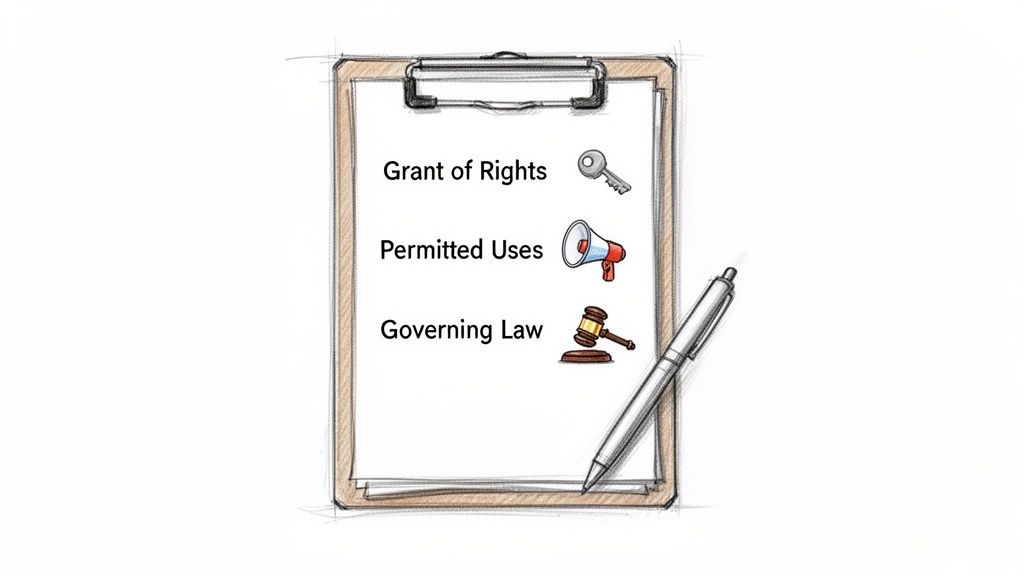
Now that you understand why a videotaping release form is non-negotiable, let’s get practical. How do you build one that actually protects you? A generic template is a starting point, but true security comes from knowing what each clause does and why it's there.
We're going to assemble a solid release form, piece by piece. I’ll explain the purpose behind each section so you can use it with confidence and tweak it to fit your exact project. You won't just get a template; you'll understand how it works.
If you’re new to this, it helps to get a feel for the basics of how to draft legal documents effectively. It’s a good primer for what we’re about to cover.
The Foundation: Identifying the Parties
Every contract must start by clearly stating who is involved. It sounds basic, but getting this wrong can invalidate the entire agreement. You need to name the person receiving the rights (that’s you, the "Producer") and the person giving them (the person on camera, the "Participant").
- Producer: This is your legal name or your registered business name. Don't use shortcuts.
- Participant: This is the person you’re filming. Always use their full legal name—no nicknames.
I also recommend adding the date and a specific description of the project, like "Filming for the 'Main Street Stories' documentary on May 20, 2025." This ties the agreement to a specific event, leaving no room for confusion later.
The Heart of the Agreement: Grant of Rights
Pay close attention here, because this is the core of your release form. It’s the clause where the participant officially gives you permission to record their image, voice, and performance. Without a crystal-clear "Grant of Rights," you have no legal right to use the footage.
Here’s a look at some standard language:
For good and valuable consideration, the receipt of which is hereby acknowledged, I hereby grant [Your Company Name] ("Producer"), its agents, successors, and assigns, the irrevocable and unrestricted right to record my likeness, voice, and performance on video, audio, and any other media.
The two keywords you absolutely need are “irrevocable and unrestricted.” "Irrevocable" means the person can't just change their mind and revoke consent later. "Unrestricted" means your ability to use the material is broad. This is your first line of defense if someone gets cold feet after the shoot.
Defining the Scope: Permitted Uses
Once you have the rights to the footage, you need to define exactly how you're allowed to use it. This is where you set the boundaries. In my experience, it's best to be broad enough to cover future opportunities but specific enough not to intimidate your participant.
Your "Permitted Uses" clause should always give you the right to:
- Edit and Modify: You need the freedom to cut, combine, and alter the footage to fit your final product.
- Distribute Widely: Always include language like "in any and all media now known or hereafter devised." This is crucial for future-proofing your release against new technologies.
- Use for Promotion: Explicitly state that you can use clips for advertising and marketing. This is a must-have for any commercial project.
A solid clause will look something like this:
I grant Producer the right to use, reproduce, distribute, display, and create derivative works from the recordings in whole or in part, in any and all media now known or hereafter devised, throughout the world, in perpetuity, for any purpose, including but not limited to advertising, promotion, and commercial use.
That term "in perpetuity" simply means forever. It stops someone from circling back years later and demanding you take down a video. It's all about long-term security for your content. When you nail down these core clauses, your release form transforms from a piece of paper into a shield.
Customizing Your Form for Specific Scenarios
A generic videotaping release form is a decent start, but a one-size-fits-all approach is a recipe for disaster. Think of a template as the bare-bones frame of a house; you still need to build the walls and install locks to protect what's inside.
I’ve produced everything from high-stakes corporate interviews to casual street segments, and I’ve learned—sometimes the hard way—that a few thoughtful tweaks to a release can prevent a world of headaches. This is where you turn a standard document into a tailored shield for your project.
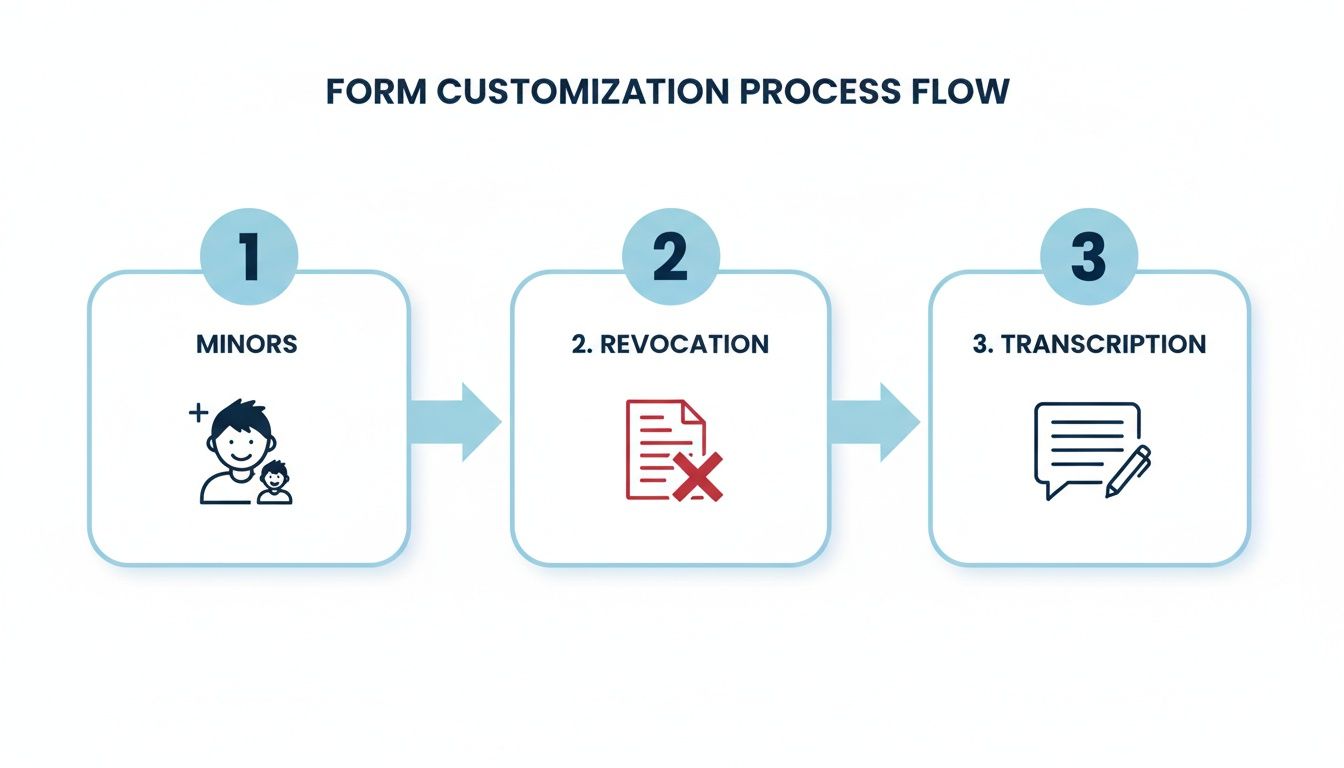
Handling Consent for Minors
The moment you point a camera at someone under the age of 18, the rules change completely. A minor cannot legally consent to be filmed on their own. You absolutely must get a signature from their parent or legal guardian.
This isn't a friendly suggestion; it's a legal requirement. Without a guardian's signature, your footage is practically worthless, and you’re exposing yourself to serious legal trouble. Your standard release needs a specific section for this.
Sample Clause for Minor Consent
Here’s a clause I’ve used that you can adapt. It should be a distinct part of your form, making it clear that a guardian is signing on the minor's behalf.
I, the undersigned, being the parent or legal guardian of [Minor’s Full Name], a minor, hereby consent to the foregoing terms and conditions on behalf of the minor. I grant the Producer the rights stated herein and warrant that I have the authority to do so. I agree to indemnify and hold harmless the Producer from any and all claims arising from the minor’s participation.
This language does three critical things:
- It clearly identifies the parent/guardian and the minor.
- It confirms the signer has the legal authority to give consent.
- It includes an indemnity clause, giving you an extra layer of financial protection.
Always include a separate signature line clearly labeled "Parent/Guardian Signature."
The Revocation of Consent Clause
This is where things can get tricky. Can someone sign a release and then change their mind later? The answer is "it's complicated," and your form needs to take a firm stance.
Most releases will, and should, include an "irrevocable" clause, making the consent permanent. But be aware that in some places, like regions covered by Europe's GDPR, people have a "right to erasure." This means they can, under certain circumstances, withdraw their consent.
Your goal is to make your position as legally solid as possible from the outset.
By signing this release, I understand and agree that the rights granted to the Producer are perpetual and irrevocable. I waive any right to revoke my consent or to seek injunctive relief to prevent the use of the footage.
Even with this strong language, it's not a magic bullet. A court might still side with an individual in extreme cases—for example, if the footage was used in a defamatory or grossly misleading way. The irrevocable clause is your first and best line of defense.
Distribution, Transcription, and Repurposing Permissions
Let's be honest: your video is more than just a video. It's a goldmine of content. It’s the source of quotes for your blog, soundbites for your podcast, and clips for social media. To unlock that value, your videotaping release form must explicitly grant you permission to do more than just show the video.
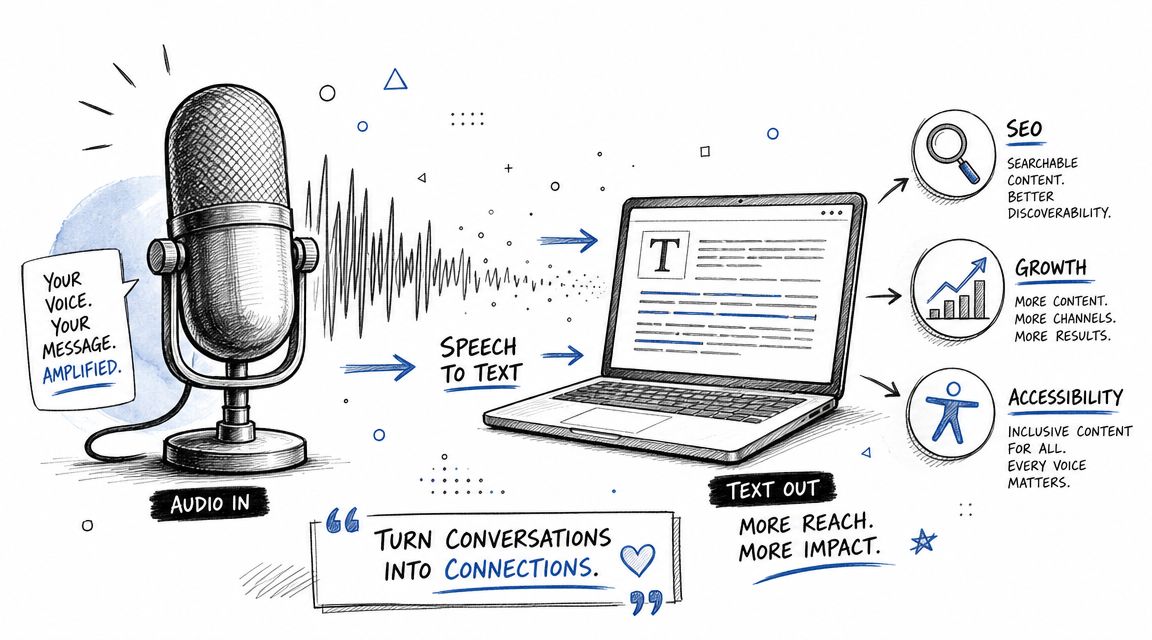
This is especially true for interviews, lectures, and panel discussions. If you plan to use an AI tool like HypeScribe to get a transcript, you need the right to do that written into the release.
You should secure permission for a few key things:
- Transcription: The right to turn the audio into written text.
- Derivative Works: The right to create new content from the footage, like articles, case studies, or quote graphics.
- Quotation: The right to pull direct quotes for use in other marketing materials.
Sample Clause for Distribution and Transcription
I grant the Producer the right to transcribe, rephrase, and use quotations from my performance. The Producer shall have the right to create derivative works based on the footage and to distribute the original footage, transcripts, and derivative works in any and all media, for any purpose.
Without a clause like this, someone could argue they only agreed to have the video shown "as is," not for their words to be used in a blog post. The legal side of recording can be a minefield, and consent is a core principle. These issues overlap with other recording laws, as you can see in our guide on if you can record a phone call.
Executing and Managing Your Release Forms
You’ve drafted the perfect videotaping release form. That's great, but an unsigned—or lost—form offers zero legal protection. I’ve seen it happen: a creator faces a legal challenge and can’t produce the one document that would have solved everything.
Getting that signature and knowing where to find it later is where your protection comes to life. This isn't just paperwork; it’s about creating a bulletproof system to safeguard your work.
Securing the Signature In-Person and Online
How you get the release signed usually depends on whether you’re meeting your subject in person or remotely. For on-location shoots, nothing beats the old-school clipboard. I always have a few printed copies of the release form ready, along with a couple of working pens.
Make it a non-negotiable part of your pre-shoot routine. Before the cameras roll, I walk the participant through the form. I keep it simple: "This is just a standard form that confirms you’re okay with us filming and using the video for our project." This makes the process feel normal, not like a heavy legal formality.
When you’re conducting remote interviews, digital signatures are your best friend.
- E-Signature Platforms: My go-to tools are services like DocuSign, Adobe Sign, and HelloSign. They provide a clean, legally binding experience and automatically generate a time-stamped audit trail.
- PDF with Digital Signature: For smaller projects, you can use the built-in signature features in most PDF readers. Email the form, have the person sign it on their device, and email it back.
Here's a hard lesson I learned: the more steps you ask someone to take, the less likely they are to do it. Sending a one-click link from an e-signature platform is infinitely more effective than asking someone to print, sign, scan, and email a document. Make it easy for them.
The Most Critical Step: Digital Storage and Organization
This is what separates the pros from the amateurs. A signed form you can't find is the same as having no form at all. Your digital filing system is your most important line of defense.
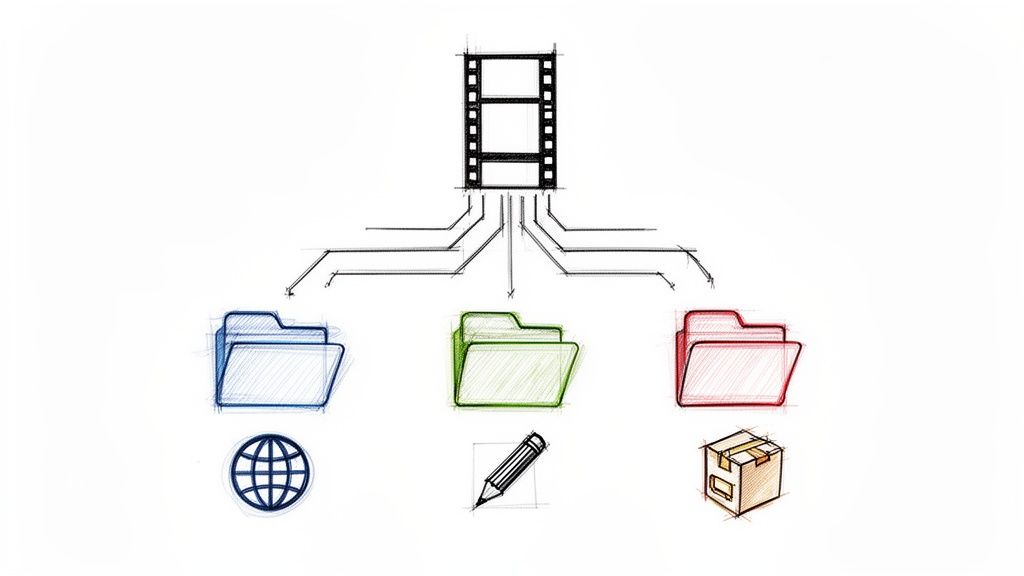
Over the years, I've landed on a simple folder structure that has never failed me. For every project, I create a main folder and then a subfolder named "Releases."
Every signed release gets scanned or saved as a PDF and named using a consistent format:
ProjectName/Releases/SubjectName_Release_YYYY-MM-DD.pdf
For instance: MainStreetDoc/Releases/JohnSmith_Release_2025-05-20.pdf
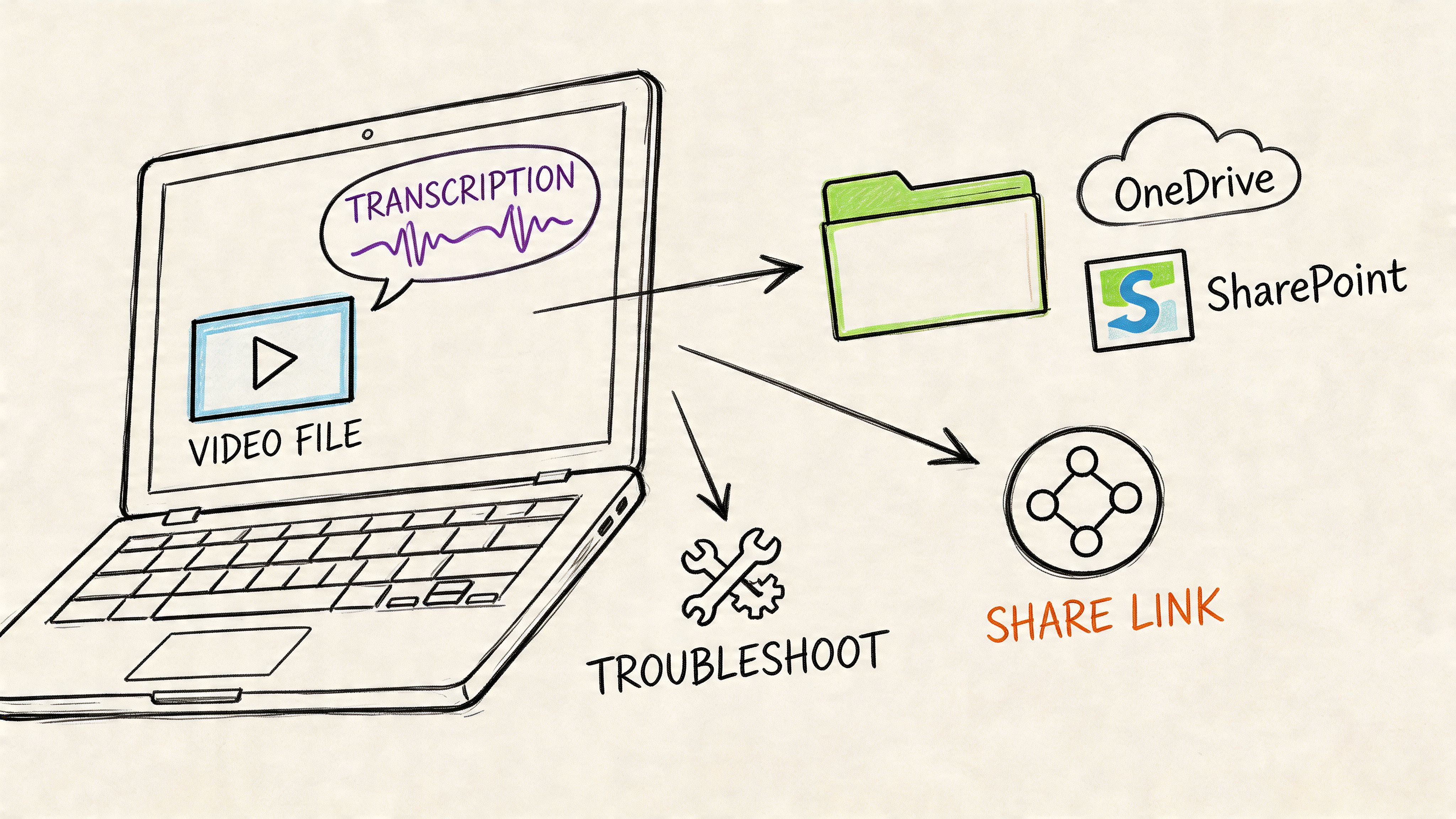
With this system, I can pull up any release in seconds. I strongly recommend backing up this folder in at least two separate locations—a local hard drive and a secure cloud service like Google Drive or Dropbox.
This organization is also essential when your workflow includes other steps, like transcription. Having your permissions filed properly means you can proceed with confidence. If you're looking at what comes next, you can learn more about turning your video into a transcript in our detailed guide. It all starts with that properly signed and filed release.
Navigating Common Legal Pitfalls
Getting a signature on a videotaping release form feels like a win, but don't let it create a false sense of security. A signed form is a critical shield, not a suit of armor. I've seen plenty of creators get tripped up by legal landmines they didn't even know existed, even with a signed release in hand.
One of the classic mistakes involves filming in public versus private spaces. You’d think filming on a public street gives you a free pass, right? Not quite. While there's no expectation of privacy in a public park, a person's image is still their own property. If you use their identifiable likeness for any commercial purpose—like an advertisement, a monetized video, or a product thumbnail—you absolutely need their permission.
I learned this the hard way on an early project. We shot gorgeous B-roll in a city square and captured a perfect shot of a woman laughing. We dropped it into a promotional video. Even though we filmed in public, she successfully argued her likeness was used for commercial gain without her consent. That oversight ended in a costly settlement. The lesson: if someone is identifiable and you stand to profit, get the release.
Jurisdictional Differences You Cannot Ignore
It’s dangerous to assume one release form fits all situations. Laws protecting a person’s image and privacy can change dramatically from one state to the next, let alone from one country to another.
For example, a few things to keep on your radar include:
- Community Property States: In states like California or Texas, a spouse might have a claim on income generated from their partner's likeness, which can complicate compensation clauses.
- Right of Publicity: Some states have incredibly strong "right of publicity" laws that give individuals tight control over the commercial use of their name and image.
- International Laws: Filming abroad or with subjects from other countries is a different ballgame. In Europe, regulations like the GDPR give individuals a "right to erasure," allowing them to demand their data (including video footage) be deleted under certain conditions.
This legal patchwork extends beyond the release form itself. For specialized work like drone videography, you have to consider airspace rules on top of image rights. As this a simple guide to media licensing for drone operators explains, you're often navigating multiple layers of permissions just to use the footage you capture.
The Myth of Verbal Consent
Let me share a story I've seen play out too many times. You're wrapping up a great interview, your subject is thrilled, and you catch them on camera saying, "Sure, you can use this!" You figure you're covered. But then the video takes off, and suddenly your subject has a change of heart. Their argument is simple: "I never signed anything."
Legal Disclaimer: Please remember, this guide provides information based on experience and research for educational purposes. It is not a substitute for professional legal advice. For any high-stakes project or specific legal concerns, consulting with a qualified attorney is a wise and necessary investment to fully protect your work.
Here’s the hard truth: a verbal agreement is nearly impossible to enforce in court. It becomes a messy "he said, she said" situation. A signed videotaping release form, on the other hand, is concrete, verifiable proof of consent that will stand up to legal challenges. A verbal "okay" is a handshake; a written release is a contract. Always get the contract.
Frequently Asked Questions About Videotaping Releases
No matter how many release forms you handle, a few tricky questions always seem to pop up. Let's tackle some of the most common gray areas I see trip up creators and producers.
Do I Need a Release for Everyone in a Crowd Shot?
This one comes up on almost every public shoot. The short answer is, it all comes down to who is identifiable.
If you're capturing a wide shot of a festival or a busy street where individual faces are just part of the background blur, you're generally in the clear. The law assumes people in a massive public setting don't have a reasonable expectation of privacy. But the second your camera tightens on a specific person or a small, distinct group, everything changes. If they are recognizable, you need a release to use that footage commercially.
My personal rule is simple: if you can recognize them, get a signature. It's the safest bet.
What Do I Do If Someone Refuses to Sign?
This is a hard line you can't cross. If someone says no, you have only one path forward: do not use any footage where they are identifiable. Period.
Don't try to charm them into changing their mind, and definitely don't use the footage hoping they won't see it. That's just asking for a legal headache. On set, I thank them for their time, confirm their image won't be used, and then frame them out of my shots or politely ask if they could step aside while we're rolling. Respecting their "no" is non-negotiable.
I once had a key person in a group testimonial refuse to sign at the last minute. It was frustrating, but we made the tough call to re-shoot the entire segment with a different group. It cost us time, but it saved us from a potential lawsuit that would have cost far more.
How Long Is a Videotaping Release Form Valid?
A properly drafted release form should last forever. The key is a small but mighty clause stating that consent is granted "in perpetuity." This is legal-speak for "with no expiration date."
Including the "in perpetuity" language is crucial for your long-term content strategy. It prevents someone from popping up five years later demanding you take down a popular video from your website or YouTube channel. Without it, your best-performing evergreen content is always at risk.
Can I Use One Release for Multiple Projects?
You can, but you need to be careful. This is the difference between a "project-specific" release and a broader "blanket" release.
Project-Specific Release: This is the most common type. It’s tied to one specific project, like "the 2025 Customer Success Story video." It's straightforward and an easier "yes" to get. The only catch is you need a new one for every project.
Blanket Release: This form gives you sweeping rights to use a person's likeness in any project, now and in the future. While it offers a ton of flexibility, people are often (and rightly) hesitant to sign away such broad, open-ended rights.
For one-off interviews or events, I always use a project-specific form. It's clean and simple. I only consider a blanket release when working with employees or long-term brand ambassadors where the relationship is already clearly defined.
Ready to move from discussion to execution? HypeScribe can help you transcribe your recorded interviews, meetings, and video content with up to 99% accuracy. Turn hours of footage into actionable text, summaries, and key takeaways in seconds. Try it for free at https://www.hypescribe.com.