Check In Meeting: A Guide to Productive, Engaging Sessions

You’re dealing with one of two versions of a check in meeting right now.
The first is the vague recurring calendar event that nobody questions. People join, give loose updates, one person talks too long, someone turns it into problem-solving, and everyone leaves with the same thought: that could’ve been an email. The second is worse. It feels like surveillance disguised as support.
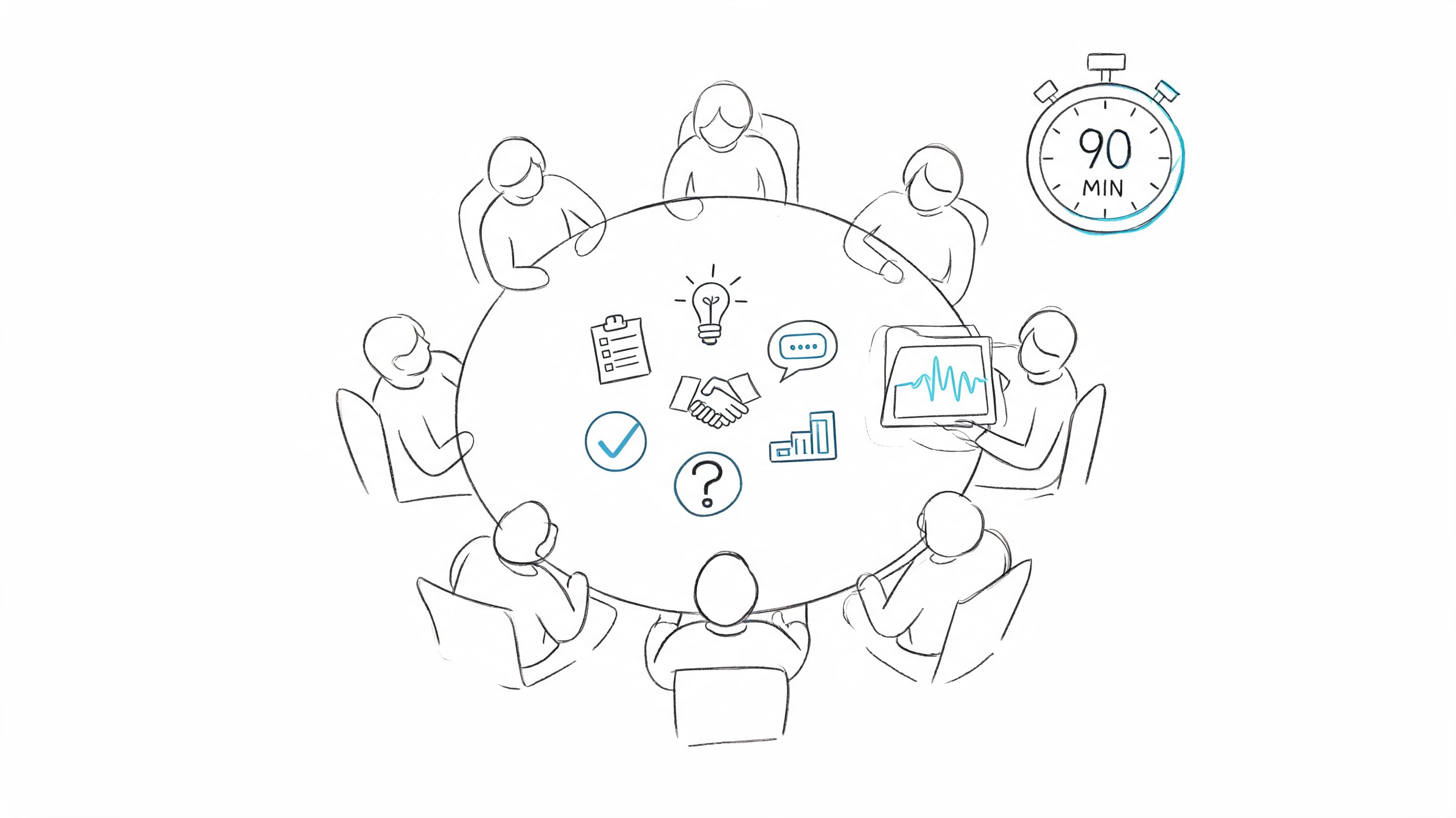
A good check in meeting does the opposite. It reduces confusion, surfaces blockers early, and gives people proof that someone is paying attention to the work they’re doing. When it’s designed well, it becomes one of the most useful management habits a team can build, especially when people work across time zones, join from different devices, or don’t share the same first language.
The difference isn’t charisma. It’s structure, intent, and follow-through.
Why Your Check In Meeting Needs a Purpose
Most bad check-ins fail before anyone joins the call.
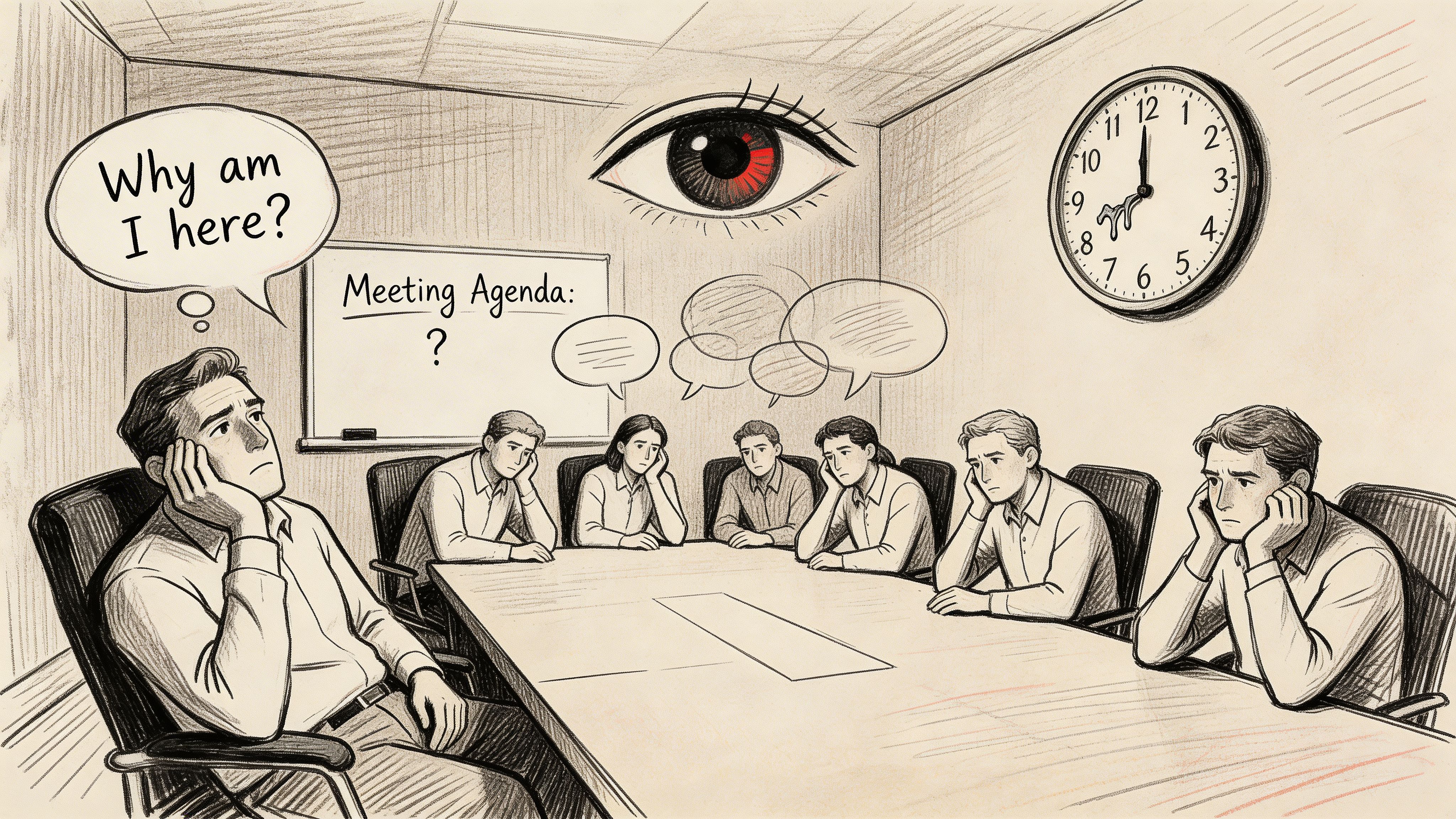
They fail because nobody can answer a basic question: what is this meeting for? If the only honest answer is “to stay updated,” the meeting will drift toward reporting, repetition, and low energy. People can feel when a meeting exists out of habit.
Purpose changes the tone
A useful check in meeting serves one of four jobs:
- Create alignment: Everyone leaves knowing what matters today or this week.
- Expose blockers: Issues appear early, before they become missed deadlines.
- Strengthen connection: People feel seen, not managed from a distance.
- Confirm ownership: Work has names attached to it, not vague promises.
When leaders skip that clarity, the meeting becomes a status ritual. When they define it, the meeting becomes operational support.
That distinction matters more than many managers realize. Gallup-related findings summarized by Quantum Workplace note that managers who are informed about their employees' projects make employees almost 7 times more likely to be engaged, while employees who feel ignored are 15 times more likely to be actively disengaged. That’s not a soft cultural issue. That’s a performance issue.
What the meeting should never become
A check in meeting is not the place to:
- Interrogate progress: If the energy feels like defending work, trust drops.
- Solve every issue live: Deep dives belong in separate working sessions.
- Broadcast top-down updates only: That’s an announcement, not a check-in.
- Pretend every team needs the same format: Daily stand-ups, project syncs, and 1:1s solve different problems.
Practical rule: If people can’t tell whether the meeting exists to help them or monitor them, they’ll default to self-protection.
That’s when updates get polished, risks stay hidden, and issues show up late.
Define the outcome before the agenda
Before you write prompts or book time, decide what a successful end state looks like. By the close of the meeting, should the team know priorities for the day? Should a manager understand where someone is stuck? Should owners leave with next steps? The answer shapes everything else.
A simple way to pressure-test your design is this: if the check-in disappeared tomorrow, what would break first?
- If priorities would blur, the meeting is about alignment.
- If work would stall unannounced, the meeting is about blockers.
- If people would feel disconnected, the meeting is about connection.
- If tasks would slip between people, the meeting is about accountability.
That one question removes a lot of clutter.
For teams that want a stronger framework for defining meeting outcomes before they schedule anything, this guide on goals of a meeting is a useful starting point.
A check-in is small, but the signal is big
People rarely judge leadership by a mission statement. They judge it in recurring moments. A weekly 15-minute conversation can tell a team whether their manager notices effort, understands context, and makes room for problems before they turn into blame.
That’s why the best check in meeting isn’t just efficient. It’s purposeful enough that people know why they’re there and safe enough that they tell the truth once they arrive.
Designing Your Perfect Check In Meeting
Design is where many teams either save themselves or create a calendar problem.
A well-run check in meeting looks effortless from the outside, but the good ones are engineered. The manager chooses the cadence on purpose, keeps the invite list tight, and picks a format that matches the work. The bad ones mix too many objectives into one slot and then wonder why nobody likes them.

Address the problem
The fastest way to design a poor check-in is to ask, “When should we meet?”
Start somewhere else. Ask:
- What kind of uncertainty are we trying to reduce?
- Who needs to be in the room?
- How quickly do blockers become expensive?
- Does this need discussion, or just visibility?
That keeps you from creating a one-size-fits-all ritual.
There’s a practical reason to be strict here. Standup Alice notes that 67% of employees report excessive meetings prevent peak productivity, and effective check-ins are typically 5 to 15 minutes. The point of a check-in is to reduce drag, not add to it.
Pick the format that fits the work
Not every check in meeting should look like a stand-up. A support team handling fast-moving work needs a different rhythm than a manager holding performance conversations.
Here’s a practical comparison.
| Format | Typical Cadence | Ideal Duration | Primary Goal |
|---|---|---|---|
| Team stand-up | Daily | 5-15 minutes | Surface blockers and align on immediate priorities |
| Manager 1:1 check-in | Weekly or bi-weekly | 30-60 minutes | Support, coaching, and progress discussion |
| Project sync | Weekly | 15-30 minutes | Coordinate dependencies and decisions |
| Cross-functional check-in | Weekly or bi-weekly | 20-30 minutes | Keep teams aligned on shared work |
| Quarterly performance check-in | Quarterly | 30-45 minutes | Review progress, development, and next-step expectations |
That table does more than organize choices. It forces a useful question: are you trying to coordinate work, support a person, or review performance? If the answer is “all three,” split the meeting.
Design choices that matter more than people think
Some meeting variables look minor until they start damaging the flow.
- Cadence: Daily works when work changes quickly. Weekly works when teams need breathing room. Quarterly works for performance conversations that need reflection.
- Duration: Shorter is better for operational check-ins. Longer only helps when the goal is coaching, development, or nuanced feedback.
- Participants: Include people who affect the work. Exclude spectators.
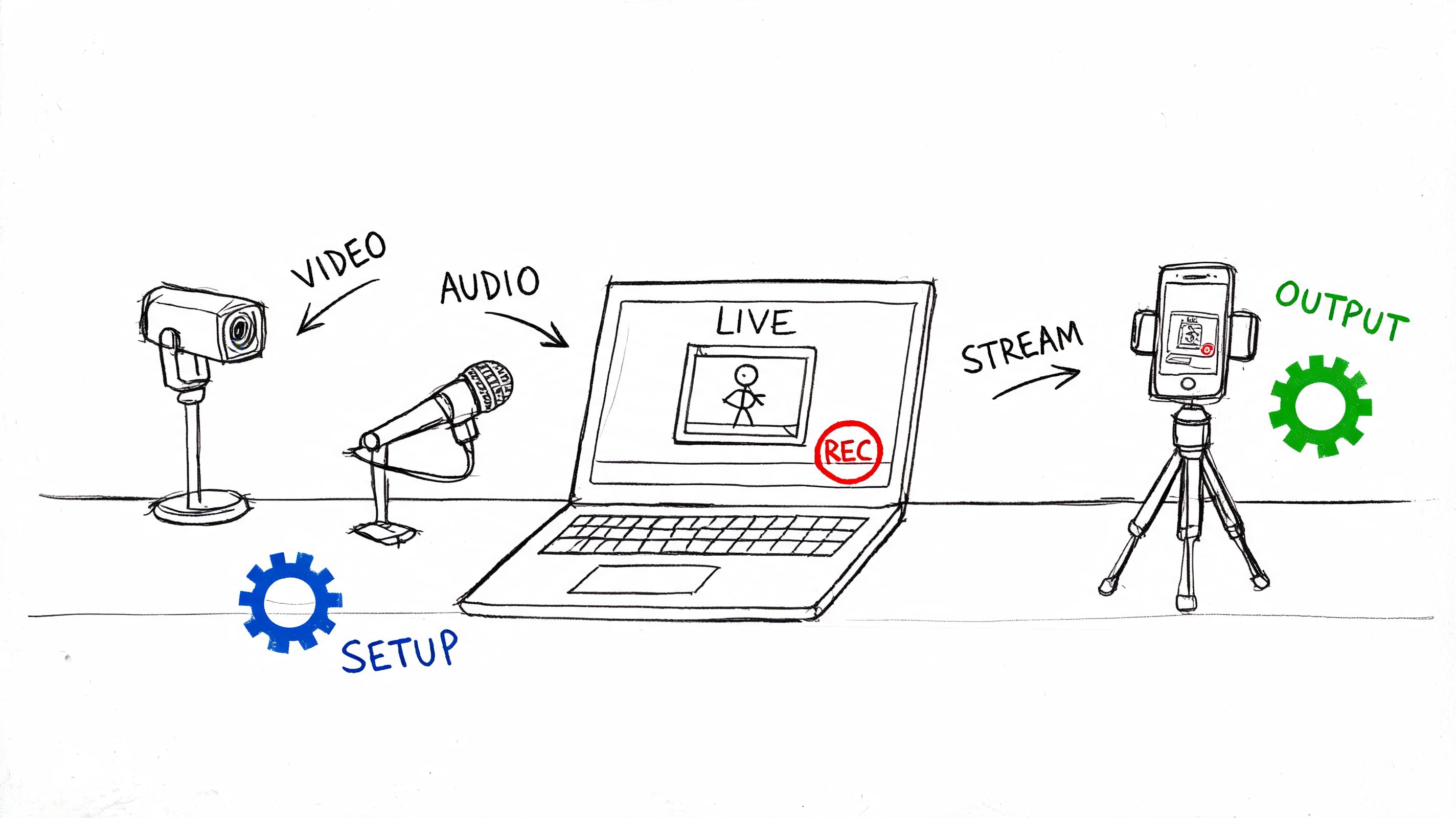
- Default medium: Video can help with connection, but audio plus notes may be enough for brief tactical check-ins.
- Documentation plan: Decide before the meeting how notes, owners, and follow-ups will be captured.
If your check-in needs 45 minutes to get through simple updates, the format is wrong or the attendee list is too large.
Match cadence to risk, not preference
Some managers set cadence based on personal style. That backfires.
A better rule is to tie the rhythm to how quickly work can drift. Product and engineering teams often need frequent touchpoints because blockers compound fast. A consultant managing several client streams may need a short weekly internal check-in plus separate project-specific syncs. HR leaders often need a recurring team check-in and separate employee conversations because group updates and personal support don’t belong in the same room.
Build the invitation like an operator
Small design changes improve the odds that people show up prepared.
Use the calendar invite to define expectations:
- State the purpose clearly: One sentence is enough.
- Name the format: Stand-up, 1:1, project sync, or performance check-in.
- List the prompts: People think faster when they know what’s coming.
- Set the time boundary: Short meetings stay short when the invite says so.
- Clarify what won’t happen: For example, “blockers are flagged here, solved after.”
If you want a practical setup checklist before anything hits the calendar, this guide on how to prepare for meeting covers the basics well.
Good design feels lighter, not stricter
Teams sometimes resist structure because they think it will make the meeting robotic. In practice, the opposite happens. A check in meeting with a clear objective, right-sized duration, and defined participant role feels more human because people aren’t competing for airtime or guessing what matters.
The best design doesn’t just save time. It gives the meeting a job, and everyone in it knows what that job is.
Running a Flawless Check In Meeting
Execution is where good intentions fall apart.
A team can have the right cadence and still waste the slot if nobody facilitates it properly. The best check in meeting feels quick, but it isn’t casual. Someone has to hold the format, protect the time, and stop the group from turning a short sync into an accidental workshop.

Use a script people can trust
For daily or near-daily team check-ins, the Agile stand-up remains hard to beat because it removes ambiguity. Career Place describes a practical formula: 2 minutes per participant, no interruptions, and three prompts. The same source says this structure can improve productivity by 20-30% in Scrum teams.
The three prompts are simple:
- What did you complete since the last check-in?
- What are you working on now?
- What’s blocking you, or where do you need help?
That’s enough for most tactical check-ins.
The facilitator’s job isn’t to make the meeting lively. It’s to make it clear.
Keep the room focused on signal
People often think a check-in needs fresh prompts every time. It doesn’t.
Consistency helps people prepare. What matters is whether the questions produce useful information. If they don’t, refine them. Don’t replace discipline with novelty.
A reliable flow looks like this:
- Open on time: Waiting rewards lateness.
- Restate the purpose in one sentence: That’s especially useful in mixed or cross-functional groups.
- Move person to person: Predictable turns reduce interruptions.
- Capture blockers visibly: Don’t trust memory.
- Assign follow-up owners live: If help is needed, attach a name to it.
- Close early if you’re done: Finishing on time builds trust.
Questions that surface more than status
When a basic stand-up starts sounding too mechanical, don’t add extra agenda items. Upgrade the prompts.
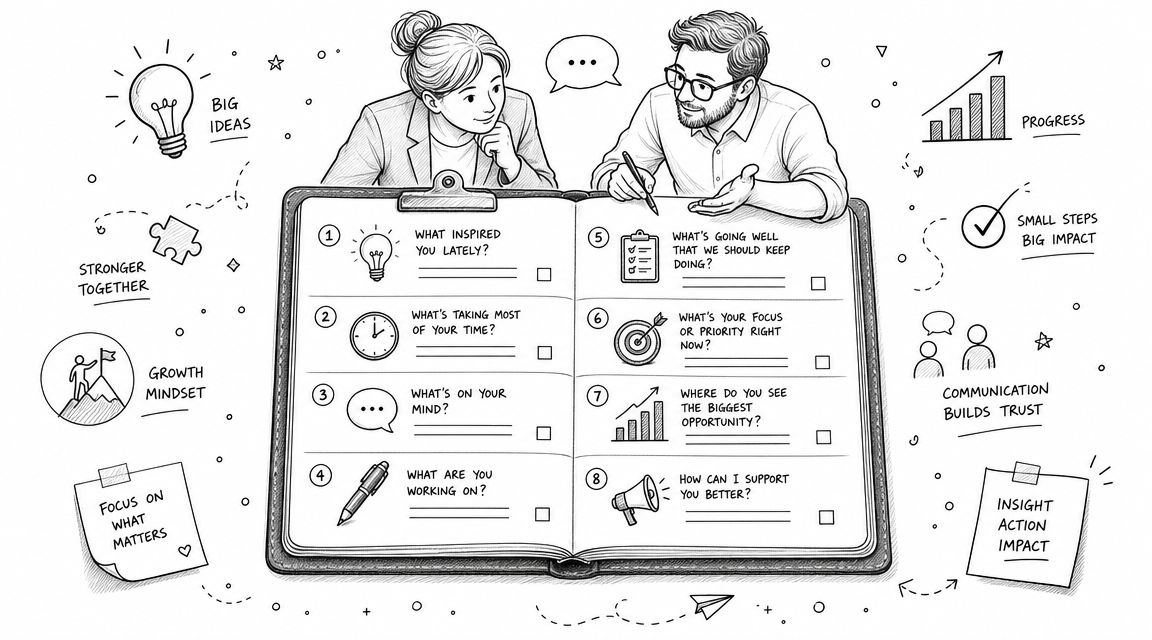
Try rotating in questions like these when needed:
- What’s at risk if nothing changes before our next check-in?
- Where are you waiting on another team, tool, or approval?
- What decision would help you move faster?
- What’s taking longer than expected?
- Who needs context from you today?
Those questions tend to expose dependency risk and ambiguity, not just activity.
“Short updates are useful. Hidden blockers are expensive.”
That’s the standard I use for judging whether a check-in is working.
The facilitator should interrupt, gently
Many managers avoid stepping in because they don’t want to seem controlling. That creates a worse experience for everyone else.
A good facilitator interrupts for four reasons:
- To stop problem-solving from taking over
- To bring in quieter participants
- To redirect vague updates into specifics
- To protect the time boundary
Useful lines sound like this:
- “Let’s log that for a follow-up right after.”
- “What do you need, specifically?”
- “Give us the short version, then we’ll take the detail offline.”
- “We haven’t heard from everyone yet.”
That kind of interruption doesn’t shut people down. It keeps the meeting usable.
Hybrid teams need stronger mechanics
Remote and hybrid settings punish loose facilitation.
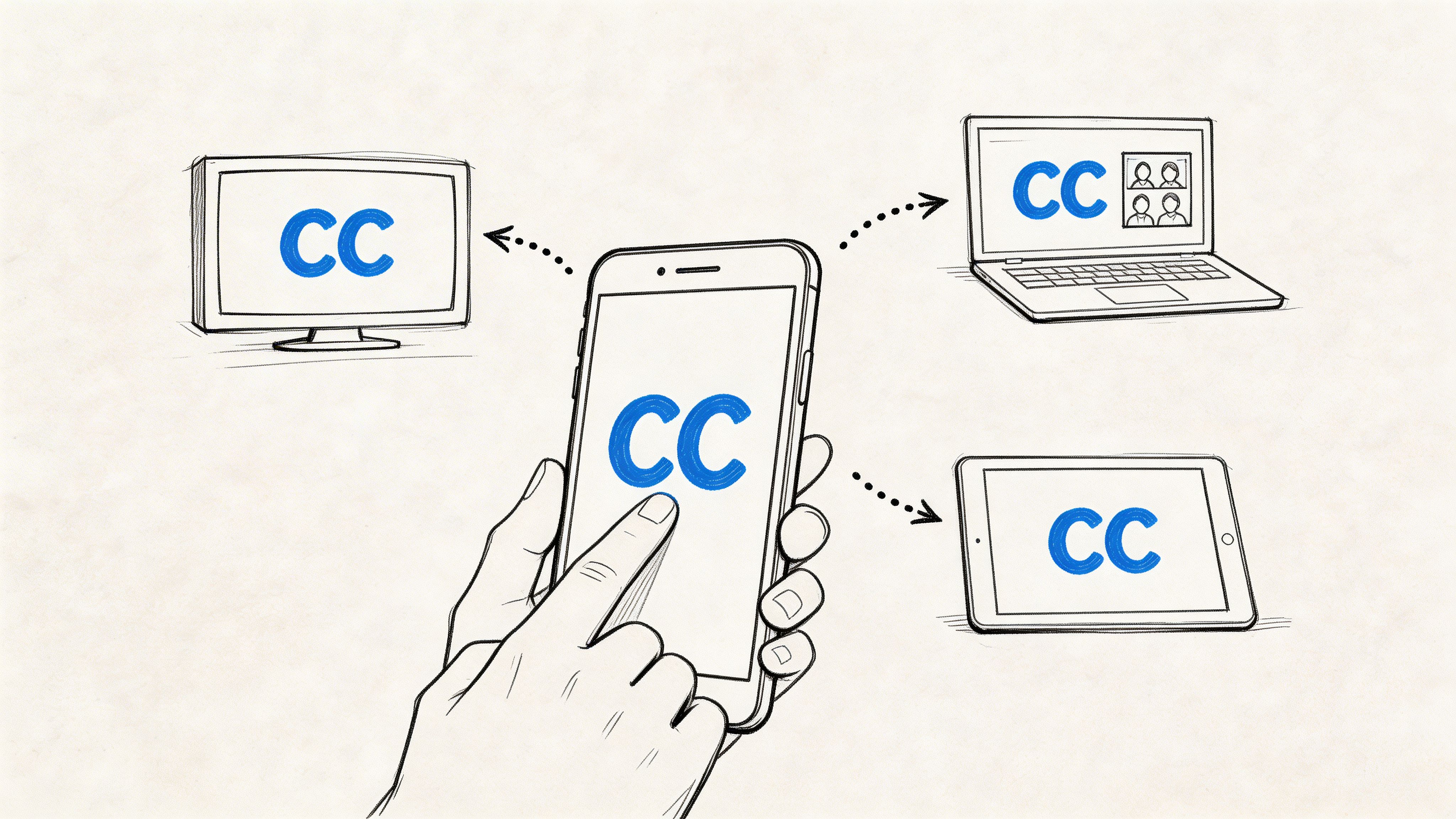
Audio lag, people joining without cameras, different levels of language confidence, and chat side conversations all make it easier for the loudest or fastest speakers to dominate. In-person teams can sometimes absorb sloppy facilitation. Distributed teams can’t.
That’s why I prefer to call on people in a clear order in hybrid check-ins rather than waiting for volunteers. It removes the awkward pause and gives everyone equal entry into the conversation.
For teams trying to improve the logistics around recurring team meetings, a dedicated meeting scheduling workflow can help keep recurring check-ins consistent without adding more back-and-forth.
Don’t confuse check-ins with collaboration sessions
When someone raises an issue, the room wants to solve it immediately. That urge is understandable and wrong.
A check in meeting should identify the issue, define the owner, and decide whether a separate conversation is needed. Once more than two people are deep in a problem, the rest of the group is waiting.
This short video is a useful example of how to think about concise meeting flow and team coordination:
What a flawless meeting looks like
A flawless check-in isn’t dramatic.
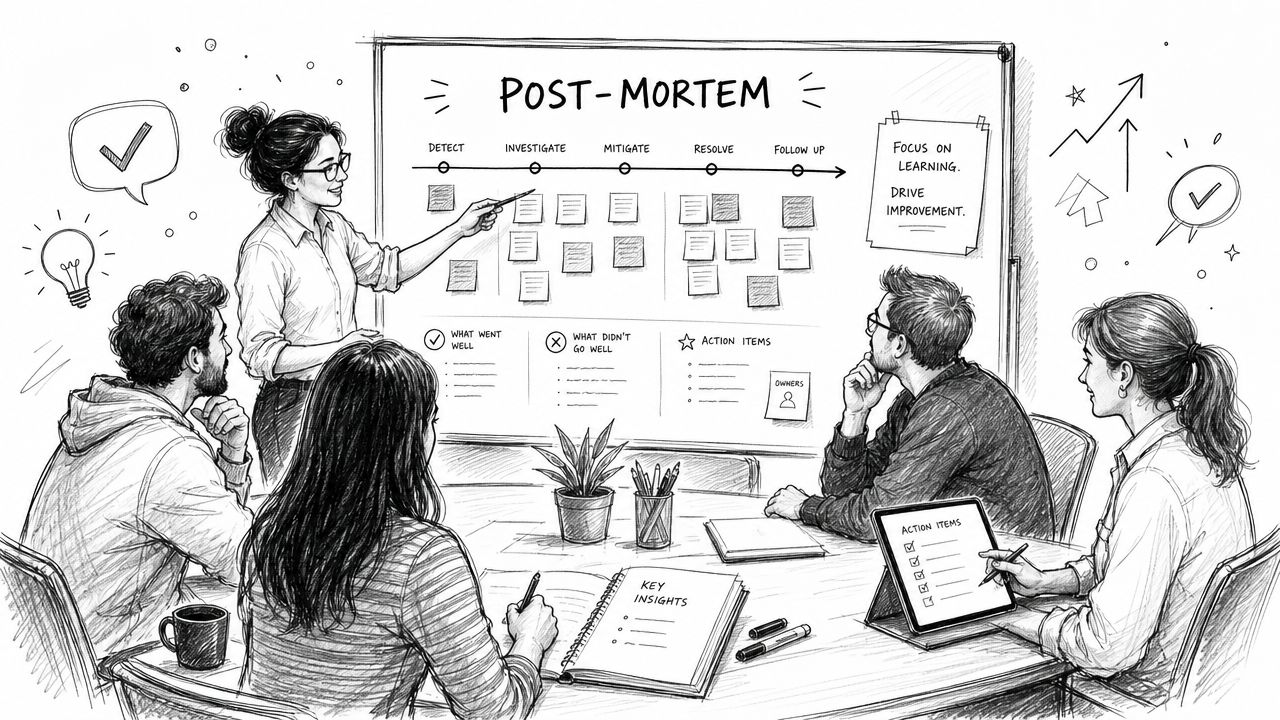
People join prepared. Everyone speaks. Updates are short. Blockers become visible. Side issues are parked. Owners are clear. The meeting ends on time. Nobody leaves wondering what they’re responsible for or whether anyone noticed their risk.
That’s what good facilitation buys you. Not energy for its own sake. Clarity with momentum.
Common Pitfalls and How to Sidestep Them
The quickest way to ruin a check in meeting is to keep calling it healthy after it stopped being useful.
Most failing check-ins don’t collapse all at once. They decay. The meeting gets longer, vaguer, more dominated by a few voices. Then one day people start showing up late, multitasking, or skipping because they no longer expect value.
When the meeting turns into live problem-solving
This is the most common failure mode.
A blocker comes up, two people start working through it, and suddenly the rest of the team is trapped in a discussion that doesn’t involve them. The meeting feels productive to the people talking and wasteful to everyone else.
Fix it with a bright line:
- Name the issue
- Assign who will take it
- Schedule or continue offline
- Return to the round
If the team resists that rule, remind them that a check-in is for surfacing issues, not resolving every one in public.
When updates start feeling like surveillance
A check-in becomes toxic when people think they’re performing for approval instead of sharing what’s true.
You’ll notice it when updates become polished, blockers vanish, and people talk about activity instead of outcomes. That means the meeting has drifted from support to control.
Watch for this sign: If nobody ever says “I’m stuck,” the team may not feel safe enough to tell the truth.
To correct it, managers should go first occasionally and model honesty. A simple “I’m waiting on a decision too” or “I underestimated this timeline” changes the tone. So does asking for help-seeking language, not polished reporting language.
When one or two people dominate the room
Some teams call this a personality issue. It’s a facilitation issue.
If the same people speak longest every time, the structure isn’t doing enough work. Equal participation rarely happens by accident in a hybrid room.
A few practical fixes work well:
- Use a fixed speaking order: This removes the race to jump in.
- Set time expectations in advance: People are less likely to ramble when the rules are public.
- Invite the quiet person directly: Not aggressively, clearly.
- Redirect long answers: “Give us the headline” is often enough.
The goal isn’t to make everyone identical. It’s to make the meeting fair.
When the ritual loses meaning
A check in meeting can be efficient and still dead.
That happens when the same script repeats long after the team’s needs changed. People answer out of habit. Nobody challenges assumptions. The meeting survives because it exists on the calendar, not because it earns its place.
You can diagnose this fast:
- People give updates nobody uses
- The same blockers appear week after week
- No decisions or follow-ups come out of the conversation
- Attendance is passive rather than engaged
At that point, don’t add icebreakers. Redesign the meeting. Shorten it, split it, change the participants, or change the prompts. A stale check-in needs sharper purpose, not more enthusiasm.
When hybrid friction gets ignored
This pitfall is easy to miss because the meeting may look fine to the people in the main room.
Meanwhile, remote participants deal with uneven audio, delayed entry points, and fewer natural chances to jump in. People speaking in a second language get interrupted more quickly or decide not to push for airtime.
That kind of friction strips value from the meeting. The fix is operational:
- Pause for remote voices before moving on
- Use visible notes so missed audio doesn’t erase input
- Summarize decisions aloud before closing a topic
- Follow up in writing so nobody has to rely on memory
A healthy check-in doesn’t depend on who happened to hear everything perfectly.
The Follow-Up Workflow That Drives Action
A check in meeting without follow-up is a conversation with good intentions.
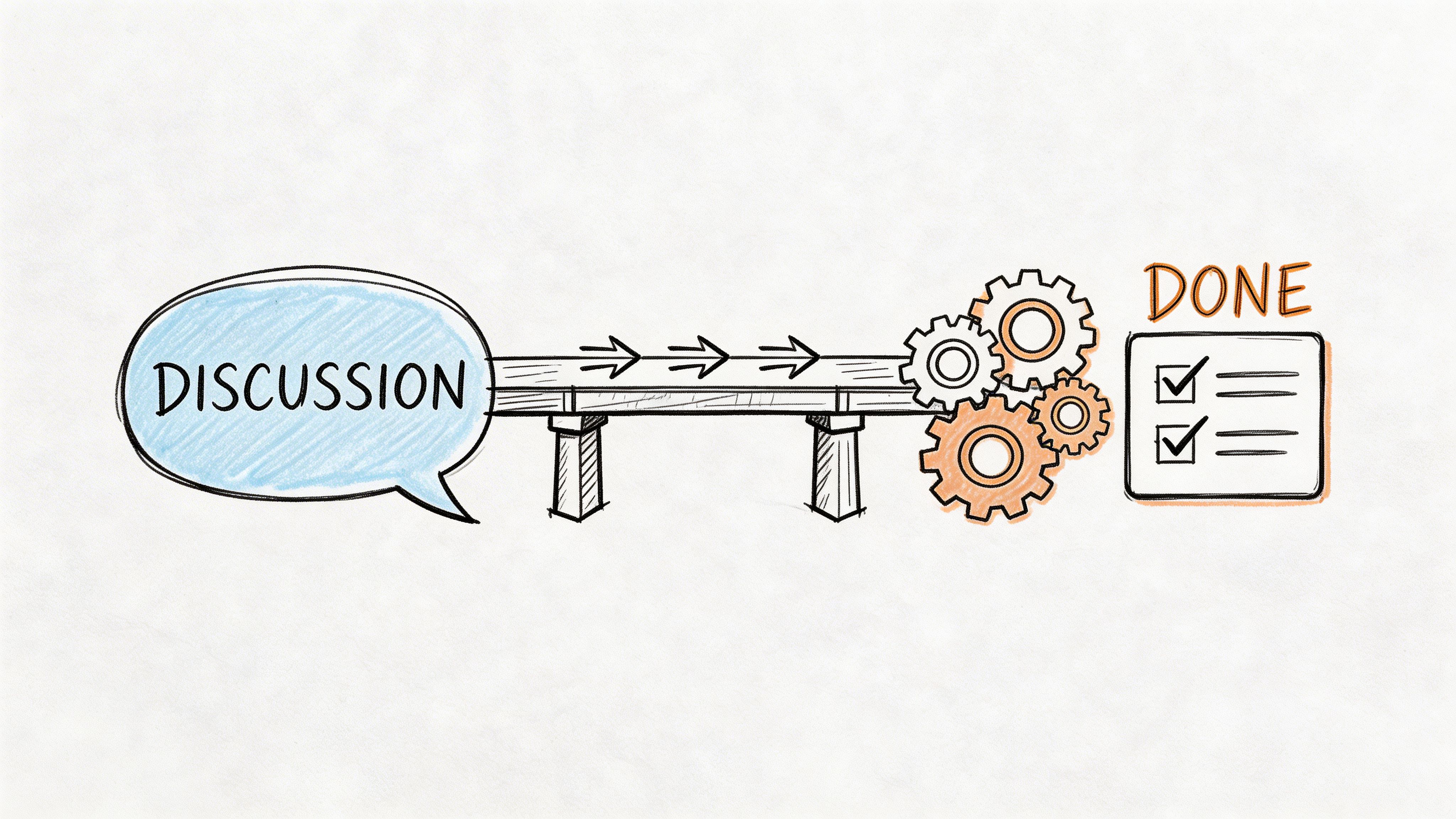
That sounds harsh, but it’s true. Teams often focus so much on the live meeting that they ignore the point where value is either captured or lost. People leave with mental notes, partial memory, and a vague belief that someone else wrote things down.
Documentation is not admin work
In distributed teams, written follow-up is part of execution.
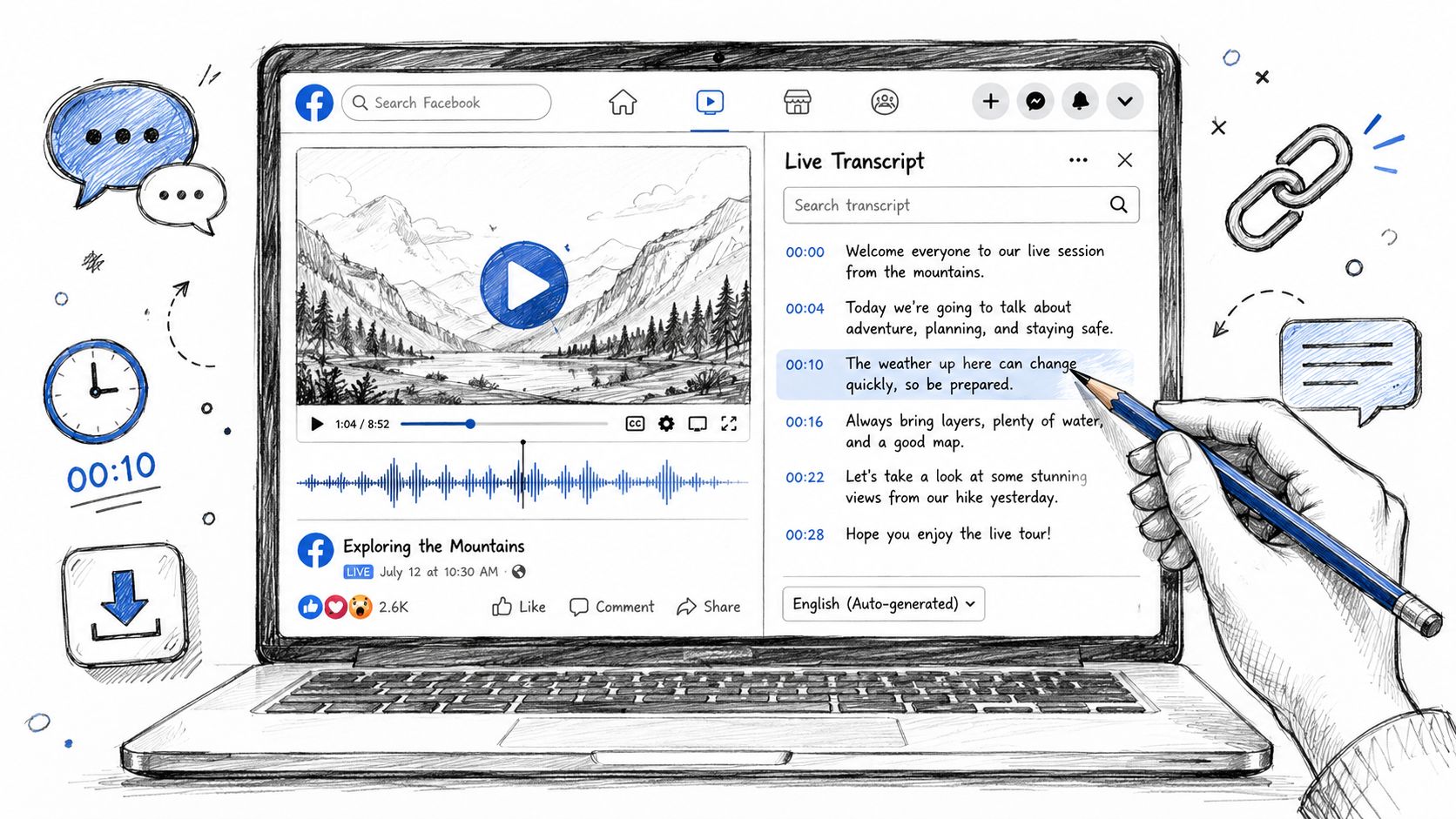
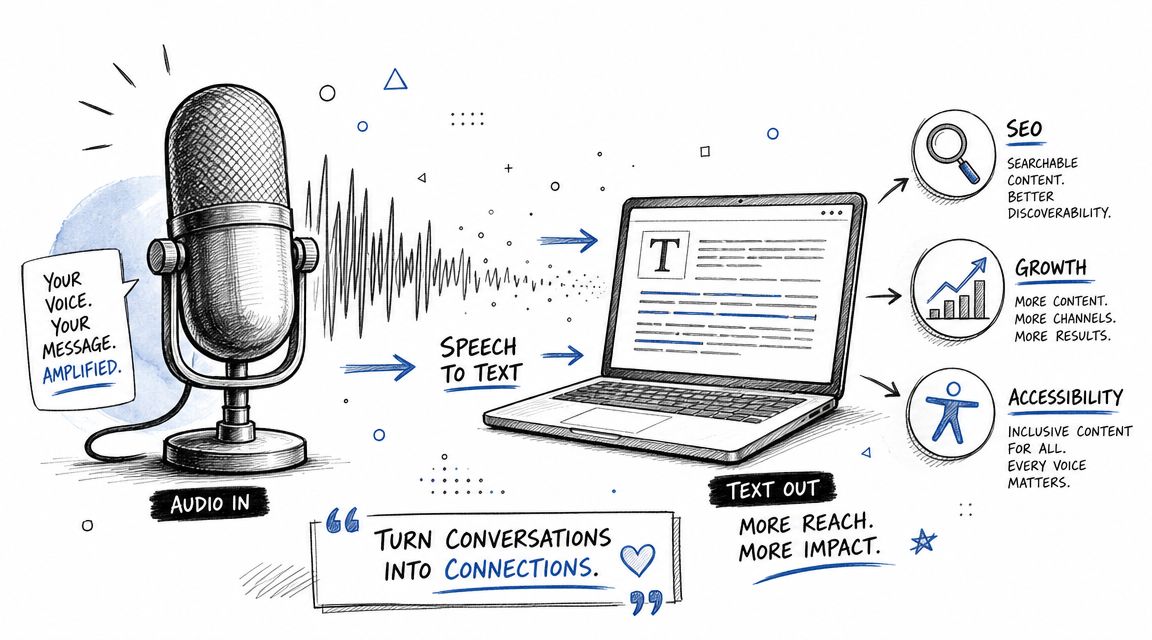
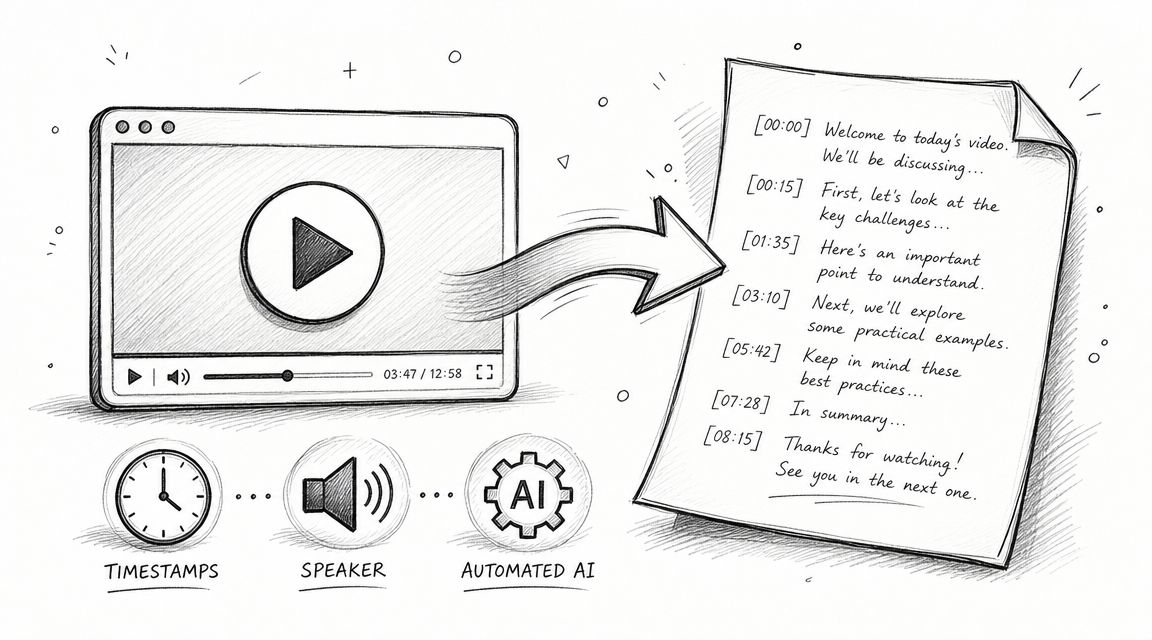
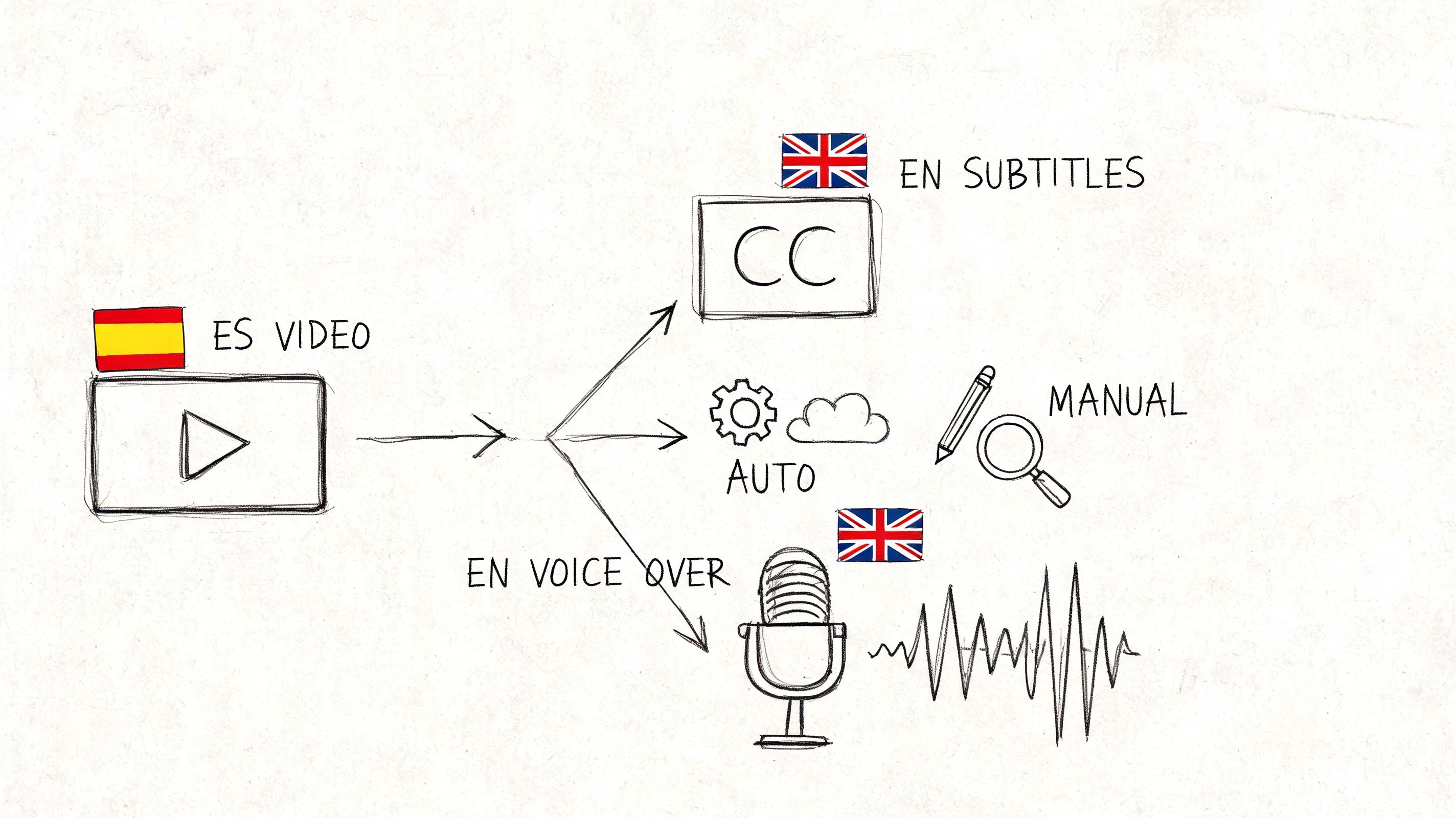
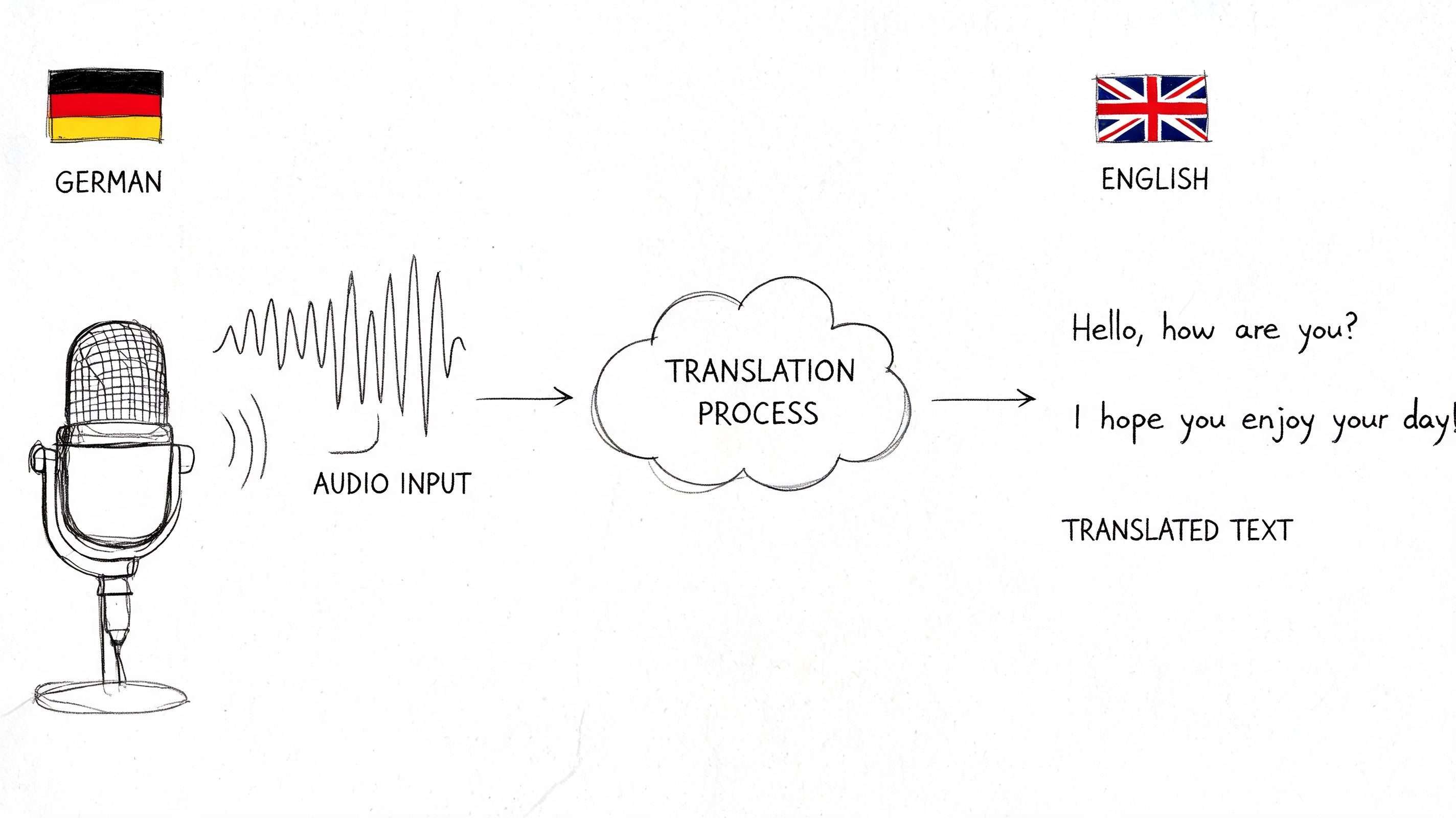
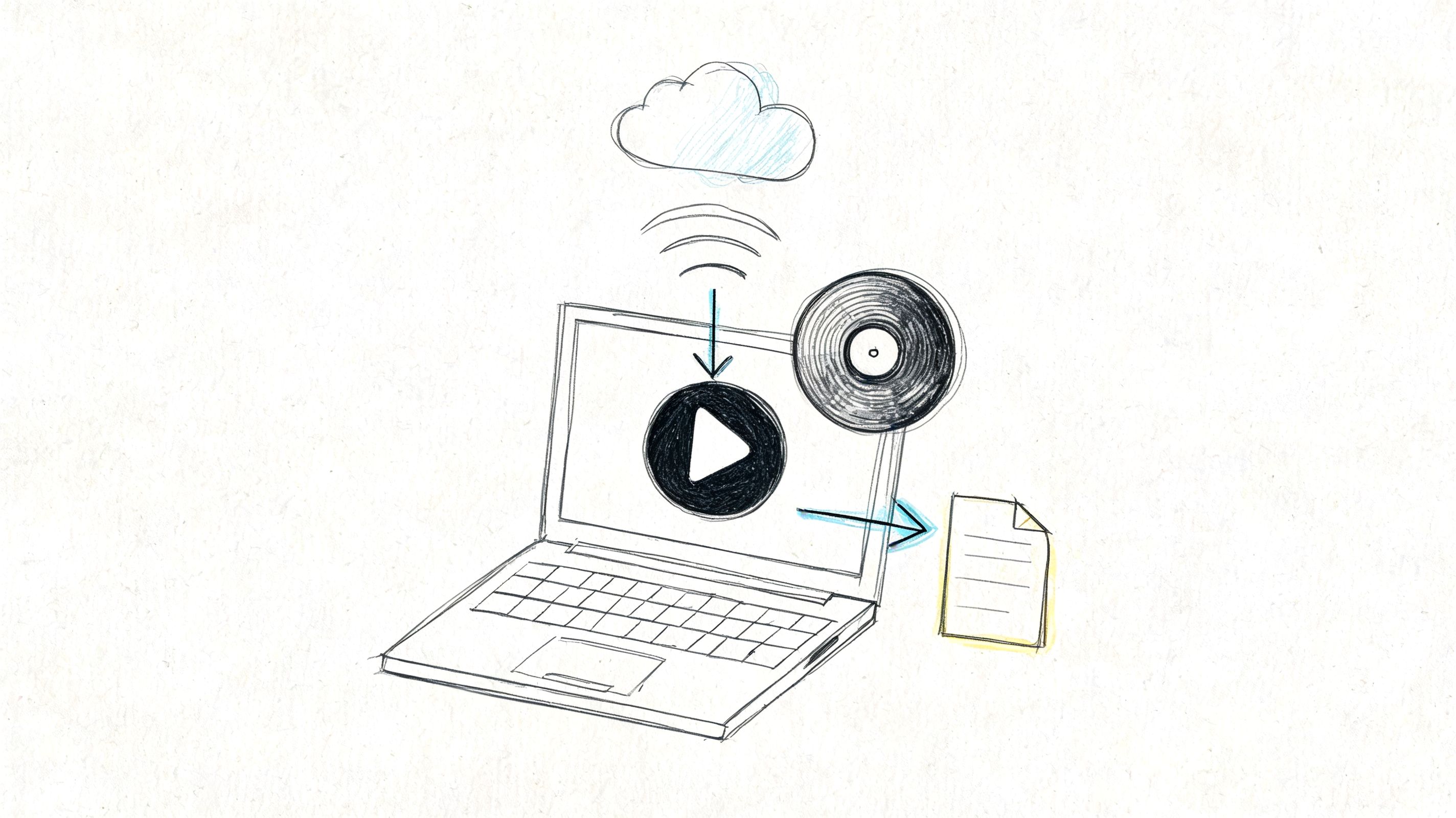
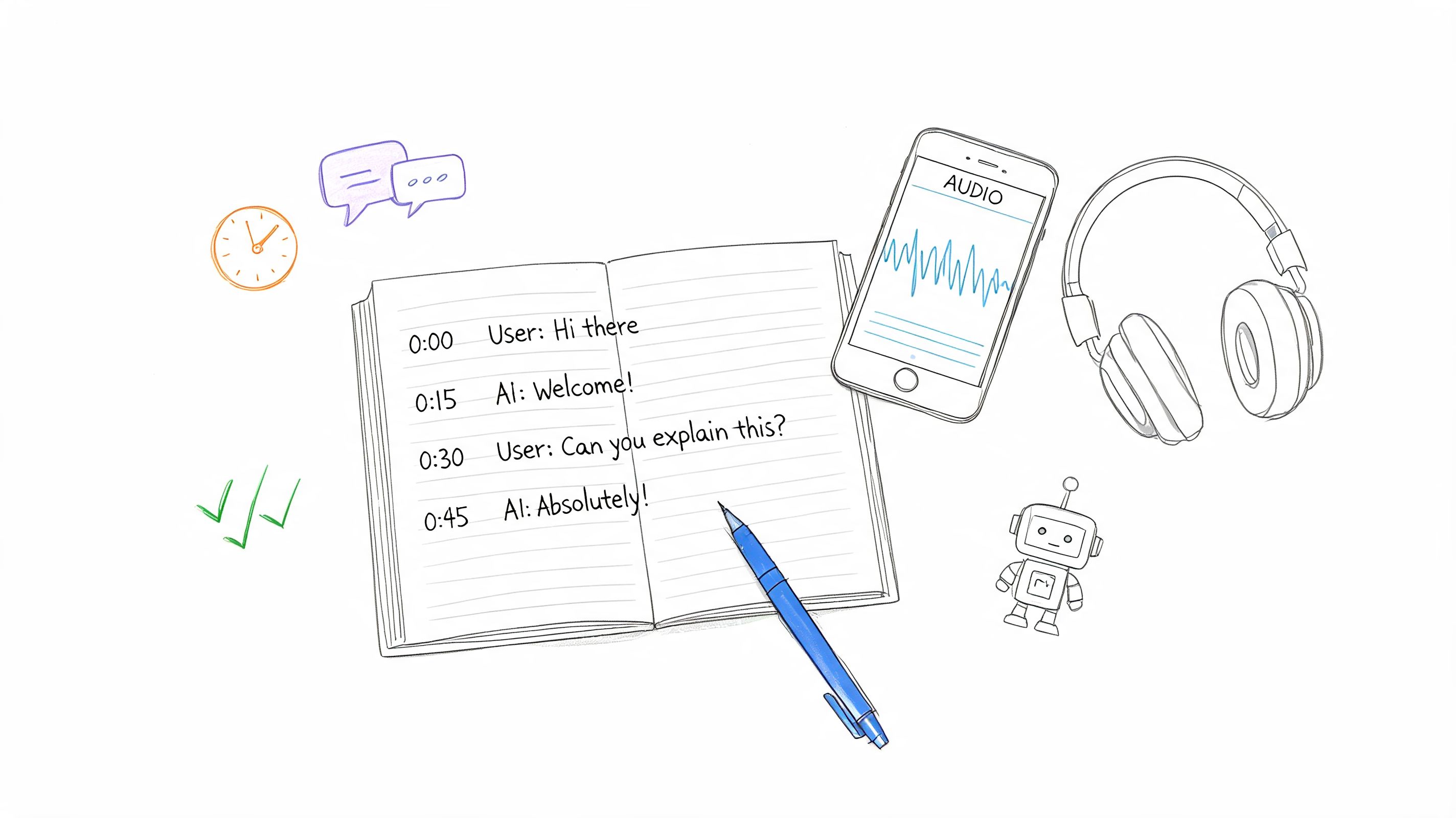
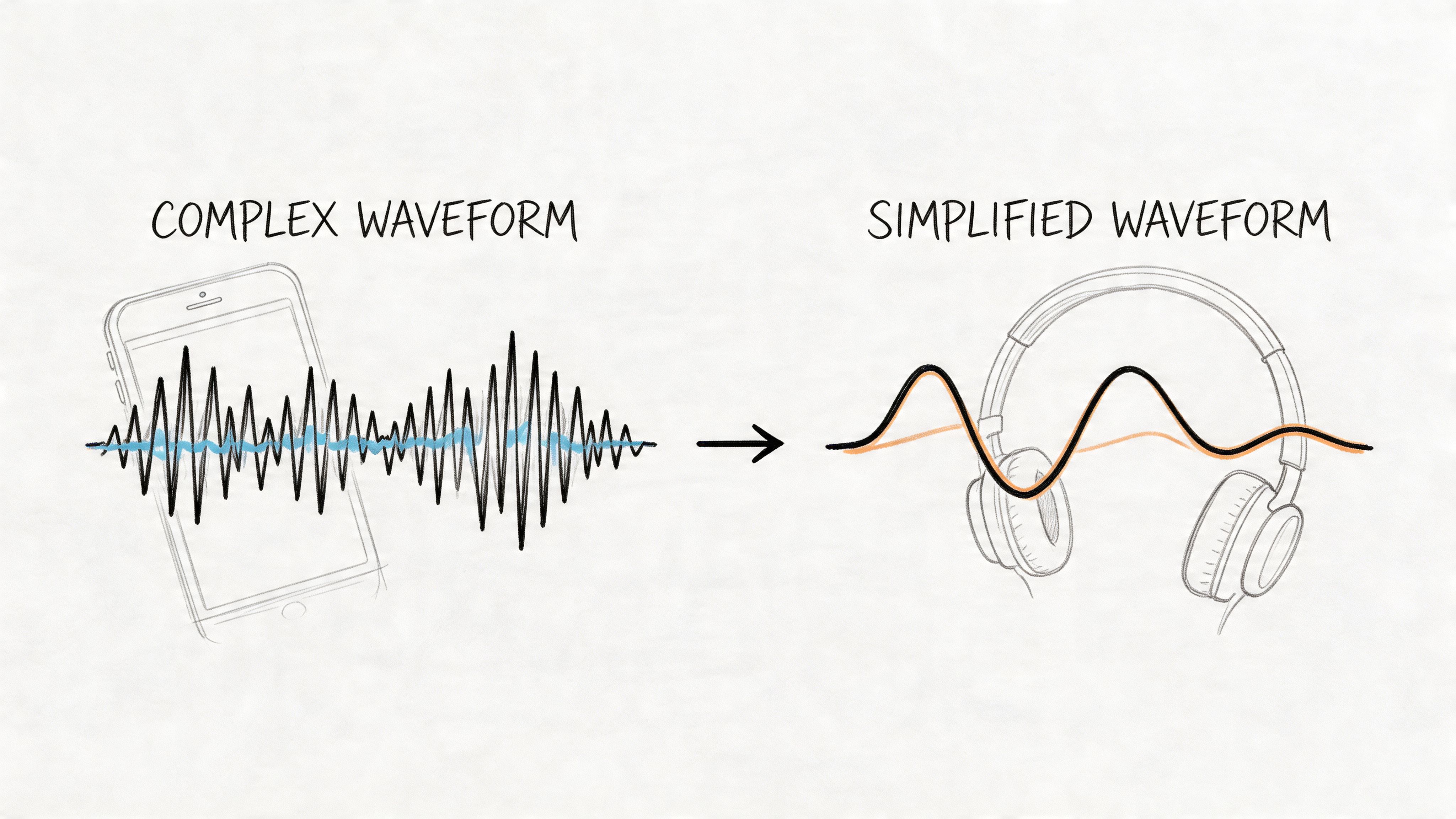
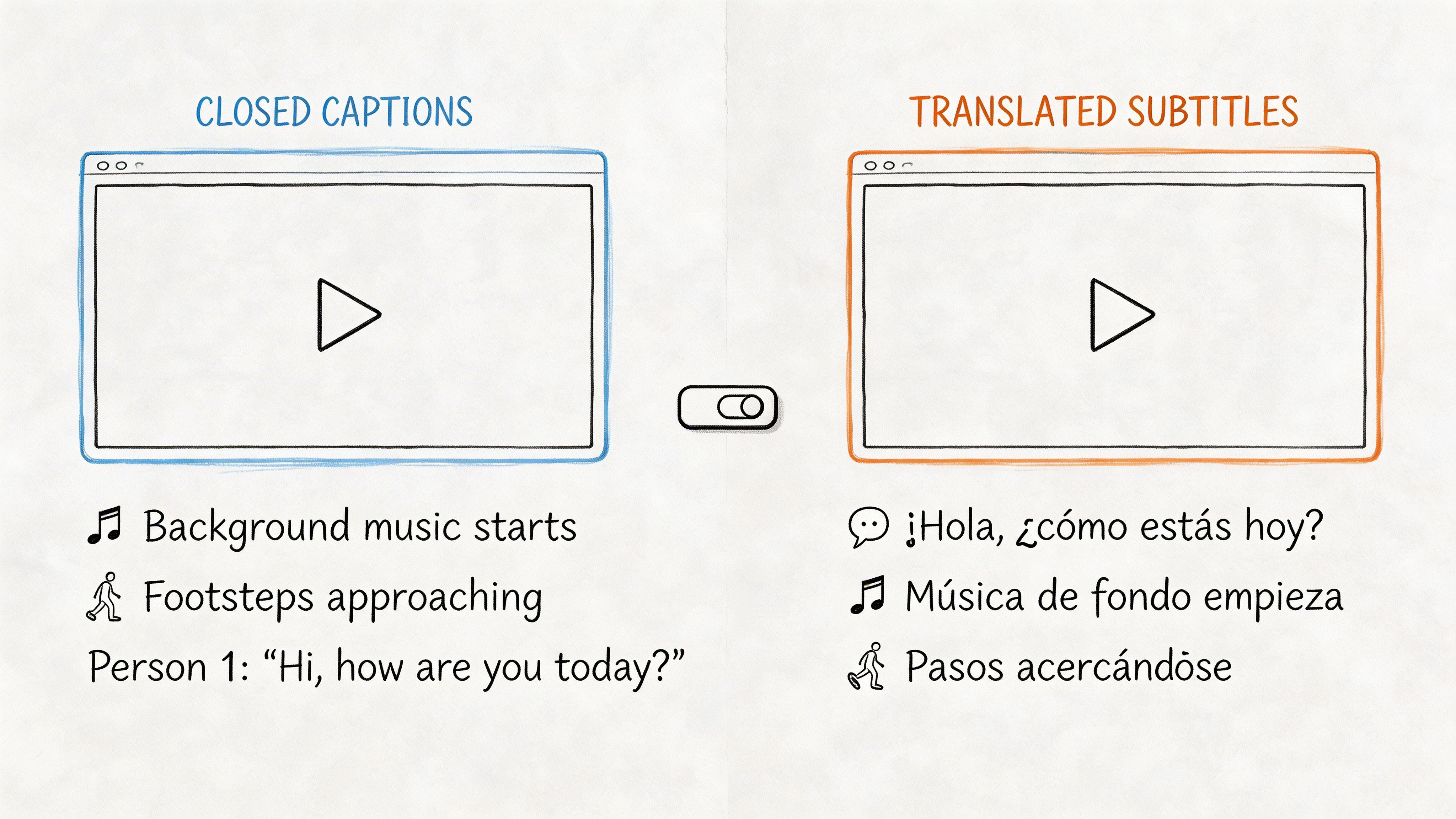
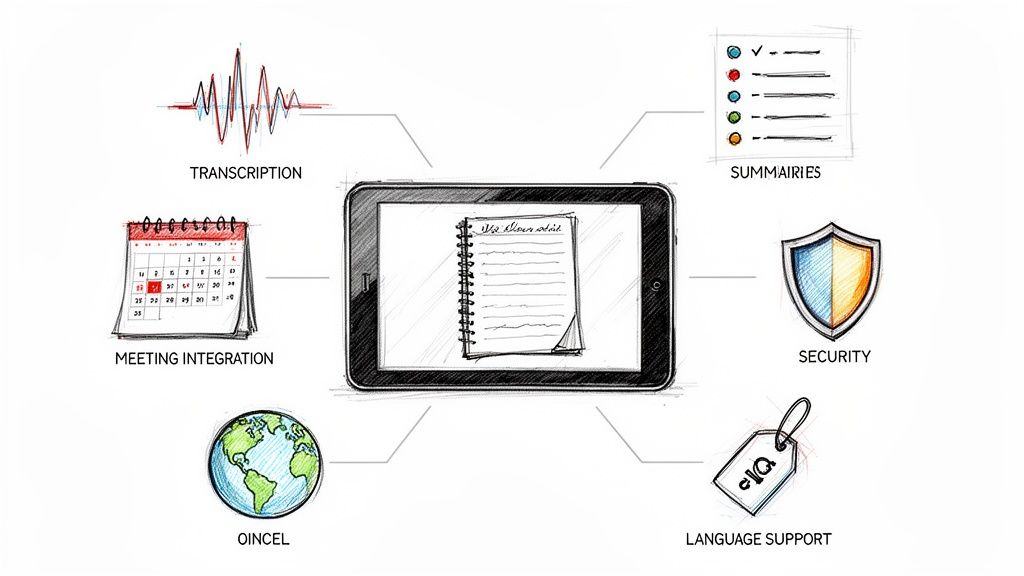
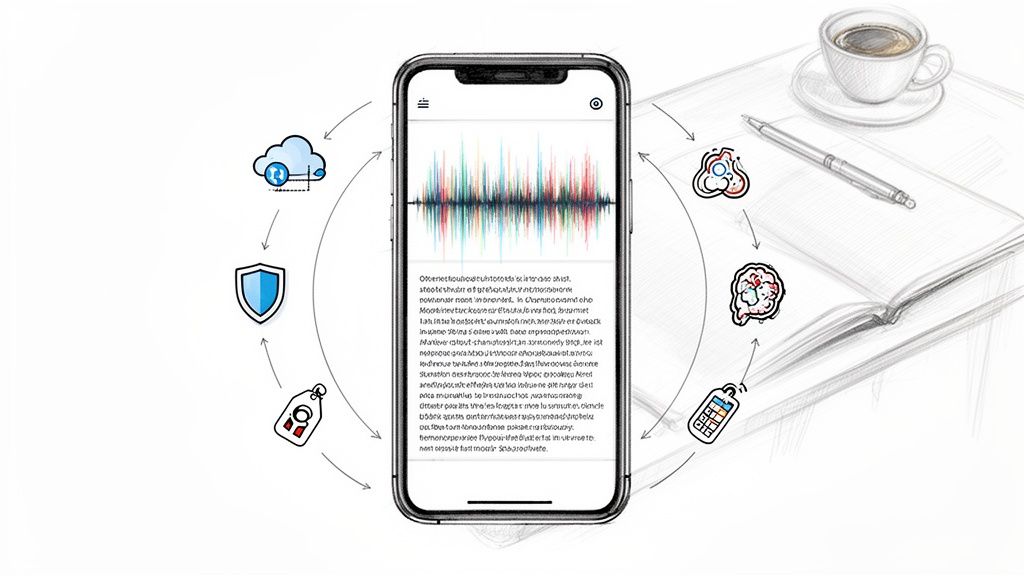
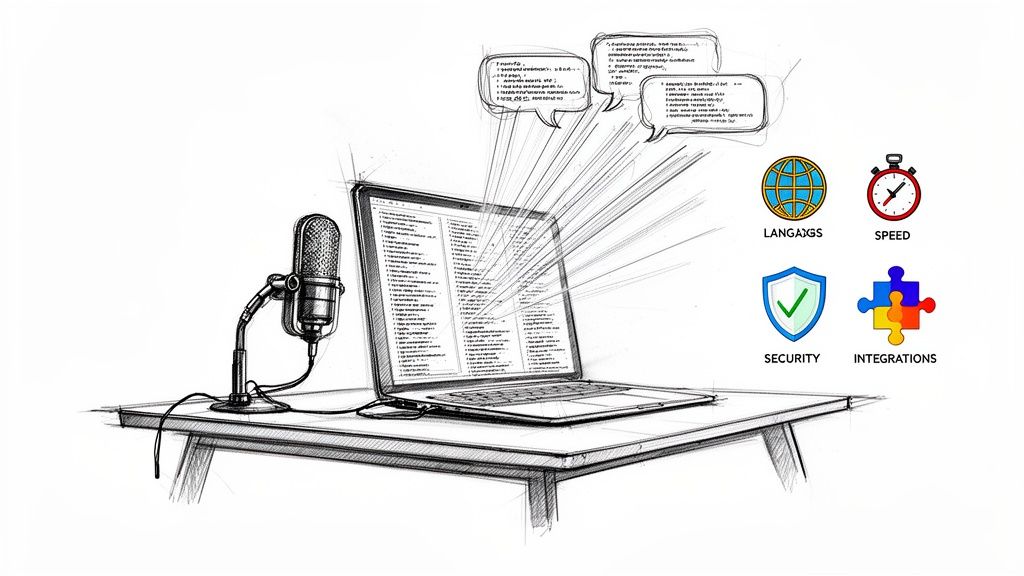
That’s even more important in hybrid settings. A 2025 Owl Labs survey summarized here found that 62% of remote workers report hybrid meetings are less productive due to “unheard voices.” The same source says AI transcription tools can provide records with 99% accuracy, multilingual summaries, and stronger engagement when meetings are logged digitally.
You don’t need AI because note-taking is fashionable. You need a reliable record because memory is weak, audio conditions vary, and people interpret spoken agreements differently.
What a practical follow-up workflow looks like
The best teams treat check-ins as a system with outputs, not just a live event.
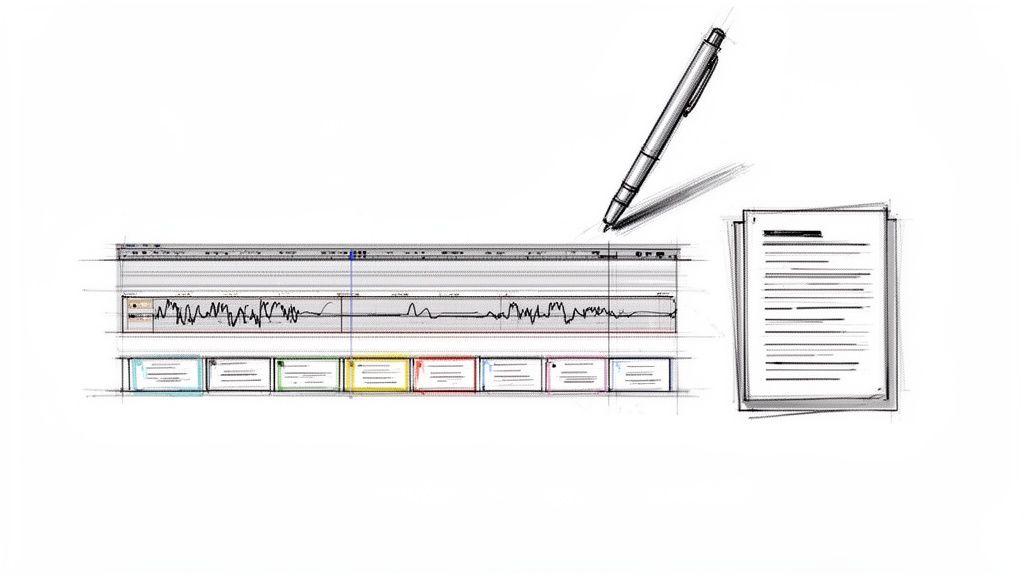
A strong workflow includes these pieces:
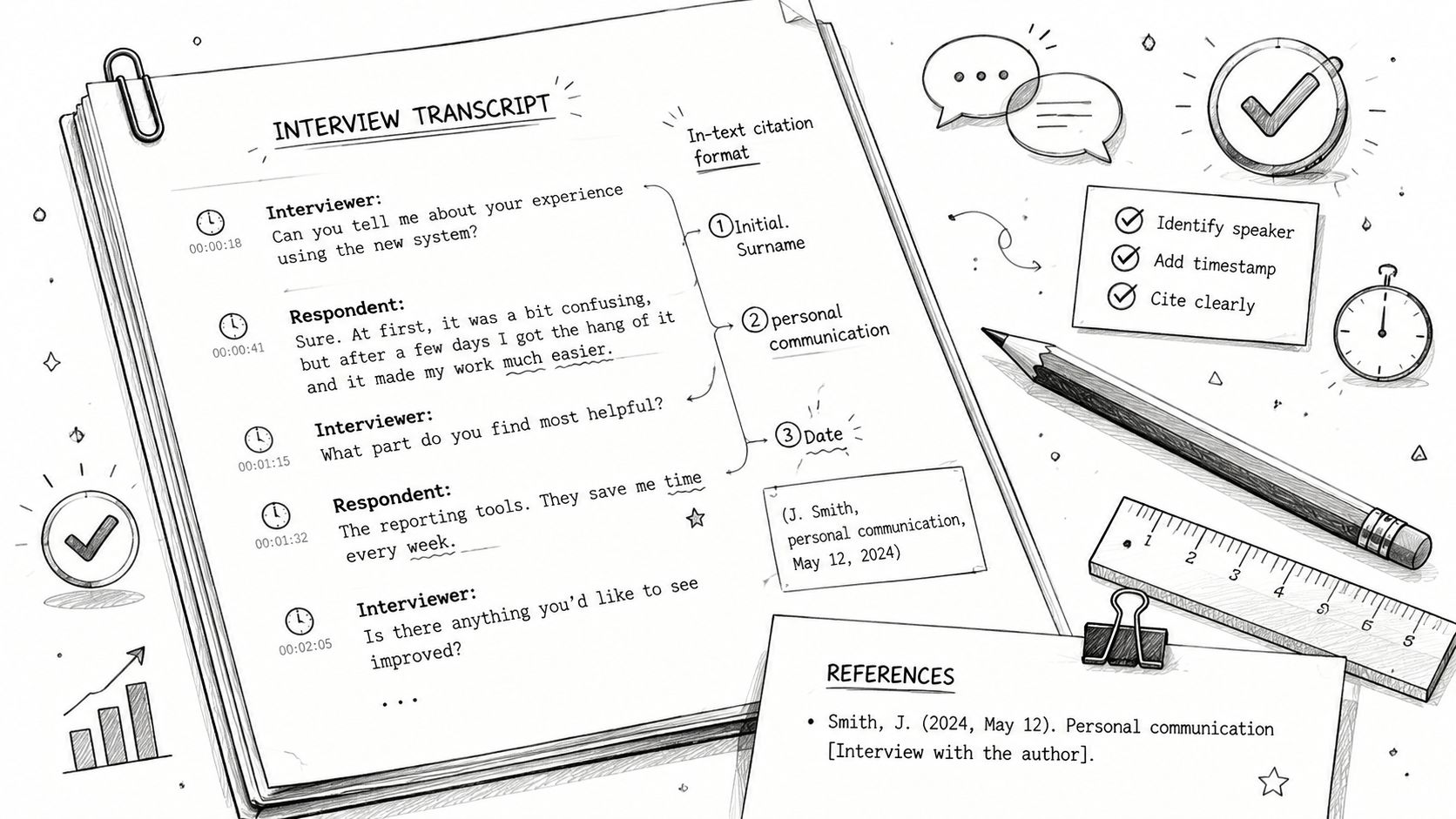
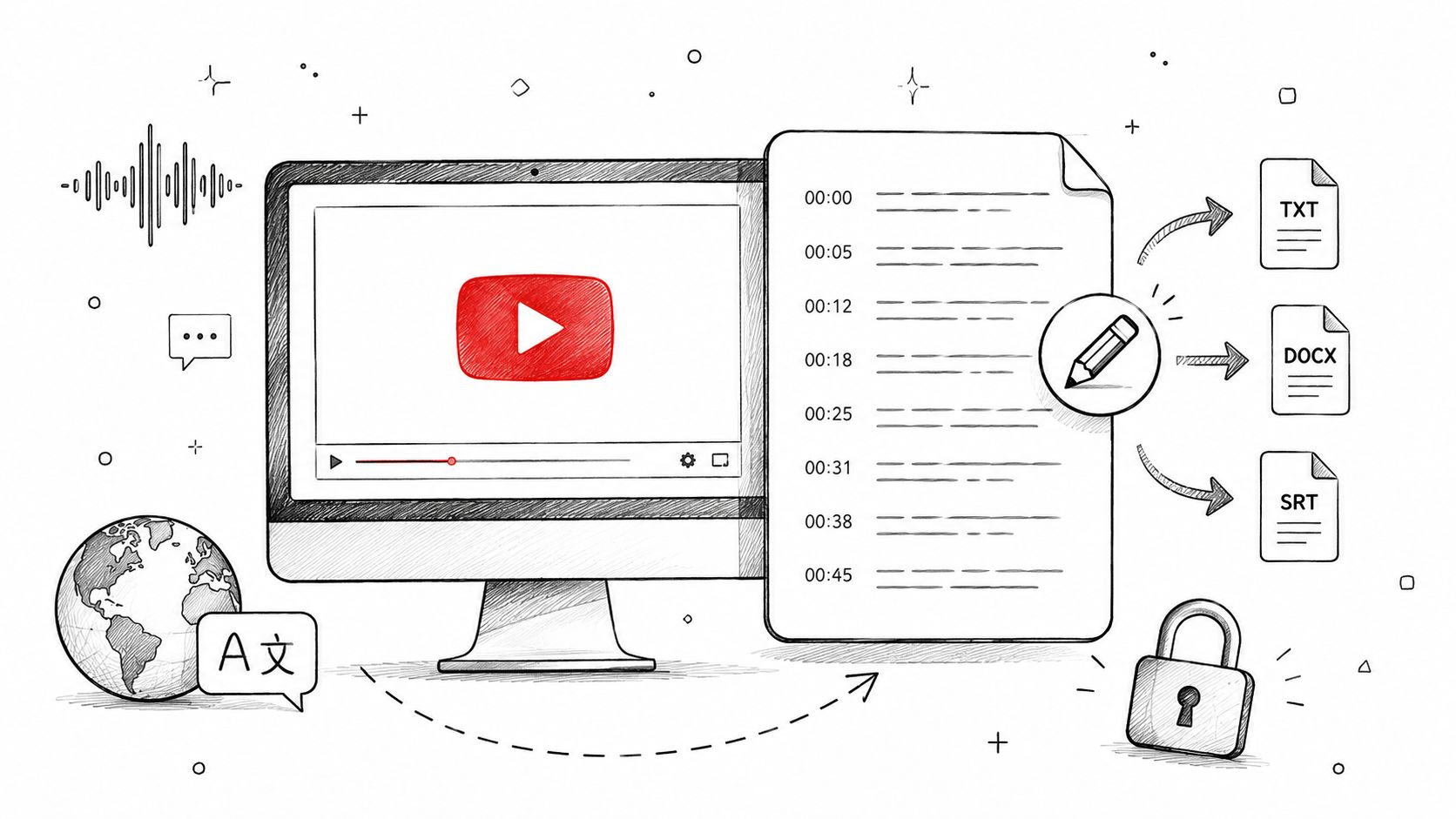
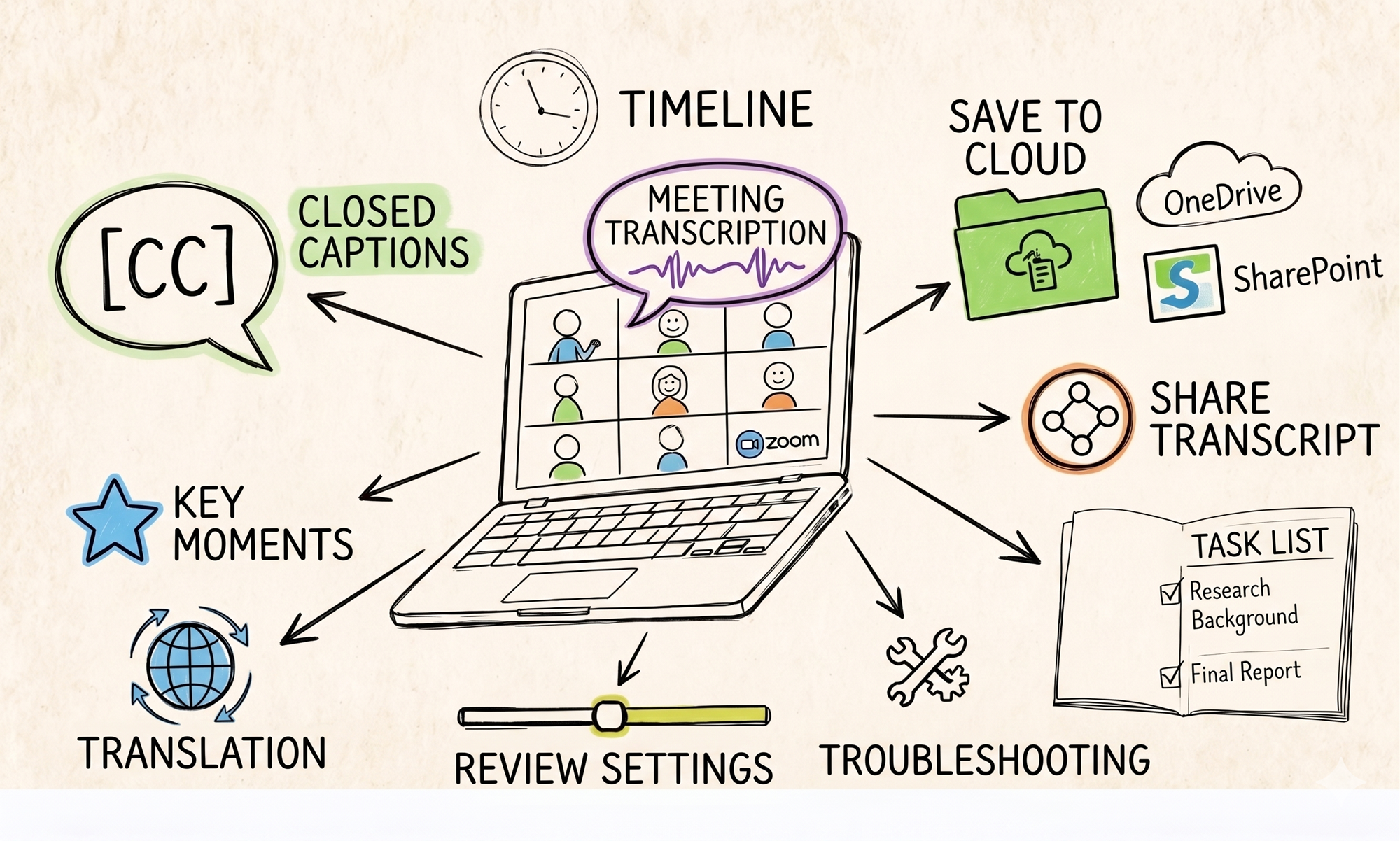
Capture the conversation in full
Use a transcript or designated notes so nobody relies on recall.Turn updates into decisions and actions
A good summary separates what was discussed from what now needs to happen.Assign one owner per action item
Shared ownership sounds collaborative and means nobody moves first.Distribute the record quickly
If notes arrive late, people fill the gap with their version of events.Make the output searchable
That matters when someone misses the meeting, joins from another time zone, or needs to revisit a commitment later.
Why AI fits the modern check-in lifecycle
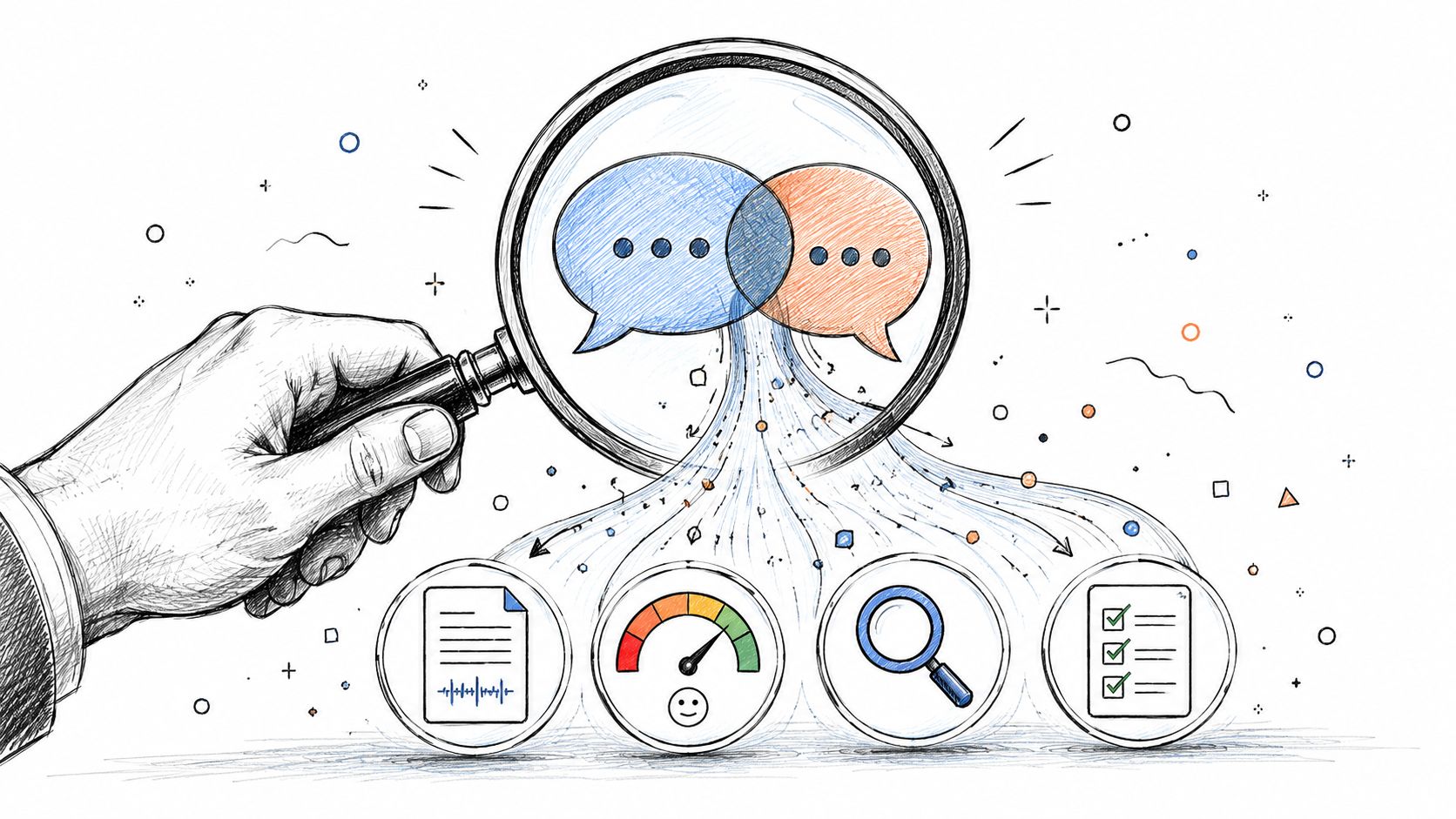
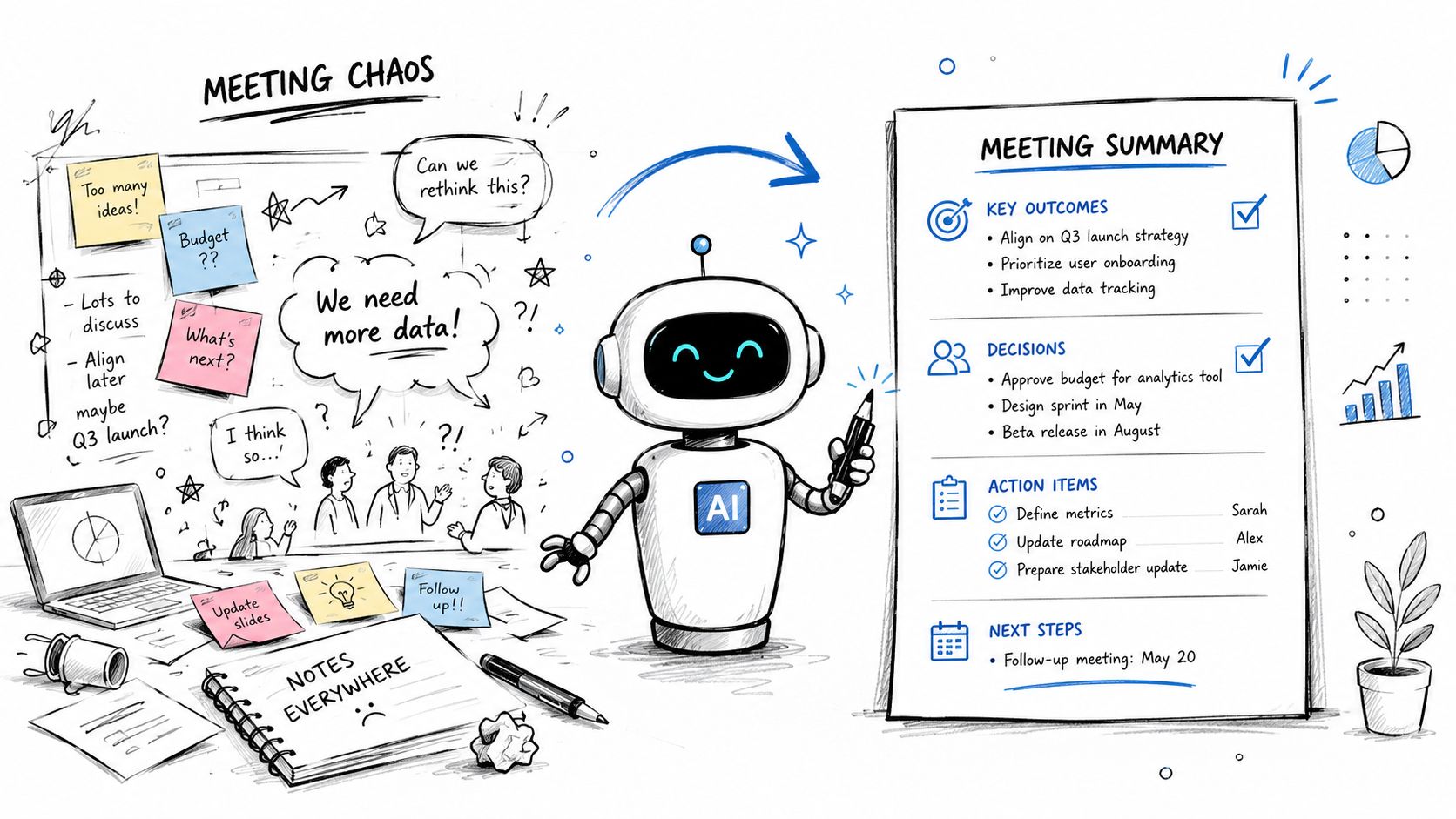
The value of AI in a check in meeting isn’t just transcription. It’s continuity.
Used well, AI helps teams move through the full loop:
- Before the meeting: Review past summaries, unresolved blockers, and prior commitments.
- During the meeting: Capture spoken updates in real time, including decisions and requests for help.
- After the meeting: Generate a concise summary, extract action items, and create a searchable record.
That matters a lot in global teams. A manager might lead a check-in with participants who speak at different speeds, use different accents, or join at odd hours. In those environments, a searchable written record becomes a shared operating layer.
A team doesn’t have accountability because it talked. It has accountability because people can point to what was agreed, who owns it, and what happened next.
What good output should include
If your meeting notes say “discussed blockers,” they’re not usable.
The output from a check-in should make the next move obvious. I look for five things:
- A short summary of what changed
- Named blockers
- Assigned owners
- Deadlines or next checkpoints
- Open questions that still need answers
That applies whether you’re managing product work, client delivery, hiring, support operations, or onboarding. If your team runs handoff-heavy workflows, a structured resource like this customer success playbook template is a helpful example of how documented processes make recurring conversations easier to act on.
Make the record visible between meetings
The follow-up loses force when it disappears into someone’s private notebook.
The summary should live where the team works. That might be a shared doc, project system, workspace, or exported note format. What matters is that people can find it without friction. When they can’t, the next check-in starts from memory instead of evidence.
For teams that want a cleaner written format, this meeting follow-up template is useful for standardizing action items, owners, and next steps.
A significant payoff
A significant payoff of a solid follow-up process is cultural.
People trust meetings more when they see that their input survives the call. Remote participants trust them more when their comments show up in the final record. Managers get better over time because they can review patterns instead of relying on impression.
That’s how a check in meeting stops being a recurring interruption and starts becoming part of the team’s operating system.
Conclusion Making Every Check In Count
A strong check in meeting isn’t about squeezing one more meeting into the week.
It’s about making a recurring conversation do real work. The meetings that help teams most have four things in common. They have a clear purpose, a deliberate design, disciplined facilitation, and reliable follow-up. Remove any one of those, and the meeting starts drifting toward habit.
The practical standard is simple. People should know why they’re there, what they’re expected to share, what happened in the conversation, and what needs to happen next. When that’s true, check-ins build momentum. When it isn’t, they become calendar wallpaper.
This matters beyond daily stand-ups and weekly syncs. The same discipline applies to larger people-management rhythms. In corporate settings, TalentQuest reports that shifting from annual reviews to continuous, data-driven quarterly check-ins can boost success rates to 65% compared with 30% for annual reviews alone, reduce turnover by 25% in hybrid teams, and raise perceived value by over 75% when the process stays flexible. That’s a useful reminder that check-ins aren’t just team rituals. They’re part of how organizations build performance, trust, and clarity over time.
The fix for most struggling teams isn’t dramatic. It’s one concrete upgrade.
Shorten the meeting. Tighten the prompts. Call on people in order. Separate blockers from problem-solving. Send a written follow-up that names owners. Small changes compound fast when the meeting happens every week.
If your current check in meeting feels stale, don’t scrap it yet. Redesign it. A good check-in is one of the few management habits that improves communication, execution, and engagement at the same time when it’s handled with care.
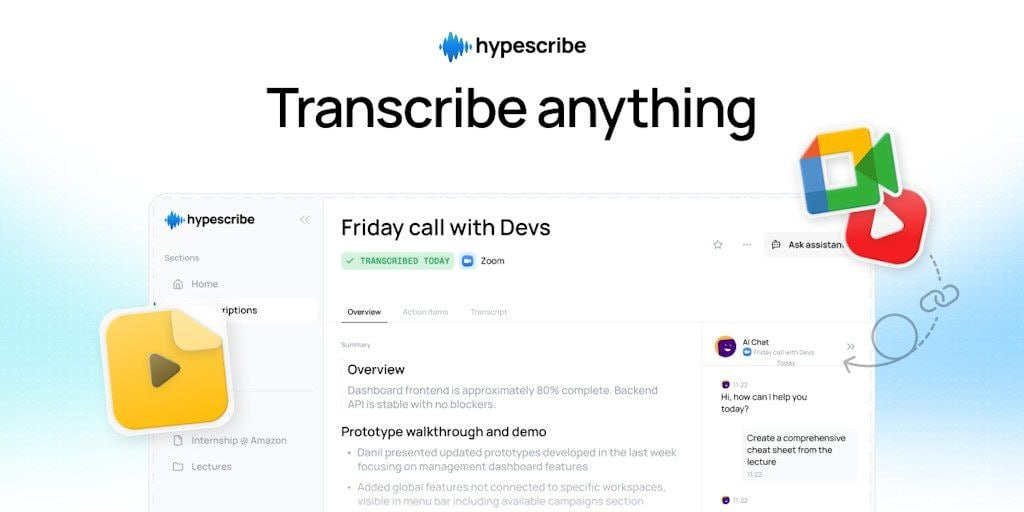
If you want your next check-in to produce clean notes, searchable transcripts, summaries, and action items without relying on manual follow-up, try HypeScribe. It’s built for teams that need spoken conversations turned into usable output fast, especially in remote and hybrid work.