What Is A Video Transcription? Your 2026 Guide
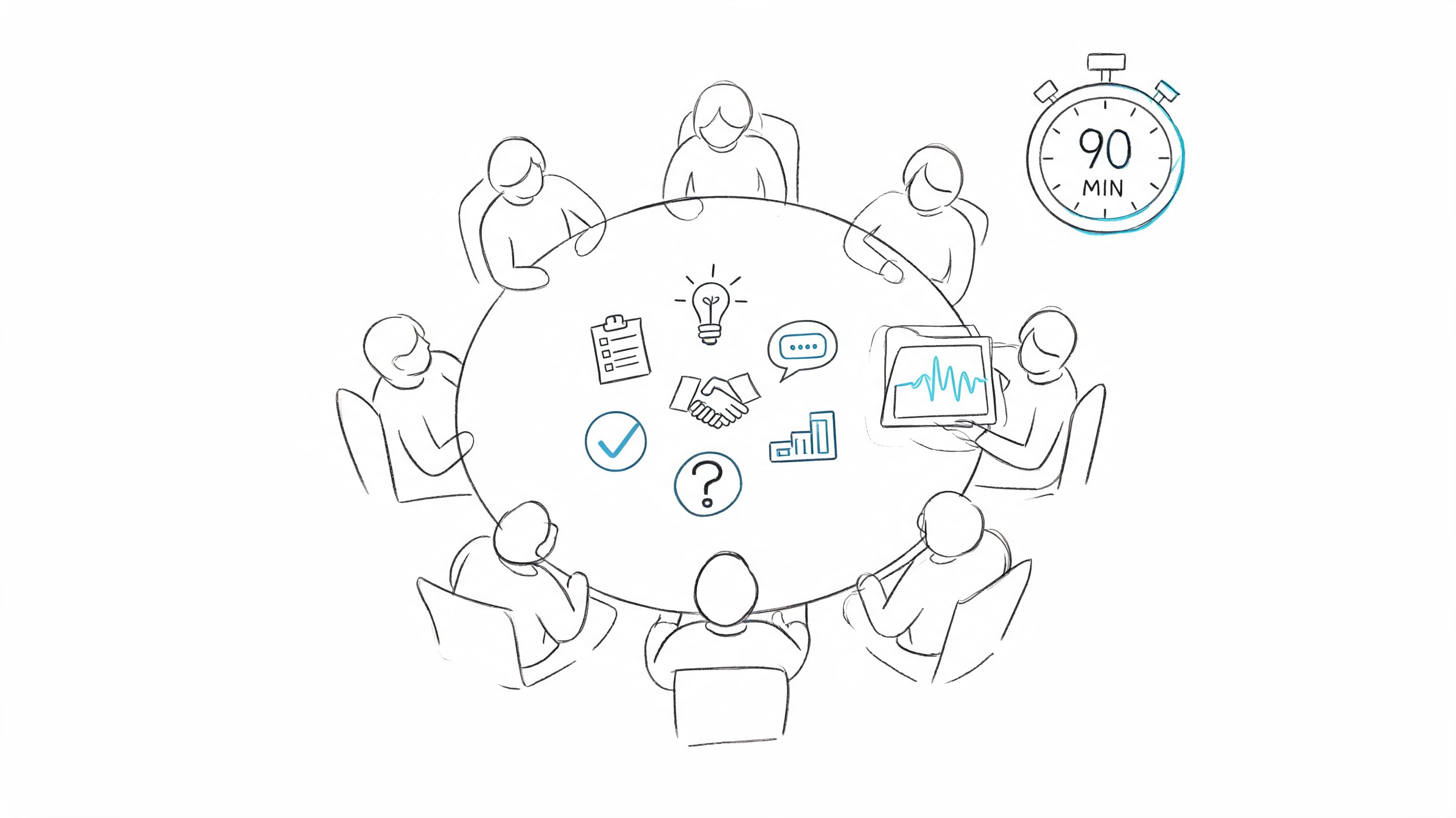
You've probably had this moment already. You finish a meeting recording, webinar, lecture, or interview, then realize the useful part is trapped inside a long video file. You know the answer is in there somewhere, but finding one quote, one decision, or one action item means scrubbing back and forth through the timeline.
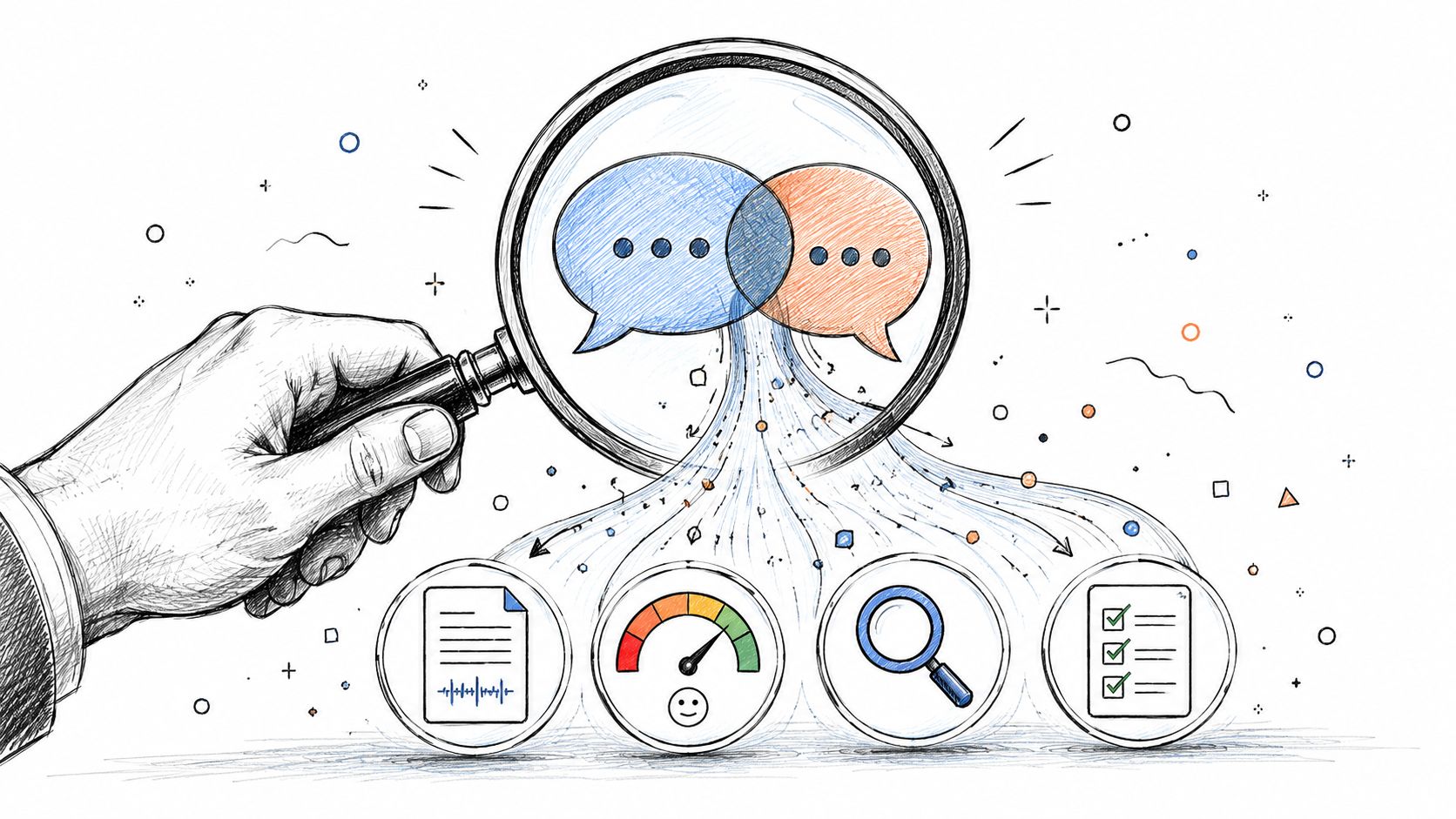
That's where transcription becomes practical, not just technical. A video transcript turns spoken content into text you can search, skim, copy, organize, and reuse. Once the words are visible on the page, the video stops being a sealed container and starts acting more like a document.
So What Is a Video Transcription Anyway?
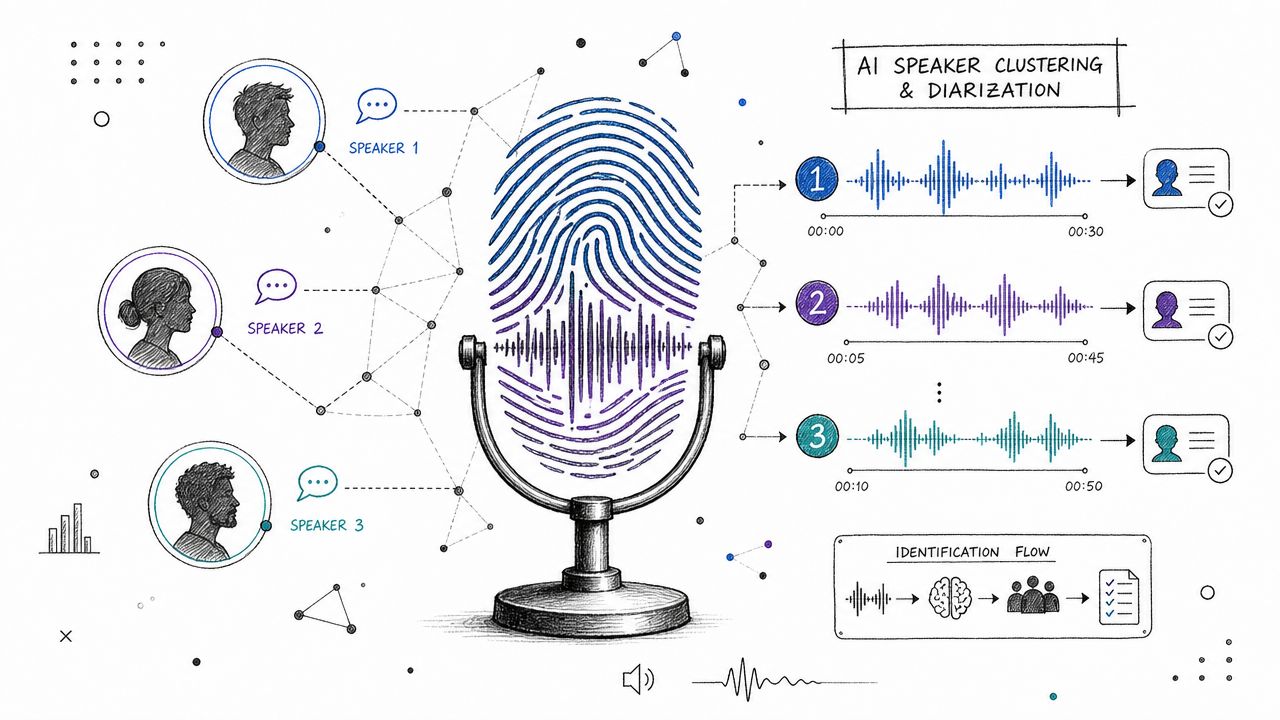
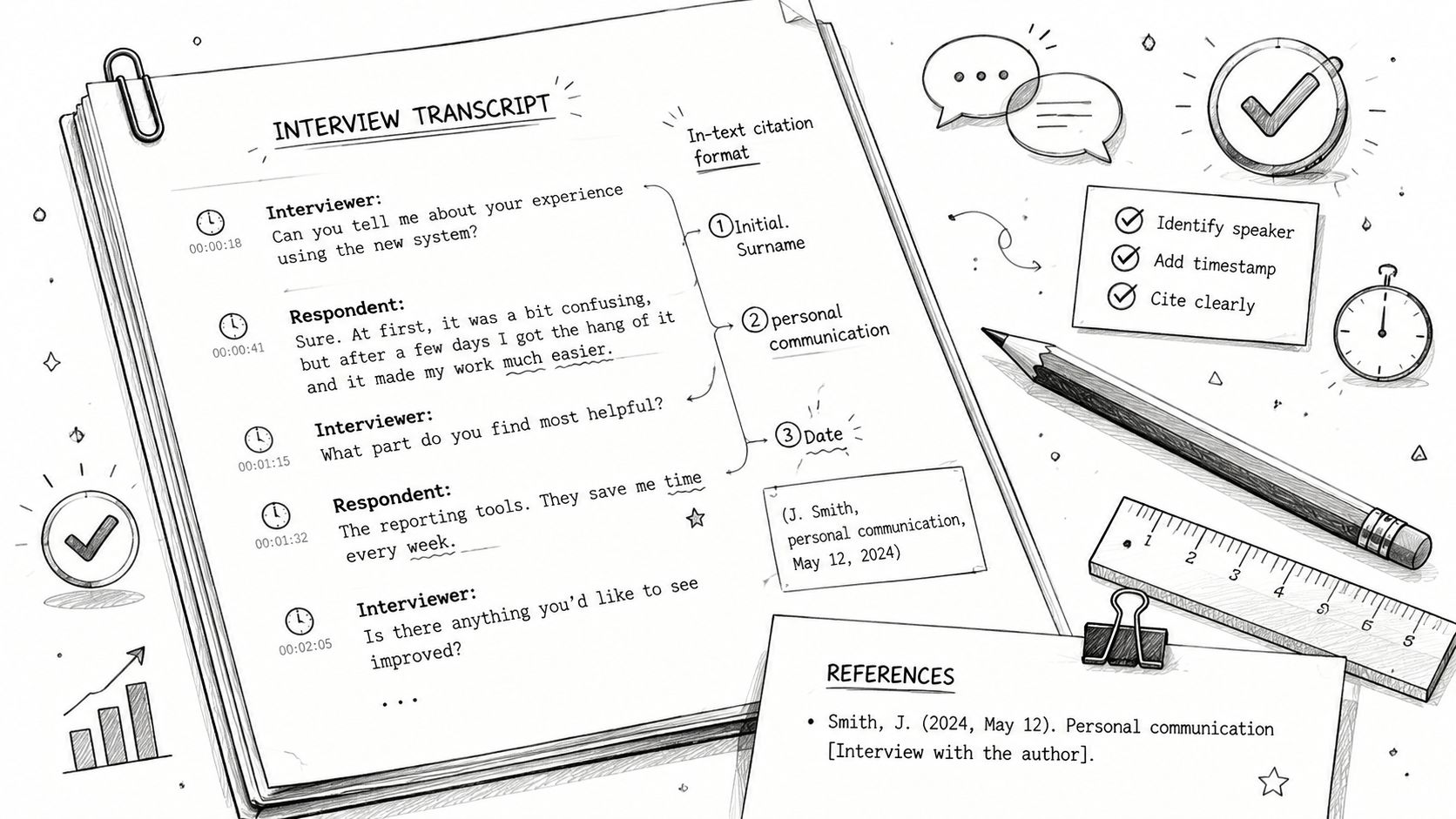
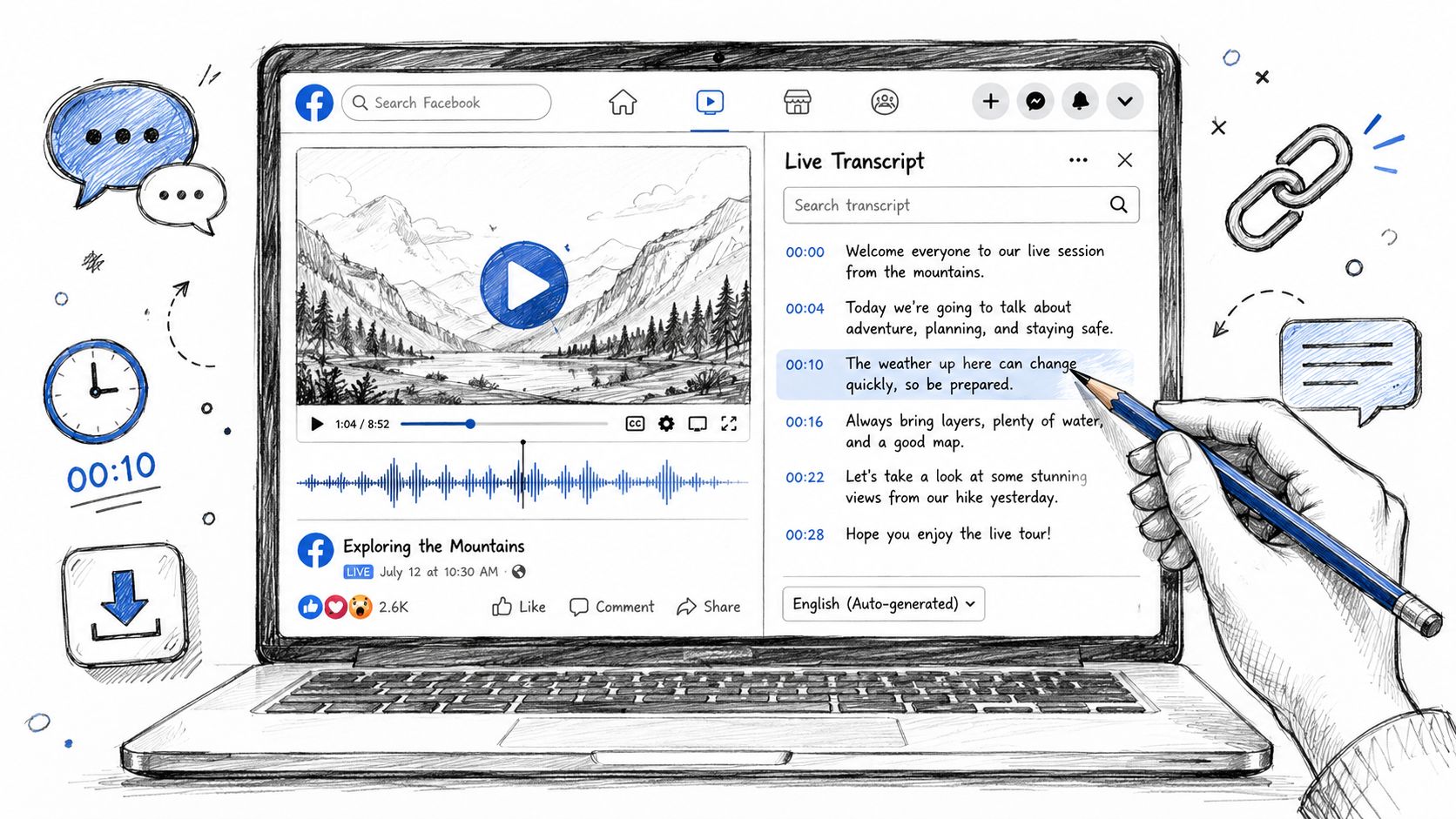
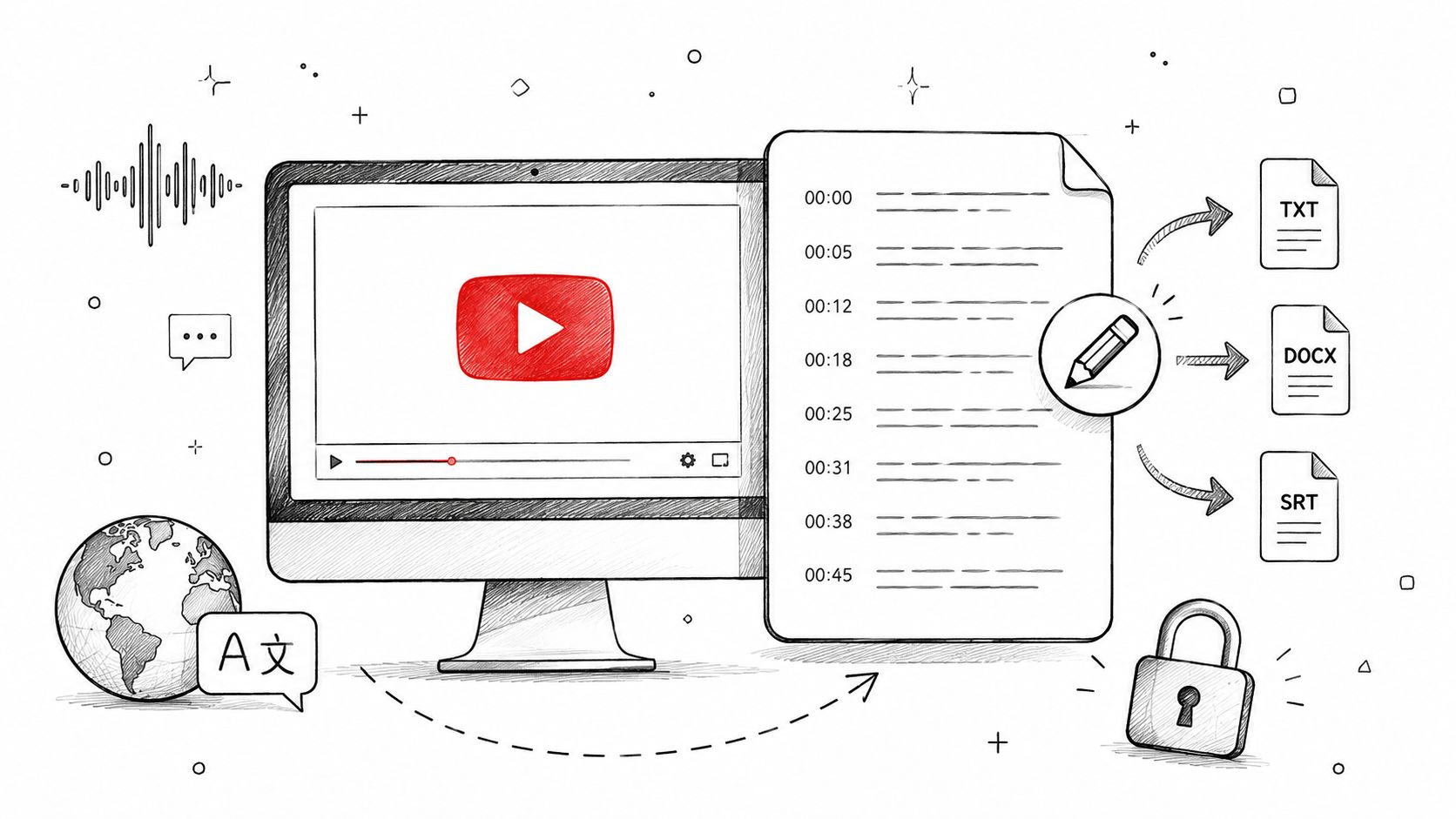
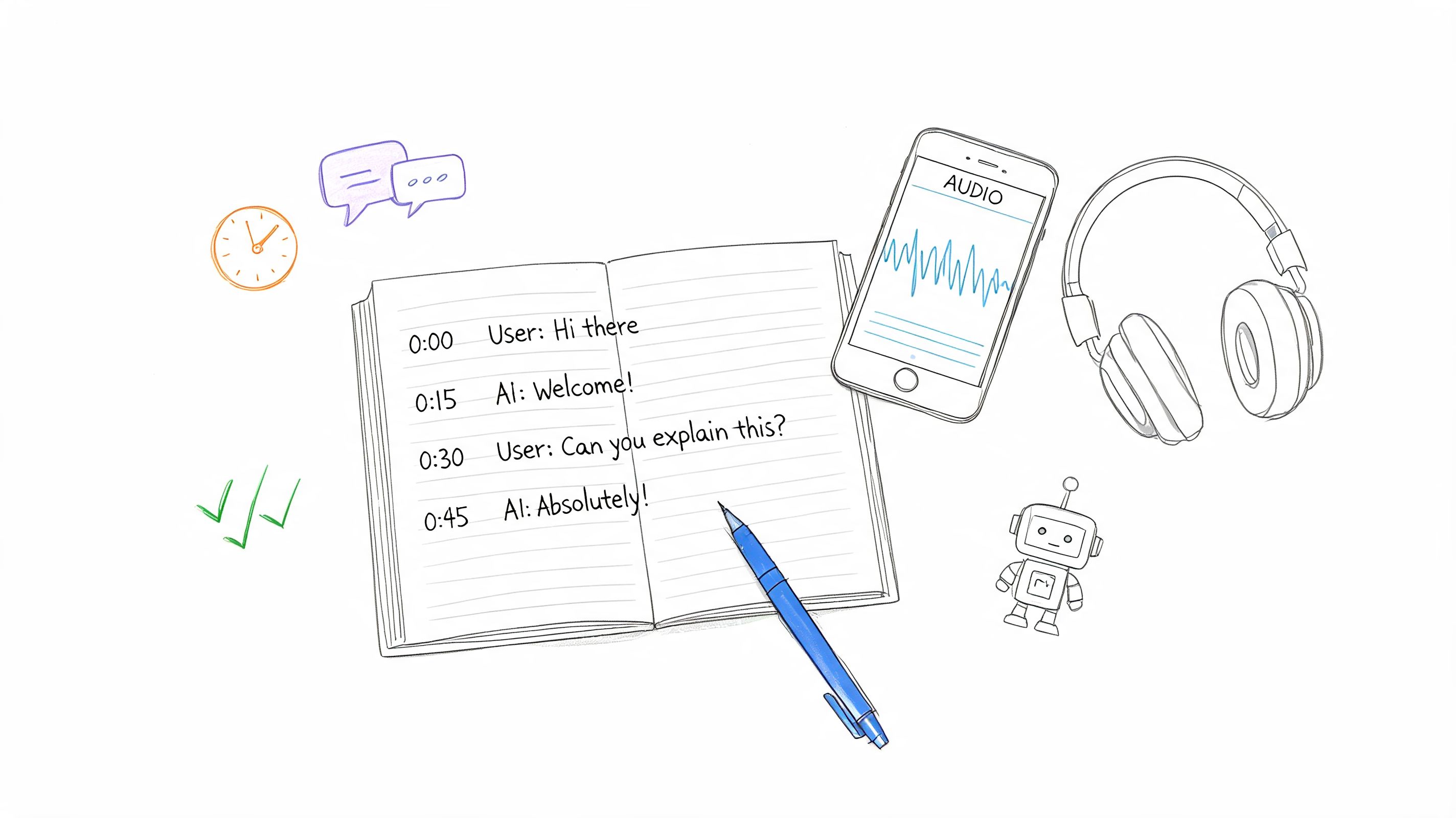
A video transcription is a written record of the spoken audio in a video. At the simplest level, it's the words people said. In a more useful form, it also includes speaker labels and timestamps, so you can tell who spoke and when.
One easy way to think about it is this: a transcript is like meeting notes for a video, except it's much more complete. Instead of relying on memory or a rough summary, you get a text version of the conversation itself.

What a transcript usually includes
A basic transcript may look like a plain block of text. A better one is structured so people can use it.
- The spoken words help you read the content instead of replaying it.
- Speaker names or labels show who said what in interviews, classes, and meetings.
- Timestamps let you jump back to the exact moment in the video.
- Clean formatting turns a raw text dump into something readable.
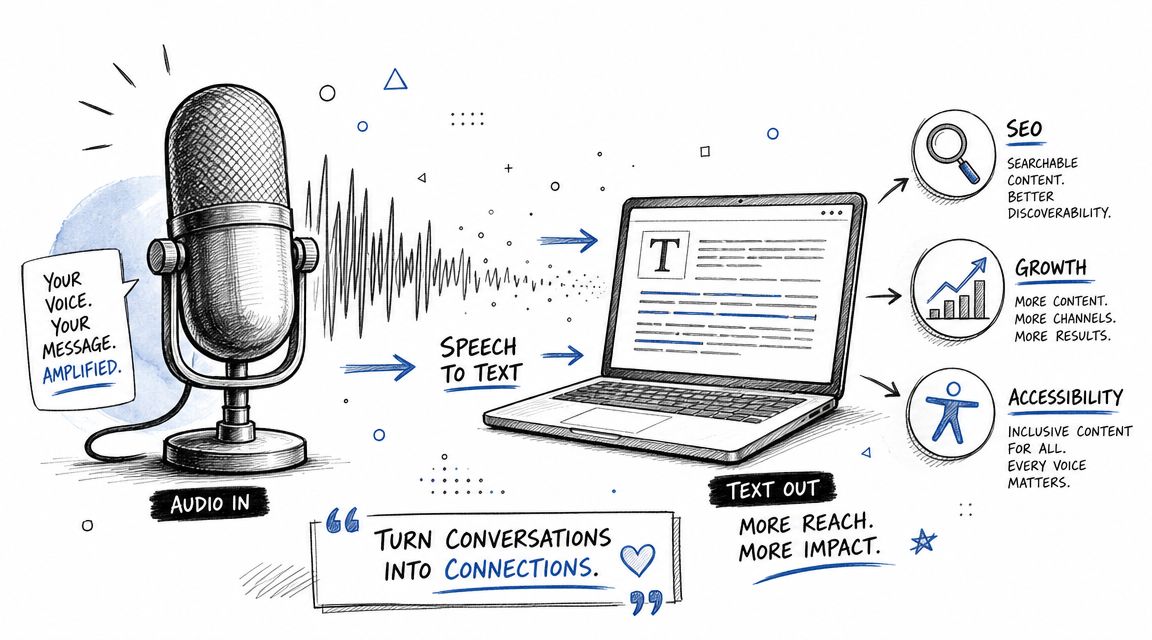
If you're new to the idea, this guide to converting spoken audio to text gives a helpful plain-English overview of the process itself.
Why it matters in practice
The true value of a transcript isn't that it exists. It's what it lets you do next. You can search for a phrase, pull a quote into an article, hand notes to a teammate, or scan a lecture before an exam.
Practical rule: If you need to find, quote, review, or reuse something from a video, you usually need a transcript, not just the video file.
That's one reason transcription became much more important over time. The historical foundation of video transcription is accessibility, search, and knowledge retrieval. Text can be indexed by search engines, which makes videos discoverable in ways audio alone is not, and that shift helped move transcription from a back-office task into a core workflow for education, media, research, and business operations, according to Grand View Research's market overview.
A transcript is more than a text copy
People sometimes assume a transcript is just a transcript. It isn't. A rough wall of text and a usable transcript are very different things.
A usable transcript helps you answer questions like these:
- What was said?
- Who said it?
- Where in the video did it happen?
- Can I turn this into something else, like notes, captions, or a quote?
That's the key answer to what is a video transcription. It's not only a text version of speech. It's a tool that makes spoken content searchable and workable.
Transcription vs Captions and Subtitles
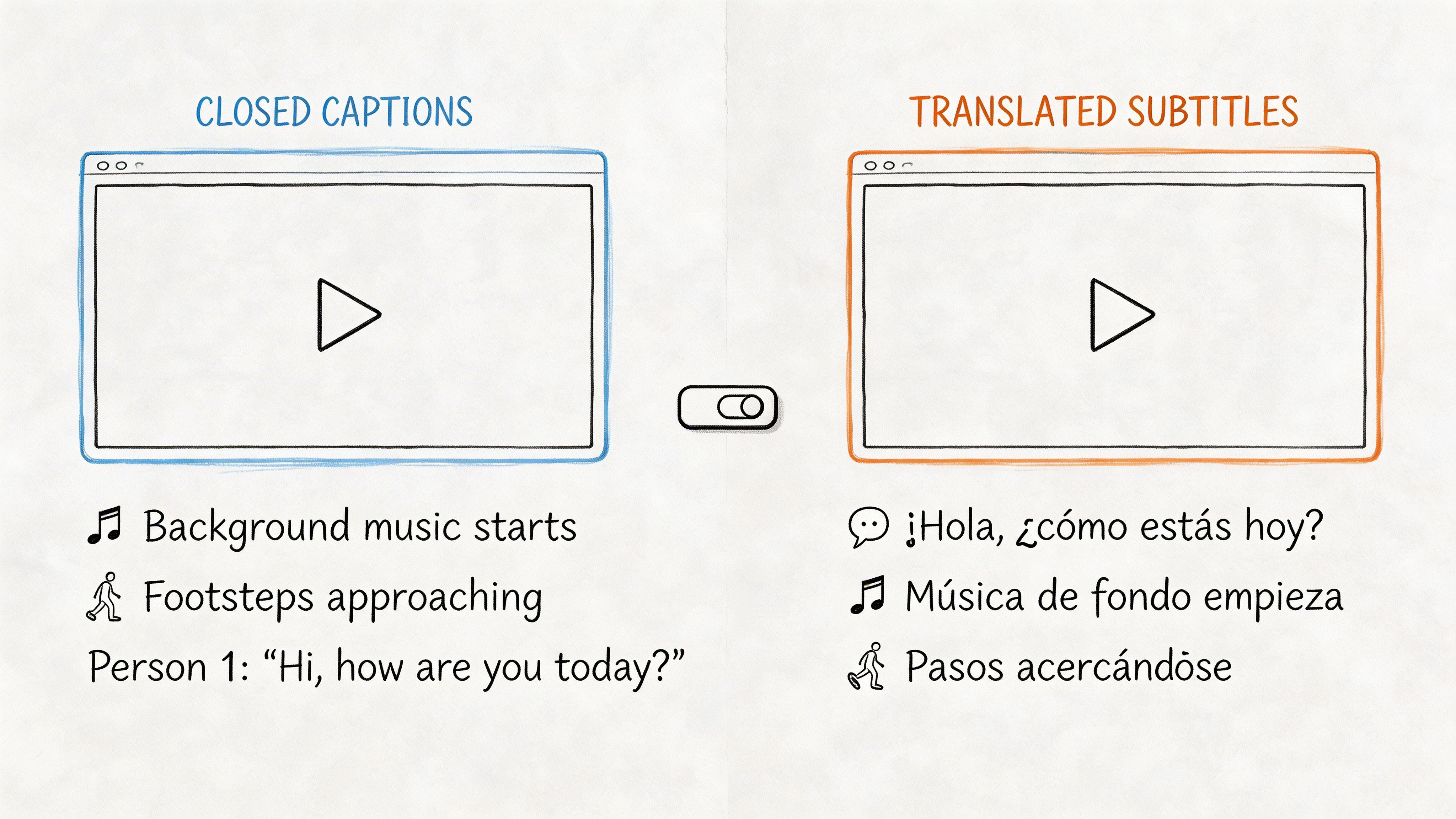
The shortest distinction is this: captions and subtitles are meant to be read during playback, while a transcript is meant to be used as a separate document.
That sounds small, but it changes how each one works.
What each format is for
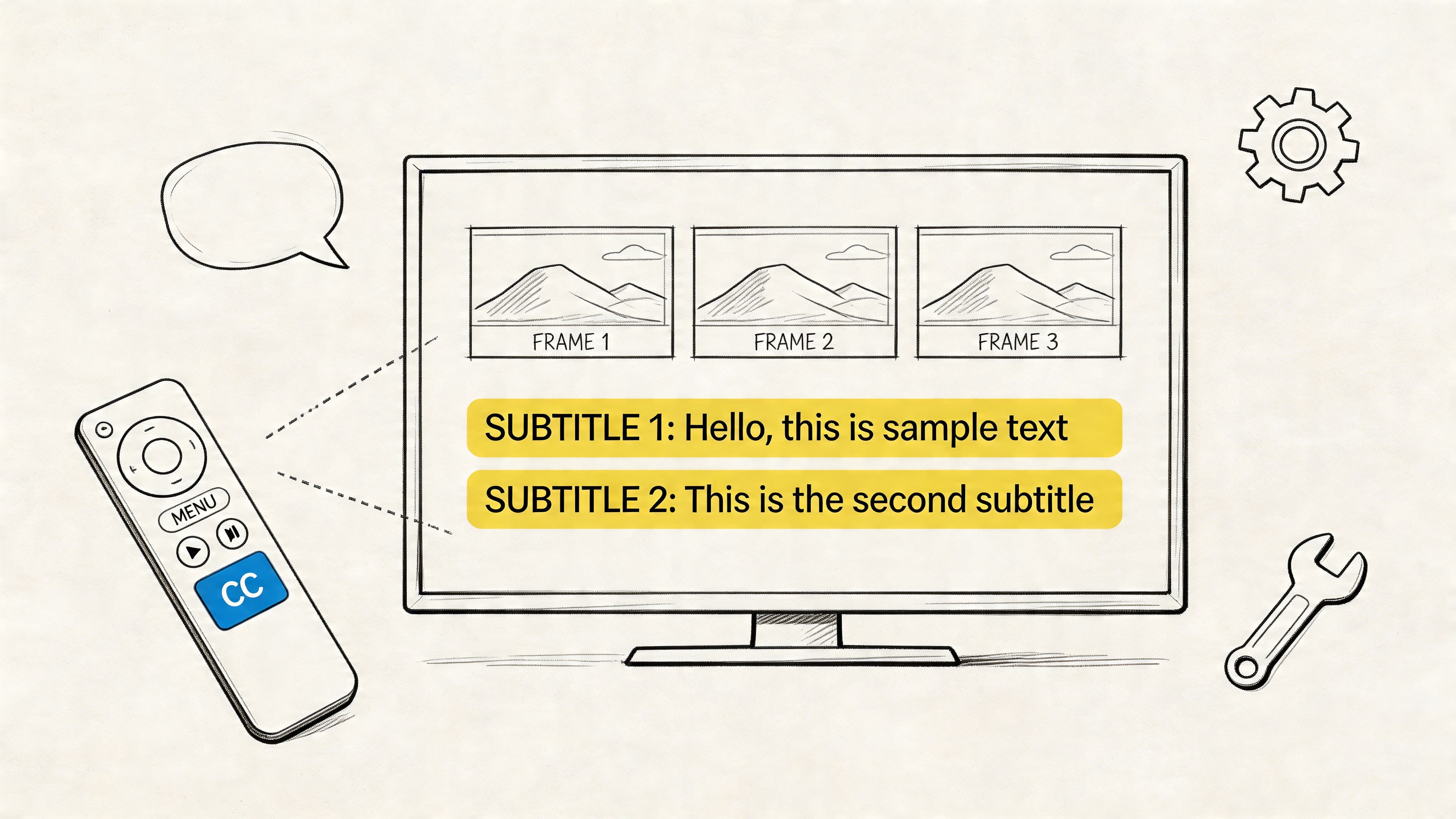
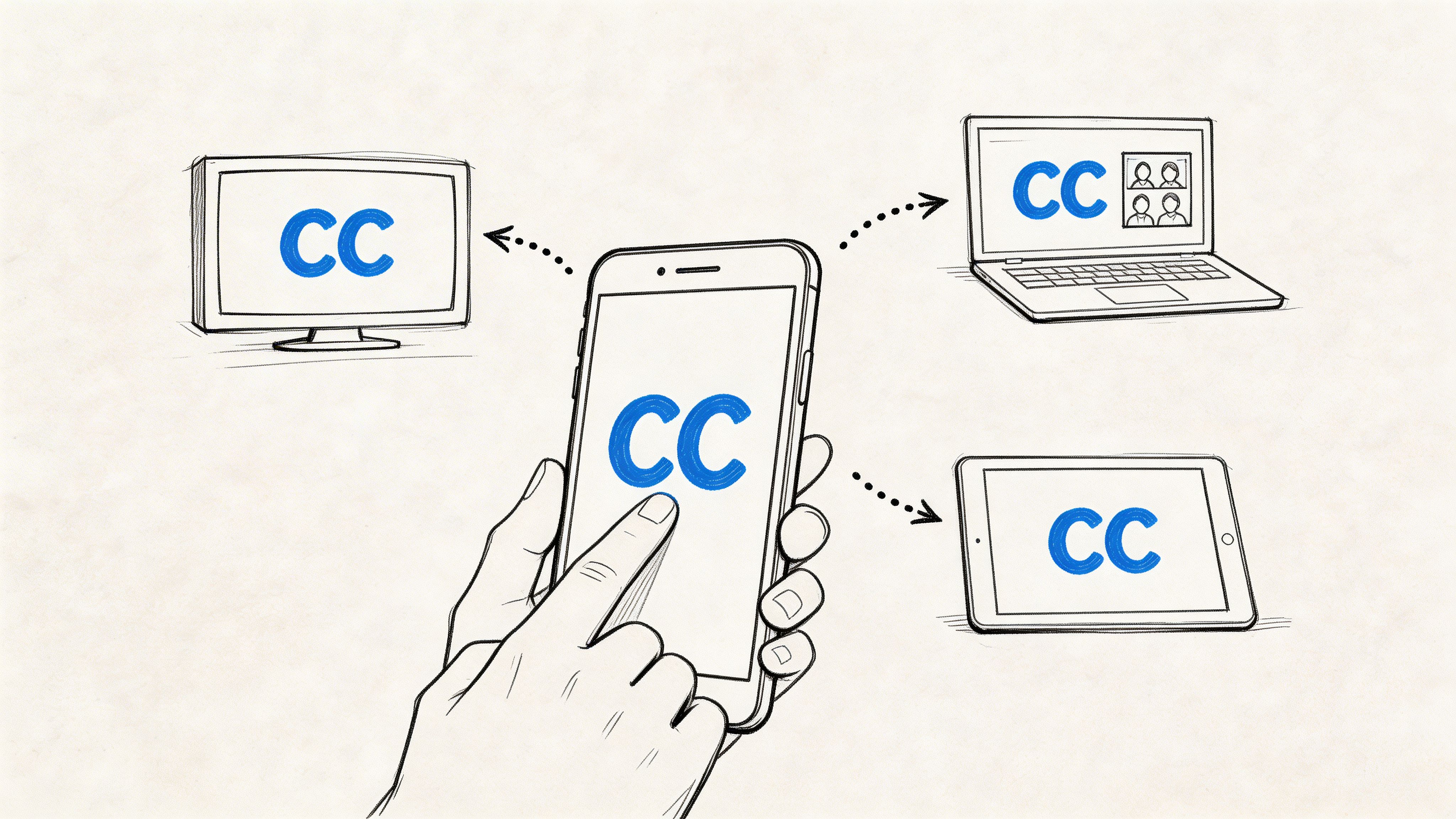
Captions sit on the video and move with the timeline. They're time-synced, so viewers can follow the words as the speaker talks. This is what you want when someone is watching in a noisy place, has hearing loss, or needs on-screen text to follow the audio.
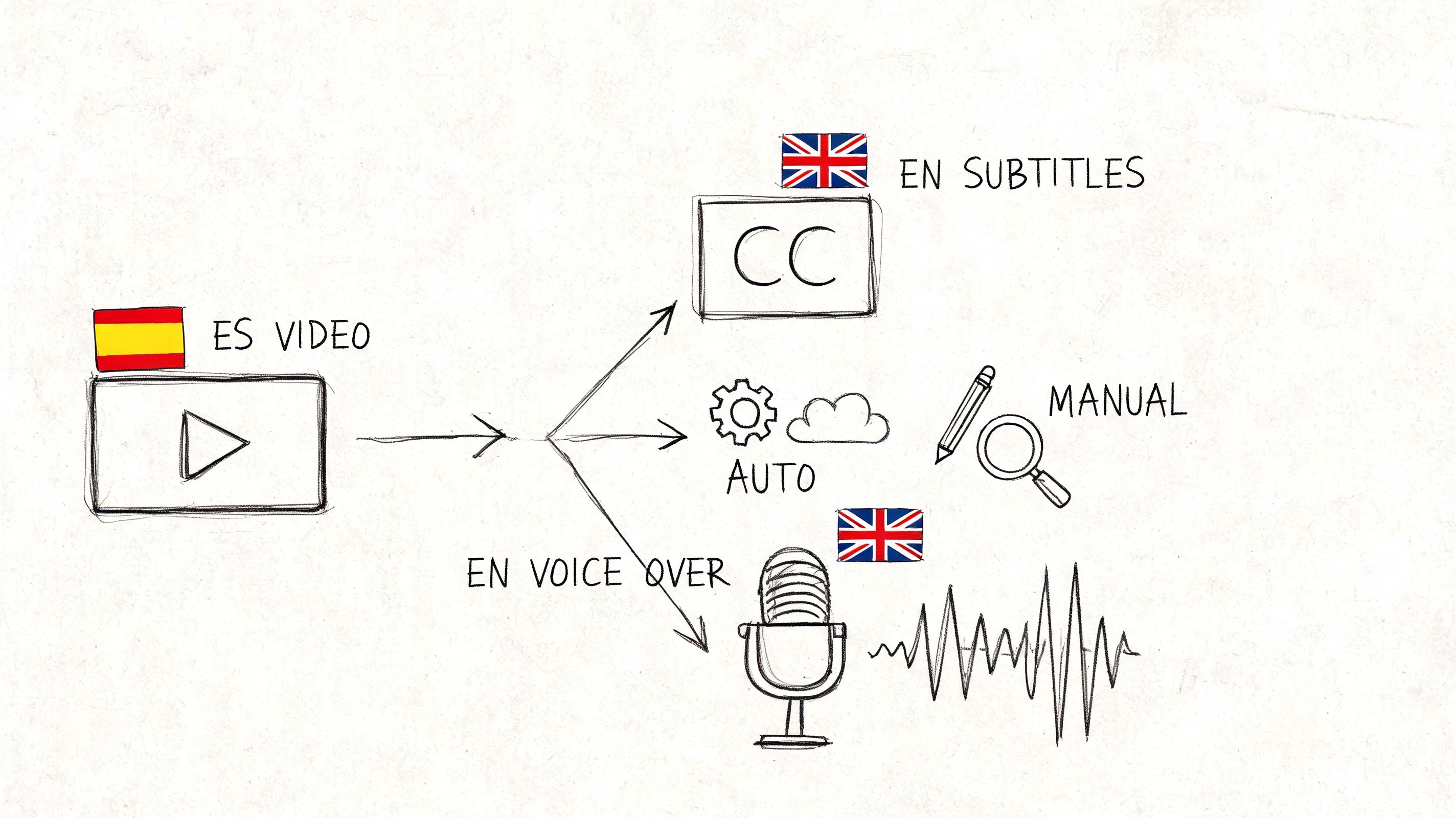
Subtitles are similar in format, but they usually focus on translating spoken dialogue for viewers who can hear the audio but don't understand the language.
A transcript does a different job. It stands alone. You can open it without playing the video at all. That makes it useful for study, research, compliance, quoting, summarizing, and content reuse.
A simple way to choose
Use this quick test:
- Choose captions if the person is watching right now and needs text during playback.
- Choose subtitles if the person is watching right now and needs language translation.
- Choose a transcript if the person needs a full record they can search, scan, save, or repurpose later.
If you want a deeper side-by-side explanation of on-screen text formats, this breakdown of closed captions vs subtitles is useful.
A transcript is not a weaker version of captions. It solves a different problem.
Why the distinction matters
For accessibility and compliance, the difference isn't just semantic. Industry guidance notes that a transcript is a full text record, while captions are time-synced text for playback. Guidance summarized by Dacast, drawing on W3C accessibility principles, stresses that a transcript should be a separate, easily findable document formatted with logical paragraphs, lists, and sections, not just buried inside the player as caption text. You can read that context in Dacast's article on transcribing video for accessible publishing.
That matters because people use transcripts in ways they don't use captions. A hiring team may need an interview record. A student may want to search lecture notes. A legal or policy team may need a readable archive.
Where people get confused
A common misunderstanding is assuming captions automatically give you everything a transcript gives you. They don't.
Captions are excellent for viewing. But if you want to:
- Pull a quote from a webinar
- Scan an hour-long lecture in a few minutes
- Turn a meeting into notes
- Store a readable record outside the video player
you want a transcript.
On the flip side, if your goal is social video engagement, short-form readability, or mobile viewing, captions are the more immediate tool. If that's your use case, this practical article on creating viral captions with automation looks at the caption side of the workflow.
How Video Transcripts Are Created
There are three real-world ways transcripts get made: manual transcription, AI transcription, and a hybrid workflow that starts with AI and adds human review. The preferred method often depends on one question: how much speed do they need, and how much cleanup can they tolerate?
What happens behind the scenes
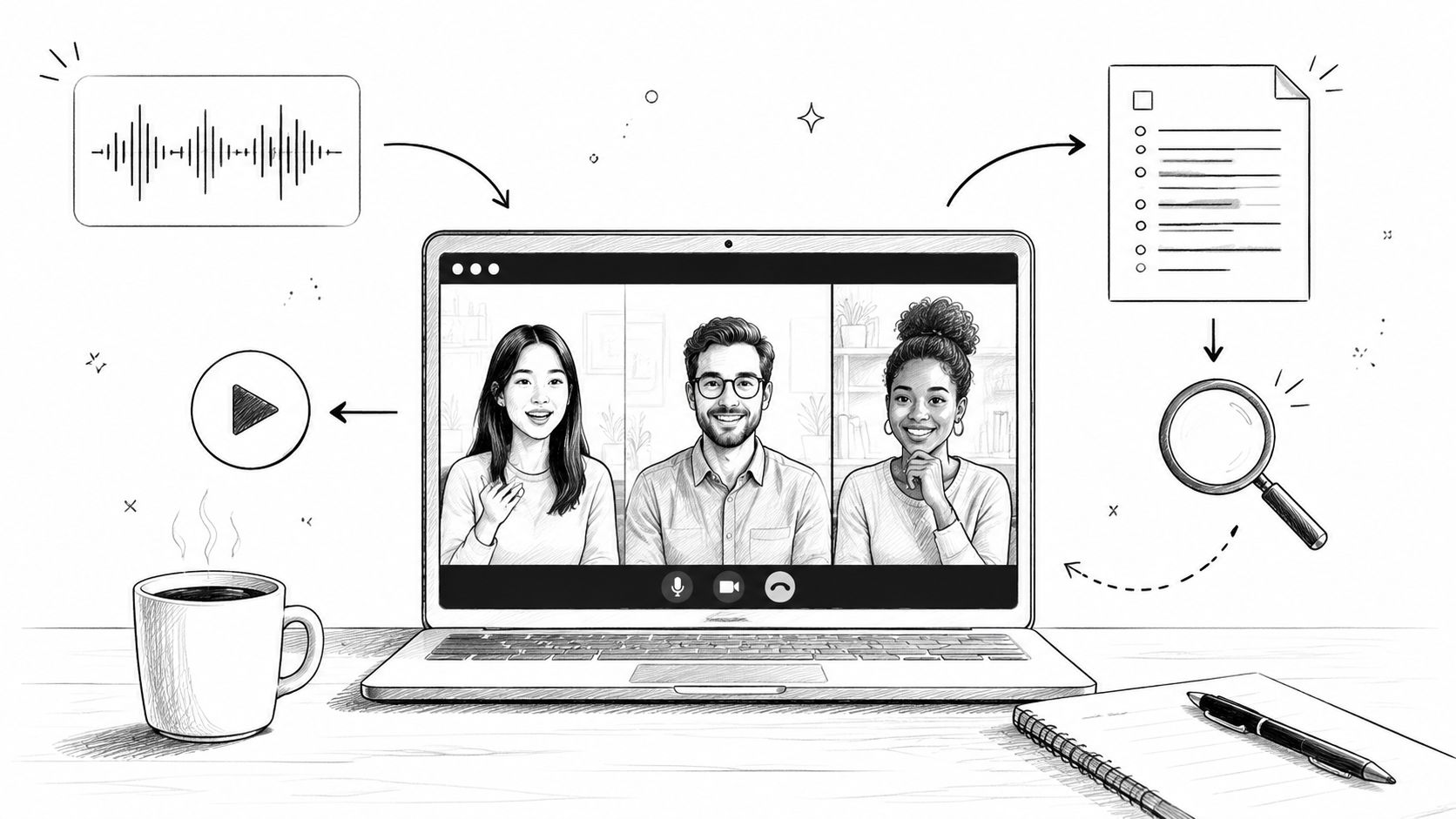
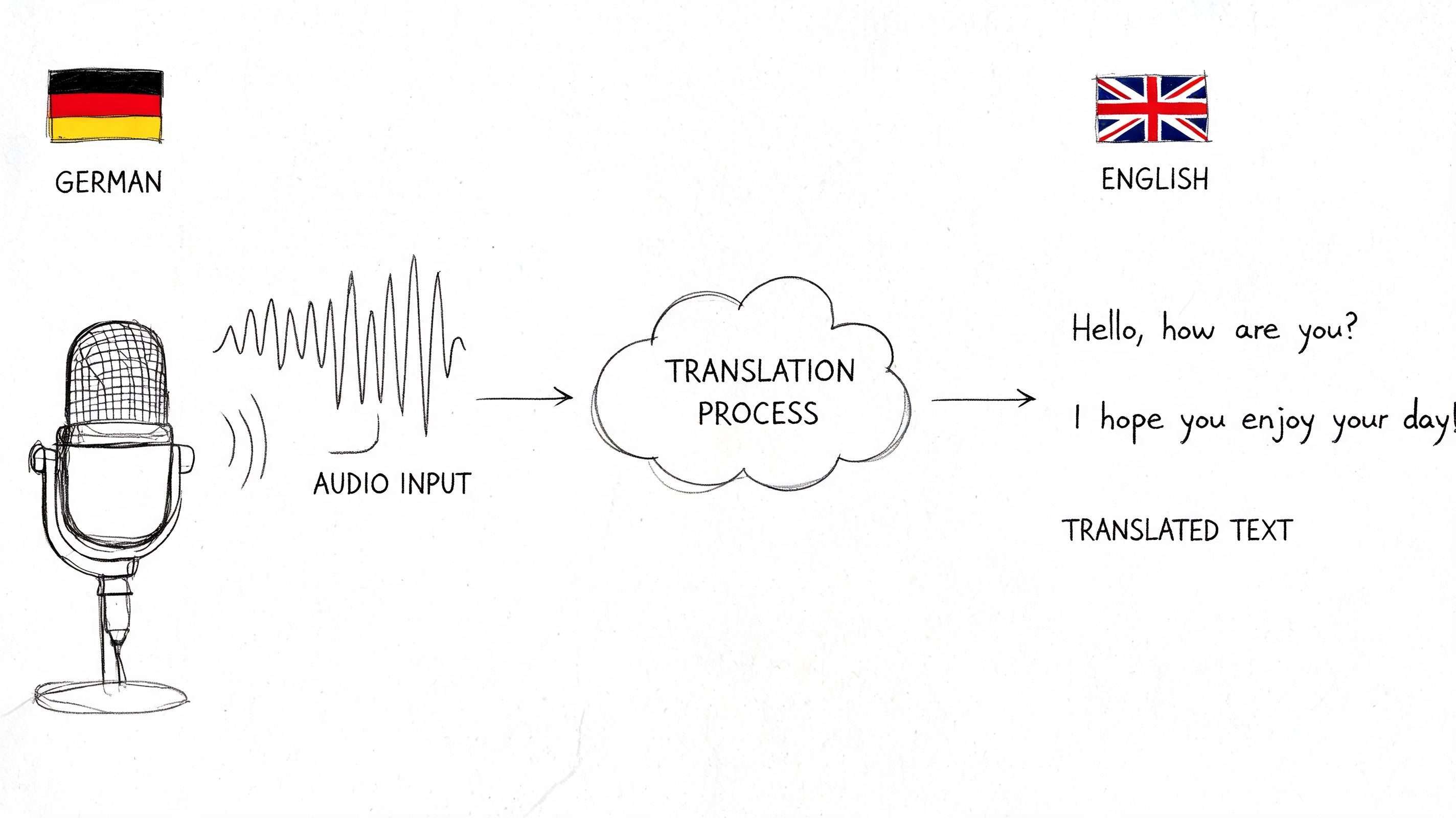
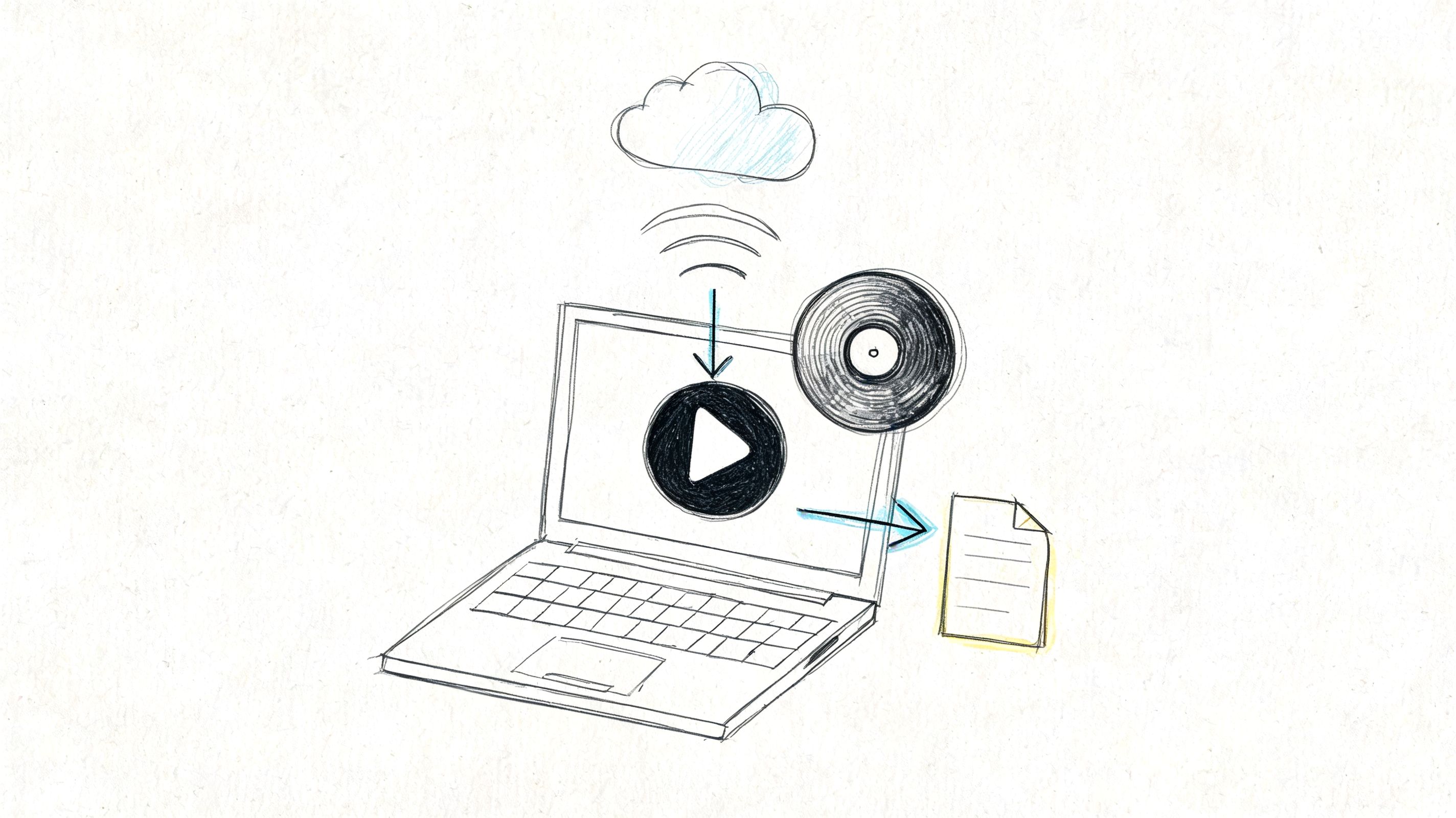
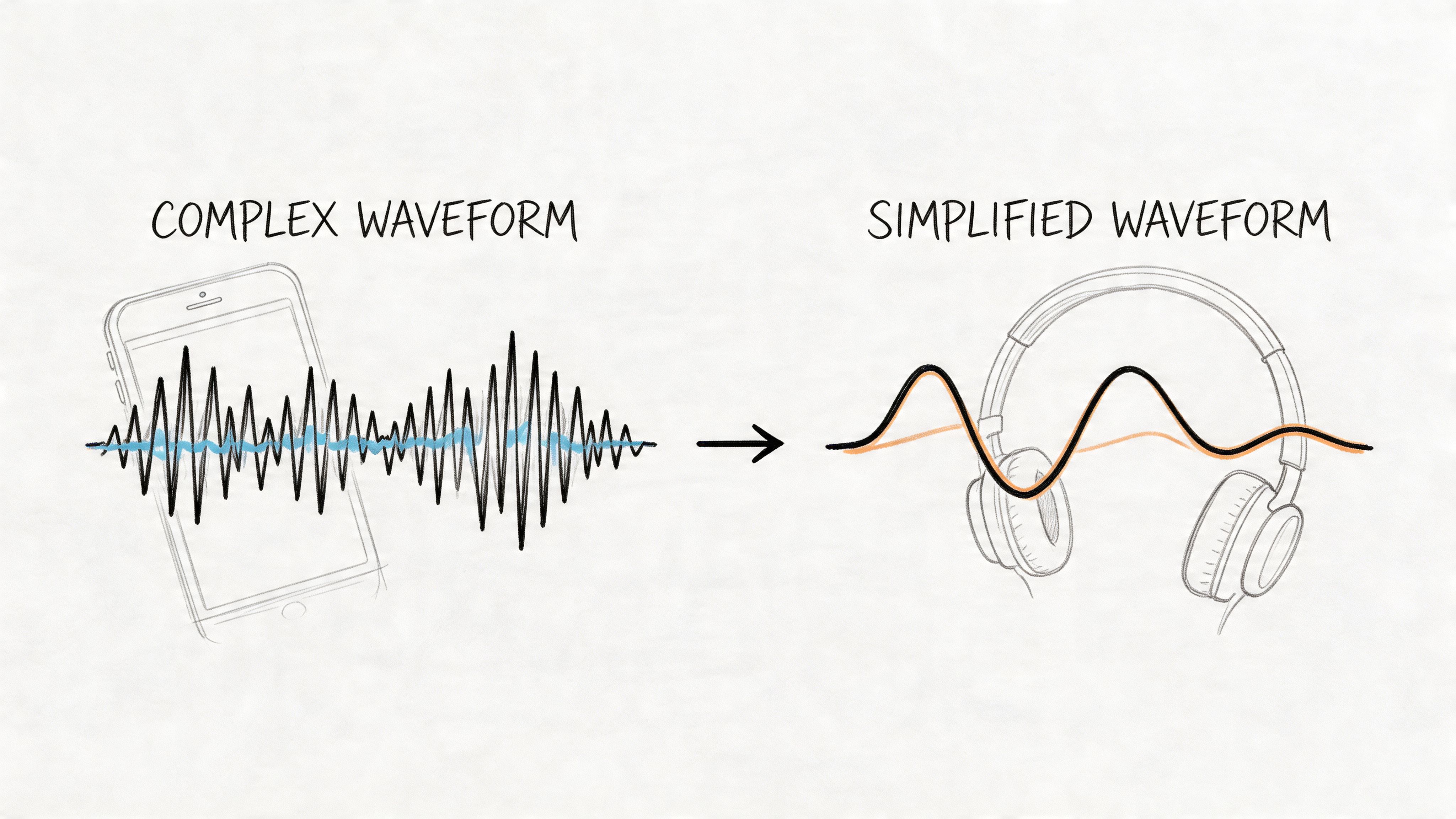
At a practical level, the workflow is straightforward. The system takes the audio from the video, runs speech recognition, and produces draft text. Then someone may review that text to fix names, jargon, missed words, and speaker changes.
The part that confuses people is accuracy. AI can be fast, but speed doesn't remove the need for judgment. Modern tools still struggle with accents, overlapping speech, and domain-specific jargon, which is why the key question isn't “Did the software make a transcript?” It's “How quickly did that transcript become usable?”
Raw AI output is a draft. A useful transcript is a reviewed draft.
If you're comparing tools, this overview of AI-powered transcription software is a good starting point for understanding what modern systems do.
Manual vs AI Transcription at a Glance
| Factor | Manual Transcription | AI-Powered Transcription |
|---|---|---|
| Speed | Slow for long recordings | Fast draft generation |
| Accuracy on difficult audio | Strong when done carefully | Can drop on noisy or complex audio |
| Handling jargon and names | Better at context | Often needs corrections |
| Cost in staff time | High | Lower for first-pass drafts |
| Best use case | Sensitive, complex, or high-stakes content | Meetings, lectures, interviews, and content workflows |
| Editing required | Built into the process | Usually needed after generation |
Why hybrid often wins
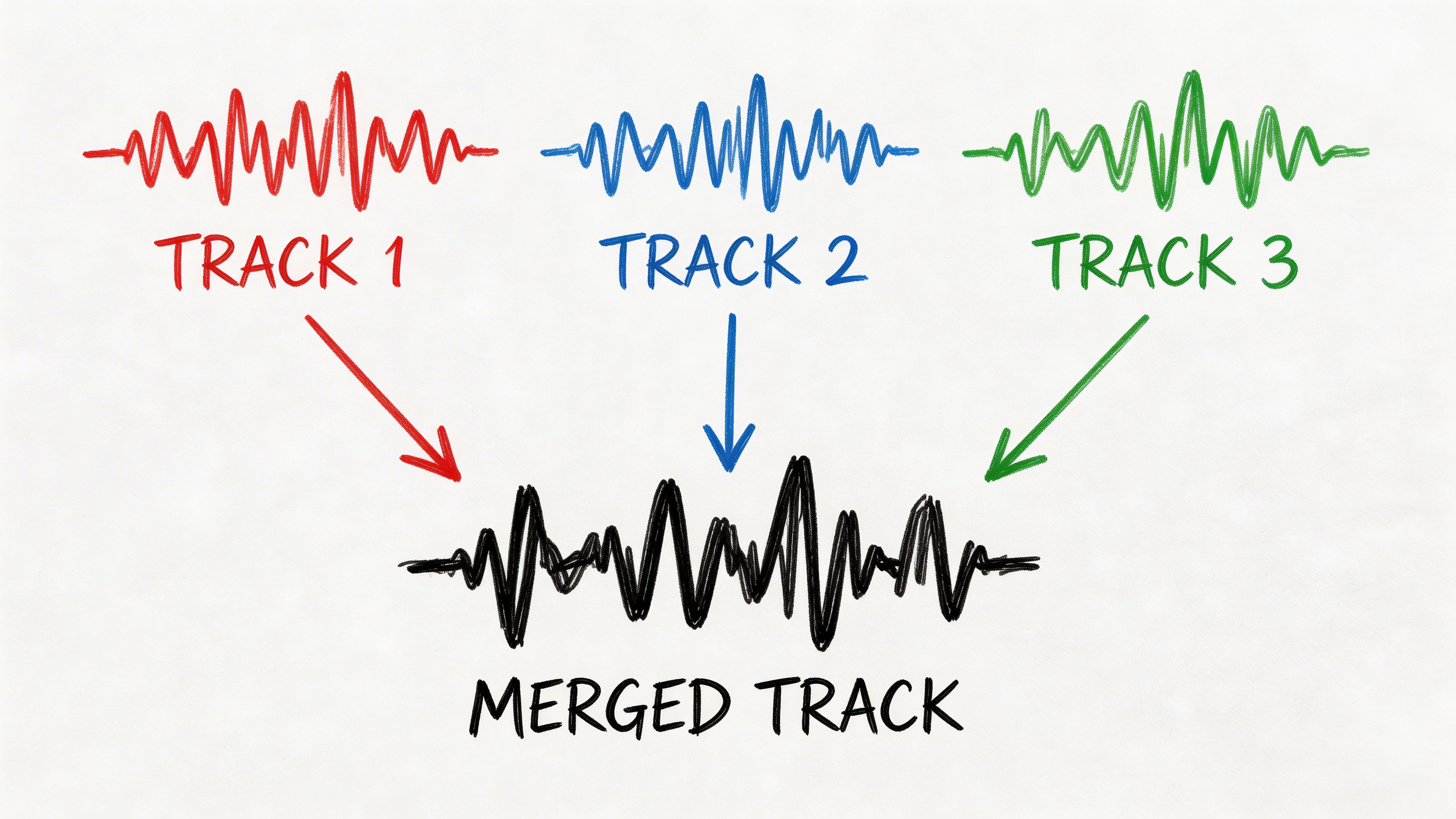
Pure manual transcription gives you control, but it takes time. Pure AI gives you speed, but the output may need cleanup. That's why hybrid workflows are so common in professional settings.
A hybrid process usually looks like this:
- Generate a draft quickly with speech recognition.
- Review the problem spots, especially names, technical terms, and crosstalk.
- Publish or export the corrected version in the format you need.
This is the pattern many teams settle into because it fits real work. A rough draft arrives quickly, then an editor, researcher, teacher, or coordinator turns it into something dependable.
Cloud Present describes a similar balance in Cloud Present's transcription approach, which is useful if you're trying to think less about theory and more about workflow.
When each method makes sense
Use manual work when the content is sensitive, nuanced, or hard to hear. Think legal interviews, research recordings, or multi-speaker discussions with heavy overlap.
Use AI when you need speed and your source audio is reasonably clear. That's common for internal meetings, lectures, sales calls, and creator content.
Use hybrid when the transcript needs to be both fast and reliable. For many, that's the sweet spot.
Practical Use Cases and Benefits of Transcription
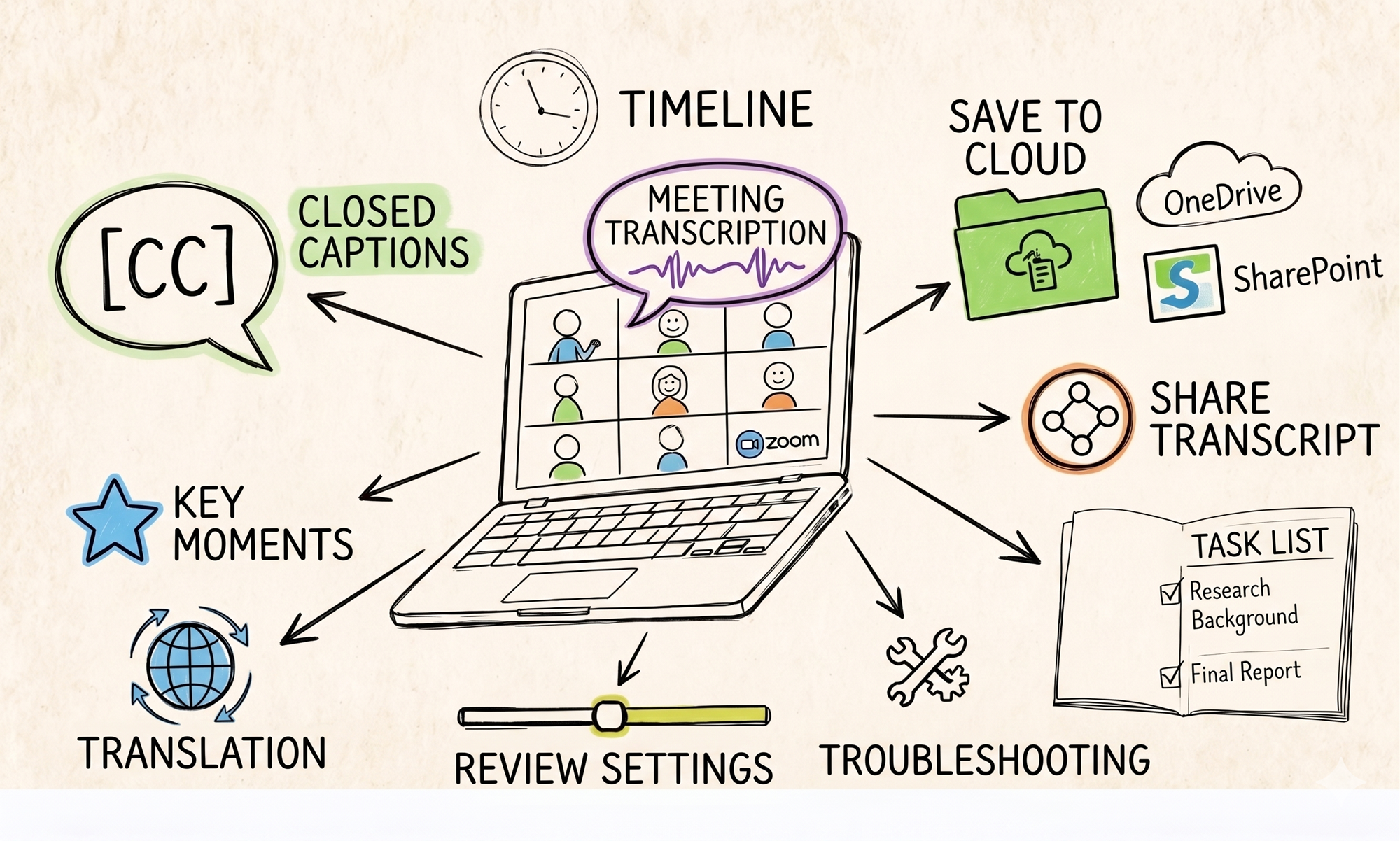
You finish a 45-minute webinar and need three things by the end of the day: the key takeaway for sales, two quotes for social, and the answer a customer gave around minute 31. Rewatching the whole recording is slow. A transcript turns that video into something you can scan, search, copy, and reuse.

That practical shift matters more than the definition itself. A video file is easy to watch, but hard to inspect. A transcript works like a written map of the recording, so people can locate ideas, decisions, and quotes without scrubbing through the timeline again.
For students and educators
Recorded lessons are useful, but they can also be frustrating. A student may remember that a teacher explained a formula clearly, but not where it happened. With a transcript, the student can search for the term, find the explanation, and review it in text at their own pace.
Teachers get a second benefit. The same transcript can become review notes, reading support, discussion prompts, or a study guide. That saves time and makes the lesson easier to revisit after class.
For teams and meetings
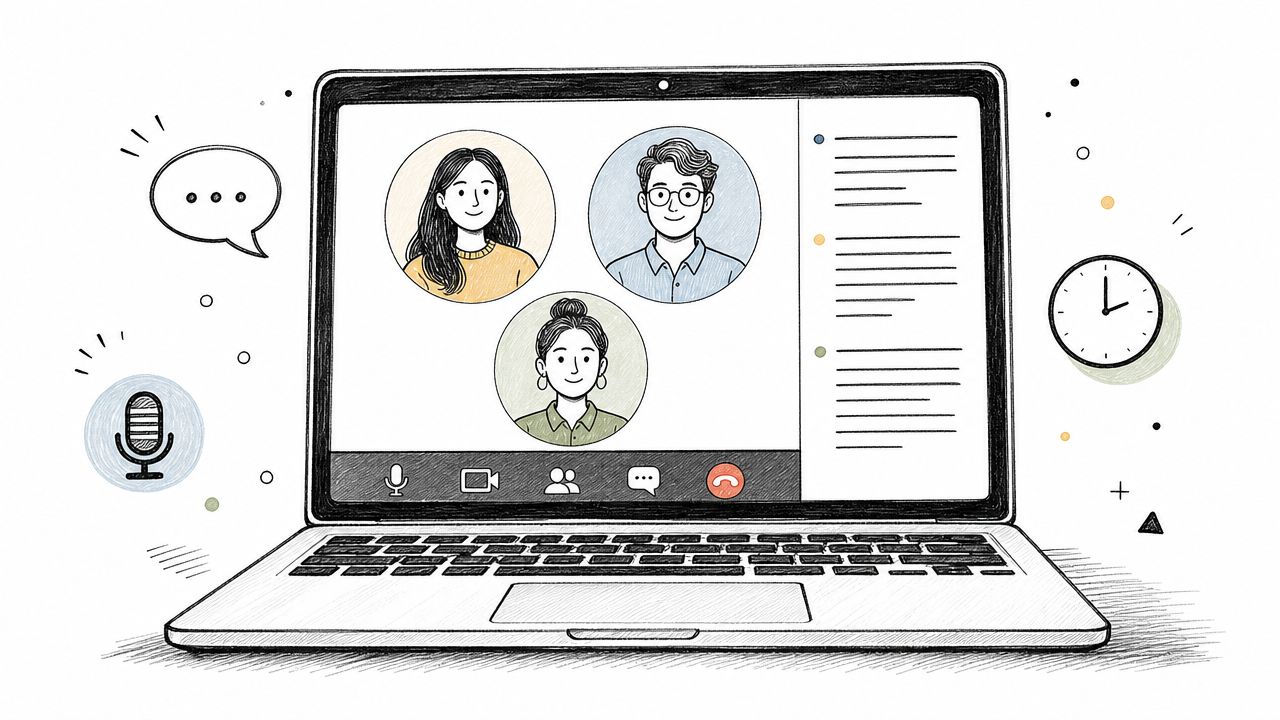
Meetings create spoken decisions, but spoken decisions are easy to lose. A transcript gives teams a record they can search later for deadlines, action items, objections, and exact wording.
This is one reason adoption keeps growing. Sonix notes in its automated transcription statistics roundup that the AI transcription market is expanding quickly, and it also reports that transcripts can increase engagement because people can search, skim, and reuse the material more easily.
A useful rule is simple. If people will need to refer back to what was said, a transcript usually saves time.
For marketers and creators
A transcript makes the "so what?" very concrete. A transcript gives you raw material. Instead of treating a webinar or interview as a single finished asset, you can treat it as source material for several pieces of content.
A product demo can become a help article. A podcast can become an email. A customer interview can become testimonial copy, FAQ answers, and short social posts. If that workflow matters to your team, these content repurposing strategies show how text-based source material helps you publish more from the same recording.
Transcripts also help with a practical choice many teams miss. If the goal is silent viewing or on-screen accessibility during playback, captions may be the better tool. If the goal is extracting ideas, building new assets, reviewing claims, or searching a long conversation, a transcript is often more useful because it behaves like a document instead of an overlay on the video.
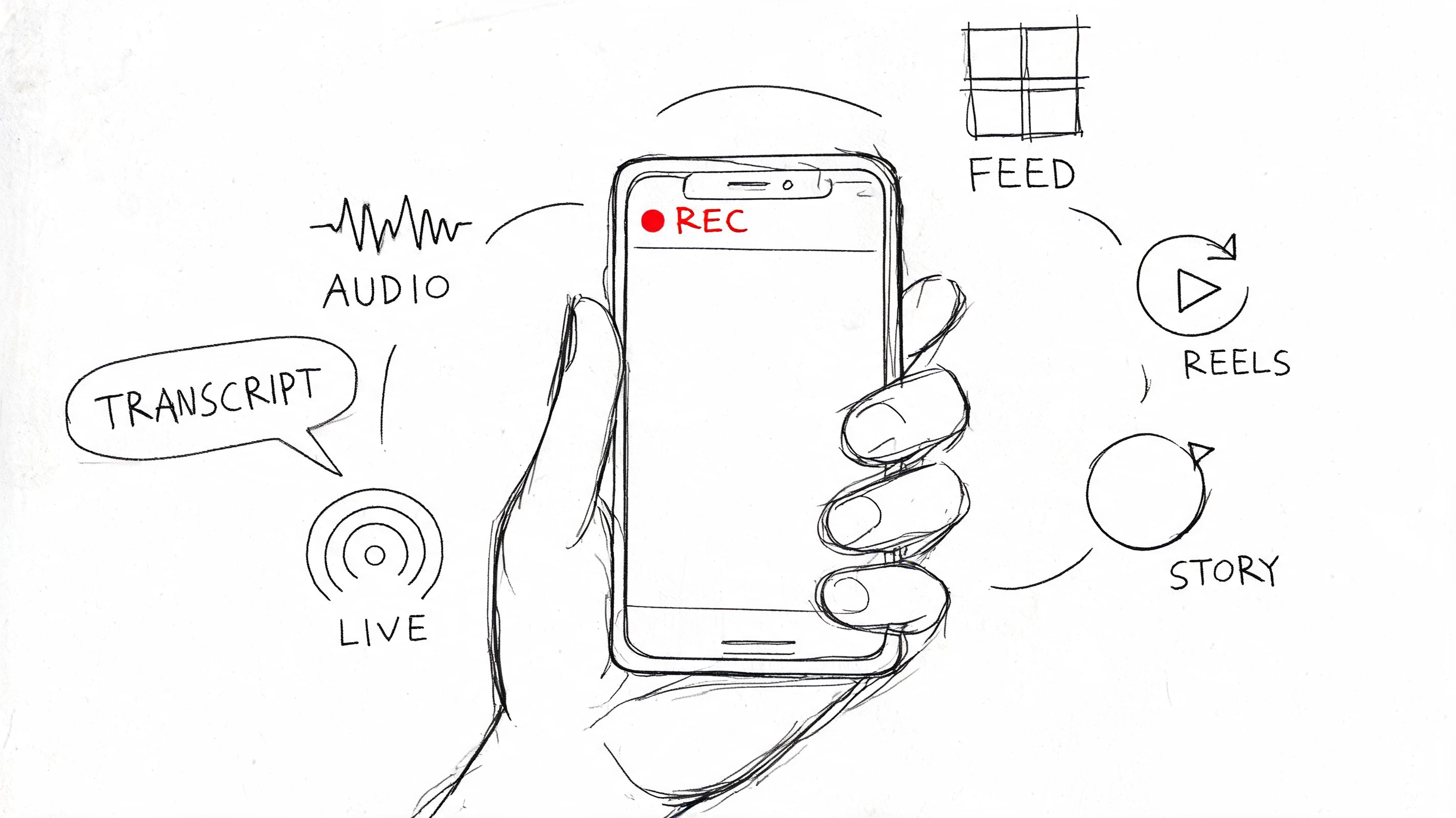
Here's a quick visual overview of why teams keep building transcription into their workflows:
For accessibility and global audiences
Some people absorb information better by reading. Others need text support because audio is unclear, the speaker is fast, or the vocabulary is unfamiliar. In international teams, written text can also be easier to review than rapid spoken English because readers can slow down, scan, and translate if needed.
That makes transcription useful far beyond compliance. It helps more people get the meaning of the content, and it gives them a format they can work with.
A good way to judge the benefit is to ask one question: does your audience need to watch every second of the video, or do they need to find and use the information inside it? When the second goal matters, transcription usually earns its place fast.
What Makes a High-Quality Video Transcript
A high-quality transcript isn't just accurate word-for-word text. It's a document people can use. That means the transcript needs structure, clarity, and formatting that supports real tasks.

The three pillars of a usable transcript
The strongest transcripts usually get three things right.
- Accurate wording means names, terms, and sentences reflect what was said.
- Clear speaker identification matters in interviews, meetings, and panel discussions.
- Reliable timestamps let readers locate exact moments in the source video.
Without those pieces, the transcript becomes harder to trust and harder to use.
Why structure matters so much
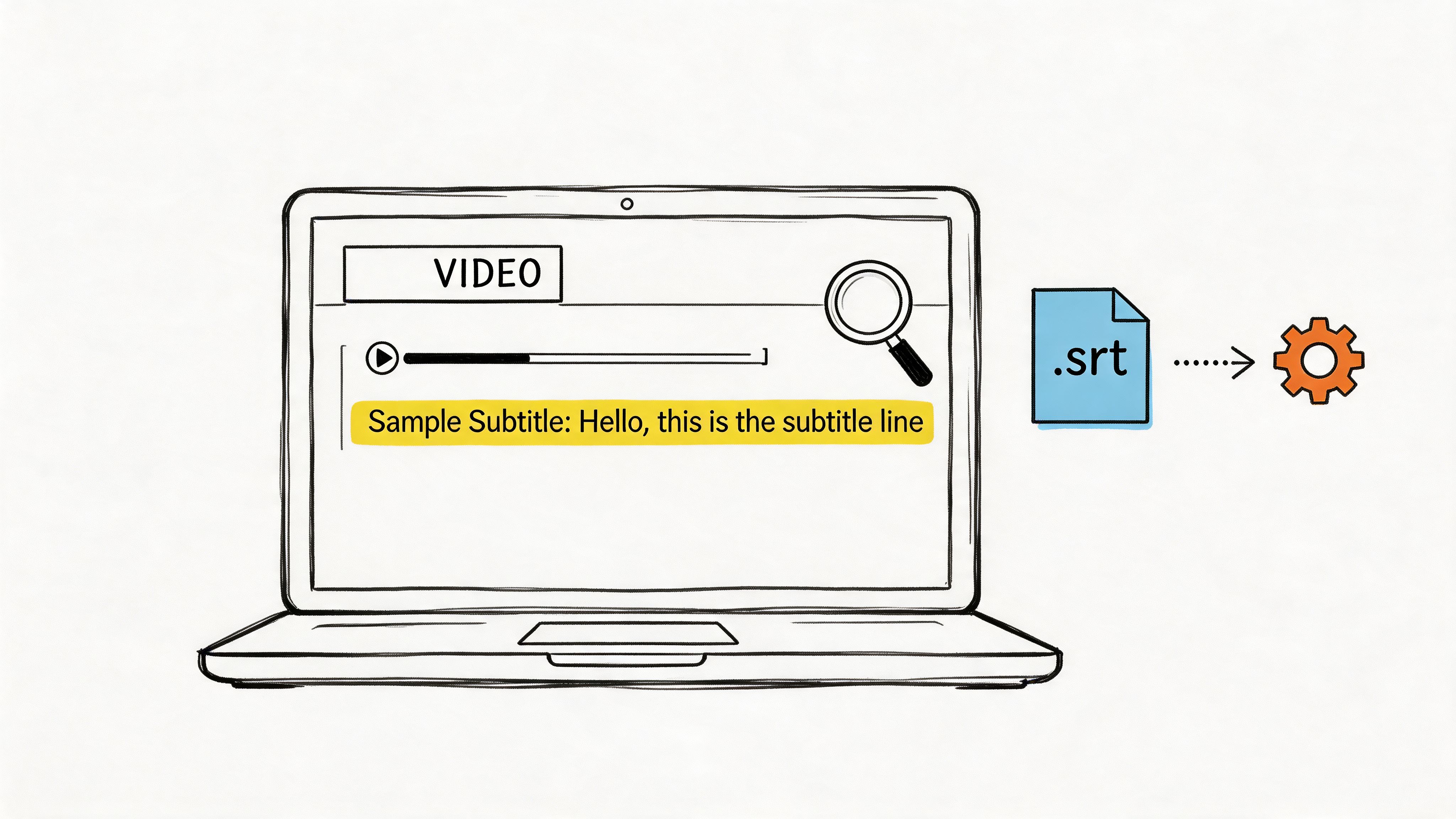
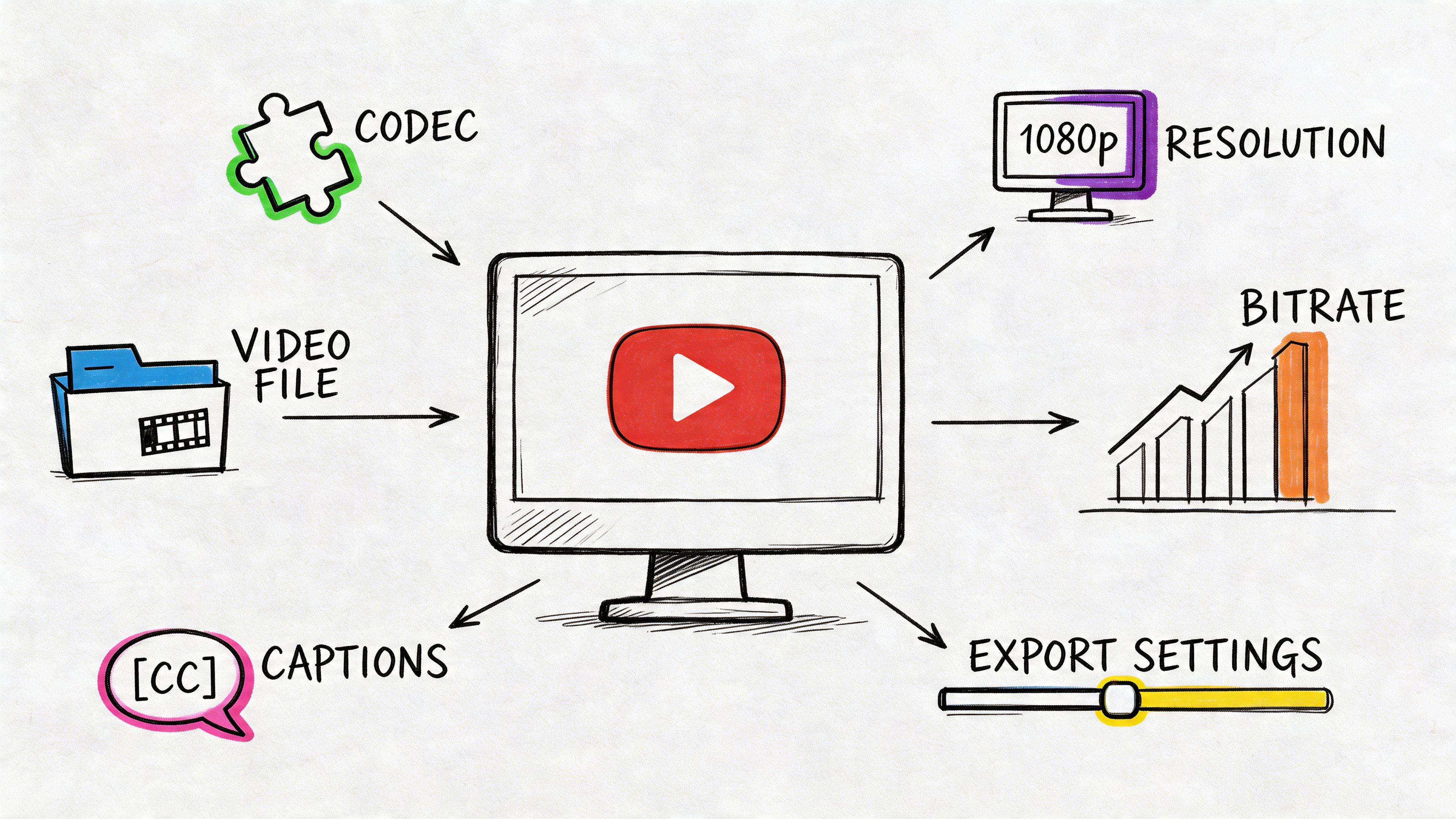
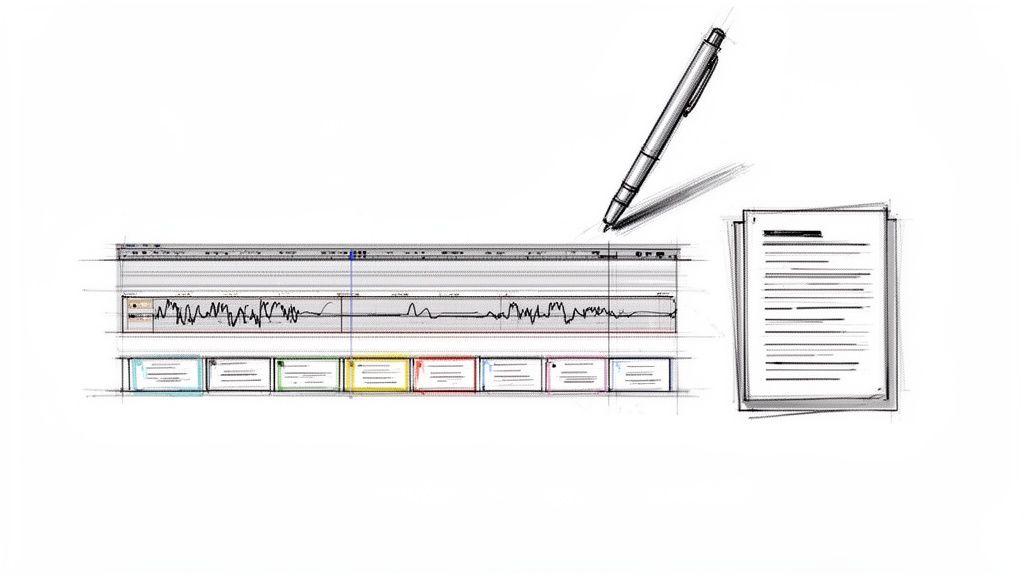
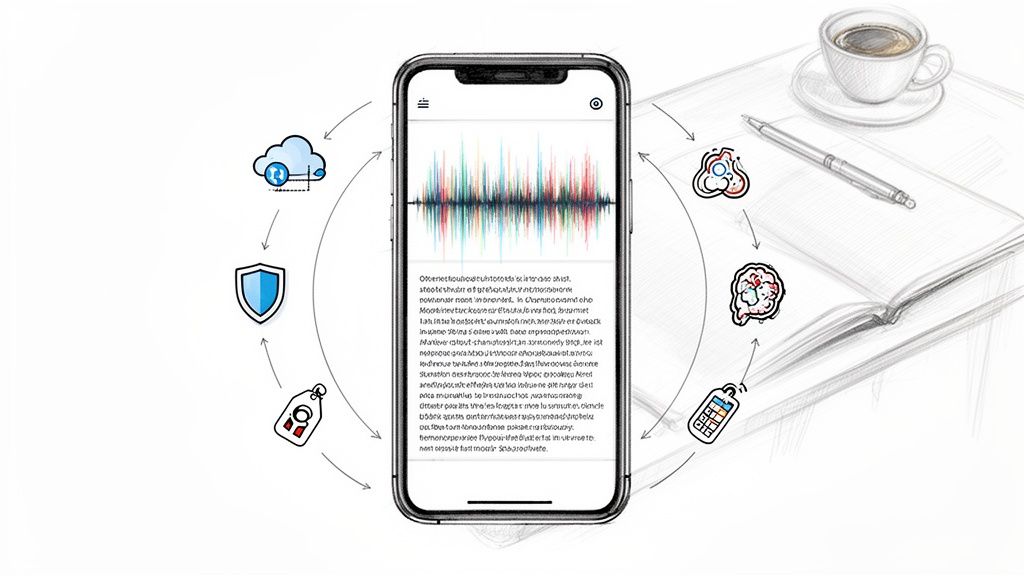
Technically, video transcription is a multi-stage pipeline that isolates audio, runs speech recognition, and then outputs a structured transcript with speaker labels and timestamps. That structure is what makes the transcript searchable and reusable, and export formats like SRT and VTT allow the same content to support subtitles and captions, as explained in Sonix's guide to how video transcription works.
A transcript with no formatting can still hold the words, but it's harder to follow. A well-structured transcript supports more jobs:
- Reviewing a meeting without replaying the full recording
- Creating captions from time-based text
- Quoting an interview with confidence
- Archiving a conversation in a readable format
Clean formatting is not cosmetic. It's what turns transcript text into a working document.
Common transcript formats
Different formats fit different tasks.
| Format | Best for |
|---|---|
| TXT | Simple reading and plain text storage |
| DOCX or Word | Editing, commenting, and collaboration |
| Sharing a fixed, readable version | |
| SRT | Caption workflows with timed subtitle entries |
| VTT | Web video captioning and platform compatibility |
If you only need a readable document, plain text or Word is often enough. If the transcript needs to drive on-screen text, timestamped formats matter much more.
One more quality check
Readability often gets overlooked. A transcript should be broken into sensible paragraphs and sections, especially if it will be published or shared beyond the original team. If readers can't scan it, they won't use it.
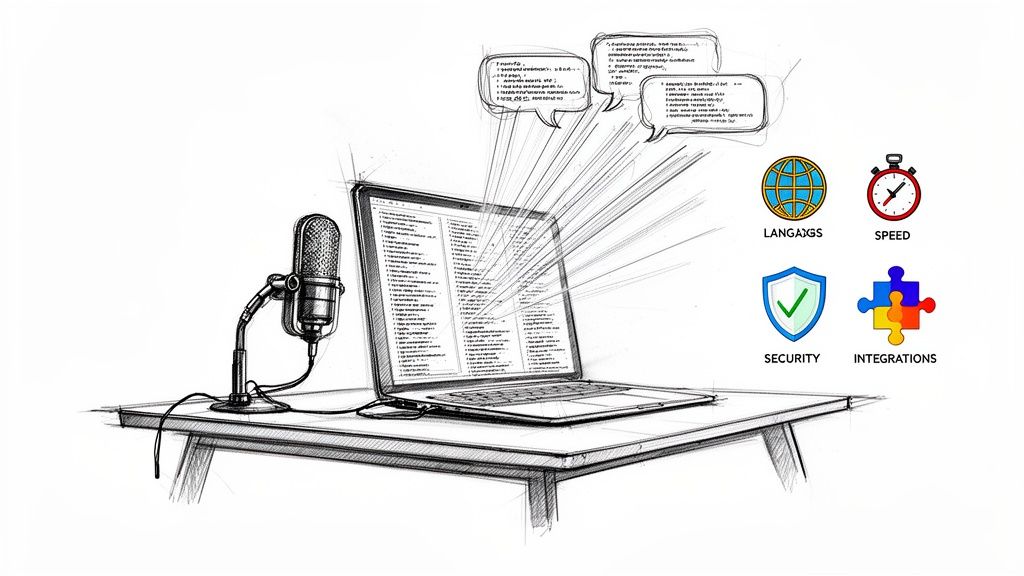
Privacy matters too. If you're transcribing client calls, interviews, internal meetings, or research conversations, the transcript isn't just text. It's a record of potentially sensitive information. In those cases, storage, deletion controls, and access settings matter just as much as text quality.
Streamline Your Transcription Workflow with HypeScribe
A transcript by itself rarely solves the actual problem.
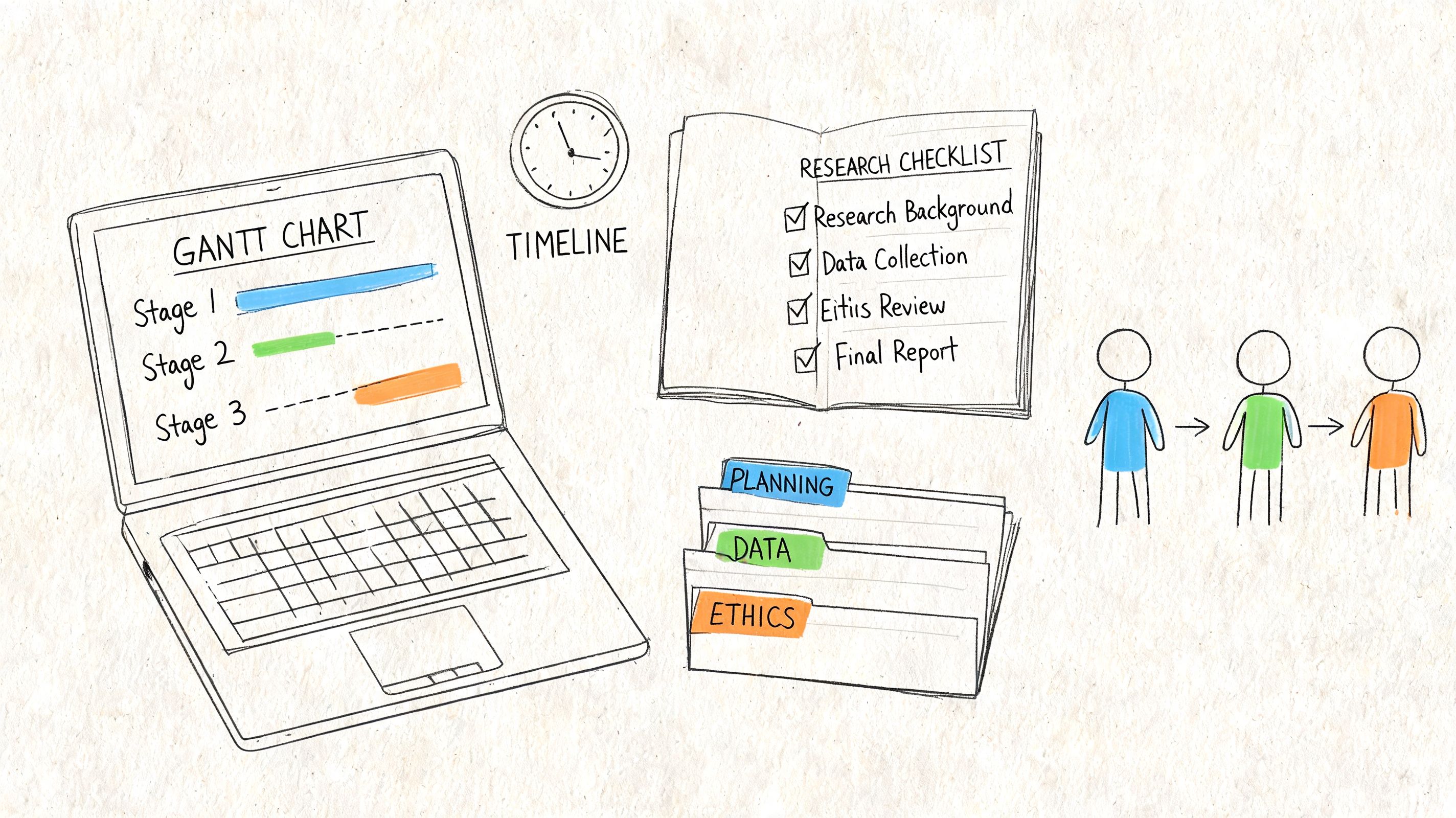
A team usually needs a reliable path from recording to decision. Someone uploads a webinar, interview, client call, or meeting. Then someone needs to review the text, correct names and terms, pull out the useful points, and share the result in the right format. If that process is messy, transcription stays stuck as a half-finished task instead of becoming something people use.
What a modern workflow should do
A good workflow works like an assembly line for spoken content. Each step should be easy to spot and easy to finish.
It should help you:
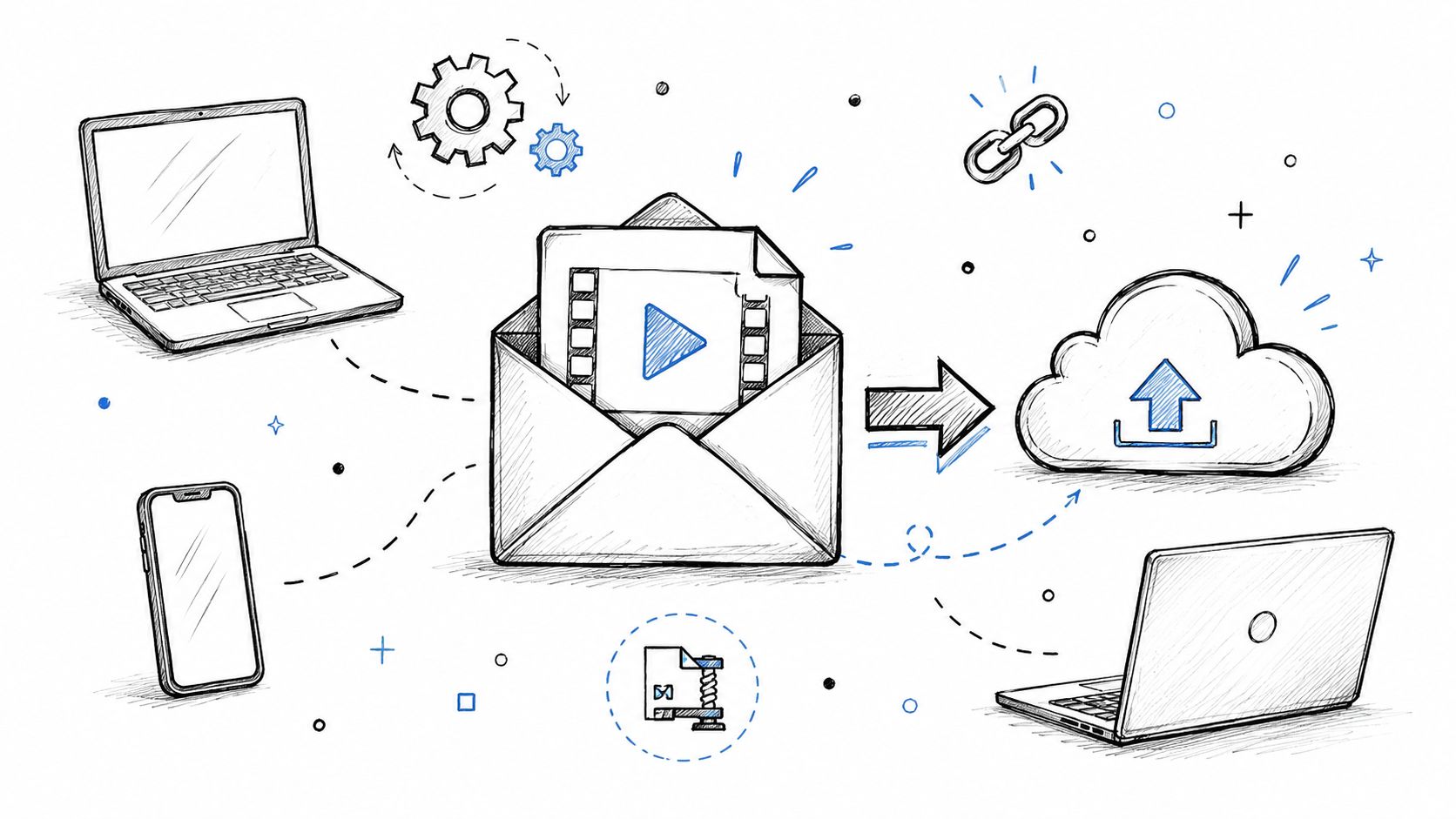
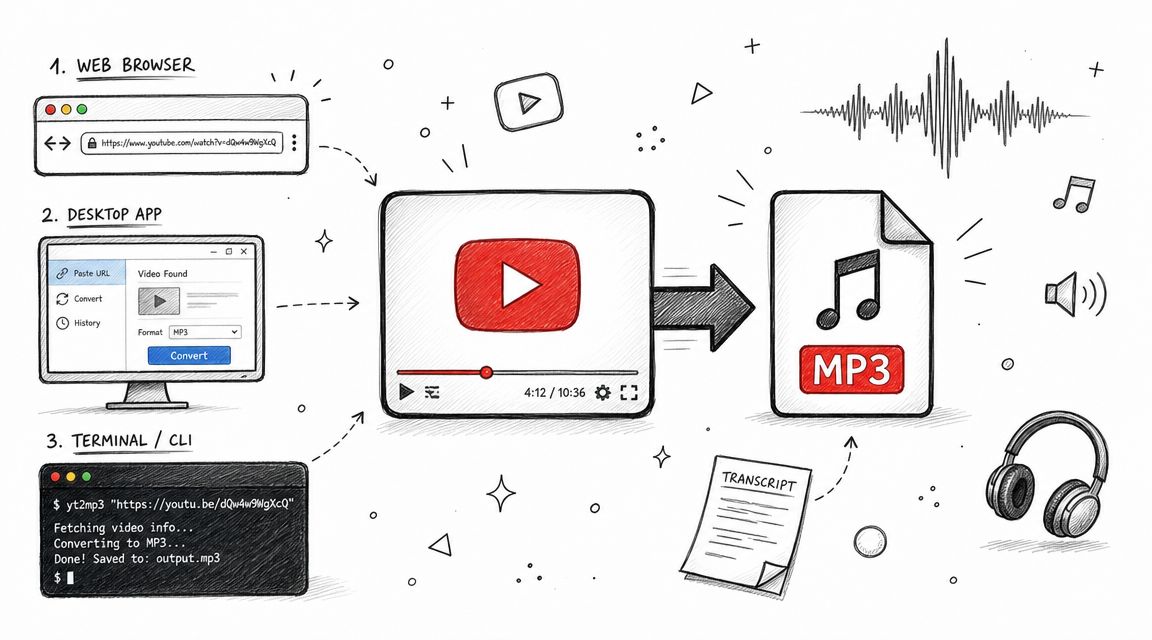
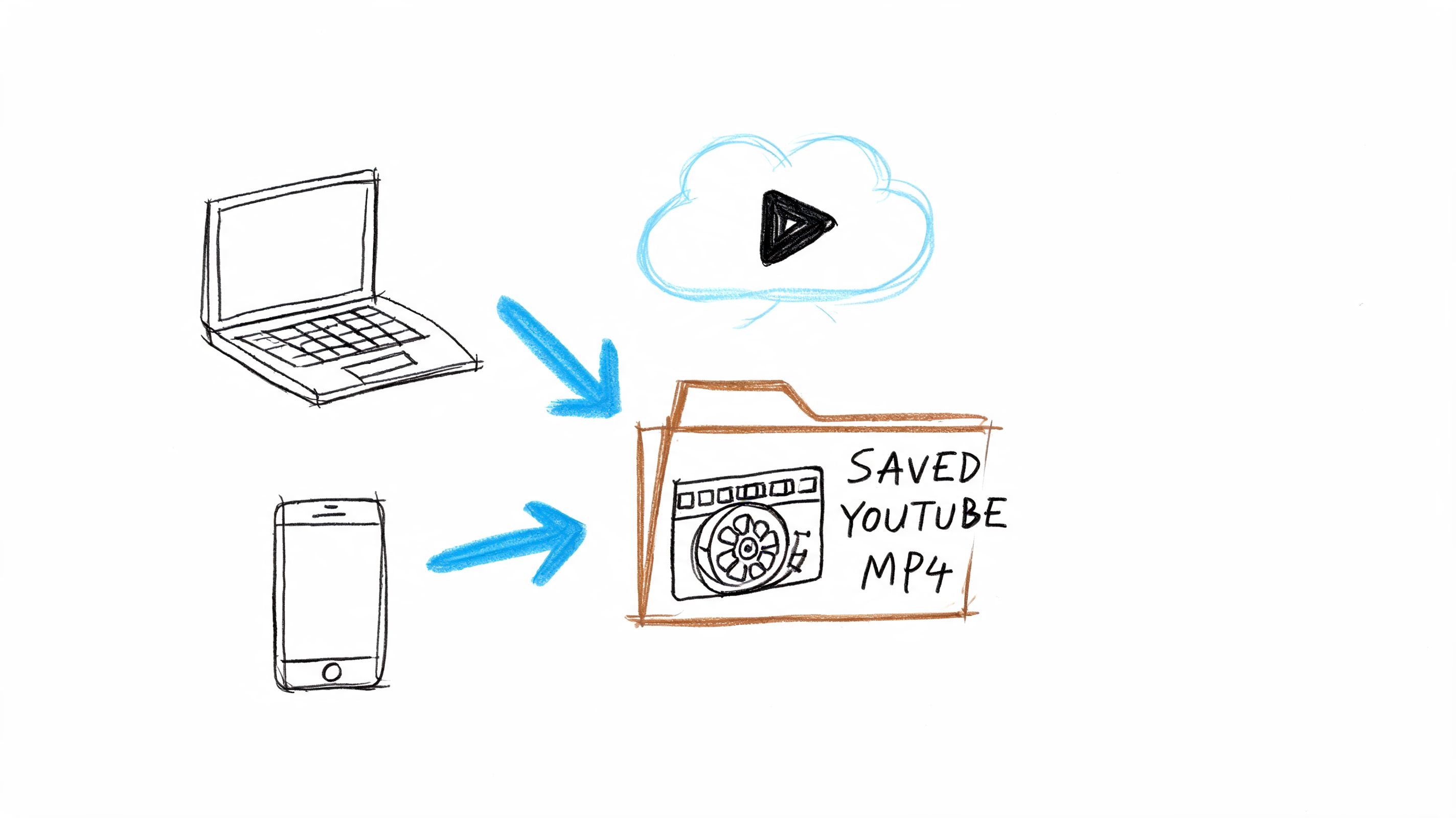
- Bring in source material without friction, whether that starts as a file, a meeting recording, or a video link
- Create searchable text quickly so people can review the content while it is still relevant
- Edit the draft in a practical workspace where fixing speaker names, wording, and formatting does not feel tedious
- Export the final version in formats that match the job, whether that job is publishing, documentation, captioning, or storage
Dedicated tools solve this problem. They turn transcription from a one-time cleanup task into a repeatable part of daily work.
Turning transcripts into usable knowledge
The full value shows up after the first draft is ready. A transcript is the raw material. The next questions are usually more practical: What was decided? What are the action items? Which quote should we pull? Where did the speaker explain the key point?
That matters for remote teams reviewing meetings, researchers working through interviews, and educators repurposing lectures. A long block of text can be hard to use. A better workflow helps people move from words on a page to something they can scan, share, and act on.
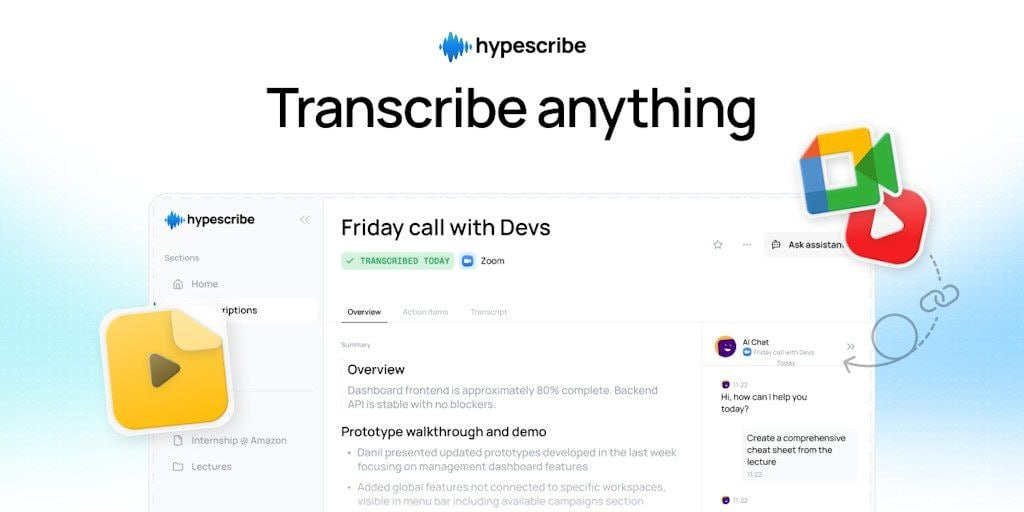
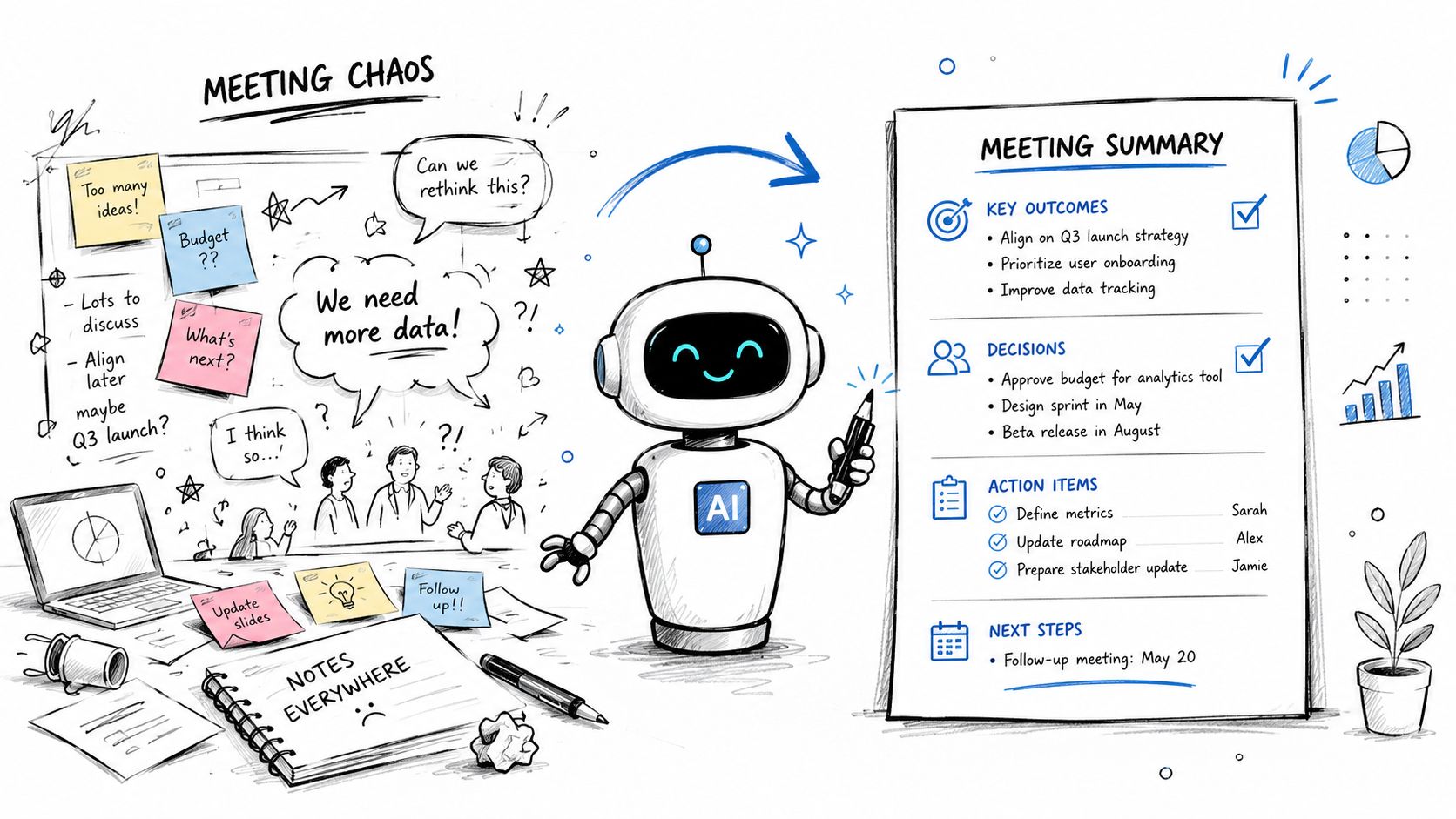
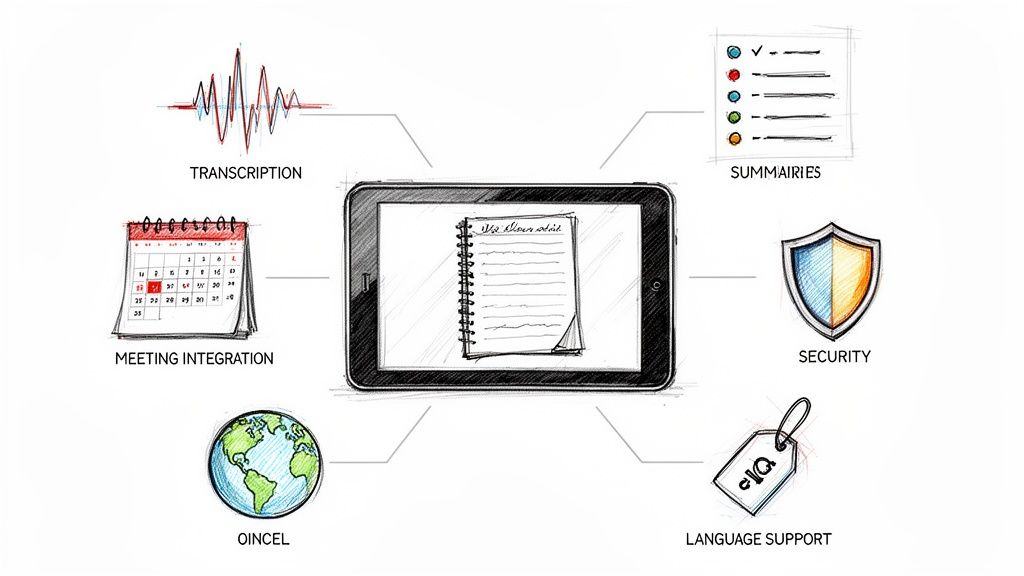
HypeScribe is one example of a tool built for that broader workflow. It handles audio and video transcription, accepts uploads and links from major platforms, and can generate summaries, key takeaways, and action items from the transcript. For teams managing frequent recordings, that kind of support often matters more than raw speech-to-text alone.
A practical standard for choosing a tool
The simplest test is to ask whether the tool helps with the whole job or only the first draft.
Use questions like these:
- Can I correct the transcript easily after AI creates it?
- Can I export it in the formats my team already uses?
- Can it help me pull summaries, decisions, or next steps from the text?
- Does it fit the privacy needs of the recordings I handle?
Those questions help you choose based on outcomes, not features alone. The goal is not just to get text from video. The goal is to turn spoken content into something searchable, reusable, and useful.
If you want to turn recordings, meetings, lectures, or video content into searchable transcripts, summaries, and action items in one place, HypeScribe is worth exploring. It's built for people who need more than a raw transcript and want spoken content to become something they can use.