8 Key Questions for Cross Examination in 2026
The witness takes the stand. Your case may hinge on what happens in the next hour. Effective cross-examination isn't about dramatic gotcha moments you see on TV. It's about preparation, restraint, and control.
Good questions for cross examination don't invite speeches. They narrow the field. They pin the witness to one fact at a time, then connect those facts to your theory of the case. Under Federal Rule of Evidence 611(b), cross is limited to the subject matter of direct examination and matters affecting credibility, which is why disciplined question design matters so much. If you handle argument, debate, or oral advocacy outside the courtroom, the same control principles show up in settings like how to handle points of information.
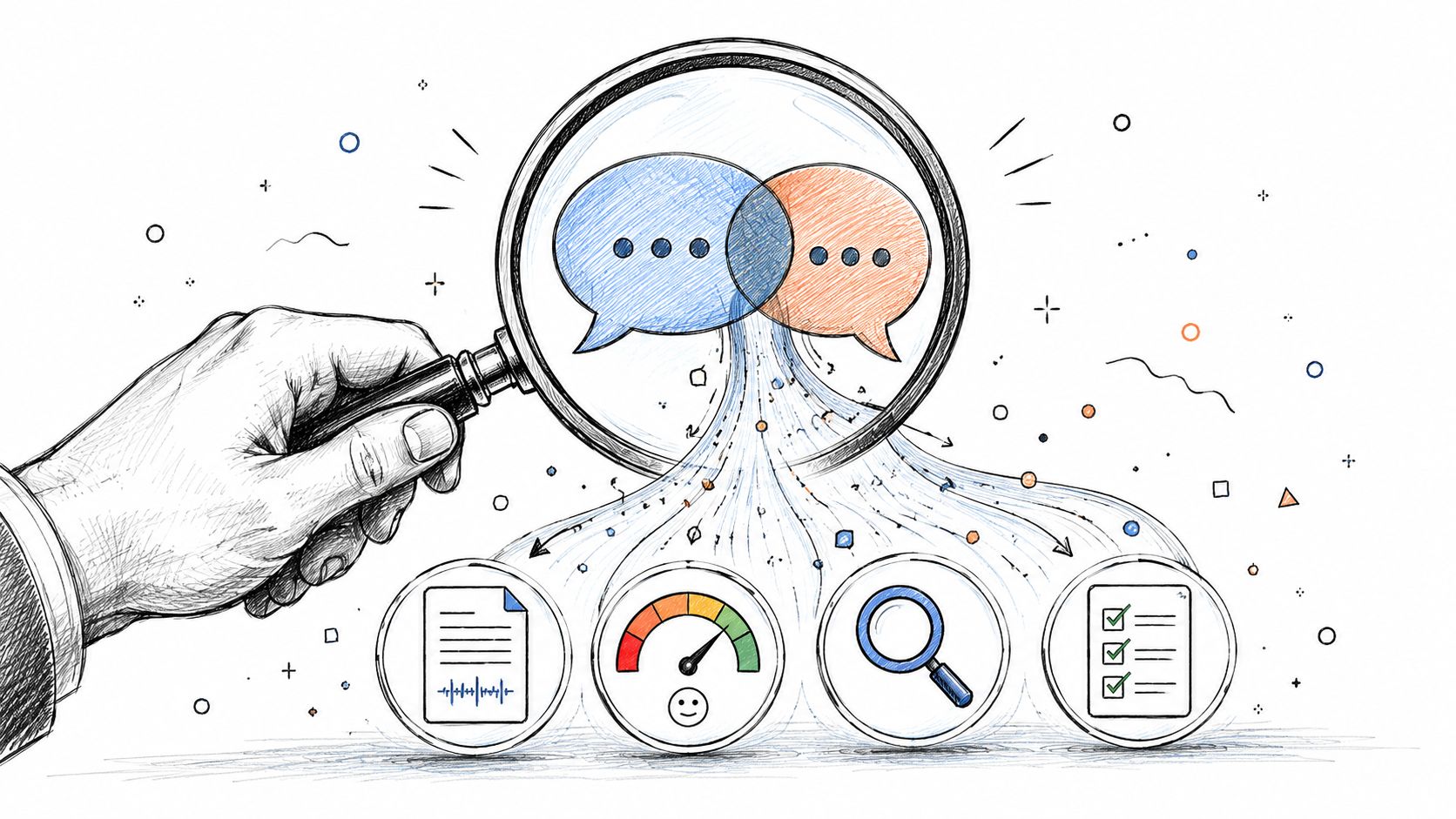
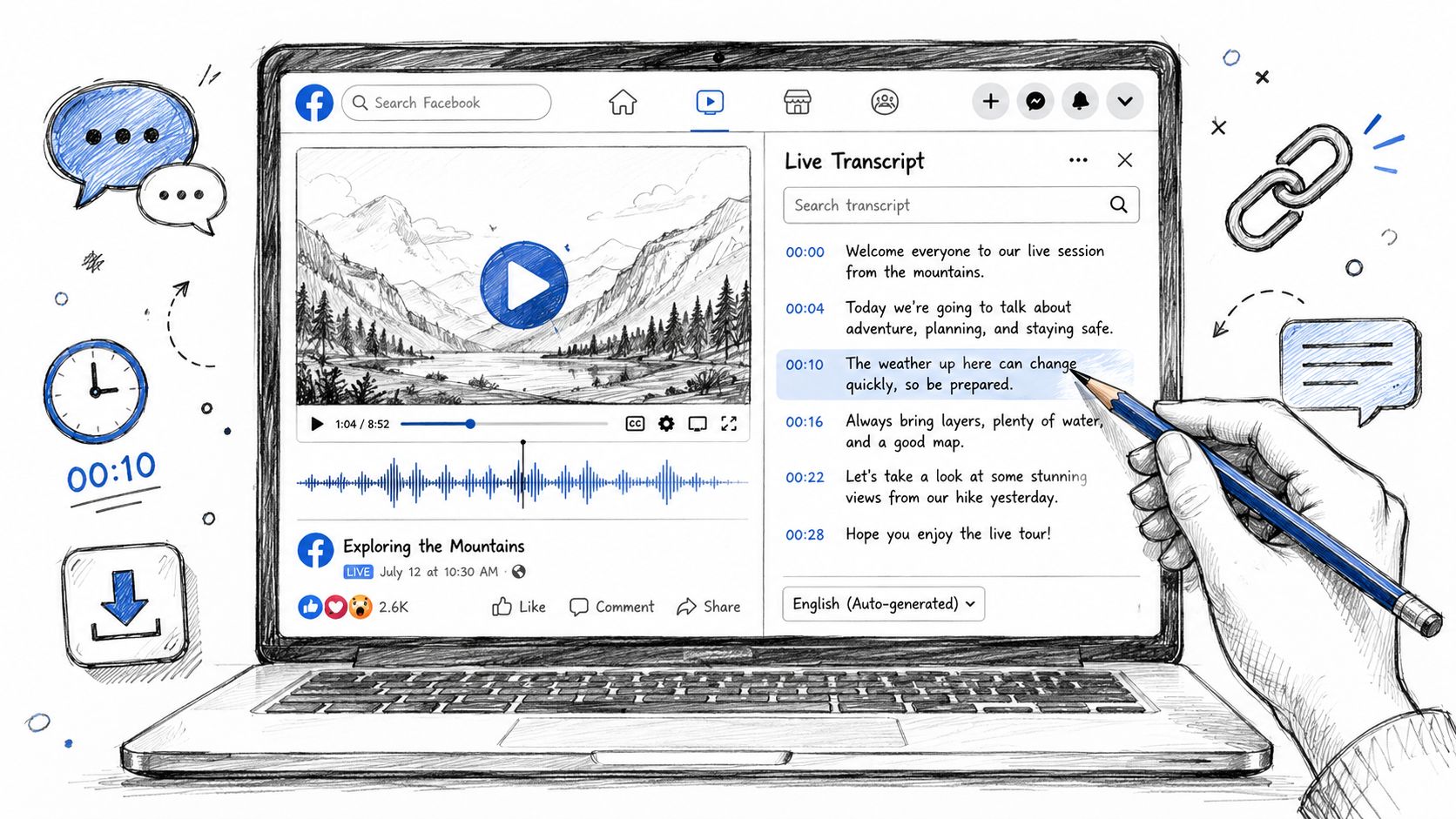
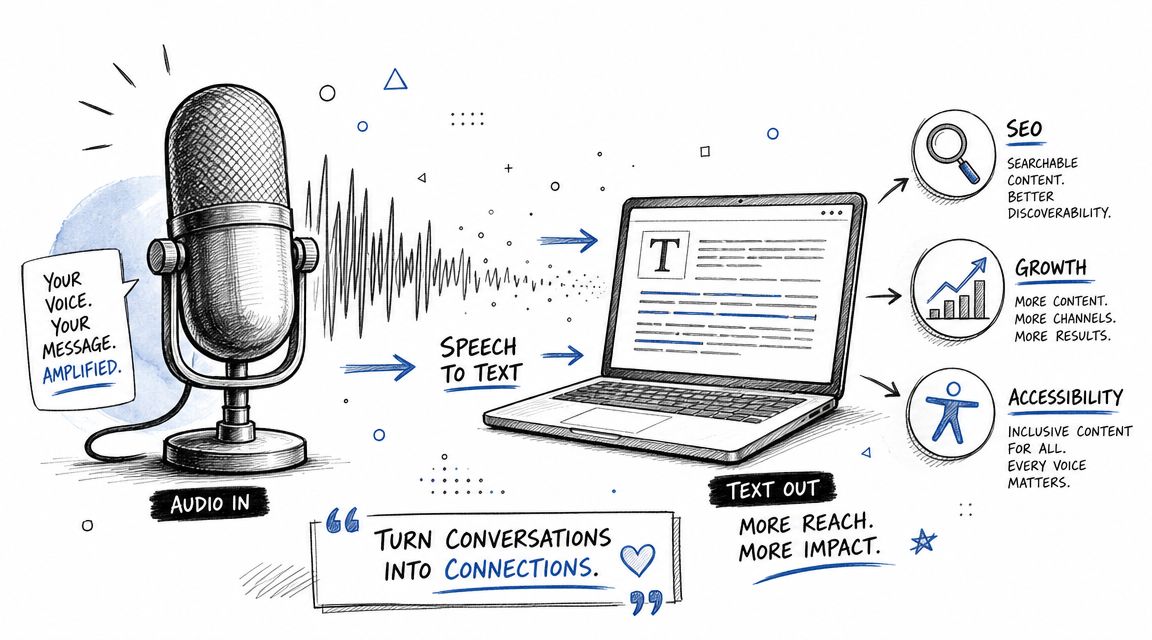
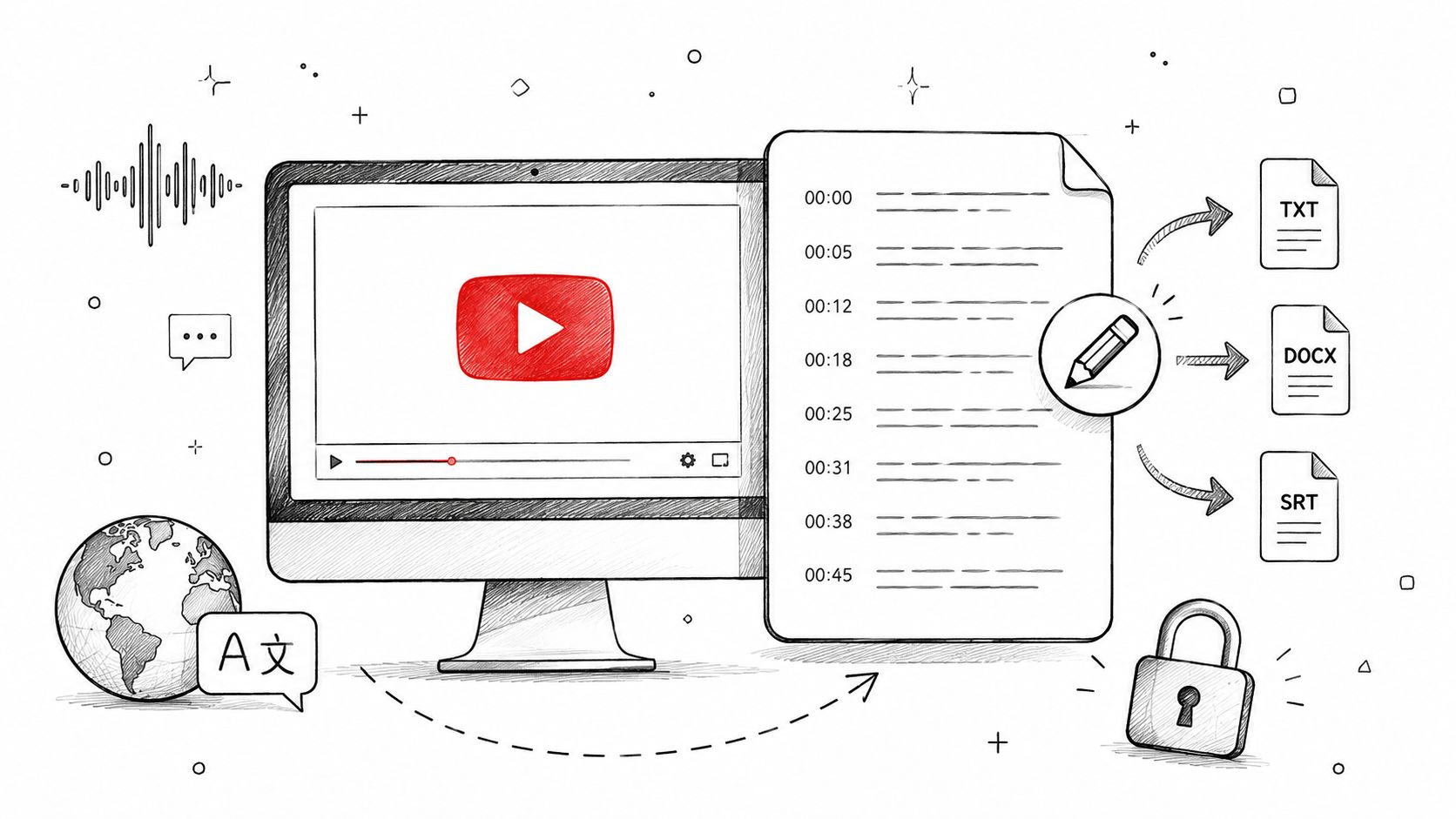
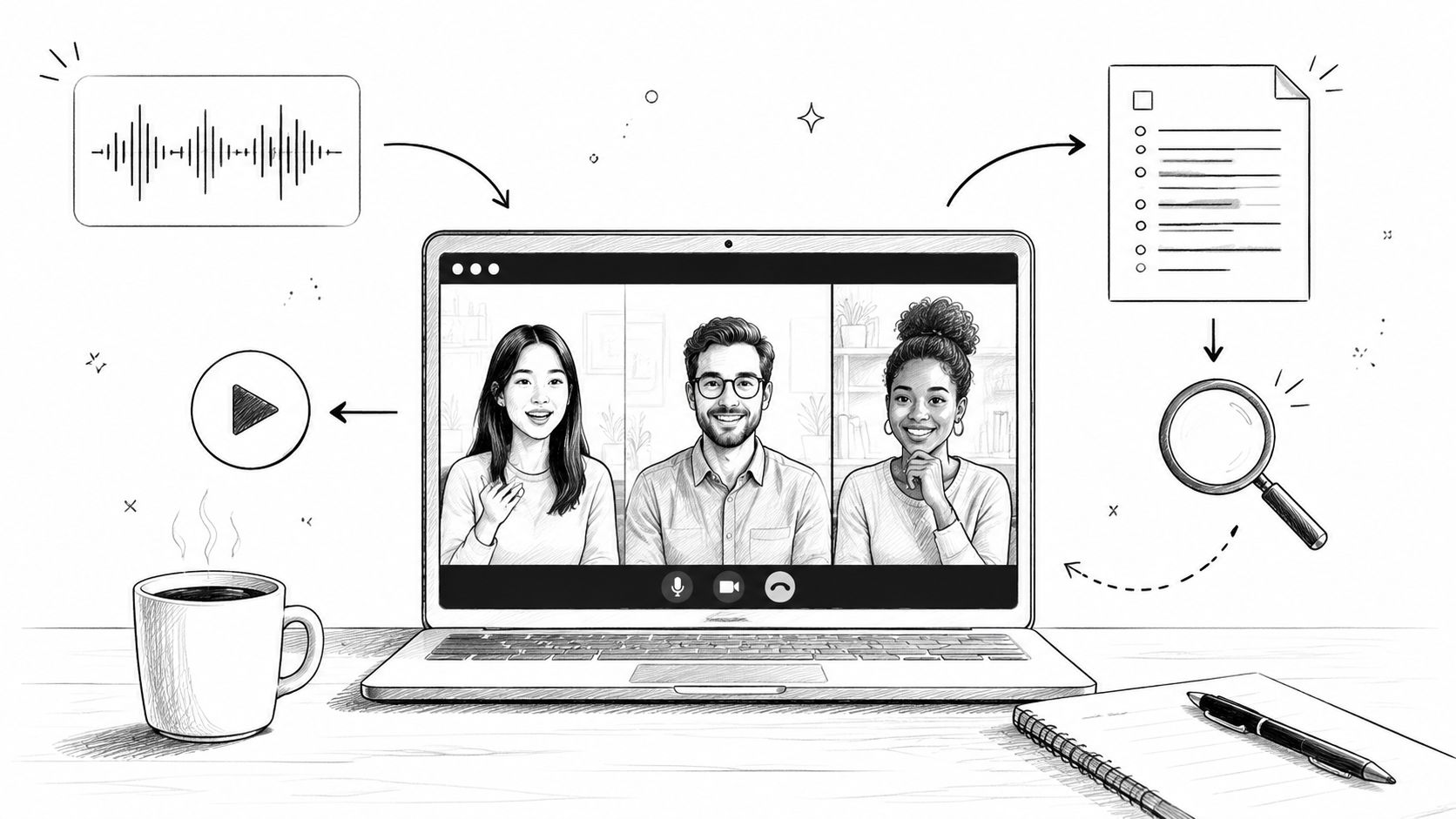
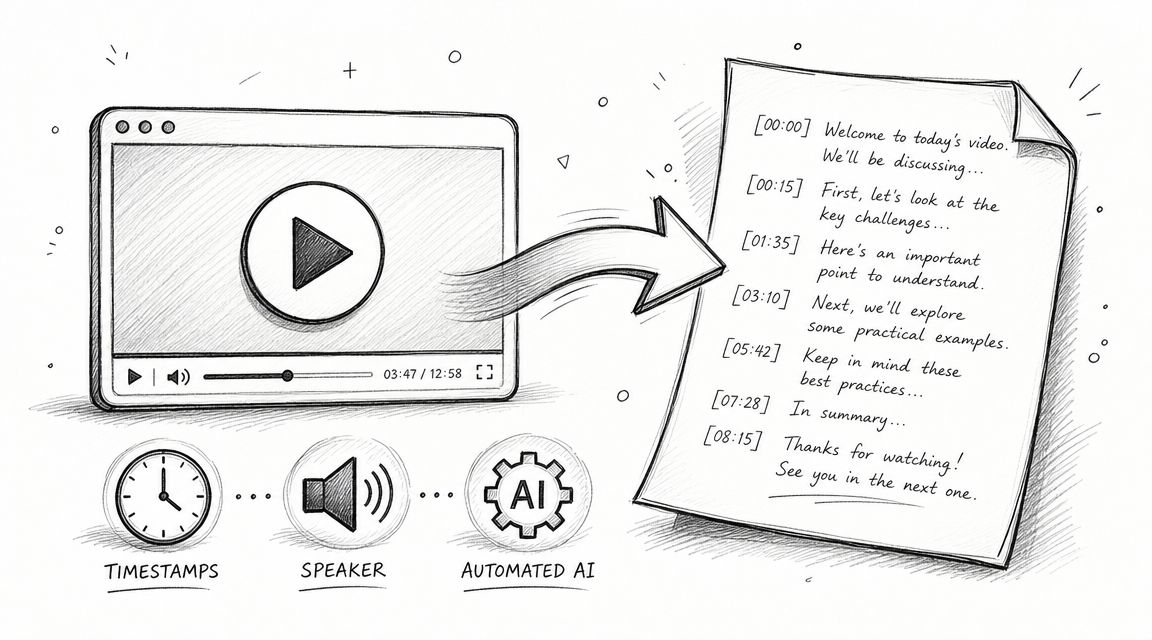
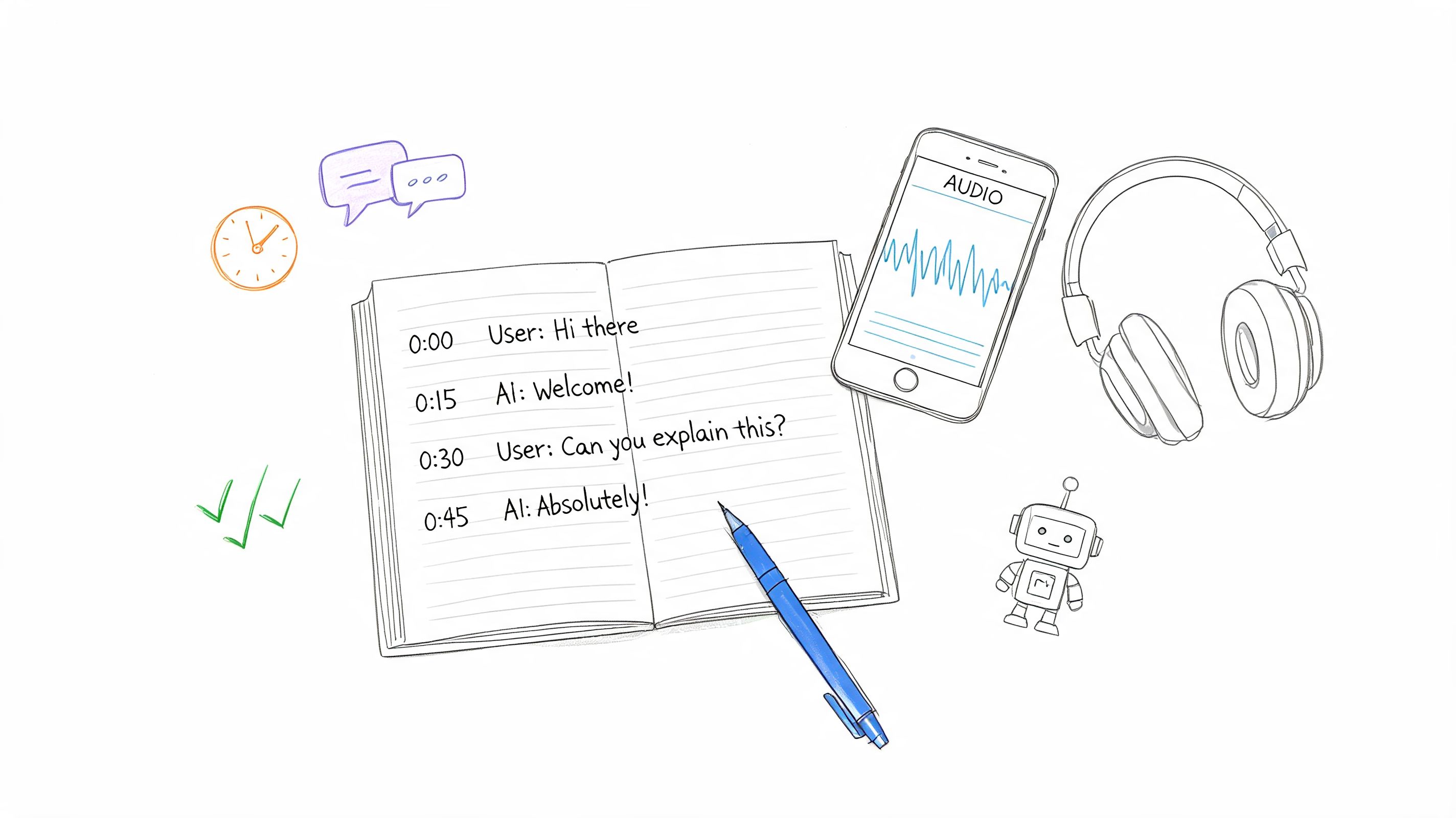
The practical problem is rarely knowing that you should ask leading questions or impeach with prior statements. The problem is execution. You need the exact quote, the exact timestamp, the clean exhibit, and the next question ready before the witness starts explaining. That's where a searchable transcript changes the work.
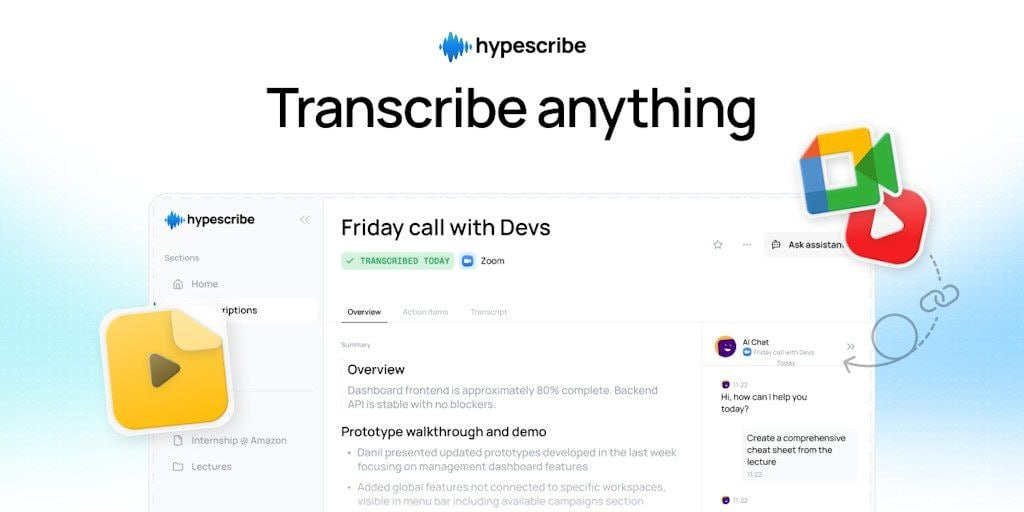
This guide breaks down eight useful question types, what they accomplish, what usually goes wrong, and how to use tools like HypeScribe to prepare and refine them. If you treat transcripts as strategy documents instead of clerical output, cross gets sharper fast.
1. Leading Questions
Leading questions are the backbone of cross because they let you supply the fact and ask the witness only to confirm it. Done right, they feel almost mechanical. Done badly, they become speeches, arguments, or compound questions that hand control back to the witness.
A clean leading question usually contains one factual proposition. "You received the email on March 15 at 2:47 PM, correct?" works. "You got the email, ignored it, and then decided to deny responsibility later, didn't you?" doesn't. The second version invites objection and gives the witness room to fight.

A useful historical anchor is that cross-examination has long been treated as a core right in American law, and the U.S. Supreme Court recognized its constitutional importance in Pointer v. Texas in 1896. In practice, one reason leading questions matter so much is that an NIJ analysis of more than 500 federal trials found that leading questions affected outcomes in 61% of cases, while aggressive tactics backfired in 14% of cases due to witness sympathy, as summarized in the NIJ cross-examination guide.
What works in the room
Short questions. Concrete verbs. No adjectives unless the adjective itself is the point.
In a corporate deposition, that may sound like this: "You were copied on the compliance memo, correct?" In an HR interview review: "The policy manual prohibited that conduct, right?" In a customer dispute: "The customer asked for a refund during that call, yes?"
Practical rule: If the witness can answer with a story, the question isn't tight enough yet.
Use HypeScribe before trial to search earlier testimony for exact wording, then script your best leading points into a sequence. During prep, I prefer arranging them in proof blocks: date, document, meeting, admission. Searchable transcripts make that easier because you can find every mention of a phrase, export it, and tighten the wording before you ever stand up.
- Keep each question single-purpose: One fact per question makes the transcript cleaner and the answer harder to evade.
- Pause after the question: That helps separate question and answer in the recording, which makes later transcript review more reliable.
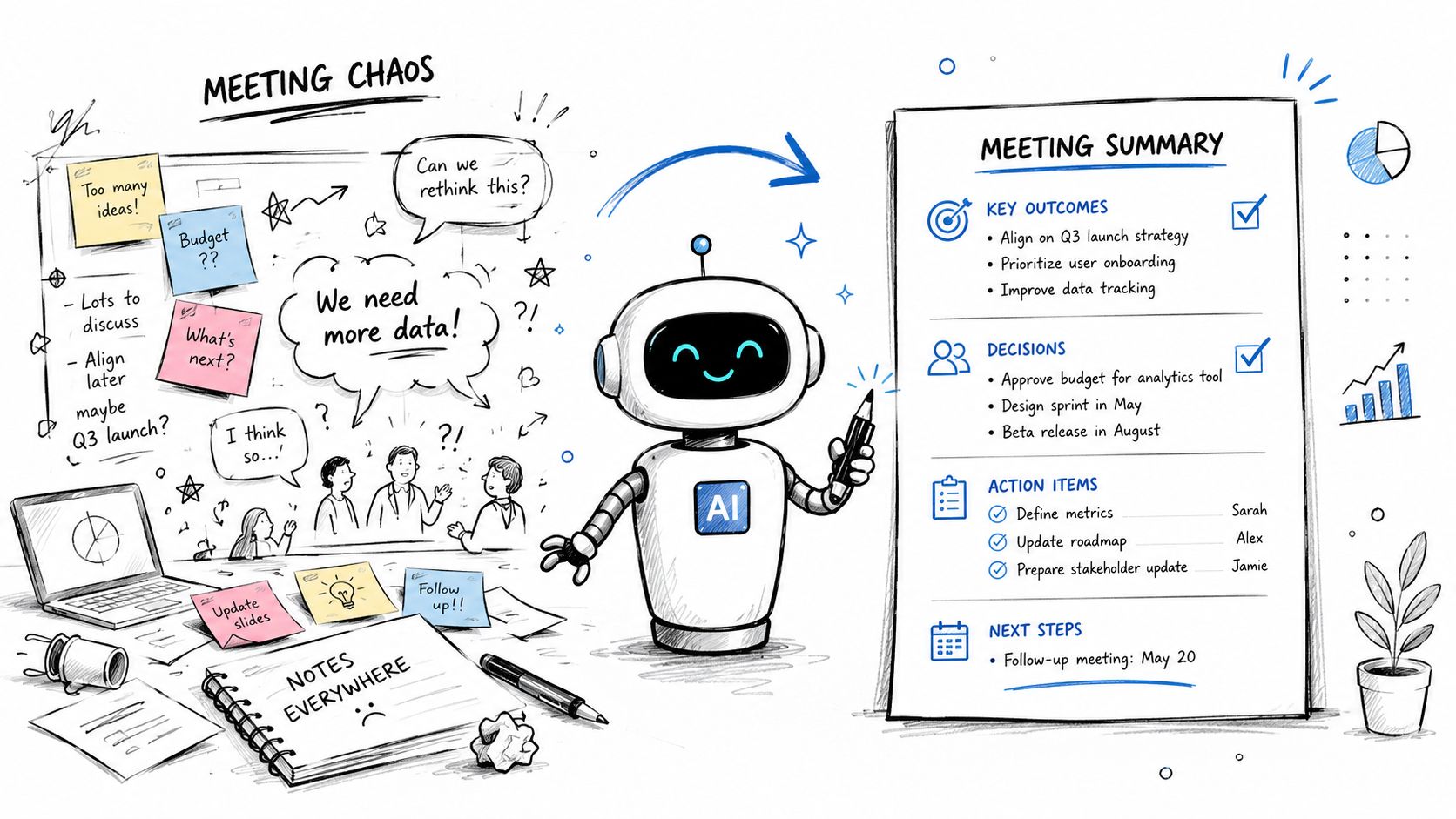
- Review your own phrasing: HypeScribe summaries can show whether you established facts or merely argued with the witness.
2. Impeachment Questions
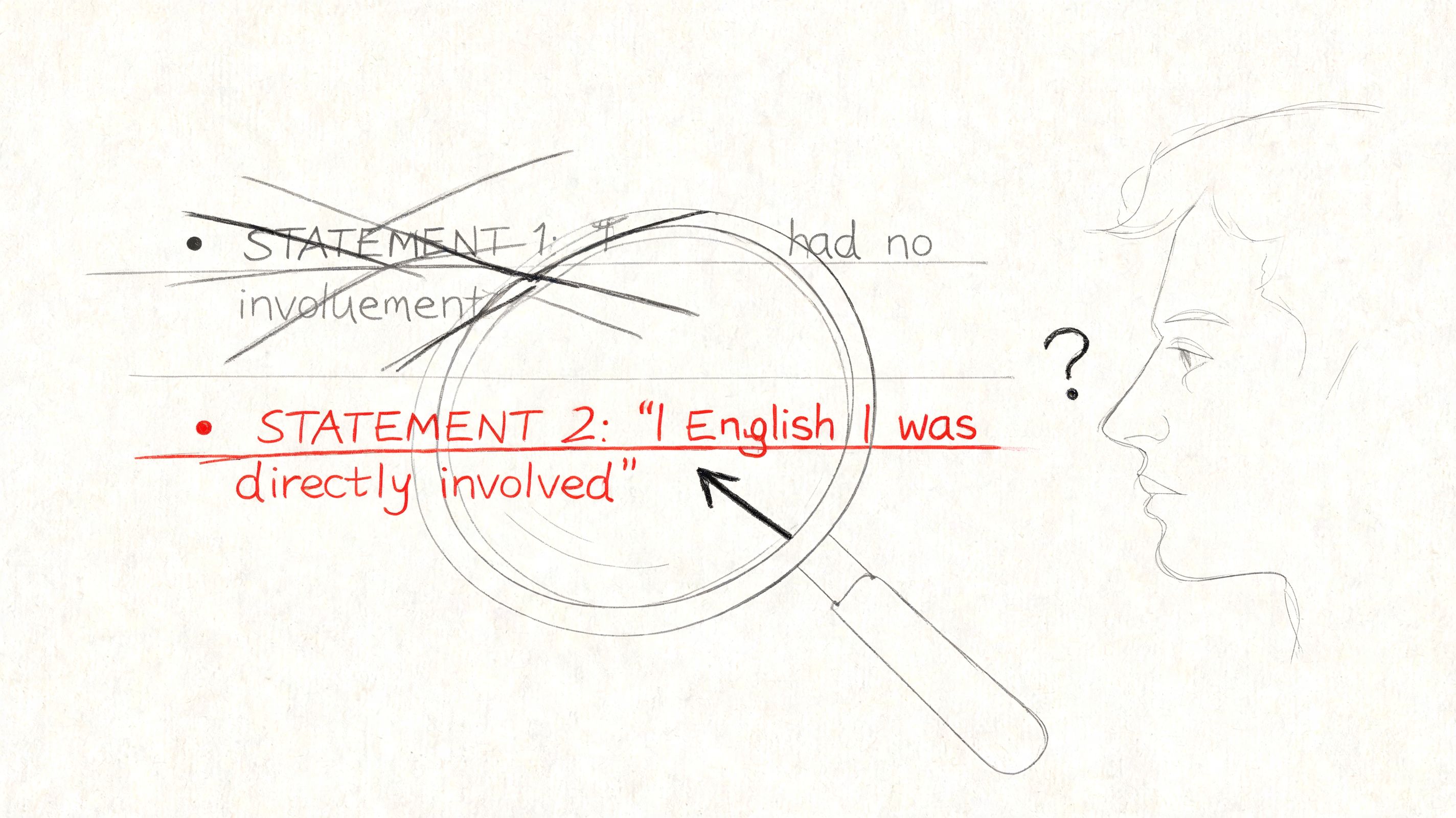
Impeachment is where lawyers often get too excited and lose structure. The point isn't to sound dramatic. The point is to prove the witness said one thing before and a different thing now, in a way the judge, jury, and record can all follow.
The safest pattern is simple. First, lock in the current testimony. Second, establish the prior occasion. Third, confront the witness with the exact prior statement. Fourth, stop talking. Let the contradiction land.
If the witness says, "I was always present at the meetings," and the earlier deposition says, "I missed three meetings," your job isn't to editorialize. Your job is to make the inconsistency undeniable.
The strongest impeachment material
The four most common grounds for successful impeachment are established and familiar: prior inconsistent statements, bias, prior convictions, and dishonest character. In the same NIJ analysis referenced earlier, 82% of successful impeachments relied on those four grounds, with prior inconsistent statements accounting for 42% and proof of bias accounting for 28%. That allocation appears in the same NIJ training page on cross-examination, so you should build your impeachment file around the categories that recur in practice.
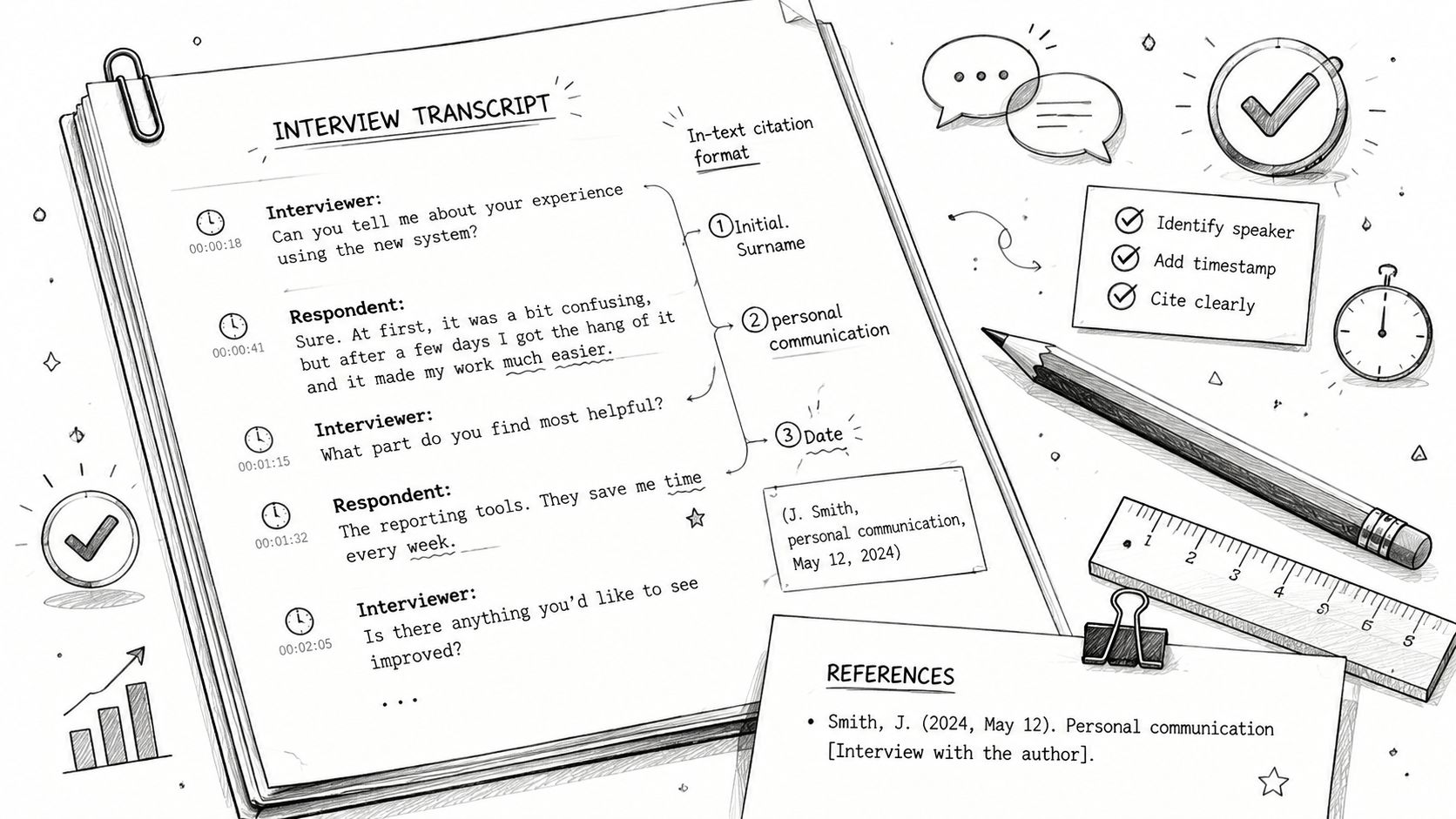
The most useful HypeScribe workflow here is comparison. Transcribe every interview, deposition, recorded meeting, and internal call that may become a witness statement later. Then export the relevant passages into a contradiction file. If the witness shifts from "we never discussed price" to "we discussed the main points," you want both lines side by side, with timestamps.
Don't impeach on a trivial point unless it advances a larger theory. A weak contradiction teaches the witness how to fight the strong one.
Examples matter. In an employment matter, a manager may testify that an employee "never received training," but the training session recording shows attendance and participation. In a contract dispute, a party may deny discussing terms even though a recorded negotiation includes those terms directly. In both scenarios, the exact language matters more than your paraphrase.
- Use the witness's words, not your summary: Juries trust a verbatim statement more than counsel's characterization.
- Highlight chronology: A timestamped transcript helps show whether the witness changed position after seeing documents, speaking with counsel, or hearing other testimony.
- Finish after the point is made: The extra question is usually the one that lets the witness explain it away.
3. Credibility-Challenge Questions
Not every useful attack on a witness is a contradiction. Sometimes the stronger move is to show why the witness may be mistaken, biased, invested, or poorly positioned to perceive what they claim they saw.
That is a different kind of cross. You're not proving the testimony false line by line. You're giving the factfinder a reason to discount it.
A financial motive is the most obvious example. An expert who earns repeat fees from one side. A disgruntled employee with a personal dispute. A former business partner with an ongoing grievance. Those facts don't automatically defeat testimony, but they change how the testimony is heard.
Bias, perception, and memory
In expert witness cross, bias questions can be particularly effective. According to the NIJ analysis already noted, cross-examination exposed bias in 35% of expert witness instances by questioning financial interests, and juror post-trial surveys reflected a 40% reduction in expert credibility scores in those situations, as described in the NIJ cross-examination materials. With lay witnesses, the same logic applies even when the motives are personal rather than financial.
Another overlooked area is listening. If you're trying to test whether someone heard, understood, or accurately recalled a statement, the examiner has to pay close attention to wording, hesitations, and qualification. That discipline overlaps with active listening in communication, especially when you're preparing from recorded interviews rather than live recollection alone.
Use HypeScribe to review how the witness discusses relationships, compensation, grievances, and opportunities to observe. Search terms like "worked with," "reported to," "paid," "bonus," "retainer," "upset," or "complaint" often uncover material that doesn't stand out in a first read.
A credibility challenge should feel fair. If it sounds like a personal attack, the witness may gain sympathy.
A few practical examples:
- A witness claims to have seen an incident from the break room. Your cross narrows the physical angle, distance, line of sight, and whether they were looking.
- A consultant insists they are independent. Your cross explores repeat engagements, payment terms, and whether future work depends on pleasing the hiring party.
- A customer blames the company in every prior dispute. Your cross establishes pattern and motive without overreaching.
4. Factual and Timeline Questions
When a witness survives broad attacks, tighten the frame. Timeline questions force the testimony into a sequence, and sequence exposes weakness.
This is especially useful in complex cases involving many emails, meetings, transactions, or handoffs. A witness may sound confident in themes but collapse on order. What happened first. Who was there. What did you do next. When did you tell anyone. What document came before the decision. Those are factual pressure points.
For eyewitness testimony, timing and conditions matter even more. A Bayesian analysis by Marcello DiBello modeled cross-examination as a process that changes juror beliefs, and in simulated trials effective cross that exposed weaknesses in eyewitness identification shifted posterior probabilities of guilt by an average of 25 to 35 percent in favor of the defense. In the same analysis, when a witness claimed 90% certainty on direct examination, cross revealing poor viewing conditions such as distance greater than 50 feet or lighting below 10 lux reduced that certainty to 45%, with a standard deviation of 12%, according to DiBello's probabilistic analysis of cross-examination.
That study aligns with a long-standing legal concern about identification reliability. Manson v. Brathwaite recognized a totality-of-circumstances approach to admissibility, which is exactly why details about time, distance, lighting, and duration belong in your question flow.
Here is a useful courtroom demonstration of control and sequencing:
How to build the sequence
Don't ask for a narrative if your purpose is chronology. Build the order yourself.
Ask:
- First anchor: "You first noticed the defect on Tuesday morning, correct?"
- Second anchor: "You didn't report it until after lunch, right?"
- Third anchor: "No written report was created that day, correct?"
HypeScribe is particularly useful here because timestamped transcripts let you compare testimony against meeting recordings, call logs, and prior interviews. Exporting date references into a single document helps you test whether the story still works once all time markers sit on one page.
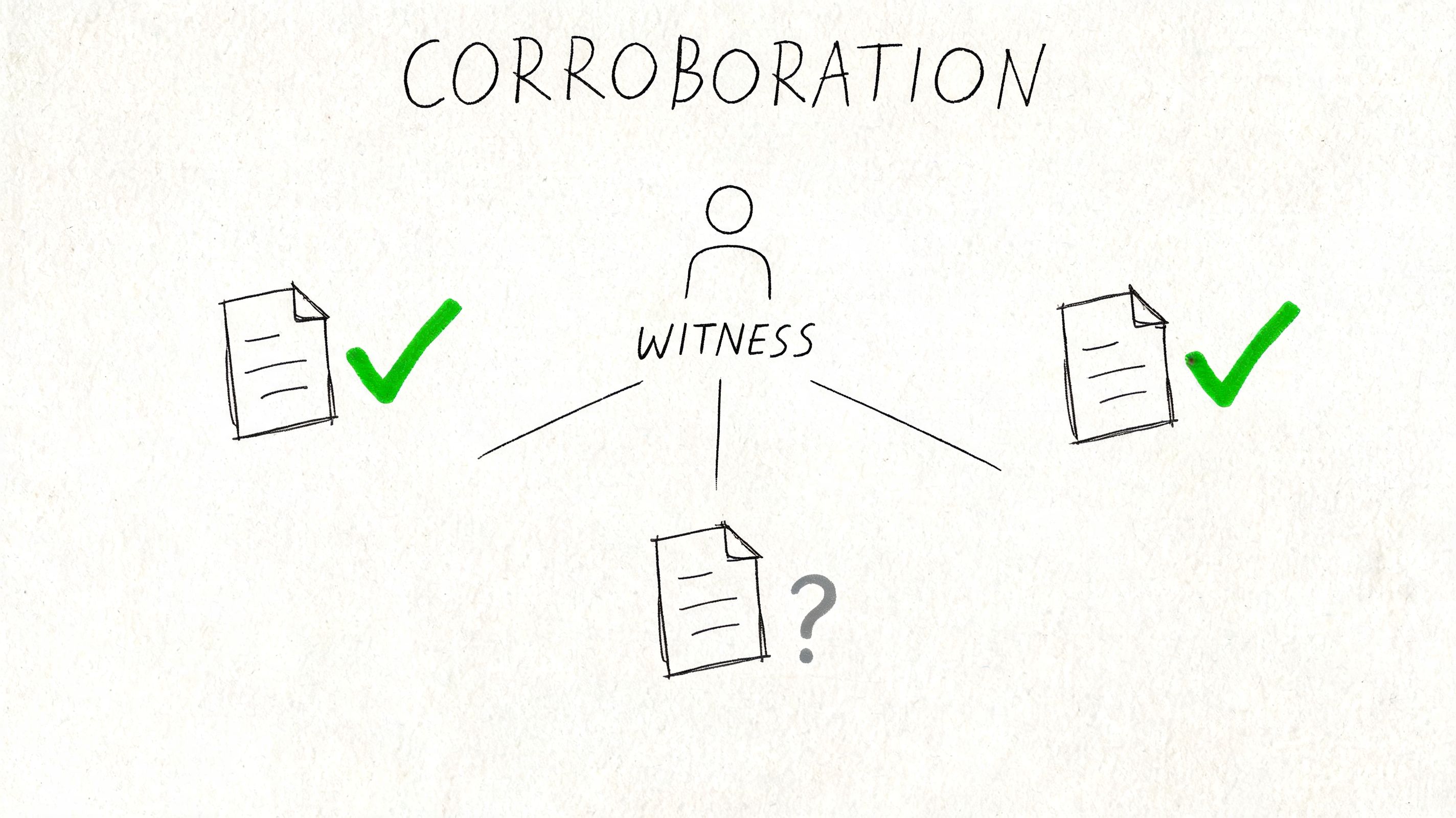
5. Corroboration Questions
Some of the best questions for cross examination don't attack the witness directly at all. They ask whether the story leaves a trail.
Who else heard it. What email confirms it. Was there a note. A calendar entry. A text. A follow-up call. Corroboration questions force the witness to either identify supporting evidence or admit that the claim stands alone when supporting evidence should exist.
That matters because testimony often sounds stronger in isolation than it does when placed beside the rest of the record. A business witness says an important conversation happened in a room full of people. Fine. Who were they? Did anyone send a summary after? Was the decision reflected in the next draft of the agreement?
Where corroboration cross becomes powerful
Use corroboration questions when the witness claims certainty but the event should have generated records. HR investigations, compliance escalations, refund disputes, procurement decisions, safety complaints, and expert review processes all tend to produce documents or additional witnesses.
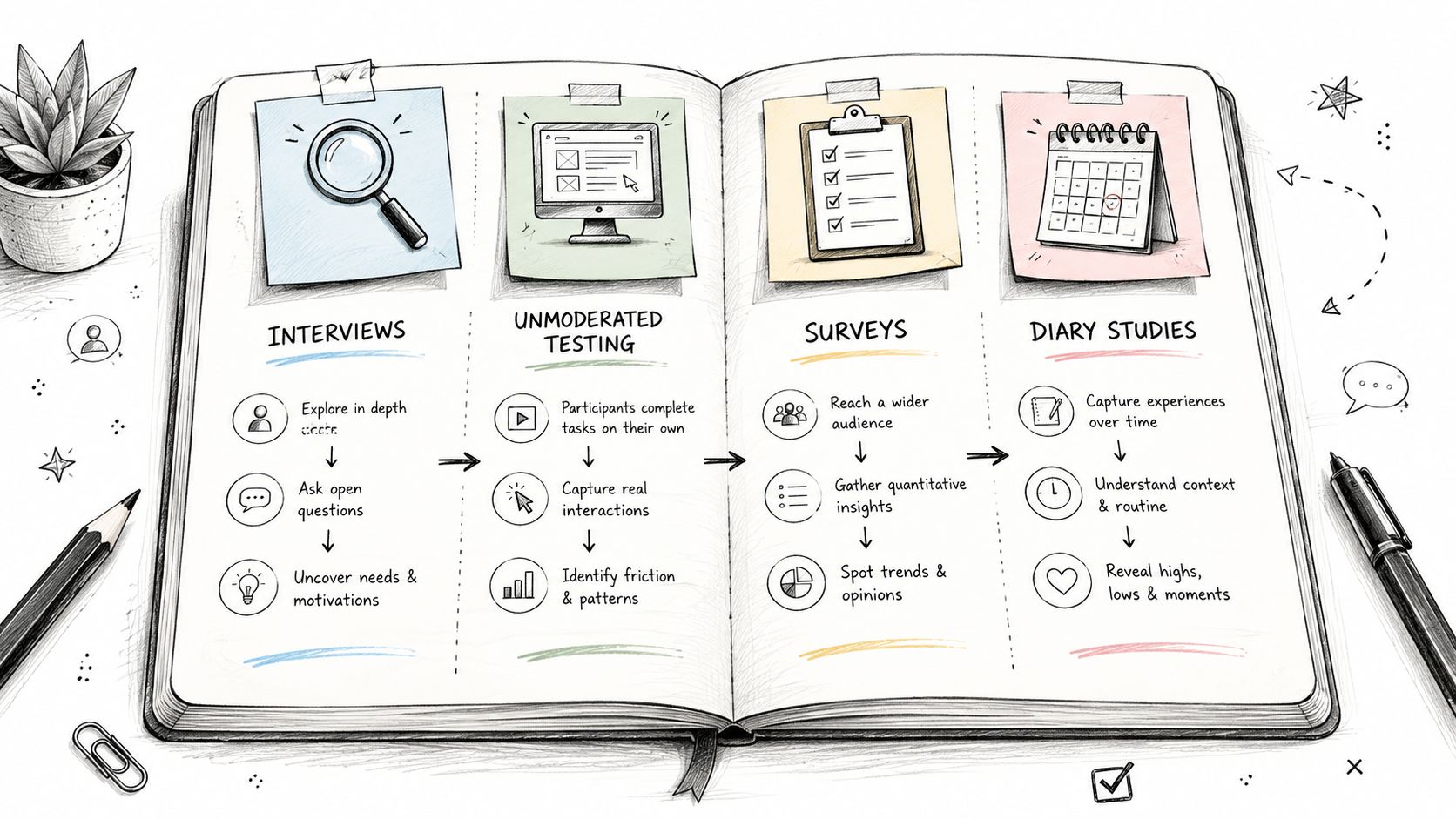
If you're organizing a large body of interview material, the workflow is similar to qualitative research. The same habit of coding names, events, and recurring references helps when you're analyzing interview data for legal contradictions or missing support.
A few practical examples:
- In an HR case: "You reported this to management. Which manager? On what date? Was that by email or in person?"
- In a customer dispute: "You kept notes of the call, correct? Where are they stored?"
- In a commercial case: "Three people attended the meeting. Have any of them confirmed your version?"
If corroboration should exist and doesn't, don't overstate the absence. Let the witness admit it plainly.
HypeScribe helps by making cross-reference work faster. Search all transcripts for the same witness name, project code, meeting title, or phrase. Then pull every mention into one export. What you want is not just contradiction. You want silence where there should have been confirmation.
6. Admission-Seeking Questions
A lot of younger lawyers treat cross as combat when they should treat it as extraction. The other side's witness can still supply useful facts. You just have to ask in a way that makes agreement the easiest available path.
Admission-seeking questions usually work best in chains. You start with an easy proposition, then add one small step, then another. By the time the witness recognizes where you're going, the record already contains the pieces you need.
For example, in a contract case:
"You received the proposal."
"You didn't reject it that week."
"You didn't send a written objection."
"You continued performance after receiving it."
Each question is modest. Together, they may establish notice, acceptance, or waiver themes more effectively than one larger accusation would.
Build the concession ladder
The trick is to begin with facts the witness can't credibly deny. Documents, dates, signatures, routing records, internal policies, and meeting attendance are ideal starting points. HypeScribe makes that prep easier because you can search prior interviews and depositions for points the witness already accepted, then build your sequence from those concessions.
This same habit matters outside trial too. Interviewers who get useful admissions in internal investigations usually rely on structure, not surprise. The discipline overlaps with how to conduct effective interviews, especially when you're trying to move from broad denials to narrow factual agreement.
A 2025 survey discussed in an article on expert witness practice reported that 68% of respondents using AI tools such as predictive question generators and real-time bias detectors said those tools reduced expert testimony persuasiveness ratings in mock juries by 25 to 35%, and the tools analyzed deposition transcripts for inconsistencies at 95% accuracy, according to the 2025 expert witness testimony trends article. Treat those figures cautiously and in context, but the practical lesson is sound: transcript-driven question drafting can sharpen concession sequences when the underlying material is verified.
- Start with the indisputable: Receipt, attendance, signature, authorship.
- Move one rung at a time: Don't jump from document receipt to bad faith.
- Mark each admission in the transcript: Pull them into a dedicated admissions file for closing and motion practice.
7. Hypothetical and Question-by-Contrast Questions
These questions are most useful with expert witnesses, though they can work with fact witnesses in narrow settings. The purpose is to test whether the witness's conclusion depends on assumptions that may not hold.
"If that data point were wrong, would your opinion change?"
"If the market was declining rather than stable, would your valuation still be the same?"
"If the safety feature had been present, the injury mechanism would be different, correct?"
You are not asking the witness to speculate wildly. You are testing the condition under which the opinion stands.
Best use with experts
A recent study of 850 forensic and financial expert witnesses across U.S., UK, and EU courts found that cross-examinations targeting consistency, field expertise, foundational data, and trustworthiness reduced expert credibility by 28% on average, while message credibility dropped 22% in juror simulations. The highest impact appeared when questioning experimental validity, which produced 34% credibility loss, according to the University of Nevada research on expert witness cross-examination.
That same research is useful because it points to where contrast questions should focus. Don't ask abstract hypotheticals if the weakness is really in the foundation. Ask the expert to accept a changed premise tied to a real factual dispute, then show the jury that the opinion is only as good as the premise.
A few examples:
- Medical causation: "If the underlying test result was inaccurate, your causation opinion becomes less certain, correct?"
- Financial damages: "If the company was already losing customers, your growth assumption changes, right?"
- Forensic analysis: "If no control group was used, that affects reliability, yes?"
The best hypothetical feels less like imagination and more like a missing piece of the record.
HypeScribe can help by locating every assumption the expert stated in deposition. Export those assumptions, line them up against disputed facts, and build your contrast questions from the gap.
8. Evidentiary-Clarification Questions
Some cross examinations don't need blood. They need precision.
Evidentiary-clarification questions are useful when the witness has used a document, chart, technical phrase, or summary in a way that sounds more certain than their actual understanding allows. You are not necessarily saying the witness is dishonest. You are showing the limits of their interpretation.
That can be devastating in a quiet way. A witness relies on a contract clause but can't explain what it means. An executive waves at a spreadsheet but doesn't understand the transaction structure. A lay witness repeats "statistically significant" because they saw it in a report, but they don't know what the term means in context.
Clarify without overfighting
Ask the witness to identify the page, the language, and their basis for understanding it. Then narrow the limits.
Examples:
- "Looking at page three, you didn't draft this clause yourself, correct?"
- "You haven't used this accounting method in your own work, right?"
- "You understand that term only from counsel's explanation, yes?"
This style of cross also helps avoid needless objections. You are often establishing foundation gaps, knowledge limits, or interpretive caution rather than launching an aggressive credibility attack.
There is also a practical access point for nonlawyers and self-represented litigants. Existing guidance often assumes trained advocates, yet court data cited in a content gap analysis notes pro se representation in 76% of family cases and 71% of civil cases in 2023, while specific step-by-step cross-examination templates remain sparse, as discussed in the analysis of unmet demand for simple cross-examination guidance. In plain terms, many people need clarification-style questions because they are safer, more disciplined, and easier to support with documents.
Use HypeScribe to mark every point where a witness says some version of "I don't know," "I'm not familiar," or "I didn't review that." Those aren't throwaway lines. They often become the cleanest evidentiary clarification points in the case.
8-Point Cross-Examination Question Comparison
| Question Type | Implementation Complexity 🔄 | Resource Requirements ⚡ | Expected Outcomes ⭐ | Ideal Use Cases 📊 | Key Advantages 💡 |
|---|---|---|---|---|---|
| Leading Questions | Low, short, controlled phrasing; tactical delivery needed | Low, minimal prep; benefits from clean transcripts | High, efficiently secures specific answers ⭐ | Cross-examination; evasive witnesses; establishing agreed facts | Narrows responses quickly; produces clear transcript evidence |
| Impeachment Questions | High, requires sequencing of prior statements and contradiction strategy | High, prior transcripts, documents, and careful prep | Very High, strongly undermines credibility ⭐ | When prior inconsistent statements or documents exist | Directly discredits testimony; creates durable appellate record |
| Credibility-Challenge Questions | Moderate, probe bias, motive, perception over time | Moderate, background checks, pattern evidence, timestamps | Moderate, casts doubt on witness reliability ⭐ | Cases with suspected bias, motive, or perception issues | Reveals motive/bias without direct factual contradiction |
| Factual/Timeline Questions | Moderate, needs organized chronology and question order | High, documentary evidence, timestamps, timeline visuals | High, builds objective sequence and factual foundation ⭐ | Complex multi-event cases (fraud, liability, contracts) | Creates clear timelines jurors can follow; supports causation |
| Corroboration Questions | Moderate, map and link independent sources | High, multiple witnesses/documents; cross-search tools | High, verifies or exposes lack of supporting evidence ⭐ | Trials where independent verification strengthens a claim | Strengthens credibility via independent evidence; reveals gaps |
| Admission-Seeking Questions | Low, incremental yes/no design; precise phrasing required | Moderate, prior statements and scripted lines helpful | High, can produce on-record concessions ⭐ | Examining opposing parties or representatives; hostile witnesses | Secures admissions on record; builds narrative through agreement |
| Hypothetical / Contrast Questions | Moderate, craft hypotheticals tied to evidence | Moderate, expert reports and scenario preparation | Moderate, tests assumptions and opinion flexibility ⭐ | Expert witness cross-exam; testing methodological limits | Isolates assumptions; exposes rigidity or gaps in opinions |
| Evidentiary-Clarification Questions | Low, focused on foundation and interpretation | Low, access to documents; minimal prep; transcripts useful | Moderate, clarifies admissibility and witness understanding ⭐ | Document-heavy or technical cases; preparing expert testimony | Establishes foundation, clarifies meaning, appears neutral |
From Questions to Victory Your Next Steps
Mastering these eight forms of questions for cross examination changes the job. You stop reacting to testimony and start shaping it. That shift matters more than style. The lawyer who controls sequence, wording, and proof usually controls what the factfinder remembers.
The biggest mistake I see is treating cross as a performance instead of a build. Good cross doesn't depend on volume or visible aggression. It depends on preparation, disciplined phrasing, and knowing exactly what fact each question is meant to secure. If a question doesn't advance your theory, expose a weakness, or lock in a useful admission, it probably doesn't belong.
The second mistake is poor document handling. A lot of cross examinations fail because the lawyer knows the contradiction exists but can't put a finger on it fast enough. That's why searchable transcripts matter. When you've transcribed depositions, internal interviews, recorded meetings, and expert sessions into one searchable body of text, your preparation becomes more strategic. You can identify repeated phrases, isolate changes in wording, build chronological files, and create exhibit-linked question sets that are usable in the moment.
That same technology layer is becoming more relevant to legal prep generally. A 2026 legal market gap analysis reports a surge in legal AI adoption and highlights growing interest in AI-assisted cross-exam drafting, while also warning that legal AI outputs can contain errors if they're not grounded in verified source material, as described in the discussion of AI for cross-exam questions and legal workflow trends. The practical takeaway is not to outsource judgment. It's to use AI and transcription tools to speed retrieval, organize statements, and draft candidate questions from verified transcripts that you personally check.
If you're preparing for your next hearing, deposition, interview, or trial, start with one concrete habit. Transcribe everything early. Then sort your material into these eight buckets: leading points, impeachment lines, credibility attacks, timeline anchors, corroboration gaps, admission chains, expert contrasts, and clarification points. That process turns a pile of testimony into a cross plan.
The result is a cleaner record, fewer wasted questions, and a better chance of making the witness serve your case instead of the other side's. If you're evaluating the broader tool stack around that workflow, this guide on choosing the right AI legal assistant is a useful companion read.
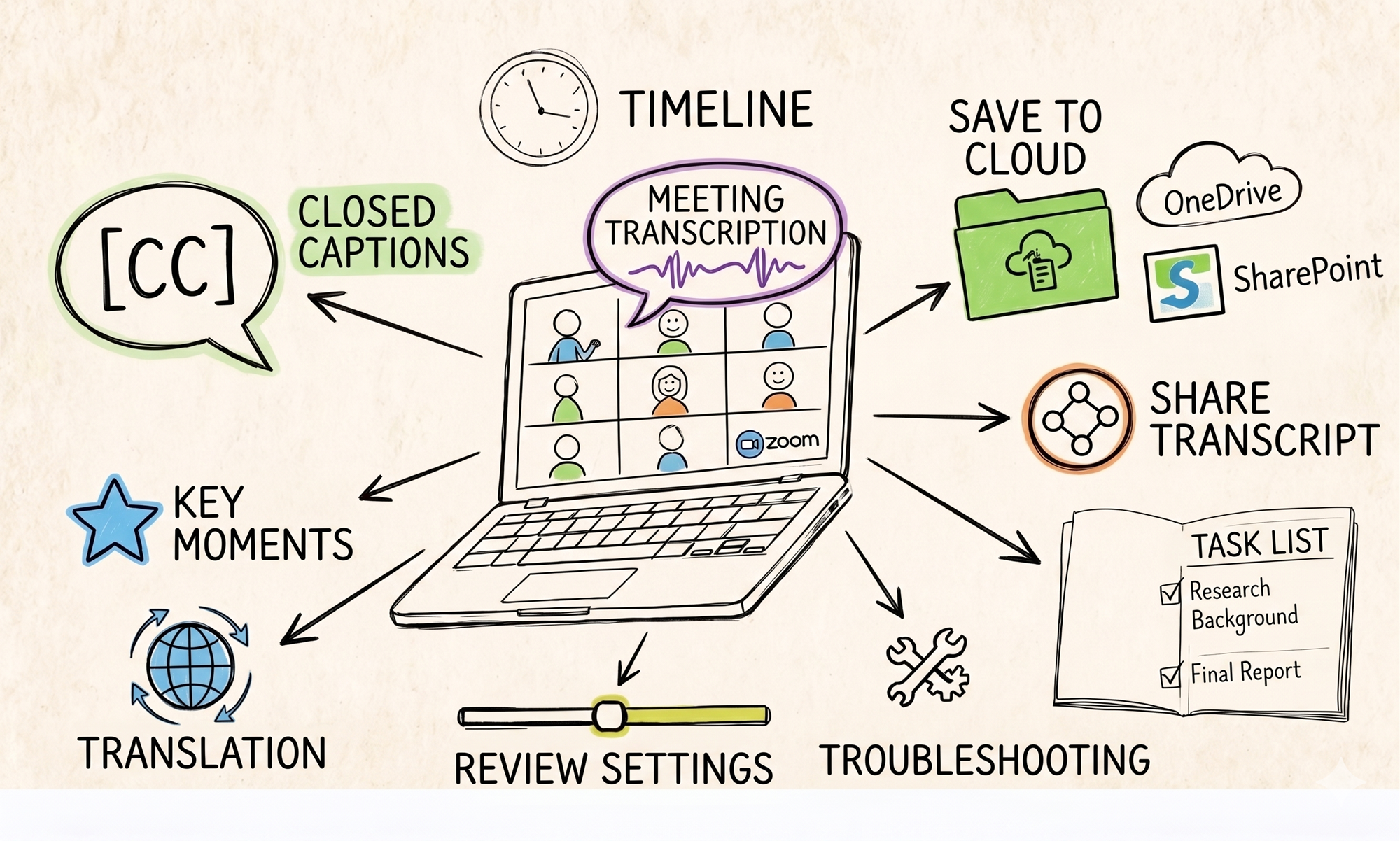
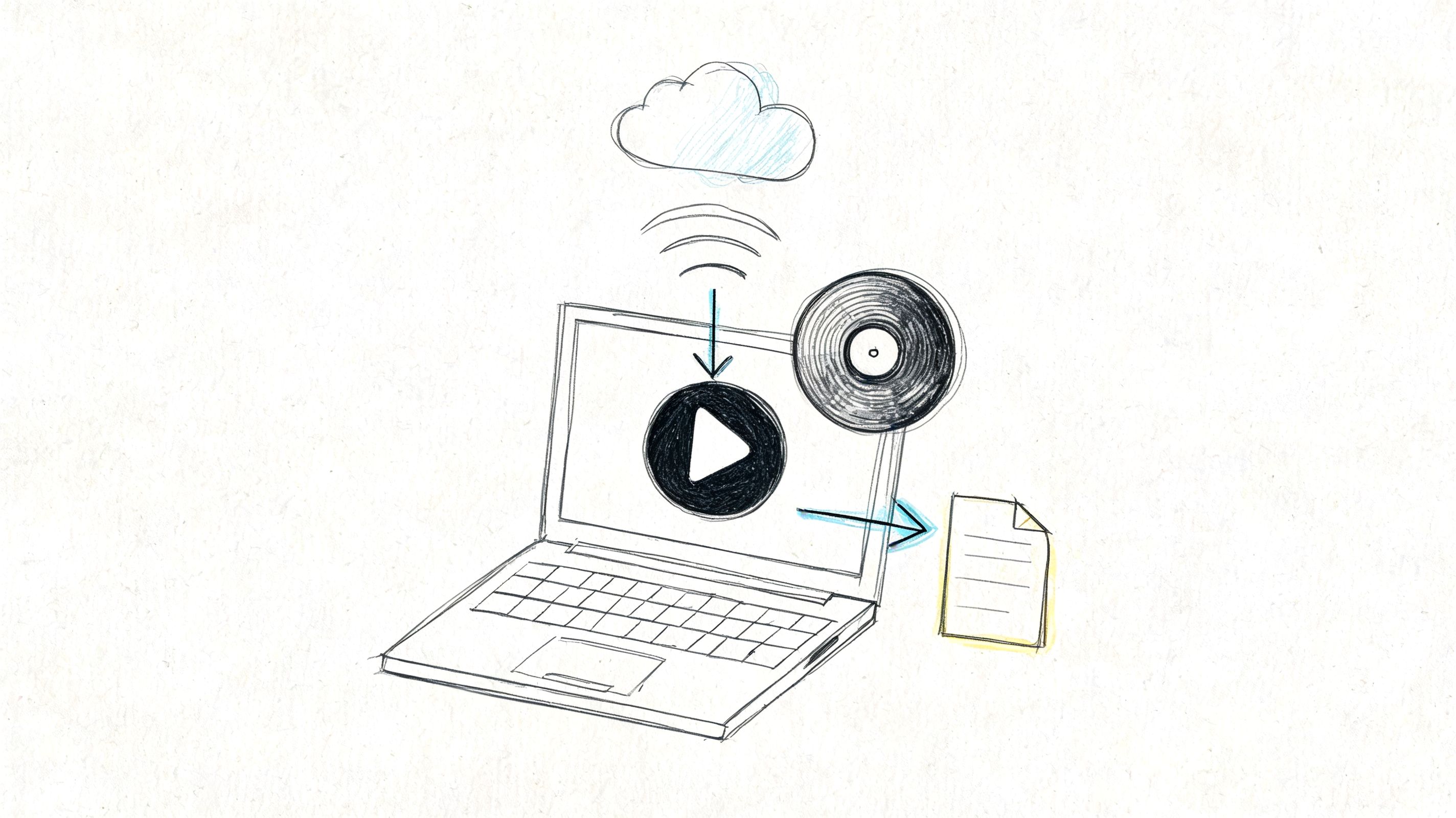
HypeScribe helps turn raw testimony into something you can use. Upload depositions, interviews, hearings, Zoom recordings, or internal witness prep sessions, then search the transcript for exact phrases, timestamps, contradictions, and admissions. If you want faster prep for your next cross, try HypeScribe to build searchable records, clean exports, and sharper question sets from the material you already have.