How to Conduct Effective Interviews: A Complete Guide to Hiring Confidently

The secret to a great interview is surprisingly simple: preparation is everything. The most revealing, insightful conversations I've ever had were a direct result of the foundational work done before a candidate ever walked through the door. It's about creating a clear, fair, and consistent framework that helps you spot top talent every time.
My experience has shown that skipping this step is the fastest way to a bad hire. Instead, let's walk through how to build a process that delivers results.
Build Your Foundation Before The First Conversation
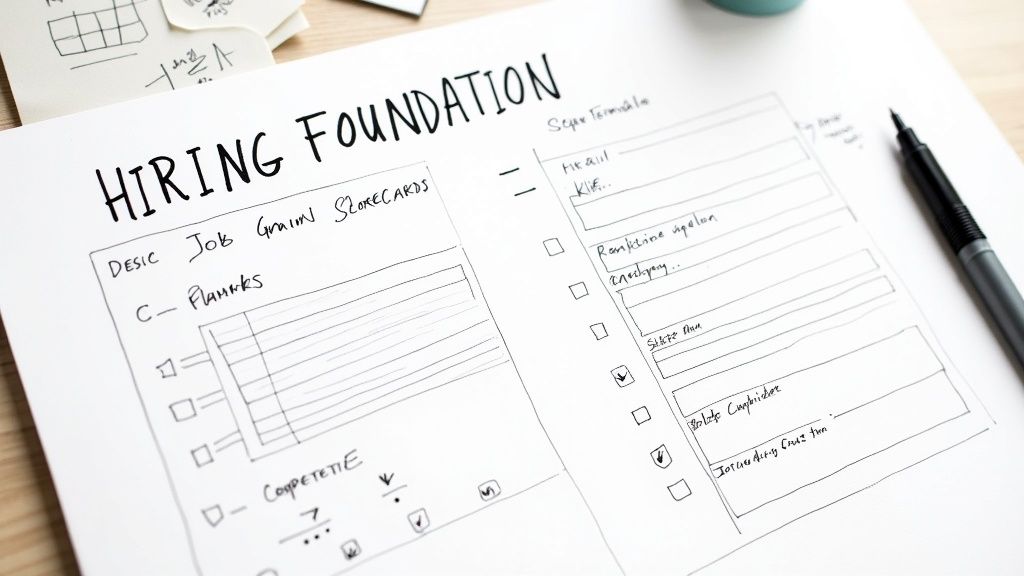
Many hiring managers make the mistake of treating interviews like casual chats, relying on gut feelings and a quick scan of a resume. I've seen it lead to disaster. That approach is not only inconsistent but riddled with bias, often resulting in hires who don't actually have what it takes to succeed.
To conduct effective interviews, you have to shift from reactive questioning to proactive planning. This means going way beyond a generic job description and defining what success in the role actually looks like in tangible, measurable terms. Get this part right, and every interaction that follows becomes infinitely more valuable.
Define Success With a Clear Scorecard
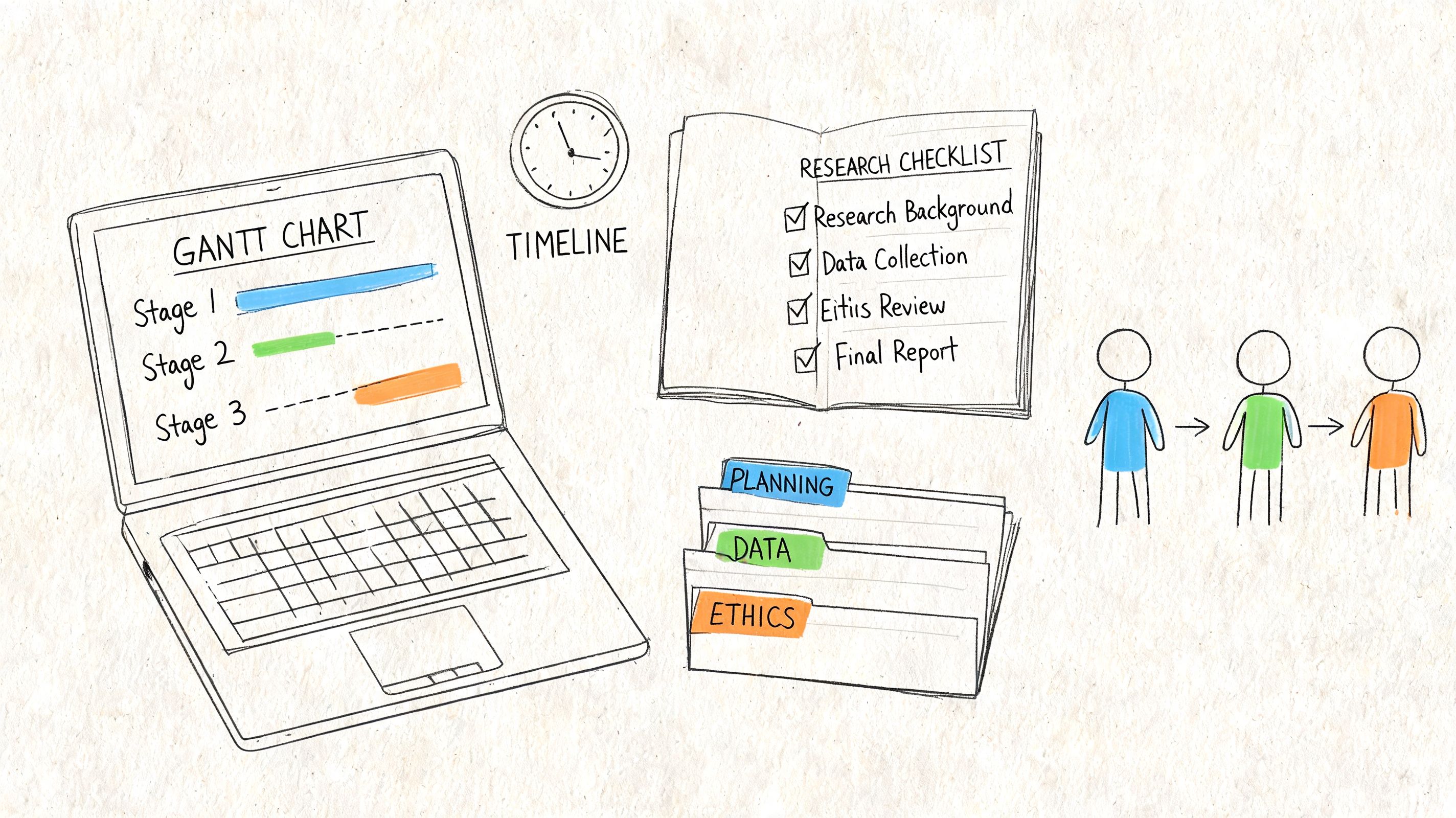
Before you can find the right person, you have to get everyone on the same page about what "right" actually means. A candidate scorecard is your single source of truth for this, turning a vague job description into a concrete evaluation tool. It’s not just a checklist; it’s a strategic document that aligns your entire hiring team.
Start by identifying the core competencies for the role. These are the absolute essential skills, knowledge, and behaviors someone needs to thrive. For a software engineer, that might be technical proficiency and problem-solving. For a project manager, it's more about communication and stakeholder management.
Once you have those, break them down:
- Must-Have Skills: The non-negotiables. Without these, a candidate simply can't do the job.
- Nice-to-Have Skills: Attributes that would be a great bonus but aren't critical for day-one success.
- Cultural Alignment: The values and behaviors that vibe with how your team actually works.
This process forces you to be crystal clear and helps avoid the dreaded "halo effect," where one impressive trait overshadows critical weaknesses. It ensures every interviewer is measuring candidates against the same objective yardstick. For a similar structured approach, though for a different purpose, check out this a step-by-step guide on how to conduct user interviews from Formbricks.
Develop a Structured Interview Plan
With your scorecard locked in, it's time to build a structured interview plan. This means creating a core set of questions tied directly to the competencies you've identified. The goal here is simple: ask every candidate for a specific role the same core questions. It’s the only way to create a level playing field for evaluation.
A structured interview isn't about being robotic. It's about being fair. It replaces random, biased questions with a consistent framework, ensuring you gather comparable data from every single candidate.
My experience aligns with the data: structured interviews are a proven method used by 72% of companies to slash bias and standardize evaluations. This approach leads to an 81% better prediction of job performance compared to unstructured chats.
Your plan should map specific questions to each competency. For instance, to assess "problem-solving," you might ask a behavioral question like, "Tell me about a time you faced an unexpected technical challenge. How did you diagnose the problem, and what was the outcome?" These types of questions push candidates to provide real-world evidence of their skills, not just theories.
There's a massive difference in the quality of answers you'll get between a structured and unstructured approach.
Structured Vs Unstructured Interview Approaches
This table breaks down why a planned approach consistently outperforms going off-the-cuff.
Ultimately, structure brings discipline and objectivity to a process that can easily be swayed by emotion or first impressions. It’s the foundation for making smart, data-driven hiring decisions.
A structured approach also keeps you on track and helps you manage your time. When you have a plan, you ensure all critical areas are covered without getting sidetracked by tangents. Plus, a well-organized plan makes it so much easier to take good notes during the conversation. For more on that, check out our guide on how to improve note-taking skills.
Running the Interview: A Masterclass in Conversation
Once you've done all the prep work, the real moment of truth arrives when the candidate is sitting across from you (or on the other side of the screen). This is where you transition from a planner to a conversational guide. A great interview isn't an interrogation; it's a carefully steered discussion designed to reveal a candidate’s true capabilities, thought process, and personality.
Those first few moments are incredibly powerful. It’s a known fact that within the first 90 seconds, one-third of employers have already formed an impression that can color the rest of the evaluation. I’ve seen this happen, which is why leaning on proven techniques is so important.
To combat that natural bias, you have to lean on proven techniques. Data shows that interviewers who use behavioral questioning—asking for specific examples from past experiences—are 55% better at predicting success than those who stick to hypotheticals. You can dig into more stats like this over at Select Software Reviews' recruiting breakdown.
Your primary goal is to create an environment where the candidate feels safe enough to drop the corporate jargon and share authentic stories that show their skills in action.
Create Psychological Safety from the Get-Go
A nervous candidate gives you guarded, pre-rehearsed answers. A comfortable candidate gives you genuine insights. The difference almost always comes down to the first five minutes.
I always start by setting a clear agenda. Let them know what's coming. A simple opener can work wonders:
"Hey, thanks so much for coming in. I'm really looking forward to our chat. We'll spend about 10 minutes on your background, then dive into some specific projects for about 30 minutes, and I'll be sure to leave at least 15 minutes at the end for any questions you have for me."
This simple act of framing the conversation is a game-changer. It does a few key things:
- It lowers their anxiety by taking away the unknown.
- It gives you permission to manage time, so it’s not awkward if you need to jump in and move things along later.
- It sets a collaborative tone, showing them this is a two-way street, not a firing squad.
I’ve also found that sharing a quick, humanizing detail about myself or the team helps break the ice. Mentioning a recent project we were all excited about or a company value we actually live by makes the whole thing feel less transactional.
The Power of Listening and Probing Questions
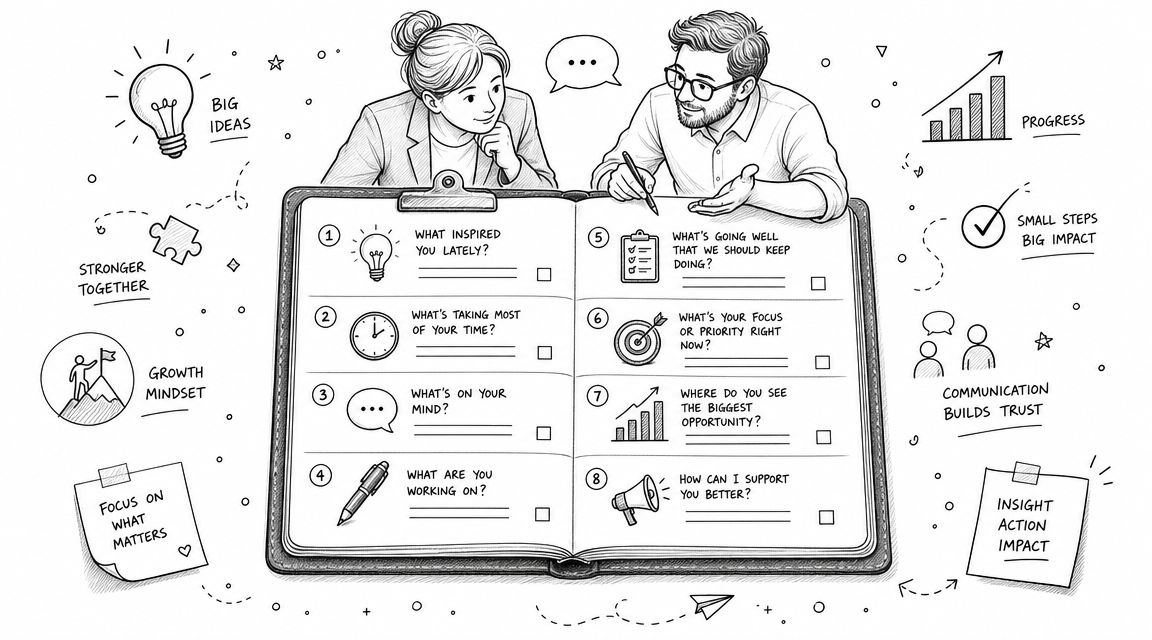
Your most powerful tool in an interview isn't the question you ask first—it's the one you ask second. The best interviewers are masters of active listening. They aren't just waiting for their turn to talk; they're completely tuned in to what the candidate is saying.
This means you’re catching the nuances, the hesitations, and the key details in their stories. When you hear something that piques your interest or feels a bit glossed over, that's your cue to dig deeper with a probing question.
Here’s how I turn a surface-level answer into something truly meaningful:
- Initial Question: "Can you tell me about a time you had to lead a difficult project?"
- Candidate's Answer: "Yeah, I led a project last year with a tight deadline and a lot of moving parts. It was tough, but we got it done on time."
- My Probing Follow-up: "That sounds intense. Can you walk me through a specific challenge that came up? I'd love to hear what your direct role was in solving it and what the final outcome looked like."
That follow-up pushes right past the generic summary and gets to the heart of what you need to know: their specific actions, how they think, and the results they drove.
Don't be afraid of silence. After a candidate finishes an answer, just pause for a few seconds. It’s amazing how often this gives them a moment to reflect and then add a crucial detail you wouldn't have gotten otherwise—no follow-up question needed.
Navigating Those Tricky Conversational Moments
Even with the best prep, interviews can get awkward. A candidate might be visibly nervous, give a confusing answer, or go off on a long, rambling tangent. How you handle these moments is what separates a good interviewer from a great one.
If a candidate is clearly struggling, don't just barrel ahead. Offer a little encouragement. Something as simple as, "I know these questions can be tough, feel free to take a moment to think," can give them the space they need to collect their thoughts.
For the person who talks a bit too much, you have to interject—politely but firmly. Remember that agenda you set at the start? It’s your best friend here. A gentle interruption like, "That's a really interesting point. In the interest of time, I want to make sure we can shift gears and cover..." keeps the interview on track without being rude.
Managing the flow of a conversation is a true balancing act. Your job is to guide the discussion, gather the evidence you need to fill out your scorecard, and make sure the candidate feels heard and respected, no matter the outcome.
Capture and Analyze Insights with Modern Tools
Trying to remember key details from a dozen interviews based on memory alone is a recipe for disaster. Important nuances get lost, candidates start to blend together, and recall bias inevitably sneaks into your decisions. The modern way to conduct effective interviews means leaving scribbled notes behind and adopting a system that captures every detail perfectly.
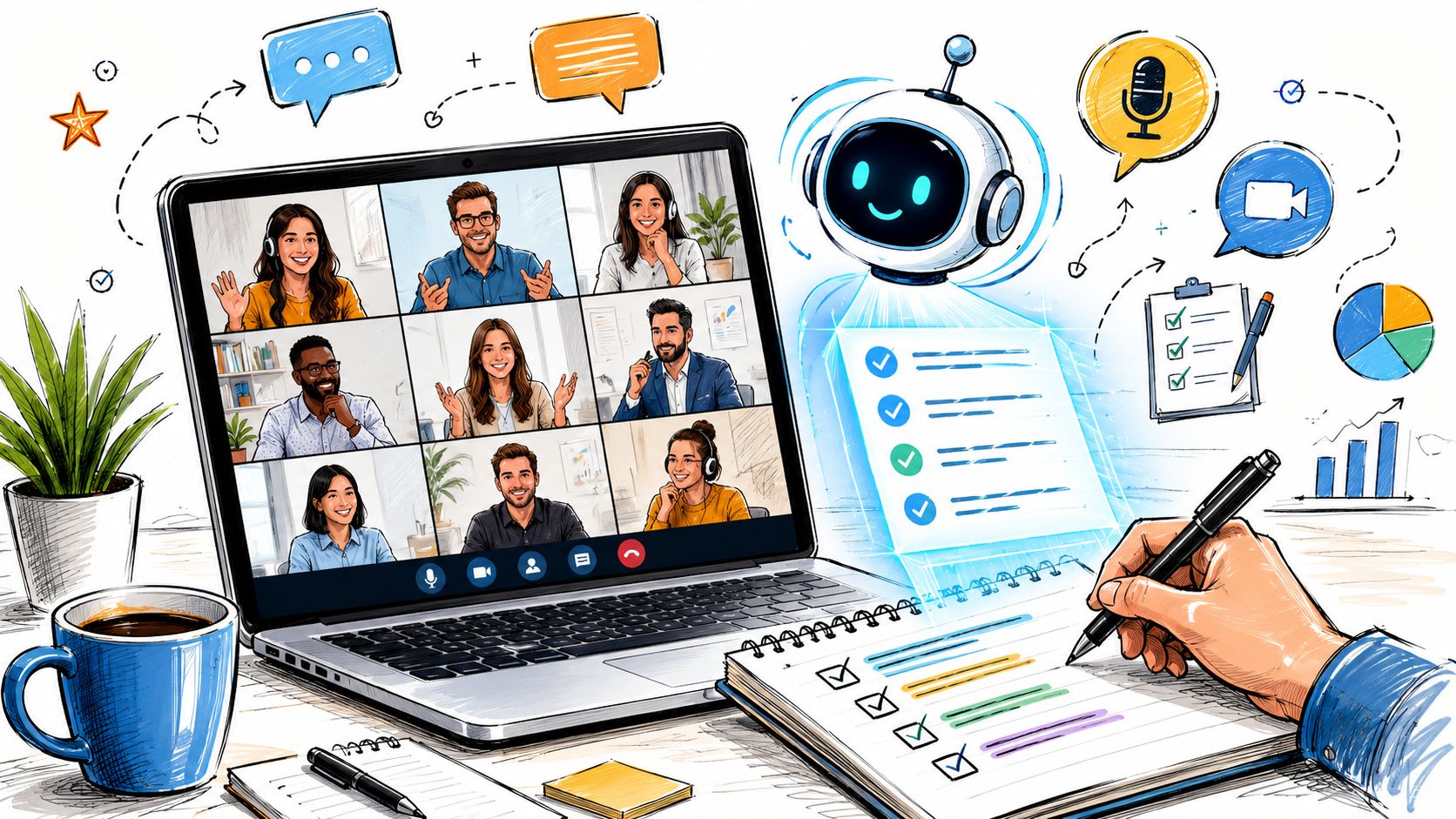
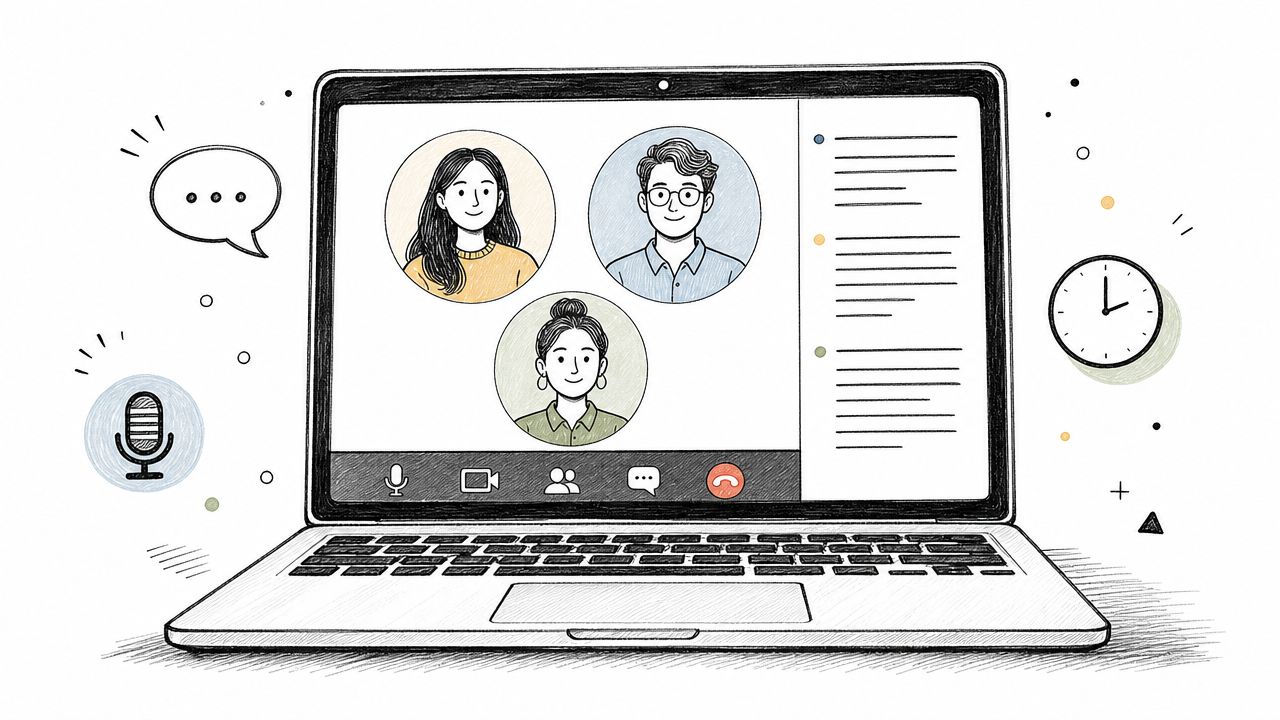
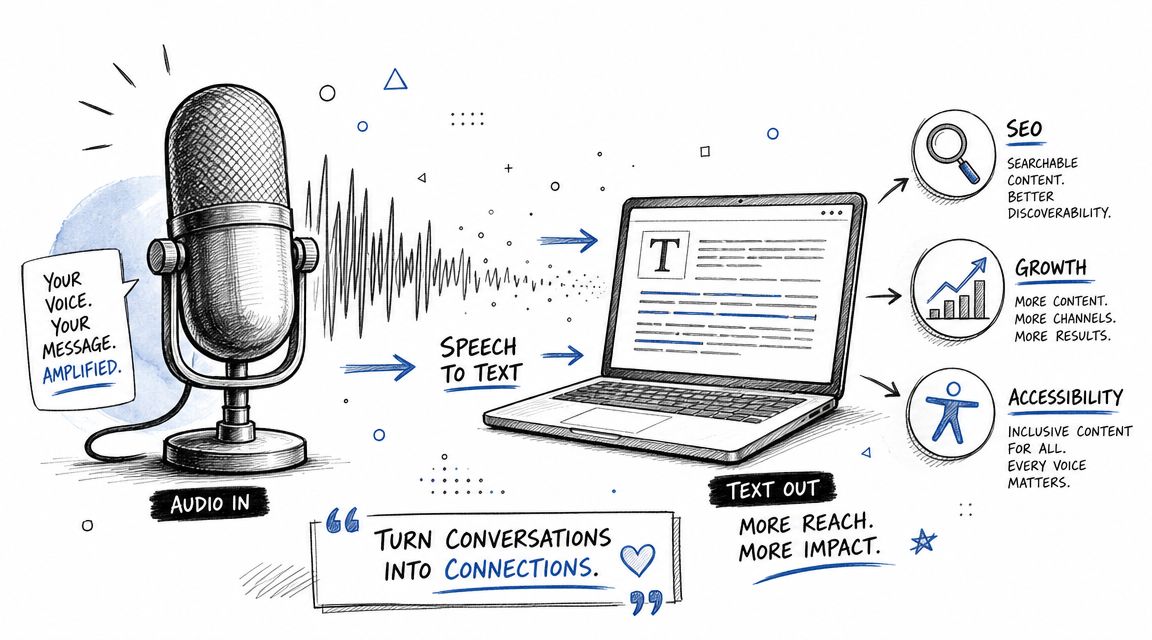
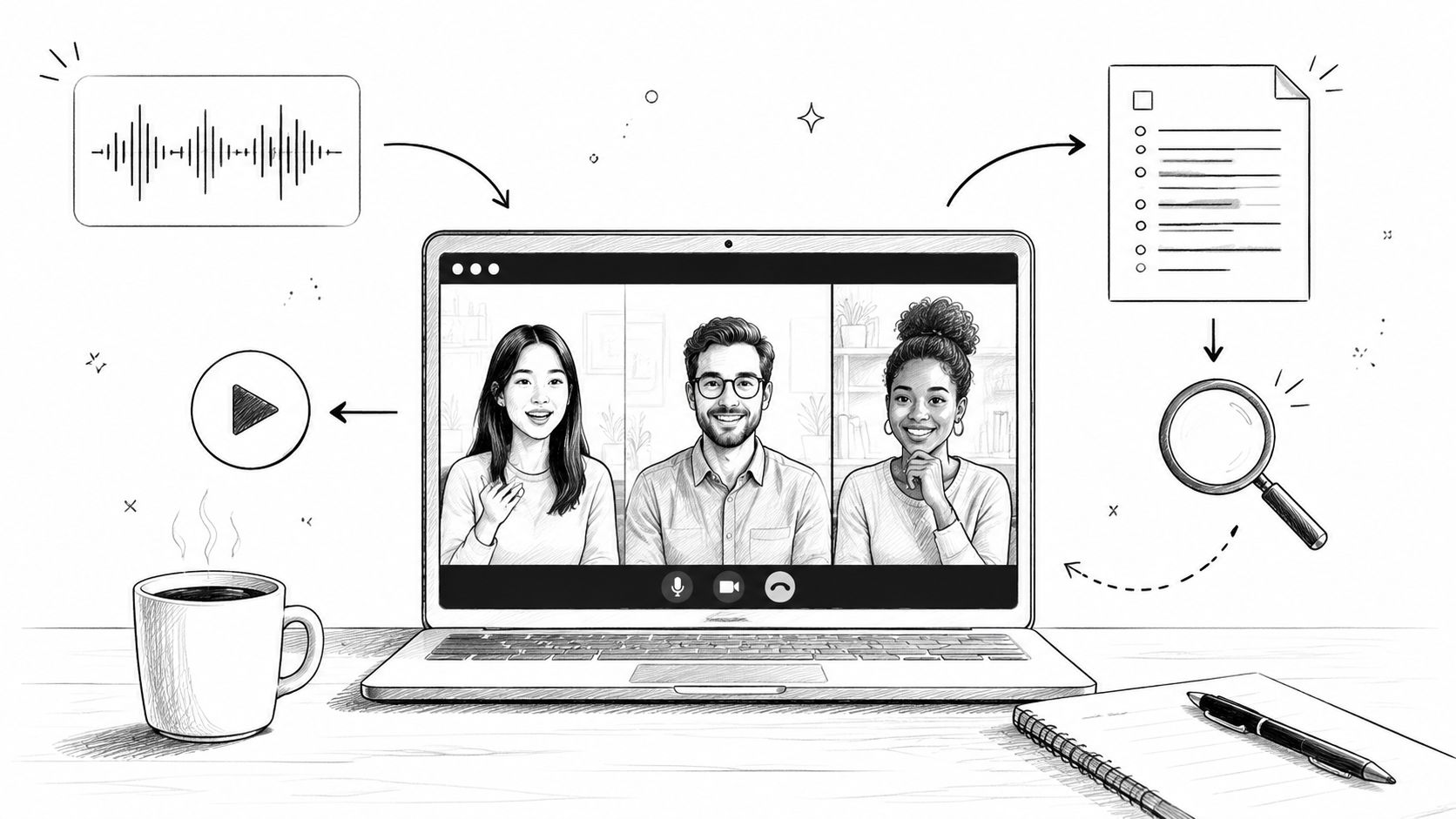
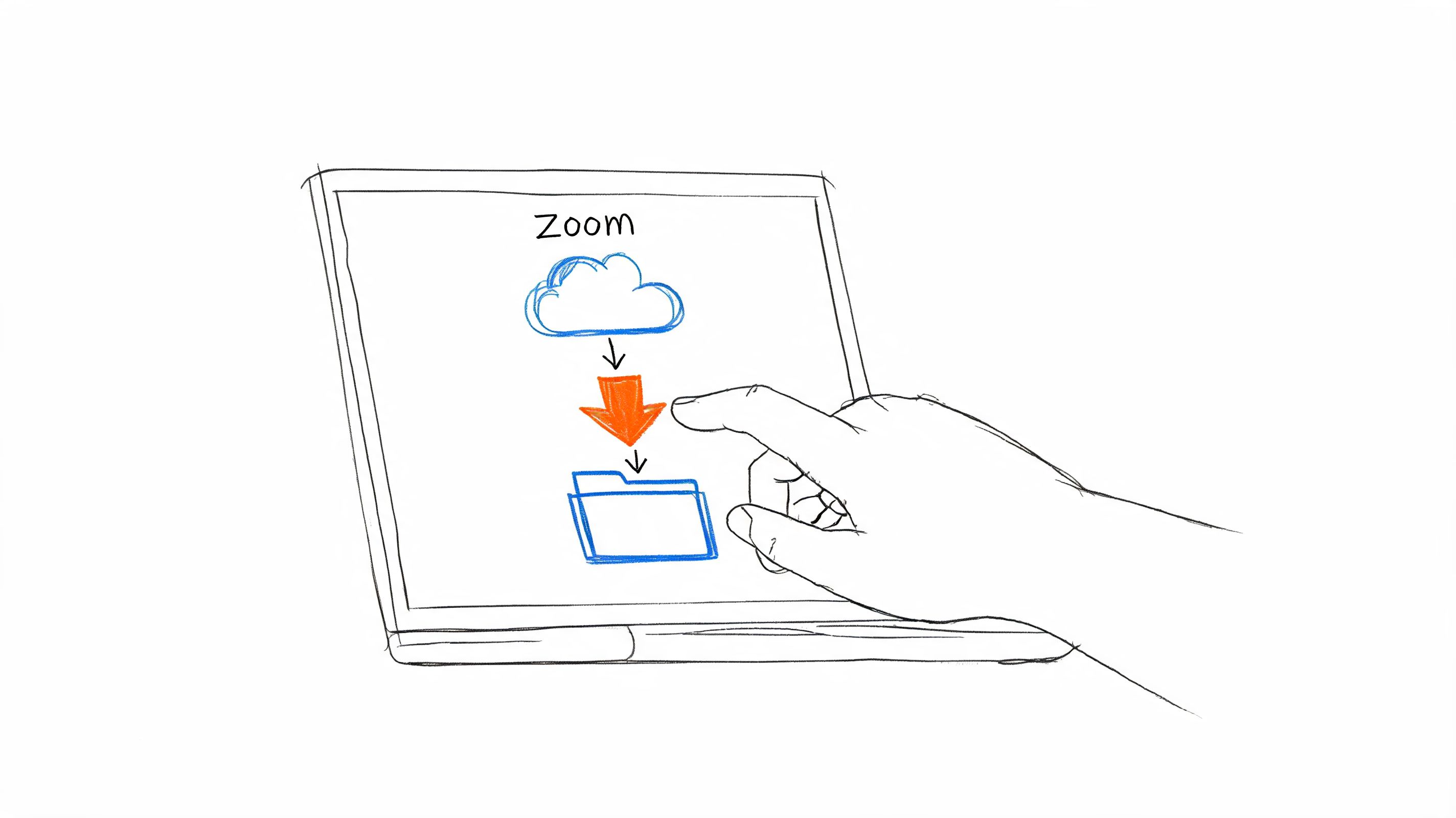
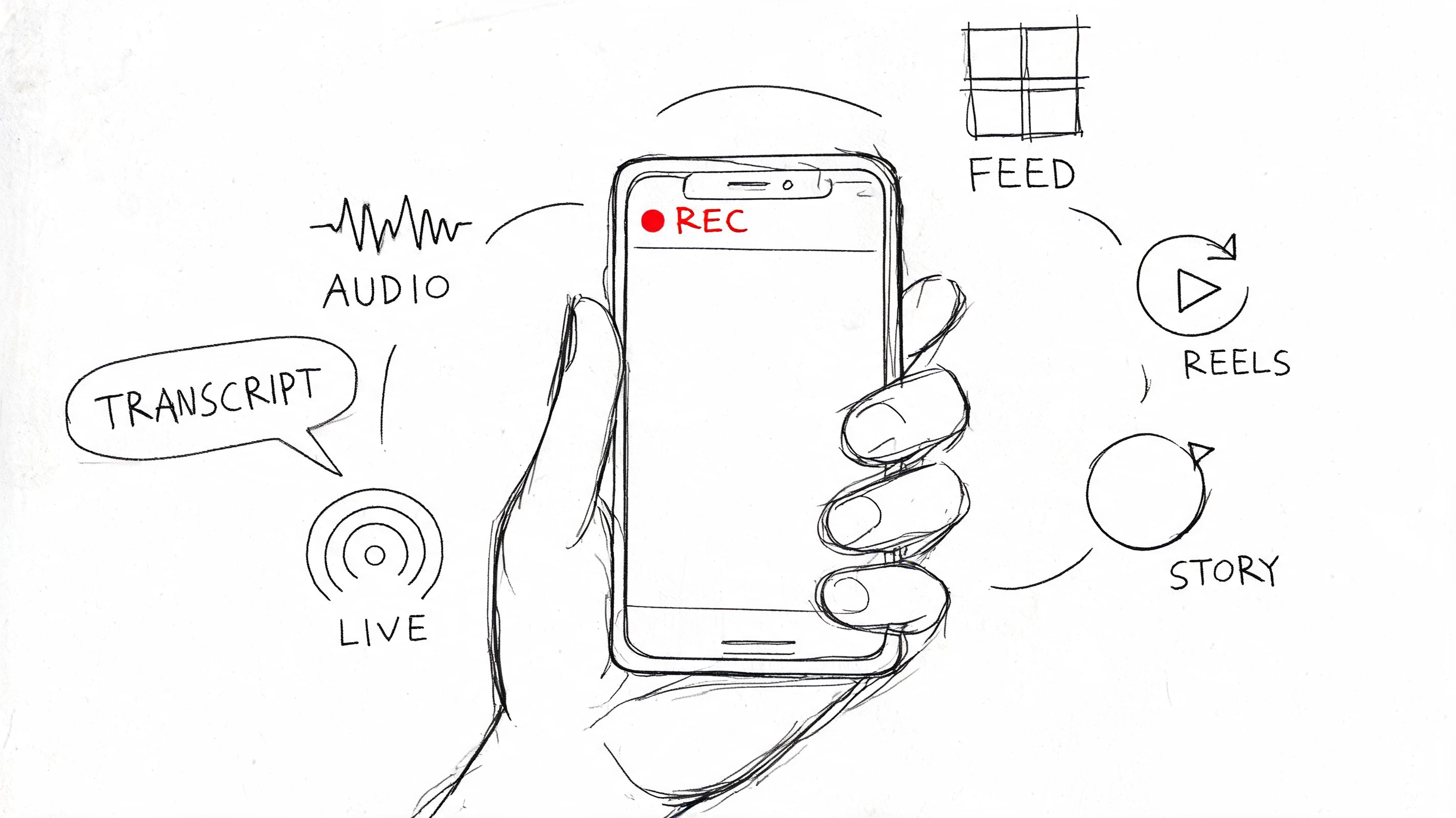
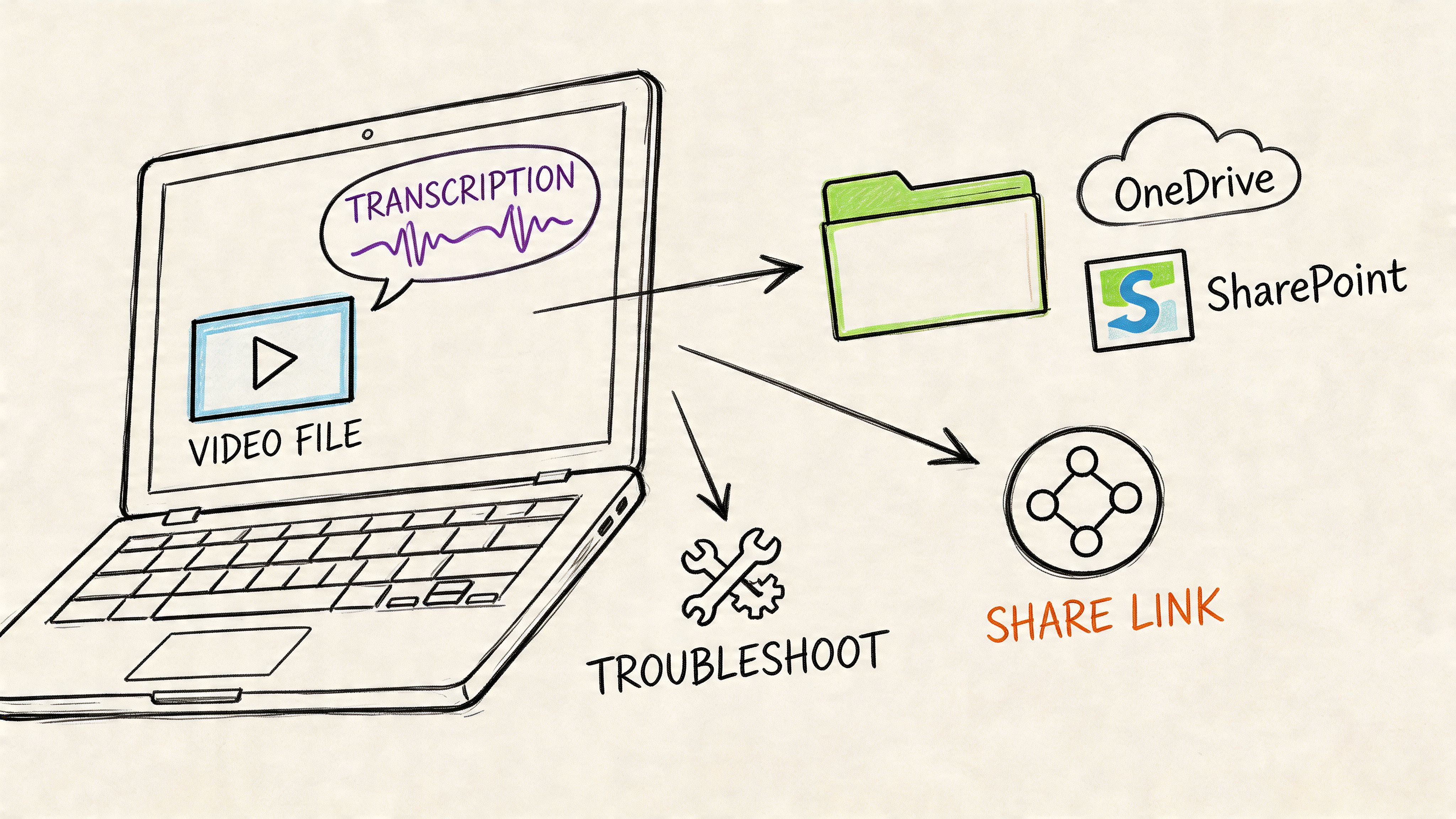
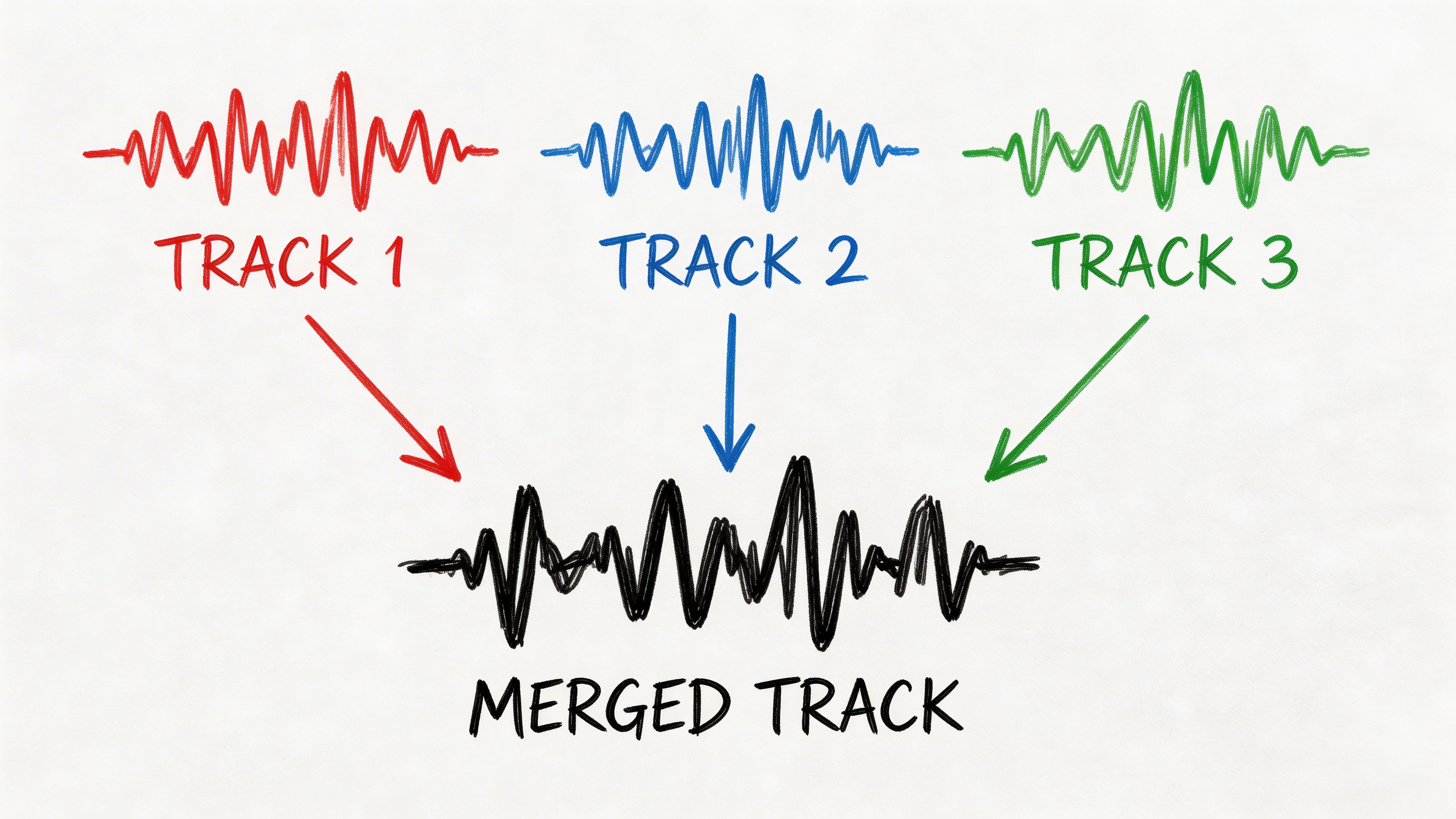
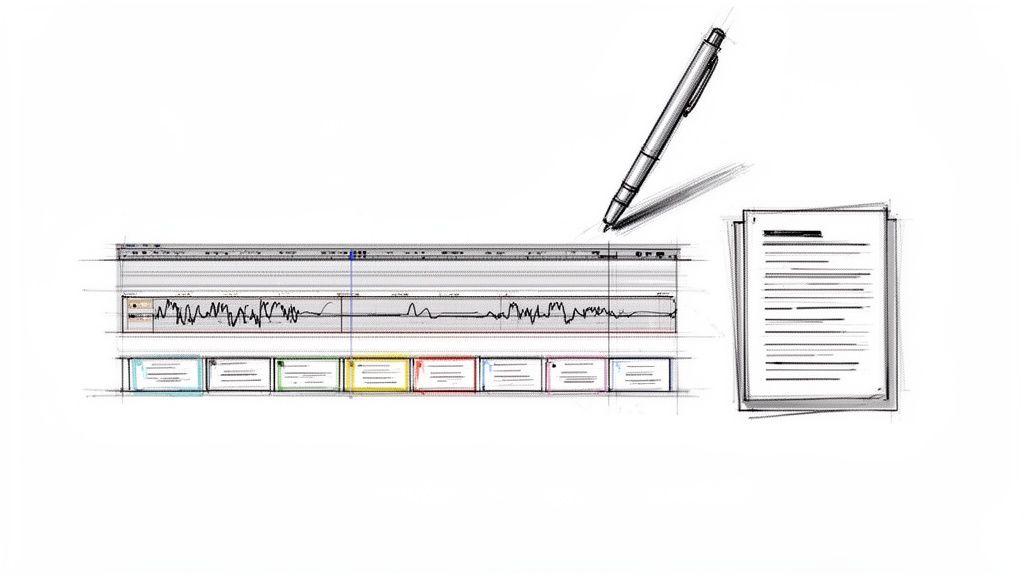
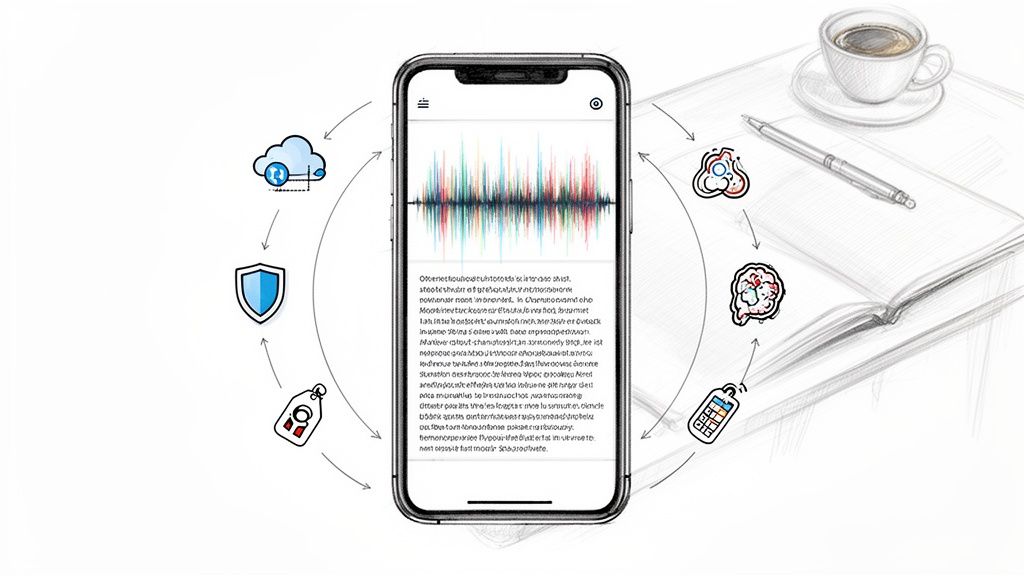
This is where technology becomes your best friend. From my own experience, recording and transcribing interviews creates a flawless, unbiased record of the conversation. It turns a fleeting discussion into a searchable, shareable, and analyzable asset your whole team can use.
Best Practices for Recording and Transcription
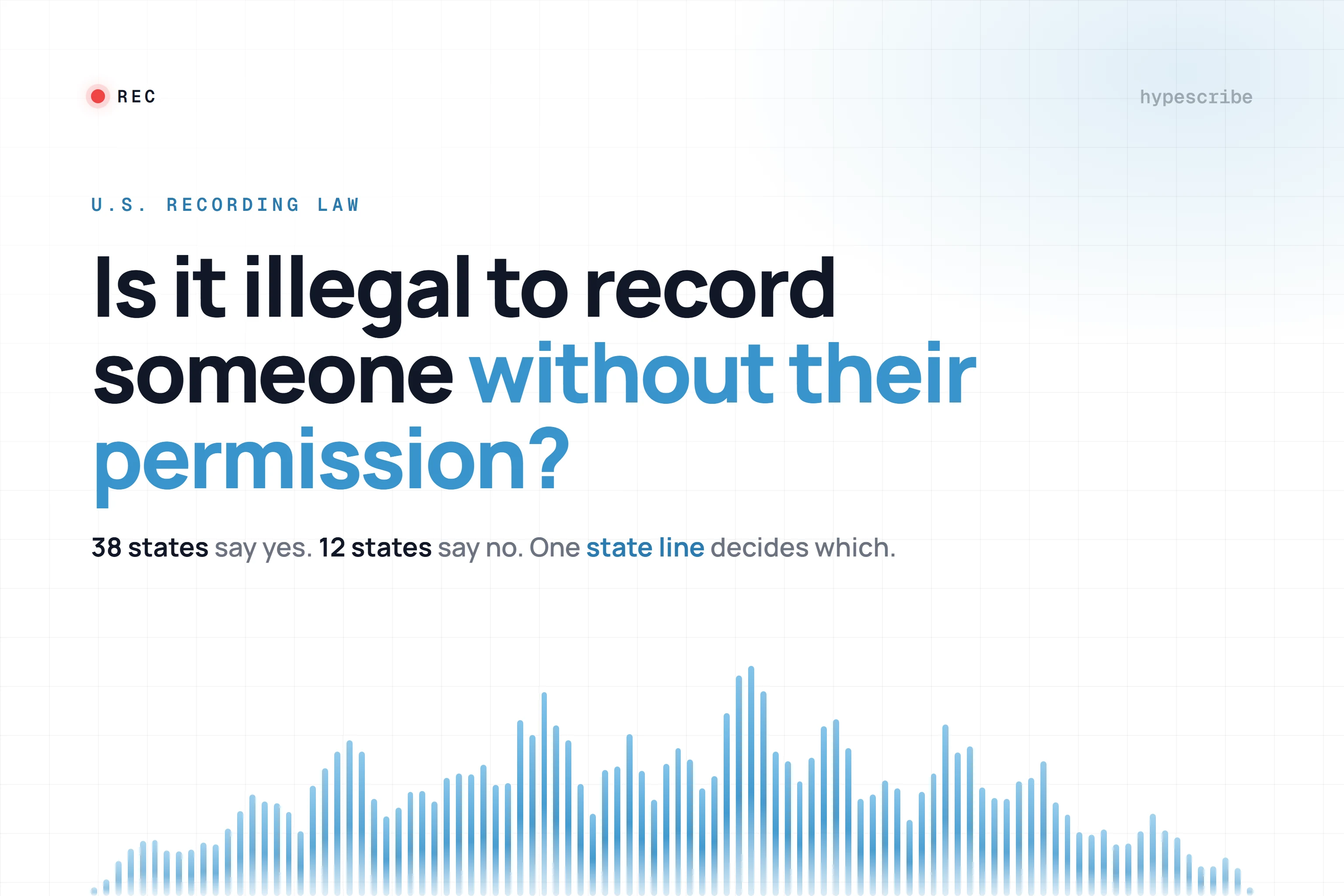
Before you even think about hitting record, you have to get the legal and ethical side of things right. Transparency is non-negotiable. Always, always inform the candidate that you plan to record the conversation for note-taking purposes and get their clear, explicit consent.
A simple, direct approach works wonders. I usually say something like: "To make sure I can be fully present in our conversation and capture your responses accurately, I'd like to record our discussion. Is that okay with you?" This is not just respectful; it's a legal must-have in many places.
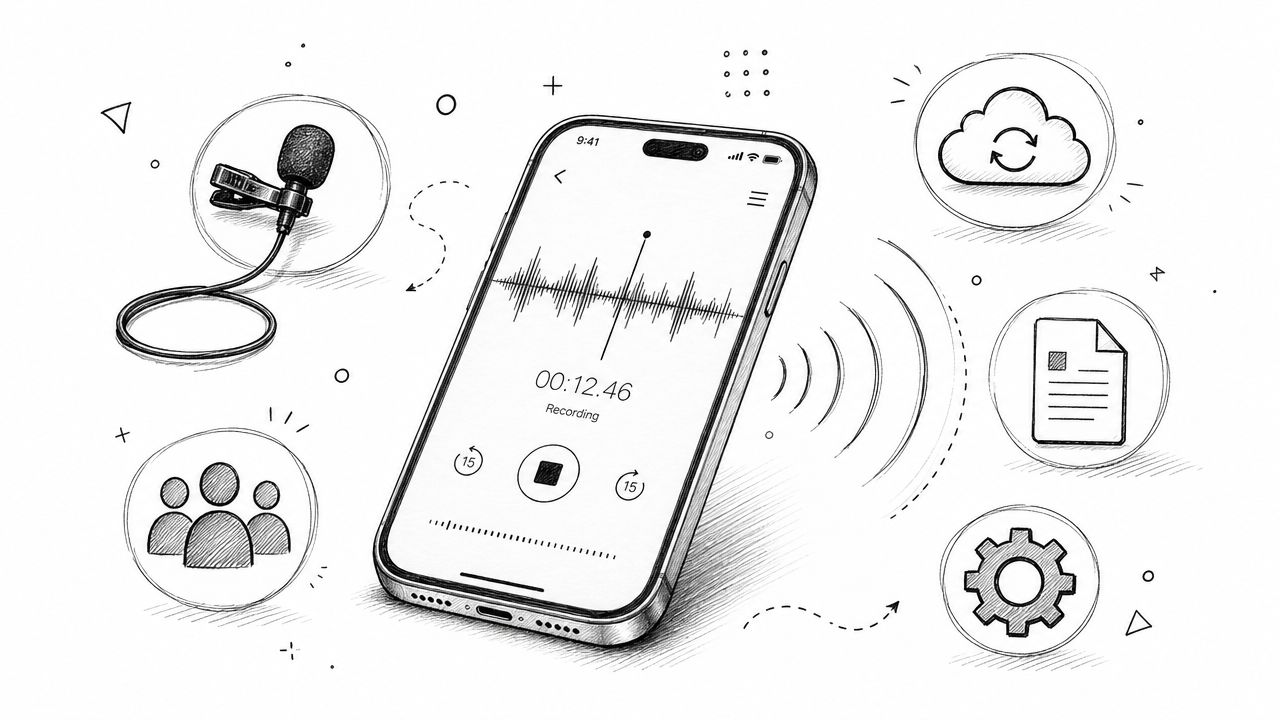
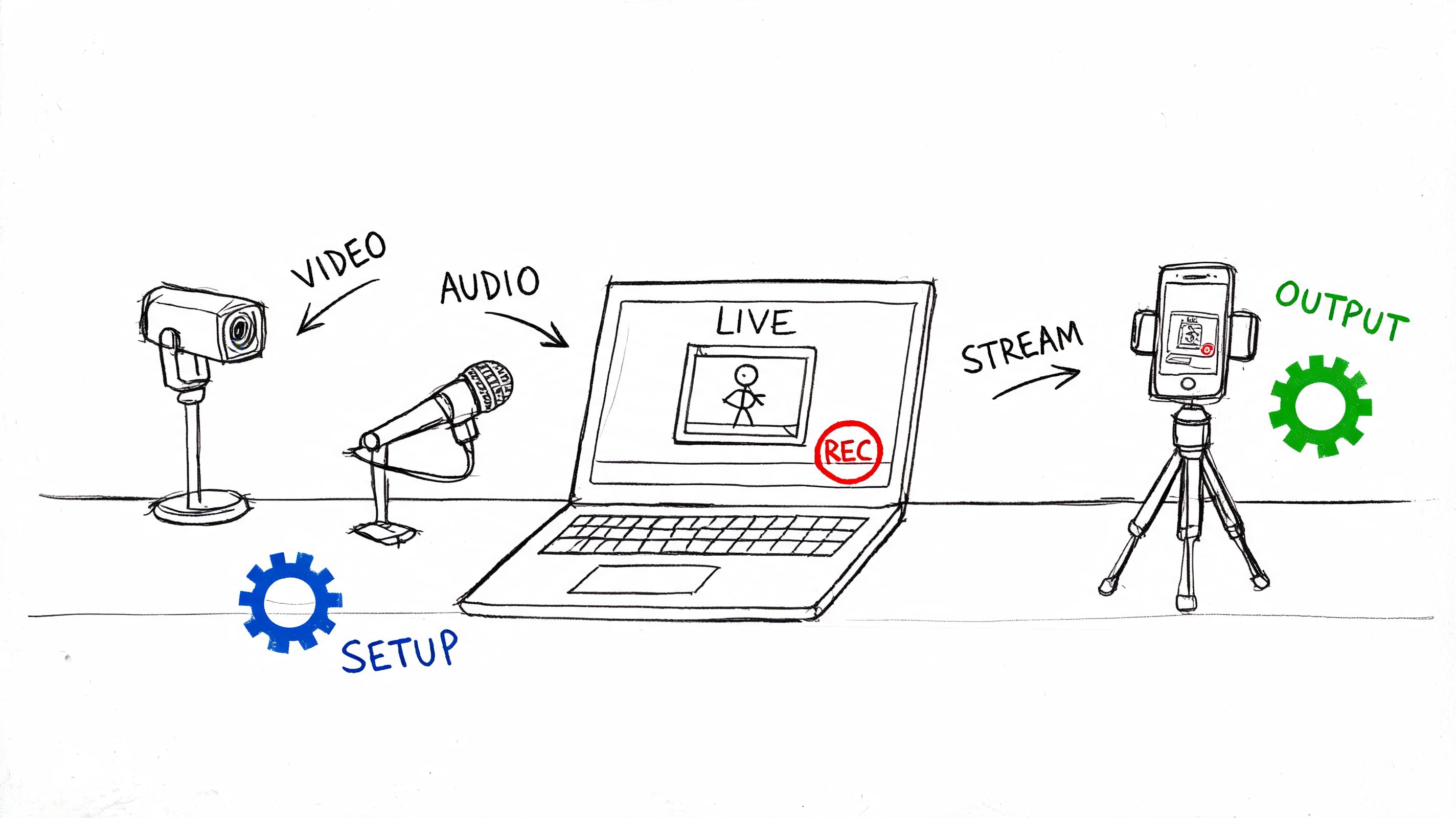
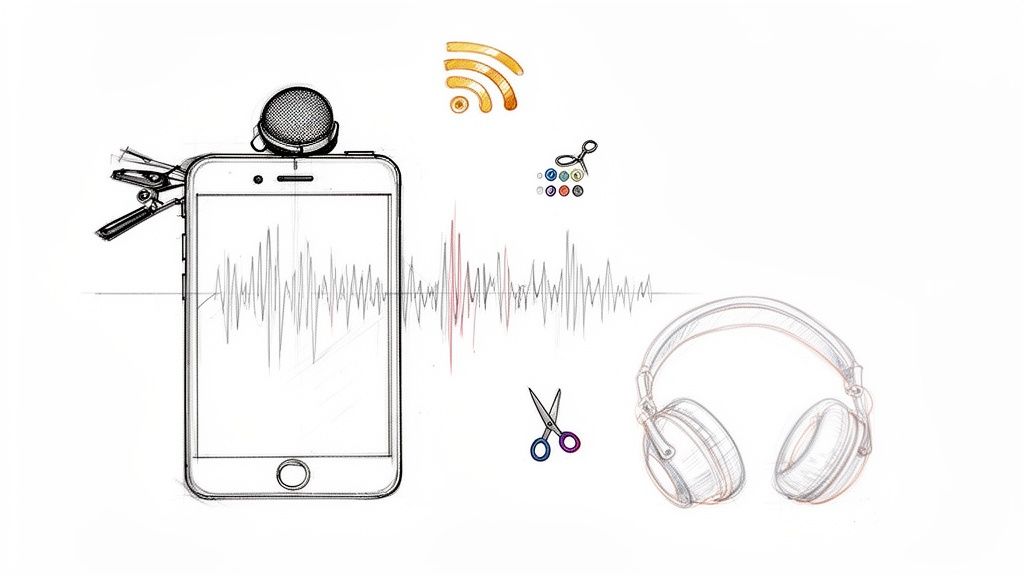
Once you've got the green light, your next priority is capturing high-quality audio. A few simple tweaks can make a massive difference:
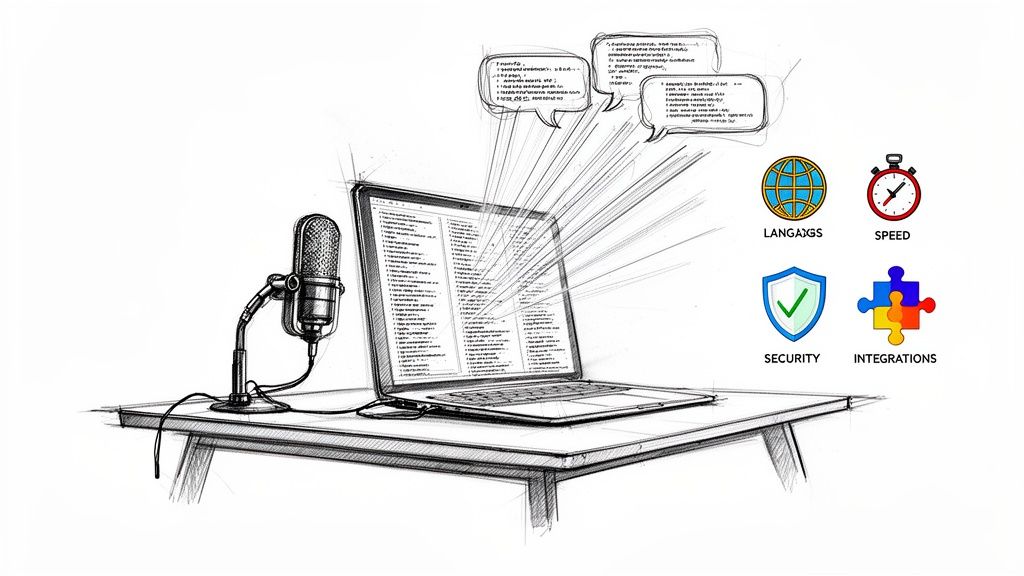
- Use a decent microphone. Laptop mics are notorious for picking up keyboard clicks and distracting background noise. An external mic is a small investment with a big payoff.
- Find a quiet spot. Minimize interruptions and ambient noise that can mess with the recording and, later, the transcription accuracy.
- Do a quick sound check. A one-minute test before you start can save you the headache of discovering a technical glitch an hour later.
This little bit of prep work ensures your recording is clean, which makes the transcription process far more accurate and genuinely useful.
Turn Conversations into Searchable Assets
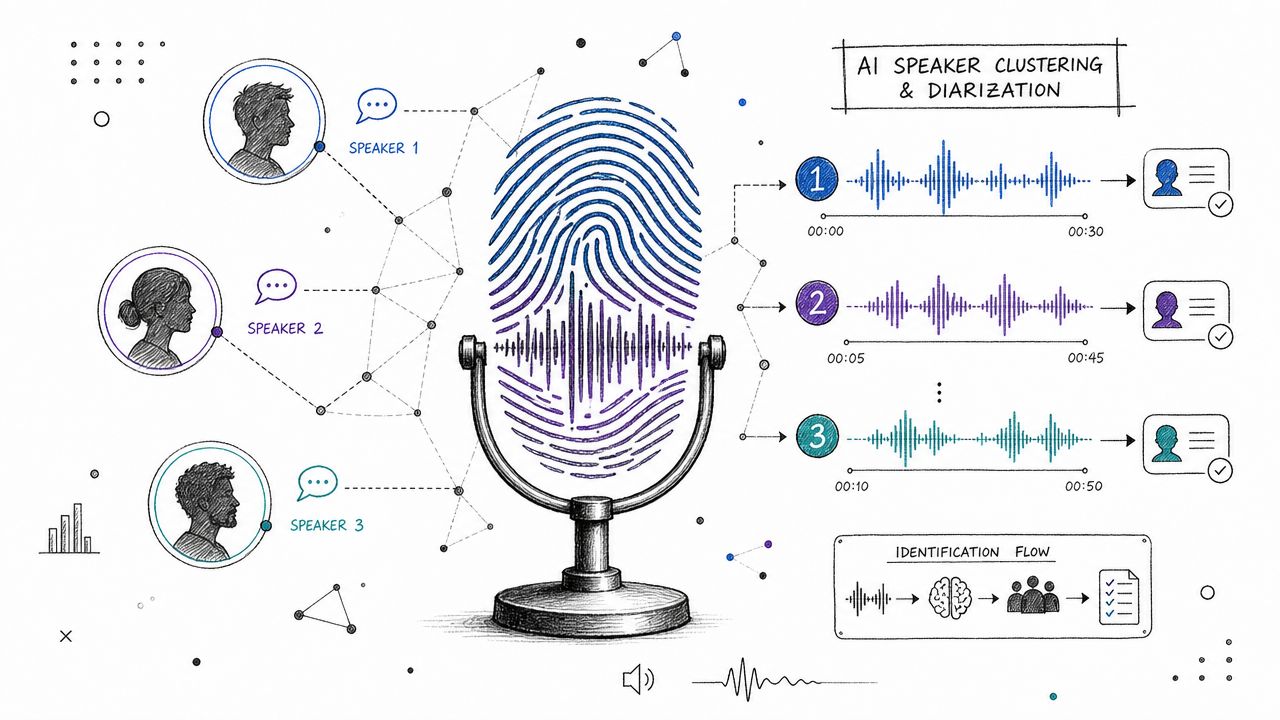
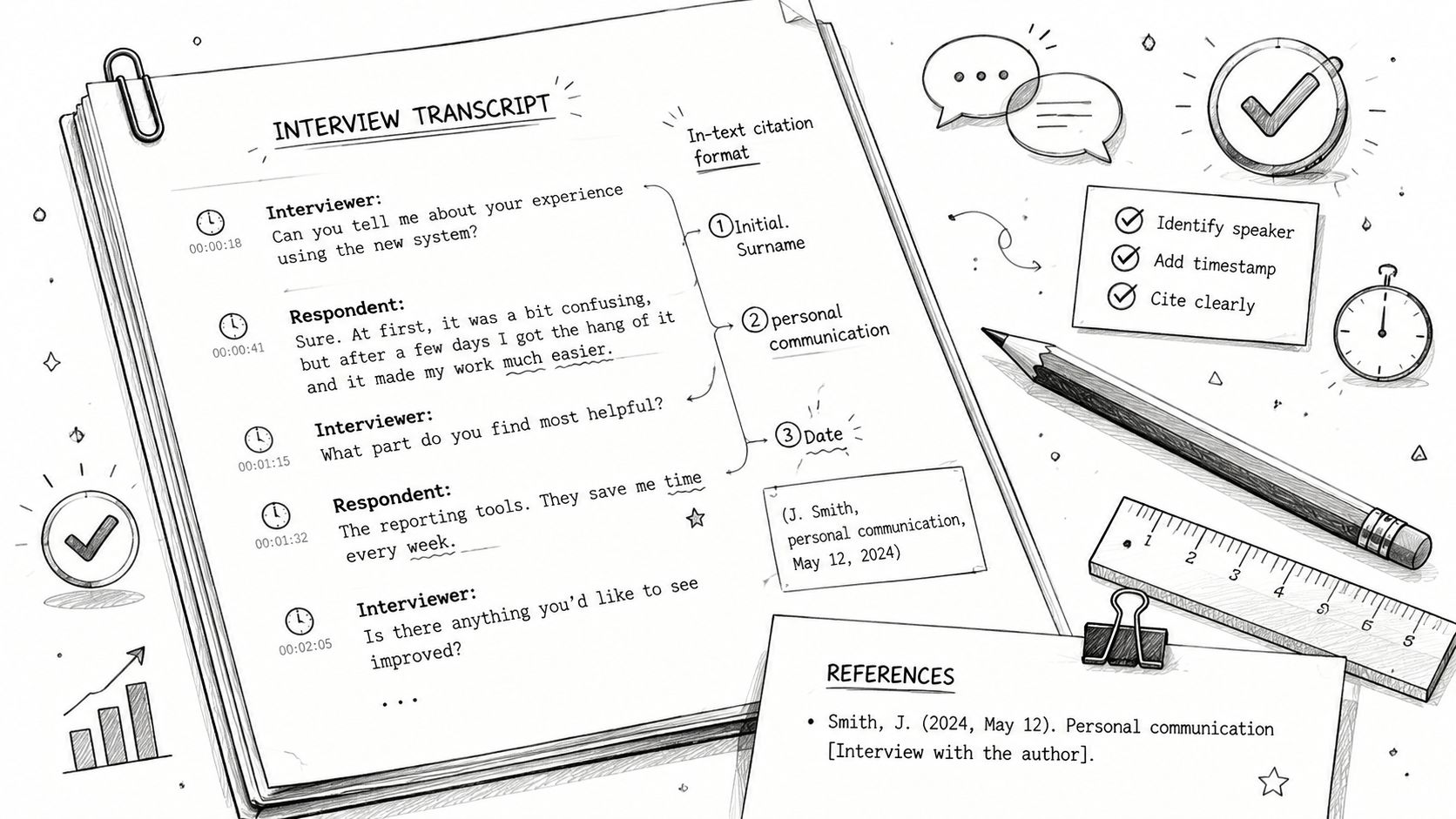
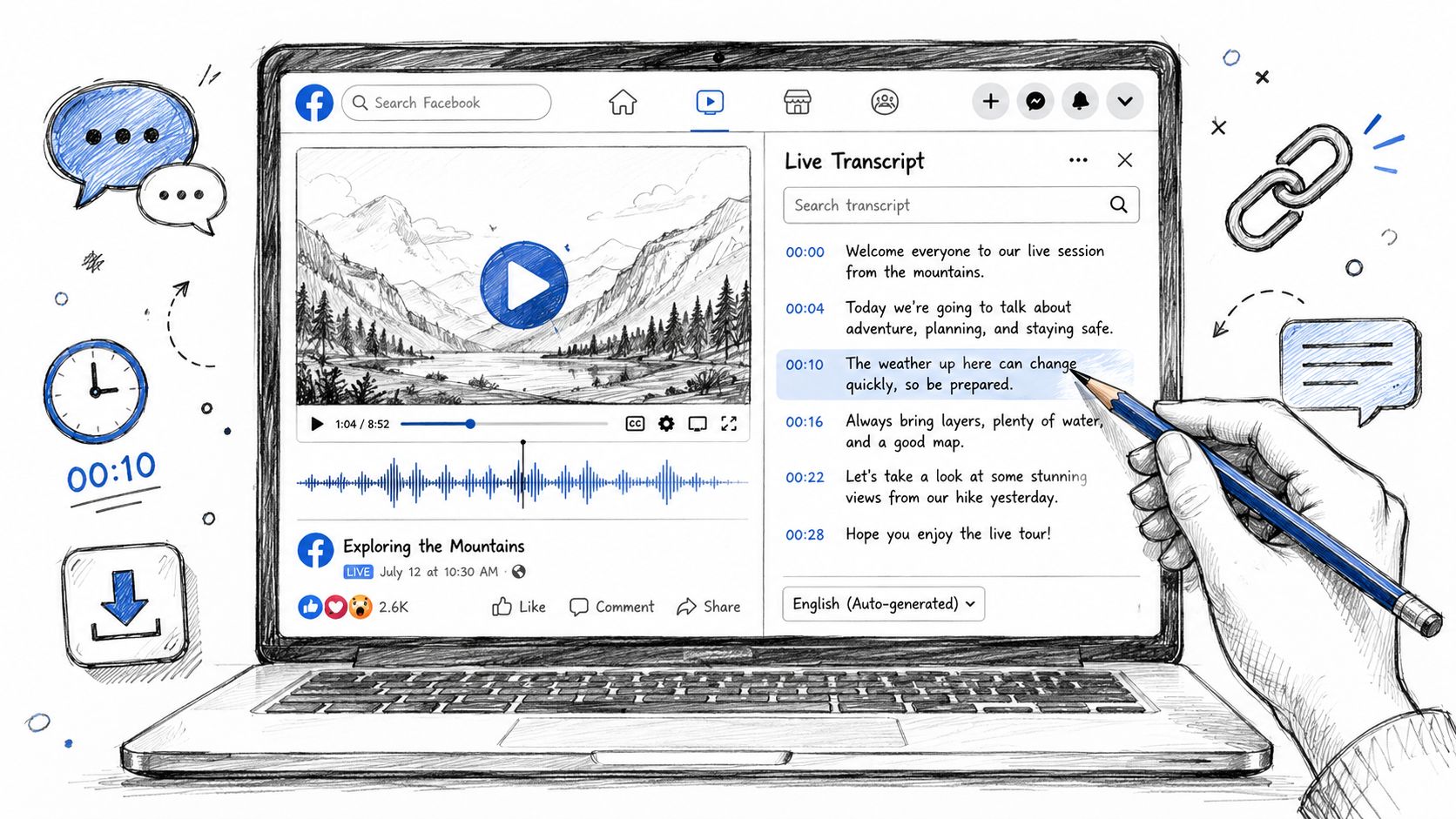
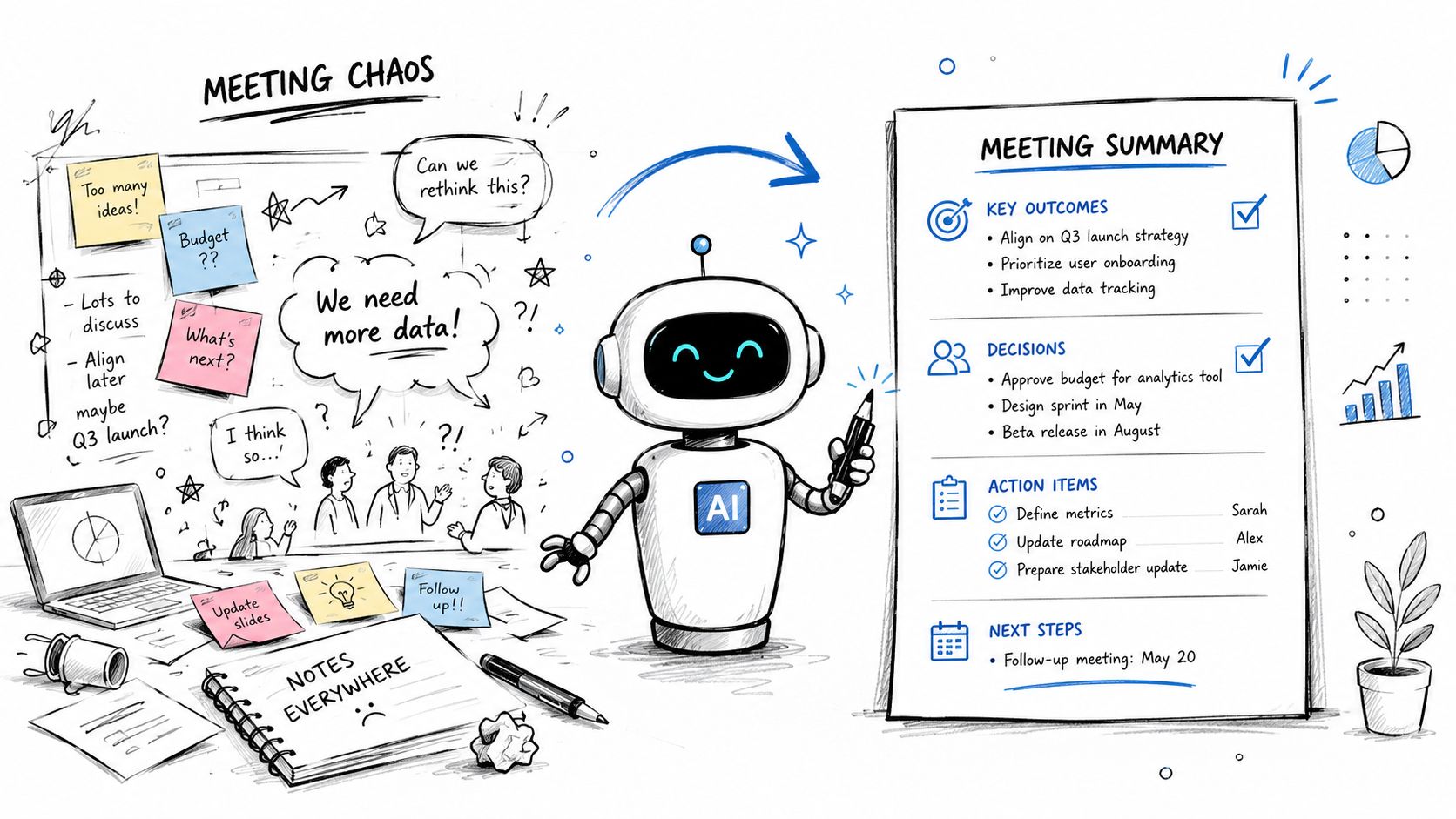
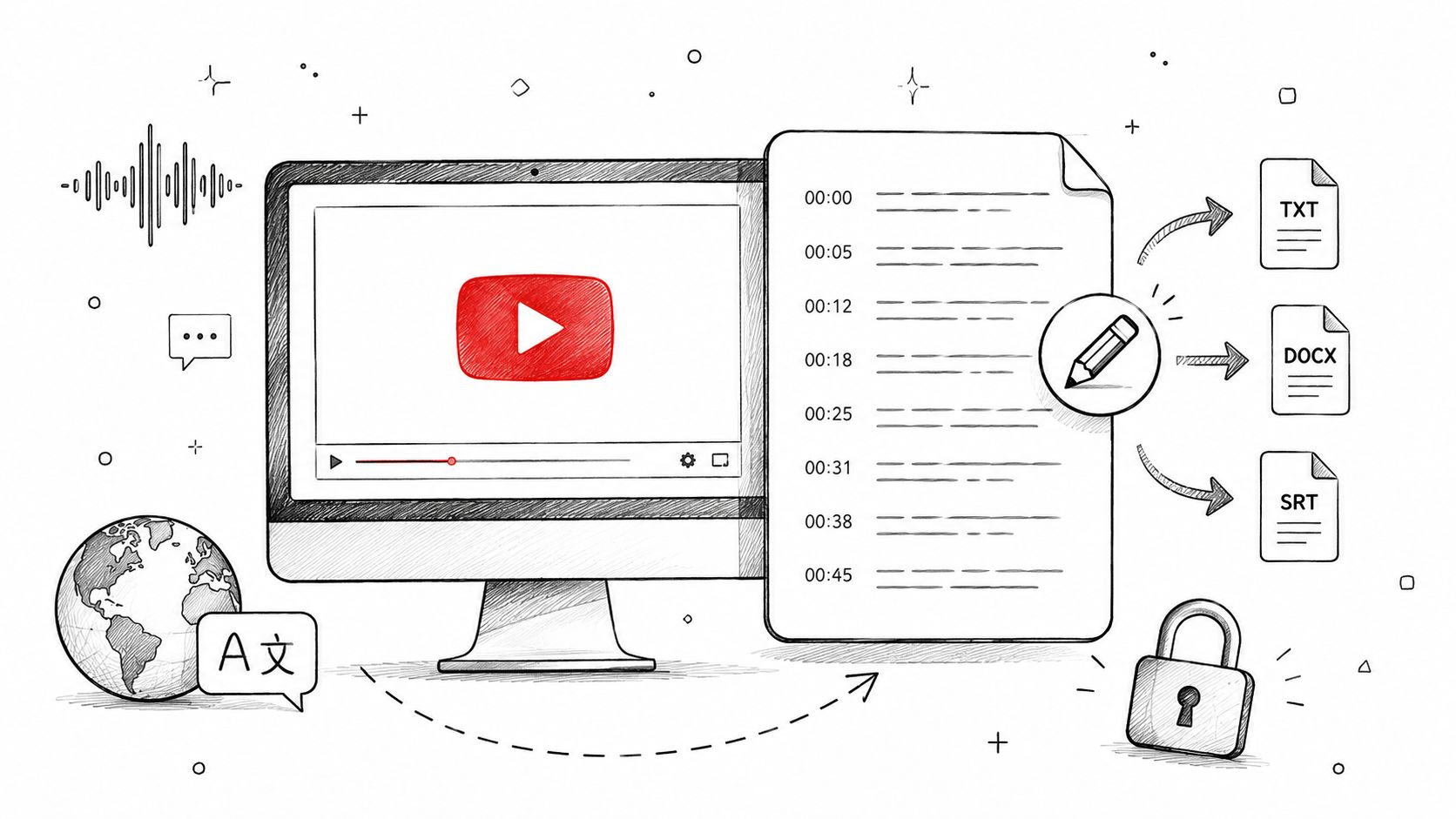
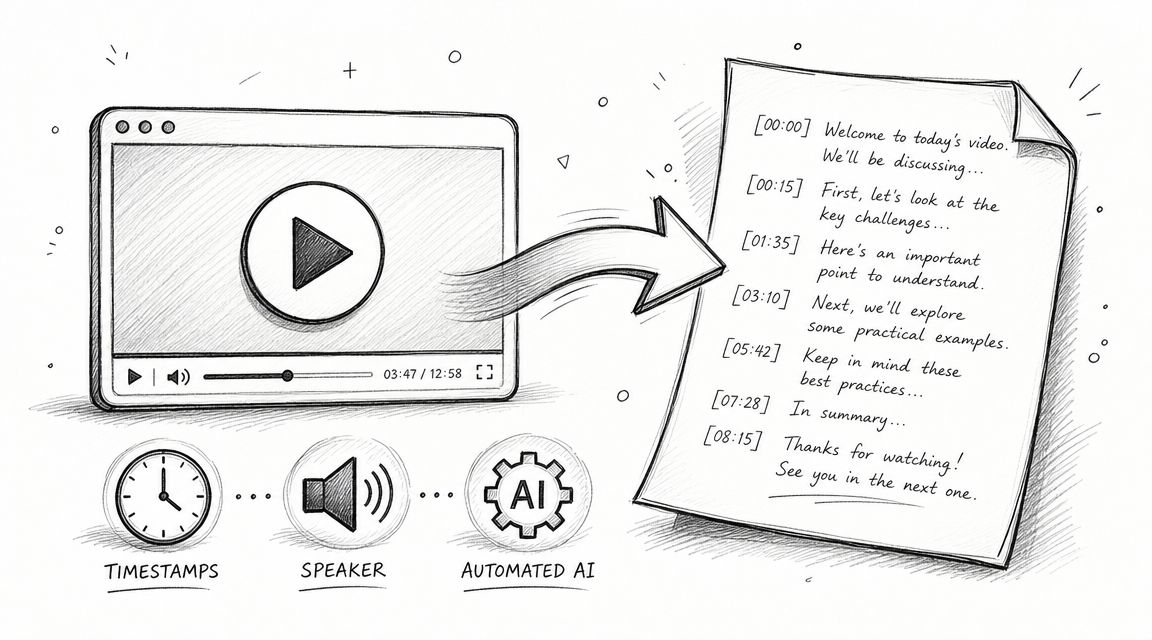
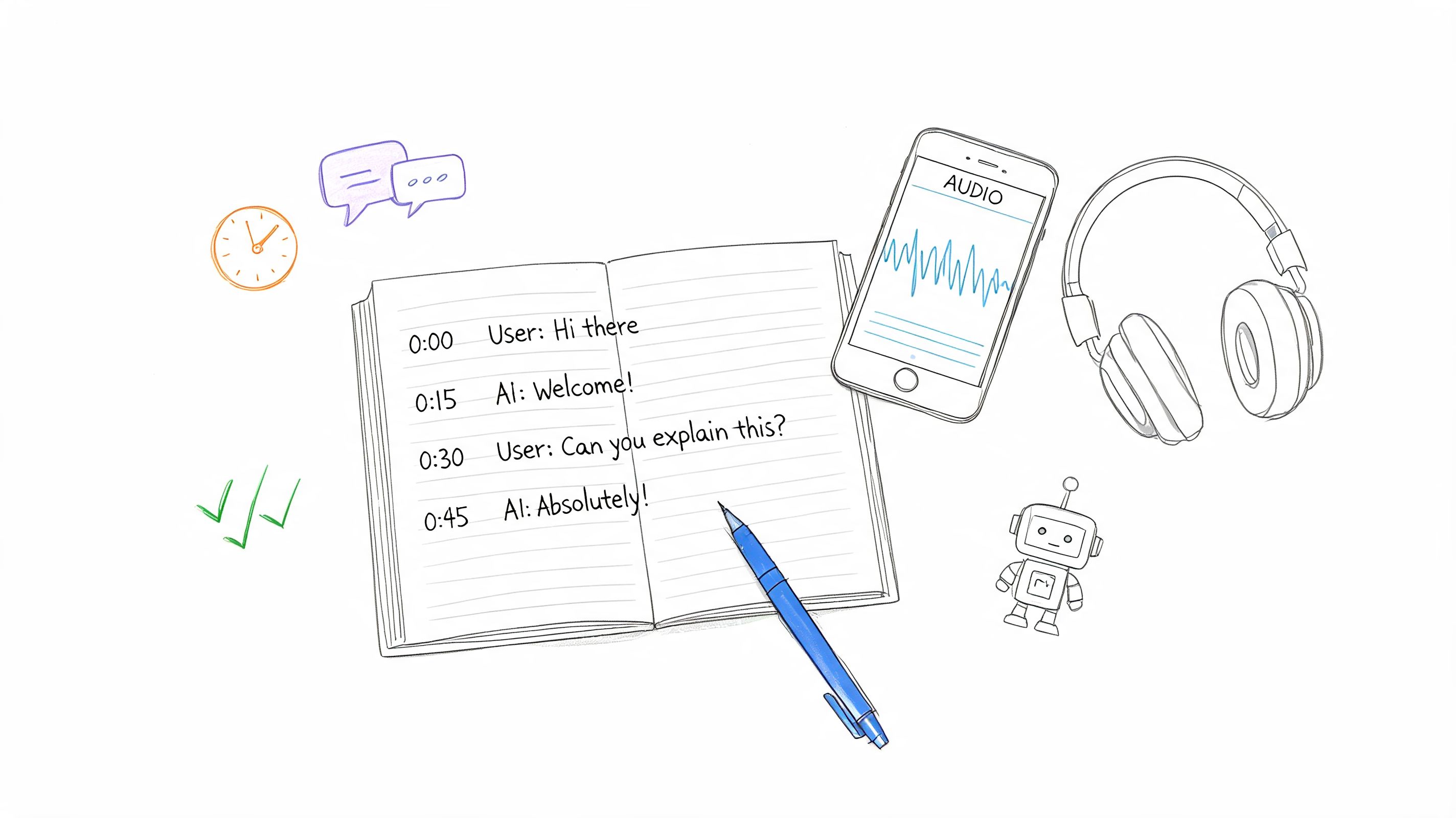
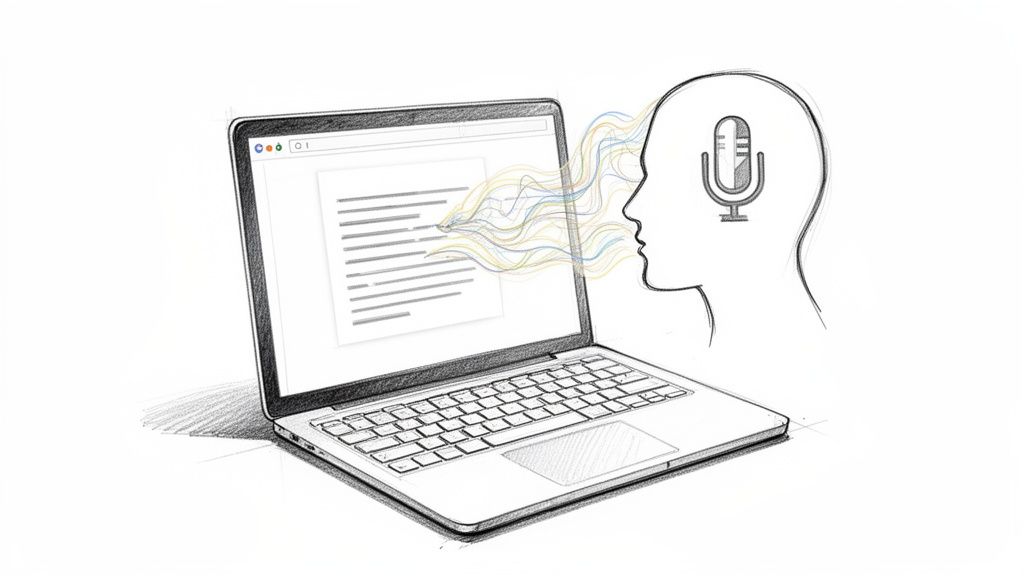
Manually transcribing a one-hour interview can take an entire afternoon of mind-numbing work. This is where AI-powered tools completely change the game. Modern transcription services can process an hour of audio into a precise, time-stamped text document in less than a minute.
You go from a messy pile of notes to a clean, searchable database. All of a sudden, you can instantly find the exact moment a candidate talked about their experience with a specific software or answered that tricky behavioral question.
Capturing an interview is one thing; making it useful is another. The goal isn't just to have a transcript, but to turn that raw data into actionable insights that lead to a confident hiring decision.
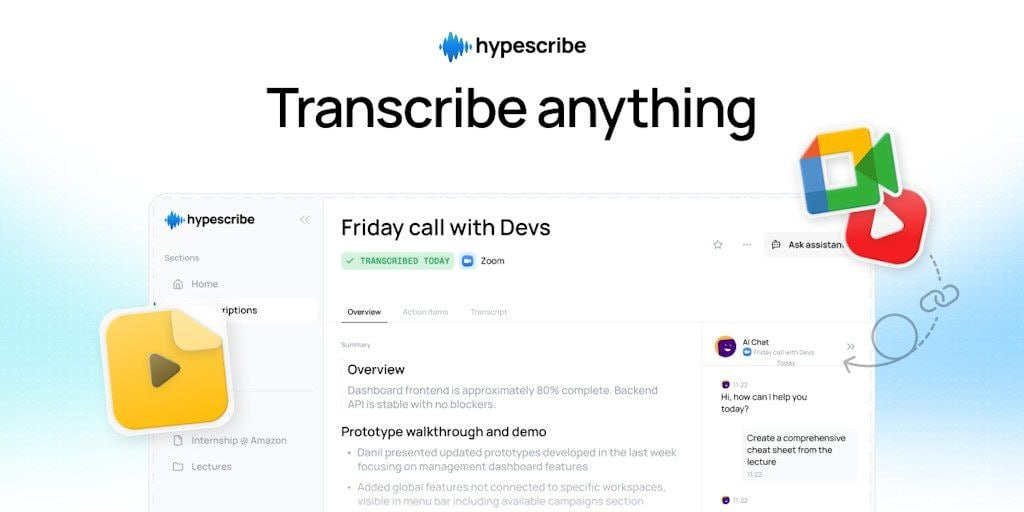
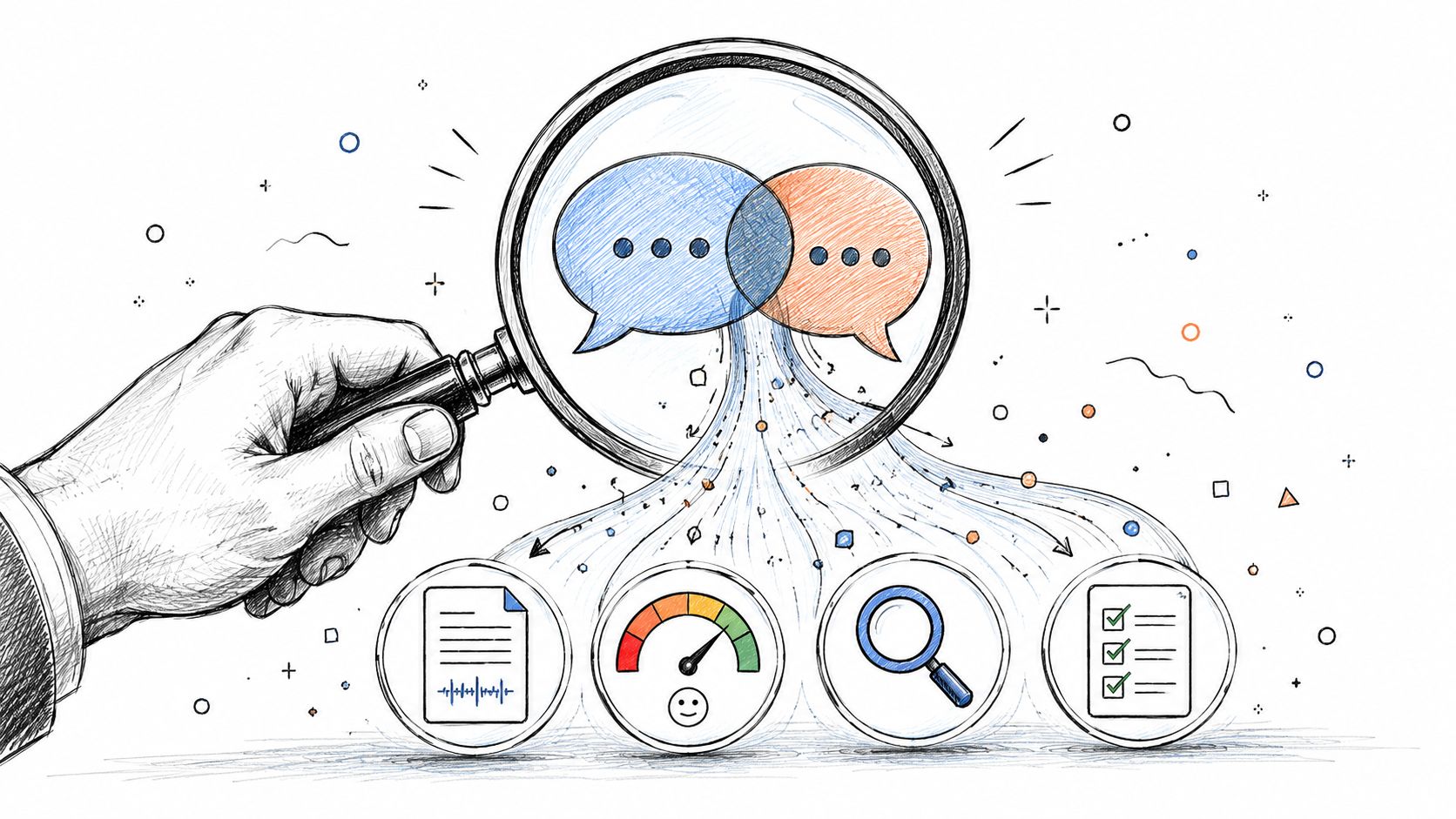
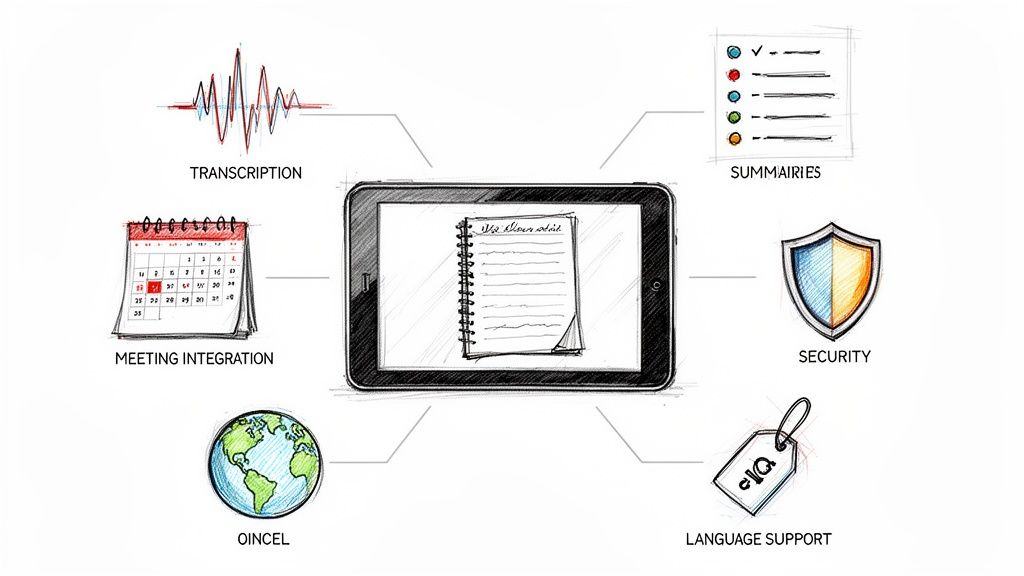
The real value, though, goes way beyond just having a written record. With a tool like HypeScribe, the AI doesn't just stop at transcription. It can automatically generate summaries, pinpoint key takeaways, and even pull out action items discussed during the chat. If you're curious about what's out there, you can explore different types of transcription software for interviews to see what fits your team's needs.
This kind of automated analysis is a huge time-saver, letting you and your team focus on what really matters: evaluating the candidate, not drowning in admin work.
The flow of a live interview is all about connection and discovery. It starts with building rapport, transitions into active listening, and then uses that understanding to probe for deeper insights.
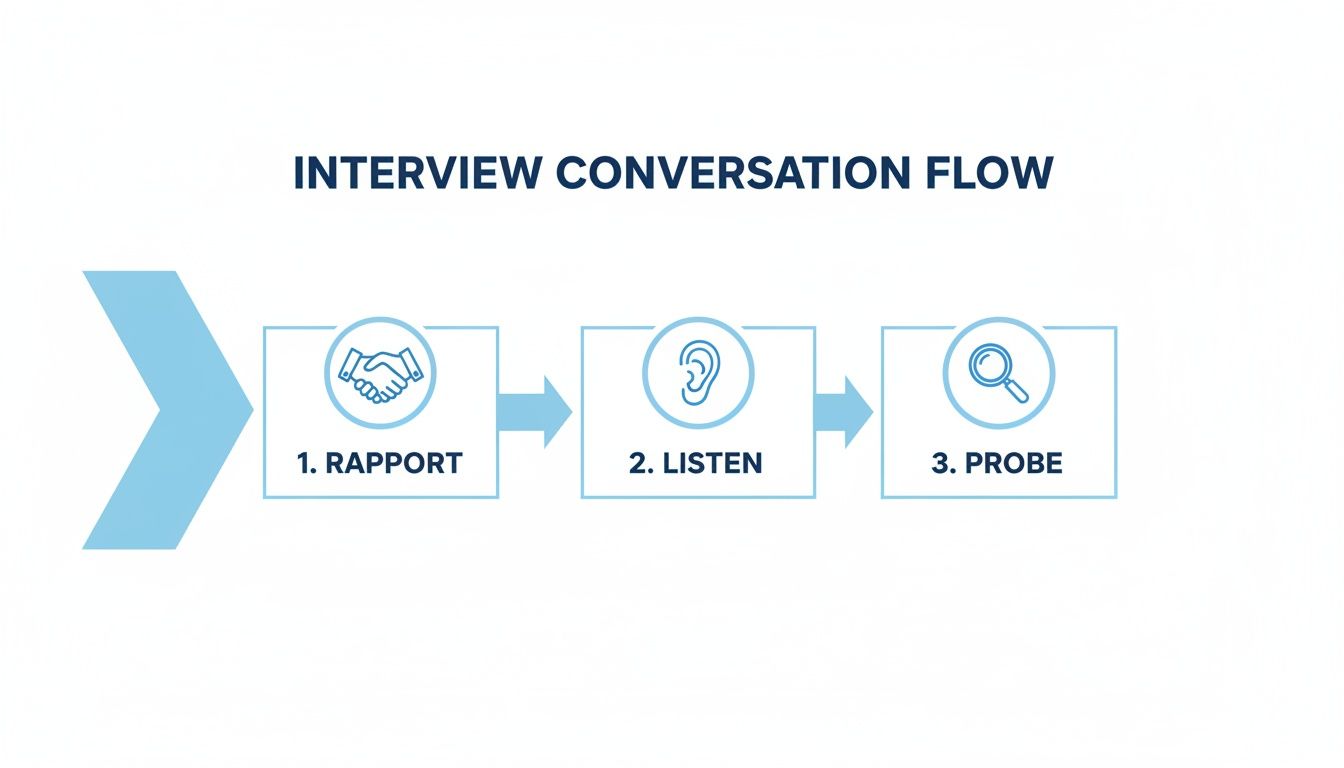
This simple model shows how an effective interview isn't a rigid checklist but a dynamic cycle of connection, understanding, and inquiry.
Empowering Collaborative and Data-Backed Decisions
The final piece of this puzzle is making it a team sport. When all your interview recordings and transcripts are stored in one central, accessible place, you empower the entire hiring team. A colleague who couldn't make it to a session can review the entire conversation, not just someone else's filtered notes.
This shared source of truth is crucial for calibrating scores and having productive debrief meetings. It completely eliminates the "he-said, she-said" dynamic and grounds the evaluation firmly in what the candidate actually said.
By putting this kind of system in place, you’re not just taking better notes—you’re building a reliable, long-term knowledge base. Every single interview becomes a data point that helps you refine your process and make smarter, more consistent hiring decisions over time.
Translate Conversation into a Confident Decision
The interview is over. The candidate has logged off, and you can finally take a breath. It’s easy to feel like the hard part is done, but honestly, the most crucial work is just getting started.
This is the point where a great process can fall apart. Too often, it devolves into an unstructured "So, what did everyone think?" chat where strong personalities, gut feelings, and hidden biases can easily steamroll the actual data you just collected.
To make all that effort worthwhile, you need a systematic way to translate those rich, qualitative conversations into something more objective and comparable. This is where all that prep work really pays off, turning what could be a guess into a confident, defensible hiring decision.
From Notes to Numbers Using a Scorecard
Your first move is to grab that competency-based scorecard you built before the interview ever happened. This document isn't just a roadmap for asking questions; it's your North Star for evaluation.
Resist the powerful urge to score based on memory alone. We’re all human, and our recall is flawed. Instead, you need to get forensic. Go back through your notes, the recording, and especially the transcript.
I’ve found that reviewing a transcript is an absolute game-changer. It strips away the emotional charge of the live conversation—the charisma, the nerves—and lets you focus purely on the substance of what was said. You can methodically check the evidence they gave you against each competency you’re grading.
Let’s say you’re scoring for "Problem-Solving". Your scale might look something like this:
- 1 (Does Not Meet): Offered only vague, theoretical ideas and couldn't provide a concrete example.
- 3 (Meets Expectations): Walked through a real-world problem and the steps they took, but the outcome was a bit fuzzy or just average.
- 5 (Exceeds Expectations): Clearly laid out a complex problem, detailed their specific role in the solution, cited the data they used, and proved a measurable, positive result.
Following a structure like this ensures every single candidate is measured against the exact same yardstick. It moves the conversation away from a subjective "I really liked them" to an objective "They demonstrated the required skills at this level."
A scorecard's purpose is to mitigate bias, not eliminate human judgment. It provides a common language and framework for the hiring team to discuss candidates based on evidence, leading to a much richer and more objective conversation.
By applying your rubric with discipline, you’re actually creating a powerful dataset. This systematic approach is the bedrock of turning messy human conversations into something you can act on. If you're interested in going deeper on this, our guide on how to analyze qualitative data offers a great framework that you can easily adapt for interview analysis.
Calibrate Scores to Ensure Fairness
Anytime you have more than one person interviewing, you’re going to have different scoring standards. It’s just human nature. One interviewer’s rock-solid "5" is another’s lukewarm "3". This is precisely why a calibration meeting—or debrief—is non-negotiable. It’s all about fairness and consistency.
The point of this meeting isn’t to force everyone to agree. It’s to understand why the scores are different and to align on the evidence presented. A huge mistake is starting the meeting with, "So, are we hiring them?" That’s jumping ten steps ahead.
Instead, I recommend structuring the debrief around the scorecard. Go competency by competency. Have each interviewer share their score and—this is the most important part—the specific evidence from the interview that justifies it.
This process works wonders:
- It surfaces biases. If someone consistently scores a candidate low on "Team Collaboration," they can't just say they got a "bad vibe." They have to point to specific examples from the conversation.
- It creates alignment. The discussion helps the entire team build a shared understanding of what "excellent" actually looks like for this role.
- It forces evidence-based debate. The conversation immediately shifts from gut feelings to a review of the facts.
I’ve personally seen this process completely flip a hiring decision. The candidate who was the early favorite can suddenly look weaker when their answers don't hold up to scrutiny, while a quieter candidate who gave substantive, evidence-backed answers can rise right to the top.
Ultimately, this disciplined evaluation is what separates a good interview process from a great one. It ensures your final choice is built on a solid foundation of evidence, not just on who made the best first impression.
Crafting a Winning Candidate Experience
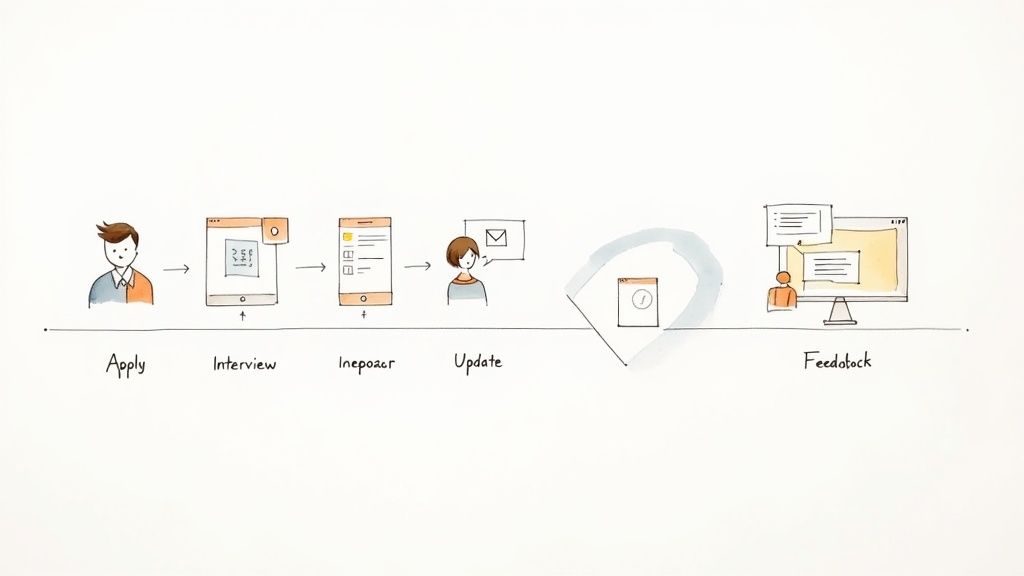
The interview itself is just one moment in a much longer journey with a candidate. In a tight market, how you treat people is a direct reflection of your company, your values, and frankly, your brand. A clunky, slow, or disrespectful process doesn't just lose you one hire; it poisons the well, making it harder to attract great people down the road.
Truly effective interviewing means thinking way beyond the questions you ask. It's about mastering the entire candidate experience. From the very first email to the final decision, every interaction counts. This is your chance to turn applicants—even the ones you don't hire—into advocates for your company.
Set Clear Expectations Upfront
Nothing creates anxiety and frustration faster than ambiguity. When candidates don't know what's coming next, they start to check out. The easiest fix is to give them a clear, transparent roadmap of your hiring process right from the get-go.
This doesn't have to be some elaborate document. A simple outline in your first outreach email can make all the difference.
For instance, you could share a quick timeline:
- Initial Screen: A 30-minute chat with our talent team.
- Technical Interview: A 60-minute session with the hiring manager.
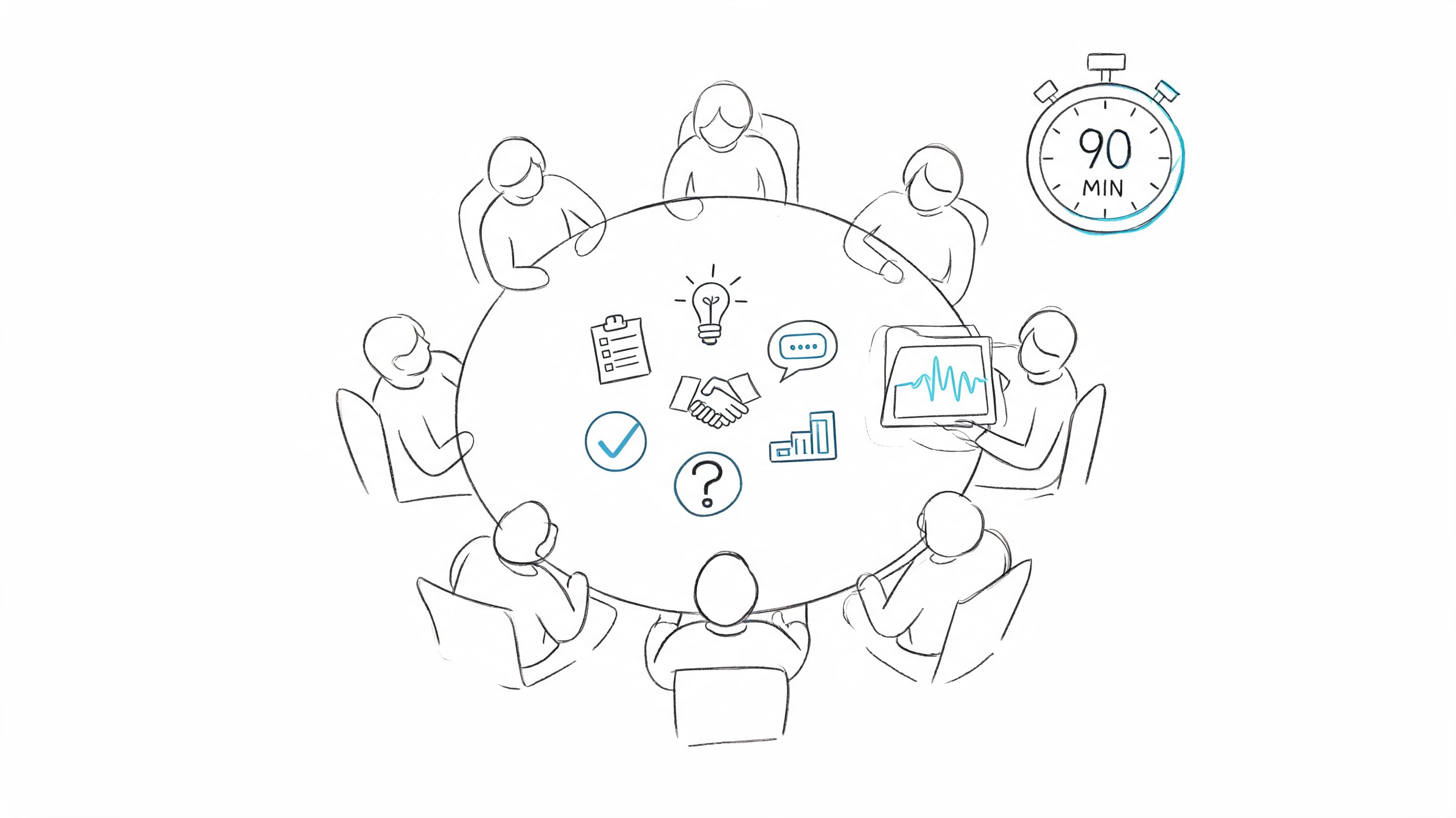
- Final Panel: A 90-minute meeting with a few key team members.
- Decision: We aim to have a final decision for you within three business days of the final interview.
This simple gesture shows respect for their time and immediately puts them at ease. It takes the process from a mysterious black box to a clear, navigable path, which helps people feel valued from day one.
Maintain Consistent and Timely Communication
There’s nothing worse for a candidate than radio silence. Being left in the dark after an interview is demoralizing, and it's a huge reason why top talent disengages and ends up accepting other offers. You have to commit to timely communication—it's non-negotiable.
The stakes are higher than you might think. We live in a world where 36% of candidates will actually decline an offer after a poor interview experience and 58% will share bad experiences online. And it gets worse: research shows that 42% of candidates withdraw from the process over scheduling delays alone, which contributes to an average time-to-hire of a staggering 44 days. You can dig into more of this data in these global hiring insights.
A quick "no update" email is infinitely better than no email at all. It shows you haven't forgotten about them and that you respect the effort they've put in.
This doesn’t take a ton of effort. A simple, templated email letting a candidate know they're still in the running but a decision has been delayed can completely preserve the relationship. The goal is simple: no candidate should ever have to wonder where they stand.
Deliver Feedback with Respect and Empathy
Giving someone a "no" is never easy, but how you handle it truly defines your employer brand. A generic, automated "thanks, but no thanks" email is the bare minimum, and honestly, it leaves a lasting negative impression. What sets exceptional companies apart is providing constructive, respectful feedback.
Whenever you can, offer a brief, specific reason for the decision. This is especially important for candidates who invested their time to come in for final-round interviews.
Here’s a simple, empathetic framework that I’ve found works:
- Thank Them: Genuinely thank them for their time and effort.
- State the Decision Clearly: Let them know you've decided to move forward with another candidate.
- Offer a Specific Compliment: Mention something they did well. Maybe it was their thoughtful approach to a problem-solving question or their deep domain knowledge.
- Provide a Constructive Reason: If possible, offer a high-level reason that focuses on skills or experience alignment. Something like, "The candidate we ultimately chose had more direct experience with the specific software our team uses daily."
- Wish Them Well: End on a positive and encouraging note.
This approach honors the candidate's effort and gives them the closure they deserve. By treating every single applicant with professionalism and respect, you build a reputation as an employer of choice and ensure a strong pipeline of talent for years to come.
Common Questions About Conducting Interviews
Even the most experienced interviewers hit snags. You can have the best process in the world, but people are unpredictable, and tricky situations are bound to pop up. Let's tackle some of the most frequent questions I hear about running truly effective interviews.
Think of this as your go-to guide for those moments that can make or break the quality of your hire. Being ready for these common challenges helps you stay fair, consistent, and ultimately, more confident in your final decision.
How Long Should an Interview Be?
The sweet spot for most professional interviews is between 45 and 60 minutes. Any shorter, and you risk a superficial conversation. Any longer, and you're battling interview fatigue for both you and the candidate.
A 60-minute interview gives you just enough time to do everything right without rushing. Here’s a simple way to structure that time:
- First 5-10 minutes: Settle in, build some rapport, and walk them through the plan for the conversation.
- Next 30-35 minutes: This is the core of the interview. Dive deep into your behavioral and situational questions, always tying them back to your scorecard.
- Following 10-15 minutes: Flip the script and let the candidate ask you questions. This is often just as revealing as their own answers.
- Final 5 minutes: Clearly explain the next steps in the process and end the call on a positive, professional note.
Respecting the clock shows that you run a tight, professional ship.
What if a Candidate Gives Vague Answers?
This happens all the time, especially with nervous candidates. They give you a generic, textbook answer, and your job is to gently coax the real story out of them. Don't be afraid to probe for specifics.
Let's say a candidate tells you, "I'm a great team player." That tells you nothing. Your follow-up is everything.
"That's great to hear. Can you walk me through a specific project where your teamwork was critical to its success? What was your exact role, and how did you handle a disagreement within the group?"
This isn’t about putting them on the spot. It’s about helping them give you the concrete, evidence-based examples you need to actually evaluate their skills. Getting good at this is what separates a decent interviewer from a great one.
How Can I Avoid Common Interviewer Biases?
Let's be honest—fighting bias is tough. We all have them. The goal is to recognize them and build a system that keeps them in check. Three of the biggest culprits are:
- Confirmation Bias: You get a good (or bad) first impression in the first five minutes and spend the rest of the interview looking for evidence to prove yourself right.
- Halo/Horns Effect: The candidate has one incredible strength (the halo) that makes you ignore their weaknesses, or one glaring flaw (the horns) that overshadows everything else.
- Similarity Bias: You just click with them. They remind you of yourself—same background, same sense of humor, same way of thinking. This is the most dangerous one.
Your single best weapon against all of these is a structured interview scorecard. When you force yourself to score every single candidate on the same pre-defined criteria, you're relying on data, not just a gut feeling. To make sure your questions are fair and effective, it’s also a good idea to stay sharp on things like common behavioral interview questions and how to answer them.
Turning great conversations into usable data is where the real work begins. With HypeScribe, you can automatically transcribe, summarize, and analyze every interview, making sure no crucial detail gets lost in your notes. Build a searchable library of candidate insights and give your team the power to make confident, data-backed decisions. See how HypeScribe can change your interview game at https://www.hypescribe.com.