What is Collaborative Learning: A Practical Guide to Teamwork and Results

Collaborative learning is all about people teaming up to tackle a problem, finish a task, or build something new together. But it's so much more than just splitting up the work—it’s about diving in together, sharing ideas, and building a collective understanding to reach a common goal.
What Collaborative Learning Is All About
Think of a jazz band improvising on stage. Each musician isn't just playing their own part; they're listening intently, reacting in the moment, and adding to what the others are creating. The goal is to make incredible music, and the process is spontaneous, interactive, and completely dependent on everyone's full attention. That's the heart of collaborative learning.
This isn't your typical group project where everyone takes a slice of the pie and glues it together at the end. Collaboration is about the messy, creative process of thinking and building together. The focus is on constant communication, shared ownership, and the dynamic energy that emerges when a team truly clicks. The result is that the group’s collective brainpower becomes way more powerful than what any single person could achieve on their own.
It's More Than Just Group Work
The real game-changer here is interdependence. In a lot of school projects, students just work on their assigned sections in a silo. Your success is just about getting your part done.
True collaboration flips that on its head. It creates a system where everyone is all-in on the final outcome. You sink or swim together.
A study from the University of Denver's Office of Teaching and Learning found that when students work in truly collaborative settings, they connect more deeply with the material and get better results. The process itself teaches crucial skills—like communication and teamwork—that are non-negotiable in today's workforce.
To get the full picture, it helps to know about similar teaching styles like cooperative learning, which tends to be a bit more structured, often with roles and goals clearly defined by the instructor.
The Core Pillars of Collaboration
So, what makes collaborative learning actually work? It's built on a few foundational ideas that set it apart from other types of teamwork. These pillars are what turn a collection of individuals into a powerhouse learning unit.
Let's break down the essential components that make collaborative learning so effective and how they differ from what we might see in traditional group settings.
Key Pillars Of Collaborative Learning At A Glance
These pillars aren't just nice-to-haves; they are the very structure that allows groups to move from simple cooperation to genuine, deep collaboration where the learning is amplified for everyone involved.
The Journey From Classroom Huddles to Global Workspaces
The idea of people learning together is as old as school itself. We all remember huddling around a desk to finish a group project. But the leap from that physical classroom to the borderless, digital collaboration we have today is nothing short of incredible. Technology has completely changed the game, taking us from clunky online forums to sophisticated virtual environments where ideas can fly.
This didn't happen overnight, of course. The first steps were taken with early computer-supported collaborative learning (CSCL), which was the first time students and professionals could really connect without being in the same room. As the internet got faster and the software got smarter, the potential for real-time teamwork exploded.
Then, world events hit the fast-forward button. The COVID-19 pandemic threw a staggering 1.6 billion students into blended learning models, forcing a massive, worldwide trial of digital tools. That unexpected experiment proved that deep, effective collaboration wasn't tied to a physical location, and it lit a fire under an already growing trend.
From Splitting Up Work to Creating Together
What "teamwork" means has also changed dramatically. Old-school group work was usually about "divide and conquer"—you take this part, I'll take that part, and we'll staple it together at the end. Modern collaboration is a whole different beast; it's about co-creation. It's the difference between assembling a kit car and designing a new one from the ground up, together.
This timeline shows that evolution in a really simple way.
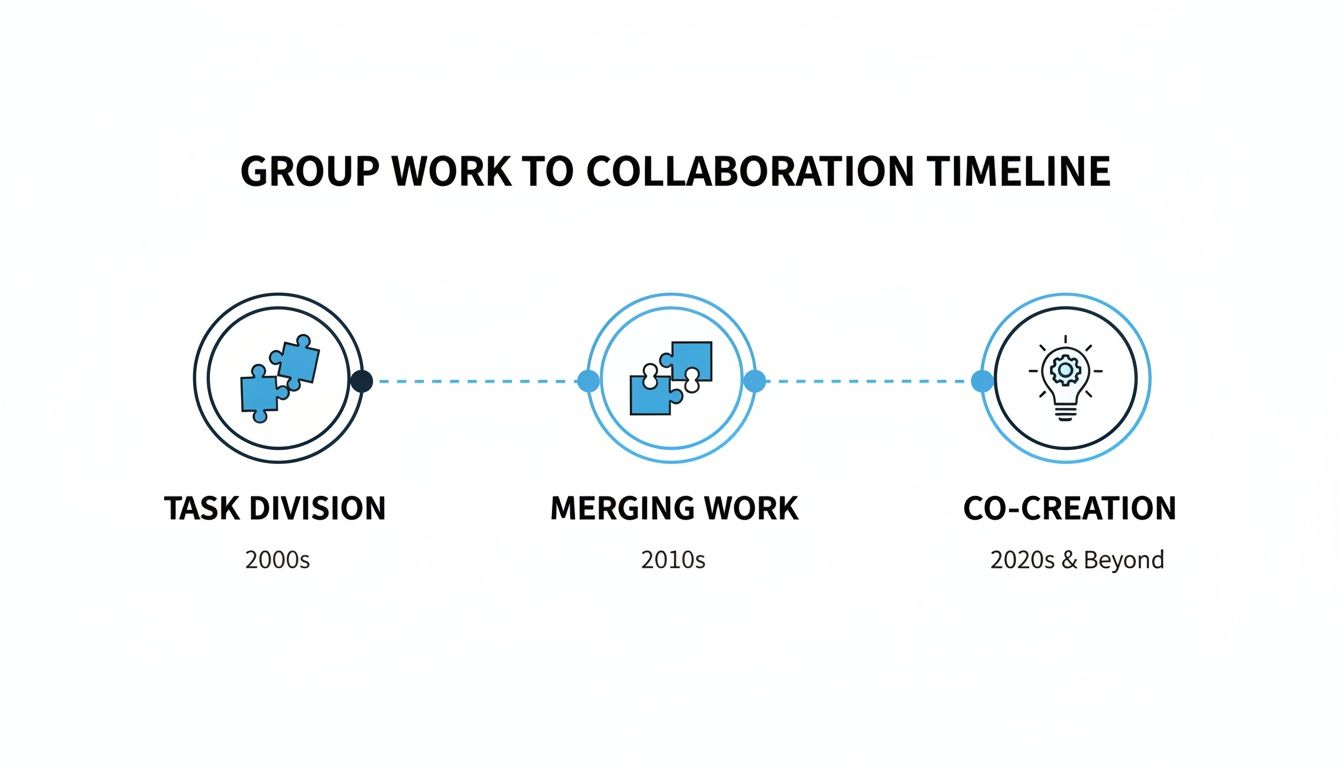
As you can see, we move from just dividing the labor to truly merging our efforts. The final stage is genuine co-creation, where the team's final product is something bigger and better than anything one person could have made alone.
The New Normal: The Digital Workplace
This evolution isn't just for students; it’s now the backbone of the professional world. Remote and hybrid teams simply couldn't function without tools that allow for instant knowledge sharing and project collaboration. The skills people build in collaborative learning—communication, shared problem-solving, flexibility—are the exact skills needed to thrive in today's workplace. This is why getting teamwork right is so critical, and why we’ve even explored hybrid meeting best practices to help teams bridge that physical and virtual divide.
At its heart, this whole shift is about moving from a model centered on a place to one centered on people. It no longer matters where you are, but how well you connect and contribute. That’s the defining characteristic of modern collaboration.
As learning environments continue to mirror digital workspaces, tools like the Lumi H5P Cloud platform are popping up to make creating and sharing interactive content easier, fueling this new era of teamwork. It's clear that collaborative learning has become a dynamic, tech-powered process that's absolutely essential for anyone looking to succeed today.
The Five Core Principles Of Effective Collaboration
You can't just throw people into a room (or a Zoom call), give them a project, and expect magic to happen. That's just group work, not true collaboration. Real, effective teamwork is built on a set of core principles that turn a group of individuals into a cohesive, problem-solving unit.
Getting these five pillars right is what separates teams that just get by from those that truly innovate.
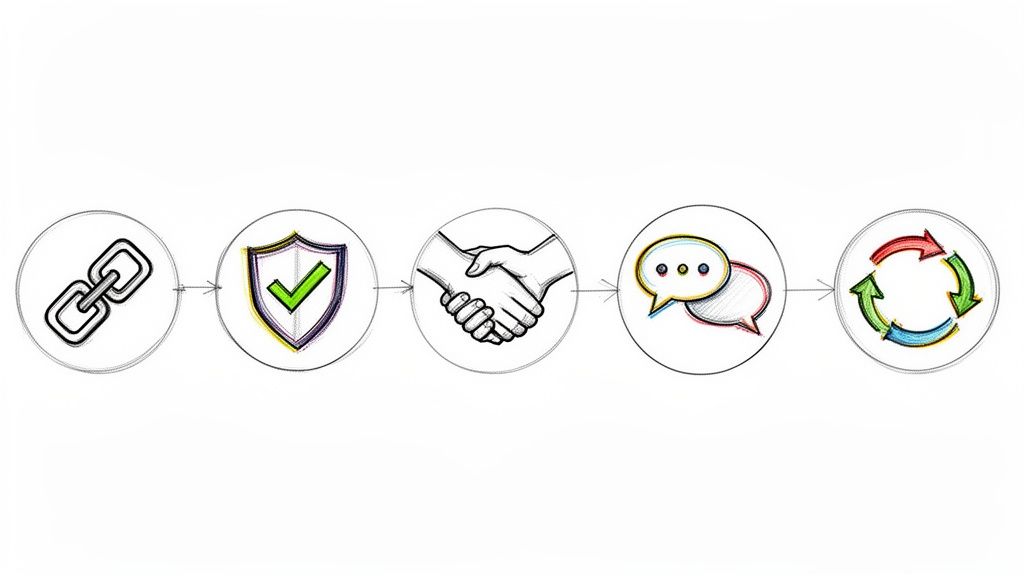
Think of these principles as the framework for genuine co-creation. Let's break down what they actually look like in practice.
1. Positive Interdependence
This is the classic "we sink or swim together" mentality. It's about structuring a goal in such a way that no single person can achieve it alone. The success of one member is fundamentally tied to the success of everyone else.
Think about a marketing team launching a new product. You have a copywriter, a designer, and a social media manager. If the ad copy falls flat, it doesn't matter how brilliant the design is or how perfect the timing of the posts is. The entire launch suffers. They either all succeed as one, or they all fail.
2. Individual Accountability
While the team shares a common fate, every person has to own their piece of the puzzle. This principle is the antidote to "social loafing"—that frustrating situation where one or two people carry the entire workload while others coast. It’s all about ensuring everyone pulls their own weight.
In our marketing launch example, this means the copywriter is fully accountable for delivering killer ad text. The designer is responsible for eye-catching visuals, and the social media manager owns the campaign execution. Each person's contribution is clear and measurable, which builds trust and prevents resentment from bubbling up.
Effective collaboration is not about being equal in the relationship at all moments but having balance across the project. It is about leading, following, listening, and voicing concerns as if it was a dance or playing music together.
3. Promotive Interaction
This is where the team dynamic really comes to life. It’s not enough to just work in parallel. Promotive interaction is about actively helping, supporting, and encouraging one another. It’s the spontaneous sharing of resources, giving genuinely helpful feedback, and celebrating each other’s wins.
For instance, if the copywriter is stuck on a headline, the designer might share a visual concept that sparks the perfect idea. This is that supportive, back-and-forth dialogue where the real magic happens.
4. Interpersonal and Small-Group Skills
Collaboration is a skill, and it relies on a specific set of social tools. These aren't just fuzzy "soft skills"; they're the nuts and bolts of navigating group dynamics effectively. You can't collaborate without them. Key skills include:
- Clear Communication: This isn't just about talking, but about articulating ideas clearly and, just as importantly, listening to understand.
- Trust-Building: It all comes down to being reliable, open, and honest with your teammates.
- Constructive Conflict Resolution: Disagreements are inevitable. The key is to handle them respectfully to find the best possible solution, not just to "win" an argument.
- Decision-Making: The ability to weigh different options as a group and commit to a single path forward is crucial.
5. Group Processing
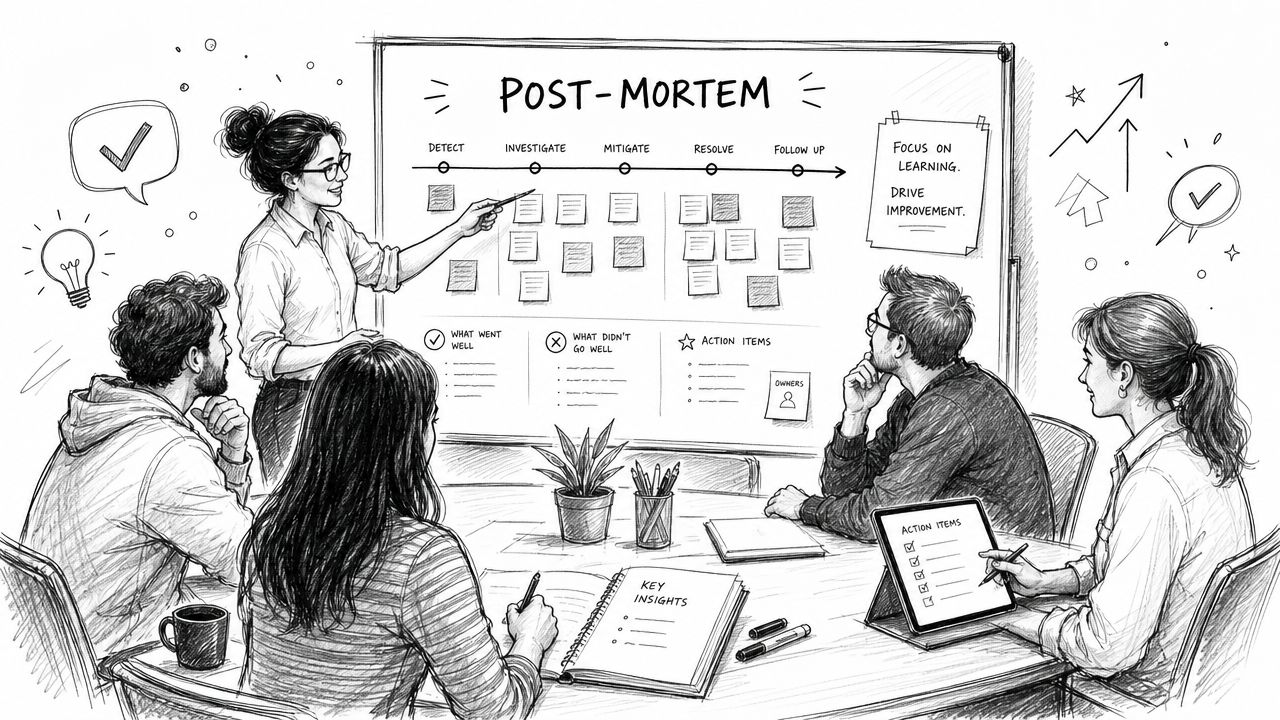
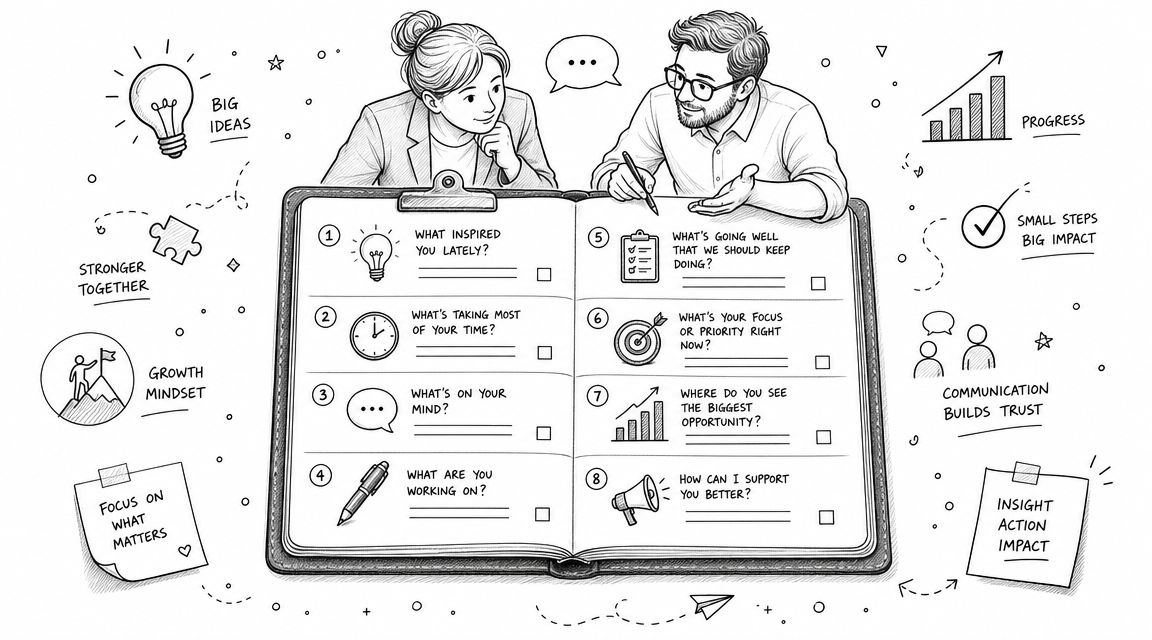
The best teams are the ones that are always getting better. Group processing is simply the habit of pausing to reflect on how the team is working together. It’s about asking tough but necessary questions like, "What's going really well for us?" and "What's getting in our way?"
This kind of self-assessment allows the group to iron out workflow kinks, strengthen relationships, and continuously improve their collaborative process.
By building a team culture around these five principles, any group can transform from a collection of disjointed efforts into a high-performing, truly collaborative force.
What's In It For Your Team? (And For You?)
Let's get practical. Adopting a collaborative learning style isn't just a feel-good exercise; it delivers real, measurable results. Whether you're in a classroom or a corporate setting, the benefits are clear, creating smarter people and stronger outcomes that can elevate an entire organization.
One of the biggest wins? The development of higher-order thinking skills. It’s one thing to read a fact in a book, but it’s another thing entirely to have to explain your reasoning to a teammate, defend your position, and weave multiple viewpoints into a single, cohesive idea. This forces you to move beyond just remembering facts and into the realm of true understanding.
From Softer Skills to Stickier Knowledge
You'll also see a massive leap in communication skills. Real collaboration isn't just about talking at each other. It’s about listening intently, breaking down complex thoughts so others can grasp them, and—most importantly—working through disagreements without burning bridges. These are the people skills that make or break any team.
And here’s the kicker: this approach makes information stick. Research has shown time and again that one of the best ways to master a concept is to teach it to someone else. Collaborative learning bakes this "learning by teaching" process right into your day-to-day, which means knowledge retention goes way up. This naturally feeds into a stronger culture of sharing what you know. If you're interested in that, you can learn more about knowledge management best practices in our guide.
The magic really happens when people feel safe enough to throw out a "crazy" idea without being shut down. That feeling of psychological safety is a direct result of great collaboration, where respect and a shared mission come first.
Building a Team That Clicks
When you get this right, you cultivate a genuine sense of community. Team members start to lean on each other to get things done, which builds an incredible amount of trust and strengthens professional relationships. This isn't just about morale; it translates directly into better work.
Think about it in the real world:
- Corporate Teams: A marketing squad brainstorming a campaign together will come up with far more creative angles and spot potential pitfalls much earlier than a single person working alone.
- Student Groups: A study group tackling a tough physics problem can pool their different strengths and insights, conquering material that might have stumped them individually.
- Creative Teams: A product design team can blend perspectives from engineering, UX, and marketing to create something truly innovative that people will actually want to use.
Ultimately, understanding what is collaborative learning is about seeing its power to build not just better projects, but better problem-solvers and tighter-knit teams. It’s about creating a space where everyone’s voice matters, everyone grows, and what you build together is far greater than what any one person could have achieved alone.
Collaborative Learning Strategies In The Real World
Theory is one thing, but seeing collaborative learning in action is when the lightbulb really goes on. Let's move from abstract ideas to concrete examples. We'll look at three different strategies used in real-world settings to solve specific problems. These aren't just academic exercises; they're practical blueprints you can adapt for your own teams.
Each of these methods shows how a little bit of structure can elevate a simple group task into a genuinely powerful learning experience.
The Jigsaw Method In A Corporate Setting
Picture a marketing team that needs to get up to speed on the competitive landscape—fast. Instead of having everyone try to research every single competitor (which would be chaotic and redundant), they use the Jigsaw method.
First, the team breaks into smaller "expert" groups. Each group gets one competitor and is tasked with becoming the go-to expert on that company's strategy, strengths, and weaknesses. Once they've done their deep dive, the groups are reshuffled into new "jigsaw" teams.
These new teams are intentionally mixed, with one expert from each of the original competitor groups. Now, the real collaboration begins. Each expert teaches their new teammates about their assigned competitor. As they go around the table, they piece together a complete, nuanced picture of the entire market.
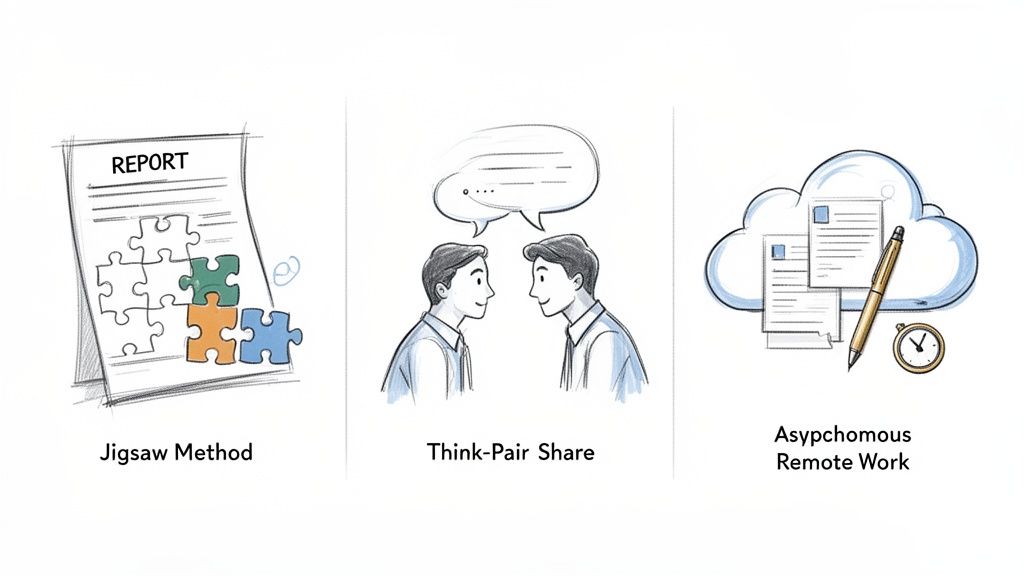
The beauty of this is how it creates both individual accountability (you have to become the expert) and positive interdependence (you need everyone else to understand the full story).
- Tools They Might Use: Shared documents like Google Docs for compiling expert notes, presentation software like Canva for teaching, and a project board in Trello to keep everything on track.
- The Result: The team gains a deep, comprehensive understanding of the market in a fraction of the time it would have taken otherwise.
Think-Pair-Share In Education
Now, let's step into a classroom. An instructor wants to get students wrestling with a complex ethical dilemma. To make sure everyone engages, they use a simple but brilliant technique: Think-Pair-Share.
It starts with a few minutes of quiet, independent thinking. Everyone gets a chance to gather their own thoughts and jot down some initial ideas without any outside influence. This simple step ensures no one comes to the discussion empty-handed.
Next, students pair up with a classmate to talk through what they came up with. This is where they can test their ideas, hear a different perspective, and build on each other's insights in a low-stakes environment. Finally, each pair shares their most interesting points with the entire class. The result is a far richer and more inclusive discussion than if the instructor had just asked, "Any questions?"
The fusion of collaborative learning and technology is creating massive waves. The market for VR in EdTech, which often hinges on immersive group settings, is on track to blow past $13 billion by 2026. On top of that, studies show that digital learning tools can boost knowledge retention by 25-30%, thanks to personalized feedback and smart data analysis. To get a better sense of where things are headed, you can learn about the biggest trends in learning from industry insiders.
Asynchronous Collaboration For Remote Teams
Let's look at one final scenario: a remote content team spread across different time zones, all working together on a single blog post. Their secret weapon is asynchronous collaboration—working on the same project, but not necessarily at the same time.
Here's how their workflow might unfold:
- The Writer: Kicks things off by drafting the initial article in a shared document.
- The Editor: Jumps in a few hours later, leaving comments and suggestions for improvement.
- The Designer: Pops in to add relevant images and make sure the formatting looks sharp.
- The Project Manager: Has the final look and gives the green light to publish.
This entire process is glued together by tools like Slack for quick updates, Google Docs for real-time co-editing, and Asana for managing who does what and when. This approach gives everyone the flexibility they need while ensuring that every person's unique expertise is woven into the final product. The result is a polished, professional piece that's far stronger than anything one person could have created alone.
How Leadership And Culture Foster Great Collaboration
Great collaboration doesn't just happen on its own. It’s the direct result of a supportive culture, one that’s carefully built from the top down. Think of leaders as the architects of this environment; they are responsible for laying the foundation where real teamwork can flourish. Without their deliberate effort, even the most talented people will struggle to connect and create together.
The leader's job is to be a catalyst. This goes way beyond just handing out group assignments. It’s about actively modeling the behaviors you want to see. When a leader shares information openly, asks for different opinions, and isn't afraid to say "I don't know," they send a powerful message: teamwork isn't just nice to have, it's essential. That behavior sets the tone for everyone.
The real shift happens when leaders create systems that reward collective success over individual heroism. It’s about building a culture where helping a teammate is seen as just as valuable as completing your own tasks.
This means giving teams the right tools, whether that’s software for smooth communication or just carving out dedicated time for people to connect. It also means creating genuine psychological safety—an environment where people feel secure enough to take risks, voice a counter-opinion, or share a half-baked idea without fear of being shut down. This is the soil where amazing collaboration grows.
The Measurable Impact of Strong Leadership
The connection between leadership and collaboration isn't just a gut feeling; there's data to back it up. A 2023 cross-national analysis found that while teachers participate in collaborative learning about 12-14 times a year on average, the numbers swing dramatically depending on leadership.
For instance, the United States averages 22.2 sessions annually, while Singapore sees just 4.7. What makes the difference? Often, it's managerial support. In countries like Mexico and Chile, where principals actively champion collaboration, teachers engage 25% more often. This leads directly to better, more personalized strategies for students. You can dive deeper into the full analysis of principal instructional support for all the details.
Actionable Steps for Cultivating Collaboration
To truly spark teamwork, leaders can focus on a few key actions that turn a group of individuals into a unified force. This is especially crucial for distributed teams. If that's your reality, you might find our guide on how to manage remote teams helpful.
Here are a few practical strategies to get started:
- Establish Clear Communication Channels: Make sure everyone knows exactly where and how to communicate. This simple step cuts down on confusion and keeps information flowing.
- Define Success Collectively: Set goals and metrics that are team-based. When everyone is pulling in the same direction, they share a sense of ownership over the final outcome.
- Facilitate Constructive Conflict: Teach your team how to disagree respectfully. Turning potential arguments into opportunities for growth leads to much stronger solutions.
By championing these values, leaders do more than just manage people—they cultivate a thriving ecosystem where working together becomes second nature.
Got Questions? Let's Clear Things Up.
Even after you're sold on the idea of collaborative learning, some practical questions always pop up when you try to put it into action. Let's tackle a few of the most common ones I hear from teams.
Isn't This Just Another Name for Group Work?
Not at all, and it's a critical distinction to make. Think of it this way: group work is often just a "divide and conquer" mission. Everyone takes a piece of the project, goes off to their corner, and then you staple the parts together at the end.
Collaborative learning, on the other hand, is about the messy, creative process of building something together from the ground up. The success of one person depends on the success of everyone else—that’s the core idea of positive interdependence. It’s about the shared struggle and the shared "aha!" moments, not just the final product.
Can This Really Work if My Team Is Remote?
Absolutely. In fact, some of the best collaborative teams I've seen are completely remote. It just requires a bit more intention.
You can get the job done with a smart mix of tools. Asynchronous platforms like shared documents or project management boards are great for ongoing work, while live video calls are perfect for brainstorming and decision-making. The secret sauce is establishing clear rules for communication and picking tech that actually helps, rather than hinders, your workflow.
When your team is remote, you have to be deliberate about building trust and open communication. It means making a real effort to check in, share progress (even when it's not perfect), and make sure every single person feels heard, no matter where they're logging in from.
What's the Biggest Hurdle I'll Face When Implementing This?
The most common challenge, without a doubt, is managing group dynamics and ensuring everyone actually participates. It's easy for one or two dominant voices to take over while others fade into the background. This is where structure and individual accountability save the day.
Teams that nail this do a few things consistently:
- They assign clear roles. Everyone knows exactly what they're responsible for.
- They set ground rules. This establishes a foundation for respectful discussion and how decisions get made.
- They use structured exercises. Something as simple as a "Think-Pair-Share" activity forces everyone to contribute their ideas.
- They reflect on how they work together. Great teams regularly take a timeout to ask, "How are we doing as a team? What could we do better?" This is called group processing, and it's a game-changer.
By thinking through these common sticking points ahead of time, you can transform a collection of individuals into a real team that learns and accomplishes far more together.
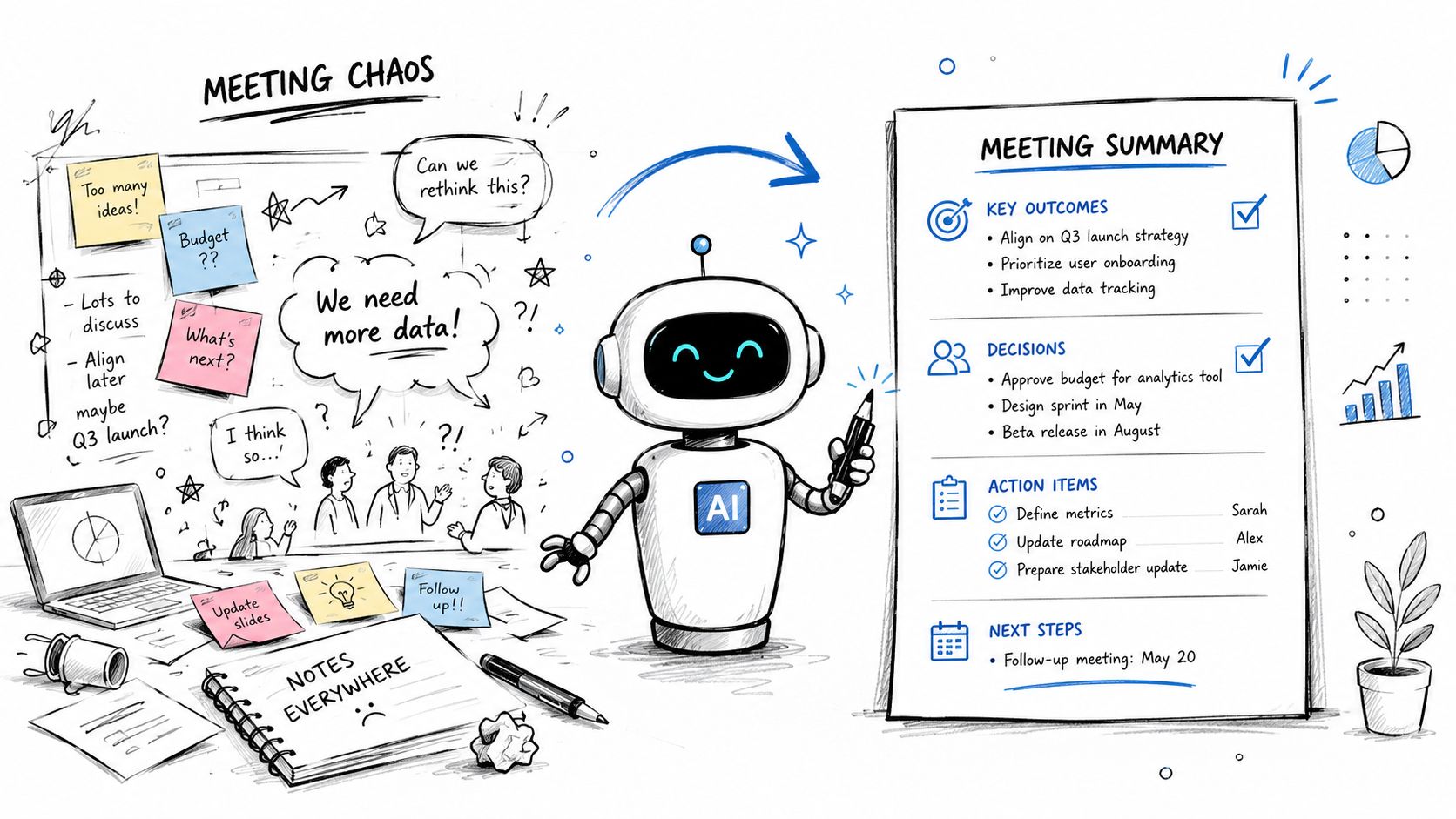
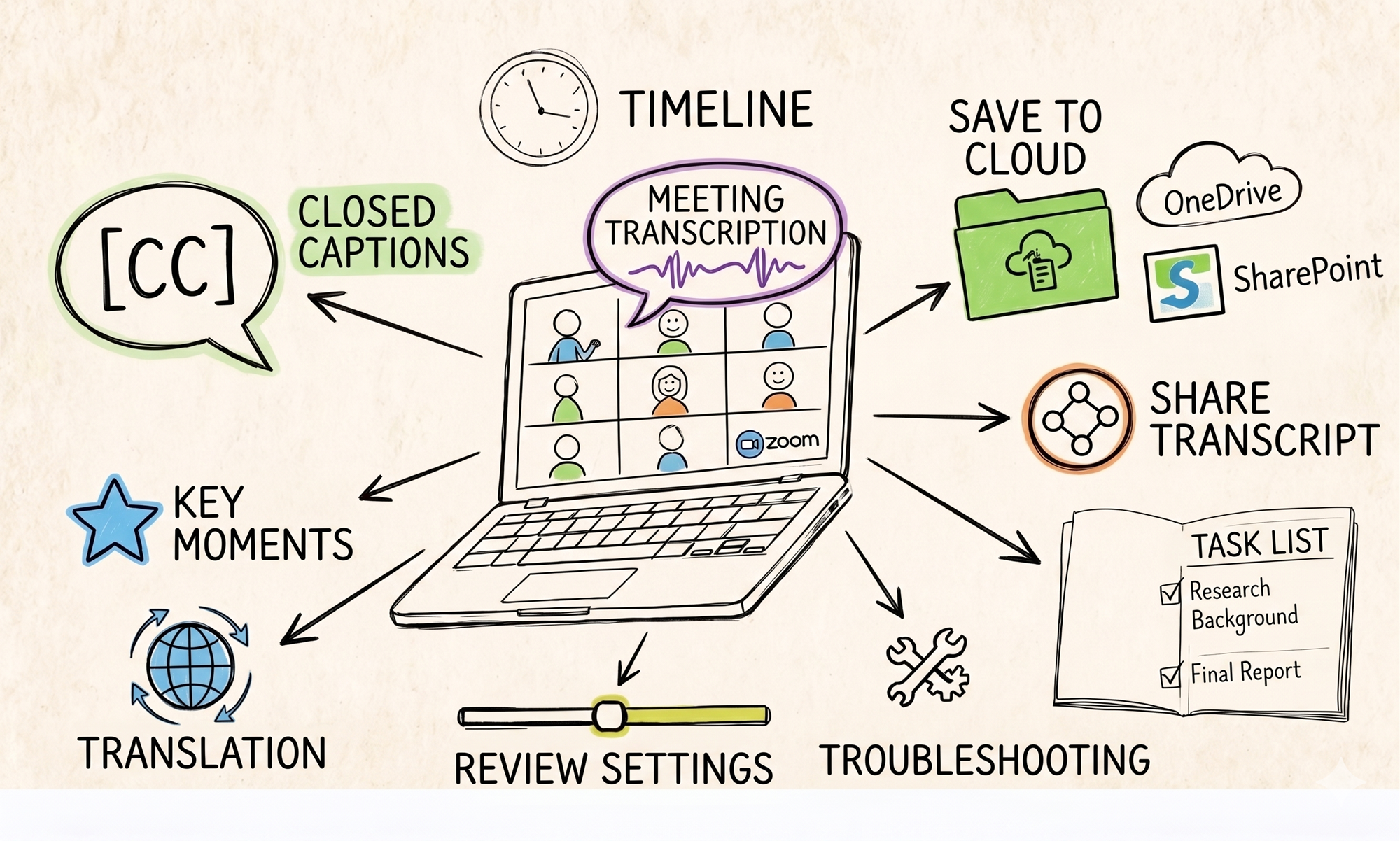
Turn your team’s collaborative sessions into searchable, actionable knowledge with HypeScribe. Our AI-powered transcription captures every detail from your meetings on Zoom, Google Meet, and Microsoft Teams, generating precise transcripts, summaries, and action items in seconds. Stop losing valuable insights and start turning conversation into execution. Try HypeScribe for free today and see what you’ve been missing.