Interpreter vs Translator: Which Expert Do You Need?

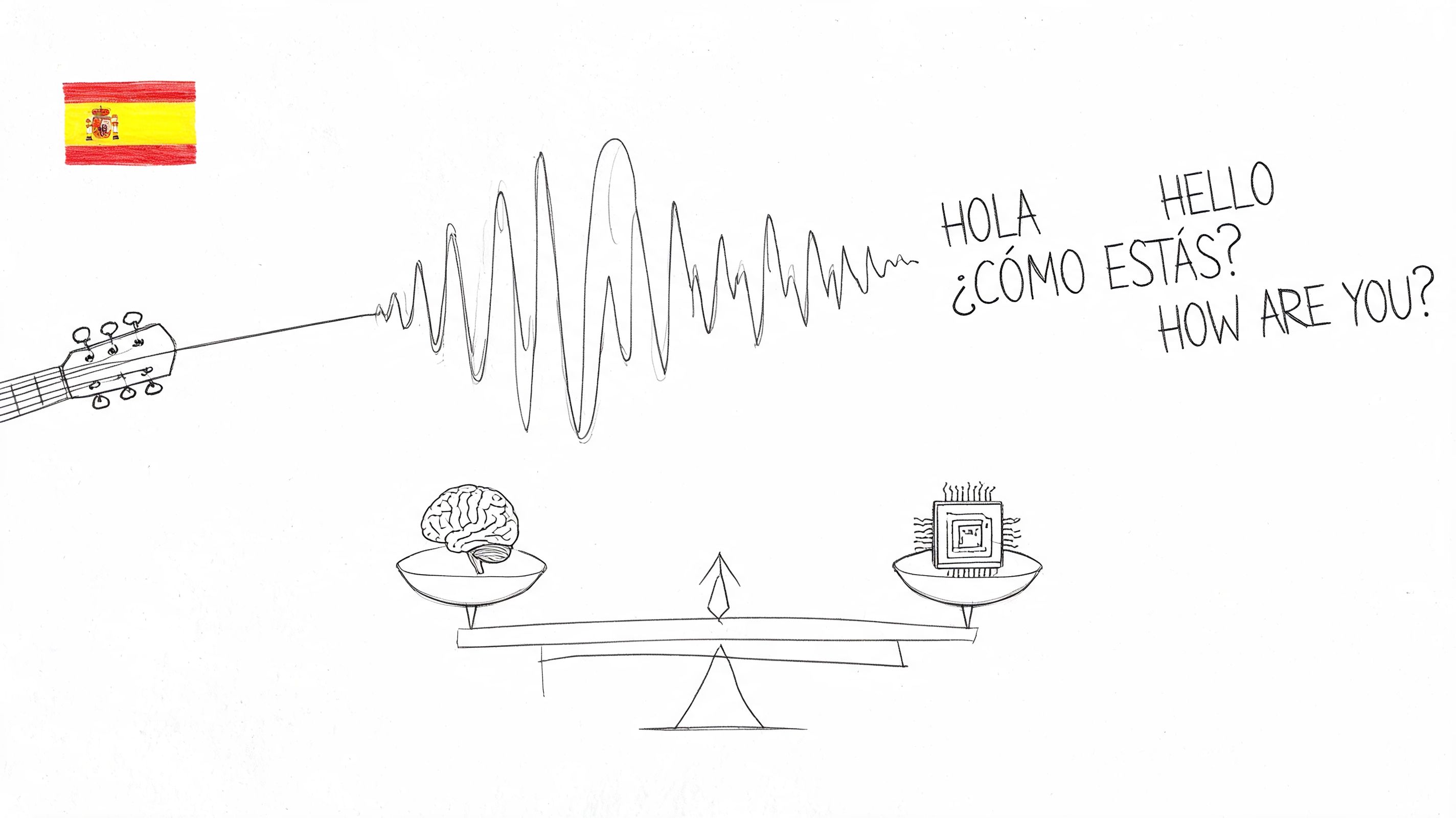
People often use the words "interpreter" and "translator" interchangeably, but in my experience, they represent two very different professions, and choosing the right one is crucial for success. The easiest way I've found to remember the distinction is this: interpreters work with spoken language, and translators work with written text.
Your choice really boils down to the medium. Are you trying to communicate during a live conversation, or are you adapting a written document for a new audience? Answering that one question will get you 90% of the way there.
Interpreter vs. Translator: The Core Difference
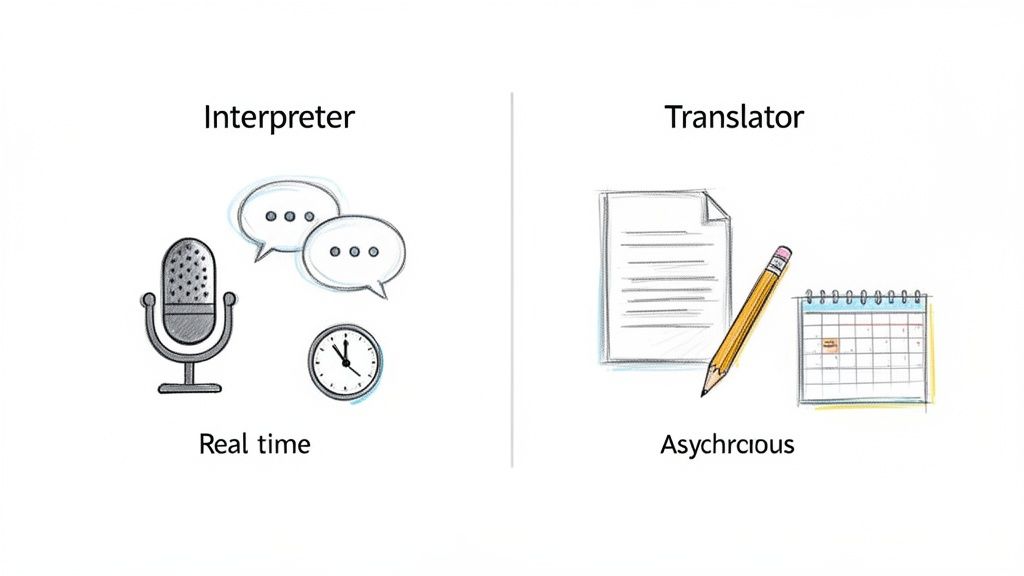
This core difference—spoken versus written—shapes every aspect of their work, from the skills they need to the way they price their services.
An interpreter acts as a verbal bridge, connecting people in real time. Their job is to listen to a speaker and immediately convey the meaning in another language. I've seen them in action in high-stakes environments like business negotiations, sensitive medical consultations, and fast-paced international conferences. The work is immediate, dynamic, and incredibly demanding.
A translator, on the other hand, works with static content. They take a document—like a legal contract, a website, or a marketing brochure—and meticulously craft a version in a new language. They have the luxury of time to research, edit, and perfect the text, ensuring it’s not just accurate but also culturally resonant.
Interpreter vs. Translator At a Glance
For a quick reference, here’s a table I use to break down the fundamental distinctions between these two critical roles.
These professionals are the backbone of the global language services industry, a market projected to hit $73.86 billion by 2032. Interpreters make immediate, live communication possible, while translators ensure written ideas travel accurately across borders.
Nailing this distinction is your first step to getting the right help. It's just as important as understanding the difference between transcription and translation, where information is also converted from one format to another.
"A translator has time to craft their words, using dictionaries and glossaries to find the perfect phrasing. An interpreter has only seconds to process, convert, and speak—a high-pressure performance of cognitive skill."
This single divide explains why a great interpreter isn't automatically a great translator, and vice versa. From what I’ve seen, each path demands a completely different set of mental muscles, training, and professional discipline to master.
Comparing the Skills and Professional Demands
While both roles bridge language gaps, the day-to-day reality for an interpreter and a translator couldn't be more different. The simple distinction between spoken and written words creates two distinct professions, each demanding a unique mindset, skill set, and set of tools. Grasping these differences is key to appreciating the specific expertise you’re hiring.
An interpreter is, in many ways, a performer. Their work is live, public, and requires incredible mental agility under pressure. They are constantly juggling listening, processing, and speaking in near-real-time, a high-stakes task that relies on sharp active listening and a powerful short-term memory.
A translator, on the other hand, is a craftsperson. Their work is a more solitary, deliberate process of sculpting text. They dive deep into the nuances of language, meticulously polishing sentences until they achieve perfect accuracy and cultural resonance. This is a world of research, editing, and a profound command of the written word.
Cognitive Load and Mental Agility
The mental load on an interpreter is staggering and immediate. It’s a constant cognitive balancing act: listening to the speaker's current sentence, mentally converting the one before it, and speaking the translation of the one before that—all while tracking the conversation's tone and intent. There’s no time to pause, look up a word, or second-guess a phrase.
This is precisely why simultaneous interpreters work in teams, typically swapping out every 20-30 minutes. It’s not just about preventing fatigue; it’s about maintaining the razor-sharp accuracy that the job demands. The skill is less about simply knowing languages and more about processing them under extreme, real-time pressure.
The translator’s cognitive load is spread out over hours or even days. Their challenge is one of deep analysis and creative problem-solving. A translator might spend an hour hunting down the perfect equivalent for a single obscure term or debating the subtle connotations of different word choices to make a marketing slogan land just right. Their work demands patience and an almost obsessive attention to detail.
An interpreter's currency is speed and accuracy in the moment. A translator's currency is precision and perfection achieved over time. They don't just speak or write two languages; they master two entirely different modes of thinking.
The Tools of the Trade
Just as their skills diverge, so do their toolkits. An interpreter’s success hinges on a flawless audio environment, while a translator depends on sophisticated software to ensure consistency and manage complex projects.
An interpreter's toolkit is all about facilitating clear, live communication:
- Headsets and Microphones: Crystal-clear audio is non-negotiable. Professional-grade equipment ensures nothing is lost in transmission.
- Soundproof Booths: Used for simultaneous interpretation at conferences, these booths are critical for isolating the interpreter from noise and allowing for total focus.
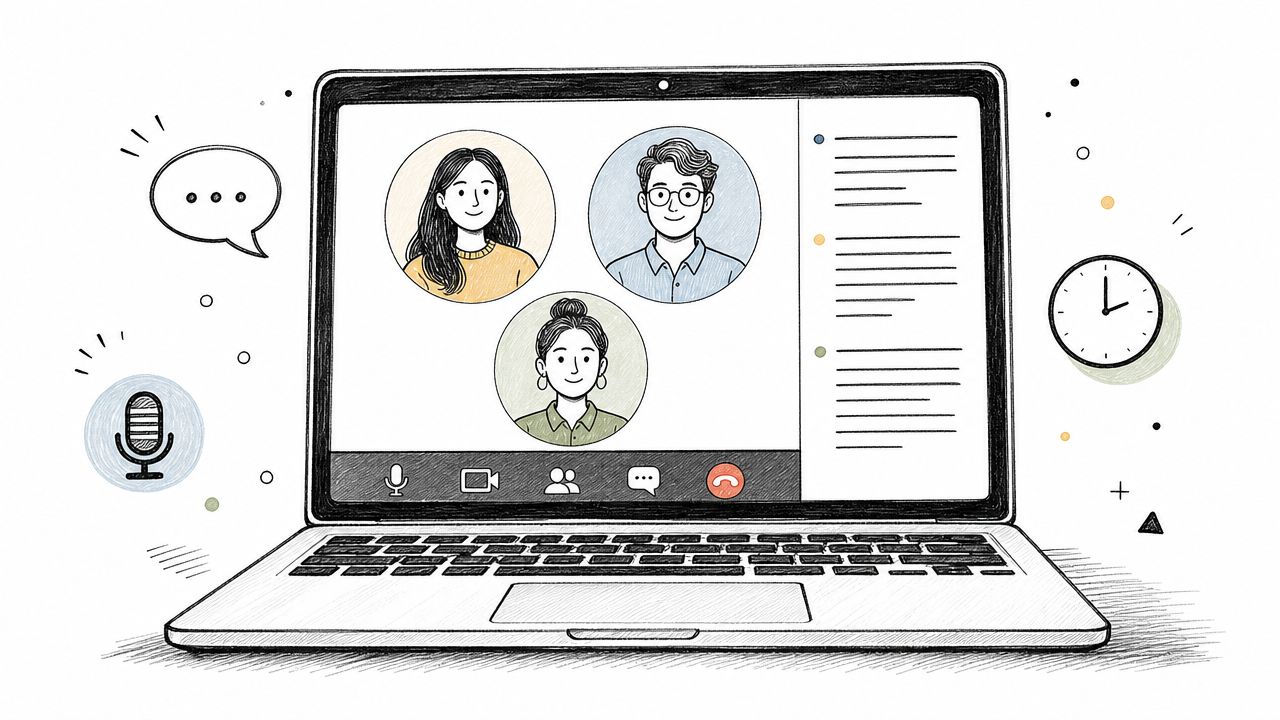
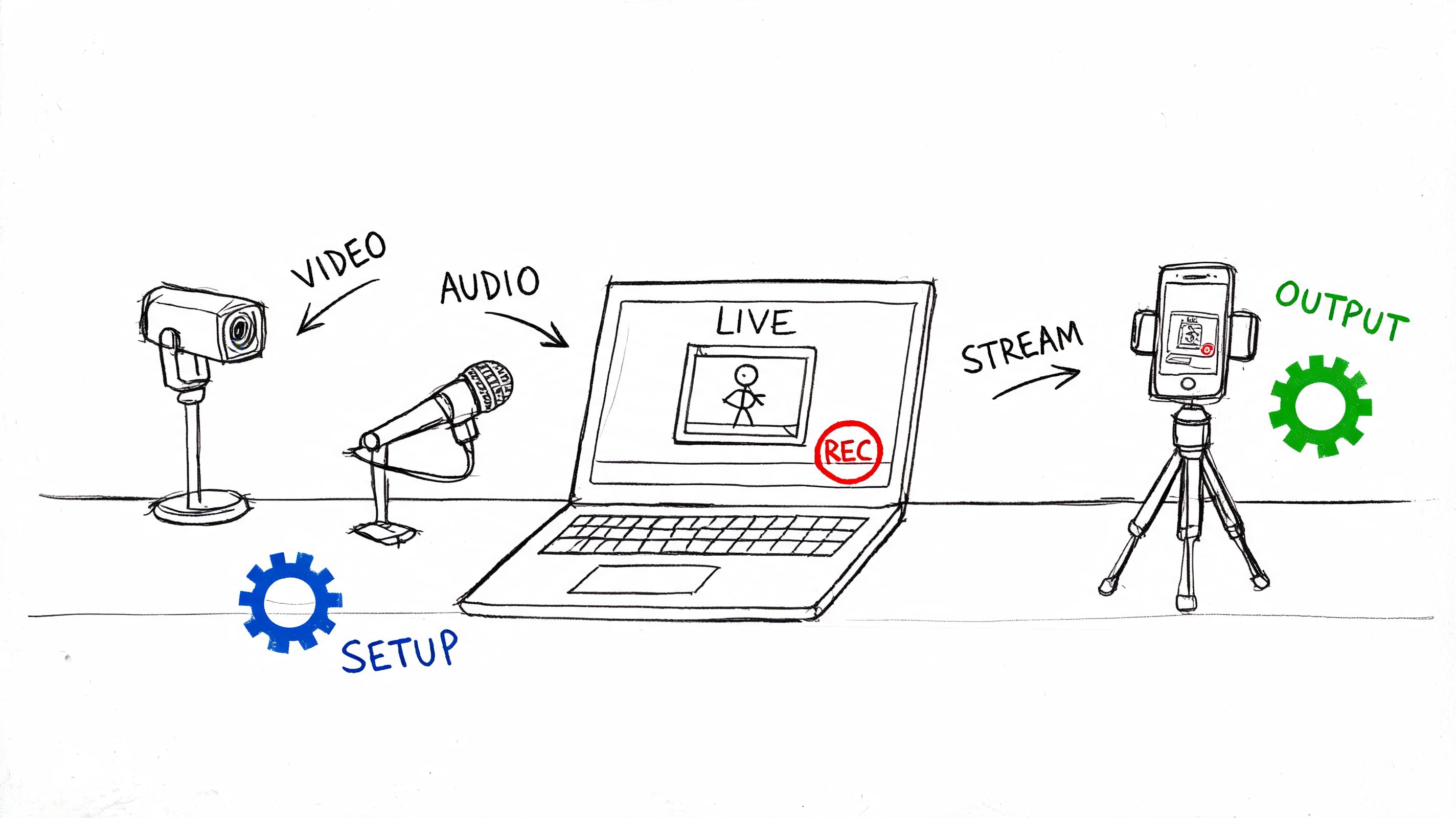
- Video Conferencing Platforms: For remote work, mastery of platforms like Zoom or Teams is essential for managing multiple audio channels and ensuring a smooth experience.
A translator’s toolkit is built around software and research:
- CAT (Computer-Assisted Translation) Tools: Programs like SDL Trados or MemoQ are the industry standard. They use "translation memory" (TM) to store past translations, ensuring consistency and speeding up work on large documents.
- Terminology Databases (Termbases): Think of these as custom-built glossaries. They store approved client or industry-specific terms, which is crucial for maintaining brand voice and technical accuracy.
- Digital Dictionaries and Research Portals: Translators are expert researchers, constantly cross-referencing specialized dictionaries, style guides, and even online forums to nail down the precise meaning and context of every word.
The market reflects these different demands. The global language industry was valued at USD 71.77 billion in 2022 and continues to grow. Interpretation services, which often command higher hourly rates for their on-the-spot, high-stakes nature, make up about 20-25% of this market. The rest is dominated by translation and localization projects for everything from software and websites to marketing campaigns and legal documents. You can dive deeper into these figures in this detailed report on the translation industry.
Ultimately, choosing between an interpreter and a translator isn't just about picking spoken versus written words. You're selecting a specialist whose entire professional world—their skills, temperament, and tools—is built for a very specific communication challenge.
When You Should Hire an Interpreter
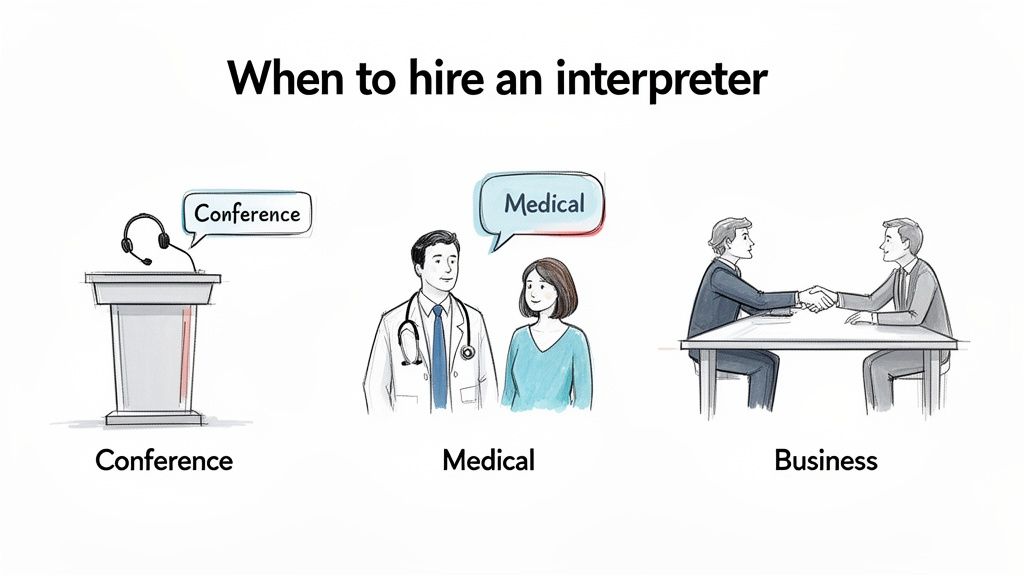
The simplest way to know you need an interpreter is to ask one question: Is the conversation happening right now? If your communication is live, dynamic, and spoken, you absolutely need an interpreter. Their job is to manage the real-time flow of meaning—a skill that’s essential, not just a nice-to-have.
In certain high-stakes environments, the need for immediate, accurate understanding is non-negotiable. In my experience, trying to get by without a live interpreter can lead to serious misunderstandings, blown opportunities, and even significant legal and safety risks.
Live Business Negotiations and Client Meetings
Think about a critical negotiation with a potential international partner. The discussion is fluid, with offers and counter-offers flying back and forth. Subtle shifts in tone and body language can completely change the dynamic. This is precisely where an interpreter proves their worth.
A great interpreter does far more than just swap words. They convey the urgency, intent, and nuance behind what's being said, making sure everyone is on the same page. Using a translation app or waiting to review translated notes later would kill the momentum and open the door to huge misunderstandings.
In live interactions, meaning is built through a rapid exchange of ideas. An interpreter facilitates this dynamic flow, whereas a translator can only capture what has already been said, long after the moment to respond has passed.
Without an interpreter in the room, you’re essentially flying blind. You risk misreading your counterparts, missing a key concession, or failing to build the rapport needed to seal the deal. The cost of a professional interpreter is a direct investment in the success of that conversation.
Medical and Legal Appointments
In medical and legal settings, the stakes couldn't be higher. A patient’s health or a client’s freedom can hinge on complete and total understanding. The precision required is immense, and there's simply no room for error.
Consider this: state court interpreter exams often have failure rates as high as 89%. That number alone should tell you why pulling in a bilingual family member or relying on a phone app is not just a bad idea—it’s dangerous.
A professional interpreter provides three critical safeguards:
- Medical Accuracy: They ensure a patient’s description of symptoms is conveyed precisely and that a doctor's diagnosis and treatment plan are understood without a trace of ambiguity.
- Legal Clarity: They guarantee all parties in a deposition, court hearing, or client meeting fully understand their rights and obligations.
- Confidentiality and Neutrality: A trained professional is bound by a strict code of ethics to remain impartial and confidential, something an untrained friend or family member simply cannot promise.
Choosing the Right Type of Interpretation
Once you've decided an interpreter is necessary, your next step is to choose the right type of interpretation for your event. This decision really boils down to the format of your gathering.
- Simultaneous Interpretation: This is the go-to for large conferences, live broadcasts, and formal international meetings (like at the UN). Interpreters work from a soundproof booth, listening to the speaker through headphones and speaking the translation into a microphone in real-time. Attendees listen through earpieces, so the speaker’s flow is never interrupted.
- Consecutive Interpretation: This method is perfect for smaller, more interactive settings—think business meetings, doctor’s appointments, or legal depositions. The speaker says a sentence or two and then pauses. In that pause, the interpreter renders what was just said into the other language. While it effectively doubles the length of the meeting, it creates a more personal, conversational rhythm.
At its core, the choice between an interpreter vs translator comes down to whether the conversation is live and evolving. If you need to understand and be understood in a spoken conversation, as it happens, an interpreter is always the right call.
When You Need a Professional Translator
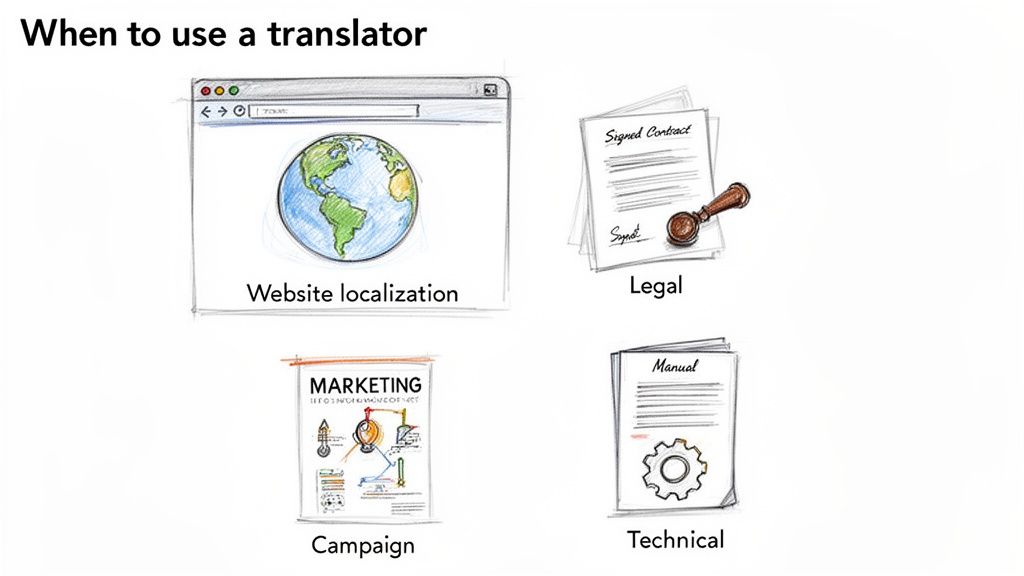
While interpreters handle the fast-paced world of live conversation, translators work with the written word. If your content is something people will read, re-read, and keep for future reference, you absolutely need a translator.
Think of it this way: a translator’s job isn't a performance; it’s a craft. They have the time to dive deep into the source material, research nuances, and carefully polish every sentence. This is something an interpreter, who has to think on their feet, simply can’t do. For any material with a long shelf life—from a website to a legal contract—this meticulous process is non-negotiable.
Adapting Content for Global Audiences
Going global means more than just hitting "translate" on your website. True international growth hinges on localization, which is the art of adapting your content so it feels completely natural to a specific audience. A professional translator is your guide in this process.
For instance, a clever marketing slogan from the US might fall flat—or worse, be offensive—in Japan. A translator doesn't just change the words; they re-engineer the message to fit local customs, humor, and values. They consider everything from the symbolism of colors to the preferred payment methods on a checkout page.
This detailed approach is essential for:
- Website Localization: Making your site feel like it was built by locals, which is a huge factor in building trust and boosting sales.
- Marketing Campaigns: Reworking ad copy and social media posts to connect with a new culture on an emotional level.
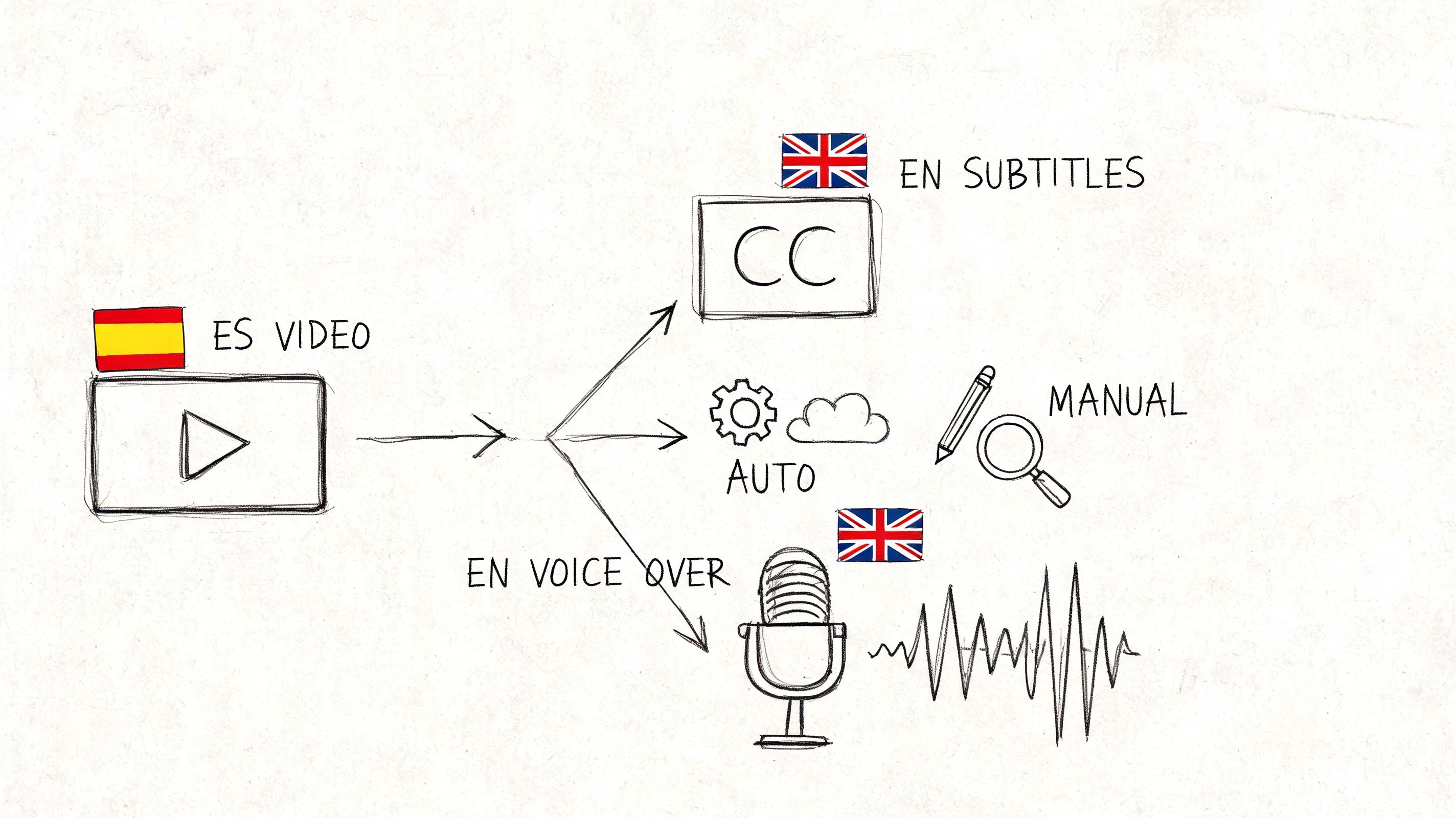
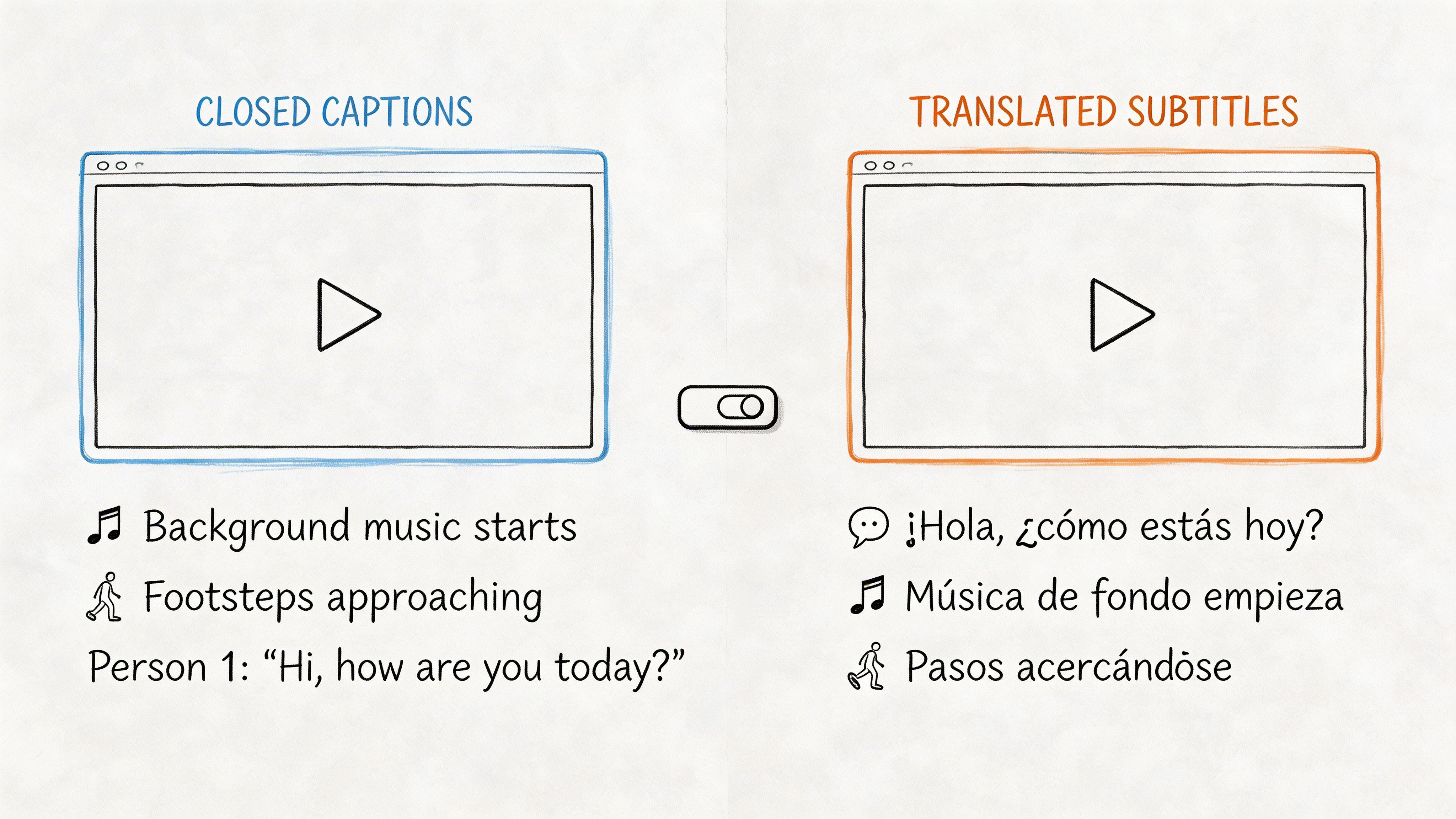
- Video Content: Translating scripts for voice-overs or understanding what a subtitle is and how to create one that audiences will actually read.
Ensuring Accuracy in High-Stakes Documents
For certain documents, there is zero room for error. When it comes to legal, technical, or financial content, a single mistranslated word can have disastrous results. This is where relying on machine translation becomes a massive liability.
A poorly translated clause in a business contract can easily spiral into a multi-million dollar lawsuit. An error in a technical manual for heavy machinery could cause a life-threatening accident. This isn't just about good grammar; it's about managing serious risk.
This is why the best professional translators are also subject-matter experts. You can hire a translator who is also a lawyer, an engineer, or a financial analyst. They don't just know the language; they understand the industry jargon, the complex concepts, and the legal implications behind the words.
You'll find a specialist translator is irreplaceable for:
- Legal Contracts: Translating partnership agreements, privacy policies, or NDAs where every comma matters and ambiguity can create loopholes.
- Technical Manuals: Converting user guides and safety protocols so that equipment is operated correctly and safely by anyone, anywhere.
- Financial Reports: Adapting annual reports, investor updates, and compliance paperwork where accuracy is legally mandated.
So, if your content is written down and meant to inform, persuade, or create a binding agreement, a translator is the right call. Their ability to research, edit, and perfect the text is what ensures your message is clear, accurate, and culturally on point.
How AI Tools Are Reshaping Language Workflows
The old debate of interpreter vs. translator has a new player at the table: artificial intelligence. But this isn't a story about robots taking jobs. From my experience, the smartest teams aren't replacing their human experts with AI; they're using it to make their entire language workflow faster and more efficient.
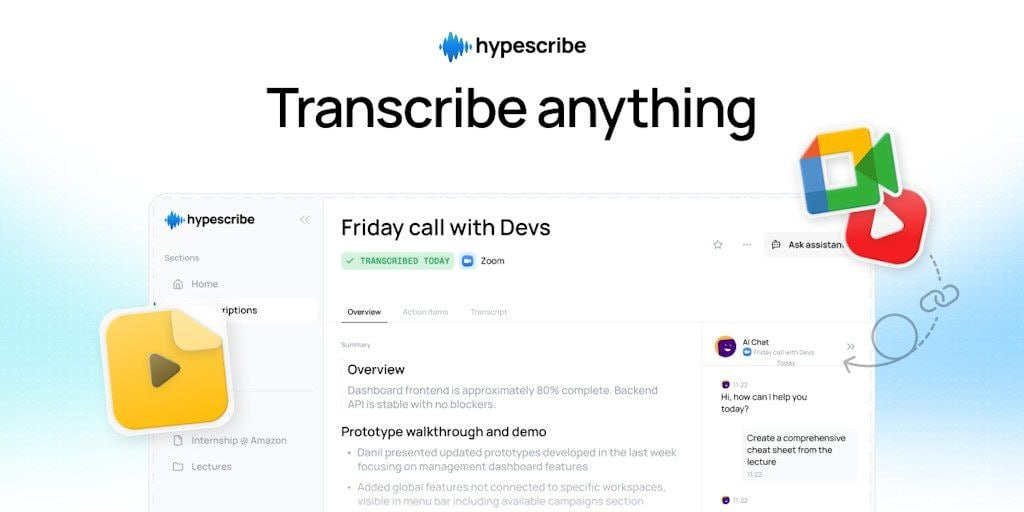
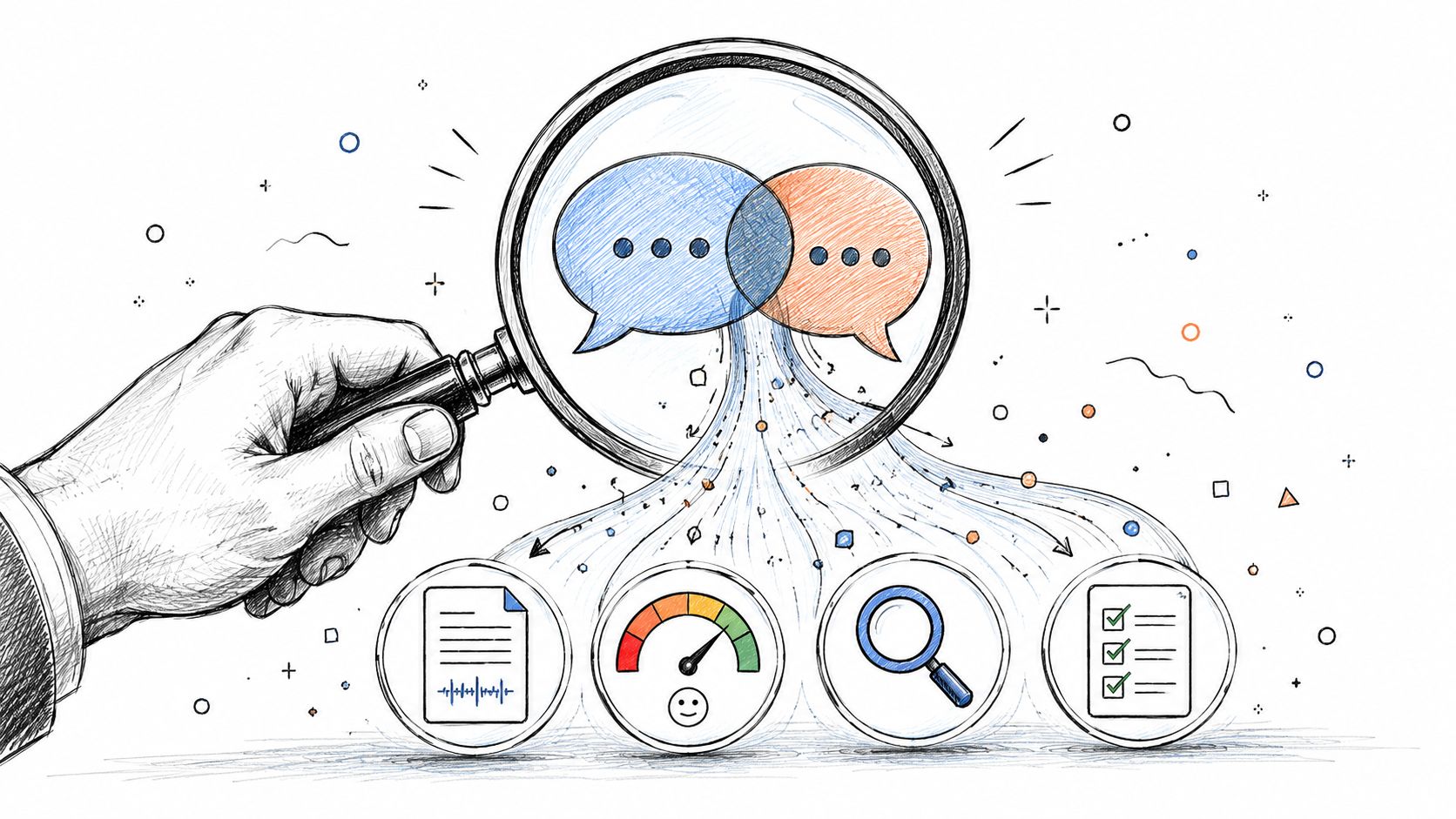
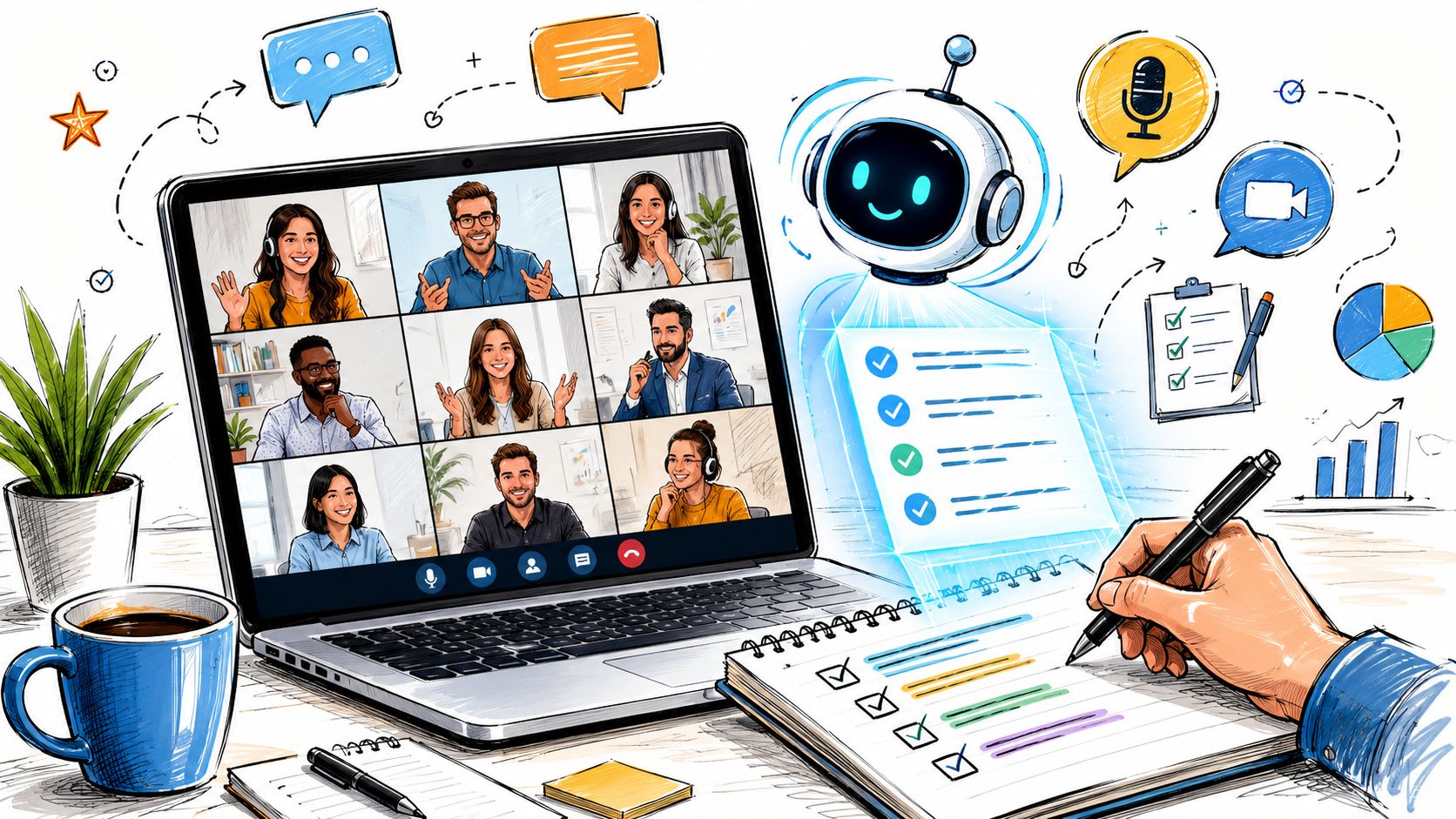
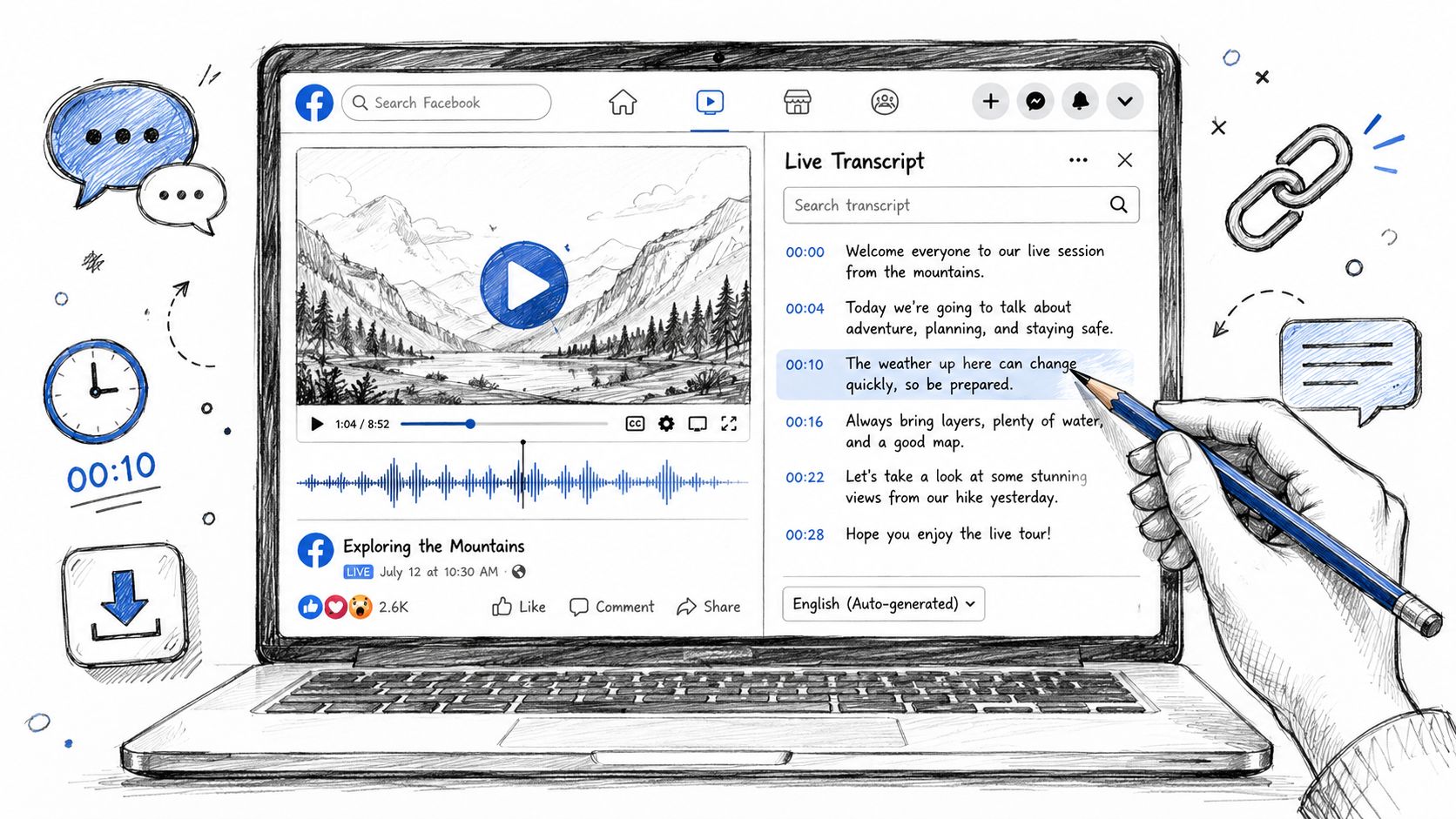
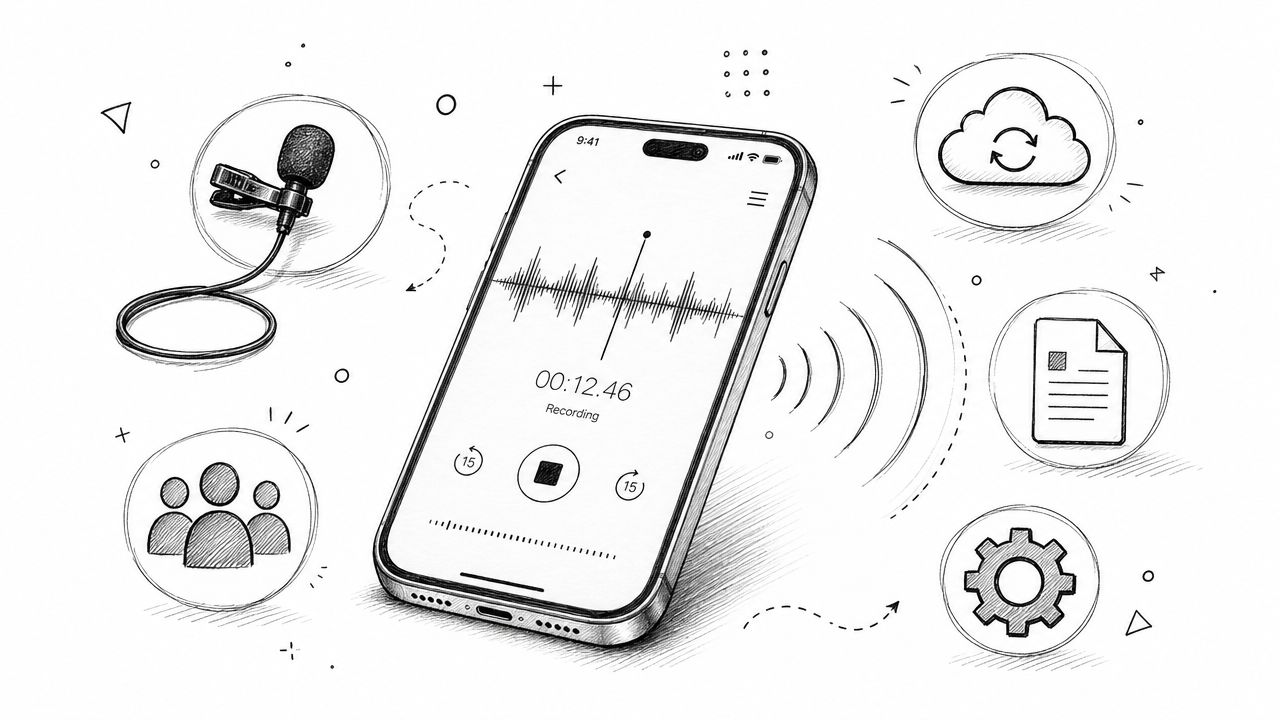
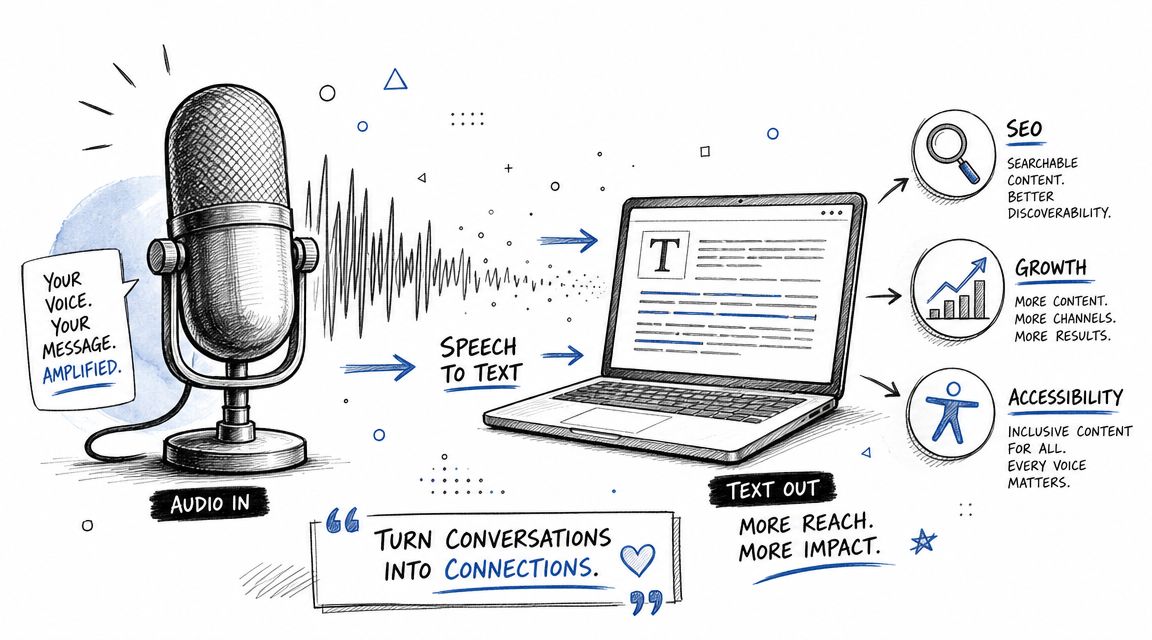
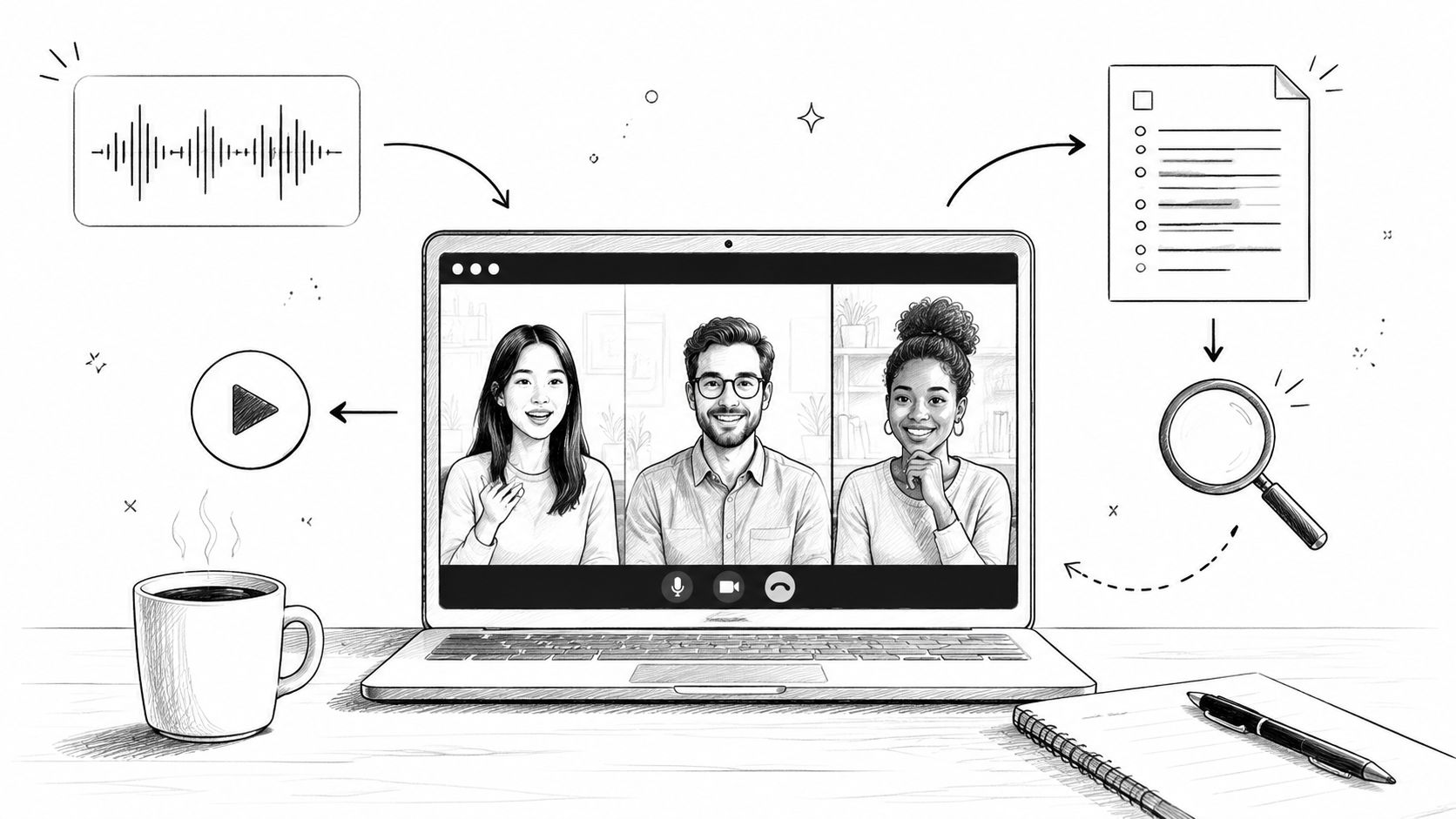
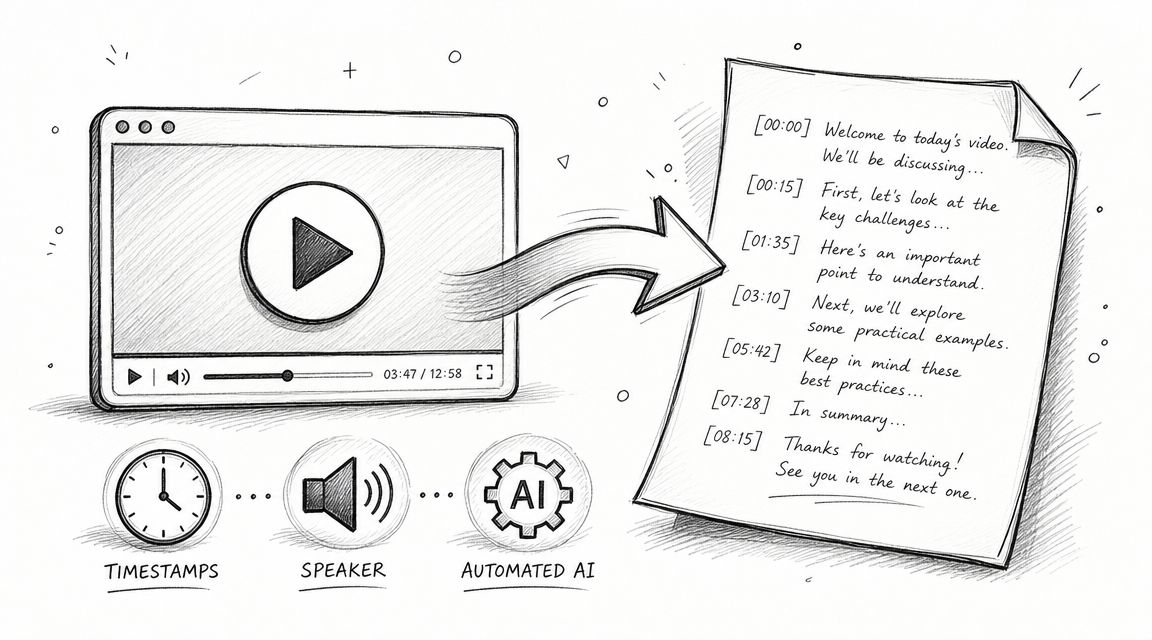
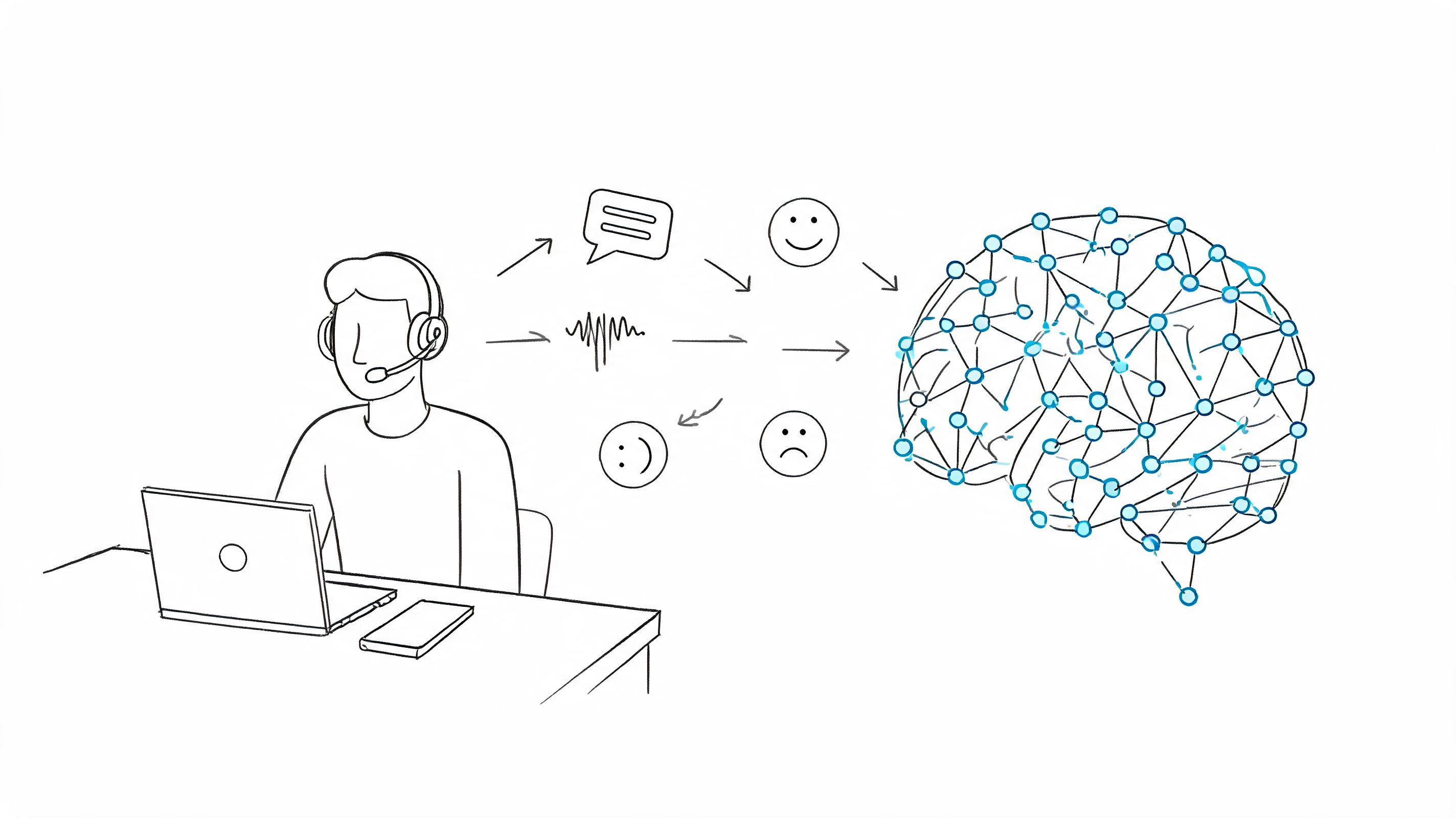
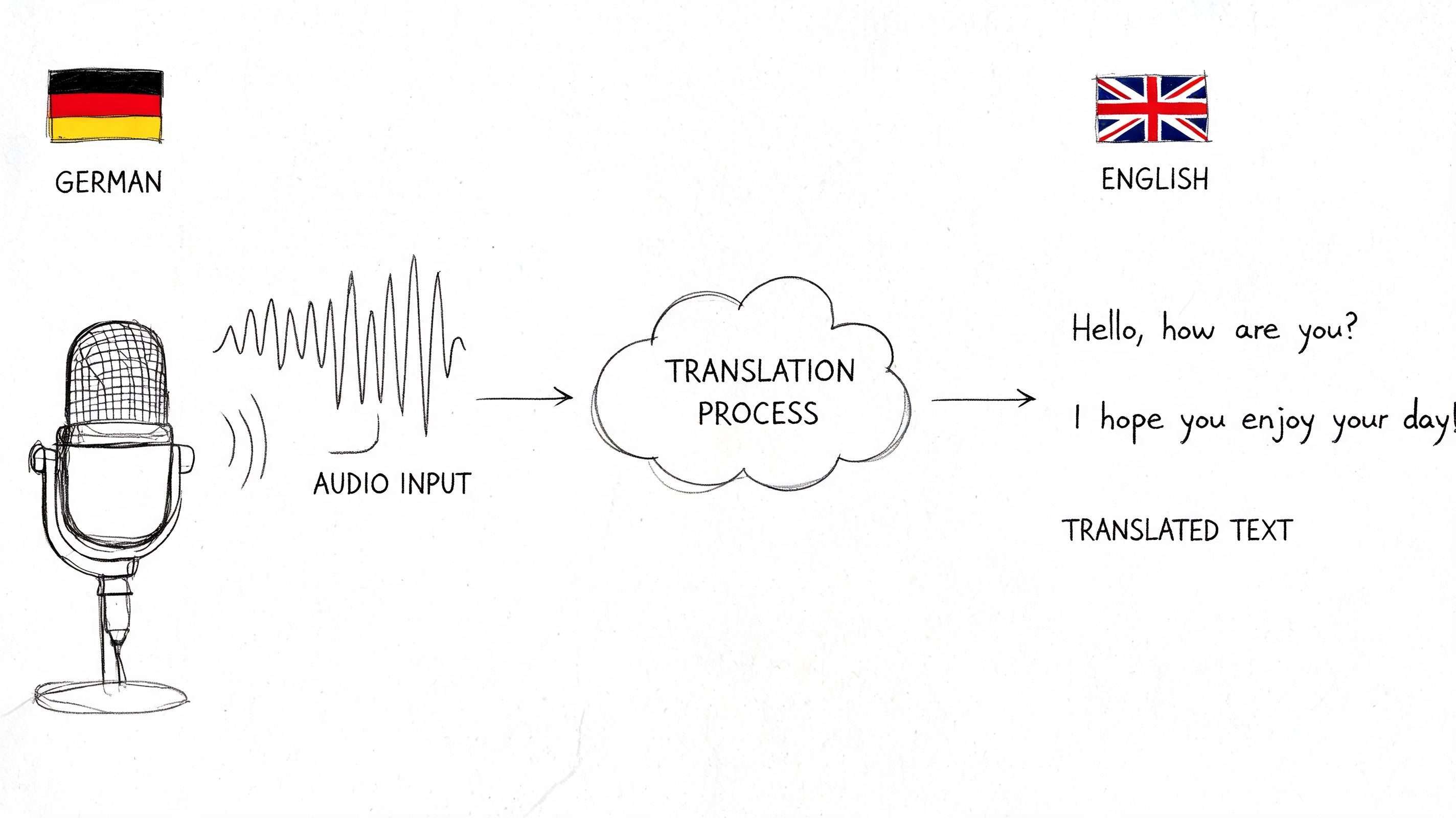
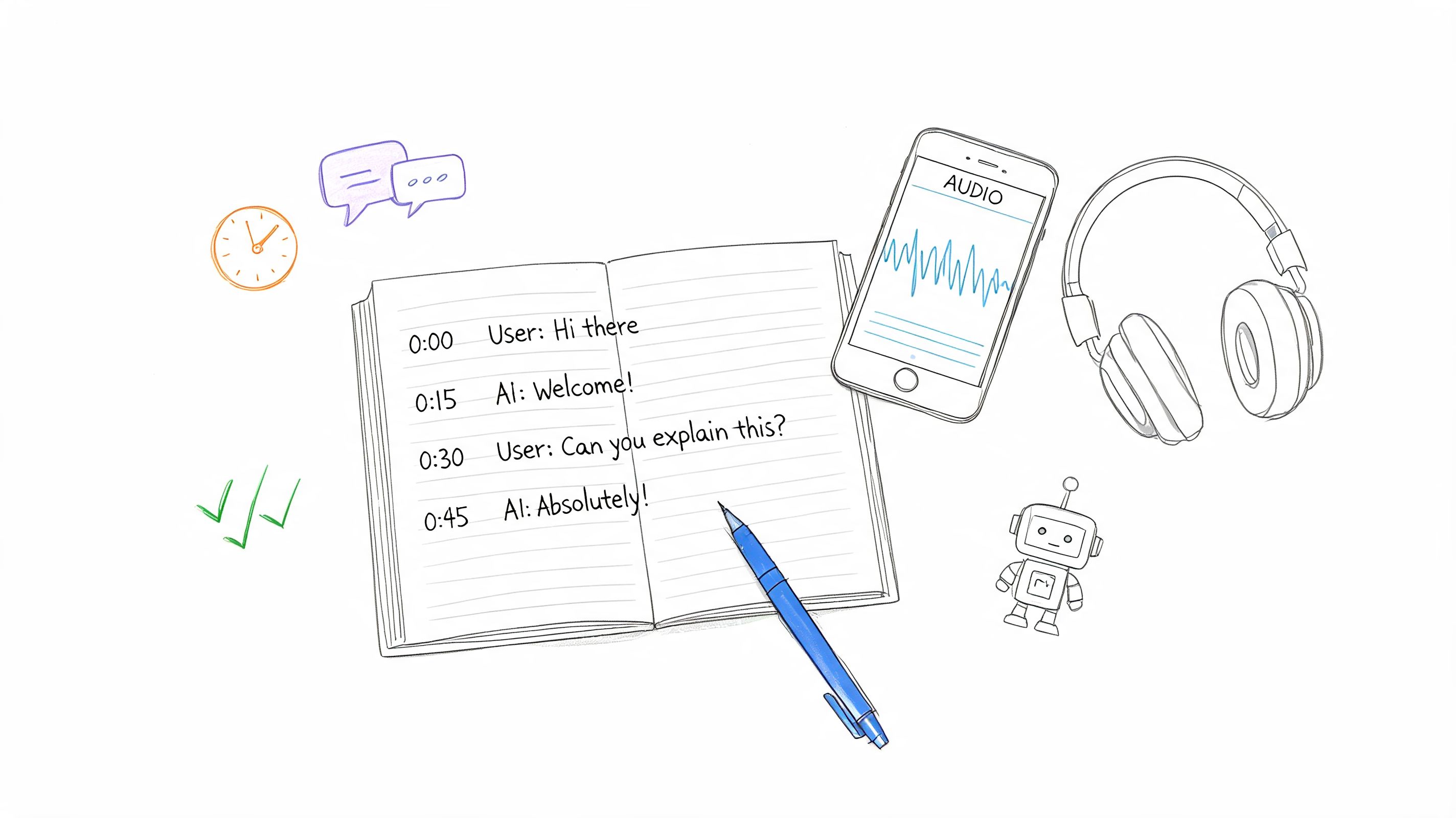
One of the biggest shifts I’ve seen is happening thanks to AI-powered transcription. In the past, the only way to get a record of a multilingual conversation was to have an interpreter there to take notes or translate live. Now, a tool like HypeScribe can listen in on a meeting, capture everything that’s said with startling accuracy, and deliver a full text transcript almost instantly.
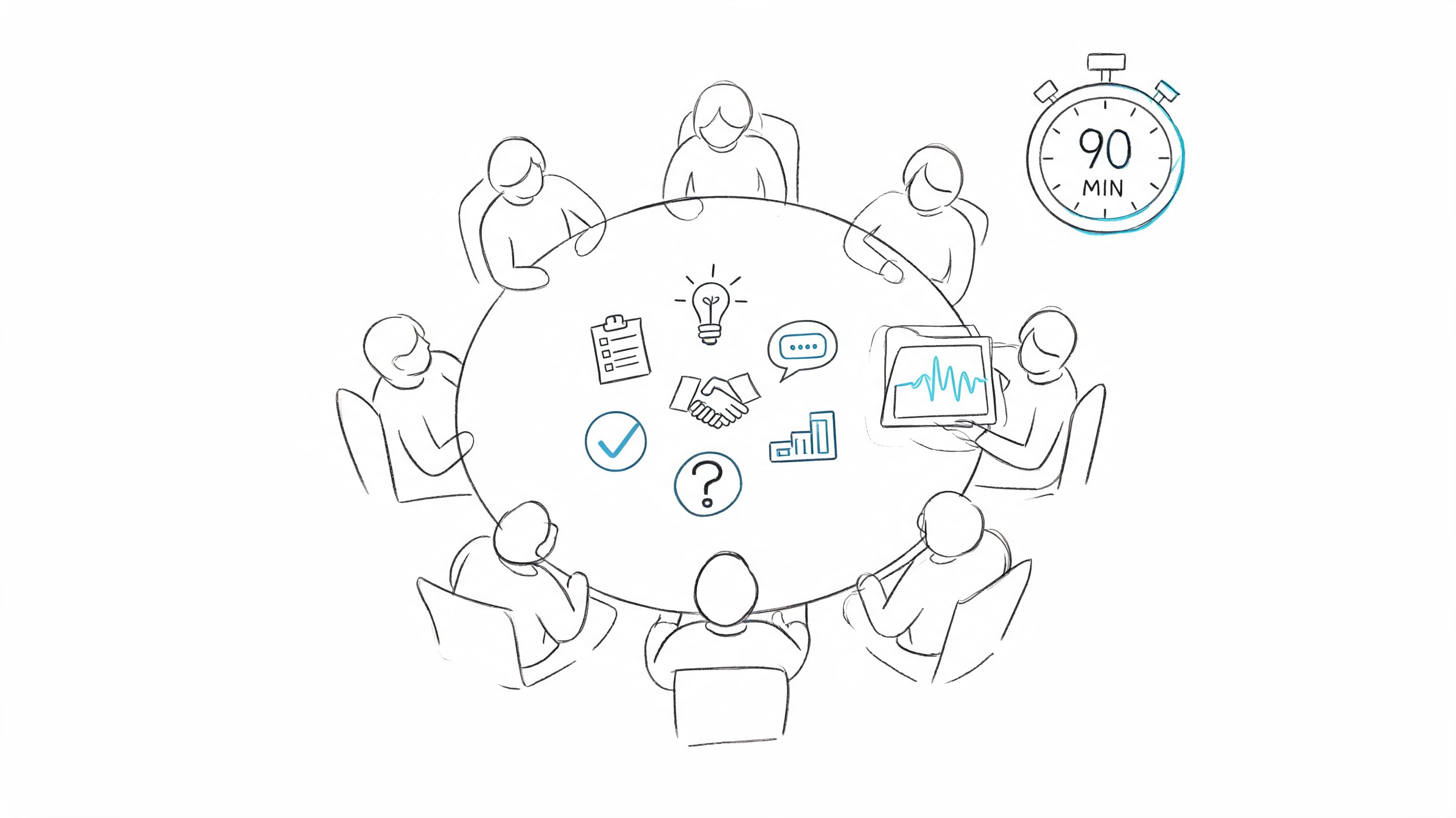
This opens up a whole new way of working. Think about all the internal calls—team debriefs, brainstorming sessions, or research interviews—where you don't necessarily need the immediate back-and-forth an interpreter provides. An accurate transcript gives you a searchable, permanent record you can always refer back to.
Finding the Right Place for AI
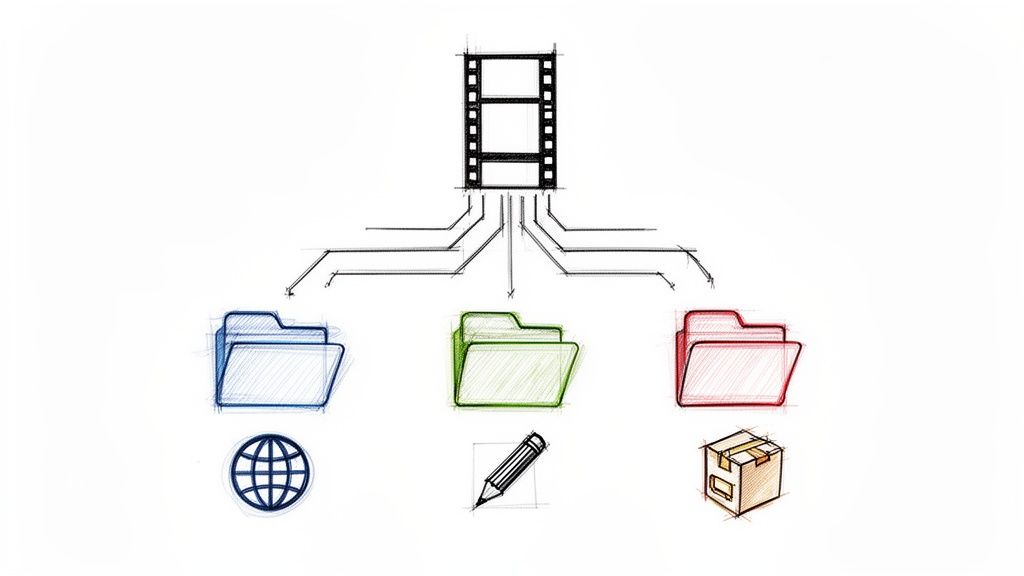
The real magic happens when you see AI not as the final step, but as a seriously effective first one. Once you have a clean transcript of a spoken conversation, you can use it in a few different ways.
This model turns AI into a powerful assistant. It tackles the grunt work of turning speech into text, which frees up your human experts to focus on the high-value tasks that demand cultural understanding, strategic thinking, and genuine nuance.
It's a true collaboration:
- AI handles the initial capture: An AI transcription tool records the spoken words, creating a reliable data source.
- Humans provide the polish and insight: A team member can then pull out key action items, or a professional translator can use that transcript as a foundation to craft a perfectly polished and culturally adapted document.
This hybrid approach saves a ton of time and money. It lets you document far more of your spoken content without needing a live interpreter for every single meeting. You reserve your human experts for the moments they’re truly indispensable. You can explore how these tools fit into your own process in our guide to AI-powered transcription software.
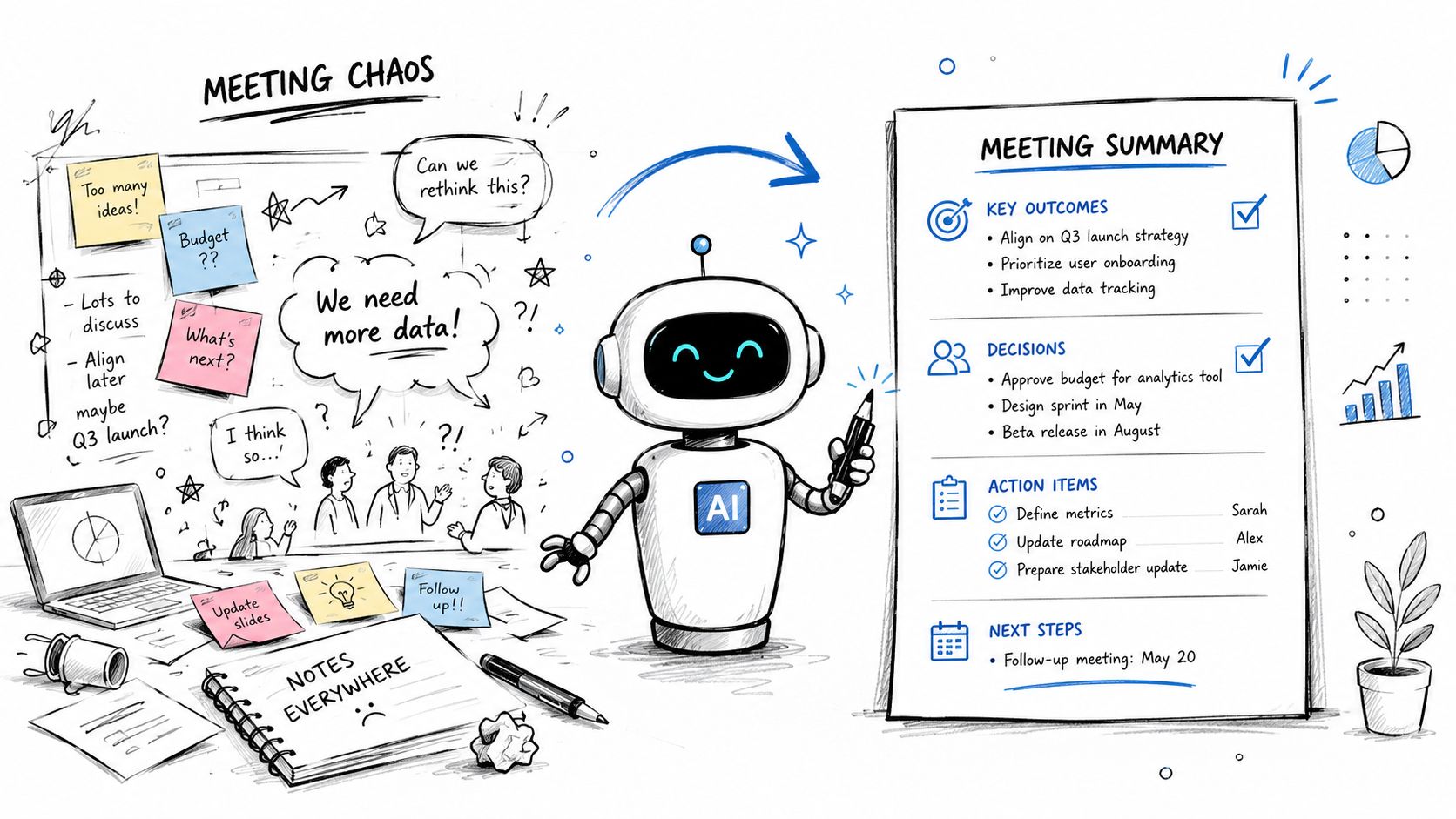
AI transcription doesn't eliminate the need for skilled interpreters or translators. It creates a new asset—a clean text source—that can be used for summaries, action items, or as the starting point for a professional human translation.
Human Experts and AI Are Both in High Demand
Here's the interesting part: even with all this new tech, the demand for human language professionals is actually growing. It's just changing shape. Projections show that employment for both interpreters and translators is set to grow by 4% between 2022 and 2032. The entire language services market is on track to hit USD 98.11 billion by 2028, fueled by globalization and the boom in remote work.
At the same time, the machine translation market—valued at USD 1 billion in 2022—is expected to explode to USD 7.57 billion by 2032. These numbers aren't contradictory; they show two parallel trends.
- Interpreters are more crucial than ever for the high-stakes, real-time communication that defines our connected world.
- Translators are leveraging AI tools to work more efficiently, using machine-generated first drafts so they can focus their time on expert editing, localization, and creative adaptation.
This relationship between human skill and machine speed is redefining how businesses operate globally. For a deeper dive into these trends, the team at Parakeet AI's blog offers some excellent analysis.
In the end, this isn't an "either/or" decision. It’s about building a smarter toolkit. Use AI transcription to efficiently capture and document information, then bring in your professional interpreters and translators when you need the judgment, cultural awareness, and precision that only a human expert can deliver.
Your Checklist for Choosing the Right Language Service
Now that you know the difference between an interpreter and a translator, how do you decide which one you actually need? Making the right call is about matching the service to your specific situation. This guide walks you through the practical questions we ask to make a smart, cost-effective decision every time.
Choosing correctly begins with a clear-eyed look at your context. The framework below will help you define your needs and point you toward the best fit—whether that’s a human expert, an AI tool, or a combination of both.
Assess Your Core Requirements
Let's start with the basics. Your answers to these first few questions will immediately cut through the confusion and put you on the right path.
- Is the communication live or on-demand?
- Live: If you're dealing with a real-time conversation—a conference, business negotiation, or client meeting—you need an interpreter. Their entire job is to manage the back-and-forth of a live dialogue.
- On-demand: If you're working with something that already exists—a document, website, audio file, or video recording—you're in the realm of a translator or an AI tool.
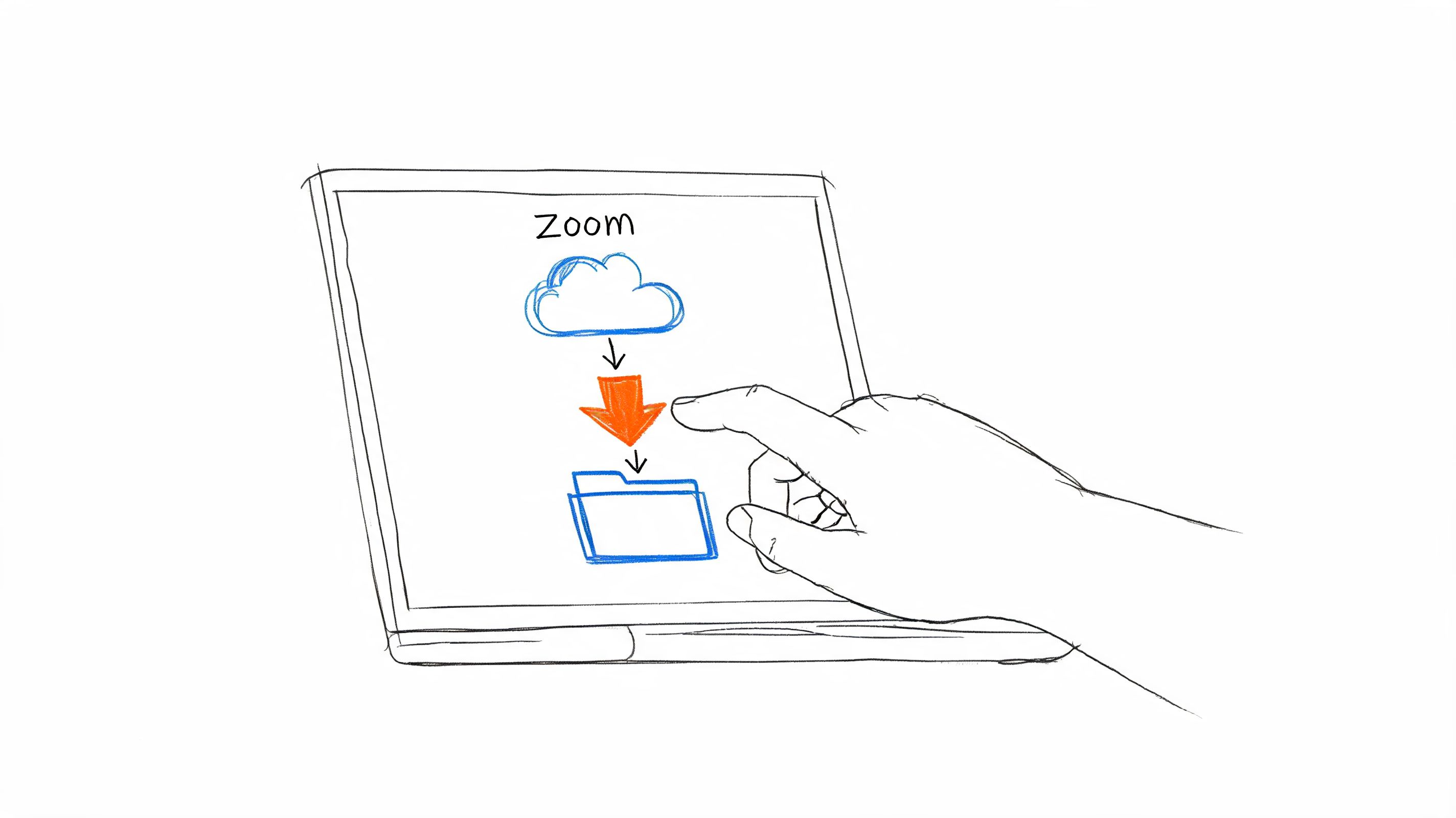
- Spoken: For live spoken language, it's always an interpreter. For recorded audio like a podcast or a Zoom meeting you want to analyze later, a transcription tool like HypeScribe is a fantastic place to start.
- Written: If your source material is text, you need a translator. This applies to everything from legal contracts and marketing copy to technical manuals.
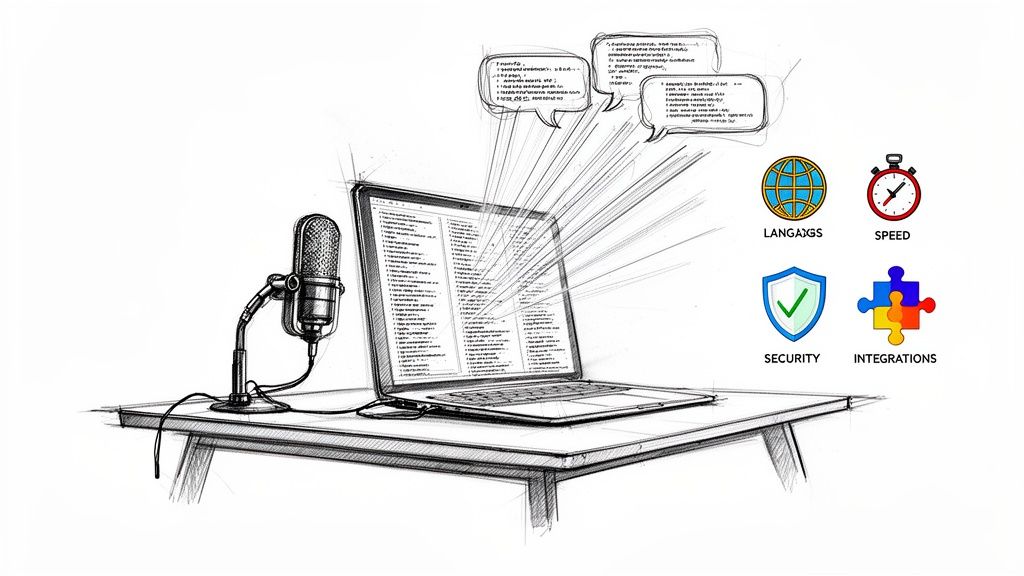
This decision tree helps visualize that first critical step of sorting your needs into the right bucket.
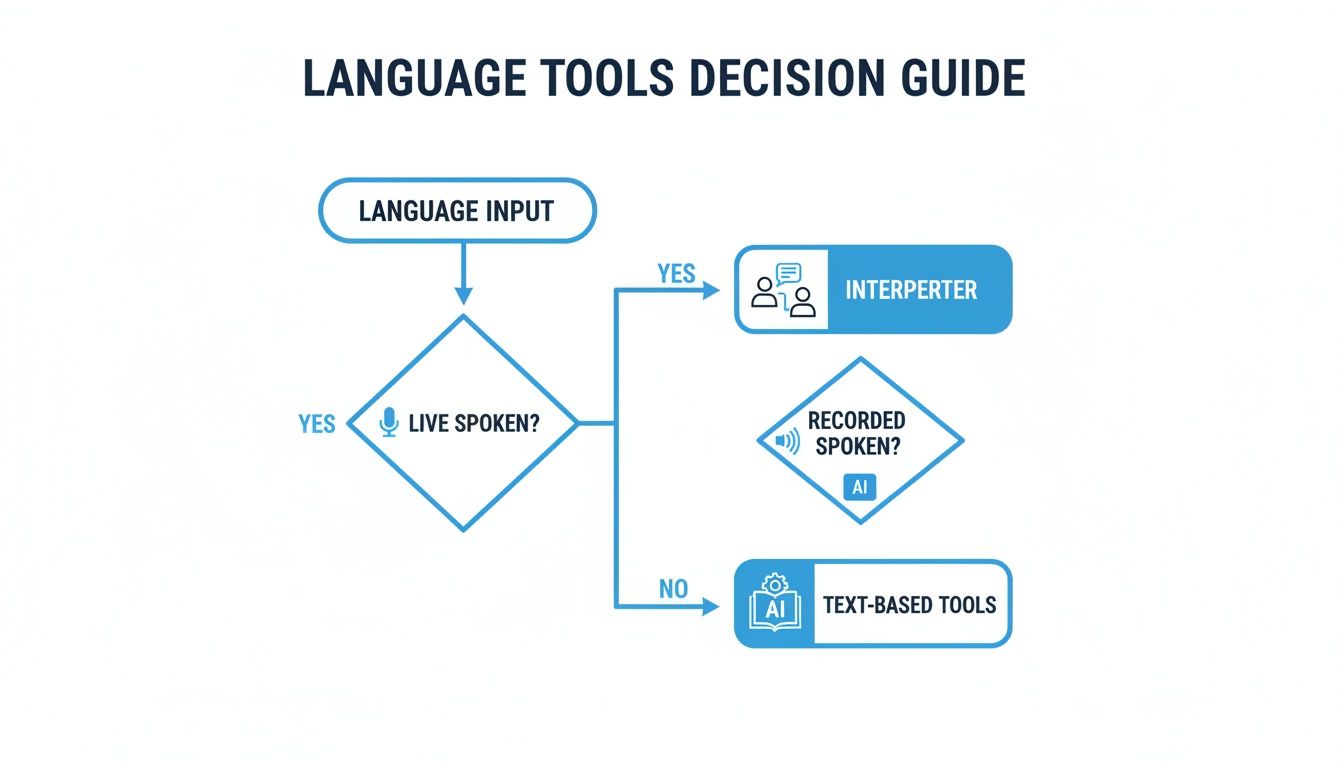
The main takeaway is simple: the format and timing of your content are the biggest factors. Whether it's live speech, a recording, or a written document will guide your choice from the very beginning.
Evaluate the Stakes and Nuances
Once you've determined the format, it’s time to think about the subtleties. The potential fallout from a mistake and the need for cultural sensitivity will help you decide between a human expert and an AI solution.
The consequences of a mistake are your best guide. For a low-risk internal brainstorm, an AI summary might be enough. For a legally binding contract, a certified human translator is the only responsible choice.
Ask yourself these final questions to lock in your decision:
- What happens if there's an error? If a misunderstanding could cause legal problems, safety hazards, or major financial losses, you absolutely must hire a professional human. No exceptions.
- How much cultural adaptation is required? For things like marketing slogans or creative campaigns that need to resonate deeply, a translator with cultural expertise is non-negotiable. If you just need the gist of a conversation for internal notes, an AI tool will get the job done.
- What's your budget and timeline? If you need instant, low-cost results from recorded content, AI transcription is your best bet. But for high-stakes live events or critical documents that demand perfection, the investment in a human professional is always worth it.
If you're interested in exploring how artificial intelligence is shaping our relationship with language, you can find more on the topic of AI and Language Learning. By combining your core needs with a realistic risk assessment, you'll be equipped to make the right choice, every time.
Frequently Asked Questions
Even after you've grasped the main differences, some practical questions always seem to pop up when it's time to hire. Let's tackle a few of the most common ones to help you make the right call.
Can a Bilingual Person Be an Interpreter or Translator?
It’s a common misconception that anyone who speaks two languages can just step in and do this work professionally. The short answer is no. While being bilingual is the absolute baseline, it’s really just the price of entry.
Professional interpreters and translators build on that foundation with years of specialized training. They master complex skills like simultaneous interpreting for live events or using sophisticated CAT tools for written documents. They also operate under strict ethical codes. Think of it this way: state court interpreter exams can have failure rates as high as 89%. That number alone shows you the level of skill required goes far beyond simple fluency.
Hiring an untrained bilingual person for a professional task is like asking someone who enjoys cooking to cater a 200-person wedding. The core skill is there, but the professional process, discipline, and ability to perform under pressure are missing.
How Are Interpreters and Translators Paid?
Their pricing structures are a direct reflection of how they work. Since their craft is delivered in real-time, interpreters are almost always paid by the hour or by the day. It’s also standard practice for them to have a minimum booking time, like a two-hour minimum, to make the engagement worthwhile.
Translators, on the other hand, deal in the written word, so their pricing is based on volume. You’ll typically see them charge by the word or, for more creative projects like a marketing campaign localization, they might quote a flat project fee.
Is Machine Translation Good Enough Yet?
This is the big question on everyone's mind. AI tools like Google Translate are fantastic for getting the basic "gist" of a text. If you need to quickly understand an internal email from a global colleague or get the main idea of a foreign news article, they work just fine.
However, the moment the stakes get higher, the answer is a firm no. For any content that your customers will see, that carries legal weight, or that depends on cultural nuance, you absolutely need a human translator. An algorithm can't detect subtle humor, understand the cultural baggage of a specific phrase, or appreciate the legal gravity of a single word. That’s where a human expert is, and will continue to be, indispensable.
Ready to turn your team's spoken conversations into accurate, searchable text? HypeScribe uses advanced AI to transcribe meetings from Zoom, Google Meet, and Microsoft Teams, delivering smart summaries and action items in seconds. Move from discussion to decision faster by visiting https://www.hypescribe.com.