Goals of a Meeting: How to Set and Achieve Them

You join a meeting to “align.” Ten minutes in, half the group is still arriving, one person is giving a status update nobody asked for, and someone says, “So what are we trying to decide today?” At that point, the meeting is already in trouble.
Most bad meetings do not fail because people are lazy or disengaged. They fail because nobody defined the goal tightly enough to guide the conversation, the agenda, and the follow-up. The fix is simpler than many organizations perceive. Get clear on the goals of a meeting before it starts, then measure whether the meeting delivered.
The High Cost of Goal-less Meetings
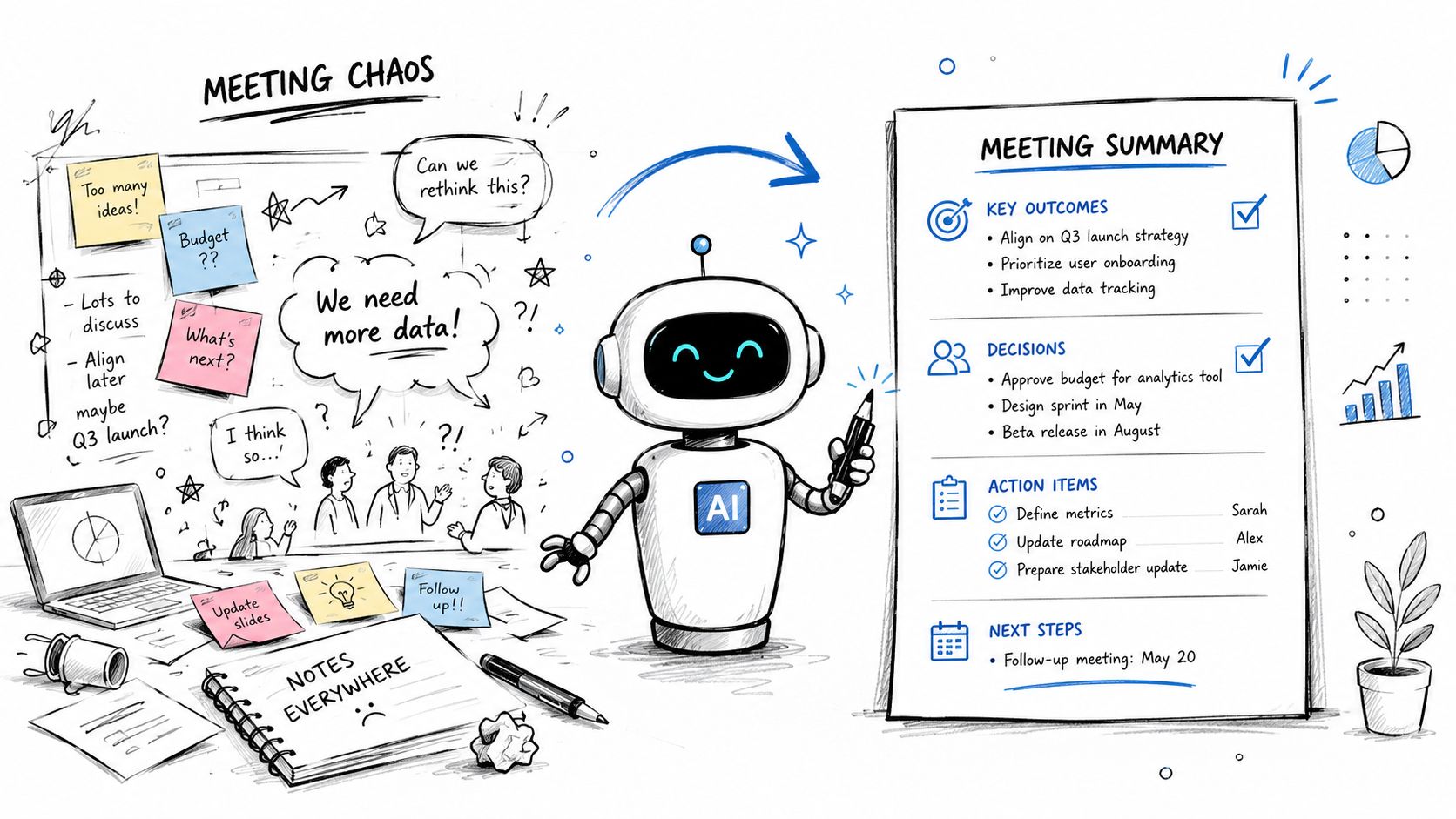
A goal-less meeting has a familiar rhythm. The organizer opens with a broad topic. People talk around it. A few side issues take over. Someone raises a problem that needed different attendees. Time runs out. The call ends with vague next steps and another meeting on the calendar.
That pattern is expensive because it repeats across teams.

Remote and hybrid teams feel this more sharply. Existing guidance on meetings often covers agendas and participation techniques, but it misses the harder part: tying the meeting goal to measurable success. That gap matters because 74% of remote workers report meetings fail to achieve intended outcomes due to unclear KPIs, and post-2025 data also showed a 28% increase in “goal drift” from time zone misalignments and tech glitches according to Diversio’s discussion of inclusive meeting practices.
A drifting meeting causes more than irritation.
What the damage looks like in practice
- Decisions stay unresolved: People leave believing different things were agreed.
- Preparation gets weaker: If the objective is fuzzy, attendees do not know what data, documents, or opinions to bring.
- Follow-up becomes guesswork: Owners and deadlines are inferred later instead of agreed in the room.
- Recurring meetings become rituals: Teams meet because the calendar says so, not because an outcome is needed.
I have seen weekly team calls that should have been short written updates. I have also seen one sharp meeting replace three scattered conversations because the organizer stated the goal in one sentence and held the room to it.
A meeting should earn its place on the calendar by producing an outcome, not by creating the appearance of coordination.
If you need a broader playbook for structure and facilitation, Fluidwave’s guide on how to run effective meetings is a useful companion. But the foundation comes first. Before process, before tools, before note-taking, the goals of a meeting have to be explicit.
Why Clear Goals Transform Meeting Outcomes
A meeting without a clear goal is like a ship without a destination. People may stay busy on deck, but motion is not progress. A defined goal changes the room because it tells everyone what matters, what does not, and what success looks like before the first person speaks.
The difference shows up in behavior. When attendees know the purpose, they prepare with relevance. They bring the right data. They ask better questions. They challenge side conversations faster because those conversations now have a visible standard to fail against.
Clear goals create focus
Professionals already know this intuitively. 72% identify setting clear objectives as what makes a good meeting, yet only 30% of meeting time is spent working toward meeting objectives, and 11% is wasted on waiting for participants to arrive according to these meeting statistics from Better Meetings. The same source notes that 67% emphasize the importance of a clear agenda, while 46% of meetings focus primarily on project status updates.
That last point matters. Status updates are often useful, but they rarely justify a live meeting on their own. Many teams use meetings to transmit information, but the primary value of a meeting should be one of these:
- Decision-making
- Problem-solving
- Alignment on trade-offs
- Commitment to action
Clear goals improve accountability
A strong goal also changes accountability. If the stated goal is “review launch readiness and decide whether to approve the release,” everyone can tell by the end whether the group succeeded. If the goal is “talk about launch,” nobody can judge the outcome because there was no standard in the first place.
Behavioral friction becomes easier to manage too. The same Better Meetings source reports that 55% of participants cite people taking phone calls or texting as a major detractor, 50% identify interruptions between participants, and 49% point to poor listening and late arrivals. A clear objective does not eliminate bad habits, but it gives the facilitator a legitimate reason to redirect them.
When a meeting goal is visible, interruption feels like deviation. When no goal is visible, interruption feels normal.
Clear goals help people decide if they should attend
One of the most practical uses of a meeting goal is attendee selection. If the goal requires a decision, include decision-makers. If it requires technical input, invite the people who own the constraints. If someone does not influence the outcome, they probably need the summary, not the invitation.
That is why the goals of a meeting are not administrative fluff. They are the control mechanism for focus, attendance, preparation, and follow-through.
How to Write SMART Goals for Any Meeting
Weak meeting goals frequently fail in one of two ways. They are too broad, or they describe a topic instead of an outcome. “Discuss hiring plan” is not a goal. It is a subject area. A real goal states what the meeting should produce.
The most dependable way to write one is the SMART framework: Specific, Measurable, Achievable, Relevant, and Time-bound.

Mural’s article on meeting goals makes the key distinction clearly. Vague goals such as “discuss the project” weaken meeting effectiveness, while a goal like “identify obstacles in delivering the XYZ project on time” creates focus. The same source notes that action item extraction and smart summaries support the Measurable and Achievable parts by turning conversation into trackable deliverables.
Specific means one outcome, not a theme
A specific goal names the exact result.
Bad: Discuss Q3 marketing.
Better: Decide which campaign message will lead the Q3 launch.
A useful test is simple: could a late attendee read the goal and understand what the meeting is trying to produce?
Measurable means you can verify completion
Many teams stop too early at this stage. They write a clearer sentence, then never define how they will know it worked.
Bad: Align on customer onboarding issues.
Better: Identify the top three onboarding blockers and assign an owner for each.
If you want a practical prep checklist before the meeting, this guide on https://www.hypescribe.com/blog/how-to-prepare-for-meeting is worth reviewing.
Achievable means suitable for the time and people in the room
Some meetings fail because the goal is too ambitious for the duration, the attendees, or the available inputs.
Bad: Finalize the entire reorg plan in 30 minutes.
Better: Review the proposed reorg options and choose one model for deeper drafting.
A good rule is to ask, “Can this group realistically complete this outcome with the information available today?”
Relevant means tied to a real business need
A relevant goal connects the meeting to work that matters outside the meeting. This sounds obvious, but many recurring meetings survive long after their purpose fades.
Bad: Hold weekly sync on account activity.
Better: Resolve client escalation risks that could delay renewals this month.
Time-bound means the deadline is explicit
Every meeting goal should have a finish line. Usually, the deadline is the end of the meeting itself.
Bad: Improve support handoff process.
Better: By the end of this meeting, agree on the new support-to-engineering handoff steps and assign owners for rollout.
If your goal cannot be evaluated by the meeting’s end, break it into a decision goal for this meeting and an execution goal for later.
A simple formula you can reuse
Use this sentence pattern:
By the end of this meeting, we will [specific outcome] by [method or criteria], so that [business relevance].
Examples:
- By the end of this meeting, we will select the final webinar topic based on audience fit and delivery capacity, so that promotion can start.
- By the end of this meeting, we will identify the blockers delaying implementation and assign owners to resolve them, so that the project can move forward.
- By the end of this meeting, we will decide whether to proceed, pause, or revise the proposal based on cost, risk, and timeline.
That is how the goals of a meeting become usable, not decorative.
Examples of Effective Goals for Common Meetings
The fastest way to improve your own meetings is to compare weak goals with working ones. Many teams are only a few words away from a much better objective.
Meeting Goal Makeovers
Meeting TypeWeak Goal (Avoid)SMART Goal (Use)Weekly team check-inShare updatesBy the end of this meeting, identify the few issues that need group input this week and assign next steps for eachProject kickoffDiscuss the projectBy the end of this meeting, confirm project scope, decision roles, first milestones, and the immediate owner of each deliverableBrainstorming sessionBrainstorm ideasBy the end of this meeting, generate a shortlist of campaign ideas and select the options to test firstClient decision meetingReview proposalBy the end of this meeting, confirm whether the client approves the proposal, requests revisions, or pauses the decisionHiring interview panelTalk about the candidateBy the end of this meeting, decide whether the candidate moves forward, identify unresolved concerns, and assign who will close themRetrospectiveReflect on what happenedBy the end of this meeting, identify the main process breakdowns from the last cycle and agree on the changes to try nextLeadership meetingTalk through prioritiesBy the end of this meeting, choose the few priorities that will receive leadership attention this month and document trade-offsCross-functional dependency reviewSurface blockersBy the end of this meeting, confirm which dependencies are delaying delivery and who will unblock each one
Why the stronger version works
The bad examples are not terrible because they are informal. They are weak because they fail to answer three questions:
- What outcome must this meeting produce?
- How will the group know it succeeded?
- What commitment should exist when the meeting ends?
The stronger versions answer all three.
Take a weekly check-in. “Share updates” invites everyone to report. That usually turns the meeting into a string of monologues. “Identify the few issues that need group input this week and assign next steps” shifts the purpose from reporting to coordination.
Match the goal to the meeting type
Different meetings need different kinds of goals.
- Decision meetings: The goal should end with a documented yes, no, choice, or approval.
- Problem-solving meetings: The goal should isolate the problem and produce a path forward.
- Planning meetings: The goal should produce priorities, owners, and deadlines.
- Creative meetings: The goal should narrow options, not just expand them endlessly.
- Review meetings: The goal should produce judgment and action, not just commentary.
If you cannot write the goal as an end-state, the meeting probably is not ready to happen.
Many organizers go wrong at this point. They write goals that sound sensible in a calendar invite but do not help anyone make decisions in real time.
Turning Goals into Agendas and Success Metrics
A good meeting goal should drive the entire meeting design. Once the goal is written well, the agenda becomes easier to build because every item must serve that goal or be removed.

Suppose the goal is: “By the end of this meeting, choose the launch date, confirm readiness risks, and assign owners for remaining actions.” That sentence already tells you what belongs on the agenda.
Build the agenda backward from the outcome
Start with the end-state, then map the minimum discussion needed to reach it.
A simple workflow:
- List the decisions or outputs required
- Identify the inputs needed for each
- Order the agenda by dependency
- Cut anything informational that can be shared beforehand
For the launch example, the agenda might be:
- Review readiness criteria
- Confirm open risks
- Evaluate date options
- Make the launch decision
- Assign remaining actions
That is much tighter than a bloated agenda full of broad updates.
Define success before the meeting starts
Many teams wait until the end to ask if the meeting worked. That is too late. Define success in advance.
Examples of useful success metrics:
- Decision meeting: A documented decision and any conditions attached to it
- Planning meeting: Named owners, deadlines, and priority order
- Problem-solving meeting: Root cause agreed and next action assigned
- Brainstorming meeting: A shortlist of viable ideas with selection criteria
- Interview debrief: A hire, no-hire, or follow-up decision
If the success metric cannot be recorded in one sentence, the goal may still be too loose.
For teams that want a cleaner handoff from discussion to execution, the framework in https://www.hypescribe.com/blog/action-item-list is useful because it forces the meeting to end in tasks, owners, and due dates instead of vague promises.
Let the goal determine the attendee list
Do not build the attendee list by habit. Build it from the outcome.
- Need approval: Invite approvers.
- Need technical feasibility: Invite the people who know constraints.
- Need execution ownership: Invite the people who will carry the work.
- Do not need input: Send notes later.
A practical explanation of agenda flow can help here as well:
When teams understand that the goals of a meeting are the blueprint for the agenda, attendee list, and success criteria, meetings stop feeling improvised. They become structured working sessions with a clear finish line.
Using Tools to Track and Measure Goal Achievement
A written goal helps before the meeting. Measurement matters after it. Many teams still fall short here. They state a decent objective, hold the call, then rely on memory to decide whether the goal was reached.
That is unreliable, especially in remote and hybrid work where details get lost across time zones, call fatigue, and fragmented follow-up.

What to track after the meeting
You do not need a complicated system. You need a consistent one.
Track four things:
- The stated goal: What the meeting was supposed to achieve
- The actual outcome: What was decided, identified, or assigned
- Open gaps: What remained unresolved
- Action ownership: Who is doing what next
If those four items are captured clearly, you can evaluate the meeting without replaying the entire conversation.
Where AI tools help
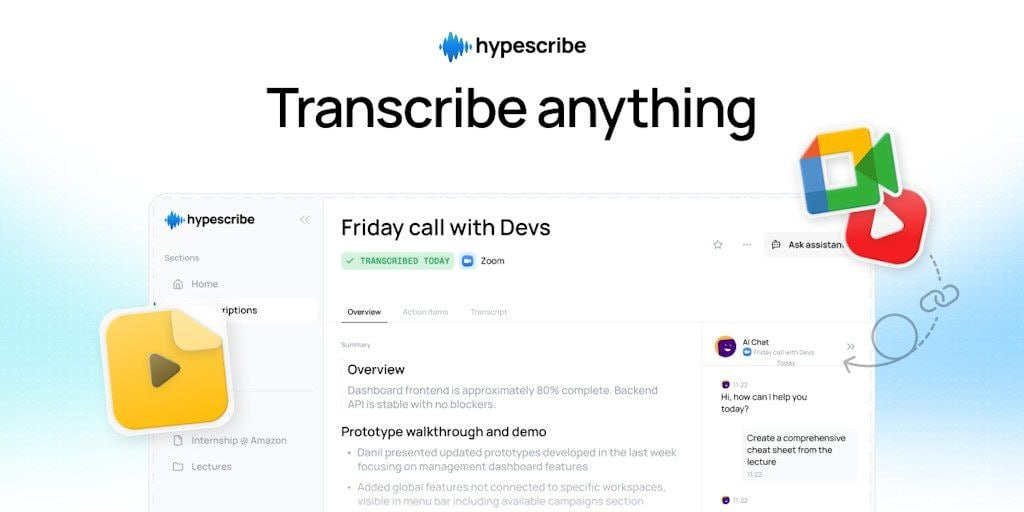
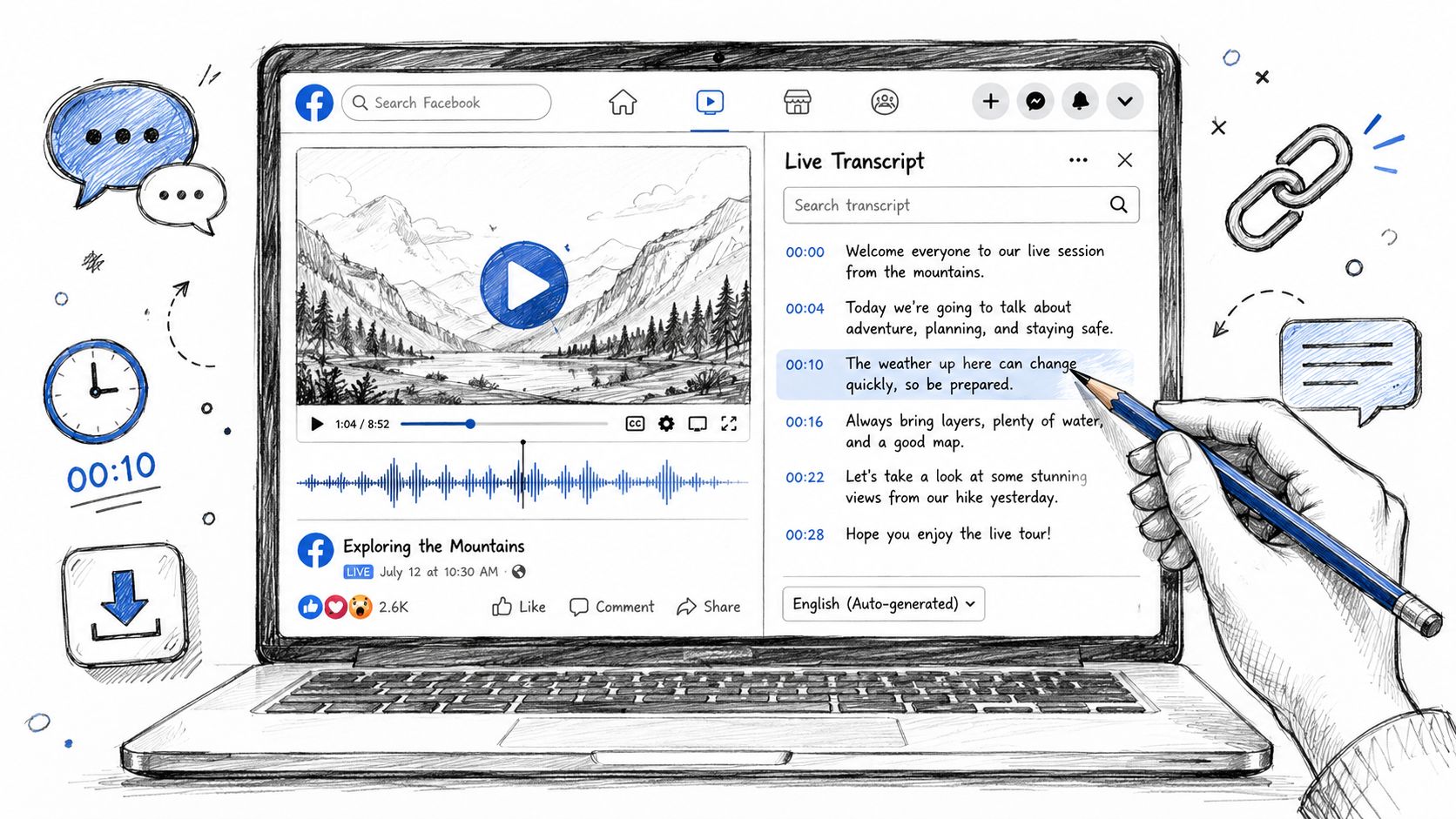
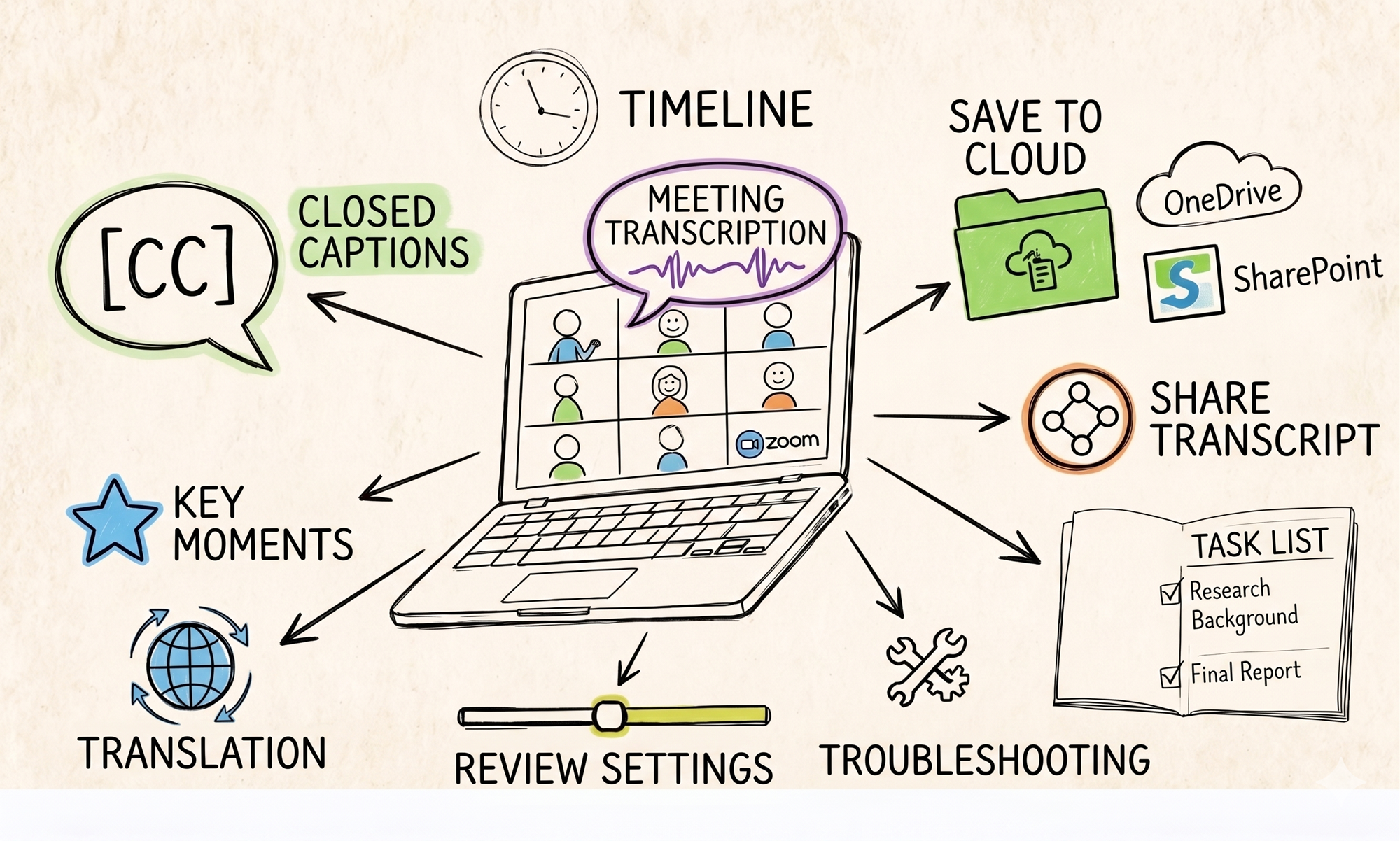
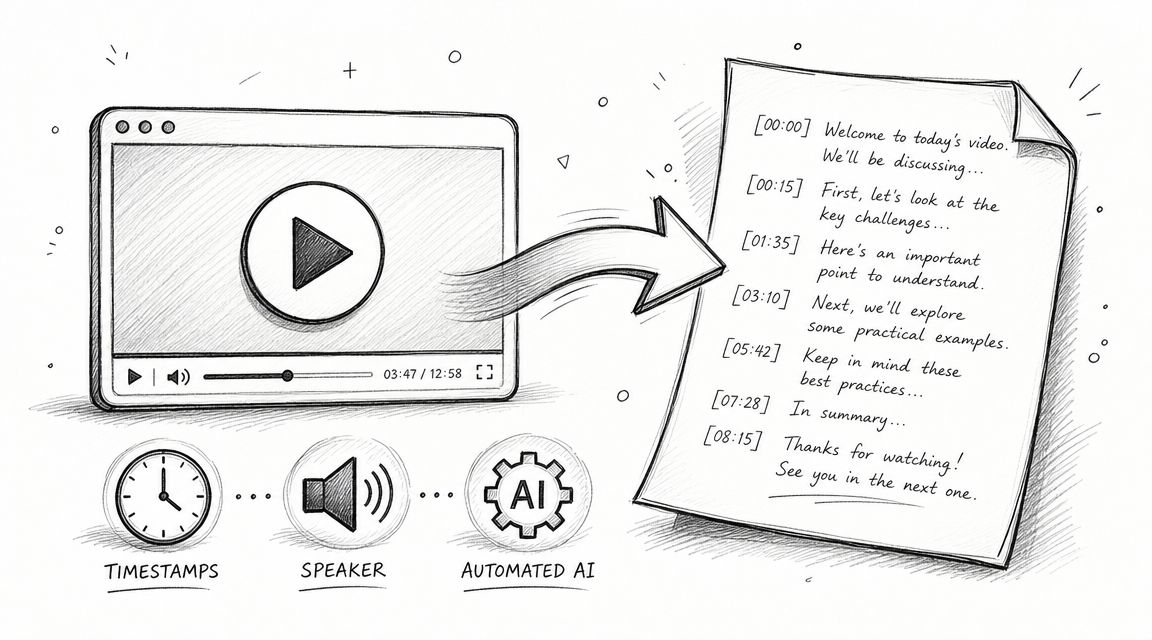
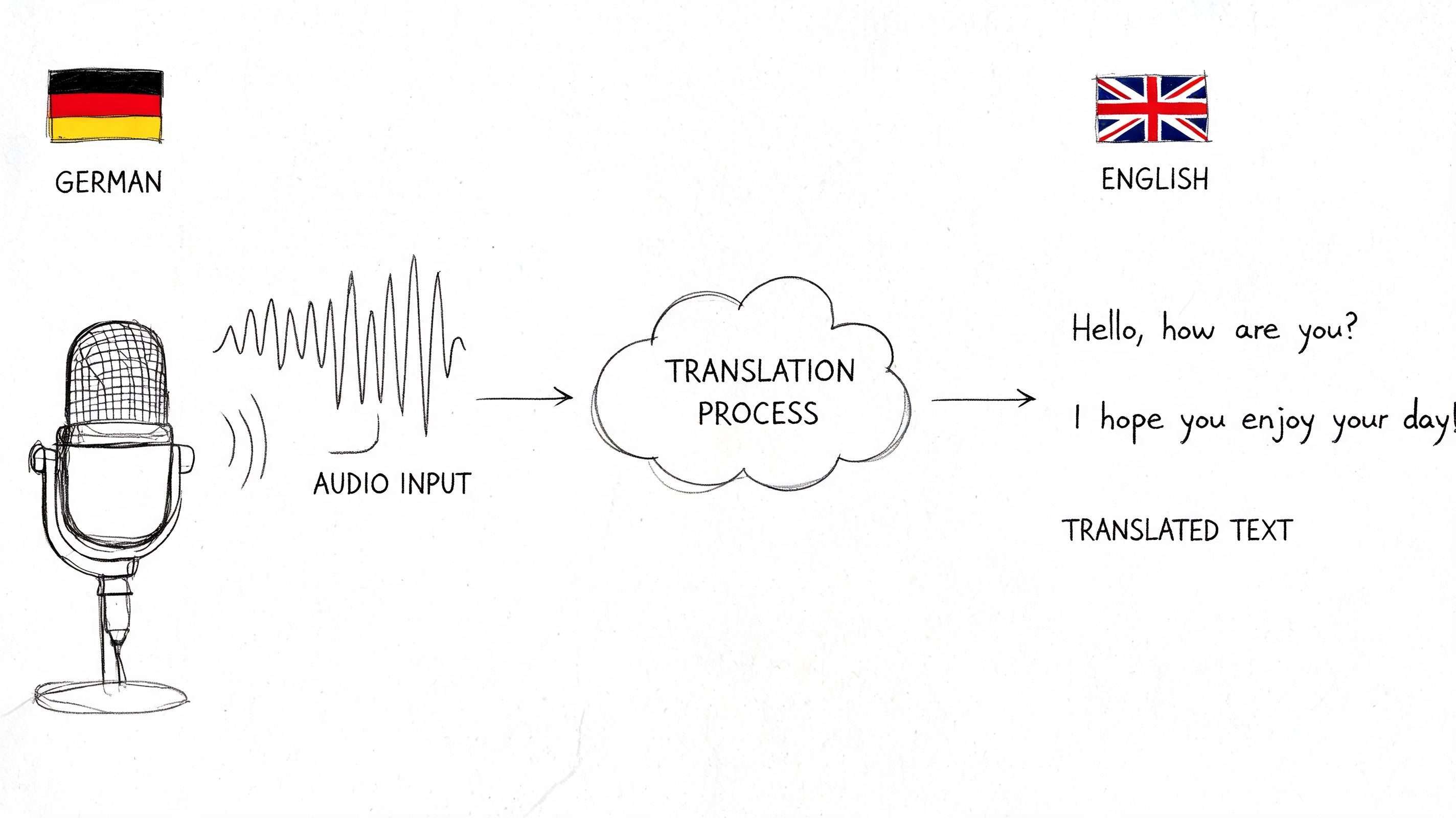
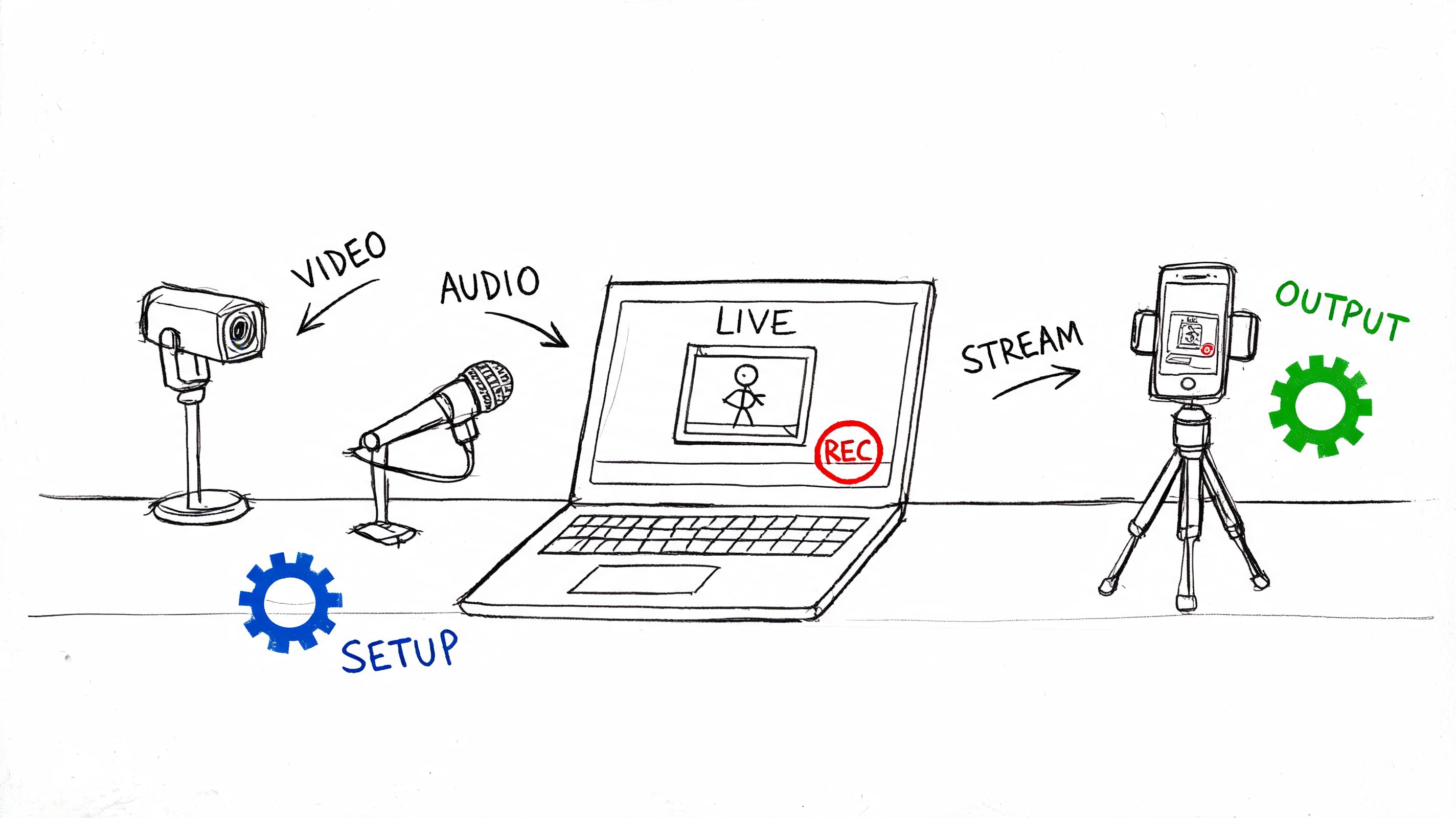
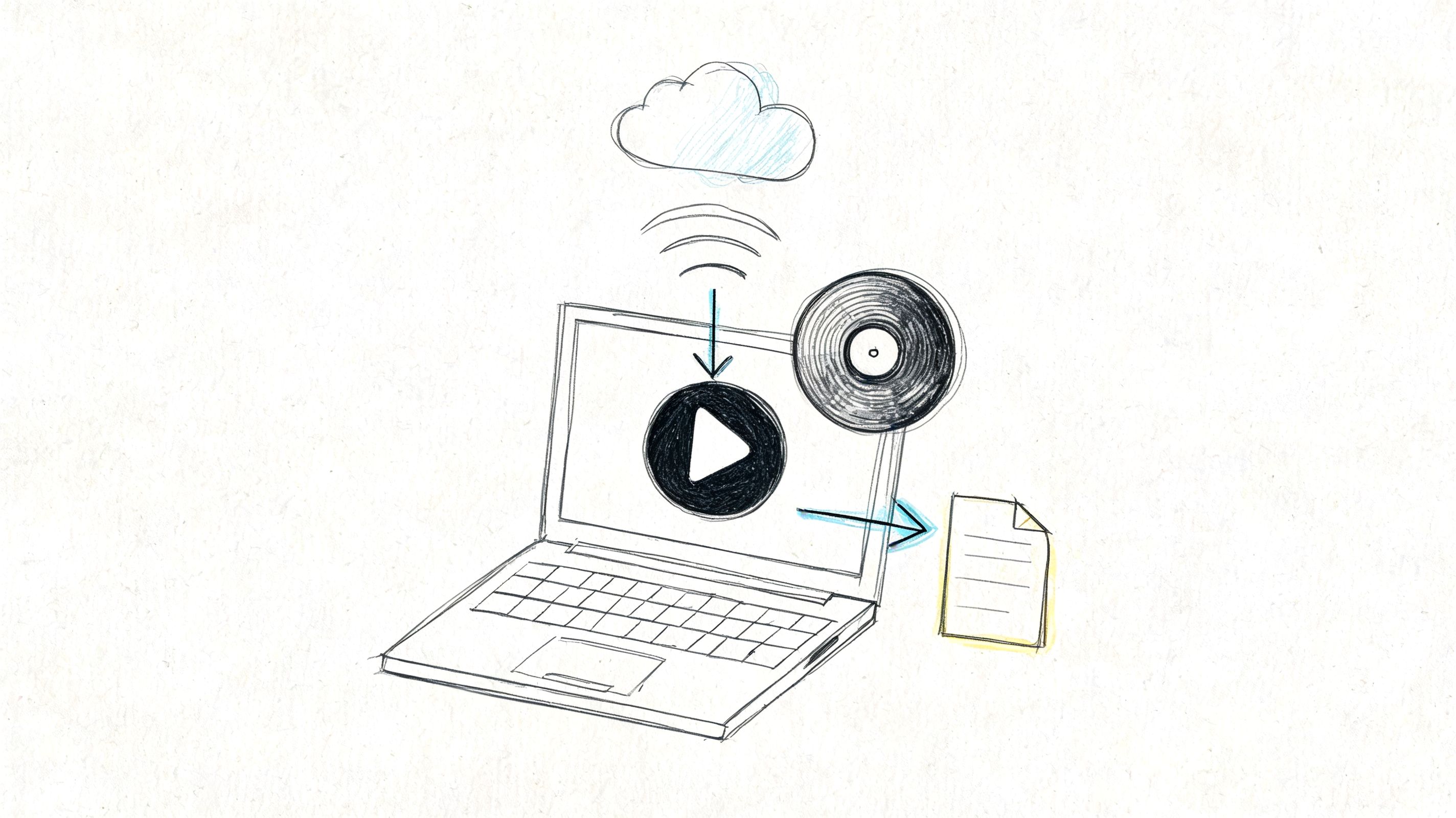
Modern meeting tools reduce the gap between intention and proof. Instead of relying on handwritten notes, teams can use transcripts, summaries, and action item extraction to verify whether the goal was met. One example is HypeScribe, which provides real-time transcription for Zoom, Google Meet, and Microsoft Teams, then produces searchable transcripts, summaries, and action items. Used properly, that lets teams compare the meeting goal with the meeting output rather than relying on recall.
For follow-through after the meeting, a practical next step is building a repeatable system for owners and deadlines, such as the guidance in https://www.hypescribe.com/blog/action-item-tracking.
The point of meeting notes is not record-keeping alone. It is outcome verification.
Use transcript evidence for recurring issues
This becomes even more useful when the same problem appears across multiple meetings. The three data points methodology is a strong discipline for this. As described by EOS Worldwide’s article on data points, one instance can be explained away, a second often gets excused, but three instances establish a pattern that makes problem-solving more objective.
In practice, that means you can stop saying, “It feels like we keep revisiting the same blocker,” and start saying, “Here are three timestamped examples where the same issue delayed a decision.”
That improves conversations in a few ways:
- Less defensiveness: People respond better to evidence than to broad accusations.
- Better diagnosis: Patterns show whether the issue is behavioral, operational, or structural.
- Cleaner accountability: Repeated misses become visible across meetings, not hidden inside one bad call.
A simple closed-loop process
Use this rhythm for any important meeting:
- State the goal in the invite
- Repeat it at the start of the meeting
- Capture the discussion accurately
- Compare the outcome to the original goal
- Assign and track the resulting actions
That is the missing link in most advice about the goals of a meeting. Writing a goal matters. Proving the goal was achieved matters just as much.
Conclusion: From Aimless Discussions to Actionable Outcomes
The goals of a meeting determine whether the meeting becomes a useful working session or another calendar liability. Clear goals focus attention, SMART wording makes the objective usable, and post-meeting measurement turns good intentions into accountable outcomes.
The broader lesson applies beyond meetings. Good operators do not just create activity. They define success, track it, and refine the process. The same mindset shows up in content and media work too, which is why frameworks like Fame’s guide on measure podcast performance are useful outside their niche.
Pick your next meeting. Rewrite the goal before you send the invite. That one change will improve the agenda, the discussion, and the follow-through.
If you want a straightforward way to capture what was said, confirm what was decided, and turn discussion into assigned next steps, try HypeScribe. It helps teams document meetings with searchable transcripts, summaries, and action items so the meeting goal does not disappear the moment the call ends.