Ground Rules for Meetings: Boost Productivity with Clear Guidelines

Meetings are the engine of collaboration, but they often feel more like a roadblock. From discussions that drift into tangents to leaving a call with no clear next steps, the common pitfalls are universally frustrating. What if the solution isn't to have fewer meetings, but to simply have better ones? The difference between a time-wasting session and a productive one often comes down to establishing and enforcing clear ground rules for meetings.
This guide moves beyond generic advice to provide a comprehensive, experience-based framework for transforming unproductive calls into focused, high-impact collaborations. We will detail practical principles, real-world scenarios, and specific enforcement tips designed for remote, hybrid, and in-person teams. By understanding proven strategies on how to run effective meetings, you can significantly improve your team's outcomes.
Inside, you'll find an actionable list of rules covering everything from agenda preparation and active listening to assigning clear action items and maintaining transparency. Whether you're a team lead trying to boost productivity, an educator managing a virtual classroom, or a journalist conducting critical interviews, these rules provide the structure needed to reclaim your calendar, eliminate confusion, and drive meaningful results from every conversation.
1. Start and End on Time
Punctuality is one of the most fundamental yet impactful ground rules for meetings. Committing to a strict start and end time demonstrates respect for every participant's schedule and signals that the meeting will be focused and productive. This practice, often called "timeboxing," forces the agenda forward, prevents discussions from meandering, and builds a culture of efficiency and accountability.
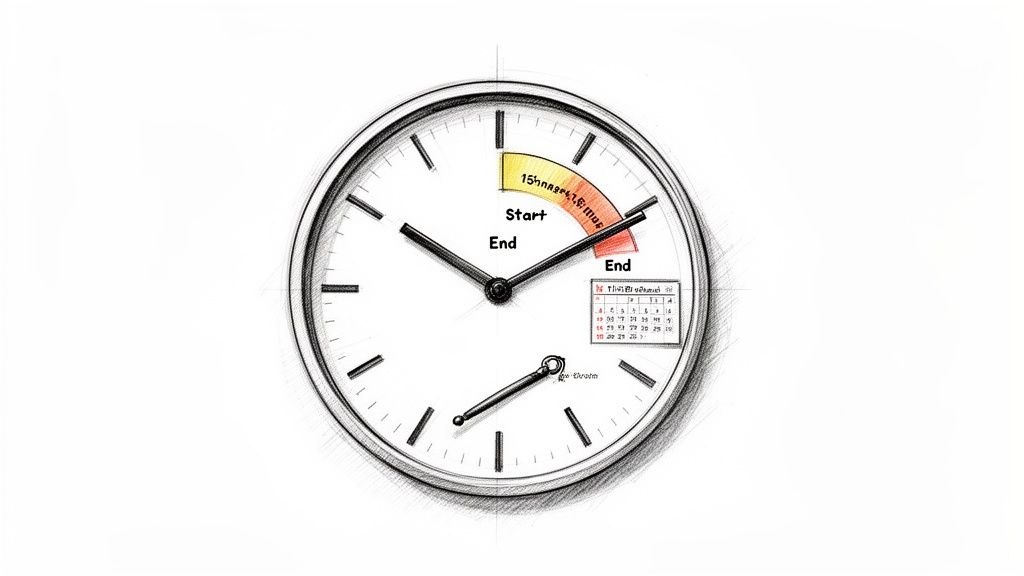
When a meeting starts late, it creates a domino effect, delaying subsequent tasks and meetings for everyone involved. Conversely, meetings that run over their allotted time can drain energy and lead to decision fatigue. By honoring the schedule, you create a reliable and predictable environment where attendees can fully engage without worrying about their next commitment.
Why This Rule Works
This rule is popular because it directly addresses the most common meeting complaint: wasted time. It shifts the mindset from "we'll finish when we're done" to "we will accomplish our goal within this specific timeframe." This constraint encourages conciseness and drives the group toward actionable outcomes rather than open-ended conversation.
Key Insight: A strict schedule isn't about rushing; it's about focusing. Timeboxing forces prioritization and ensures that the most critical topics are addressed first, making every minute count.
Real-World Examples
- Scrum Stand-ups: Popularized by Jeff Sutherland, the daily Scrum meeting is famously timeboxed to 15 minutes. This strict limit keeps the team focused on three core questions: What did you do yesterday? What will you do today? What impediments are in your way?
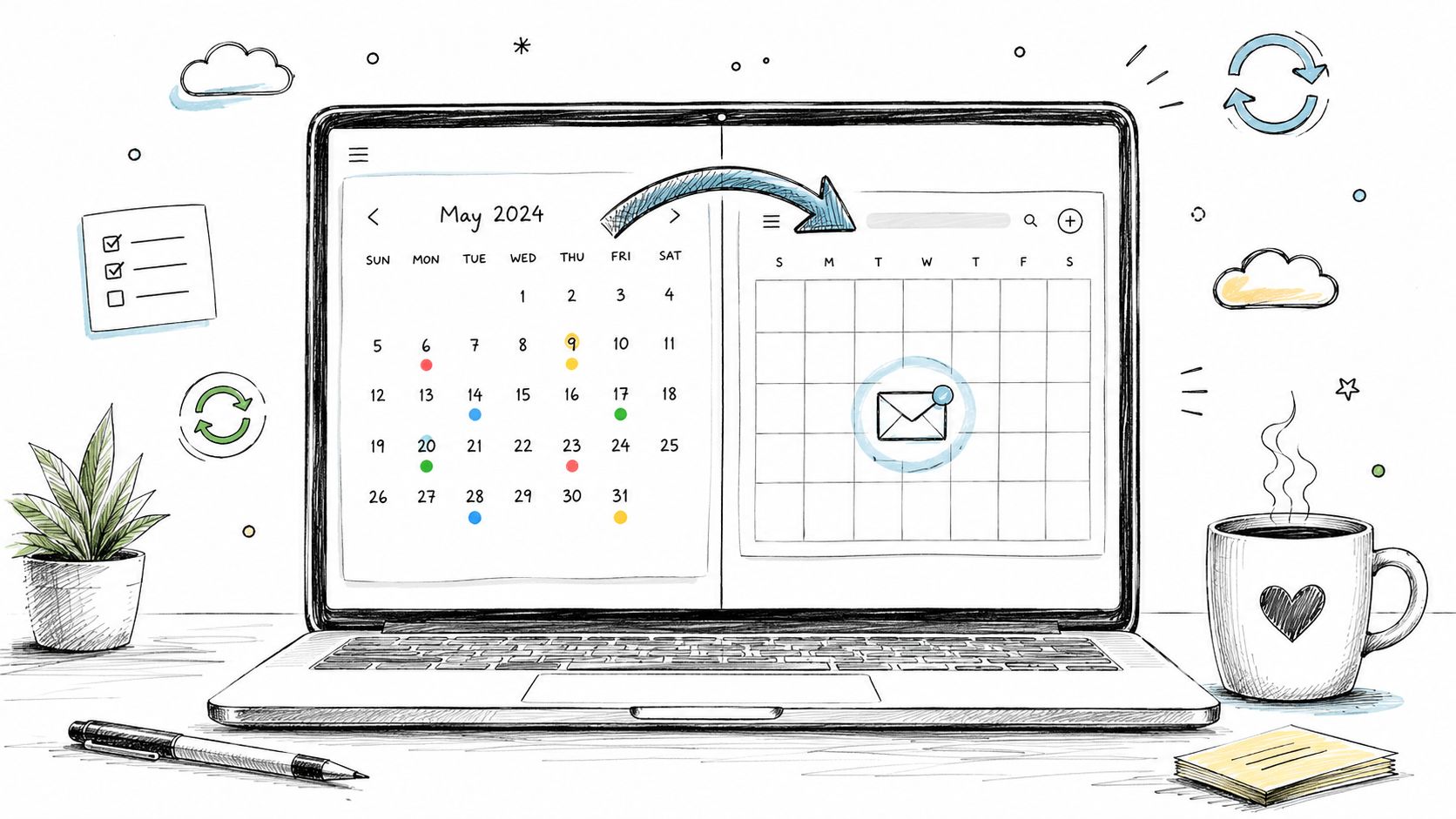
- Google's "Speedy Meetings": Google Calendar has a built-in feature that automatically shortens meetings to 25 or 50 minutes. This creates a small buffer, allowing attendees to grab a coffee or prepare for their next call, preventing back-to-back meeting fatigue.
How to Implement This Rule
- Assign a Timekeeper: Rotate the role of a timekeeper who is responsible for providing time checks (e.g., "10 minutes left") and ensuring the meeting wraps up on schedule.
- Use Visual Timers: In a virtual setting, share a timer on-screen. For in-person meetings, a physical clock or a projector with a timer can keep everyone aware of the remaining time.
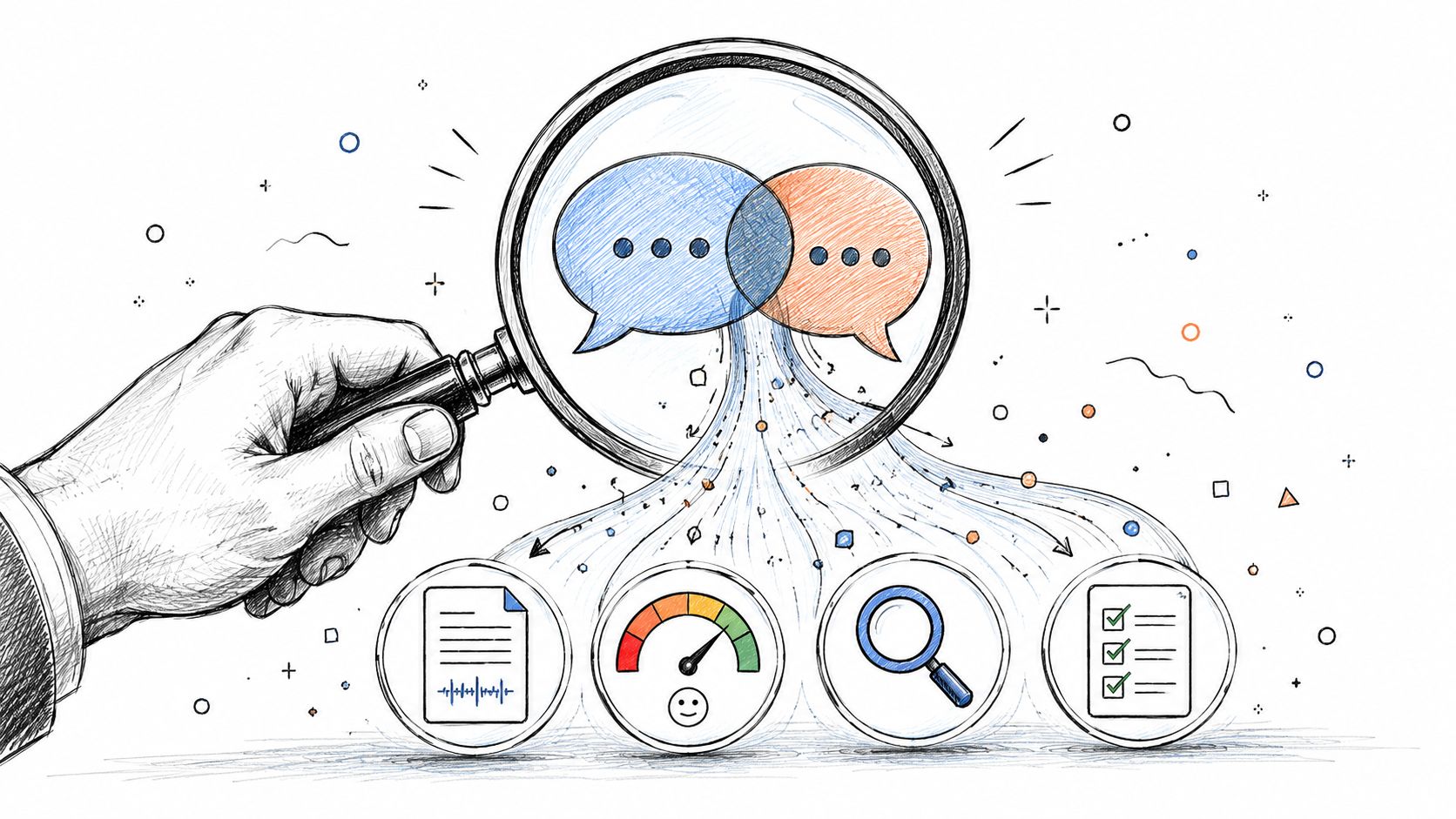
- Log Start/End Times with Tools: Utilize meeting transcription tools that automatically log start and end times. For instance, HypeScribe can provide an accurate record, which helps teams analyze their meeting punctuality over time and identify patterns.
- Schedule Follow-ups Immediately: If a topic requires more discussion, don't let the meeting run over. The timekeeper should suggest tabling the item and immediately schedule a separate, focused follow-up session with only the necessary participants.
2. Prepare and Review the Agenda in Advance
A meeting without an agenda is like a ship without a rudder. Sharing a clear, outcome-oriented agenda at least 24 hours in advance is one of the most critical ground rules for meetings, transforming a potential time-waster into a focused, strategic session. When participants know the objectives and can review materials beforehand, they arrive prepared to contribute meaningfully, ask intelligent questions, and drive toward decisions.
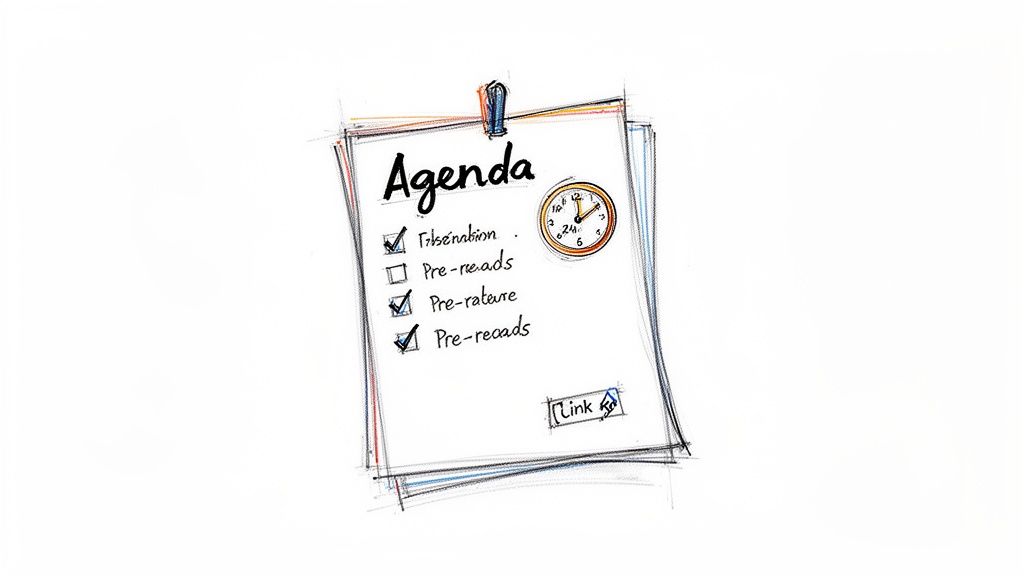
This practice moves the bulk of information-sharing out of the meeting itself, reserving valuable synchronous time for discussion, debate, and decision-making. It ensures everyone is on the same page from the start, preventing the first 15 minutes from being wasted on context-setting. An effective agenda is not just a list of topics; it's a roadmap for achieving a specific, stated goal.
Why This Rule Works
This rule eliminates ambiguity and sets clear expectations. By framing each agenda item as a question to be answered or a decision to be made, it shifts the focus from passive listening to active participation. Attendees can think critically about the topics ahead of time, which leads to higher-quality contributions and a more efficient use of everyone's time during the call.
Key Insight: The purpose of a meeting is to decide, not just to discuss. A well-crafted agenda ensures the conversation is a means to an end, guiding the team toward concrete outcomes and actionable next steps.
Real-World Examples
- Amazon's "Six-Pager" Memos: Before any significant meeting at Amazon, a relevant leader prepares a detailed, six-page narrative memo (a "PR/FAQ"). The meeting begins with silent reading time, ensuring every attendee is fully briefed before any discussion starts. This forces clear thinking and high-quality preparation.
- HypeScribe Agenda Templates: Teams use HypeScribe to create dynamic agendas that link directly to transcripts and action items from previous related meetings. This provides instant context, allowing participants to review past decisions and discussions without digging through old emails or notes.
How to Implement This Rule
- Circulate 24 Hours in Advance: Make it a non-negotiable team policy to send the agenda out a full day before the meeting.
- Highlight Key Decisions: Under each agenda item, explicitly state the desired outcome. For example, instead of "Discuss Q4 Budget," use "Decide on final Q4 marketing budget allocation."
- Embed Supporting Documents: Use tools to link directly to relevant documents, data, or prior meeting transcripts within the agenda. HypeScribe allows you to embed links to past recordings and summaries, making pre-meeting prep seamless.
- Solicit Pre-Meeting Input: Encourage attendees to add comments, questions, or suggestions directly to the shared agenda document. This helps identify key points of contention or confusion before the meeting even begins.
3. One Conversation at a Time (No Interruptions)
Enforcing a single-speaker rule is a critical ground rule for meetings that fosters respect and clarity. When multiple people talk at once, ideas get lost, participants feel unheard, and the conversation devolves into chaos. This rule ensures that each contributor has the floor to fully articulate their point without being cut off, leading to more thoughtful discussions and better decision-making.
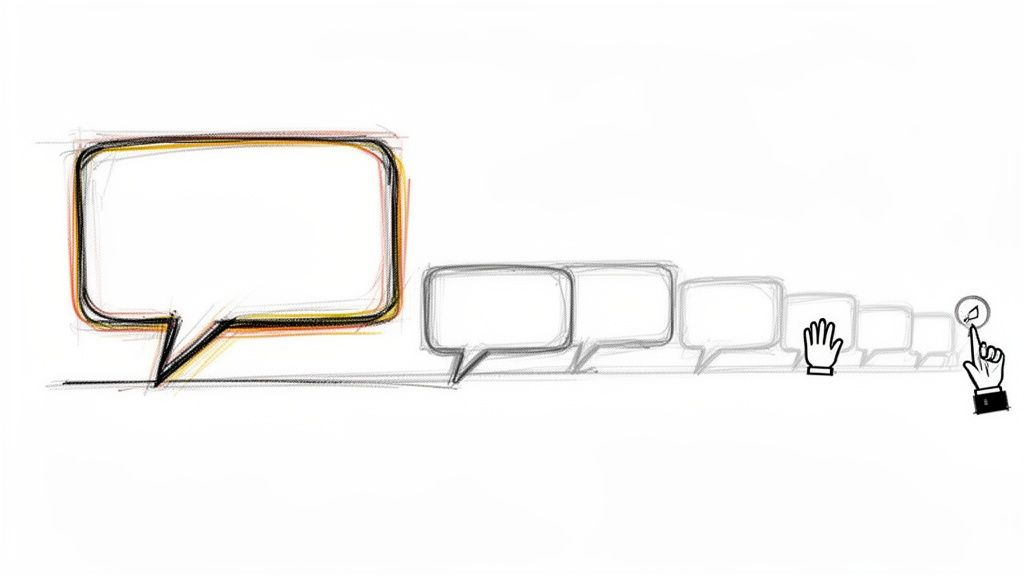
This practice is especially vital in remote and hybrid settings where audio lags can exacerbate cross-talk. By establishing a clear protocol for speaking turns, you create an inclusive environment where introverted team members feel more comfortable contributing and every voice is given equal weight. It transforms a meeting from a competition for airtime into a collaborative exchange of ideas.
Why This Rule Works
This rule is effective because it forces active listening. Instead of formulating their next point while someone else is talking, participants must wait and absorb what is being said. Popularized in concepts discussed by authors like Patrick Lencioni, this structured communication builds trust and psychological safety, as team members know they will be heard and respected when it's their turn to speak.
Key Insight: Preventing interruptions isn't about slowing down the conversation; it's about increasing its quality. A single, focused dialogue is far more productive than multiple fragmented ones happening simultaneously.
Real-World Examples
- Virtual "Raise Hand" Feature: Tools like Zoom and Microsoft Teams have a built-in "raise hand" function that creates an orderly queue for speakers. The moderator can then call on people in sequence, ensuring no one is overlooked.
- The "One Mic" Rule: Radio producers use a "one mic" rule to ensure clean audio, where only one person speaks at a time. Teams can adapt this by establishing a clear visual or verbal cue to pass the metaphorical microphone to the next speaker.
How to Implement This Rule
- Establish a Speaking Protocol: At the start of the meeting, remind everyone of the one-conversation rule and the chosen method for getting in the queue (e.g., raise hand feature, typing "stack" in the chat).
- Encourage Brief Pauses: Ask participants to take a brief pause after they finish speaking. This small buffer prevents accidental interruptions and gives the next person a clear opening to begin.
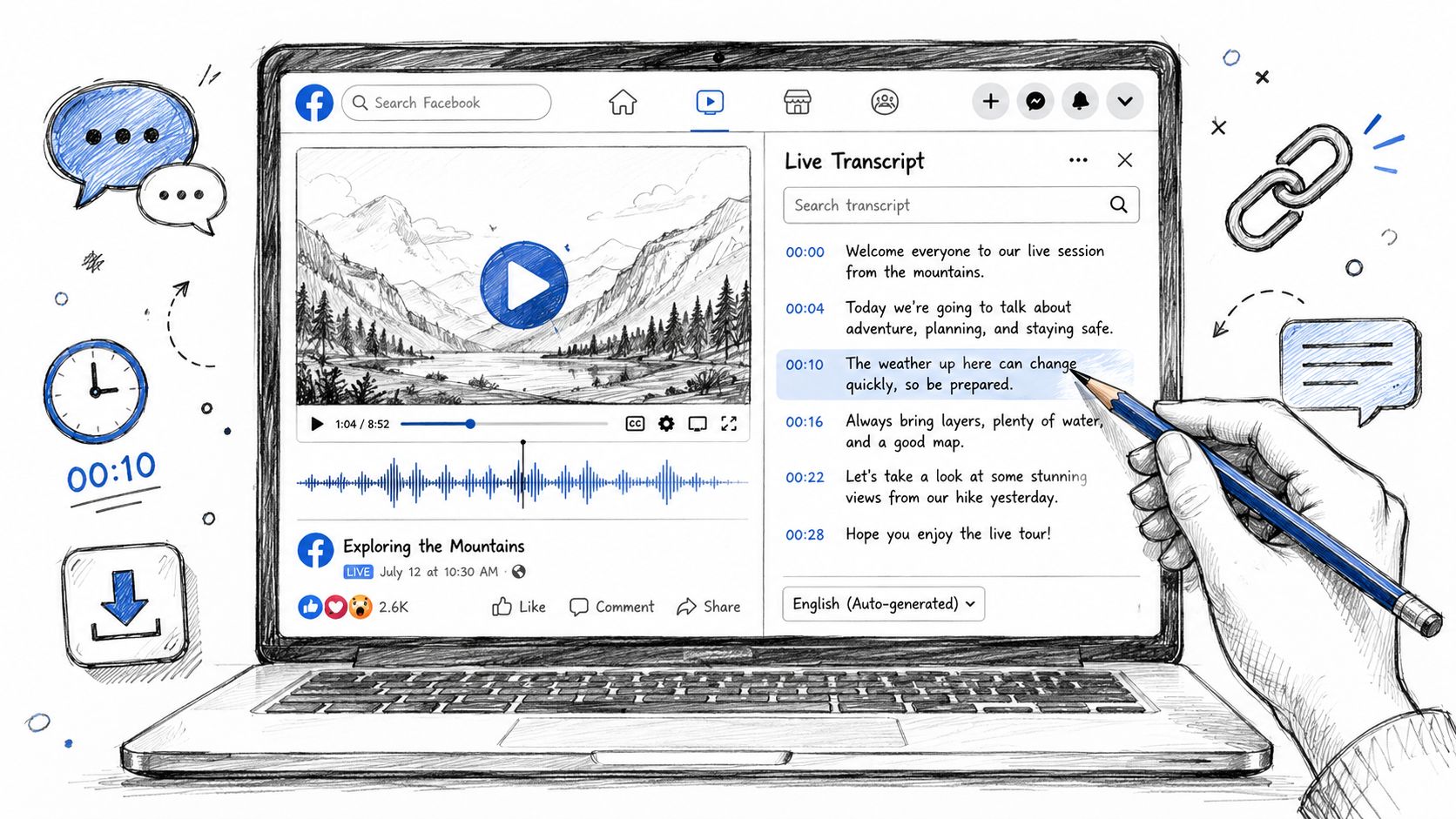
- Use Live Transcripts for Cues: A live transcription tool like HypeScribe can visually show who is speaking and when they have stopped. This helps participants identify clear transitions and avoid talking over one another.
- Appoint a Moderator: The meeting facilitator should be responsible for managing the speaking queue and gently redirecting anyone who interrupts, saying something like, "Great point, Alex. Let's let Sarah finish first, and then you're next."
4. Use Video and Audio Etiquette
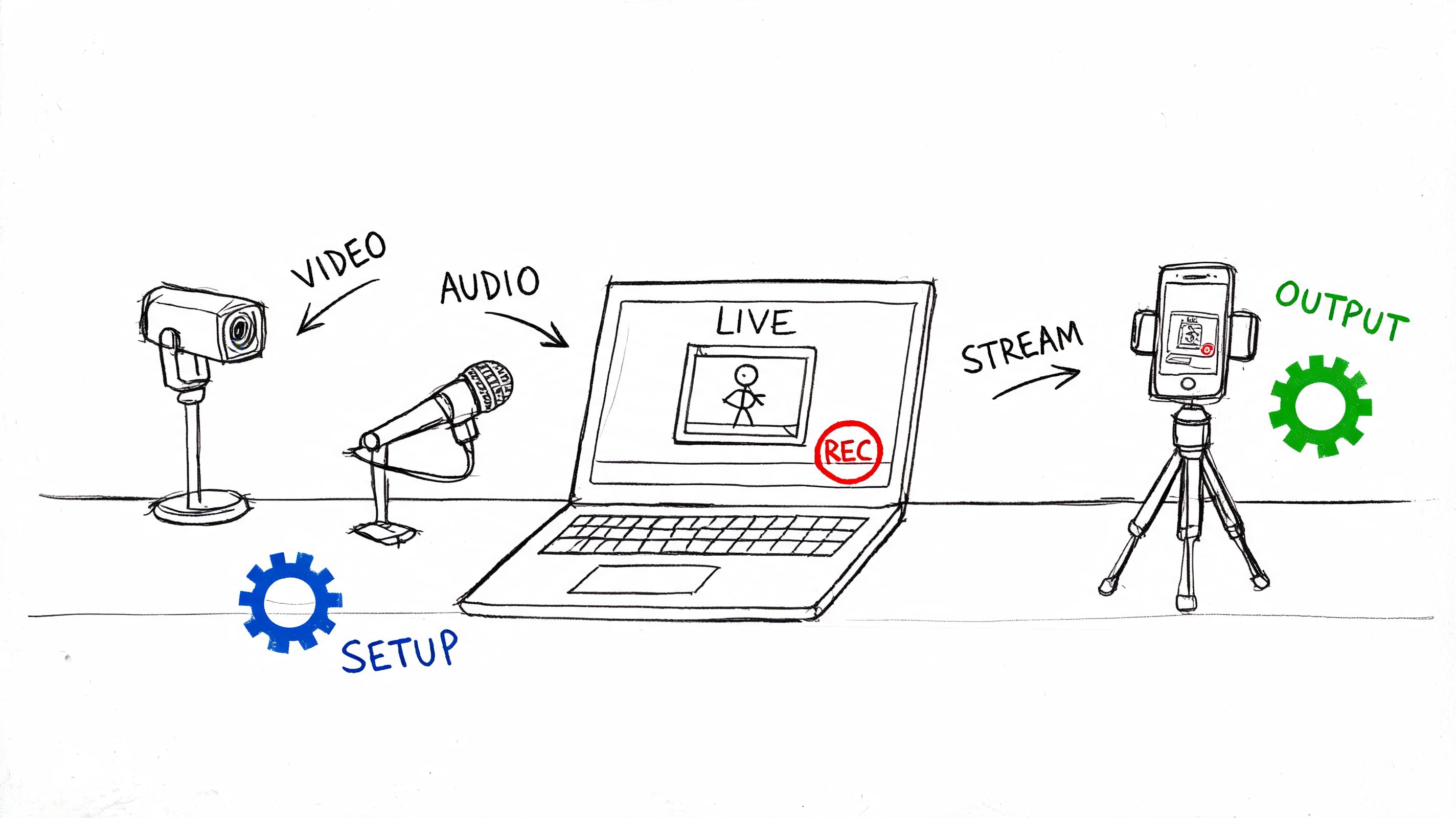
In the era of remote and hybrid work, establishing clear expectations for video and audio etiquette is crucial. These ground rules for meetings ensure that technical glitches, background noise, and visual distractions don't derail the conversation. Good AV etiquette fosters an environment of professionalism and mutual respect, allowing participants to focus on the content rather than technical issues.
When one person has poor audio or a distracting background, it impacts everyone's ability to engage. Setting standards for muting when not speaking, using a clear camera feed, and maintaining a professional background minimizes these disruptions. This creates a more inclusive and effective meeting experience where every voice can be heard clearly and every participant feels present.
Why This Rule Works
This rule directly addresses the unique challenges of virtual collaboration. Unlike in-person meetings, remote sessions are vulnerable to a wide range of home-based interruptions and technical failures. By codifying AV expectations, you remove ambiguity and empower individuals to prepare their setup, which significantly reduces friction and enhances the quality of interaction for the entire group.
Key Insight: Video and audio etiquette isn't just about looking and sounding good; it's about creating a shared digital space where everyone can contribute effectively without being pulled away by preventable distractions.
Real-World Examples
- Automattic's Remote Handbook: As a pioneer in remote work, Automattic (the parent company of WordPress.com) outlines detailed AV guidelines in its internal documentation. This ensures that its globally distributed team maintains a consistent and professional standard for all virtual interactions.
- Buffer's "Mirror Check": The fully remote company Buffer encourages team members to do a quick "mirror check" before joining a call. This involves checking their lighting, camera angle, and background to ensure they present themselves clearly and professionally, promoting a culture of mindful participation.
How to Implement This Rule
- Create an AV Checklist: Develop and share a simple pre-meeting checklist that includes testing your microphone and camera, choosing a quiet location, and using an uncluttered, well-lit background.
- Test Your Setup: Encourage everyone to join the meeting five minutes early to test their audio and video, giving them time to troubleshoot any issues before the meeting officially begins.
- Leverage Smart Muting: Use the "mute when not speaking" rule as a default. Meeting facilitators should feel empowered to mute participants who may have forgotten, to eliminate disruptive background noise.
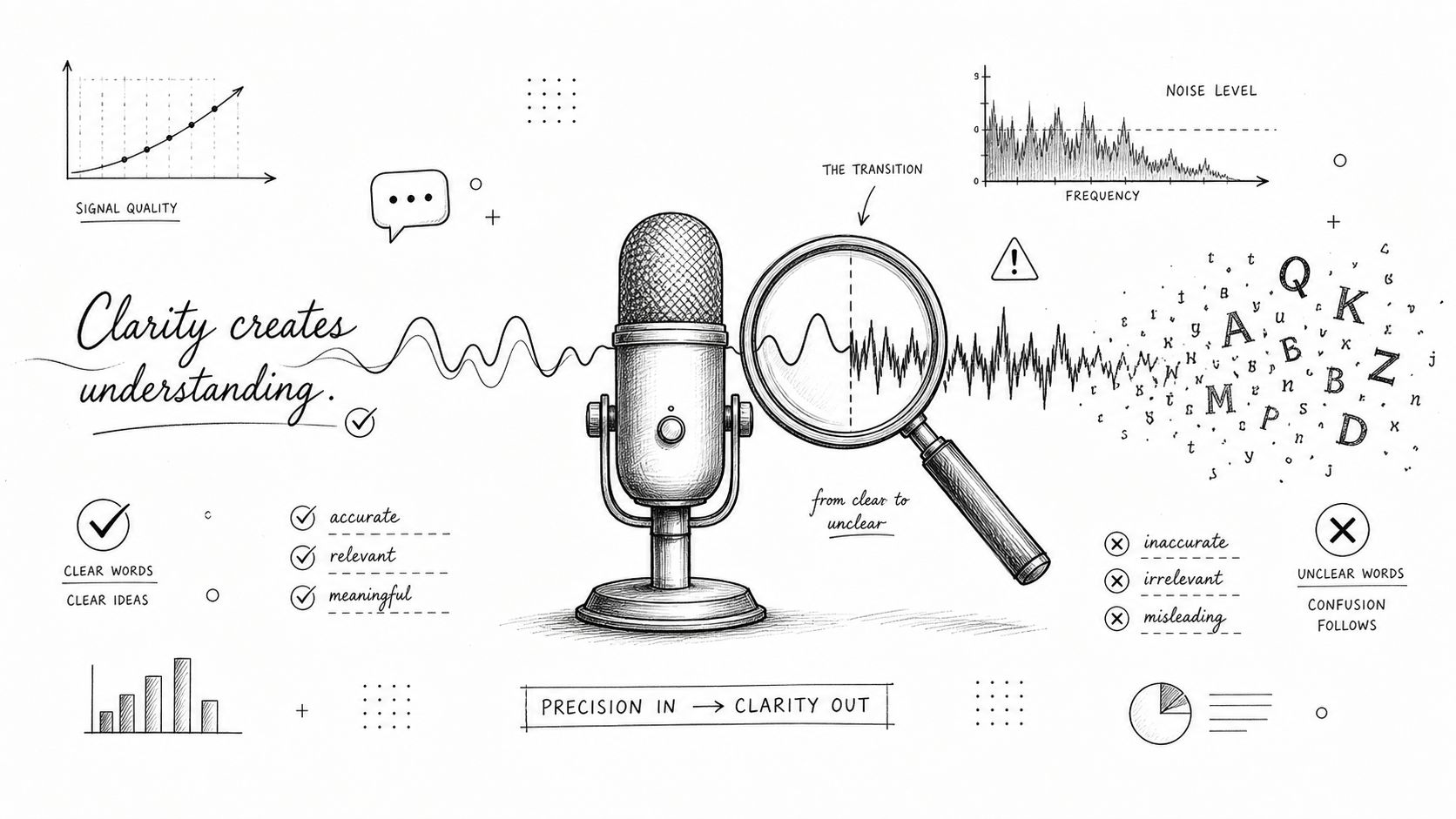
- Monitor Audio Quality with Tools: Use meeting tools that provide real-time feedback. For instance, HypeScribe’s audio quality indicator can alert participants to issues like a poor microphone connection, allowing them to fix problems before they disrupt the flow of conversation.
5. Active Listening and Engagement
Fostering a culture of active listening is one of the most transformative ground rules for meetings. It requires participants to go beyond simply hearing words and instead concentrate fully on what is being said, understand the message, and respond thoughtfully. This practice involves paraphrasing to confirm understanding, asking clarifying questions, and acknowledging others' contributions, which builds trust and uncovers deeper insights.
When attendees are truly engaged, meetings shift from a series of monologues to a collaborative dialogue. This prevents misunderstandings, reduces the need for follow-up clarifications, and ensures that decisions are made with a comprehensive understanding of all perspectives. An environment of active listening makes every team member feel heard and valued, which boosts psychological safety and encourages more open, honest communication.
Why This Rule Works
This rule is powerful because it addresses the root cause of many meeting failures: a lack of genuine communication. Instead of participants waiting for their turn to speak or formulating their rebuttal, active listening forces them to process and internalize what others are saying. This leads to higher-quality contributions, stronger team alignment, and more innovative solutions.
Key Insight: Active listening isn't a passive activity; it's a disciplined skill. It turns a meeting into a collaborative discovery process rather than a battle for airtime, ensuring the best ideas rise to the top, regardless of who they come from.
Real-World Examples
- Stephen Covey’s 7 Habits: Popularized in "The 7 Habits of Highly Effective People," the fifth habit, “Seek First to Understand, Then to Be Understood,” is the cornerstone of this rule. It's a principle used in leadership training and therapy worldwide to build empathy and resolve conflict.
- Journalistic Interviewing: Professional journalists are trained in active listening to probe deeper into topics. They listen for nuances, ask follow-up questions based on what they heard, and summarize points to ensure accuracy, a technique highly effective in any business meeting.
How to Implement This Rule
- Rotate the "Listener" Role: Designate one person per meeting whose primary job is to listen intently and summarize key discussion points or unresolved questions at the end of each agenda item.
- Practice Paraphrasing: Encourage attendees to start their response with phrases like, "So, if I understand correctly, you're saying that..." This simple habit forces comprehension before reaction.
- Use Tools to Highlight Key Questions: Meeting tools can reinforce listening. For instance, you can use HypeScribe’s "key takeaways" feature to highlight important questions and insights as they are spoken, creating a live record of active engagement. Learn more about the core principles of what is active listening in communication.
- Implement "No-Interruption" Intervals: For complex topics, set short periods (e.g., three minutes) where one person can speak without any interruptions, followed by a dedicated Q&A session. This ensures complete thoughts are shared and heard.
6. Clear Action Items with Owners and Deadlines
A meeting without clear outcomes is just a conversation. One of the most critical ground rules for meetings is to ensure every discussion concludes with clearly defined action items, each assigned to a specific owner with a firm deadline. This practice transforms abstract ideas and decisions into tangible, trackable tasks, bridging the gap between discussion and execution.
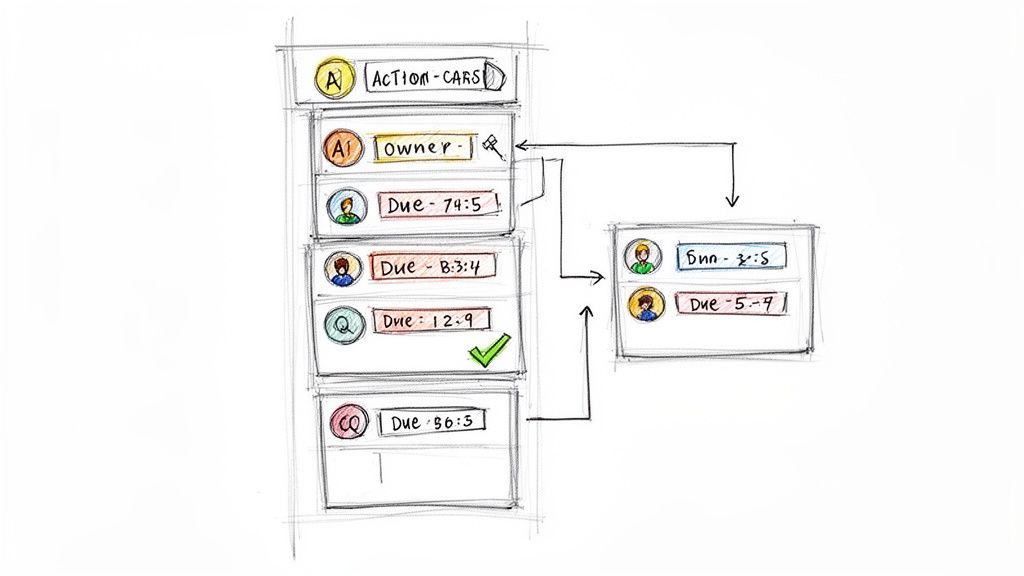
When action items are vague or unassigned, momentum dissipates, and accountability evaporates. By explicitly stating who is responsible for what by when, you create a transparent system that empowers team members and ensures progress continues long after the meeting ends. This rule prevents the common problem of everyone leaving a meeting thinking someone else is handling the follow-up.
Why This Rule Works
This rule directly combats meeting ambiguity and creates a culture of accountability. By formalizing next steps, it provides clarity and purpose, ensuring that the time and resources invested in the meeting yield a measurable return. It makes progress visible and provides a clear framework for follow-up, which is essential for driving projects forward.
Key Insight: Action items are the tangible product of a successful meeting. Without them, even the most engaging discussion is just an intellectual exercise with no impact on business goals.
Real-World Examples
- David Allen's GTD Framework: The "Getting Things Done" methodology emphasizes capturing all "open loops" and defining the very next physical action required to move them forward. Meetings are a prime source for these open loops, and assigning a "next action" is a core tenet of the system.
- Asana/Trello Project Boards: Modern project management tools are built around this principle. Teams often create tasks directly in Asana or Trello during a meeting, assigning them to owners and setting due dates in real-time to ensure nothing falls through the cracks.
How to Implement This Rule
- Use an Action-Item Generator: Tools like HypeScribe can automatically detect and compile action items from a meeting transcript. This automates the capture process, so no task is missed. For a deeper dive, explore how to create a comprehensive action item list.
- Verbally Confirm at Close: Before the meeting ends, the facilitator should verbally recap each action item, its owner, and the deadline, asking for confirmation from each person.
- Send a Post-Meeting Summary: Distribute a concise summary within an hour of the meeting that lists all action items at the very top for high visibility.
- Review Past Actions: Begin subsequent meetings with a quick review of the action items from the previous session. This creates a continuous loop of accountability and progress tracking.
7. Use a “Parking Lot” for Off-Topic Items
One of the greatest challenges in any meeting is managing tangents. A brilliant but off-topic idea can derail a focused discussion, wasting valuable time. The "parking lot" is a simple yet powerful tool designed to capture these important but tangential items without disrupting the meeting's flow. It's a designated space, like a whiteboard or shared document, where off-topic ideas are "parked" to be addressed later.
This ground rule validates participants' contributions by acknowledging their ideas while respectfully deferring them. Instead of shutting down a creative thought, the facilitator can say, "That's a great point. Let's add it to the parking lot and ensure we circle back to it." This maintains momentum and keeps the team focused on the original agenda, making it one of the most effective ground rules for meetings that often go off track.
Why This Rule Works
This technique works because it provides a psychological release. Team members feel heard and respected, knowing their idea won't be forgotten, which allows them to re-engage with the current topic. Popularized by Lean and Kaizen continuous-improvement methodologies, the parking lot prevents scope creep and ensures the primary meeting objectives are met within the allotted time.
Key Insight: The parking lot isn't a place where ideas go to die. It's an active queue that transforms potential distractions into future agenda items, fostering both focus and innovation.
Real-World Examples
- Agile Retrospectives: Development teams often use a parking lot to capture "ideas for the next sprint" or process improvements that arise during a retrospective. This keeps the current session focused on reflecting on the past sprint's work.
- Strategic Planning Sessions: During high-level brainstorming, operational or tactical ideas often emerge. A facilitator will park these for later discussion by the appropriate teams, keeping the executive group focused on the big-picture strategy.
How to Implement This Rule
- Review Before Adjourning: Always dedicate the final five minutes of the meeting to reviewing the parking lot. Quickly decide what to do with each item: discard it, assign it an owner and a due date, or schedule a follow-up meeting.
- Use Digital Tools: In virtual meetings, a dedicated section in your meeting notes document can serve as the parking lot. Tools like HypeScribe allow you to quickly capture these side notes during a call and assign them as action items without breaking the conversation's flow.
- Set an Expiration Date: To prevent the parking lot from becoming a black hole, archive or escalate any item that remains unaddressed after two consecutive meetings. This ensures all parked ideas are either acted upon or intentionally set aside.
8. Transparency and Record-Keeping
Clear and accessible documentation is a cornerstone of effective meeting ground rules, ensuring that discussions translate into lasting value. By diligently recording decisions, action items, and key highlights, teams create a single source of truth that keeps everyone aligned, holds participants accountable, and seamlessly onboards latecomers. This practice transforms transient conversations into durable organizational knowledge.
Without a record, crucial decisions can be forgotten, action items can fall through the cracks, and the same topics may be debated repeatedly in future meetings. Storing searchable transcripts and summaries eliminates ambiguity and provides a clear reference point, empowering team members to act confidently on agreed-upon outcomes. For long-term organizational knowledge and transparency, establishing robust record-keeping for meetings can be a foundation for a broader approach to a reliable knowledge base management system.
Why This Rule Works
This rule directly combats the "what did we decide?" problem that plagues many organizations. It ensures that the value generated during a meeting persists long after it ends. By creating an official record, it promotes accountability and makes it easy for absent team members to catch up without needing a separate briefing, saving time and preventing miscommunication.
Key Insight: A meeting record isn't just about accountability; it's about accessibility. Making decisions and context searchable democratizes information and empowers the entire team.
Real-World Examples
- Netflix's Culture of Documentation: While their public culture deck is famous, Netflix internally practices extensive documentation, including logging key decisions. This commitment to writing things down ensures that reasoning is transparent and accessible across the organization.
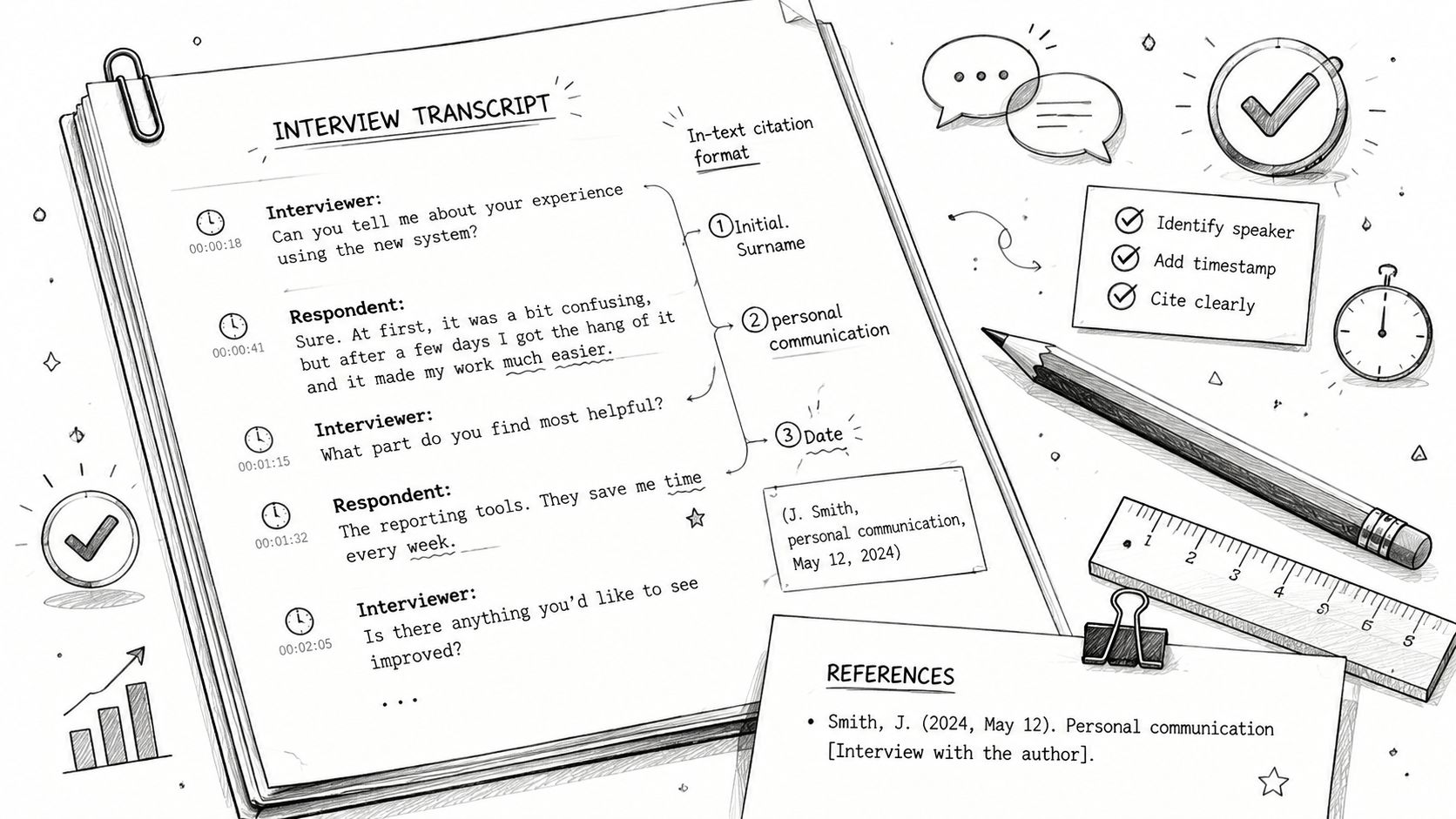
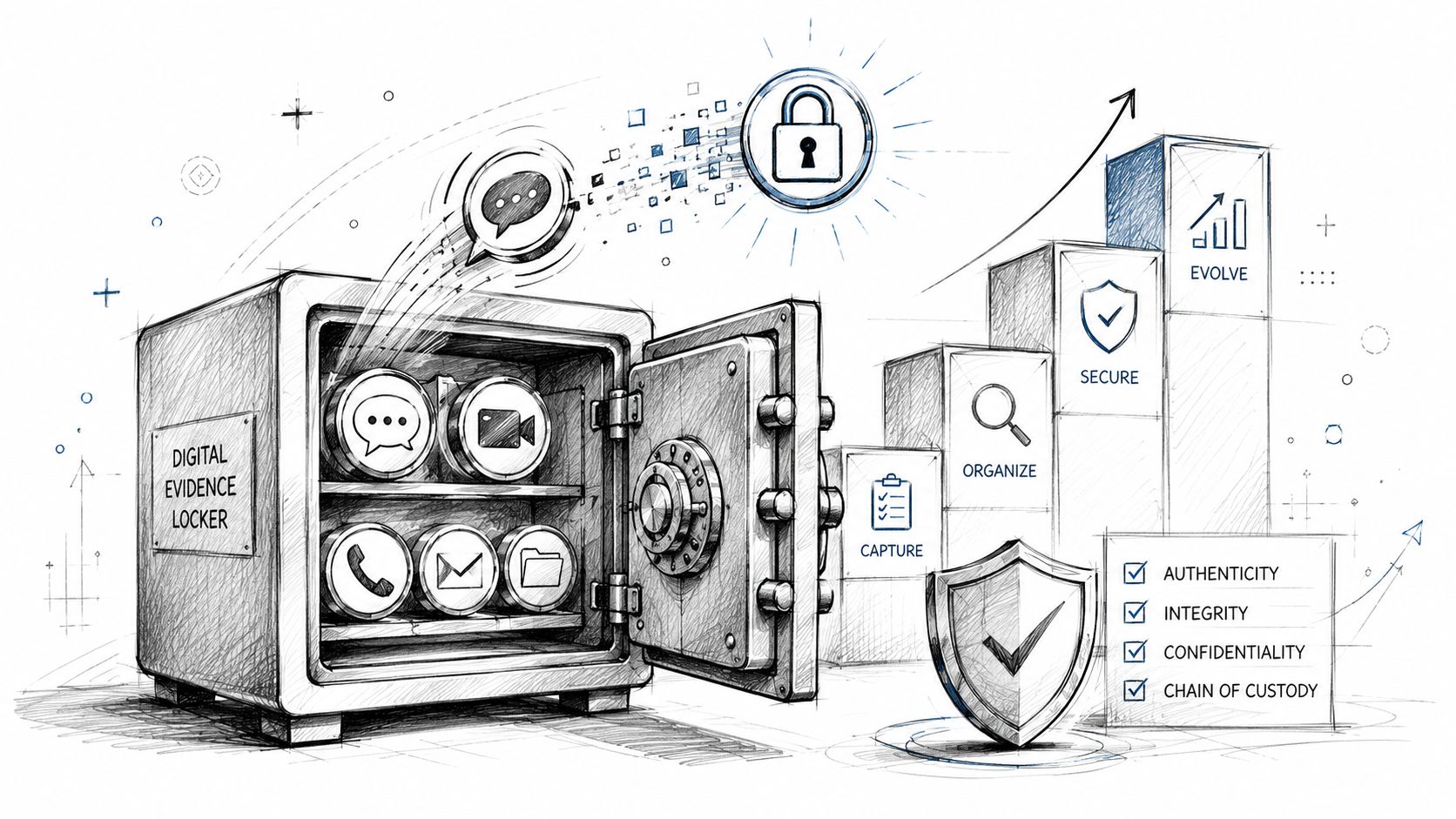
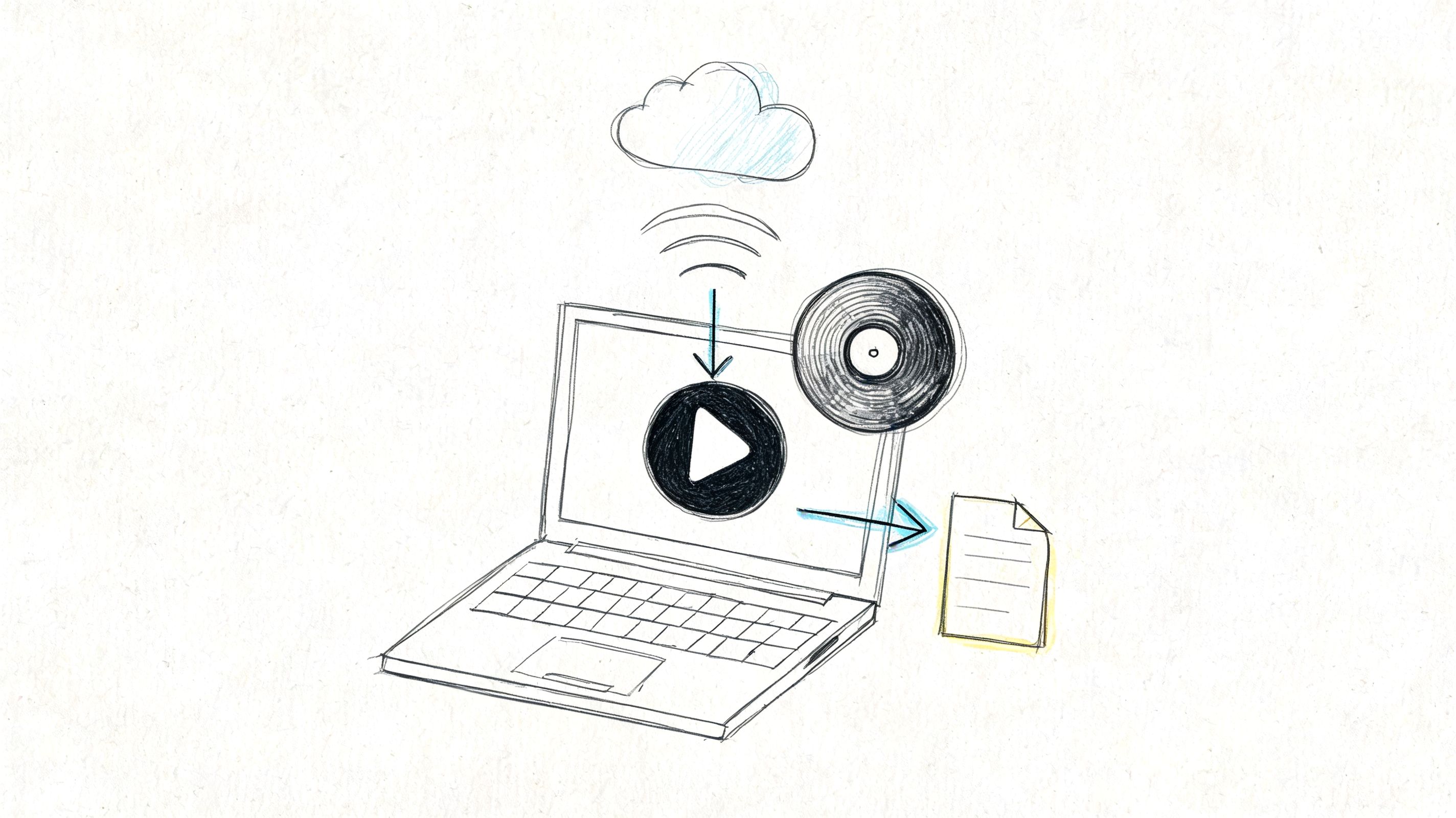
- HypeScribe's Secure Transcripts: HypeScribe offers encrypted, searchable transcript storage for all recorded meetings. Teams can easily export these records to PDF, Word, or Markdown, creating a verifiable and easily shareable log of conversations and commitments.
How to Implement This Rule
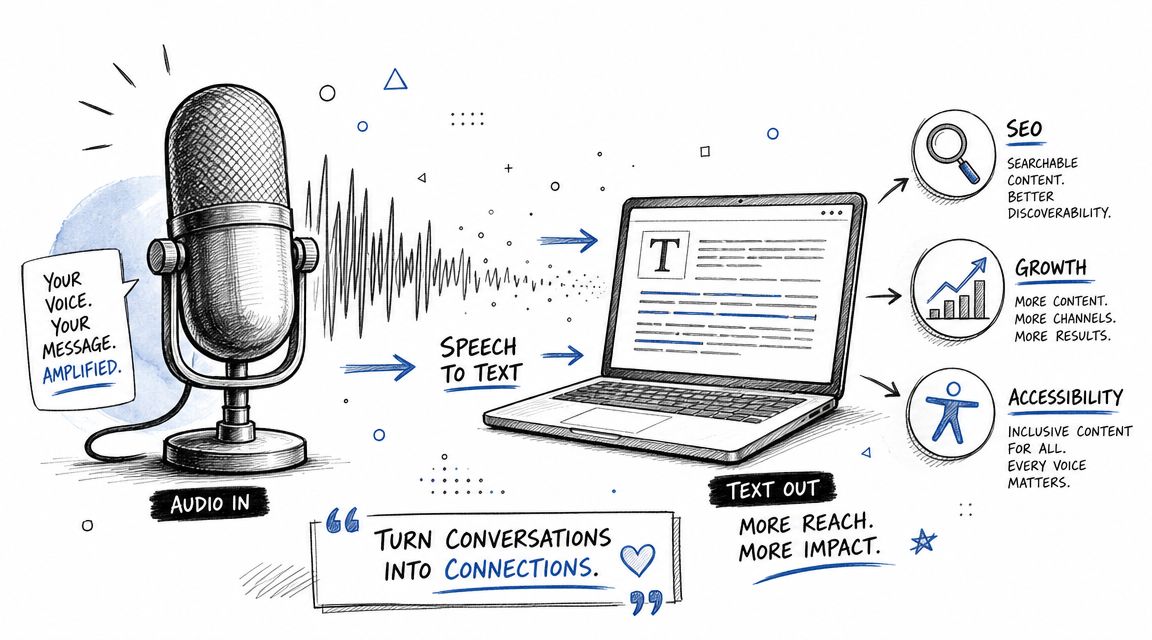
- Automate Transcription: Enable real-time transcription tools like HypeScribe to sync with Zoom or Teams. This automatically creates a searchable record, reducing manual note-taking efforts. You can learn more about how to record and transcribe meetings to streamline your workflow.
- Tag Transcripts for Retrieval: Implement a system for tagging meeting transcripts with project codes, team names, or dates. This makes it simple to find specific discussions later.
- Set a Document Retention Policy: Establish clear guidelines for how long meeting records are stored. A formal policy helps manage data by archiving important decisions and deleting obsolete files to keep your knowledge base clean.
8-Point Meeting Ground Rules Comparison
From Rules to Rituals: Making Great Meetings Your New Standard
Transitioning from chaotic, unproductive meetings to focused, outcome-driven sessions is not a one-time initiative; it's a cultural shift. The ground rules detailed throughout this guide, from Starting and Ending on Time to maintaining transparent records, are the fundamental building blocks of this transformation. They are not merely restrictive policies but empowering frameworks designed to respect everyone's time, amplify every voice, and ensure that collaboration leads to tangible progress.
Adopting these principles moves your team beyond simply tolerating meetings to leveraging them as powerful strategic tools. The core takeaway is that consistency is key. A perfectly crafted agenda or a commitment to clear action items loses its power if it's only followed sporadically. True change occurs when these practices become ingrained habits, or rituals, that define your team's approach to collaboration. This shift requires conscious effort and collective buy-in, transforming the very nature of how you work together.
Your Action Plan for Better Meetings
To put this knowledge into practice and begin reaping the benefits, here are your immediate next steps:
- Select and Socialize: Don't try to implement all the rules at once. Choose the two or three that will address your team's biggest pain points, such as creating clear action items or using a "parking lot" for off-topic discussions. Discuss these proposed ground rules for meetings with your team to get their input and secure their commitment.
- Appoint a Facilitator: Designate a facilitator for each meeting, even if it's on a rotating basis. This person's role is to gently enforce the agreed-upon rules, keep the conversation on track, and ensure everyone participates. Their presence turns a list of rules into a lived reality.
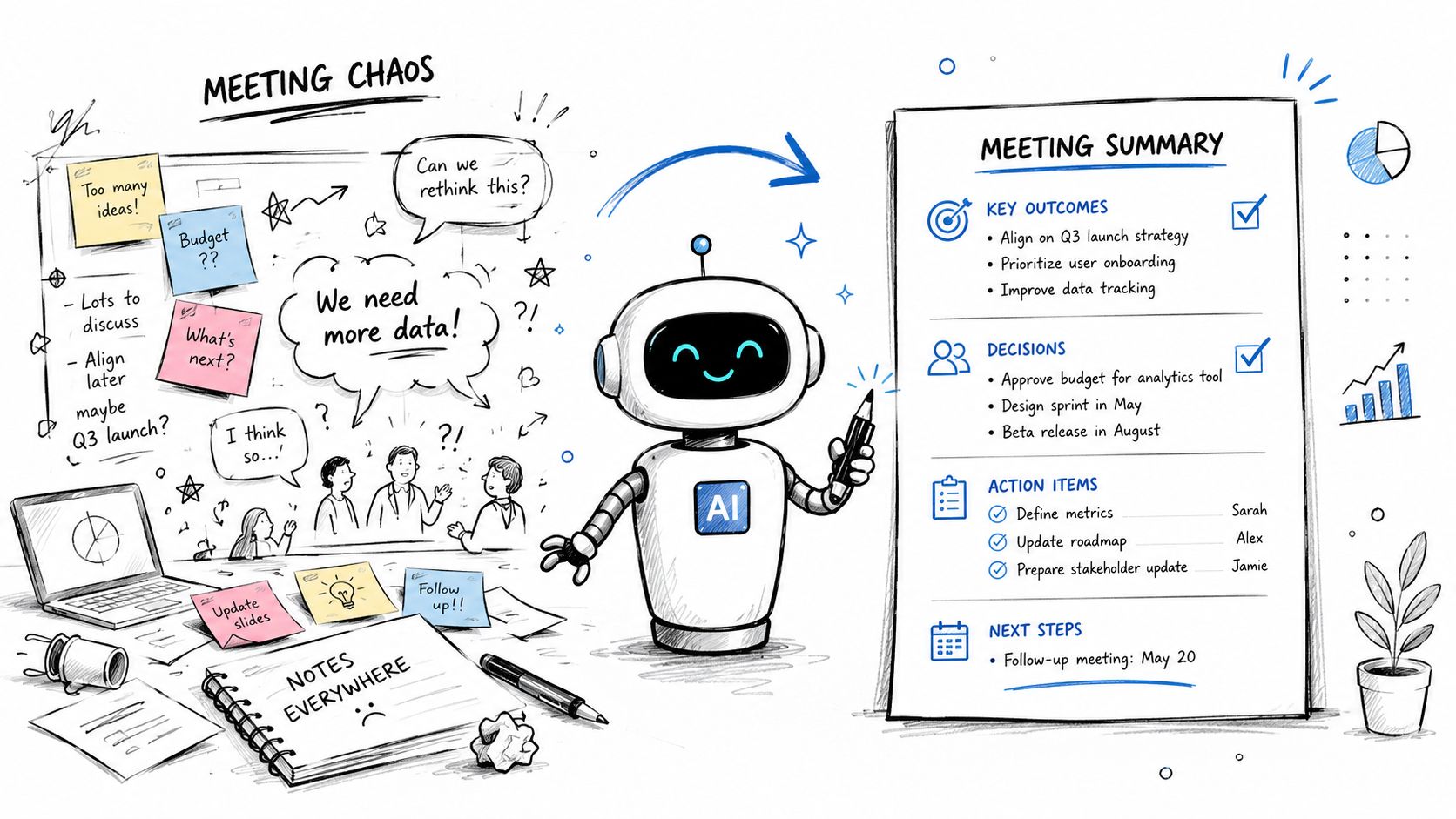
- Leverage Technology for Reinforcement: Manually tracking every decision, action item, and off-topic idea is tedious and prone to error. Use modern tools to automate the administrative burden. Transcription and AI-powered summary tools can capture every detail, allowing your team to focus on the high-value conversation instead of on frantic note-taking.
The Lasting Impact of Effective Meeting Ground Rules
Ultimately, mastering the art of the meeting is about more than just efficiency. It’s about building a culture of respect, clarity, and accountability. When meetings are well-run, team members feel heard, their contributions are valued, and they leave with a clear understanding of what needs to happen next. This clarity reduces friction, accelerates project timelines, and boosts morale across the entire organization. By turning these effective ground rules for meetings into consistent rituals, you're not just fixing a broken process; you're investing in your team's success and creating an environment where great work can flourish.
Ready to supercharge your meeting discipline without the administrative overhead? Let HypeScribe automatically transcribe, summarize, and capture action items from your conversations, making it effortless to implement rules like Transparency and Record-Keeping. Try HypeScribe today and turn your new meeting ground rules into consistent, automated habits.