What Is Rev? How Rev.com Works, Pricing and Alternatives

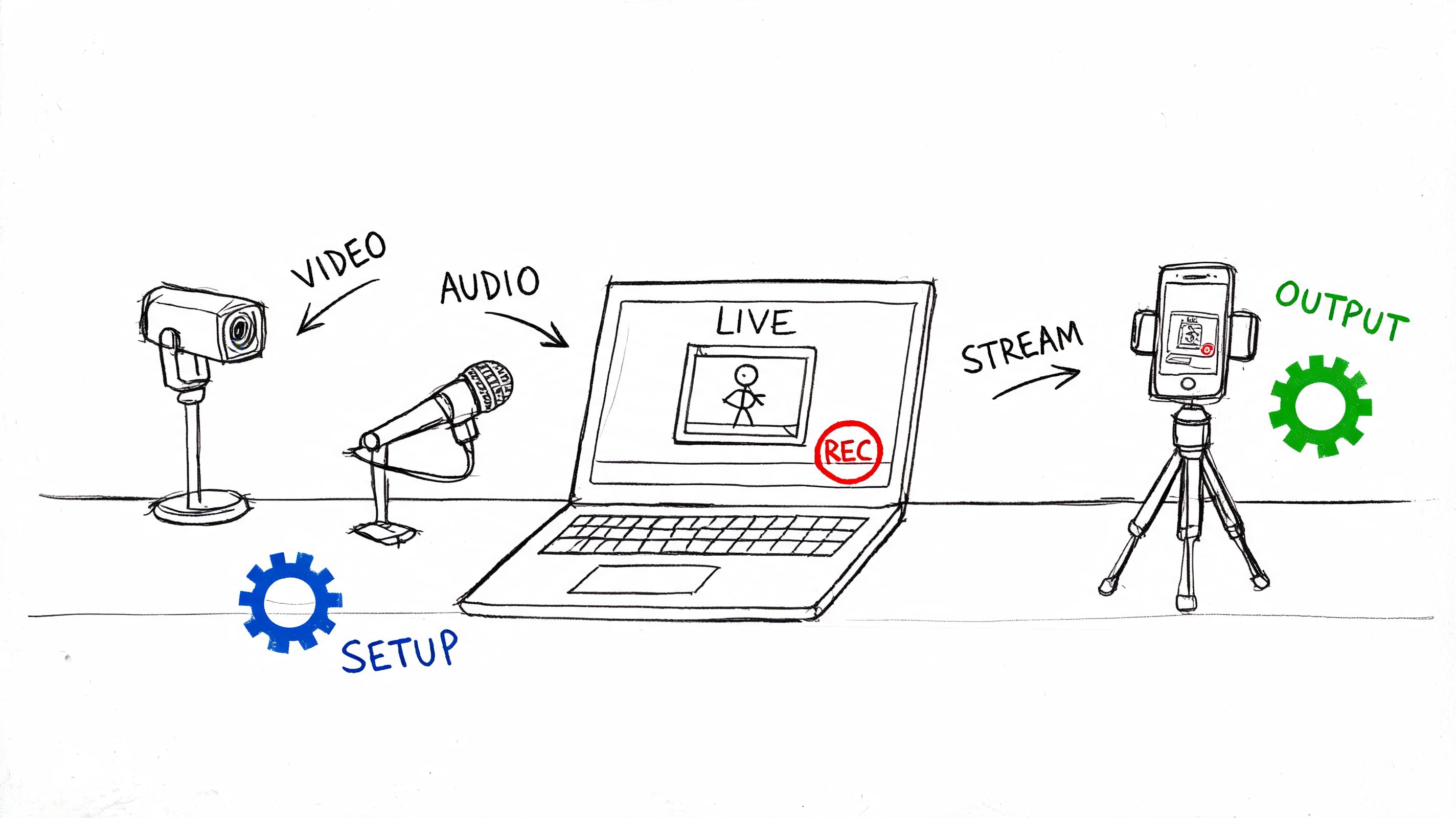
When people talk about "Rev," they're almost always referring to Rev.com, one of the biggest names in the audio-to-text world. From my experience using the service for various projects, understanding Rev means recognizing it's not just one thing. It's a company with two distinct approaches: one powered by a global network of human experts and another driven by a super-fast AI.
Figuring out which service to use is the key to understanding Rev’s place in the market and whether it fits your specific needs.
A Tale of Two Services

At its core, Rev gives you two distinct options for getting your spoken words written down. Each is built for a different set of priorities, and your choice will come down to what you value most: near-perfect accuracy or lightning-fast speed.
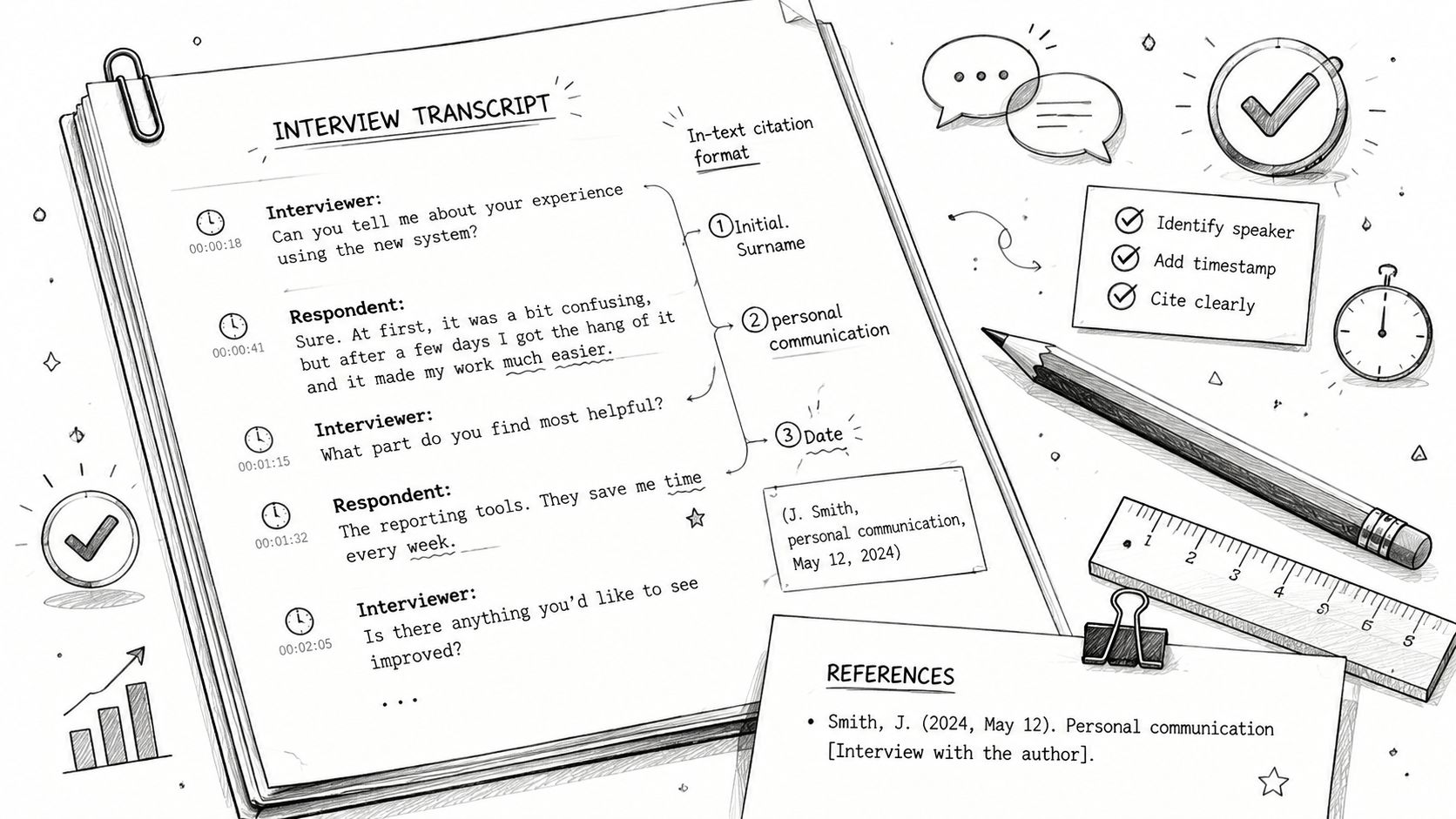
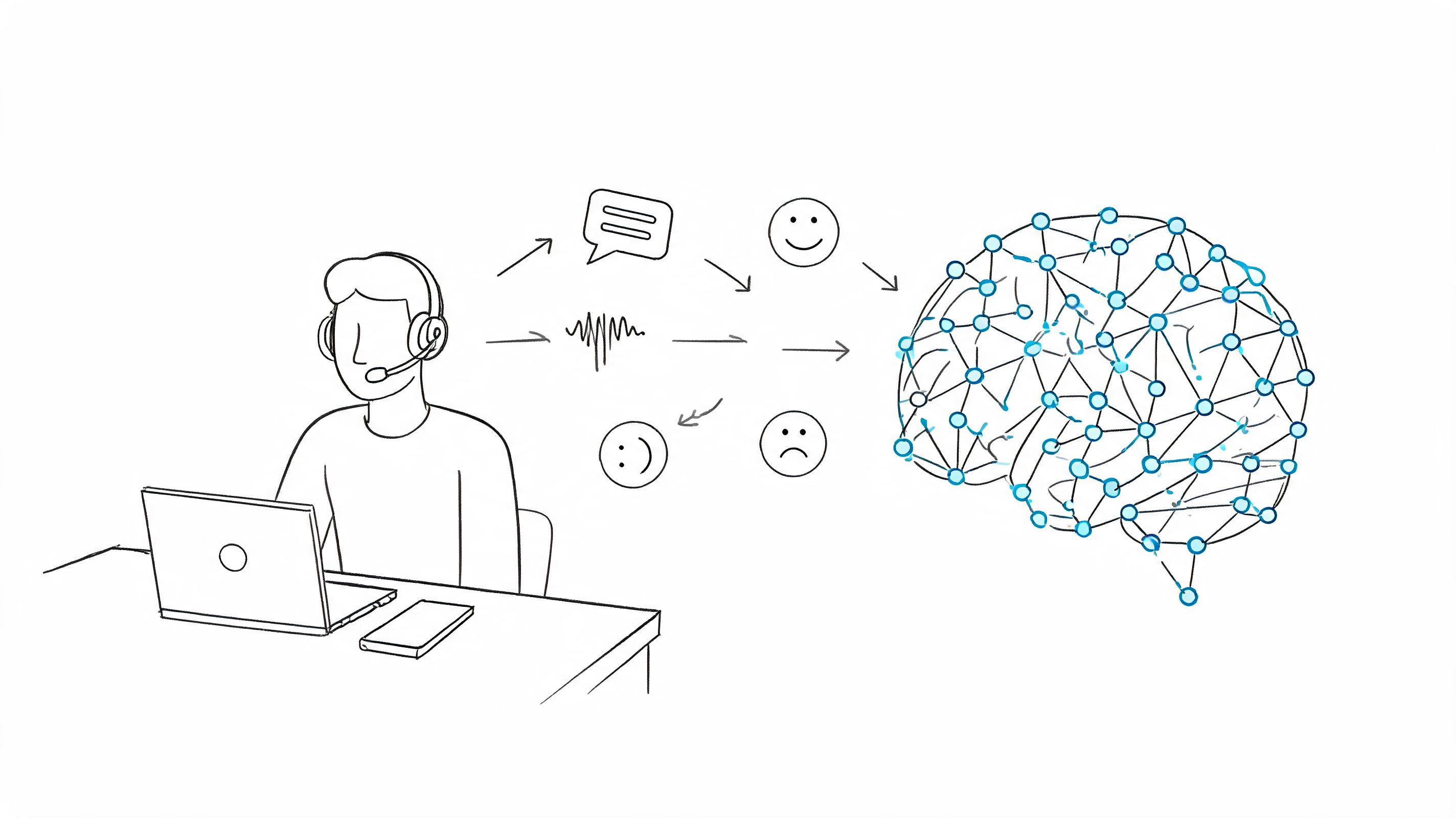
First, you have the classic human transcription service. I like to think of this as the artisanal, handcrafted option. When you choose this, Rev sends your audio to its massive network of freelance transcriptionists who listen, type, and clean up the text. This human touch is invaluable for navigating tricky audio with background noise, heavy accents, or multiple people talking over each other.
The Automated Alternative
Then there’s Rev’s AI transcription service. This is the assembly-line approach—built for speed and volume. It uses an artificial intelligence engine to process your files and deliver a transcript in a matter of minutes. From my testing, it’s a fast, budget-friendly alternative when you just need a draft quickly to review or search.
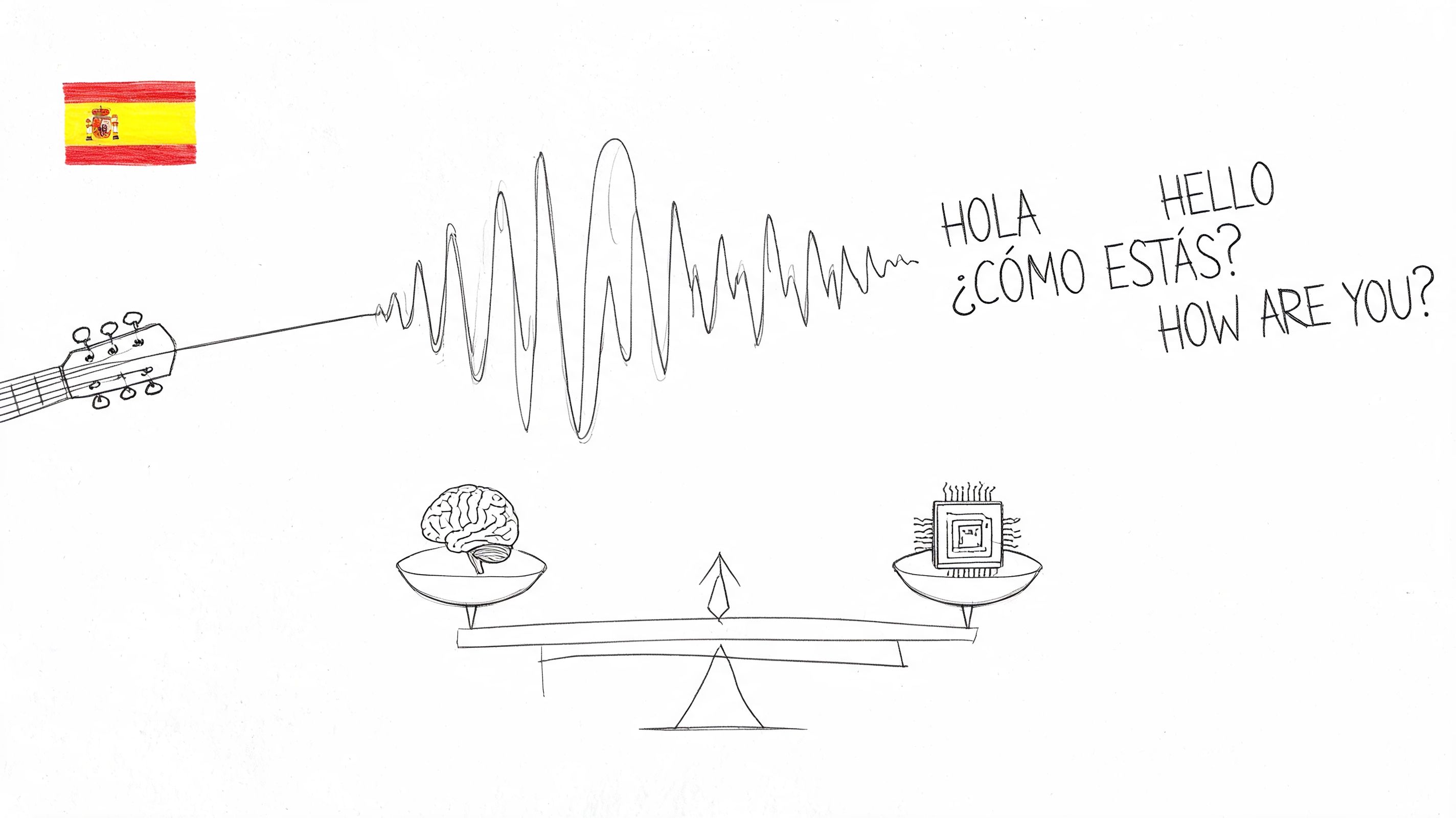
This fundamental choice—the meticulous human touch versus the rapid-fire AI—shapes everything from Rev's pricing and turnaround time to who finds the most value in its services.
You’re essentially choosing between a hand-built product known for its near-perfect quality and a factory-made version that gets the job done quickly and cheaply. That’s the Rev model in a nutshell.
More Than Just Transcription
While transcription is Rev.com’s bread and butter, you might see the "Rev" name pop up elsewhere. For instance, you wouldn't want to confuse it with REV Robotics, a popular name in student robotics, or the simple verb "rev," like you'd do with a car engine.
For our purposes, we're focused on the media services company. Its brand also extends to related tools; some let you create AI videos with Revid.ai from your text.
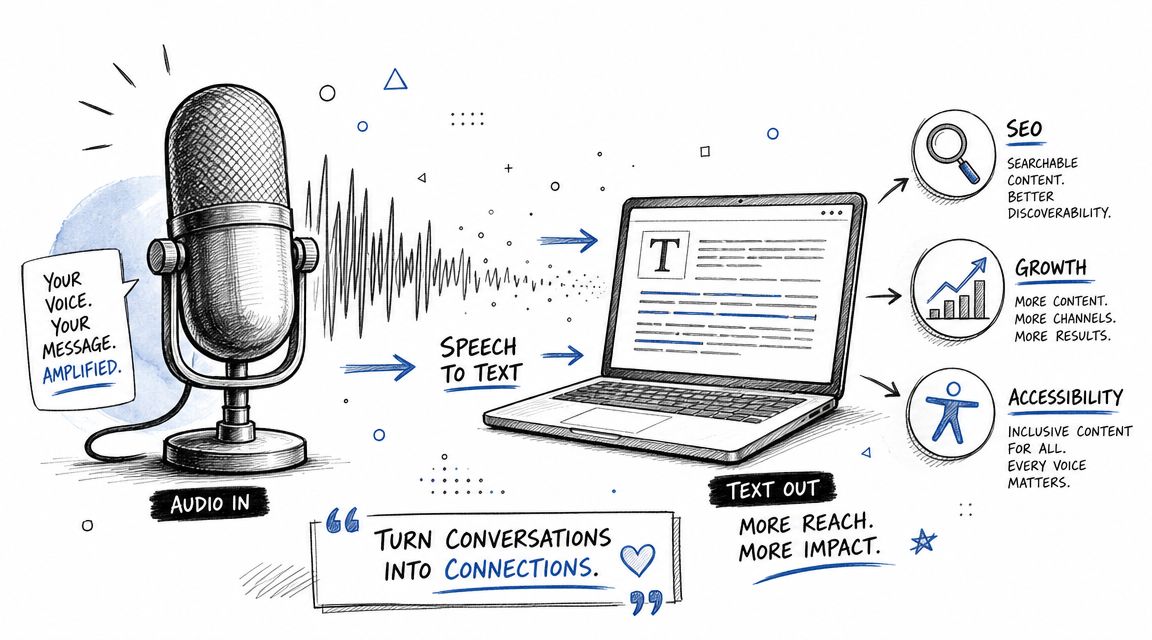
Ultimately, Rev's dual-service approach is a snapshot of the entire transcription industry's evolution. Simply getting words from audio is just the starting point now. Modern AI-powered transcription software is pushing further, focusing on what you can do with the transcript—like creating summaries, identifying action items, or building a searchable knowledge base. We’ll dig into those differences to help you decide which path makes the most sense for you.
How Rev's Transcription Process Actually Works
So, you’ve just hit "upload" on Rev.com. What happens next? Based on my experience ordering from them, your audio or video file doesn’t just go into one big machine. Instead, it gets sent down one of two very different tracks, and knowing which path to choose is crucial for getting what you need.
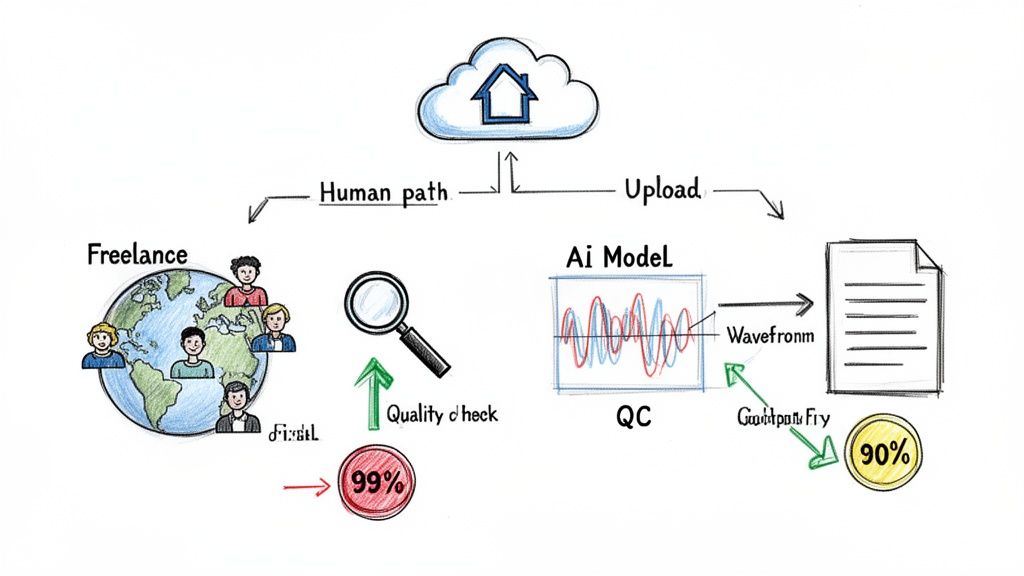
Let's follow your file's journey through both of Rev's systems, starting with its classic, human-powered service.
The Human Transcription Path
When you order Rev's standard human transcription, your file is assigned to someone from their massive, worldwide network of freelance transcriptionists. These are real people who listen intently to your recording, untangling the words and typing them out.
This is where the human touch really makes a difference. People can do things that AI still struggles with, like:
- Deciphering heavy accents that might baffle an algorithm.
- Navigating crosstalk when multiple people are talking over each other.
- Making sense of poor audio that’s full of background noise or muffled voices.
Once the first draft is done, it’s not finished. The file then moves to a quality check where another person reviews it for accuracy. This two-step, human-driven process is how Rev can stand behind its 99% accuracy guarantee. It takes more time and costs more, but my experience confirms the end result is a polished, reliable document.
The AI Transcription Path
If you need your transcript back now, you'll want to choose Rev's AI transcription, a service also offered under their Rev Max subscription. This path is all about one thing: speed.
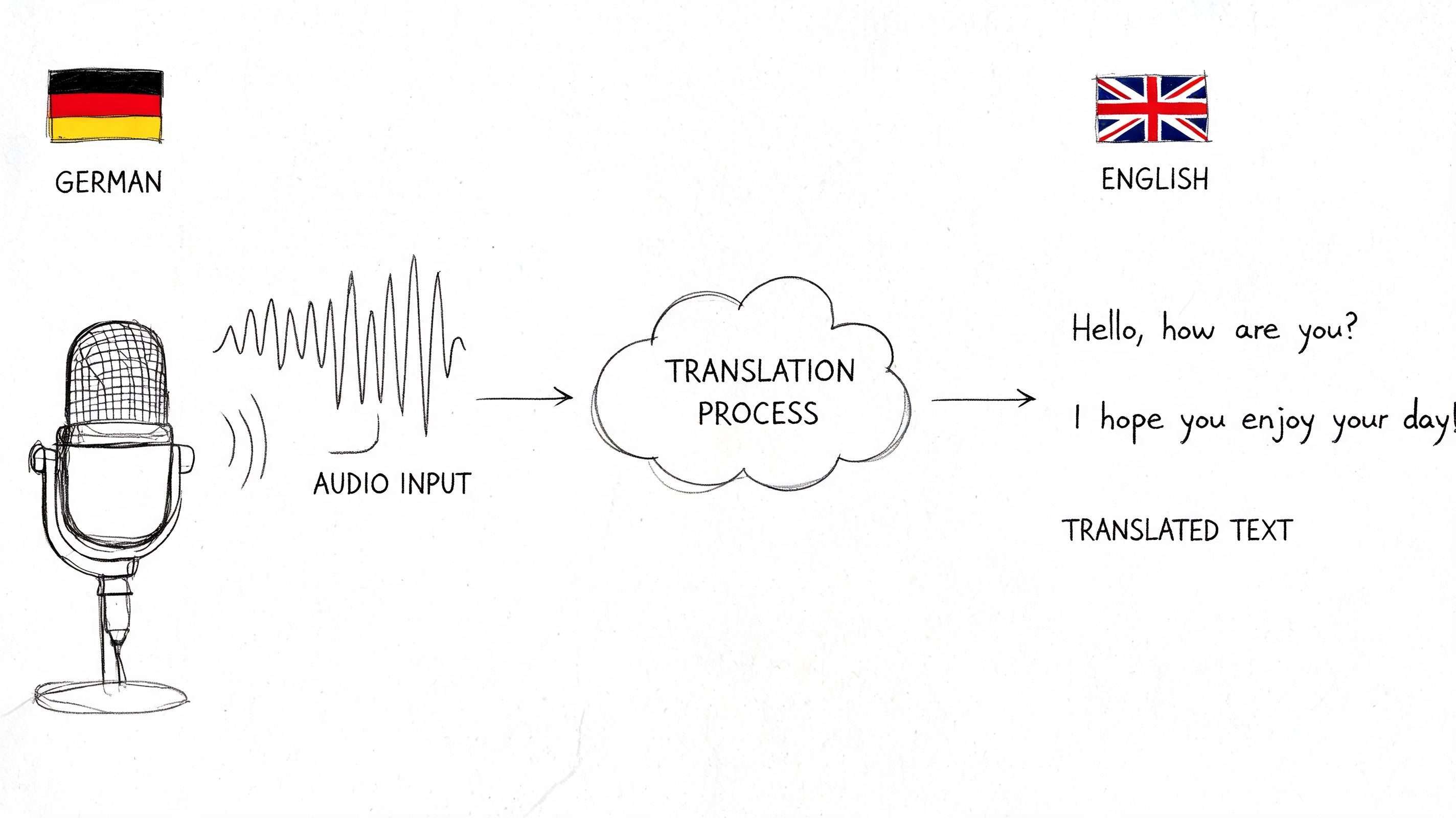
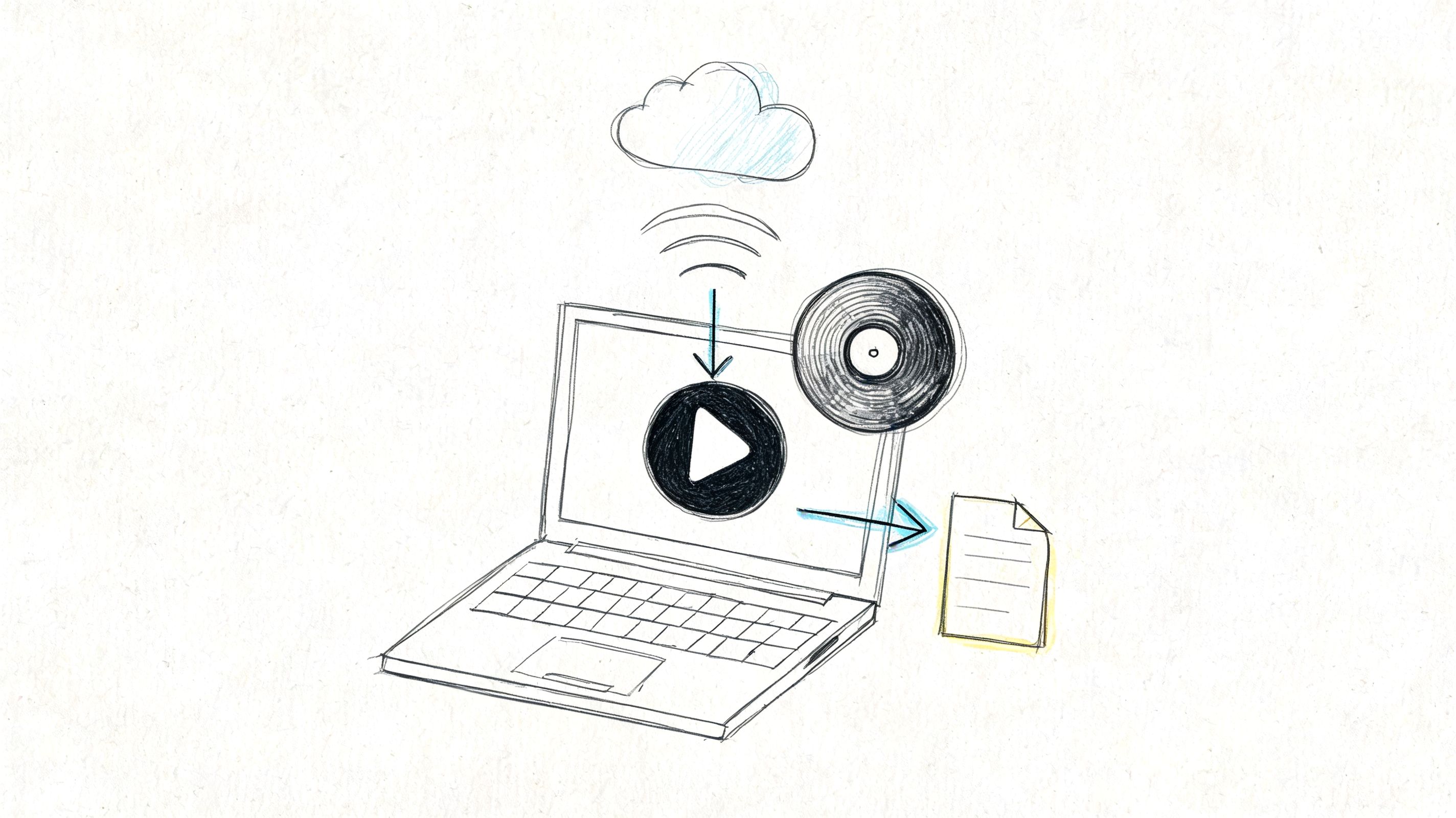
Instead of a person, your file is processed by a powerful artificial intelligence model. The AI listens, identifies speech patterns, and converts them to text in just a few minutes. No humans are involved unless you specifically pay for an extra review later. This automated workflow means you get a transcript almost instantly.
Of course, there's a trade-off for that incredible speed. The AI is quite good with clear audio, especially with a single speaker, but its accuracy can drop when things get messy. You're generally looking at an accuracy rate of around 90%, trading perfection for a much faster turnaround and a lower price point.
To really see the difference, it helps to put the two side-by-side.
Rev Human Transcription vs AI Transcription at a Glance
This table breaks down the core differences to help you decide which service fits your project's goals for speed, accuracy, and budget.
| Feature | Human Transcription | AI Transcription (Rev Max) |
|---|---|---|
| Primary Method | A global network of human freelancers | Automated speech-to-text AI model |
| Guaranteed Accuracy | 99% | Around 90% (with clear audio) |
| Turnaround Time | Typically hours (varies by file length) | A few minutes |
| Best For | Final drafts, public-facing content, legal/medical use, and complex audio | Quick drafts, internal notes, searchable archives, and budget-conscious projects |
| Cost Model | Per-minute of audio | Lower per-minute rate or subscription |
In the end, choosing between Rev's human and AI services comes down to what you need the transcript for. If you need a document that’s ready for court or for publishing, the human path is your best bet. But if you just need to quickly find a key quote from a two-hour meeting, the AI path will get you there in minutes.
Breaking Down Rev's Pricing, Accuracy, and Best Uses
When you're trying to pick a transcription service, it really boils down to three things: how much it costs, how good the final transcript is, and when it’s the right tool for the job. Getting a handle on how Rev.com performs in these areas is the key to figuring out if it’s the right choice for you.
Rev’s human transcription is built on a simple per-minute pricing model. You pay for every minute of audio or video you submit, which makes your costs completely predictable. A 30-minute interview will cost you exactly half of what a 60-minute one does. No surprises there.
That base rate, however, is just the starting line. The final cost can tick up depending on what extras you need.
Decoding Rev's Pricing and Accuracy
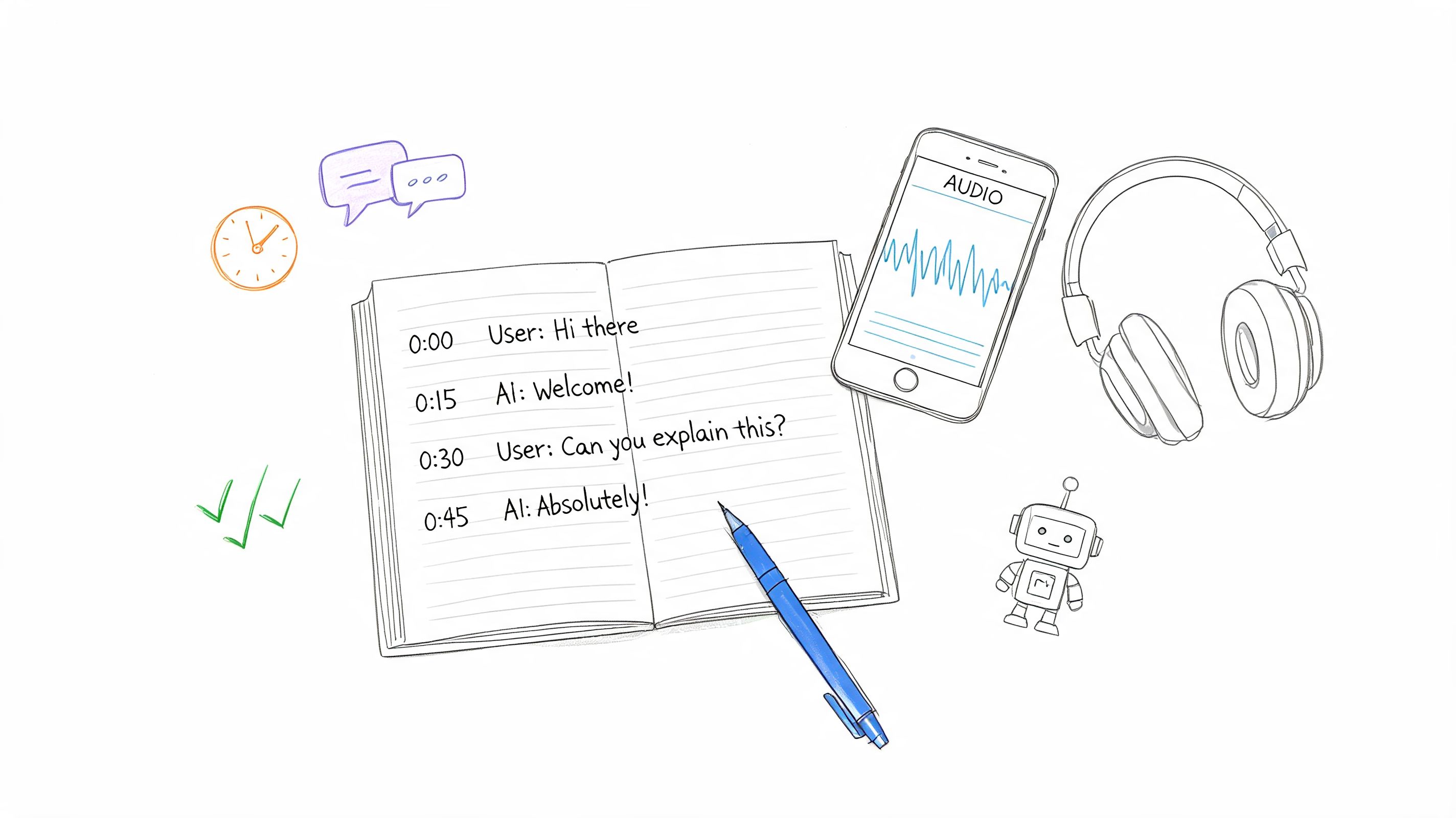
Rev offers a few add-ons that can change your final bill. If you need extras like timestamps to sync the text to your audio, or a strict verbatim transcription that includes every "um," "ah," and stutter, you’ll pay a little more for each minute.
The most important numbers to get your head around are Rev's accuracy claims. They guarantee 99% accuracy for their human transcription service, while their AI transcription is rated for around 90% accuracy on clear audio.
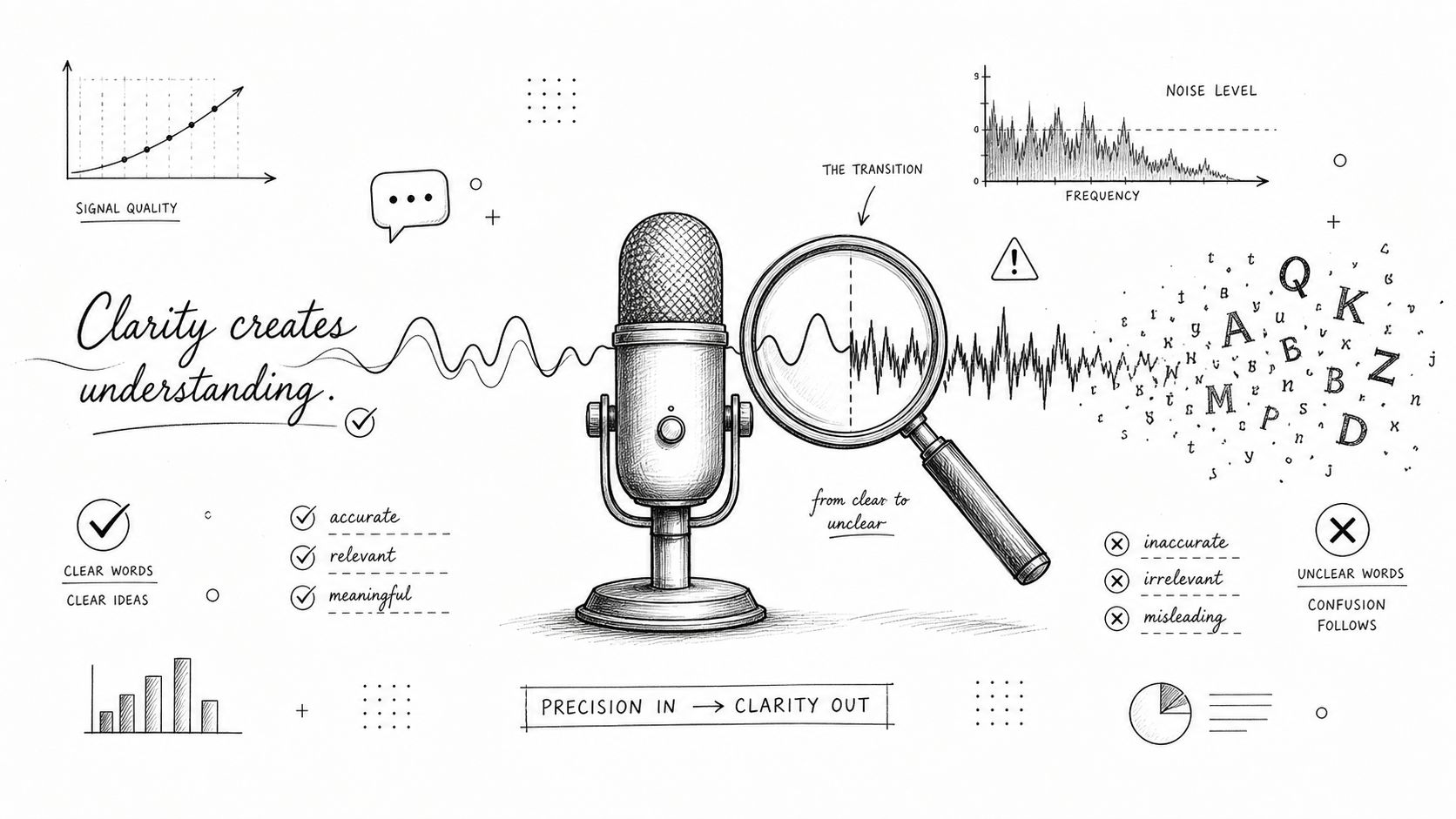
On paper, 99% and 90% might seem pretty close. In my experience, that 9% gap can feel like a chasm. A 99% accuracy rate means you might find one small error for every 100 words. For most projects, that’s a quick and easy fix.
A 90% accuracy rate, on the other hand, means you're looking at one error for every 10 words. That could be several mistakes per minute, creating a serious editing headache if you need a clean document. Understanding the true cost of transcribing means factoring in the time you'll have to spend cleaning up the text yourself.
Choosing the Right Service for the Job
So, which one is right for you? It all comes down to what you need the transcript to accomplish. It’s like choosing between a precision scalpel and a power saw—both cut, but you wouldn't use them for the same task.
You should choose Rev's human transcription when:
- Accuracy is your top priority: If you're a lawyer transcribing a deposition, a journalist on a deadline, or a researcher publishing findings, that 99% accuracy is non-negotiable.
- Your audio is challenging: Got a recording with heavy accents, multiple people talking over each other, or a lot of background noise? A human is your best bet for making sense of it all.
- The transcript is for public view: For anything public-facing, like video subtitles or a blog post, you need a polished, error-free result.
You should choose Rev's AI transcription when:
- Speed is everything: Need a rough draft of a meeting right now? The AI’s turnaround time of just a few minutes is impossible to beat.
- You just need to find stuff: If you only need a transcript to search for keywords in a long lecture or interview, 90% accuracy is more than good enough.
- The budget is tight: AI is significantly cheaper, making it a fantastic choice for anyone with a high volume of low-stakes audio.
Ultimately, knowing "what is Rev" is less about the company and more about knowing when to use its different tools. When you match your project's needs to the right service, you get the perfect balance of accuracy, speed, and cost every time.
The Rise of Smarter AI Transcription Tools
The world of transcription is going through a massive shake-up. While services like Rev mastered turning audio into a massive block of text, that's just not enough anymore for many professionals. For remote teams, content creators, and businesses that need to move fast, a simple transcript is only the starting point.
This shift is all about turning conversations directly into action. Professionals today don’t just want a record of what was said. They need tools that can pull out the valuable stuff—the tasks, the decisions, the key takeaways—almost instantly. This has kicked off a new generation of AI platforms that do a whole lot more than just transcribe.
From Text to Productivity Engine
Think about it: what if you could turn hours of meeting recordings into ready-to-use notes in seconds? That’s exactly what modern AI transcription tools are designed to do. The market growth tells the whole story. Valued at $4.5 billion in 2024, the global AI transcription market is expected to skyrocket to $19.2 billion by 2034, growing at a 15.6% clip each year.
This boom is a direct reflection of how we work now, with 75% of companies offering permanent remote options and professionals hopping between meetings all week. You can dig into more of these industry trends over at Sonix.ai. This is all part of a bigger trend, too. We’re seeing huge leaps in AI-driven content creation tools everywhere, and transcription is no exception. It's evolving from a simple service into a full-blown productivity engine.
What Do Modern AI Tools Offer?
The smartest new AI platforms operate on the principle that the transcript itself is just the raw material. The real magic is what the AI does with it. These tools are built to answer the question, "Okay, what do I do with all this information?"
These newer platforms aren't just transcribers; they are AI assistants that attend meetings with you. Their purpose is to listen, understand, and organize information so you can focus on the conversation, not on taking notes.
Here’s a look at what sets this new wave of tools apart:
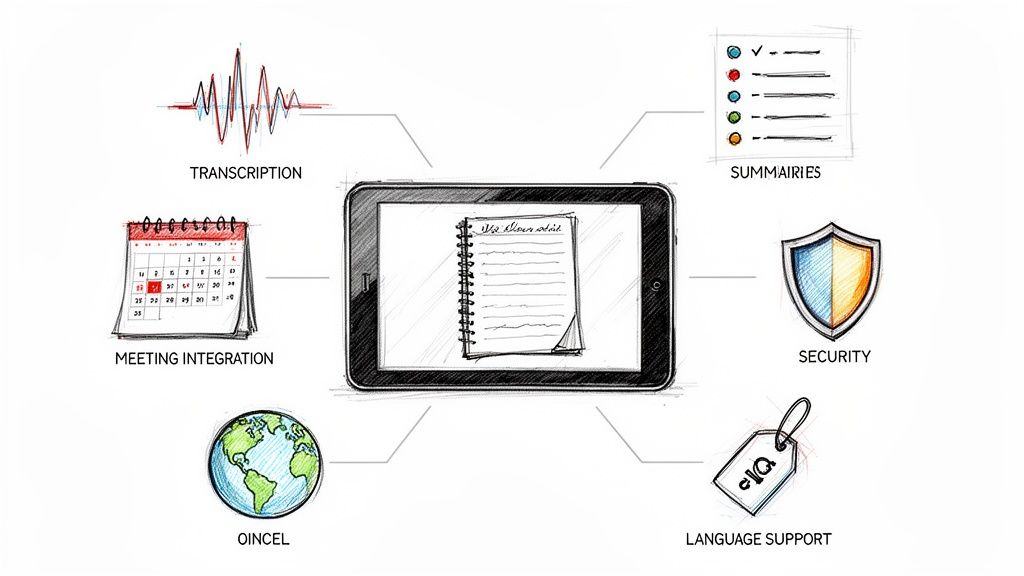
- Automated Summaries: The AI boils down hours of conversation into a short, sharp summary, highlighting the most important points so you can get up to speed in minutes.
- Action Item Detection: It picks out tasks, decisions, and deadlines mentioned during a call and drops them into an organized to-do list.
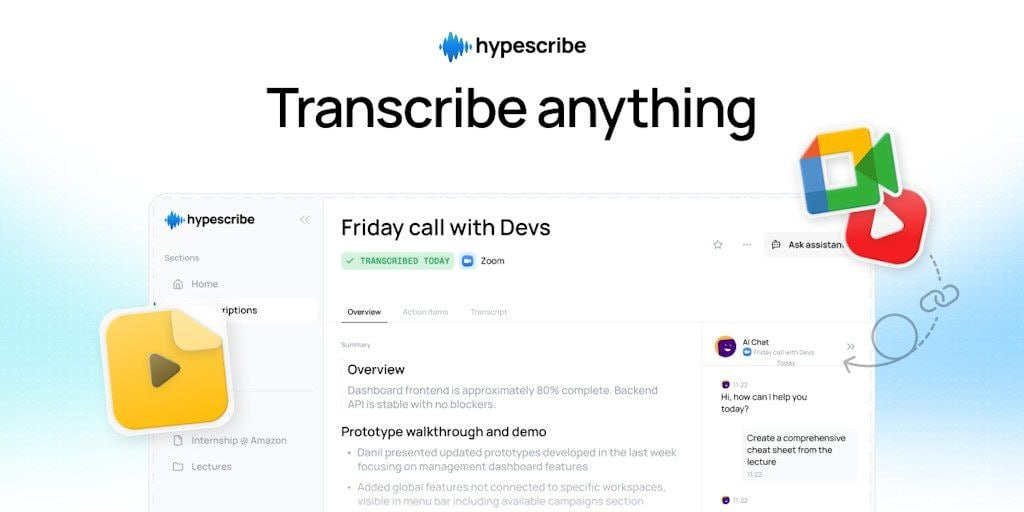
- Real-Time Transcription: Many of these tools can join your meetings on platforms like Zoom or Google Meet and transcribe everything live, as it happens.
Whether you're a student recording a lecture or a project manager trying to keep a team aligned, this is a huge leap forward. Instead of spending your time re-listening to recordings and pulling out details by hand, the AI serves up organized, actionable insights almost immediately. This is the new standard for what a transcription tool should deliver.
Choosing Your Transcription Service: Rev vs. Modern AI
Deciding between a classic human-powered service like Rev and a modern AI tool isn't just about features; it’s about your end goal. The real question is, what do you need the transcript for?
Are you looking for a near-perfect, legally admissible document? Or are you trying to turn a conversation into immediate, actionable insights for your team? This is the fundamental fork in the road, and where these two types of services go their separate ways.
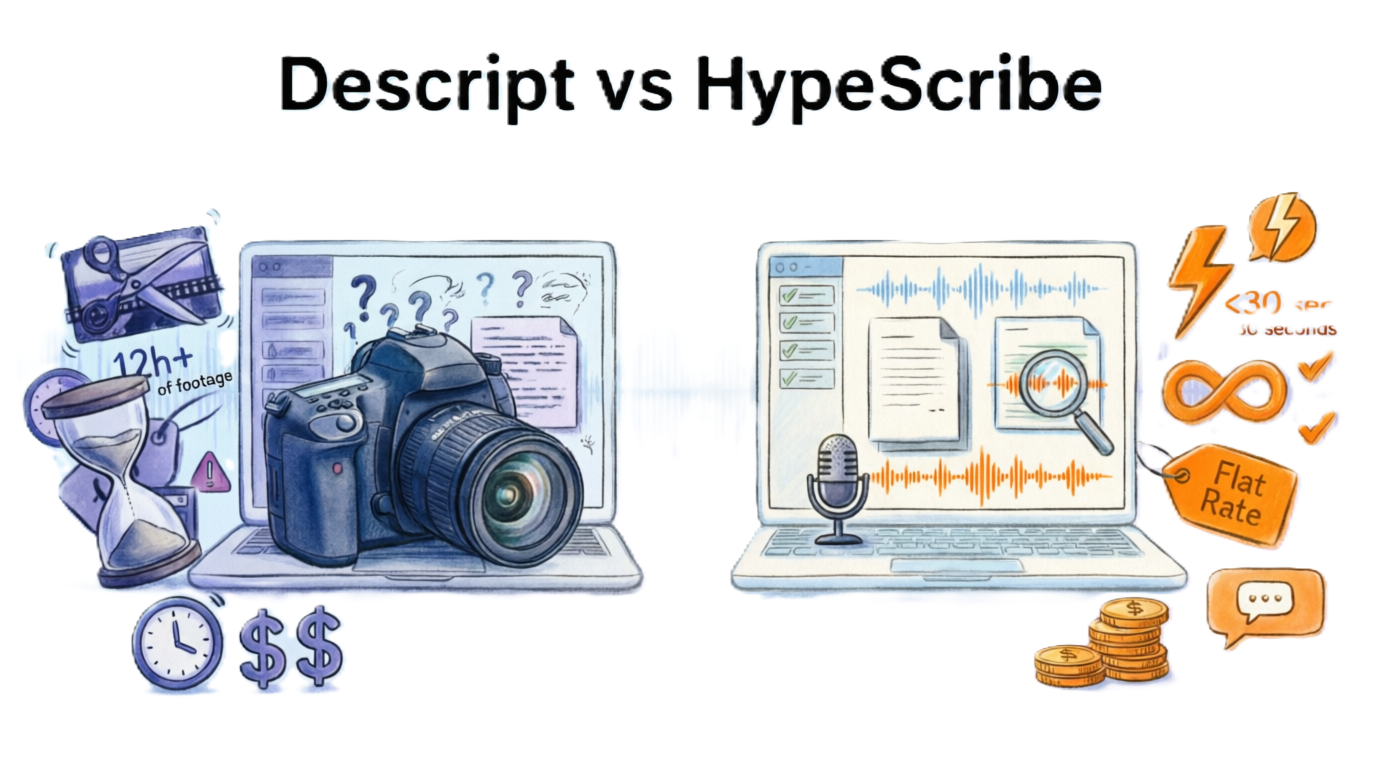
To really see the difference, let's put Rev and an AI-native tool like HypeScribe side-by-side. Their core purpose shapes everything from their turnaround time and cost to who they're built for.
A Head-to-Head Comparison
The contrast becomes crystal clear when you look at the metrics that actually matter in your workflow.
| Feature | Rev (Human-First Service) | Modern AI Tool (e.g., HypeScribe) |
|---|---|---|
| Primary Method | A human freelancer manually types and reviews the audio. | An AI model processes, transcribes, and analyzes the audio. |
| Speed | Hours or days, depending on file length and complexity. | Seconds or minutes, regardless of audio complexity. |
| Pricing Model | Per-minute fee, with add-ons for timestamps or verbatim. | Subscription-based, often with generous usage tiers. |
| Core Purpose | To produce a highly accurate, static text document. | To generate summaries, action items, and searchable insights. |
At its core, the trade-off is simple. Rev's human service sells you a meticulously crafted final product. Modern AI tools sell you a productivity workflow.
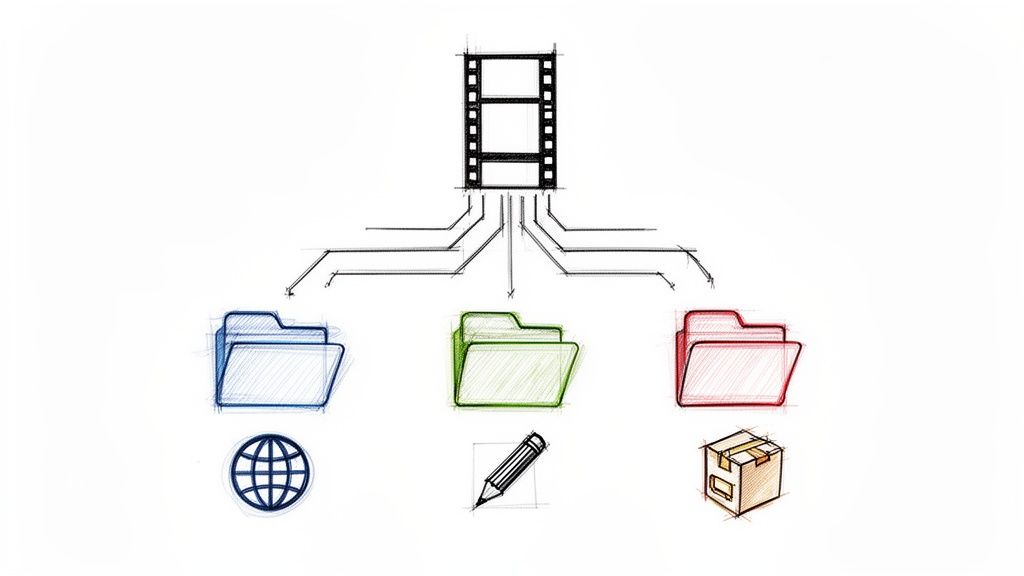
This flowchart gives you a great visual for making that choice, guiding you based on whether your priority is human-led accuracy or AI-driven speed.
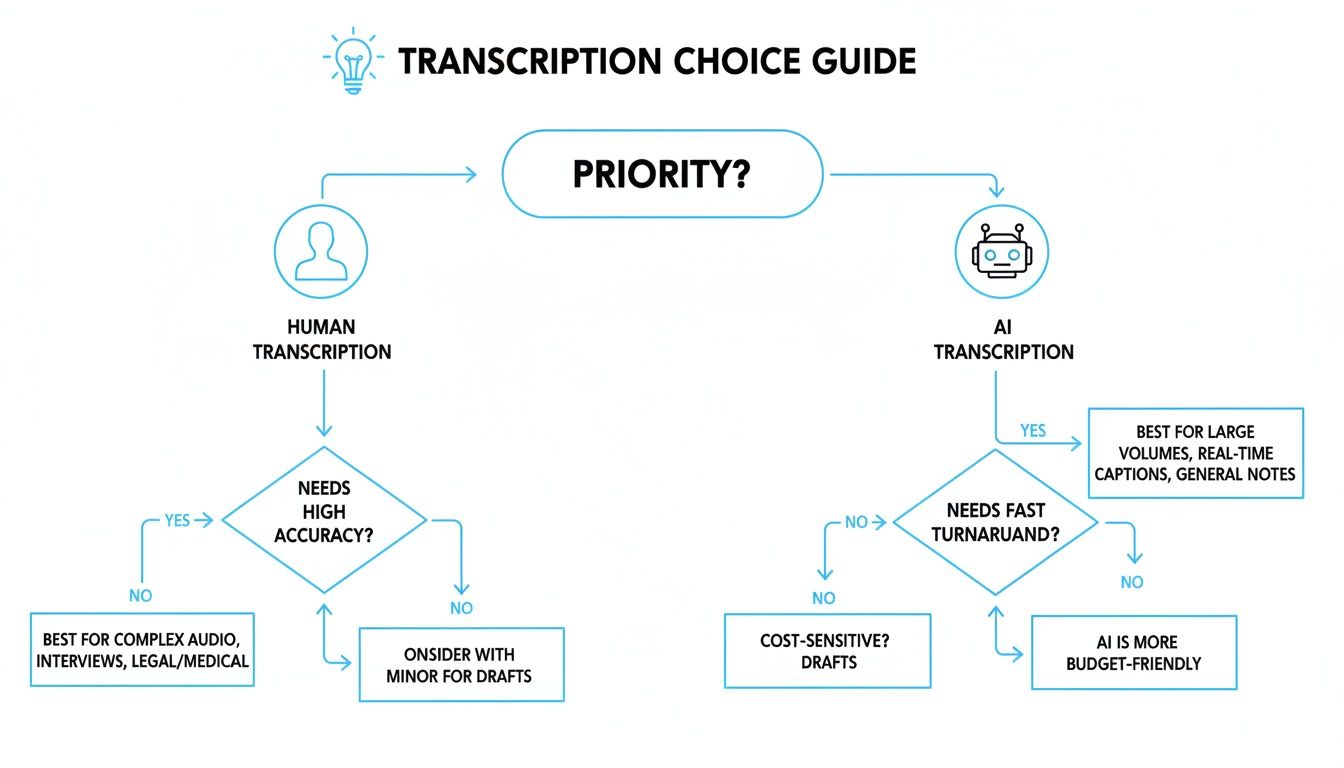
As you can see, what you value most—flawless accuracy or instant results—sends you down one of two very different paths.
When to Choose Which Service
So, how do you actually decide? Let's break it down into some real-world scenarios.
Choose Rev's human service when the final document is the only thing that matters. Choose a modern AI tool when what you do with the document is what matters most.
You should choose Rev's human-powered service if:
- You need a transcript for legal proceedings, where 99% accuracy is the non-negotiable standard.
- The audio is extremely challenging—think heavy accents, lots of background noise, or poor recording quality that would trip up an AI.
- You're preparing a polished document for publication and have a few hours or a day to wait for perfection.
You should choose a modern AI-first tool like HypeScribe if:
- You need to process daily meetings to pull out key decisions and share takeaways with your team right away.
- Your goal is to transform a library of audio or video files into a searchable, summarized knowledge base.
- You need to move from discussion to execution quickly by using automated summaries and action items.
The explosive growth in AI meeting transcription shows just how critical speed has become. The market is projected to skyrocket from $3.86 billion in 2025 to $29.45 billion by 2034, fueled by a staggering 25.62% CAGR. Why the boom? In a world where 75% of firms have remote work policies, teams sitting in 4-5 virtual meetings a week need instant action items, not a wall of text to sift through later. An AI tool that can deliver up to 99% accuracy in seconds is built to solve that exact problem.
Ultimately, knowing what Rev is also means knowing its limits in a fast-paced work environment. For many, the choice is becoming obvious: if your work depends on speed and action, an AI-native tool is designed for you. To see how different platforms compare, check out our guide on the best AI transcription tools in 2026.
A Few Final Questions About Rev and Transcription
Even after digging into the details, you probably have a couple of questions rattling around. That's completely normal when you're deciding on the right tool for the job. Let's tackle some of the most common ones to make sure you have all the information you need.
Is Rev’s Human Transcription Really 99 Percent Accurate?
You'll see Rev advertise 99% accuracy for its human transcription, which is an impressive benchmark. But what does that actually mean for your project? From my own experience, it's important to know that 100% perfection is a ghost—it doesn't really exist in transcription.
That 99% figure means you're getting a document that's incredibly close to perfect. It's a huge time-saver. However, that last 1% is where small errors can creep in, especially when the audio isn't clean. You might see a few slip-ups with things like:
- Heavily muffled audio or overwhelming background noise.
- Speakers constantly talking over one another (crosstalk).
- Niche, technical jargon that isn't everyday knowledge.
For most professional work—journalism, legal depositions, academic interviews—this level of quality is more than enough. It's a significant step up from what an AI-only service can promise, particularly with difficult audio files.
Think of it this way: Rev's human service gives you a polished draft that needs very little, if any, cleanup. That makes it a reliable choice for anything where accuracy is non-negotiable.
When Should I Use an AI Tool Instead of Rev?
Choosing an AI transcription tool over a human service like Rev really boils down to your priorities. The decision becomes simple when you know what you need. If speed, cost, and getting more than just a wall of text are your main goals, an AI platform is the clear winner.
You should go for an AI tool when you need to:
- Get transcripts right now: AI can turn your audio around in minutes, not hours.
- Handle a lot of content: Subscription plans make it affordable to transcribe audio in bulk without breaking the bank.
- Do more with your content: The real power of AI tools is turning your transcript into summaries, action items, or searchable notes from meetings and calls.
If you're in a fast-moving environment and need to turn conversations into useful information quickly, a good AI platform is designed for exactly that.
Are My Files Secure With Rev and Other Services?
That's a critical question, and you're right to ask it. When you send a file to Rev’s human service, it’s handled by their global team of freelancers, who are vetted and work under strict confidentiality agreements. With AI services, your file is processed by algorithms on secure, private servers.
Any reputable service, whether human-powered or AI, should be transparent about its security. Look for standards like data encryption (for files both in transit and stored on servers) and clear controls that let you manage or delete your data. It's always a good idea to spend a few minutes reading the privacy policy before uploading sensitive material, just to be sure it lines up with your needs.
Ready to see how a modern AI tool can transform your workflow? HypeScribe turns your meetings and recordings into actionable notes, summaries, and tasks in seconds. Experience the future of transcription with HypeScribe today.