User Research Tools for Mobile Apps: In-App Recruiting and Interview Transcription

Key takeaways
- Mobile research tools split into three jobs: reaching the right people, recording sessions on their phones, and turning interview recordings into notes you can quote.
- An in-app invite (Pushwoosh, Sprig) reaches your own users right after the action you want to ask about; for people outside your user base, User Interviews recruits and pays them.
- Lookback, Maze, UserTesting and dscout record people using the app on their phones; only Lookback publishes prices ($299 a year for 10 sessions).
- For recordings of ordinary Zoom, Meet or Teams calls, HypeScribe transcribes per file: $6.99 a month for 30 uploads of any length.
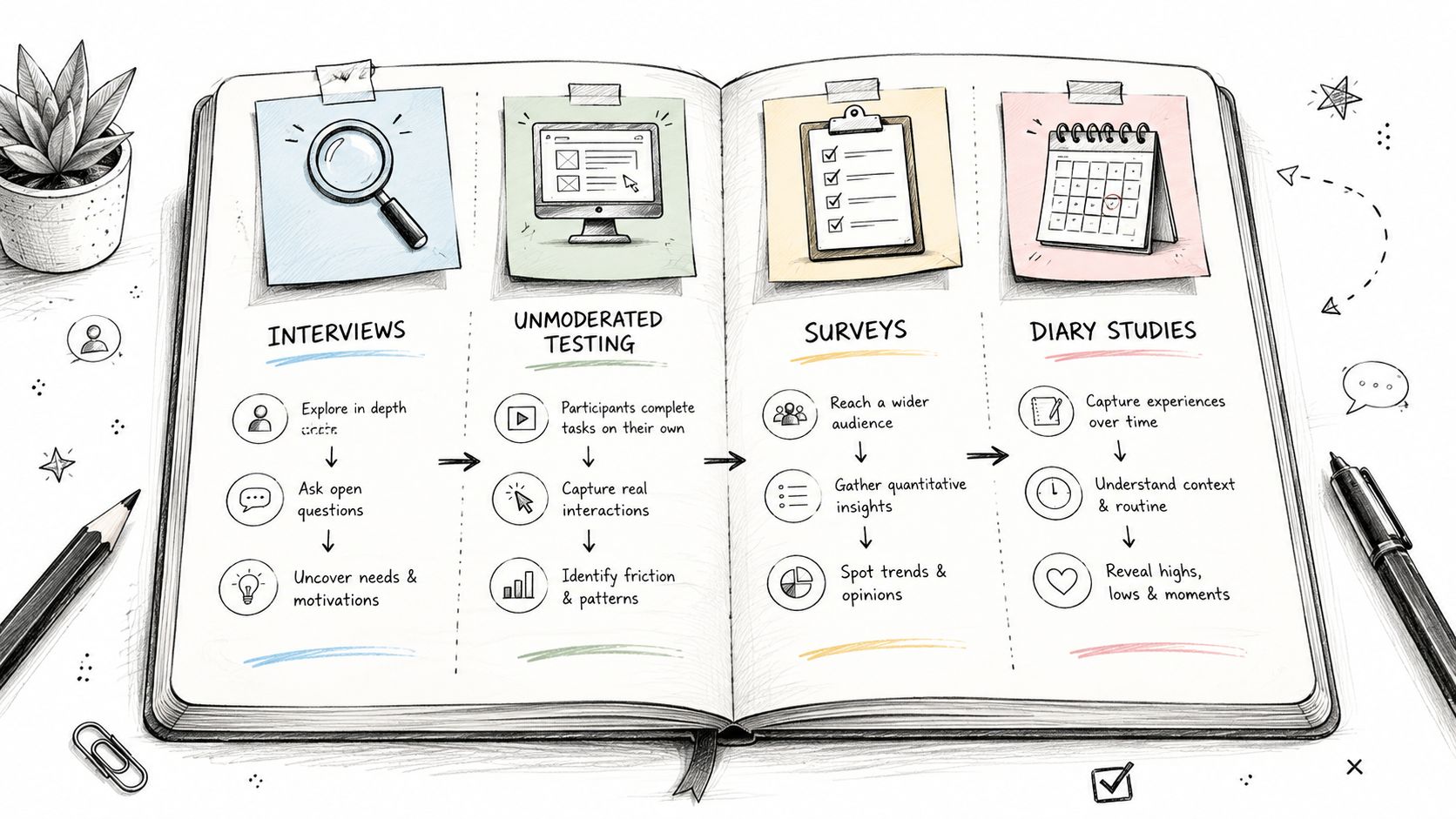
The right tool depends on three questions: are the participants your own users, do you need to see their phone screen or only talk to them, and is this one study or a research program that runs all year? The table answers them for nine tools, with prices from each vendor's pricing page in October 2026.
Which tool covers which part of a mobile study?
We picked tools that reach mobile users, record sessions on phones or turn recordings into text, and took every price and limit from the vendor's own site. We didn't run a hands-on test of each tool, and prices change, so check the vendor page before you pay.
What does a 10-interview study with your own users look like?
- Define who you want to hear from as a behavior, for example "finished onboarding but never set a reminder", and build that segment in your messaging tool.
- Show an in-app invite to that segment only, right after the relevant screen. Say what the call is about, how long it really takes and what people get, and link the button to your scheduling page.
- Run the calls on Zoom or Google Meet. Get consent to record before the call, then ask again once the recording starts, so the consent is on the recording too. If you need to watch the phone screen while you talk, run the session in Lookback instead.
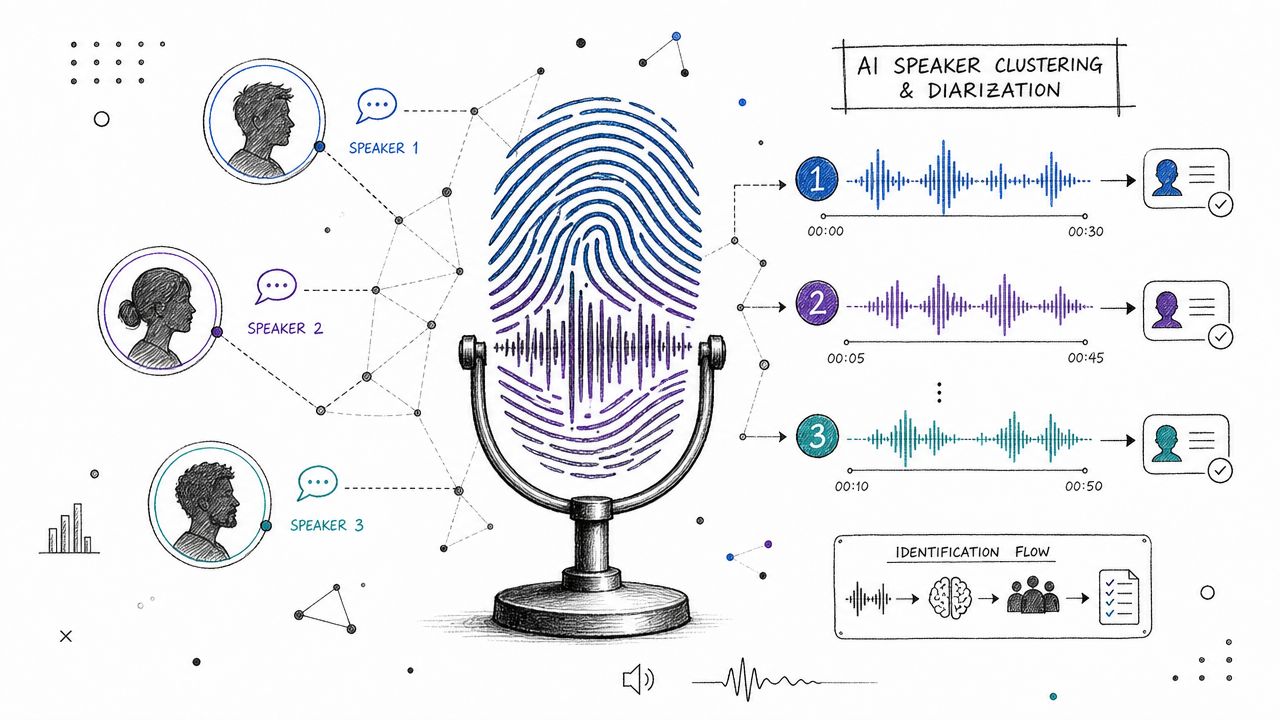
- Transcribe every call and rename the speakers to participant IDs. Renaming doesn't remove names or employers people mention in their answers, so edit those out before you share.
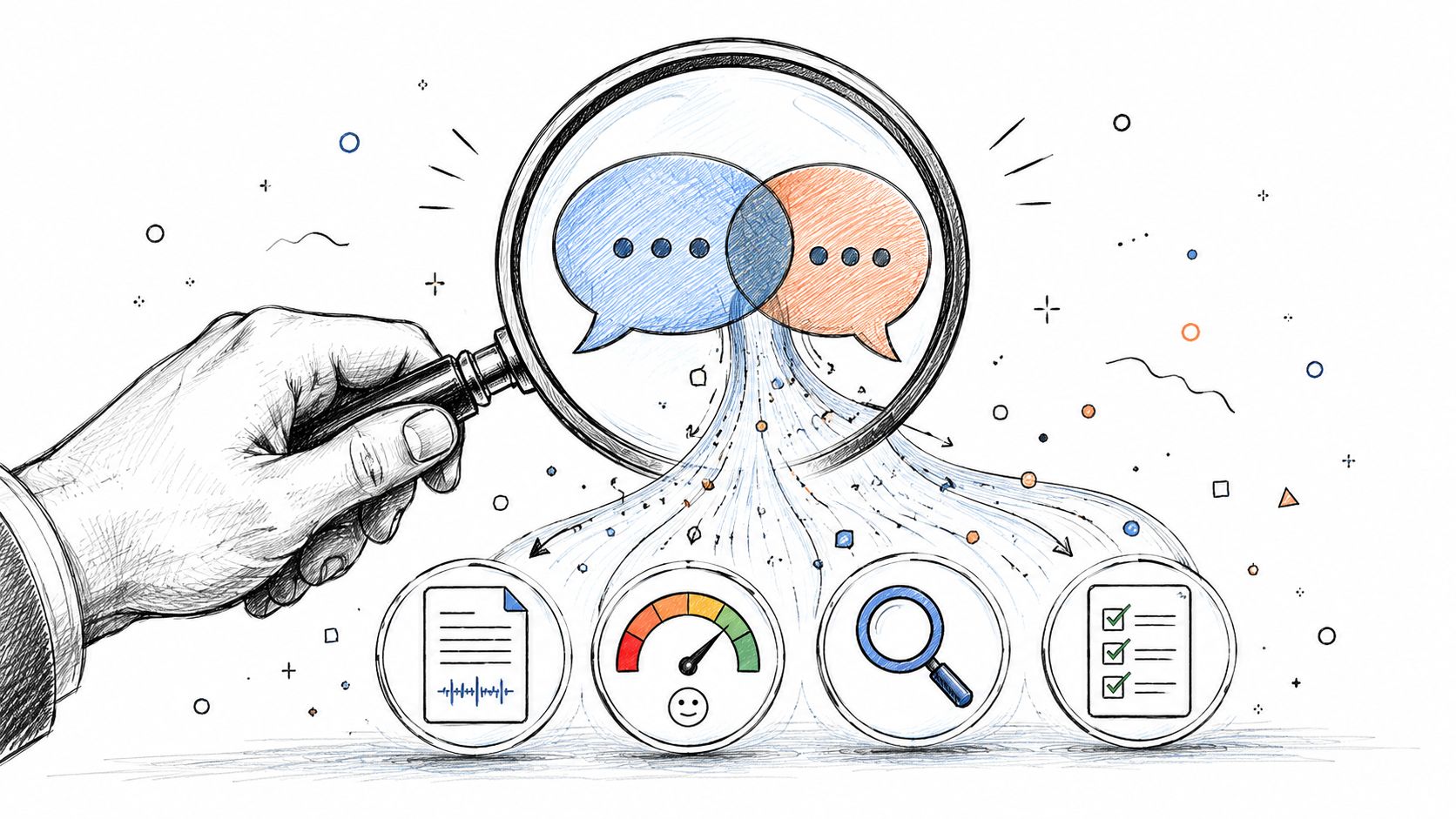
- Read the overviews first, then check each quote you plan to use against the audio. Our guide to analyzing interview data covers coding and themes.
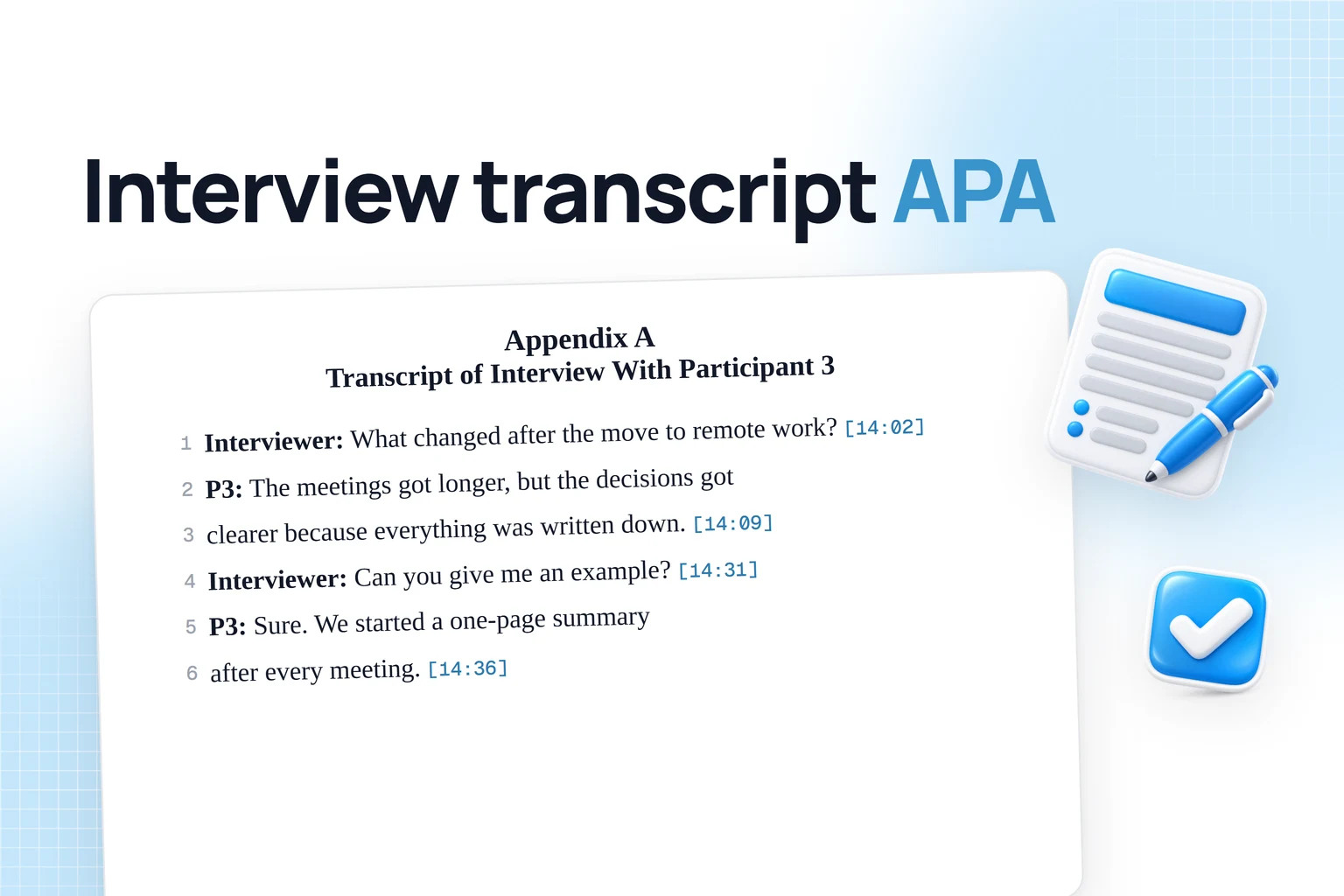
- Put findings where the team already works, with the timestamp next to every quote so anyone can listen to the original.
What it costs (vendor prices, October 2026):
- Your own users: Pushwoosh is $0 if your app has up to 1,000 monthly active users, and HypeScribe Starter is $6.99 a month for uploaded recordings (the notetaker needs Pro, $7.99). Add incentives, and developer time if the Pushwoosh SDK isn't in your app yet.
- Outside participants: User Interviews charges $49 per session, so $490 for ten, plus incentives.
- Phone-screen sessions: Lookback Freelance is $299 a year, paid upfront, for 10 sessions.
How do you recruit interviewees from inside your app?
Pushwoosh
Pushwoosh puts the interview invite inside your app, right after the action you want to ask about, instead of in an inbox days later. It's a push and in-app messaging platform rather than a research tool. You build a segment from events and tags (people who used the new export feature three times this week, say), and the in-app message is triggered by that event or screen, with a button that opens your scheduling page.
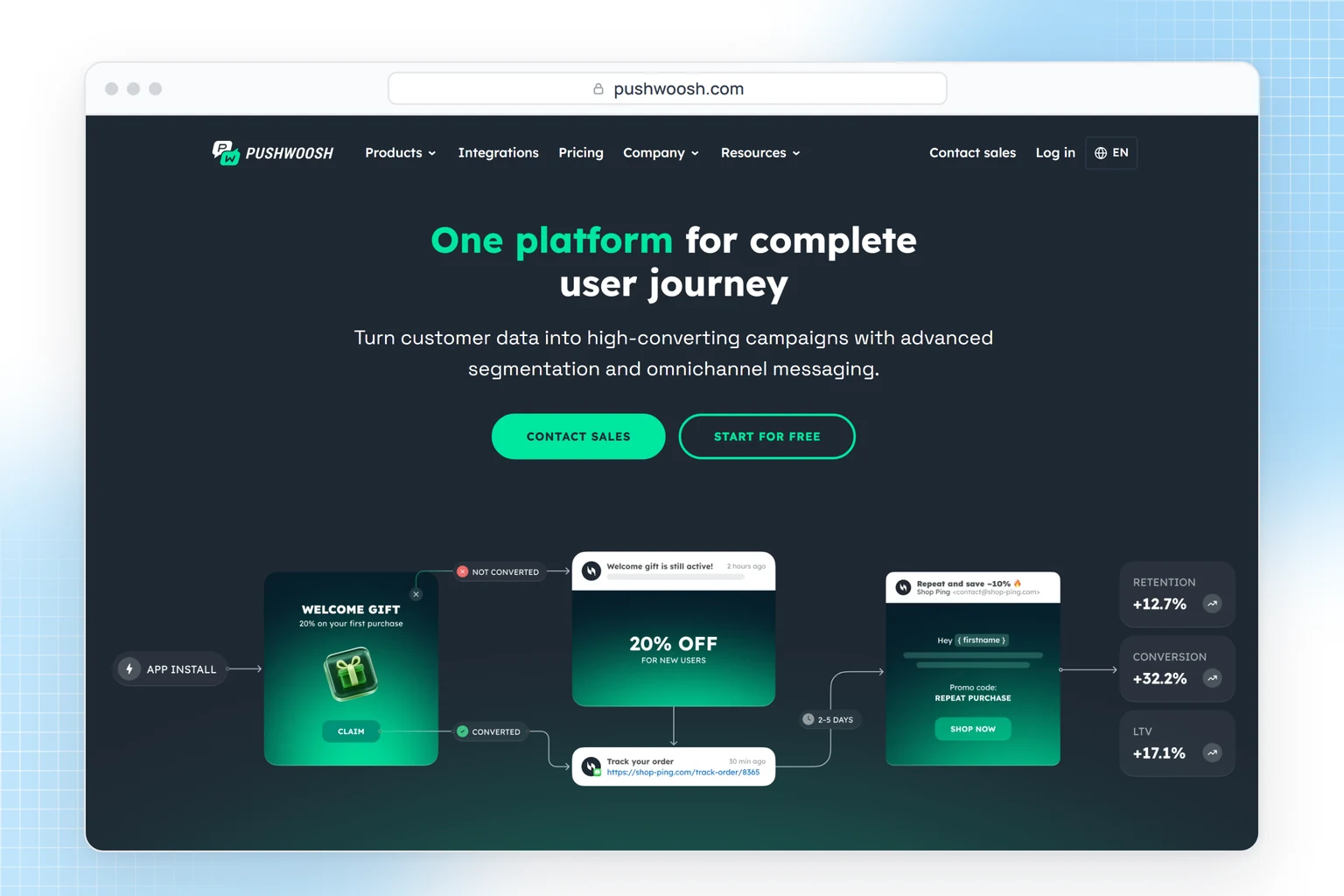
SDKs cover iOS, Android and cross-platform frameworks such as Flutter and React Native. Pushwoosh is free up to 1,000 monthly active users with no feature gates; above that, Omnichannel costs $13 per 1,000 MAU. Pick it if your app already has the SDK and tracks the events you want to segment on; otherwise a developer has to add them first. Scheduling, recording and transcripts happen in other tools.
Sprig
Sprig asks questions at the moment something happens: a survey triggered by an in-app event and filtered by attributes such as plan or lifecycle stage, with SDKs for iOS, Android, React Native and Flutter. On iOS, Android and React Native, a session replay can be attached to each answer, so you see what the person did before replying.
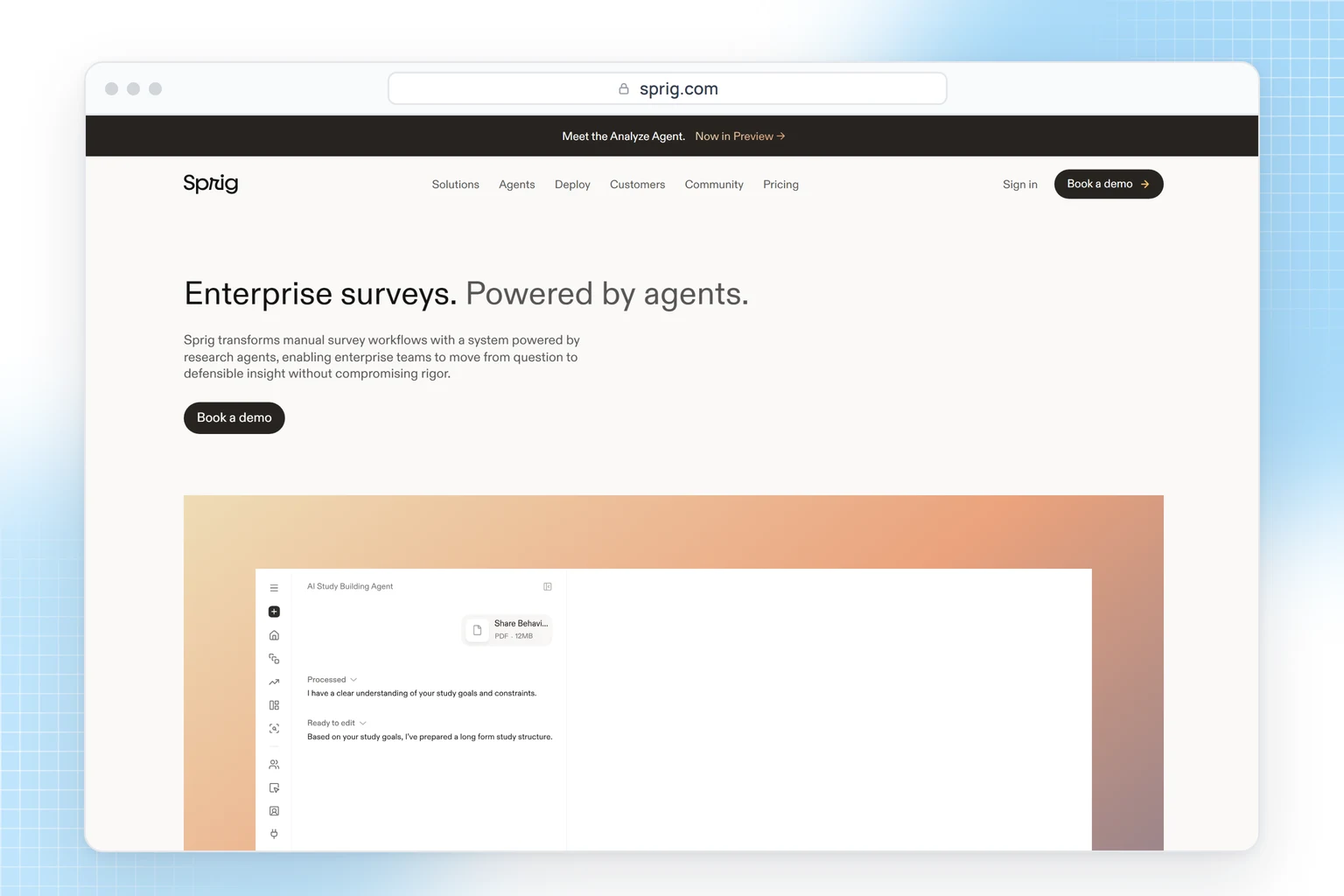
In an interview study, Sprig helps before and after the calls: first to find people worth talking to (everyone who rated onboarding 2 out of 5), then to check how common a finding is across all users. A panel of 300,000+ participants is available too. The interviews themselves run elsewhere, and prices aren't published.
User Interviews
User Interviews finds, screens, schedules and pays participants; the session itself runs in Zoom, Lookback or whatever you use. It's the tool for people your app can't reach, such as users of a competitor or a B2B role you have few of. Recruiting costs $49 per session pay as you go ($98 with advanced B2B targeting), and incentives come on top. Research Hub manages a panel of your own opted-in users, priced on request. Invites inside your app, recordings and transcripts all need another tool.
Which tools record people using your app on their own phone?
Lookback
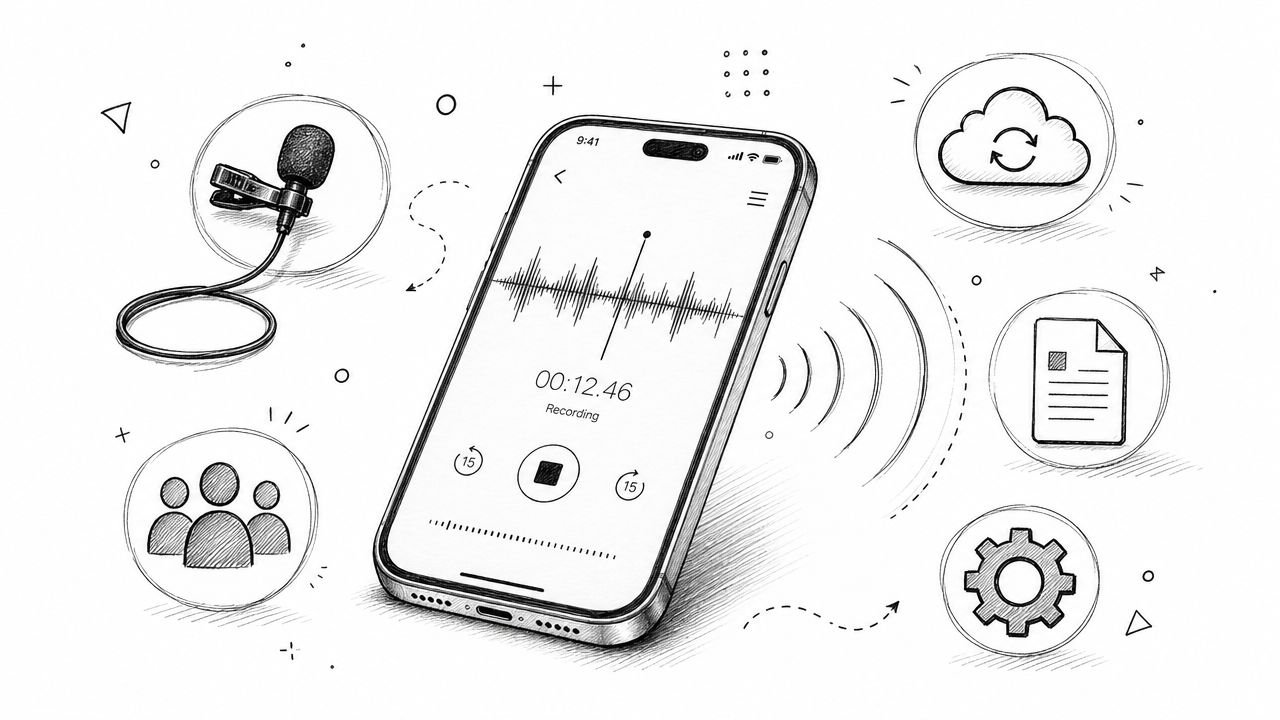
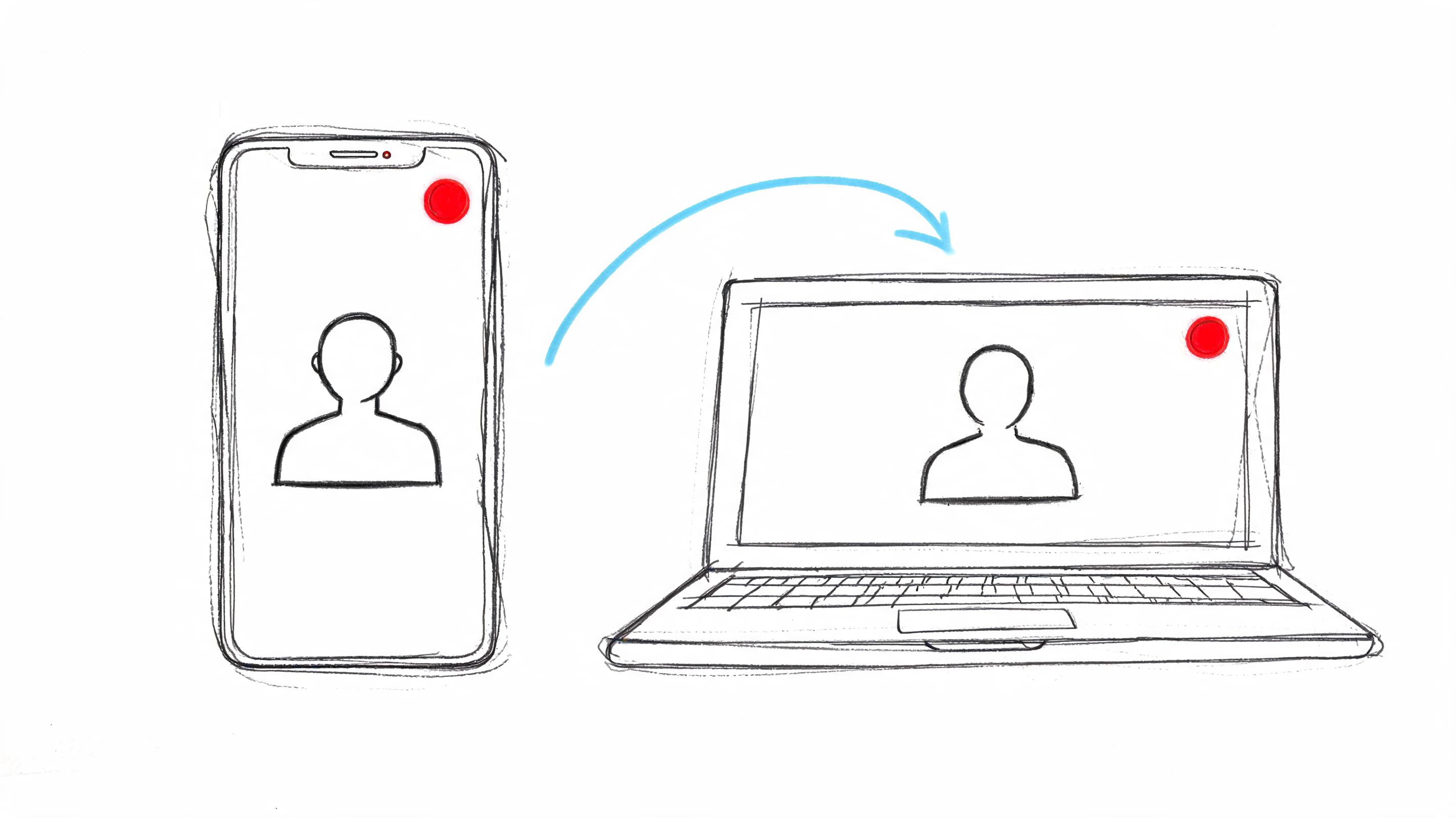
Lookback records the participant's whole phone screen through its Participate app (iOS 15+, Android 6+), so they can use your real app, or an unreleased build from TestFlight or Google Play, while you watch live or review later. That makes it the one to choose when you want to moderate a session and see the screen at the same time. Sessions under three hours get transcripts automatically.
The catch is billing: plans are annual only. Freelance is $299 a year for 10 sessions, with one participant from its panel included; Team is $1,782 for 100 sessions. The 60-day trial includes five sessions without exports.
Maze
Maze is built for tests people do on their own. Participants open your native app (iOS 16.5+ or Android 10+), a mobile prototype from Figma or a mobile site through the Maze Participate app, which records screen, voice and face while they work through your tasks. A participant panel comes with every plan.
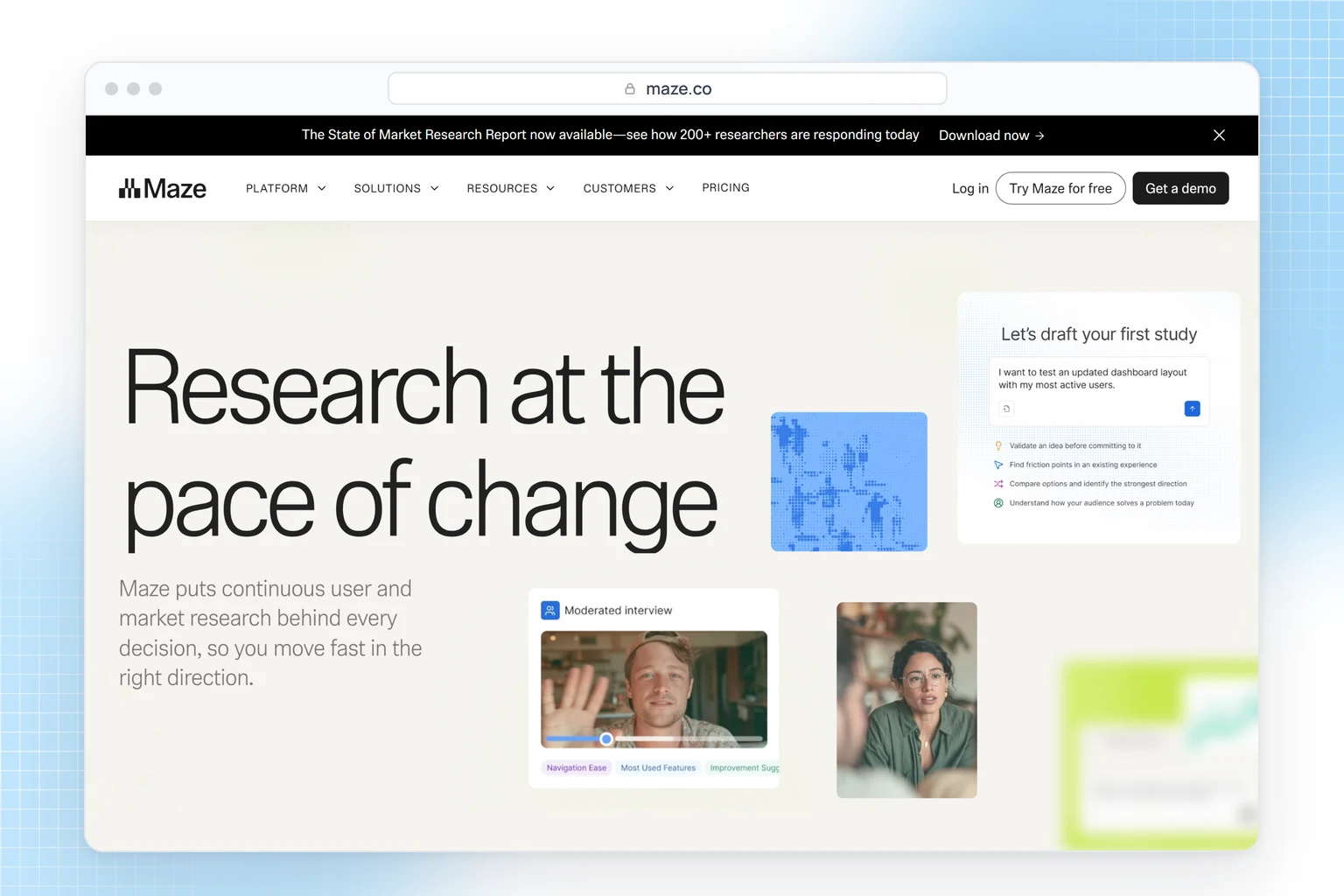
For interviews, Maze has Interview Studies, which transcribe Zoom, Meet or Teams calls in 30+ languages and write AI summaries, and Reach for managing your own participants. Both are on the Enterprise plan, and Maze doesn't list prices, so expect a sales conversation for them.
UserTesting
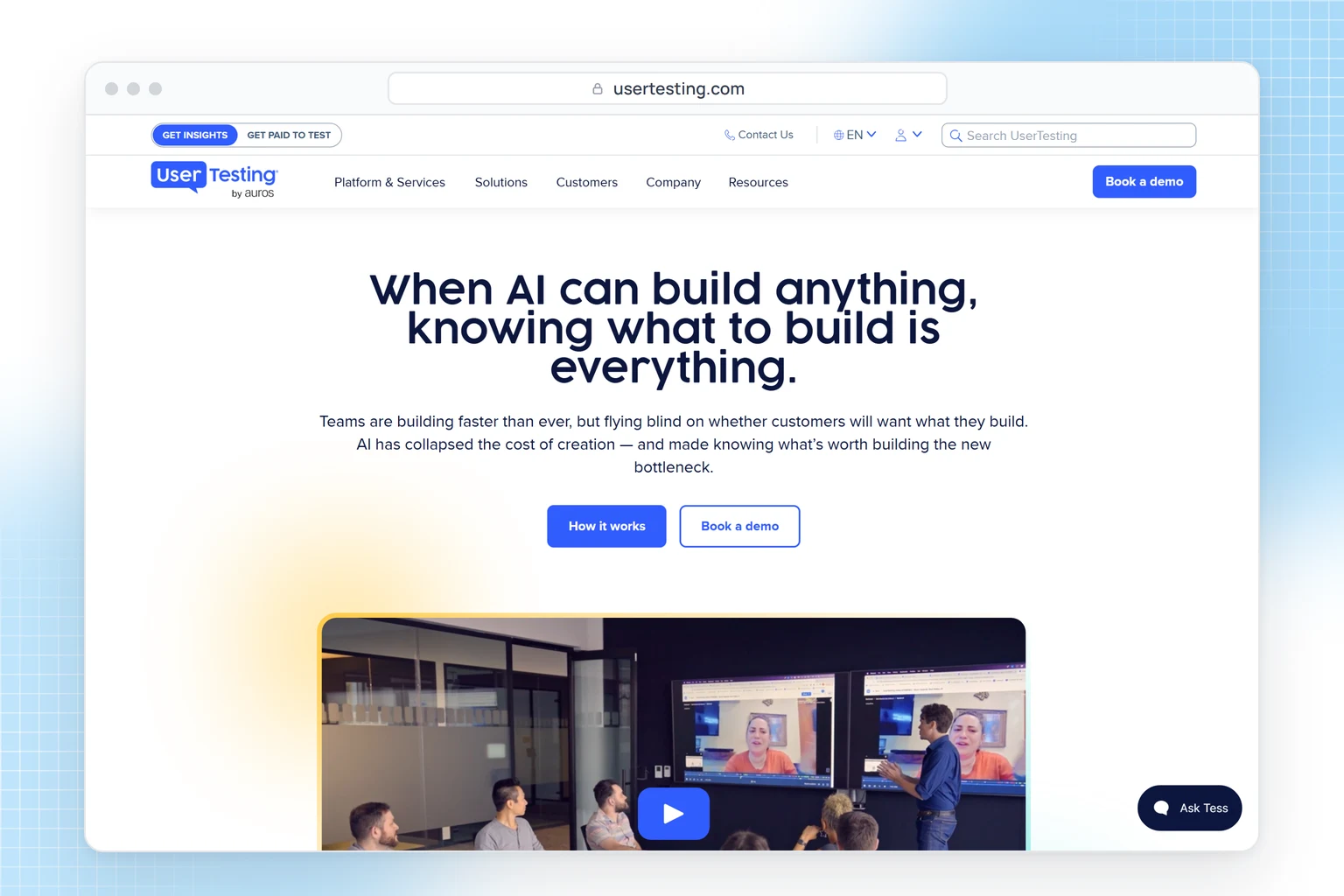
UserTesting is the option when you need testers you don't have, in many markets at once. You upload a build at any stage, from prototype to published app, and contributors from its network test it on iOS or Android while the screen and camera are recorded, including the rear camera for tasks away from a desk. The Advanced edition lists a participant panel across 60+ countries, and Pro plans can also invite your own customers. All three editions are priced on request. For ten calls with your own users it's more platform than you need.
dscout
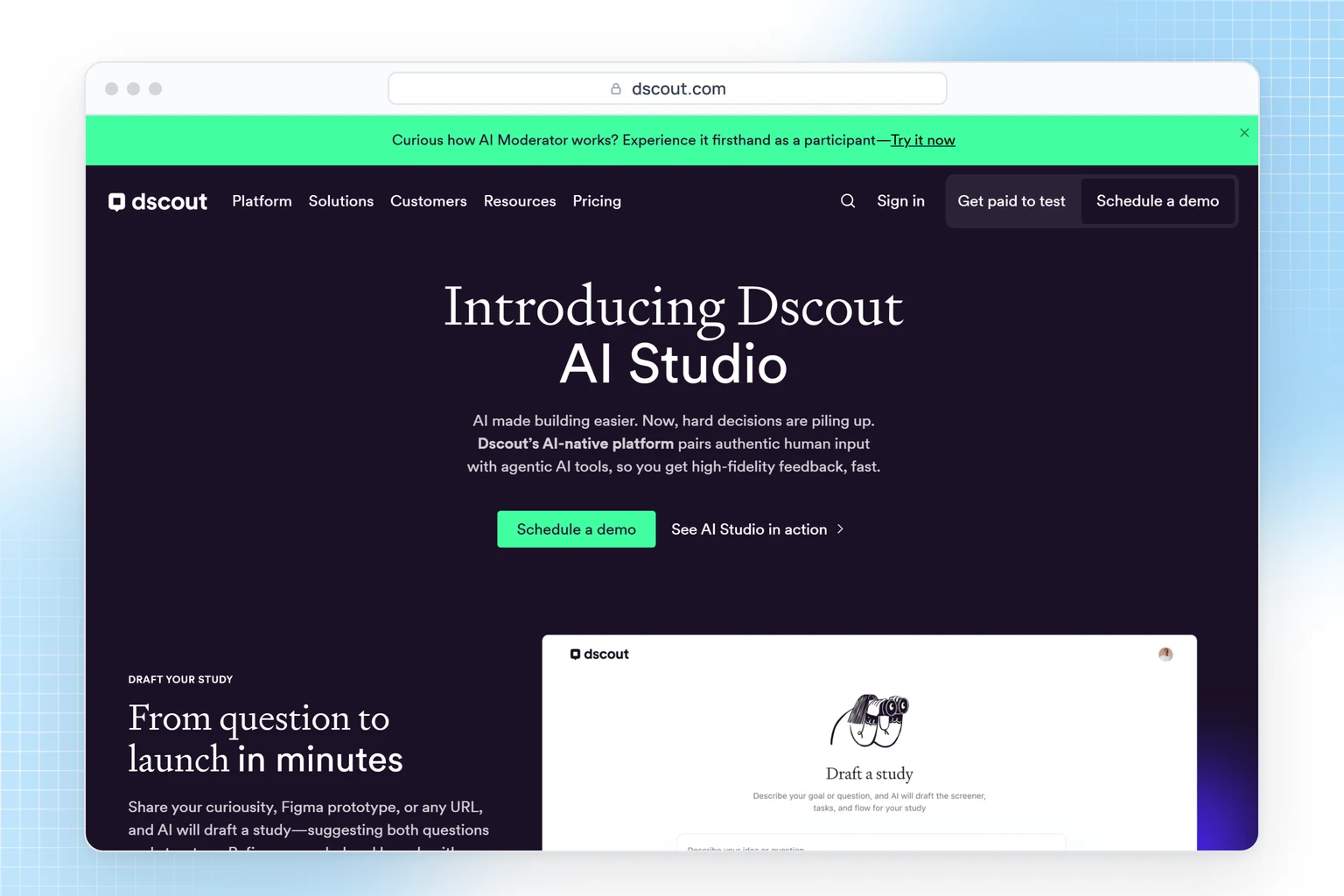
dscout covers studies that run over days rather than one call. Participants use the dscout app to send videos, photos and screen recordings of how they use your app in daily life, and can join one-to-one interviews from their phone, which are transcribed during the session. You can recruit from its panel of 100,000+ scouts or bring your own users. dscout's own info page says it isn't meant for small teams with less than $20,000 to spend.
How do you turn interview recordings into findings?
HypeScribe
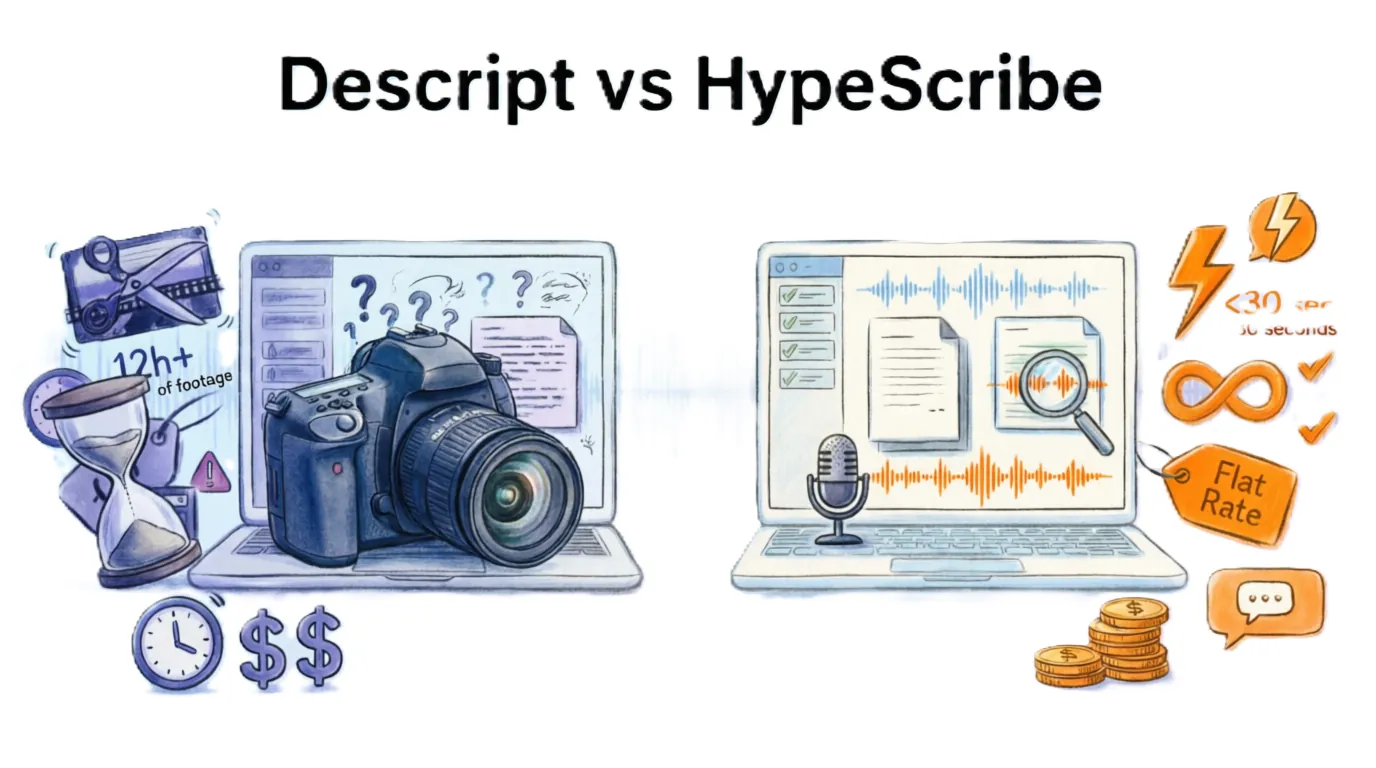
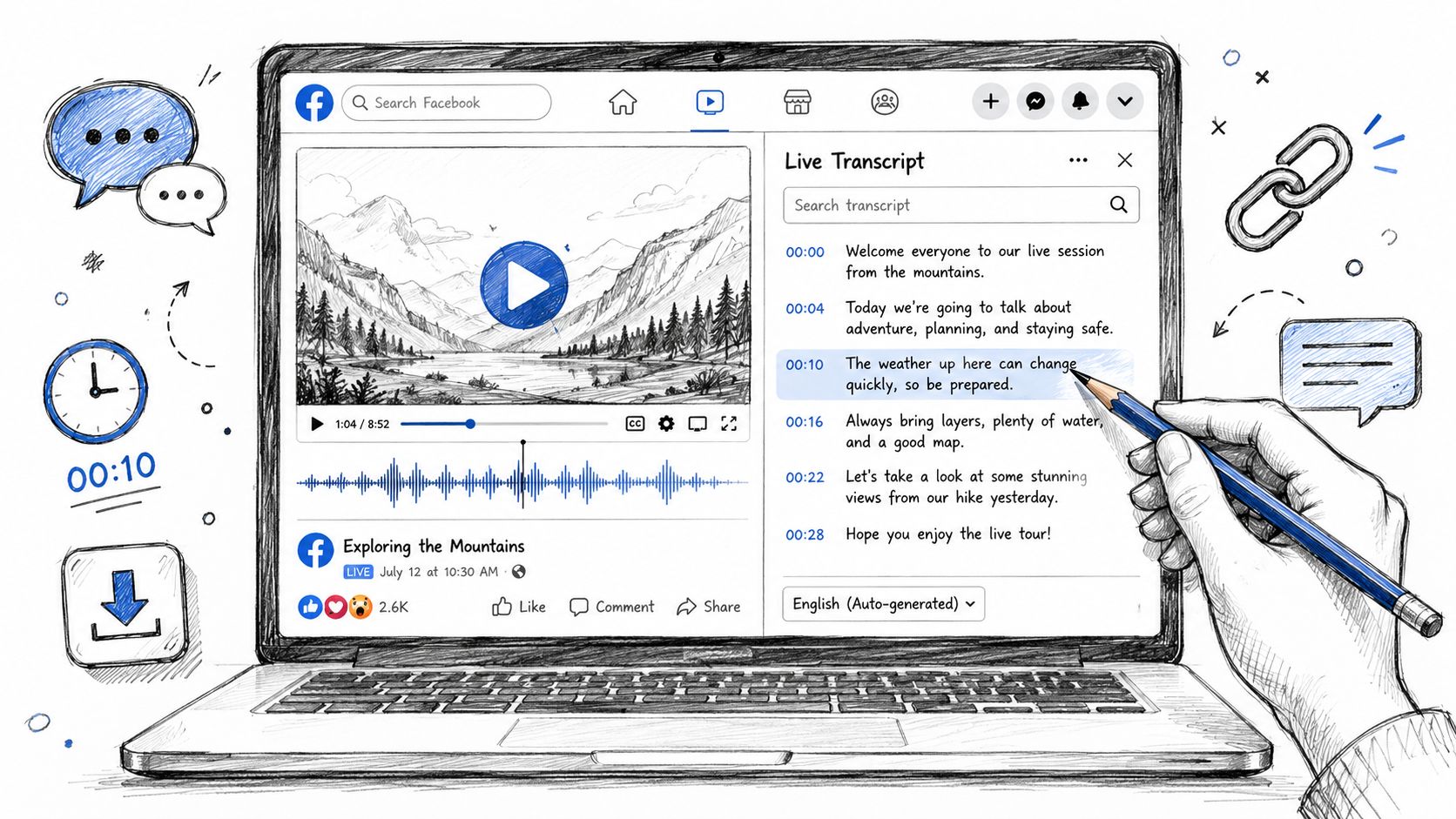
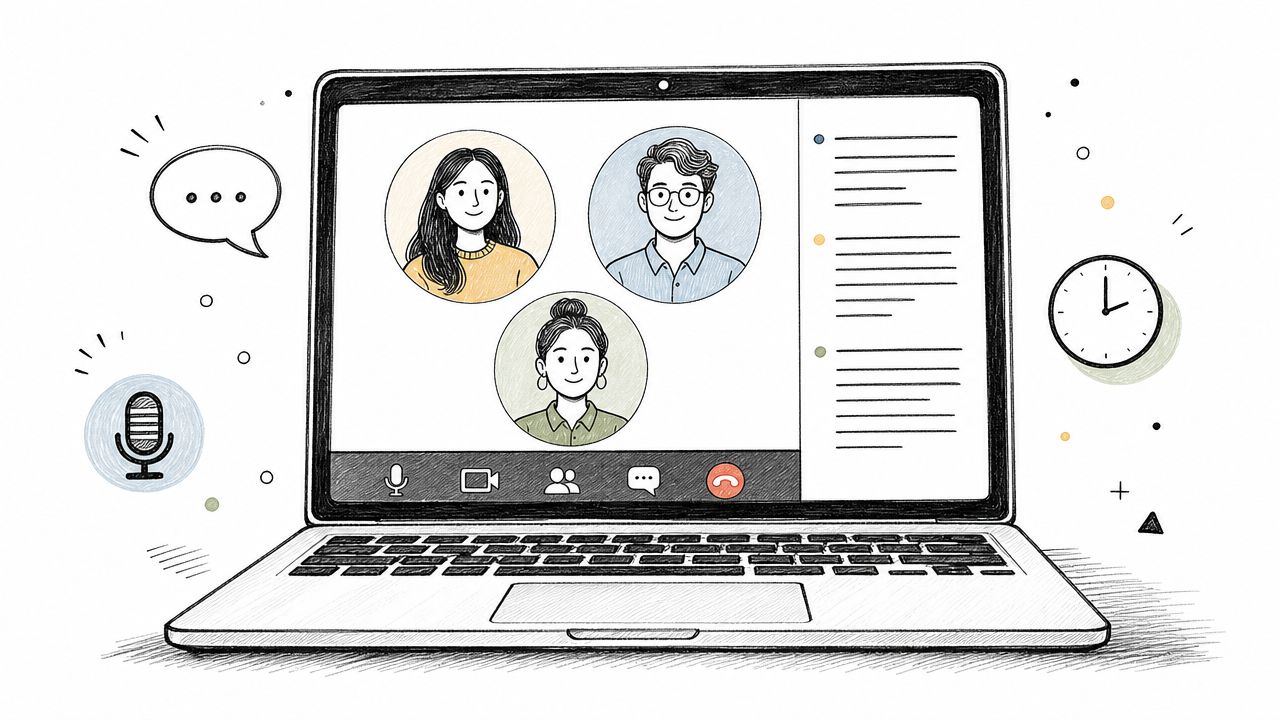
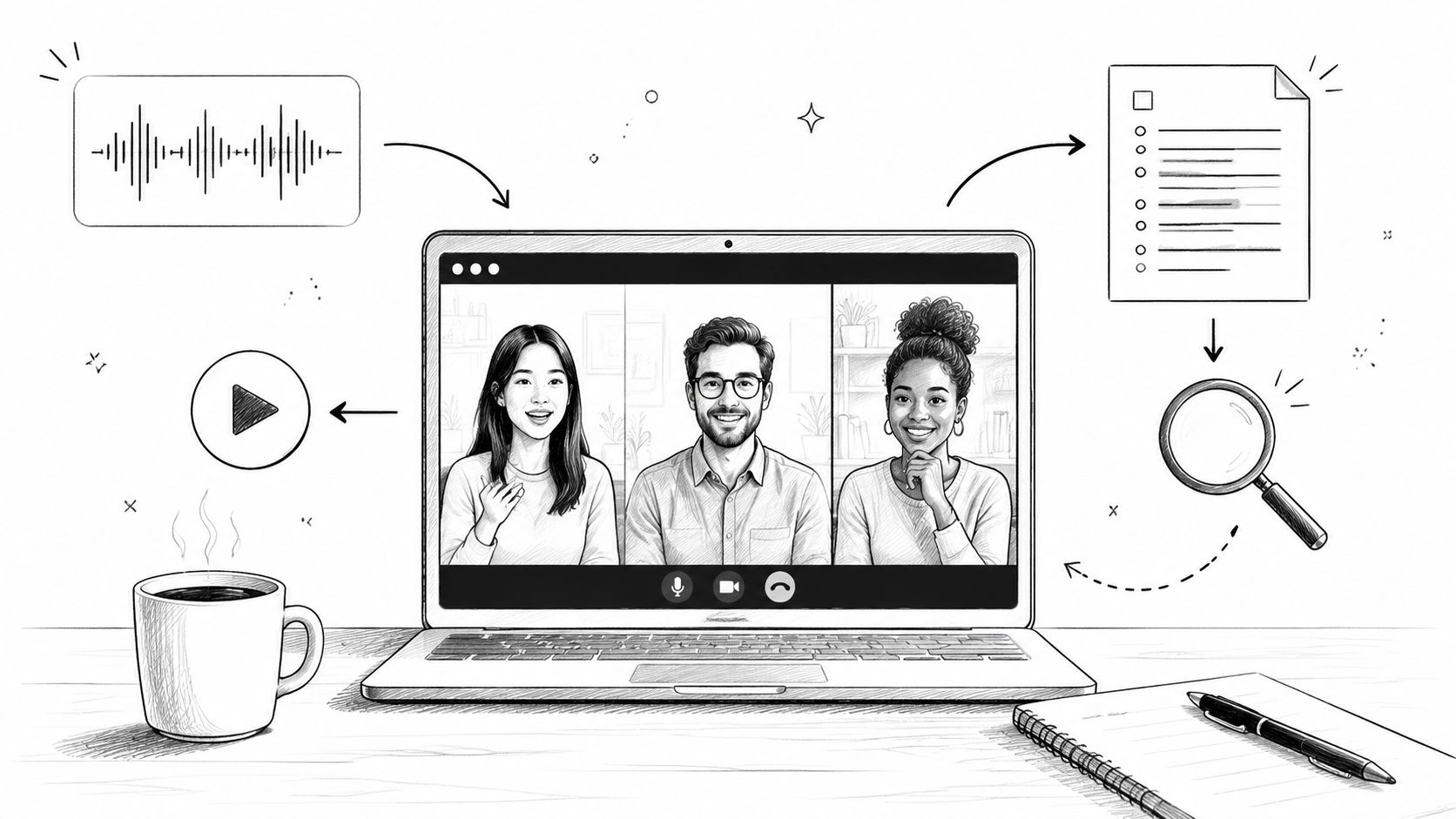
HypeScribe prices transcription per file, not per minute, which matters when interviews run 40 to 90 minutes. If you run sessions inside Lookback, Maze or dscout, their transcripts may be enough; HypeScribe is for interviews on ordinary Zoom, Meet or Teams calls and recordings from anywhere else. Upload the file (up to 2 GB) or paste a link, or on Pro and Ultra plans send the notetaker to the call, which posts in the chat that it's recording.
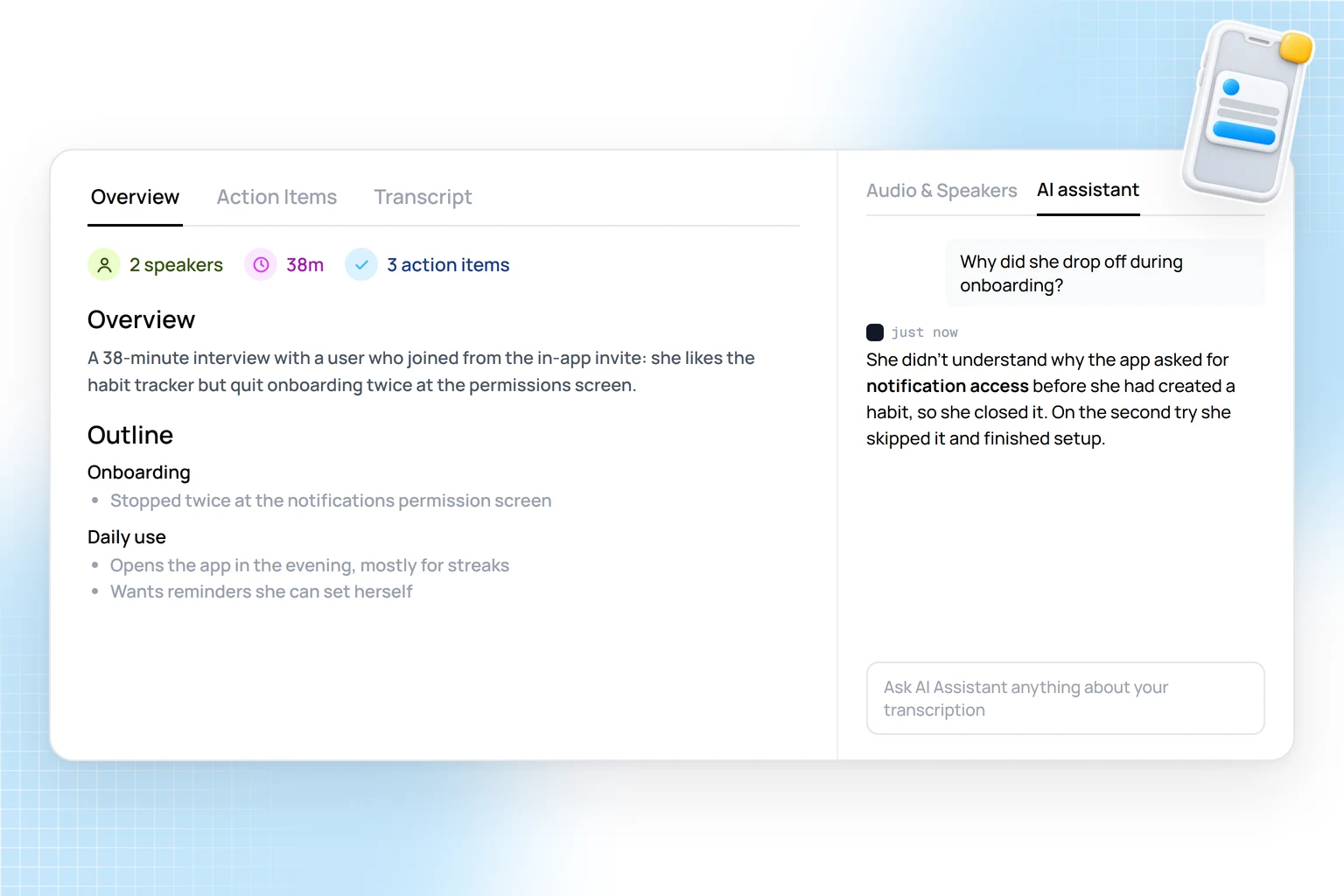
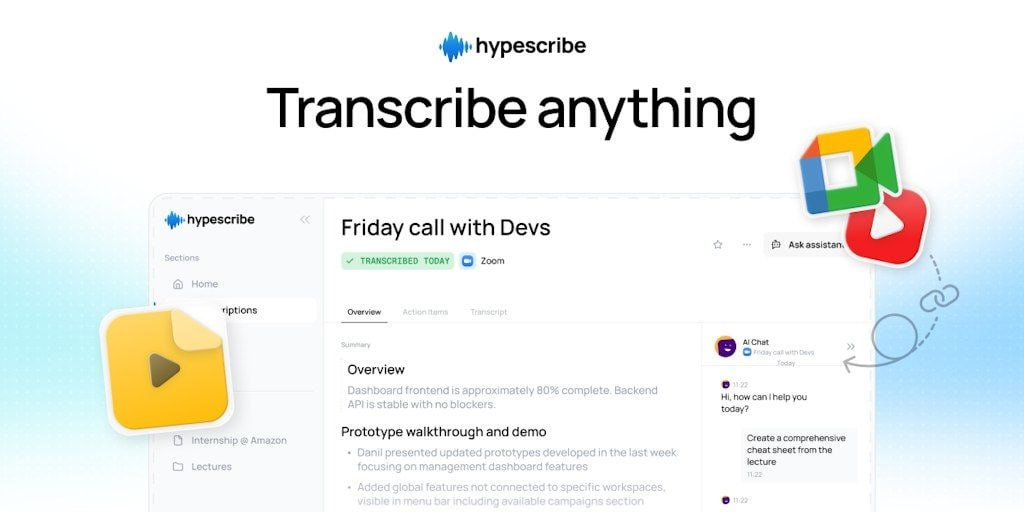
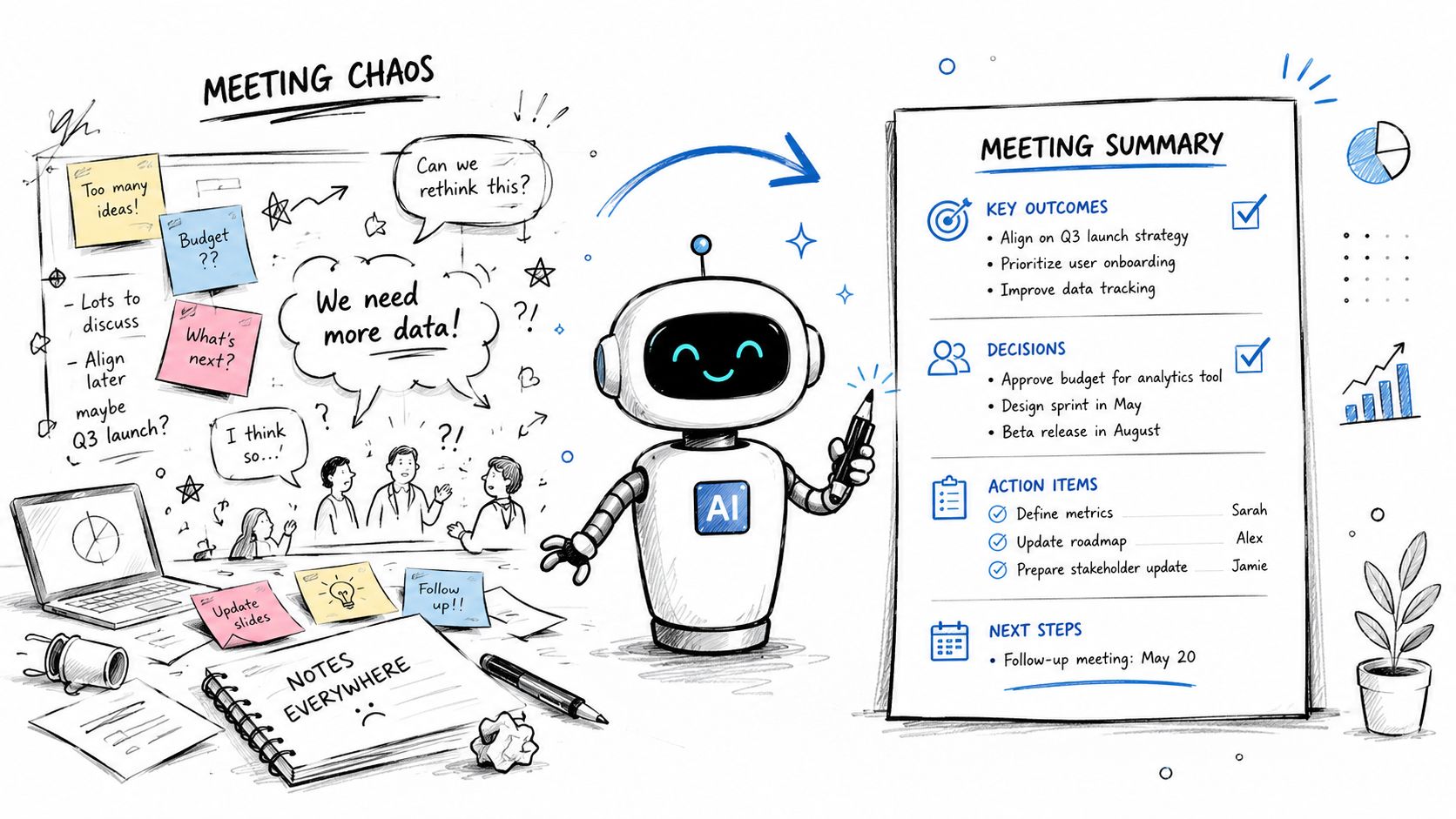
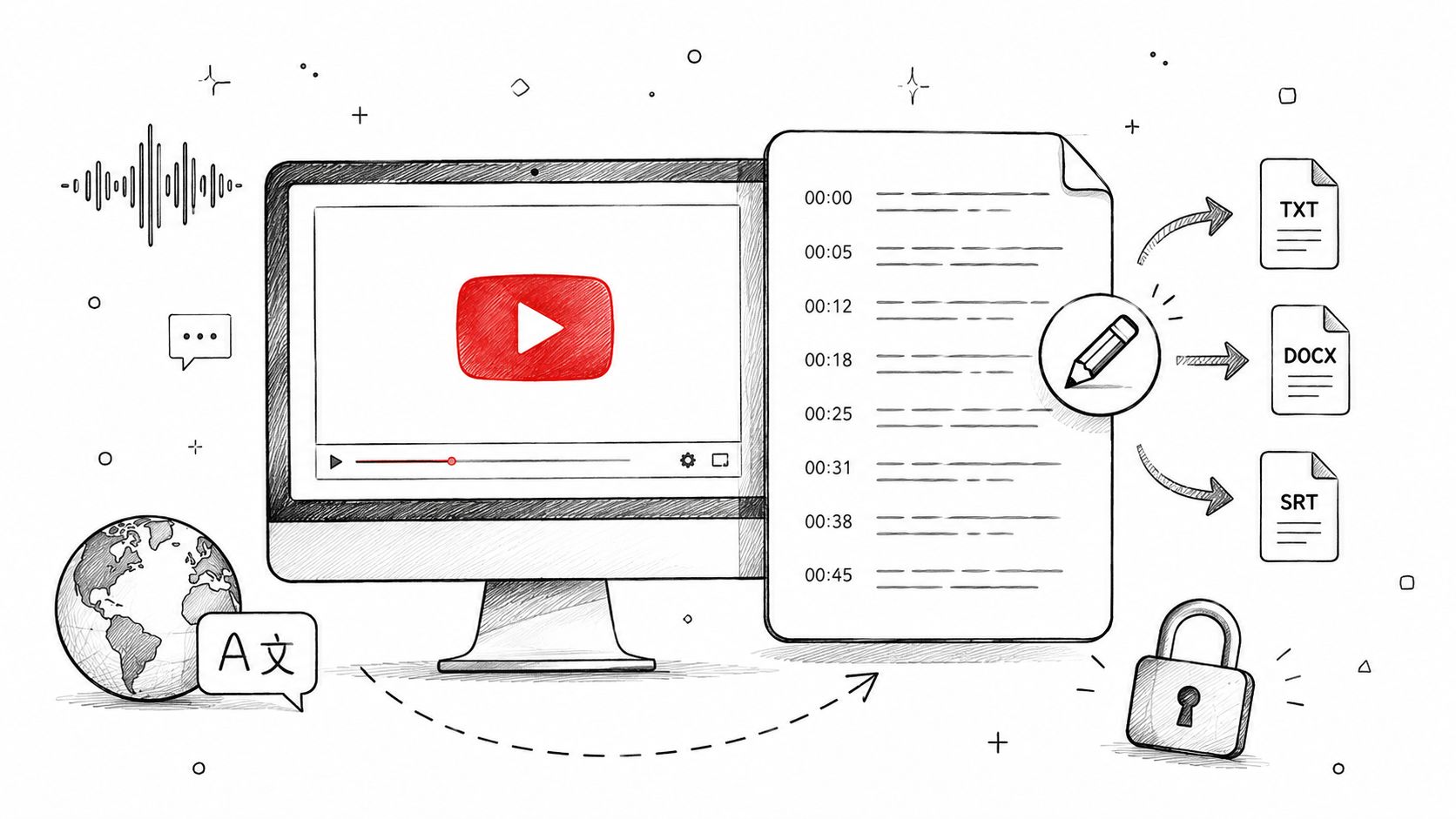
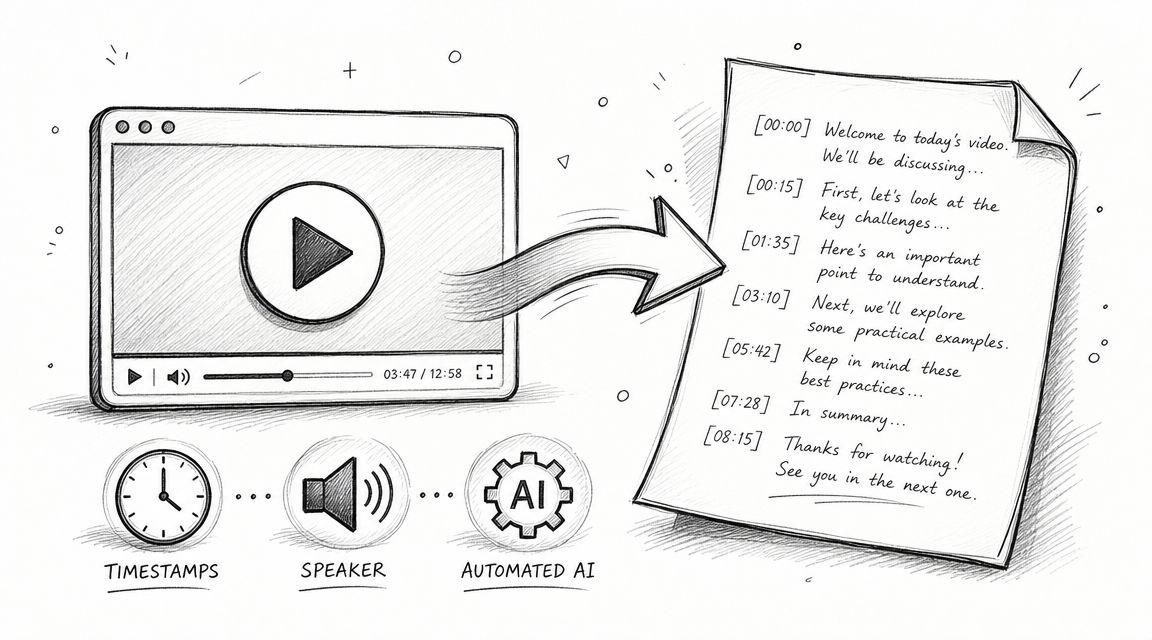
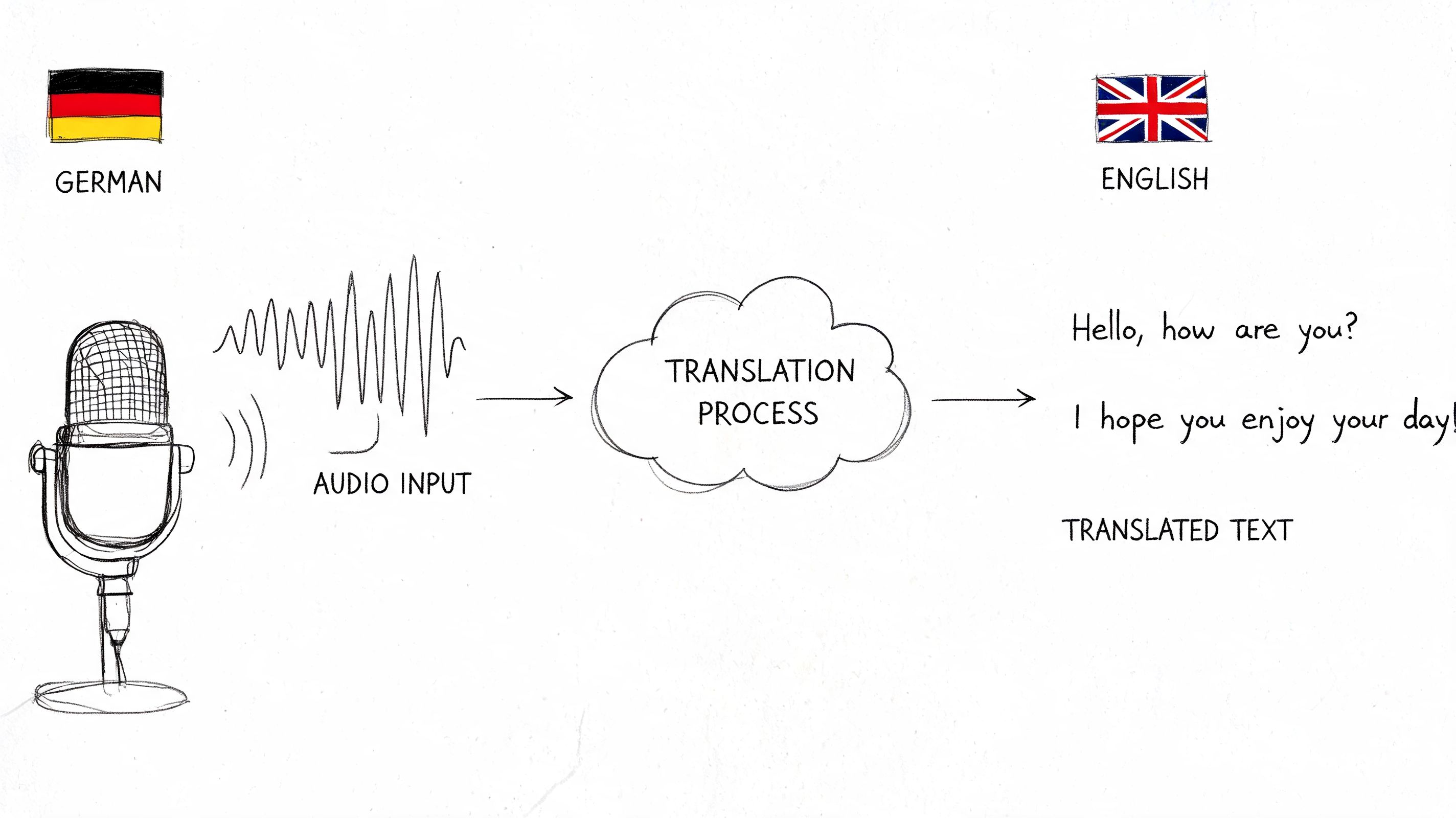
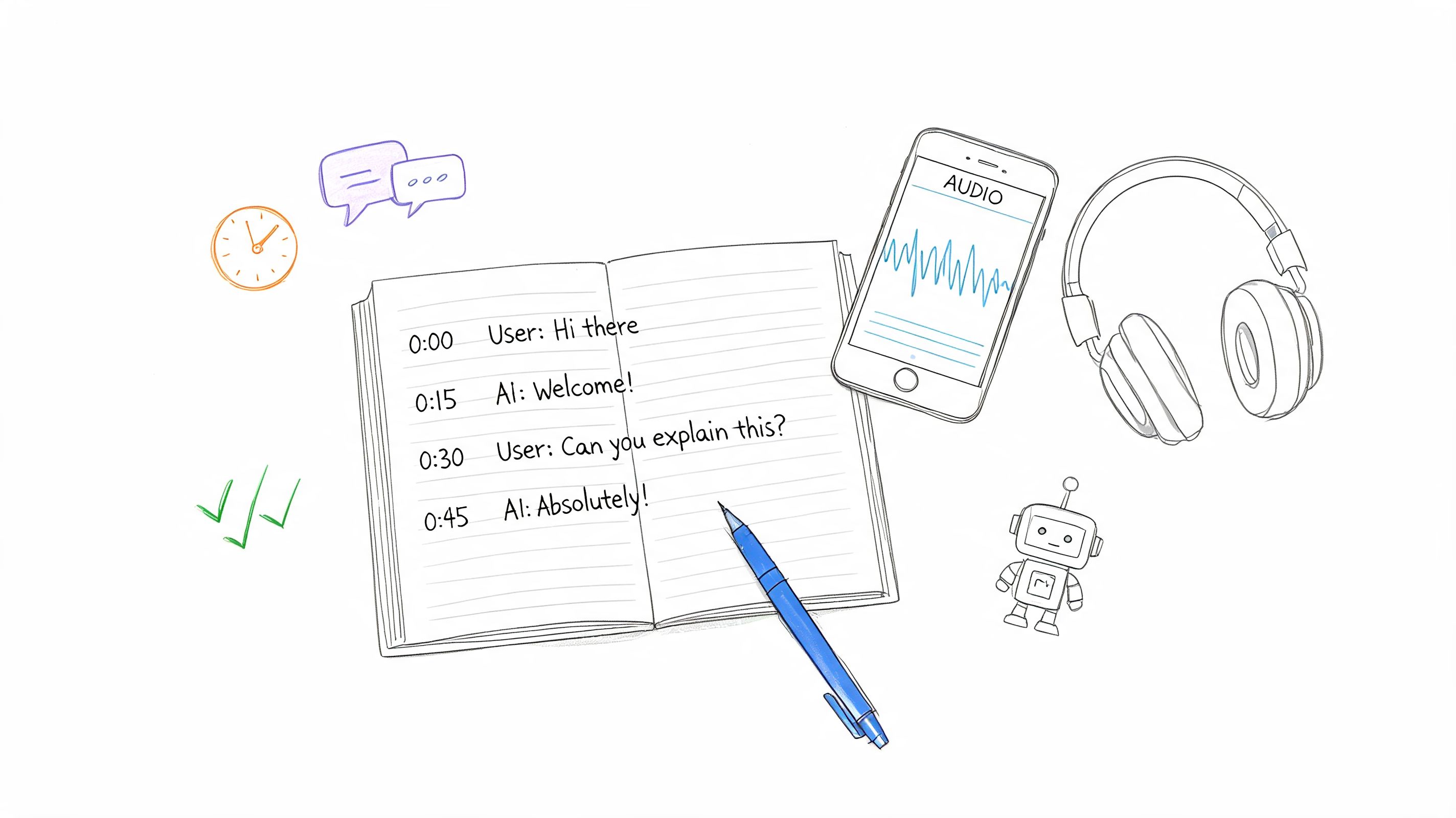
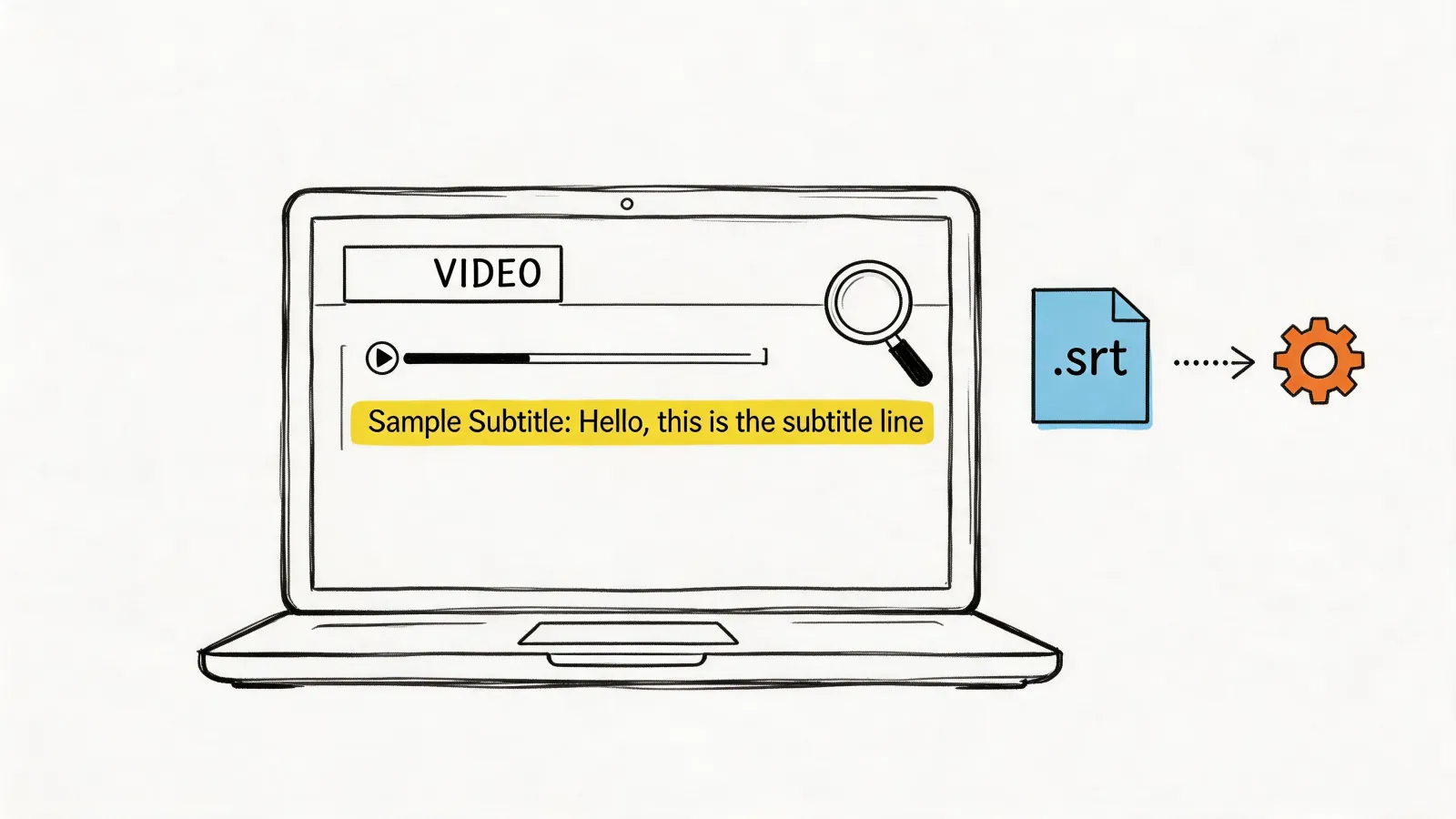
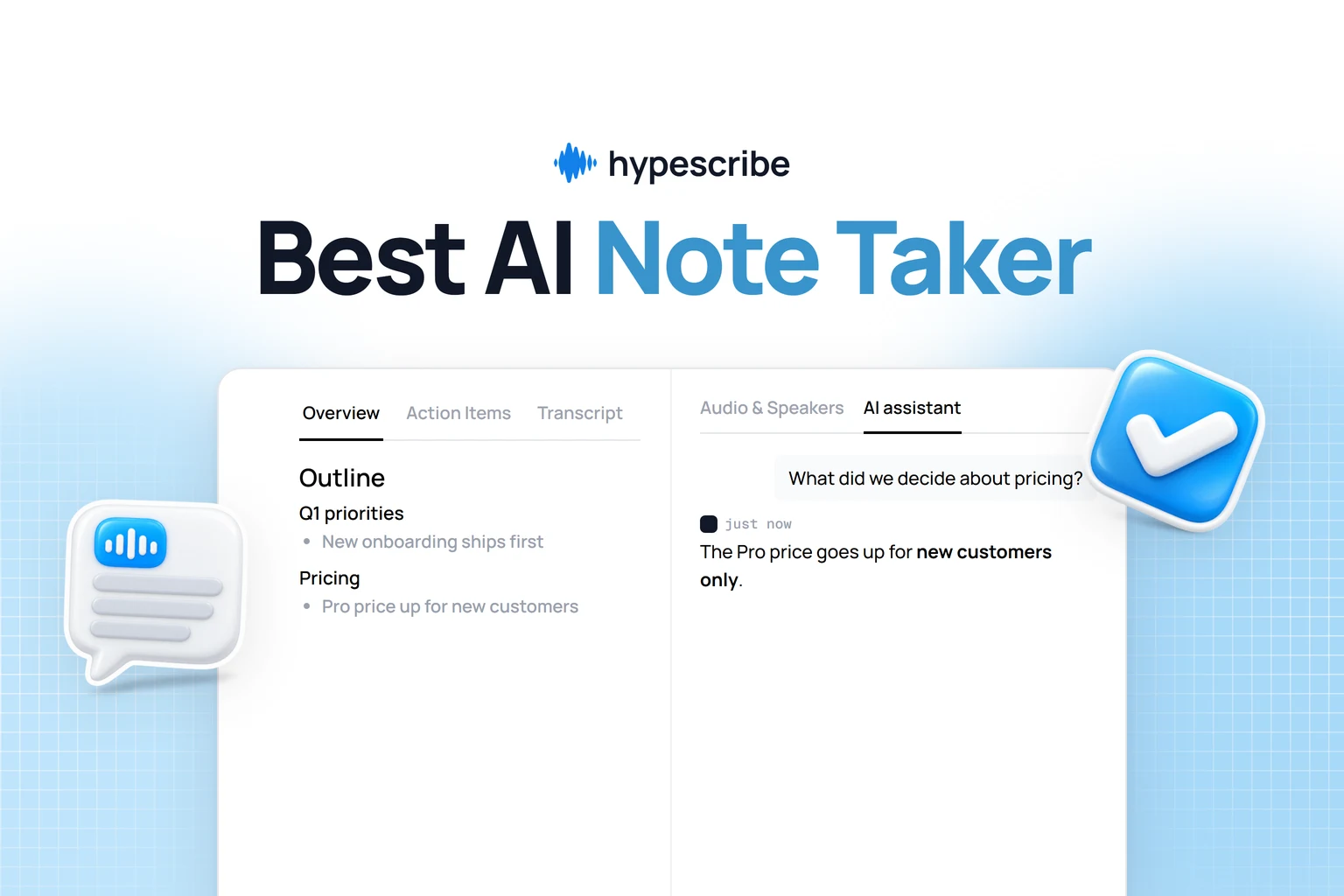
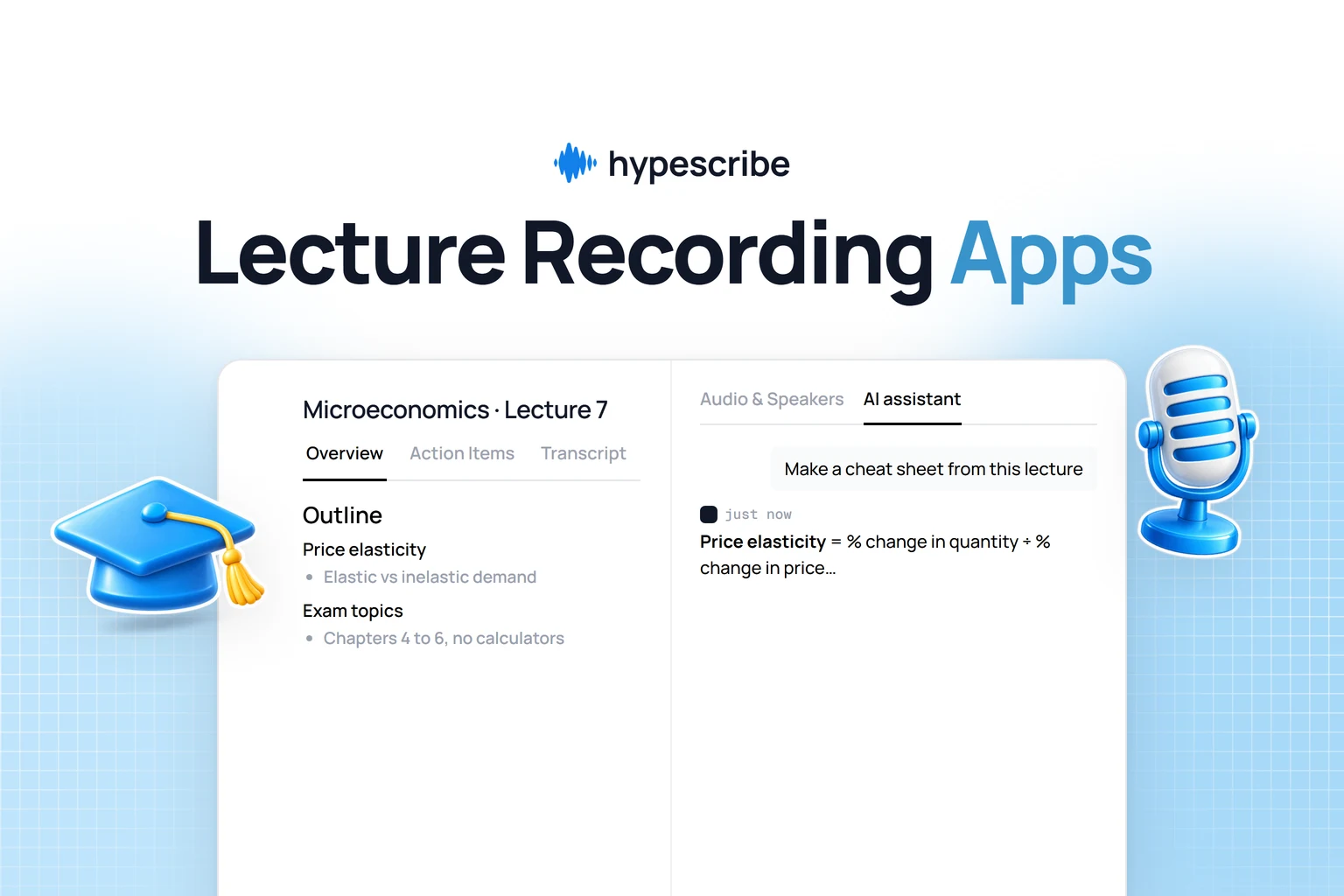
Each interview gets a transcript with speakers and timestamps in any of 99+ languages, an overview with an outline, and an AI assistant you can ask about that interview. To check a quote, highlight it and press Play from here; DOCX, PDF, TXT and Markdown exports keep a timestamp and speaker on every turn, so each finding can point back to the moment it came from. Starter is $6.99 a month for 30 files (pricing); files are encrypted in transit and not used to train AI models. It won't recruit, record phone screens or search across studies the way a repository does. For a comparison with Rev, Otter and others, see our interview transcription tools guide.
Interview transcripts
Upload one interview and check the quotes
Upload a recorded interview and check every quote against the audio before it goes into your findings. On Pro and Ultra, the notetaker can join the call instead.
Dovetail
Dovetail is where findings from many studies live together. Upload interview audio or video and it transcribes in 82 languages with automatic detection and splits speakers; you highlight and tag passages, and an AI summary of key points is written on import. Because the tags follow your own structure, later studies can be filed and searched the same way. The free plan covers one project, enough to try it on a single round of interviews; Enterprise pricing is on request. Recruiting and session capture are outside its scope.
Questions teams ask about mobile user research
How do you invite app users to an interview without annoying them?
Show the invite once, to a narrow segment, right after the action you want to ask about, not when the app opens. Say what the call is about, how long it takes and what people get, and let them pick a time on a scheduling page.
Do you need permission to record a user interview?
Yes: ask every participant before you record, and say how the recording and transcript will be used and stored. Ask again when the call starts so the consent is on the recording. Rules differ by country, so check the ones that apply to you.
Is a transcript better than taking notes during user interviews?
A transcript keeps the participant's own words, which you need for quotes and for comparing interviews later; notes keep only what the interviewer thought mattered at the time. Most teams take light notes during the call and work from the transcript afterwards. For question ideas, see these usability research questions.
Can you test a mobile app without a participant panel?
Yes. Lookback, Maze and dscout all work with participants you bring yourself, invited by link or from inside your app. Panels help when your own users can't give you the people you need.