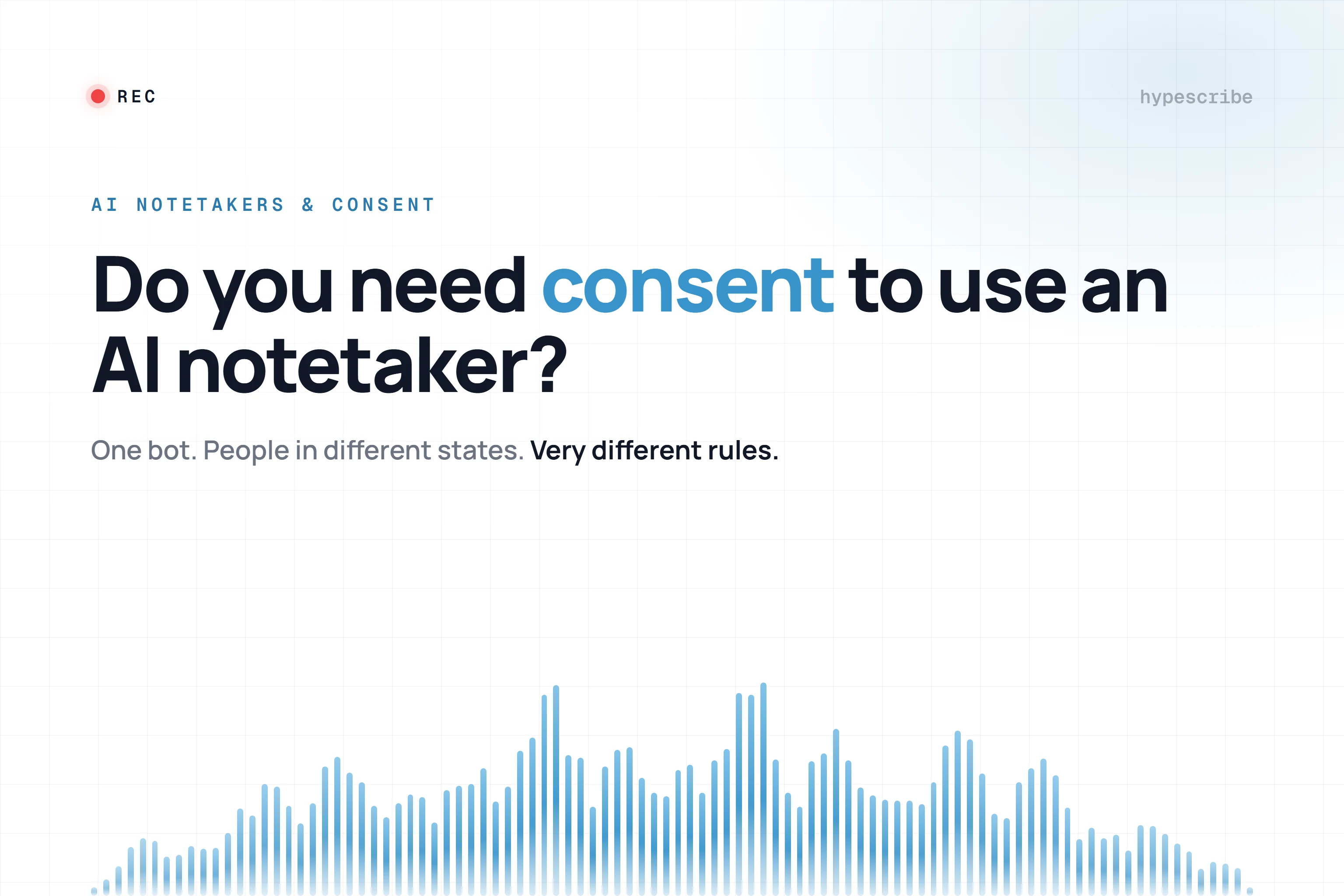
Do You Need Consent to Use an AI Notetaker?

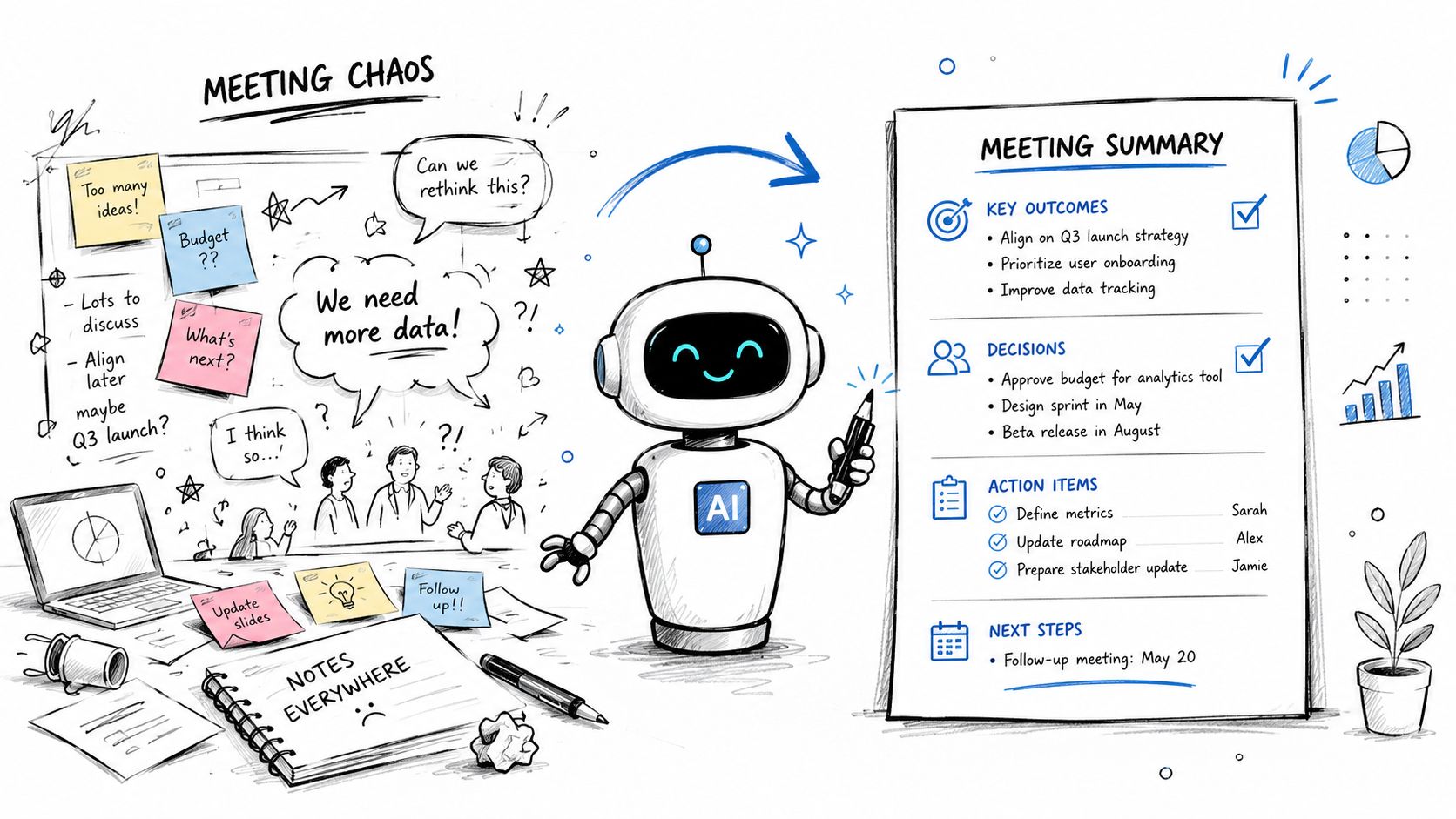
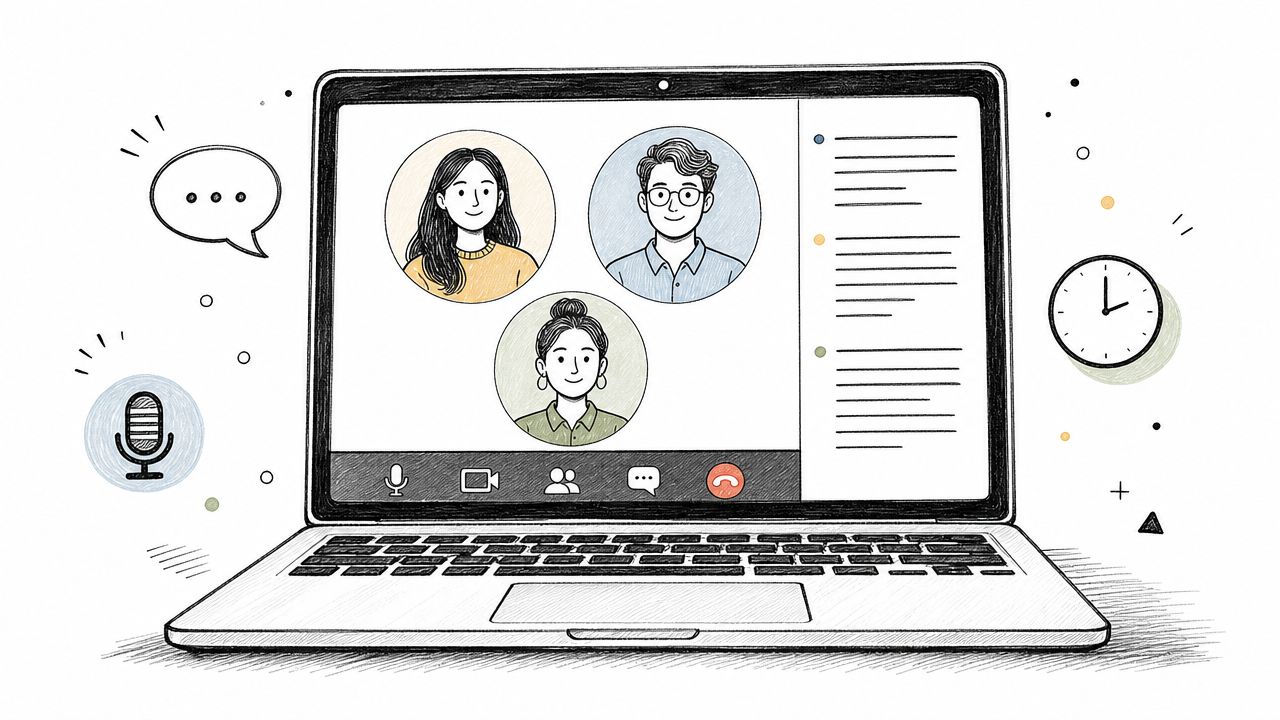
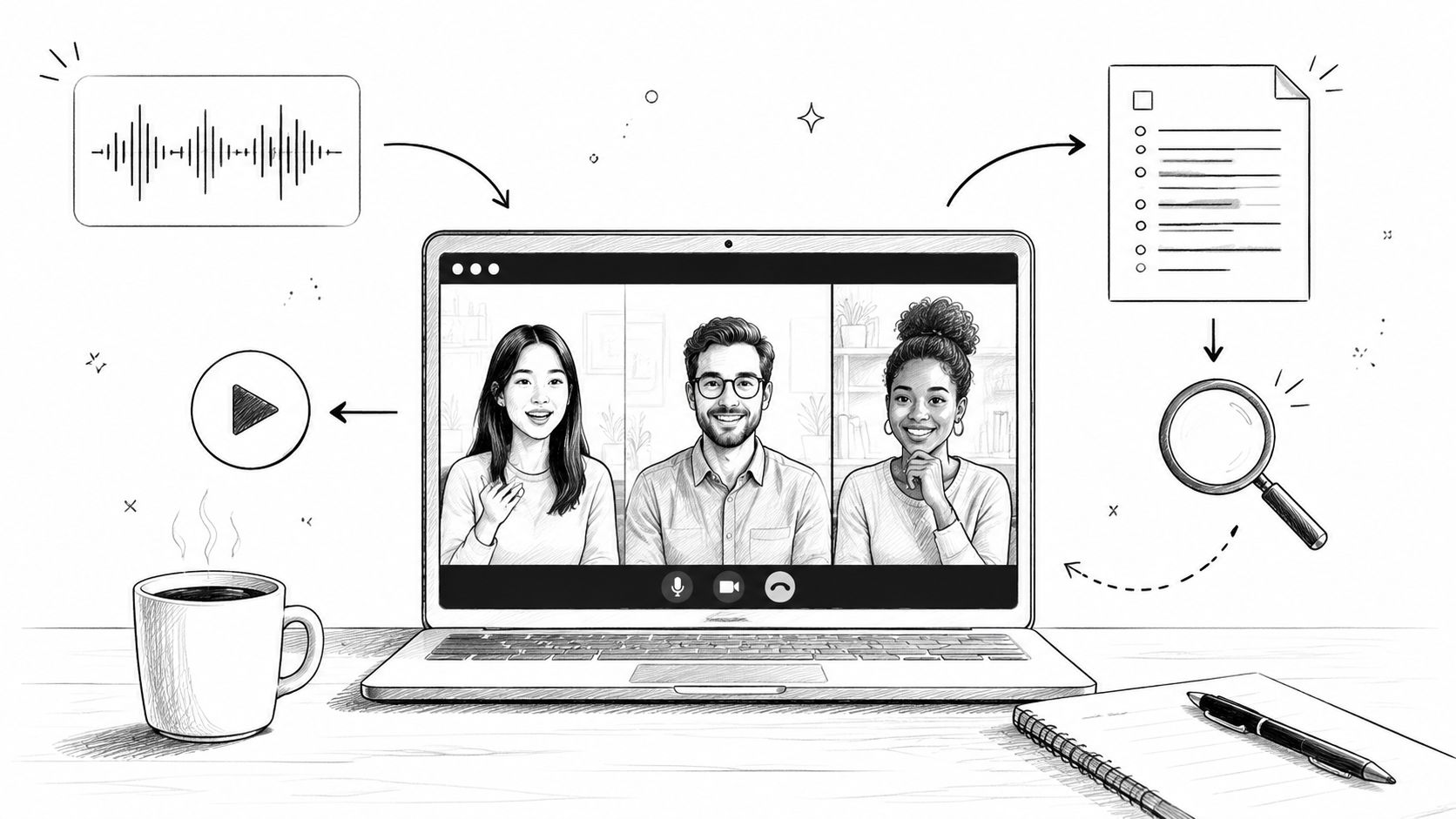
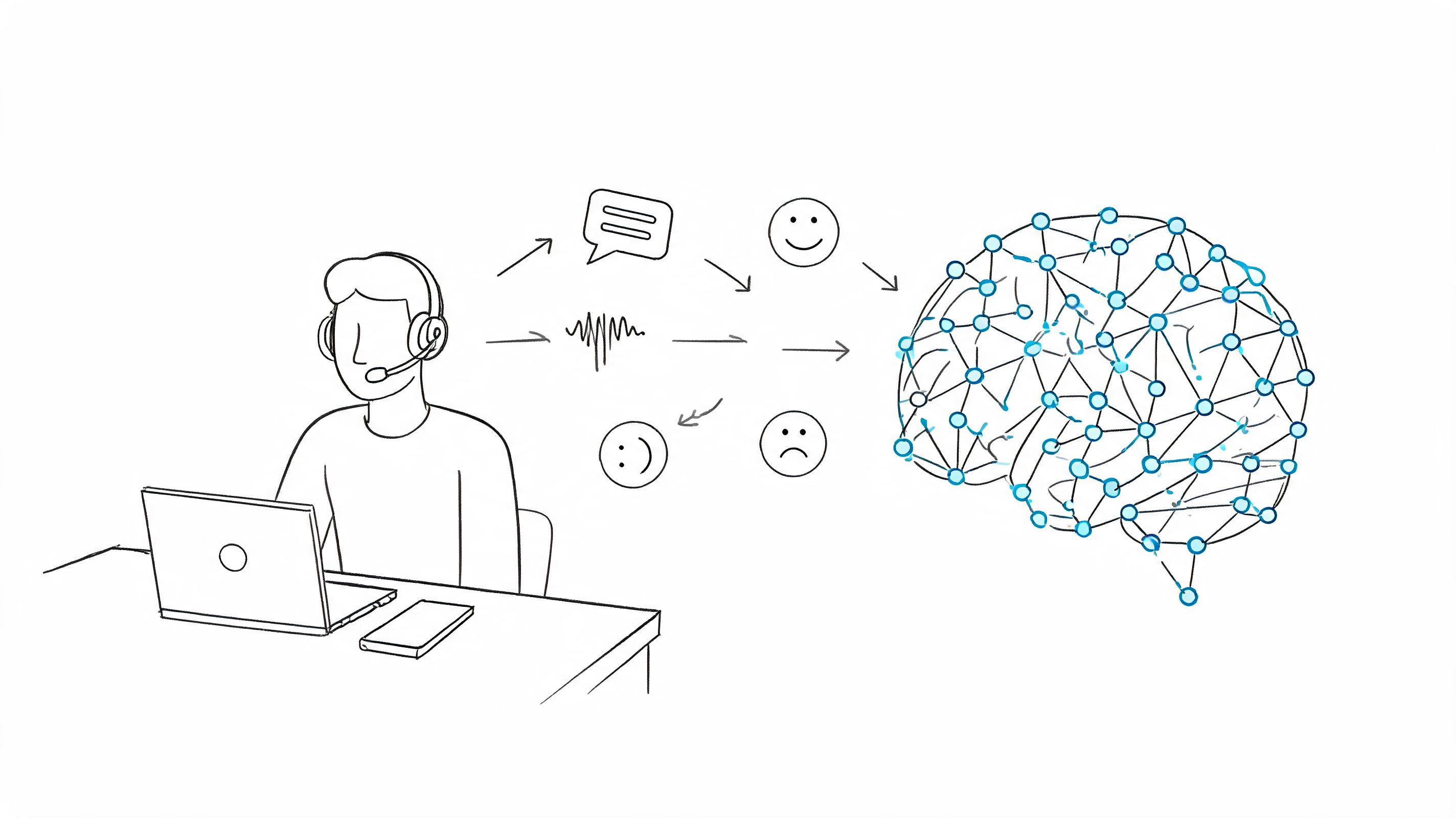
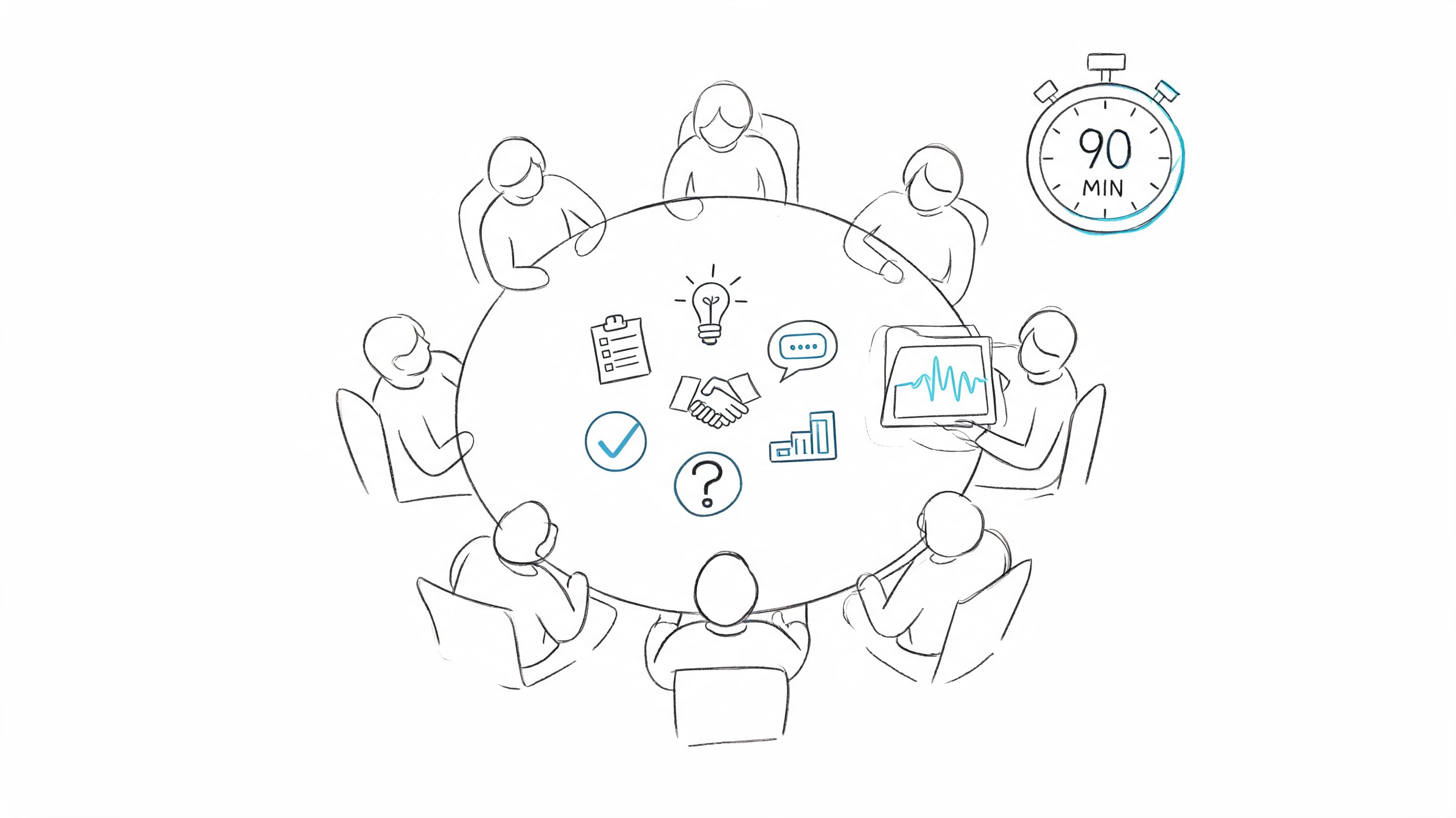
A little bot slides into your Zoom call. "Otter.ai is recording." Nobody voted on it. It just… joined. And now every word — the half-formed idea, the salary someone mentioned, the client detail — is being transcribed and stored somewhere.
AI notetakers changed the recording question. Recording a call used to be a deliberate act — you reached for a button. Now the bot joins automatically, records by default, and the "did everyone agree to this?" part gets skipped. That skipped step is where the legal risk lives.
Here's when you actually need consent to run an AI notetaker — by US state, at work, and under GDPR — and how to stay on the right side of it.
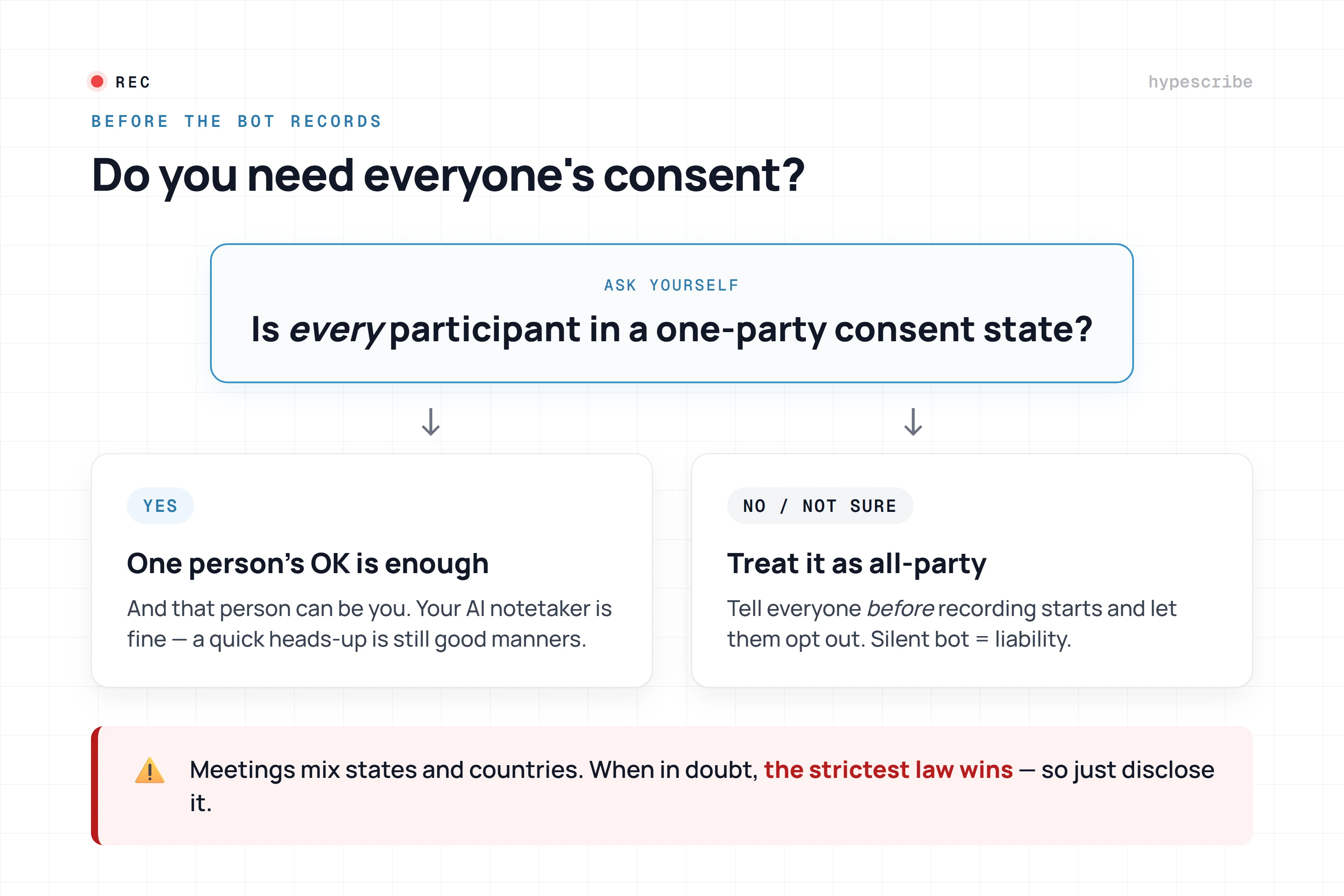
The short version: An AI notetaker recording a meeting is a recording — the same consent laws apply. In one-party consent states you only need one person's OK (that can be you). In all-party consent states everyone has to agree. Because meetings mix people from different states and countries, the safest rule is simple: tell everyone before the bot starts, and let them opt out.
The short answer: it depends where everyone is sitting
An AI notetaker doesn't get a special legal category. In the eyes of the law, it's a recording device. So the question "do I need consent?" is the same one that's governed phone and in-person recording for decades — just pointed at a bot instead of a tape recorder.
In the US, that comes down to two models:
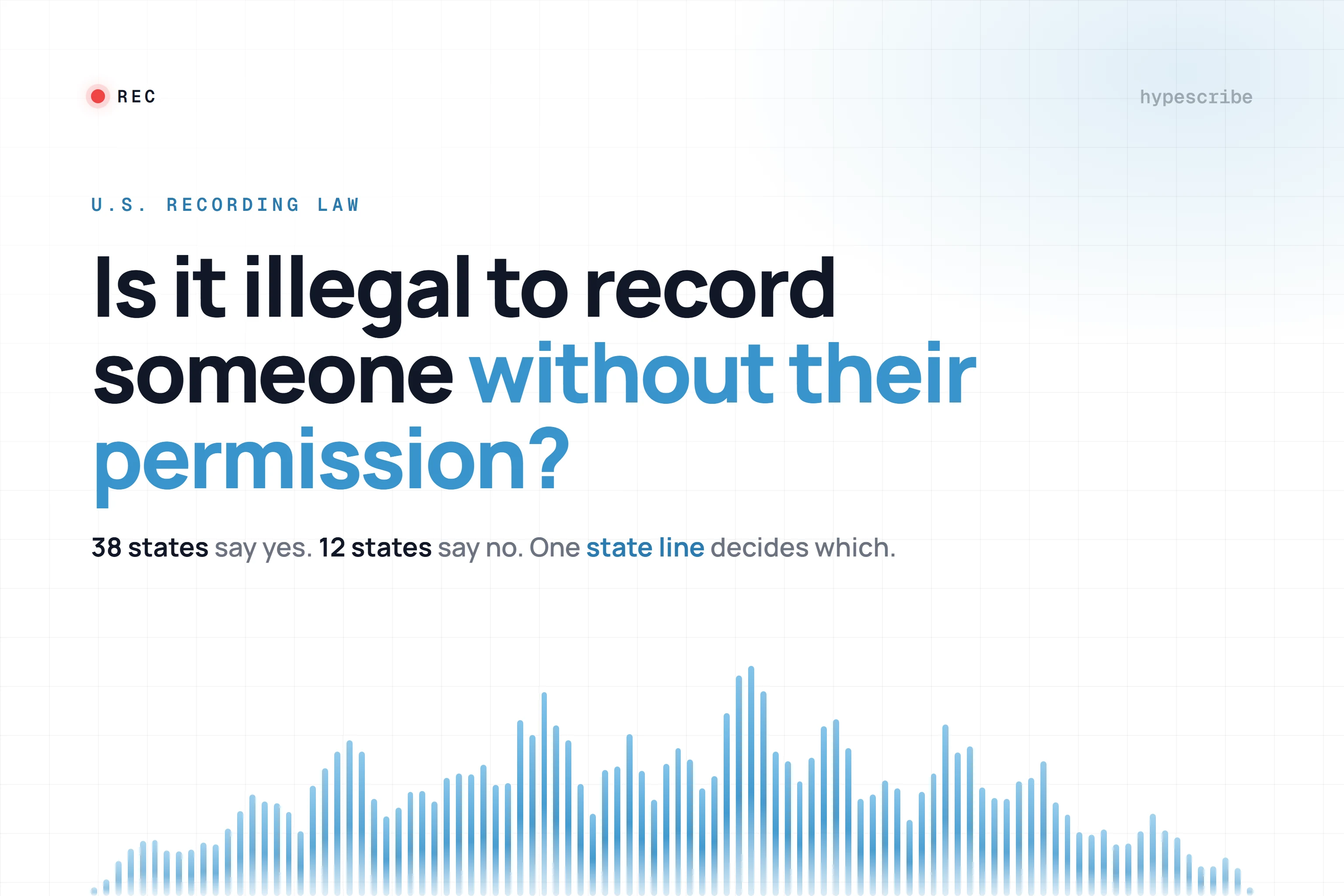
- One-party consent — as long as one person in the conversation agrees to the recording, it's legal. That person can be you. This is the rule in 38 states and federally.
- All-party consent — every participant must agree before recording starts. This is the rule in 12 states, including California, Florida, Illinois, and Washington.
If you want the full breakdown of which states fall where and how the federal rule works, we cover it here: is it illegal to record someone without their permission? and is it legal to record a conversation without consent?
Why AI notetakers make this trickier than a normal recording
Three things about AI notetakers push the risk higher than a one-off recording.
1. They join automatically. Many tools auto-join every meeting on your calendar. The recording starts before anyone thinks about consent — sometimes before the human host even arrives.
2. The meeting is usually multi-state. A single call can have someone in Texas (one-party), someone in California (all-party), and someone in London (GDPR). And here's the catch that trips up companies: the strictest applicable law tends to win. California's all-party rule, for example, has been applied to protect California residents even when the recording party sits in a one-party state. One participant in the wrong state can pull the whole meeting under all-party rules.
3. The recording persists. A transcript, a summary, and an audio file get stored, searched, and shared. That's not just a consent question anymore — it's a data-retention and privacy question, which is exactly what GDPR cares about.
Does the "This meeting is being recorded" banner count as consent?
Often, yes — but not always, and not by itself.
When Zoom, Teams, or Google Meet flashes a recording notice and someone keeps talking, most US jurisdictions treat that as implied consent. The person was told, they had the chance to drop off, and they chose to continue. That's usually enough.
Two things break it:
- The notice comes too late. Consent has to be given before recording starts. A banner that appears after the bot has already captured the first three minutes doesn't retroactively cover them.
- The bot joins silently. Some AI notetakers record without a clear, visible in-meeting notice. No notice, no chance to object — no implied consent. This is the most common way teams stumble into an all-party-consent problem without realizing it.
Bottom line: a clear notice before recording is your friend. A silent bot is your liability.
At work: can your employer put an AI notetaker on you?
Mostly the same rules apply — being at work doesn't create a separate legal category — but there are two extra layers.
In one-party consent states, an employer can generally record internal meetings, because the company (a participant) consents. In all-party states, they still need everyone's agreement. Most companies handle this through an employment agreement or a posted policy that discloses recording and AI-notetaker use — which most employees have technically "agreed" to and never read closely.
The friction point is external calls: the moment a client, candidate, or partner joins, you're no longer in a purely internal setting, and their consent matters too. That's where a quick verbal or written heads-up ("we use an AI notetaker on these calls — let us know if you'd prefer we turn it off") does the heavy lifting.
Outside the US: GDPR raises the bar
If anyone on the call is in the EU or UK, GDPR (and the UK GDPR) treats the recording as processing of personal data. That means you need a lawful basis — usually consent or legitimate interest — and you have to:
- Inform participants that recording and AI processing is happening, and why.
- Minimize data — don't capture more than you need.
- Set a retention limit — you can't keep transcripts and audio forever "just in case."
- Honor deletion requests — people can ask you to remove their data.
GDPR won't usually be satisfied by a one-party-consent shrug. If your meetings touch Europe, default to clear disclosure plus a real retention and deletion policy.
How to stay on the right side of it
You don't need a lawyer on every call. You need a habit. Here's the practical version:
- Announce it before you start. "Heads up — I've got an AI notetaker on this call taking notes." Say it, or put it in the calendar invite, before the recording begins.
- Give a real opt-out. "Let me know if you'd rather I turn it off." Meaning it matters more than the wording.
- Don't use a silent bot for external or multi-state calls. If you can't guarantee everyone's in a one-party state, treat the call as all-party and get clear agreement.
- Set a retention policy. Decide how long transcripts live and when they're deleted. Prefer tools that let you delete recordings after transcription.
- Skip AI notes for genuinely sensitive conversations — HR issues, legal matters, medical details — unless you have explicit, documented consent.
The one sentence that covers almost every scenario is the same one that covers phone recording: "This meeting is being recorded and transcribed." Said before you start, with a chance to opt out, and you're on solid ground in nearly every jurisdiction.
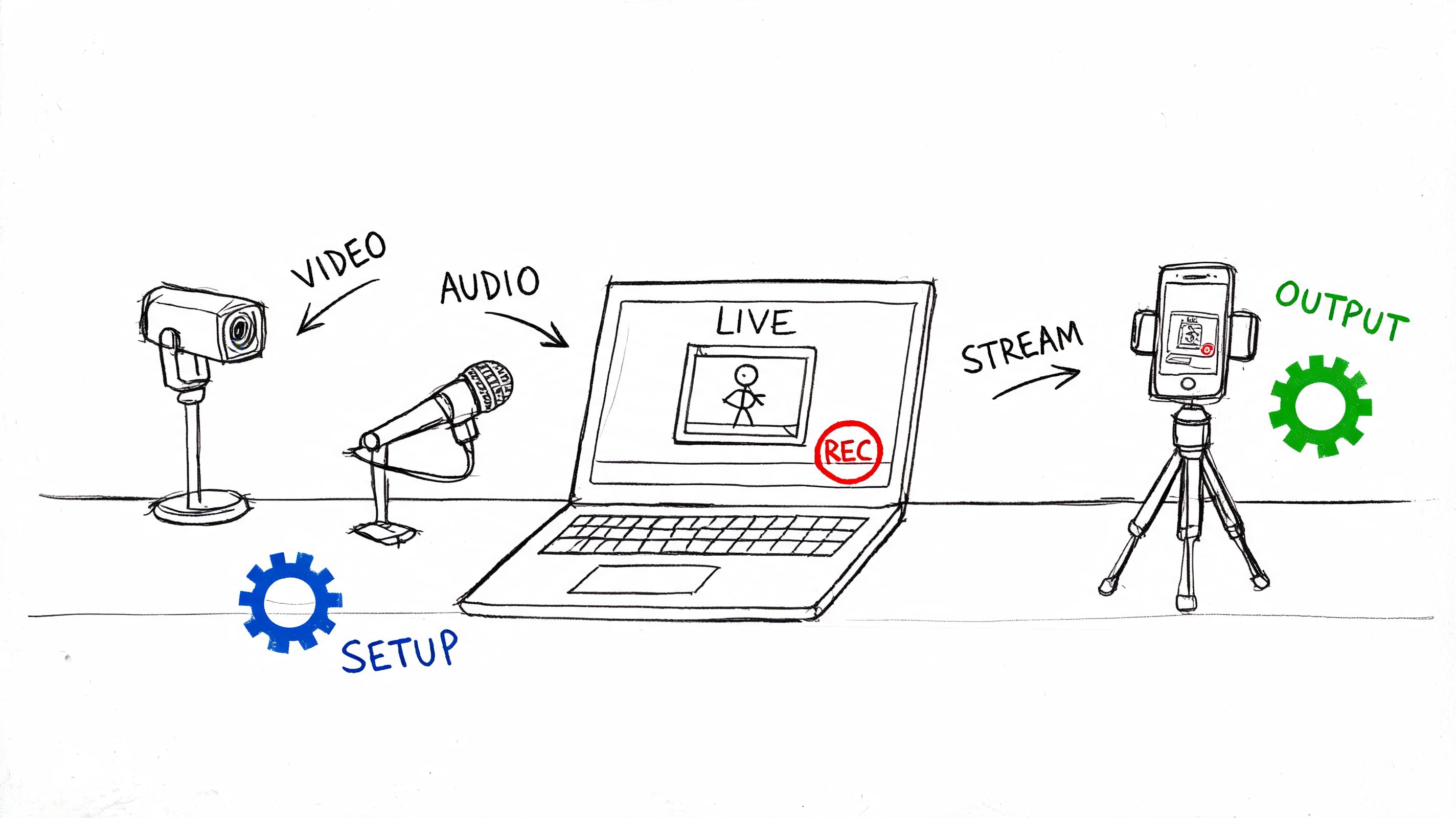
Consent is easier when your tool gives you options. HypeScribe transcribes your meetings, calls, and files into searchable text with summaries and action items — 99% accuracy, 100+ languages. Use it as a note-taker bot for Zoom, Teams, and Google Meet — or skip the bot entirely and record straight from your microphone and system audio, which is ideal for in-person meetings and calls where there's no bot to add. You can delete recordings after transcription, so you keep the notes without hoarding the audio. (Whichever mode you pick, still give everyone a heads-up — that's the whole point of this article.) From $6.99/mo.
Frequently asked questions
Is it illegal to use an AI notetaker without telling people?
It depends on where participants are. In one-party consent states it can be legal if you're part of the meeting. In all-party consent states (like California or Illinois), recording without informing everyone is illegal. Because meetings often mix states, the safe practice is always to disclose.
Does Otter, Fathom, or Fireflies get consent for me?
No. These tools may show an in-meeting recording notice, but the legal responsibility for obtaining consent is yours, not the software's. A visible notice before recording helps establish implied consent, but a silently joining bot does not.
Is continuing to talk after a recording notice the same as consent?
In most US jurisdictions, yes — that's treated as implied consent, as long as the notice appeared before recording started and people had a real chance to leave. It's weaker footing under GDPR, where explicit information and a lawful basis are expected.
Can my employer record meetings with an AI notetaker without asking me?
In one-party consent states, often yes — especially if disclosed in an employment agreement or posted policy. In all-party consent states, they still need your agreement. External participants' consent always matters regardless.
What should I say to disclose an AI notetaker?
Keep it simple: "I've got an AI notetaker on this call taking notes — let me know if you'd prefer I turn it off." Say it before recording starts, and note it in the calendar invite for recurring meetings.
Related reading
- Is it illegal to record someone without their permission?
- Is it legal to record a conversation without consent?
- North Carolina recording laws explained
- How to record meetings and transcribe them
- The best meeting notes app
General information, not legal advice. Recording and privacy laws vary by state and country and change over time. For your specific situation, talk to a licensed attorney.