Transform Stand-Ups: 7 Agenda for Stand Up Meeting Templates

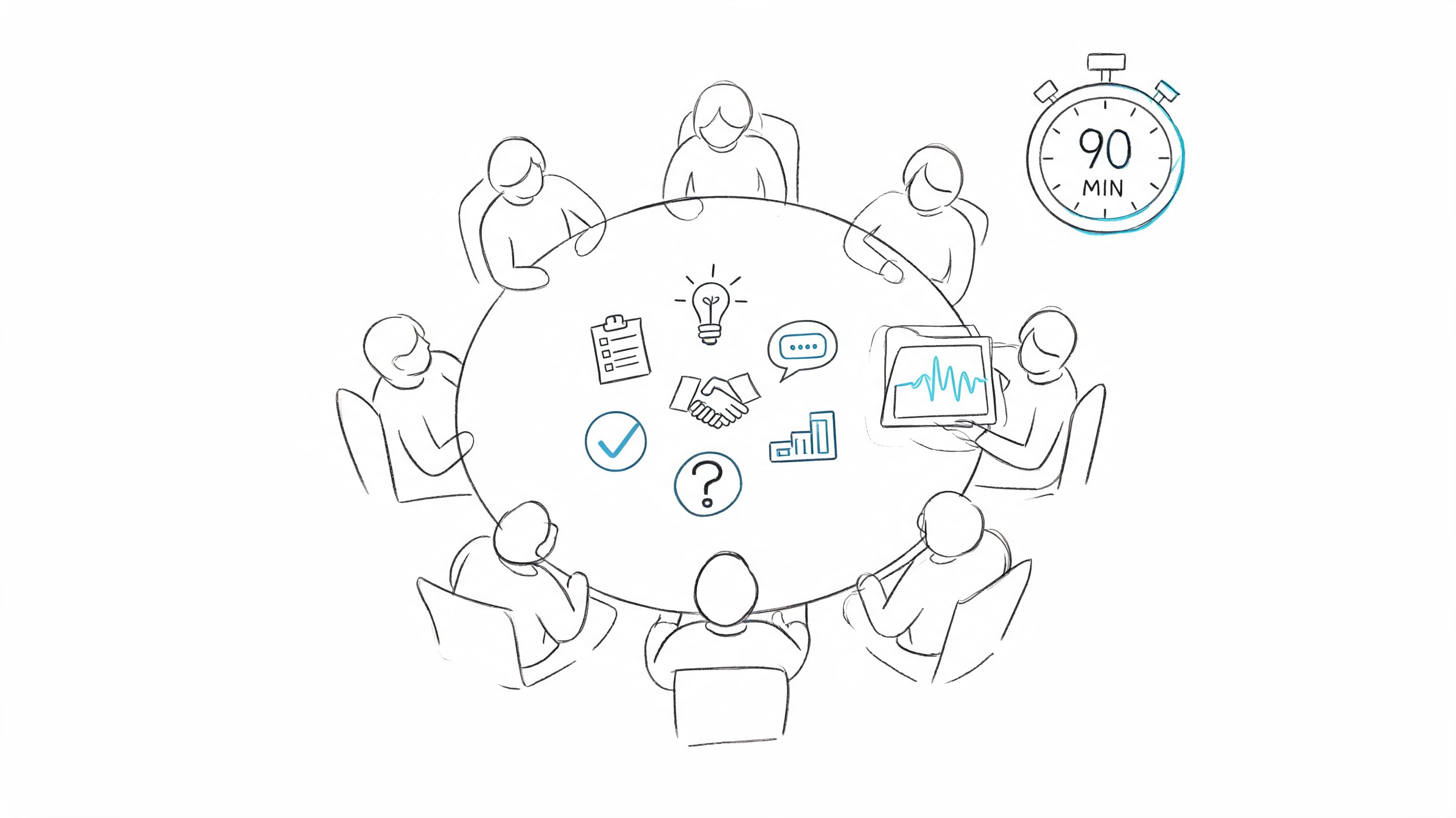
Is your daily stand-up helping the team coordinate work, or just collecting status updates in a circle? The difference usually comes down to agenda design. When the agenda is vague, people talk past each other, blockers stay fuzzy, and the useful part of the conversation happens after the meeting instead of inside it.
Daily stand-ups are common across Agile teams, but common does not mean effective. Atlassian’s overview of daily stand-up meetings reflects the intended goal: a short planning checkpoint for the team. In practice, teams often let it drift into reporting, problem-solving, or backlog grooming. Once that happens, the meeting gets longer and less useful.
A stronger agenda for stand up meeting gives the facilitator a clear lane to run. It shows people what kind of update is useful, where blockers should surface, and which topics need to move to a follow-up conversation. If your team is distributed, this look at how remote teams keep the office ritual alive is worth reading alongside the formats here. If you need a quick refresher on the basics, this guide to what Scrum meetings are and how they work provides the foundation.
I’d use different stand-up agendas for different team conditions.
A delivery team with stable sprint work needs a different format than a support-heavy team, a cross-functional product squad, or a remote team spread across time zones. This highlights the value of this article. It does not stop at naming seven formats. For each one, it examines where it works, where it breaks, the script I’d use to keep it on track, and how HypeScribe can capture decisions, summarize blockers, and turn follow-up into something the team can act on.
1. The Three Questions Format
Need a stand-up agenda that a new team can learn in one day and still use well six months later? Start here.
The three questions format endures because it gives just enough structure without forcing the team into a script that feels robotic. Each person answers: what did I complete, what am I doing next, and what is blocked. For teams that are new to daily stand-ups, it is often the fastest way to create a useful habit.
It also fails in a predictable way. People start speaking to the manager instead of to each other. The meeting turns into status theater, and the team leaves with updates but no coordination.

What works in practice
The format works best with stable sprint work, a manageable team size, and a facilitator who pushes for relevance. The goal is not to prove that work happened. The goal is to help teammates adjust their plan for the day.
A weak update sounds like this: “Finished ticket 214. Working on ticket 215. No blockers.”
A useful update sounds like this: “Finished ticket 214. Today I’m validating the API edge case that could affect Priya’s integration. I need the test credentials before lunch.”
That extra context changes the meeting. Teammates hear impact, timing, and where they may need to step in.
The Scrum Guide describes the Daily Scrum as a 15-minute event for Developers, which is a good ceiling to respect, especially once the team grows or updates get too detailed (Scrum Guide 2020). In practice, I split groups that routinely exceed that limit instead of trying to “facilitate harder.” Large circles create passive listening, repeated context, and long waits between turns.
Practical rule: Answer in a way that helps the team re-plan the day.
Use a script like this:
- Yesterday: Closed the onboarding copy edits and handed legal comments to design.
- Today: Shipping the revised email flow and reviewing analytics tags.
- Blocker: Need final approval from compliance before noon.
If the team still needs the basics, this refresher on what Scrum meetings are and how they work gives the right foundation without turning the stand-up into a lecture.
Trade-offs and common pitfalls
This format is easy to teach, but it is also easy to outgrow. It works well when each person owns clear pieces of work. It works less well when work is highly shared, dependencies shift hourly, or the board tells the story better than people do.
The biggest pitfall is live problem-solving. One blocker comes up, two people start diagnosing it, and seven others wait. The fix is simple. Capture the blocker, name the owners, and move the discussion into a follow-up right after the stand-up.
Another common mistake is treating “no blocker” as a complete answer. Ask one more question: “Who needs to know this today?” That prompt usually surfaces dependencies that the first answer missed.
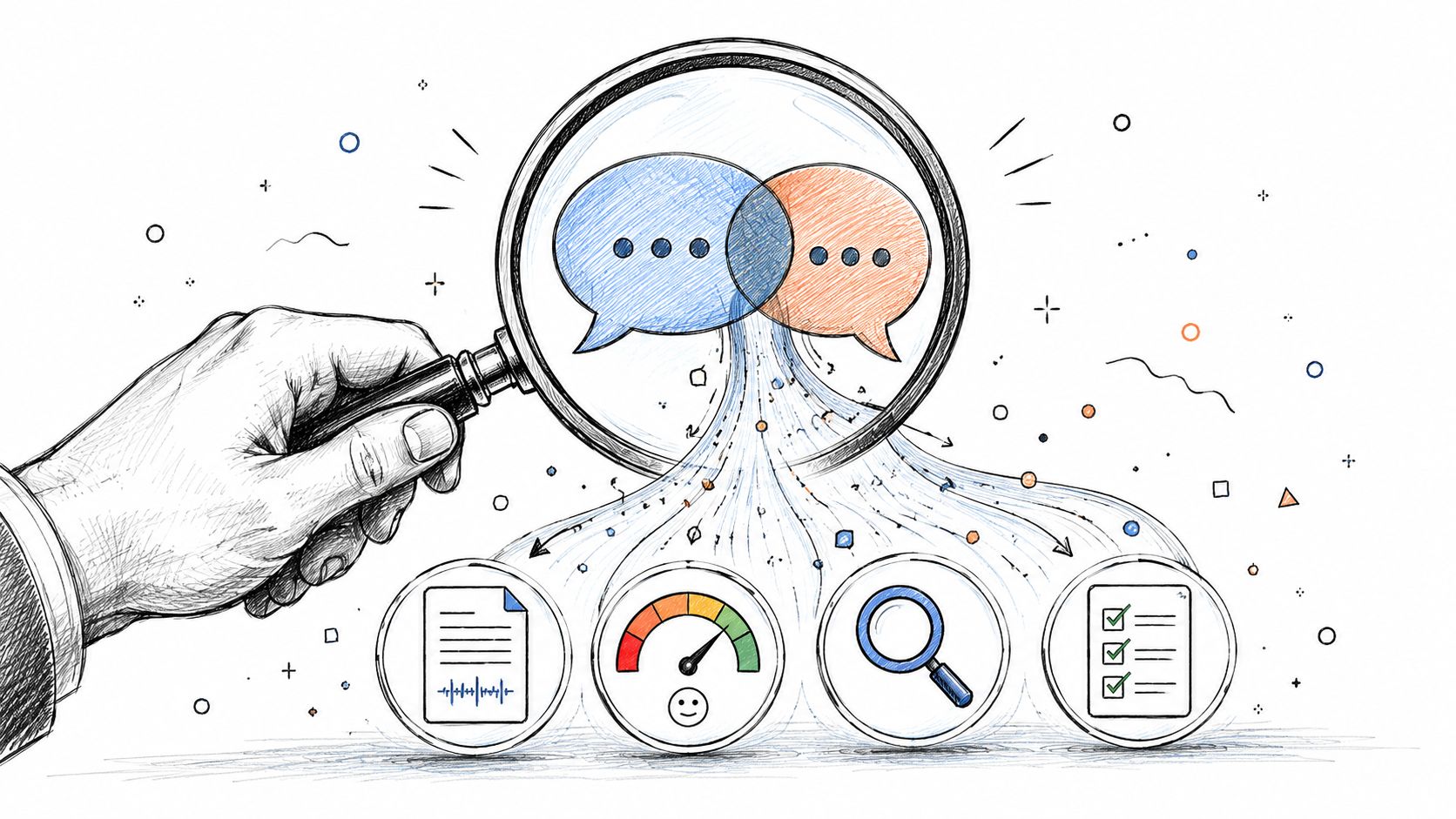
HypeScribe is useful here because it handles the boring but failure-prone part. Record the stand-up, have it summarize each person’s update, pull out blockers, and draft follow-up notes for the side conversation. That gives the facilitator a clean way to keep the stand-up short without losing the actions that matter.
2. The Kanban Board Stand-Up
What should a team review when the actual story lives on the board, not in individual status reports? Start with the work itself.
This agenda fits teams that run on continuous flow. Product ops, support, platform, and service teams usually get more value from reviewing active cards than from hearing eight separate recaps. The board shows where work is piling up, what is close to done, and which items are waiting on another team.
Use the board as the centerpiece:

Why this format works
Atlassian has long recommended “walk the board” as a practical stand-up pattern, and there is a reason experienced teams keep coming back to it. It shifts attention from activity to flow. Instead of asking, “What did you do yesterday?” the facilitator asks, “What does this card need to move?”
That change sounds small. It changes the meeting.
A board-led stand-up usually works best when:
- work items are small enough to move every few days
- multiple people touch the same ticket
- handoffs and dependencies create delays
- the team needs to protect flow, not just report effort
A simple script:
- Start with items closest to Done.
- Review blocked or aging cards before healthy work.
- Ask what needs to happen next, who owns it, and when.
- Skip side discussions and capture them for right after the meeting.
Starting on the right side matters. Teams that begin in Backlog or To Do often spend the stand-up talking about intentions. Teams that start near Done focus on finishing work and clearing bottlenecks.
Here is a script I have used with delivery teams:
“Let’s start with anything that can ship today. Then we’ll look at blocked cards and anything that has sat in Progress too long. For each item, name the next move, the owner, and any dependency.”
Trade-offs and common pitfalls
This format gives a sharper view of workflow, but it has trade-offs. It can feel impersonal if people need a quick human check-in, and it breaks down when the board is stale or half-trusted. If cards are not updated before the meeting, the team ends up debating board hygiene instead of coordinating work.
The common failure mode is opening the board and still speaking in vague status language. “I’m making progress” is not useful. “This ticket is waiting on QA and needs a test account by 2 p.m.” is useful.
Keep the meeting disciplined:
- Visible work only: If a task matters, put it on the board before stand-up.
- Aging cards get scrutiny: Long-running work needs a reason and a next step.
- Name dependencies clearly: Say who the team is waiting on, not just that something is blocked.
- Limit ownership confusion: If three names are on a card, one person should still own the next action.
HypeScribe helps after the call and between calls. Record the stand-up, generate a summary by card, and pull blockers into a follow-up list. The more useful feature for this format is search. When someone asks, “Why has this been stuck since Tuesday?” you can query prior stand-ups and get the answer without chasing people across Slack. That is the difference between documentation that exists and documentation a team will effectively use.
A short explainer can help if you’re coaching a team into this habit:
3. The Round-Robin Highlight Reel
Not every stand-up should open with friction. Some teams, especially remote ones, get better energy when they start with movement and wins. That’s where the highlight reel works.
Each person shares one meaningful win first, then a short note on today’s priority and any blocker. This format is popular with people teams, customer-facing teams, and distributed groups that need a stronger sense of momentum.
Best use case
This agenda works when morale needs help or when progress is easy to miss because work is fragmented. A support team may resolve dozens of issues that never feel “launch worthy.” A content team may spend days in revision loops. Starting with a concrete win makes progress visible.
A simple script:
- Win from yesterday
- Priority for today
- One support need or blocker
Start with a leader’s concise win, then let someone else go first the next day. Rotation matters. Otherwise the same voices shape the tone every morning.
Trade-offs to watch
The risk is obvious. Celebration can become fluff. If every update turns into a mini speech about effort, the meeting loses its sharpness.
Keep it grounded:
- Name the outcome: “Published the release notes” is better than “made good progress.”
- Limit the spotlight: One win, not a personal weekly recap.
- Still ask for help: A positive opening shouldn’t hide stalled work.
This is one of the easiest formats to support with HypeScribe. Daily transcripts can roll into a weekly “wins roundup” for Slack or a project channel, which is useful for managers, cross-functional partners, and even future performance reviews. It turns morale-building into searchable team history instead of feel-good talk that disappears.
4. The Dependency And Cross-Functional Format
When teams rely on handoffs, the standard person-by-person update is often too shallow. You don’t need to know everything everyone did. You need to know where one team is waiting on another.
That makes this agenda ideal for product plus engineering, sales plus solutions engineering, support plus dev, and platform teams serving multiple squads. The structure shifts from “my work” to “shared work.”
A better sequence for complex teams
Run the meeting in this order:
- Critical handoffs due today
- Dependencies at risk
- Requests for another team
- Offers of support or capacity
- New blockers that need owners
That sequence changes the tone. People stop narrating effort and start clarifying commitments.
A product manager might say, “Design assets are ready, but dev can’t start until legal approves the claims.” A support lead might say, “We need engineering review on the recurring billing issue before customer comms go out.” Those are stand-up-worthy updates because they change what others can do next.
What usually breaks
Teams often identify dependencies without assigning ownership. Everyone hears the problem, nobody owns the next move. Then the same issue returns tomorrow.
If a dependency is mentioned, name the owner and the next step before the meeting ends.
HypeScribe is useful here because transcripts preserve commitments between teams. That matters when handoffs get fuzzy later in the day. Tagging transcript sections by team or project also helps during retrospectives, because patterns in cross-functional friction become easier to spot.
This format is also one of the best candidates for hybrid syncs. Some dependencies can be surfaced asynchronously first, then the live stand-up focuses only on the items that specifically need conversation.
5. The Metrics And KPI Dashboard Stand-Up
What should drive the conversation when the team already has the work tracked in a dashboard. The answer is simple. Review the numbers that changed and decide what someone will do about them.
This stand-up format fits teams that manage work through visible operating metrics, such as revenue ops, customer success, paid acquisition, support, and service delivery. It is strongest when yesterday’s performance creates today’s priority. If trial-to-paid conversion dipped, backlog volume spiked, or first-response time slipped, the meeting should focus on that exception instead of collecting broad status updates.

How to run it without turning it into a reporting ritual
Use a short sequence:
- What metric moved out of range
- Why it likely moved
- Who owns the response
- What happens today
- What needs follow-up outside the meeting
That structure keeps the meeting operational. It also exposes a real trade-off. Metrics make weak updates harder to hide, but they can also pull teams into analysis mode too early. Daily stand-up is for triage, not a 15-minute debate about attribution models or dashboard definitions.
A useful script sounds like this:
- “First-response time missed target yesterday.”
- “The spike came from billing tickets after the new plan rollout.”
- “Support lead owns the fix. Ops will publish the macro update by 11.”
- “Product needs three example tickets reviewed this afternoon.”
That is enough. The team knows what changed, who owns the response, and what happens next.
Common failure points
The first problem is dashboard theater. People read every metric because the report exists, even when half the numbers are stable and require no action. Cut that habit fast. Healthy metrics get a glance. At-risk metrics get discussion.
The second problem is weak ownership. Teams often identify a drop, suggest three possible causes, and leave without naming who will verify the cause before noon. Then the same KPI returns the next day as a vague concern instead of a managed issue.
The third problem is bad metric choice. Daily stand-ups should use indicators the team can influence quickly. Weekly pipeline coverage or quarterly retention trends may matter, but they usually belong in a separate review unless they trigger an immediate action today.
Practical rules that keep this format useful
A few rules make the difference:
- Pre-load the dashboard before the meeting. Nobody should spend live time filtering views.
- Set alert thresholds in advance. The team should know what counts as “off track” before the call starts.
- Limit discussion to exceptions with owners. If there is no action, log it and move on.
- Separate diagnosis from coordination. If an issue needs real analysis, assign the follow-up and take it offline.
For teams that want cleaner documentation, use an AI meeting note taker for stand-ups and follow-up capture. HypeScribe is especially useful in this format because KPI meetings produce short decisions that are easy to lose later: owner changes, threshold updates, and same-day actions tied to a number.
If your team struggles after the meeting, pair the transcript with a living action item list workflow. The stand-up should answer two questions: what changed, and what will we do today. Everything else belongs in a separate analysis session.
6. The Asynchronous Recorded Stand-Up
What if the best daily stand-up for your team is not a meeting at all?
For distributed teams, recorded or written async updates often create better coverage than forcing everyone into the same 15-minute slot. I recommend this format when time zones are wide, work requires long focus blocks, and the team still needs a daily coordination rhythm. The trade-off is simple. You gain flexibility and fewer interruptions, but you lose instant clarification unless you design for it.
That design matters more than teams expect.
An async agenda for stand up meeting works only when every update follows the same structure and everyone knows the review deadline. A loose “drop your update when you can” process usually turns into scattered notes that nobody reads. A tighter version works better:
- What I finished
- What I am working on next
- What is blocked
- What needs input today
- Link to the task, doc, PR, or asset
I also advise teams to set one response rule: blockers that affect another person today must be acknowledged within a defined window. Without that rule, async stand-ups drift from coordination into passive reporting.
Here is a sample script for a recorded update:
Finished landing page copy revisions and handed design comments to Maya. Today I am building the email variant for segment B. Blocked on final CTA language from product marketing. Need answer by 2 p.m. my time. Links are in the project thread.
That level of specificity is what makes async useful. Short updates are fine. Vague updates are not.
The biggest mistake is treating async as a lighter version of stand-up discipline. In practice, it requires more rigor. Team members need to write or record clearly, attach evidence, and flag urgency without a live facilitator pulling details out of them. Managers also need to read for patterns, not just completion. Repeated blockers, stale tasks, and silent dependencies are easier to miss when nobody is talking in real time.
AI can make the format practical instead of messy. Use an AI meeting note taker for recorded stand-ups and searchable summaries to turn voice updates into one daily digest, capture blockers by owner, and create follow-up items without manually reviewing a stack of clips. HypeScribe is especially helpful for async teams because the primary problem is rarely collecting updates. It is turning those updates into action.
One more trade-off to plan for. Async works best when the team agrees on escalation rules. If two functions are blocked on each other, do not force the issue to live in text all day. Move it to a short call, resolve it, and document the decision. Teams that already use a weekly reflection habit can pair this model well with guidance on running effective sprint retrospectives, because both formats depend on clear prompts, concise input, and visible follow-through.
Use async stand-ups to protect focus and support distributed work. Do not use them to avoid real conversations.
7. The Retrospective-Integrated Stand-Up
A good stand-up keeps work moving. A great one also improves how the team works over time. That’s why I like adding a lightweight retrospective element, usually once a week, inside the existing rhythm.
This doesn’t mean turning the daily stand-up into a therapy session. It means reserving a few minutes on a predictable day to ask one process question: what should we keep, stop, or adjust?
How to keep improvement lightweight
Use a narrow prompt. Don’t ask, “How’s everyone feeling about the sprint?” Ask, “What slowed us down this week that we can fix next week?” Specific prompts create usable answers.
A practical Friday version:
- One process win
- One friction point
- One experiment for next week
For teams that already run sprint retrospectives, this lighter version catches smaller issues before they harden into habits. It also gives quieter team members a recurring place to raise concerns without waiting for a formal ceremony.
What to avoid
The main risk is letting improvement talk consume the stand-up. Keep it short and assign only one or two actions. More than that, and nothing sticks.
Another mistake is failing to revisit prior changes. If the team agreed last week to tighten ticket definitions or rotate facilitator duties, someone should check whether it happened.
A useful companion is this guide to running effective sprint retrospectives. The same principle applies here. Reflection without follow-through becomes ritualized complaining.
HypeScribe helps by turning these small improvement discussions into a searchable playbook. Over time, you build a record of what the team tried, what worked, and what should become standard practice. That’s far more valuable than treating continuous improvement as a vague cultural aspiration.
7-Format Stand-Up Agenda Comparison
FormatImplementation Complexity 🔄Resource Requirements ⚡Expected Outcomes ⭐Ideal Use Cases 📊Key Advantages 💡The Three Questions Format (What I Did / Doing / Blockers)Low, simple script, strict time-boxingMinimal, people + timer; optional transcription⭐⭐⭐, fast alignment and blocker visibilitySmall dev teams, Scrum teams, distributed squadsFast to adopt; clearly surfaces blockersThe Kanban Board Stand-Up (Visual Progress)Medium, board-driven flow requires disciplineMedium, Kanban tool (Trello/Jira/Miro), screen share, board upkeep⭐⭐⭐⭐, strong workflow visibility; bottleneck detectionContinuous delivery, DevOps, ops and manufacturing-inspired teamsVisualizes process; makes bottlenecks obviousThe Round-Robin Highlight Reel (Team Success Focus)Low, straightforward rotation and promptsMinimal, cultural buy-in; optional recording/transcripts⭐⭐⭐, improved morale and recognitionRemote teams, HR/People Ops, morale-focused groupsBoosts recognition and psychological safetyThe Dependency & Cross-Functional FormatHigh, coordinates multiple teams and handoffsHigh, cross-team reps, dependency matrix, facilitation⭐⭐⭐⭐, fewer cross-team delays; clearer ownershipEnterprise product orgs, platform/DevOps, sales‑engineeringReduces silos; clarifies dependencies and ownershipThe Metrics & KPI Dashboard Stand-Up (Data-Driven)Medium–High, needs data prep and interpretationHigh, dashboards/BI tools, data pipelines, screen sharing⭐⭐⭐⭐, objective decisions; early anomaly detectionAnalytics, marketing, customer success, opsData-driven prioritization; measurable impact trackingThe Asynchronous / Recorded Stand-Up (Async-First)Medium, requires async discipline and normsMedium, recording tools, transcription, templates⭐⭐⭐, flexibility and persistent searchable recordsGlobal distributed teams, contractors, async-first orgsEliminates time-zone friction; creates audit trailThe Retrospective-Integrated Stand-Up (Continuous Improvement)Medium, adds retro cadence and facilitation needsMedium, timer, facilitator, tracking of action items⭐⭐⭐⭐, continuous improvement and faster problem resolutionAgile teams aiming to embed learning and process tweaksShortens feedback loop; embeds improvements in routine
From Agenda to Action with HypeScribe
What turns a stand-up agenda into actual follow-through?
A good format keeps the meeting focused. A good operating system makes the output usable after the call ends. In practice, teams rarely struggle because they picked the wrong stand-up agenda. They struggle because blockers stay verbal, side decisions never get written down, and nobody owns the next step once the meeting ends.
That gap shows up in every format covered above. The Three Questions agenda breaks down when updates are captured but impediments are not. The Kanban version loses value when a stuck card has no written reason or owner. KPI stand-ups can create false alignment if the team records the metric but not the decision behind it. Async stand-ups often fail for a simpler reason: updates exist, but they are scattered across voice notes, chat threads, and meeting recordings.
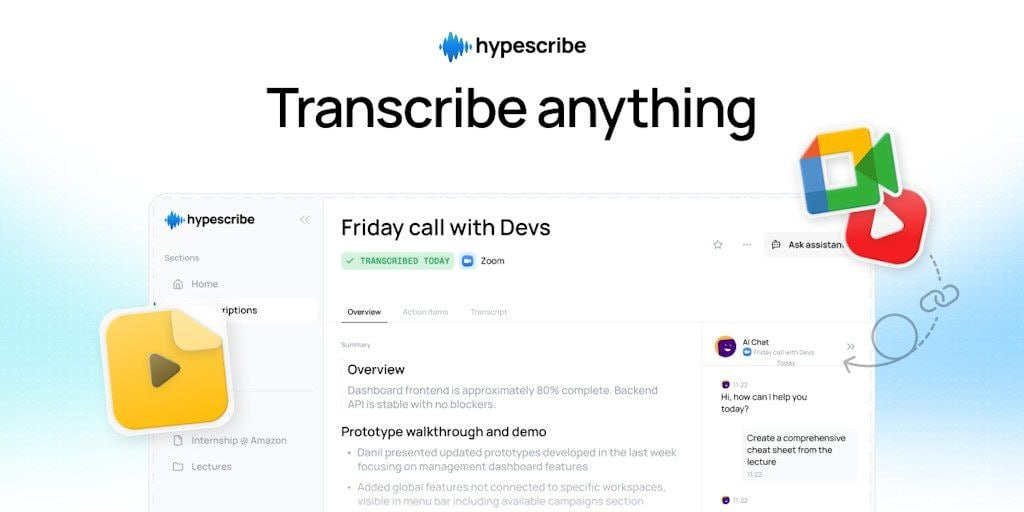
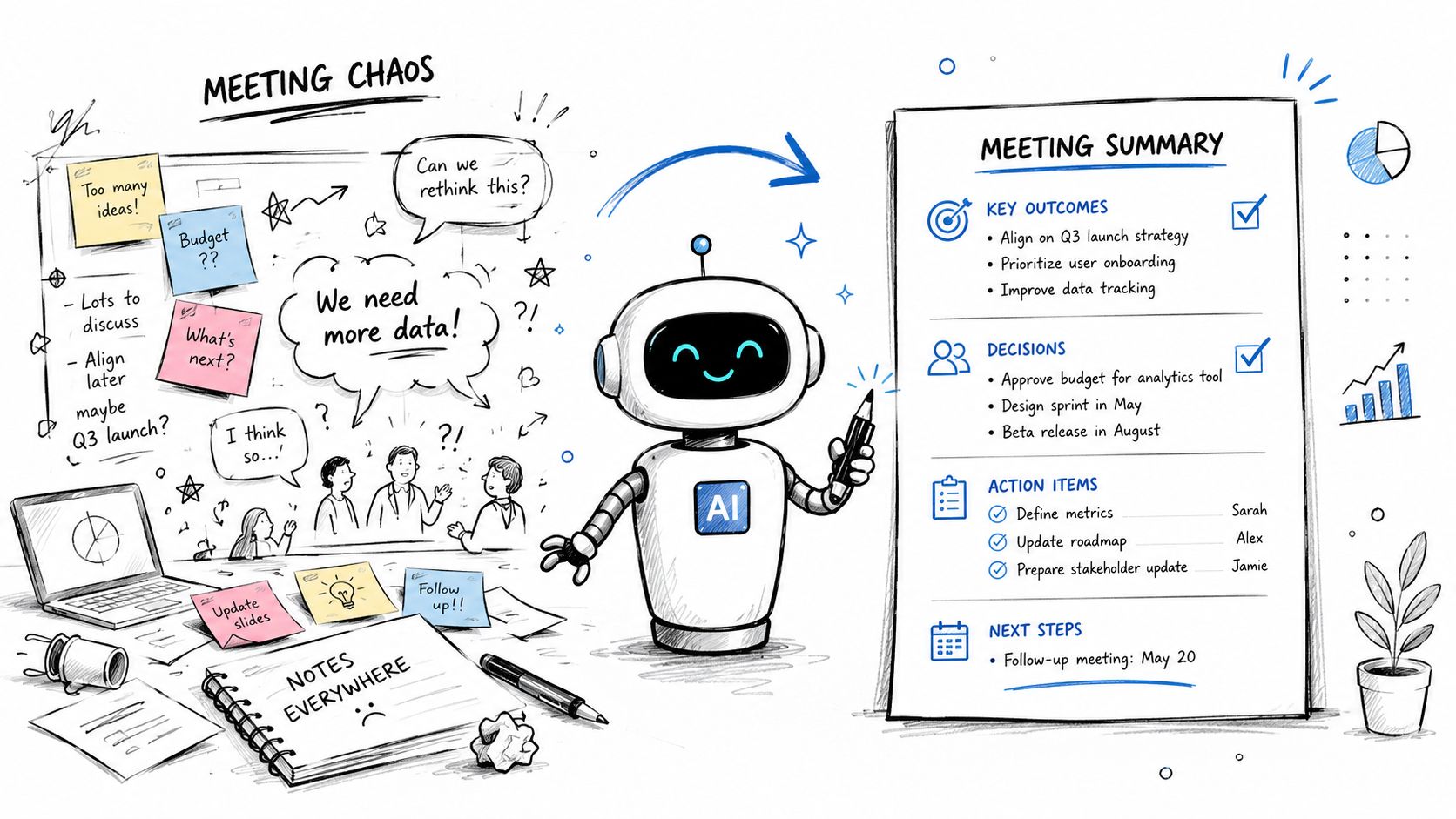
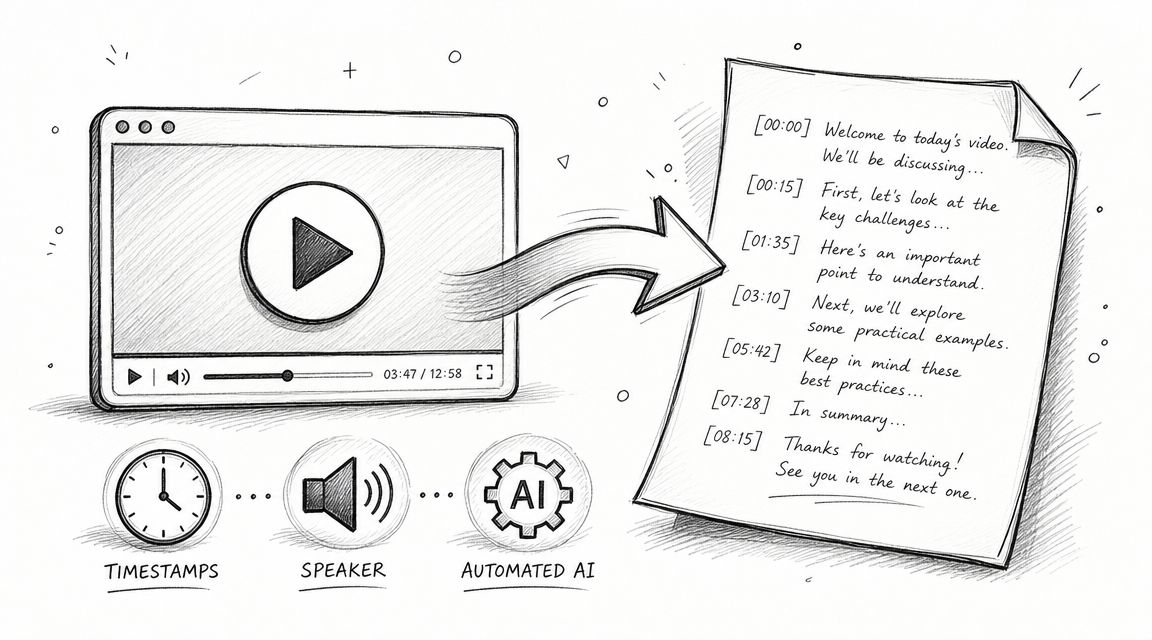
HypeScribe helps close that gap by turning spoken updates into working documentation. It transcribes live meetings and recordings, generates summaries, pulls out action items, and gives teams a searchable record across Zoom, Google Meet, Microsoft Teams, uploaded files, and async voice updates. That matters because a seven-minute stand-up should not create twenty minutes of manual admin for the facilitator.
The practical value is different for each agenda format. In a live daily scrum, use it to capture blockers and assign follow-up owners before people jump to the next meeting. In a Kanban stand-up, use it to preserve why work stopped, which is often more useful than the status itself. In a dependency-focused stand-up, use it to log handoffs, dates, and external asks so cross-functional issues do not disappear into memory. In a retrospective-integrated stand-up, use it to separate today's delivery issues from improvement actions that need tracking over time.
The trade-off is straightforward. AI notes save time and improve consistency, but they do not replace facilitation. A weak stand-up with vague updates will still produce vague summaries. Teams get the best results when they pair the tool with a clear script, such as: "State the blocker, name the owner, and confirm the next action before we move on."
That is also where HypeScribe becomes more than a transcript tool. It gives the team lead or Scrum Master a clean handoff after the meeting: summary, actions, open questions, and a record people can check later without replaying the whole call. For distributed teams, that record becomes the source of truth for anyone who missed the meeting or works in another time zone.
If you want your stand-ups to produce follow-through instead of loose memory, try HypeScribe. It gives remote and hybrid teams fast transcripts, AI summaries, and extracted action items from live meetings, uploaded recordings, and async voice updates, so every stand-up ends with a clear record of what was said and what happens next.