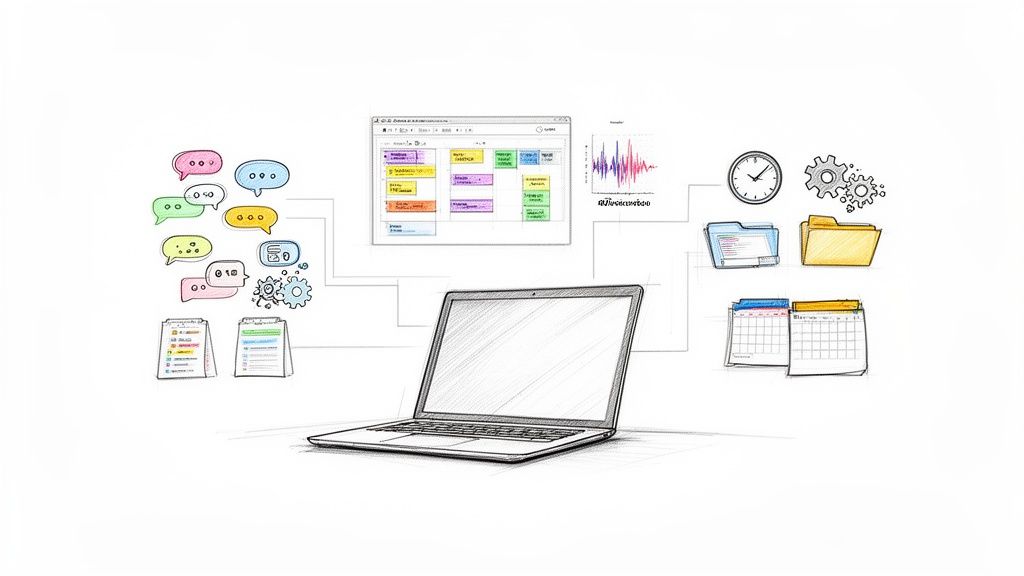
Distinguish Between Translation and Transcription: A Clear Guide to Differences
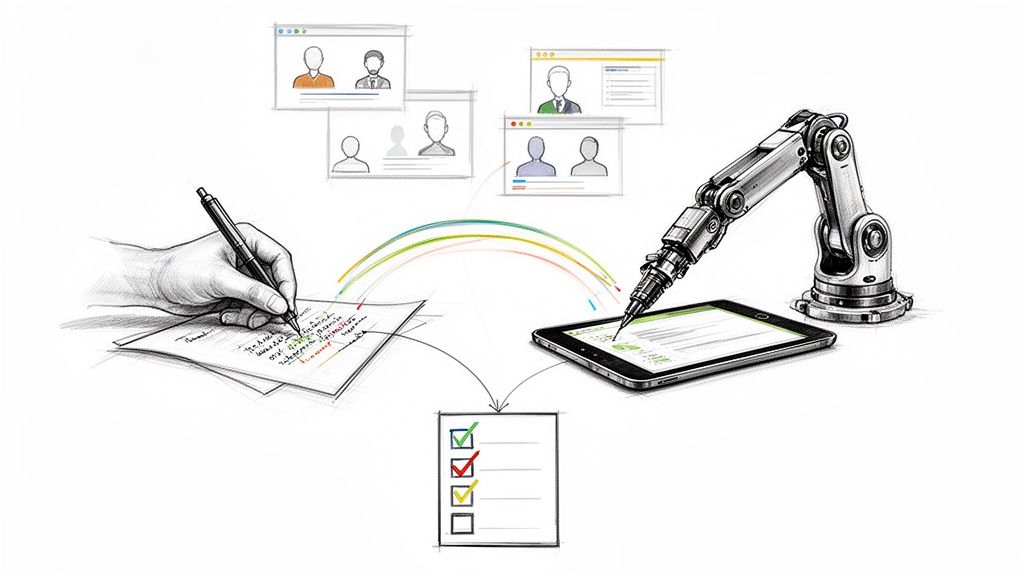
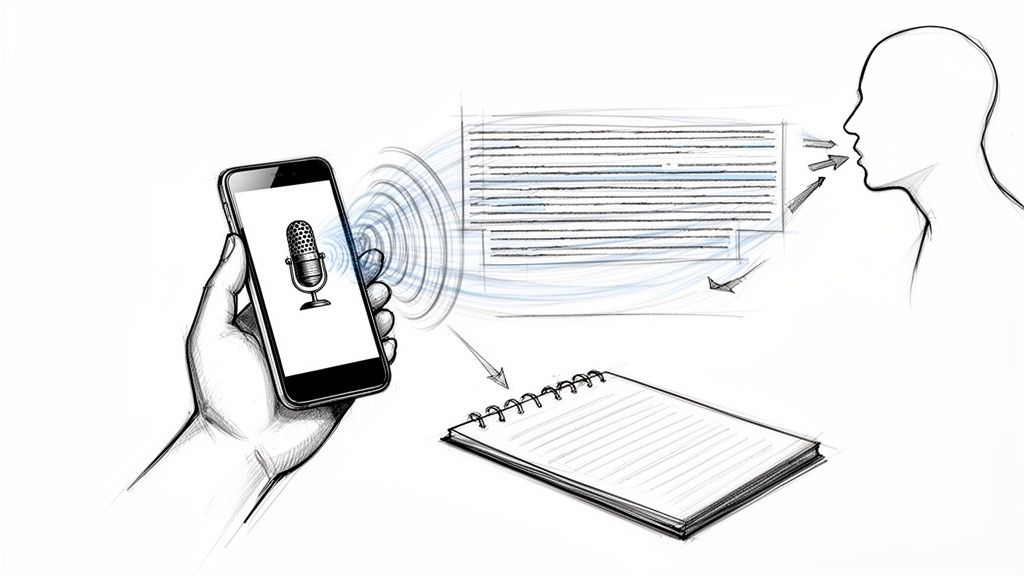
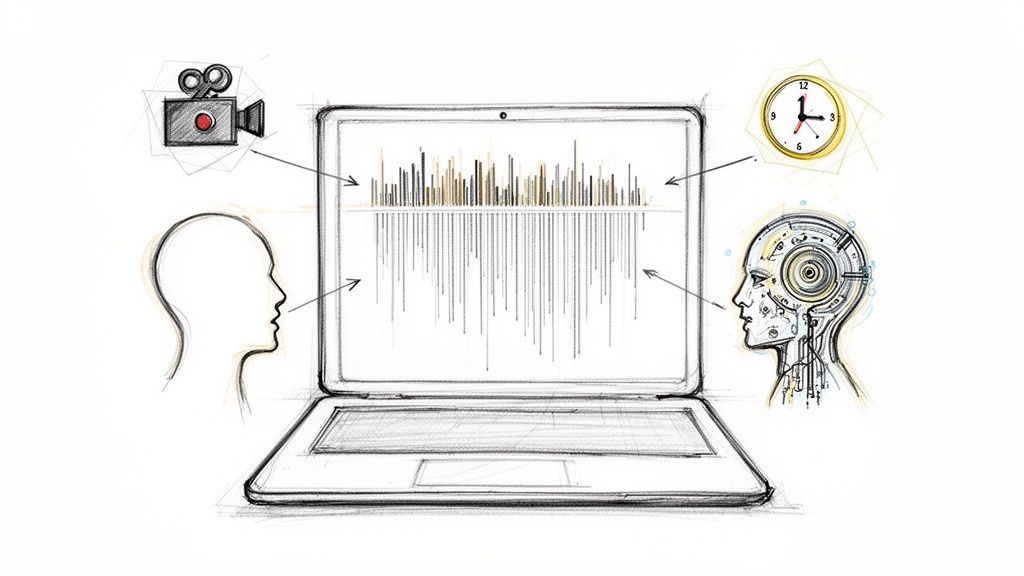
At their core, the two concepts are pretty simple. Transcription is the process of turning spoken words from an audio or video file into written text. Translation, on the other hand, is all about converting written text from a source language into a different target language.
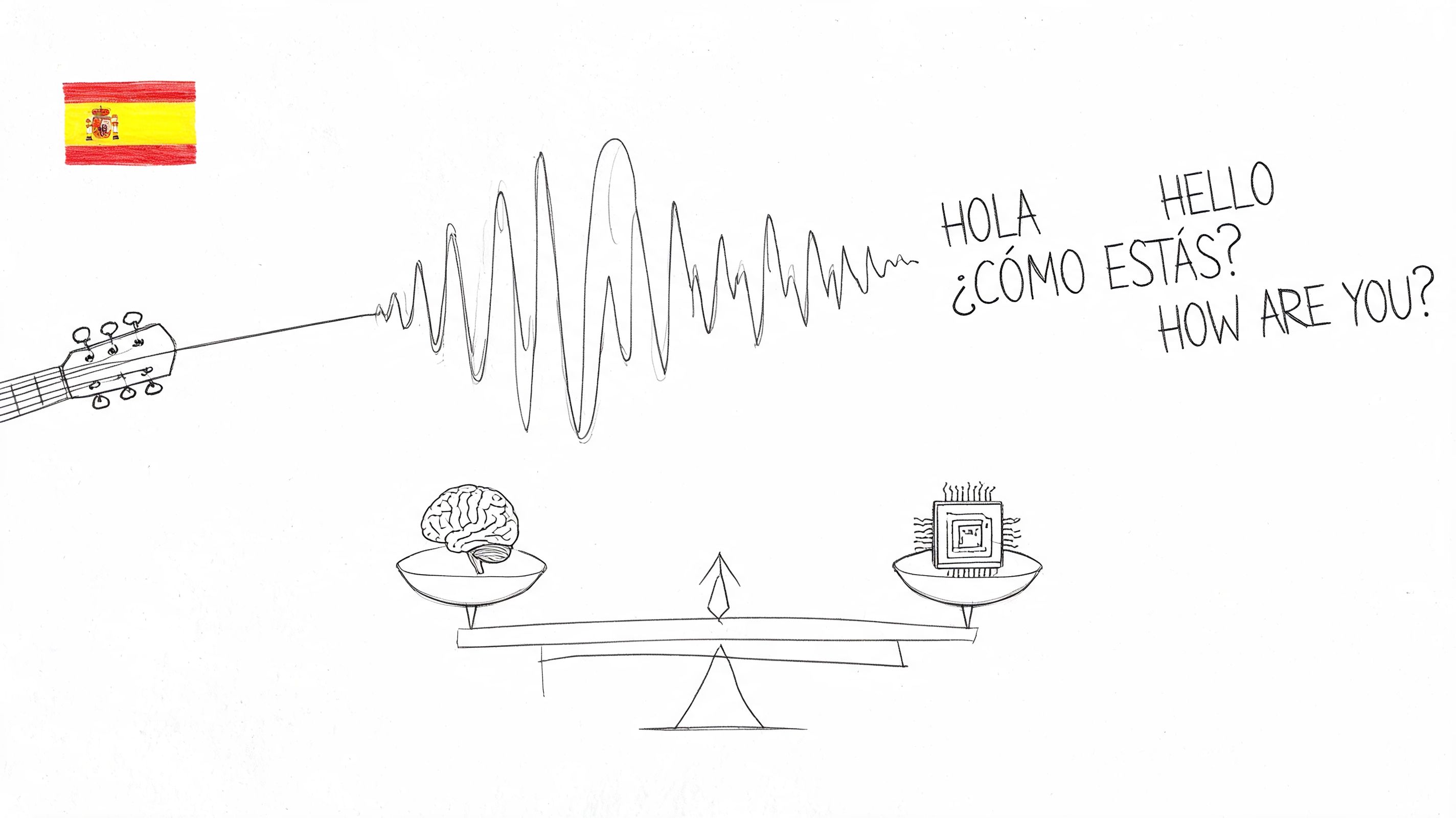
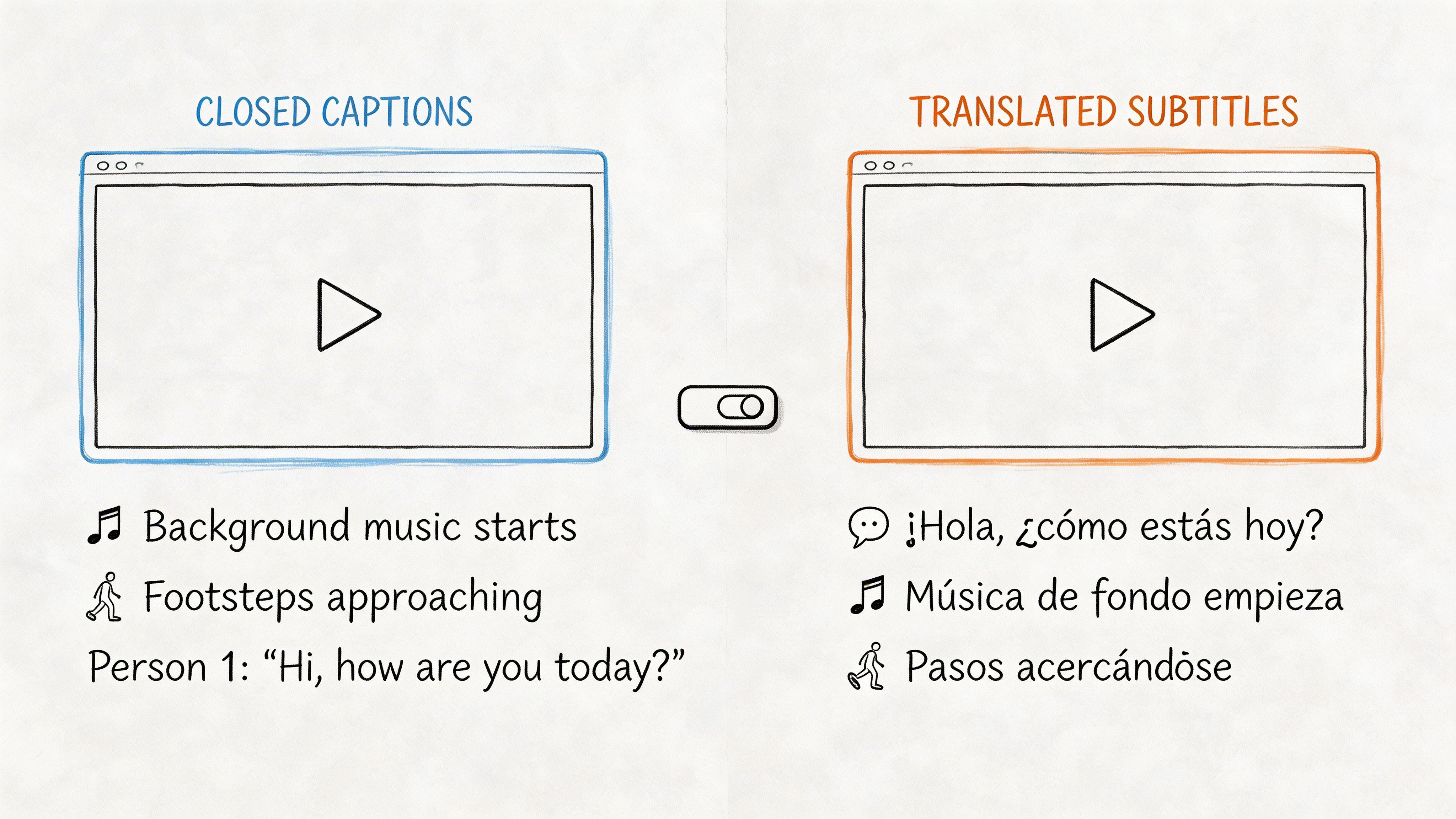
Think of it this way: transcription changes the medium (from sound to text), while translation changes the language (from English to Spanish, for example). Getting this difference right is the first step to making sure your content connects with the right audience in the right way.
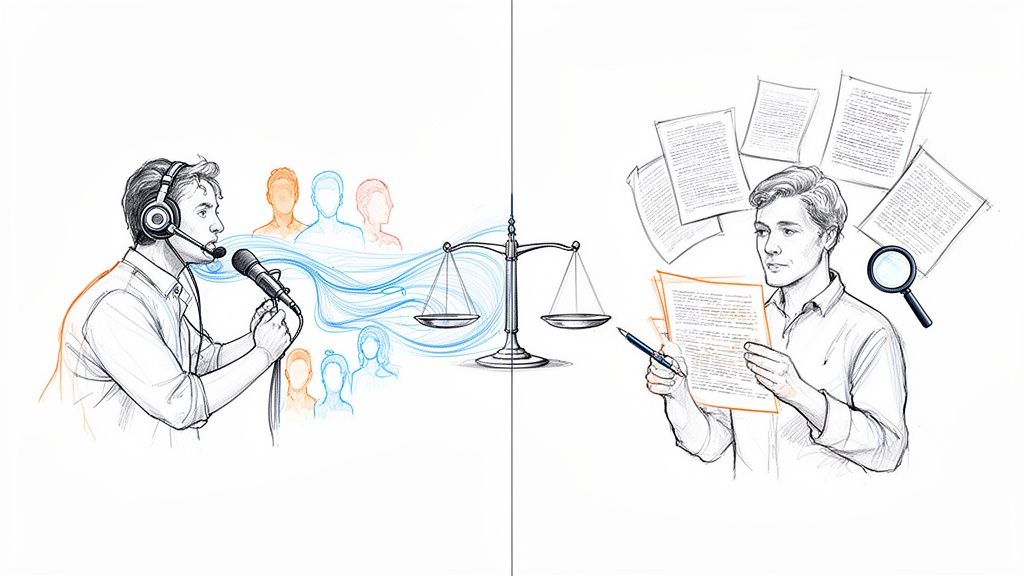
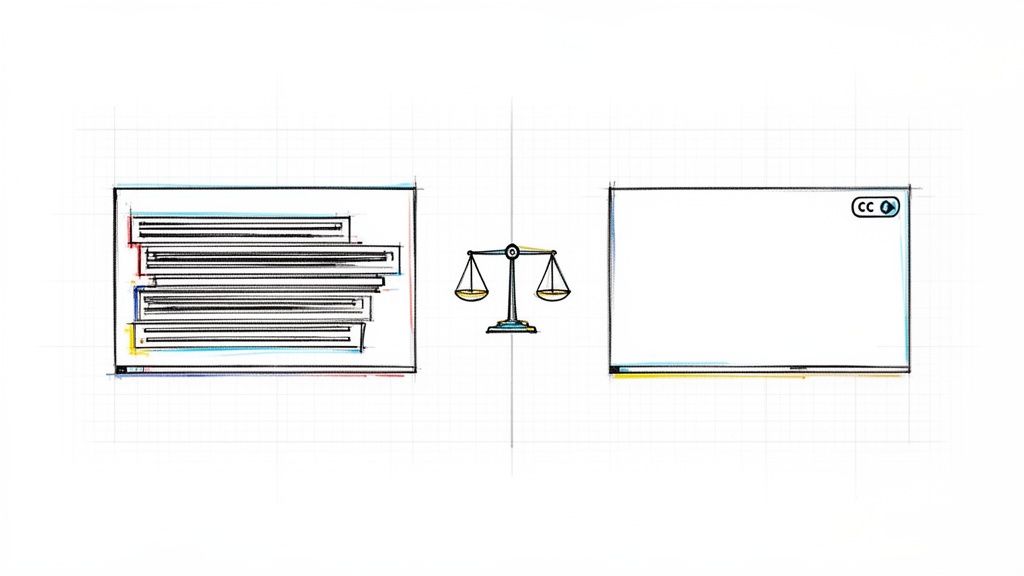
Transcription vs Translation A Direct Comparison

Even though both deal with language, they tackle completely different challenges and demand very different skill sets. You can't just swap one for the other. In fact, they often work together as part of a larger workflow.
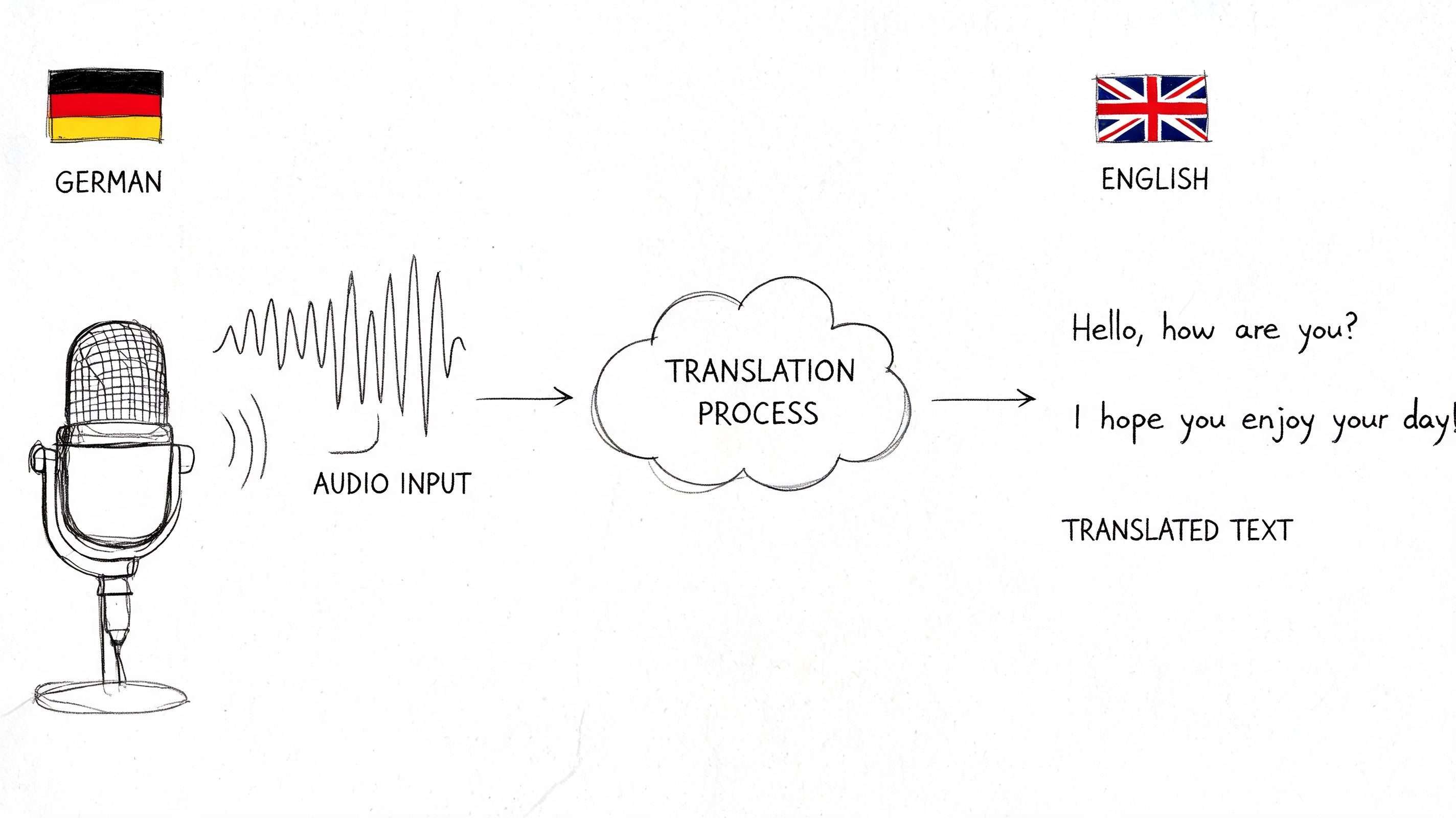
Imagine you have a podcast recorded in German that you want to share with an English-speaking audience. The first step would be to transcribe the German audio into German text. Only then could you hand that text off to be translated into English. One process sets the stage for the other.
Key Differences Transcription vs Translation at a Glance
To really understand which service you need, a side-by-side look at their core functions is incredibly helpful. This quick table breaks down the essentials, showing you exactly how they differ in purpose, process, and outcome.
.tbl-scroll{contain:inline-size;overflow-x:auto;-webkit-overflow-scrolling:touch}.tbl-scroll table{min-width:600px;width:100%;border-collapse:collapse;margin-bottom:20px}.tbl-scroll th{border:1px solid #ddd;padding:8px;text-align:left;background-color:#f2f2f2;white-space:nowrap}.tbl-scroll td{border:1px solid #ddd;padding:8px;text-align:left}AttributeTranscriptionTranslationCore PurposeTo create a written record of spoken words.To convey meaning from a source language to a target language.Input FormatAudio or video files (e.g., MP3, MP4, WAV).Written text documents (e.g., DOCX, PDF, HTML).Output FormatA text document in the same language as the original audio.A text document in a different language from the original text.Primary SkillMeticulous listening, typing speed, and accuracy.Deep fluency and cultural knowledge in at least two languages.Common Use CaseCreating meeting notes, video captions, or interview records.Localizing a website, marketing materials, or legal documents.
This table makes the distinction crystal clear, but if you need a simple mental shortcut, just remember the core intent behind each task.
Transcription is about documenting what was said. Translation is about communicating what was meant. One captures the exact words, while the other captures the cultural and linguistic intent behind them.
How Transcription and Translation Processes Work
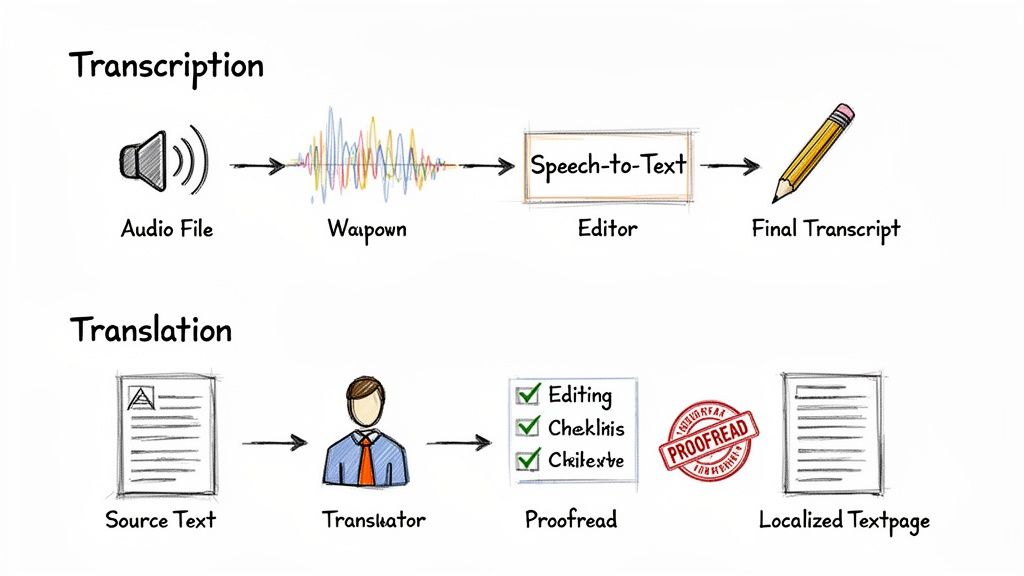
To really get the difference between translation and transcription, we have to move beyond dictionary definitions and look at how each one actually gets done. The skills, tech, and quality checks involved are worlds apart. It’s the reason one is all about technical precision, while the other demands a deep-seated cultural fluency.
Let's break down the journey from a raw recording to a polished final document. Seeing how these workflows operate will make it much clearer which service you actually need.
The Transcription Workflow: From Audio to Text
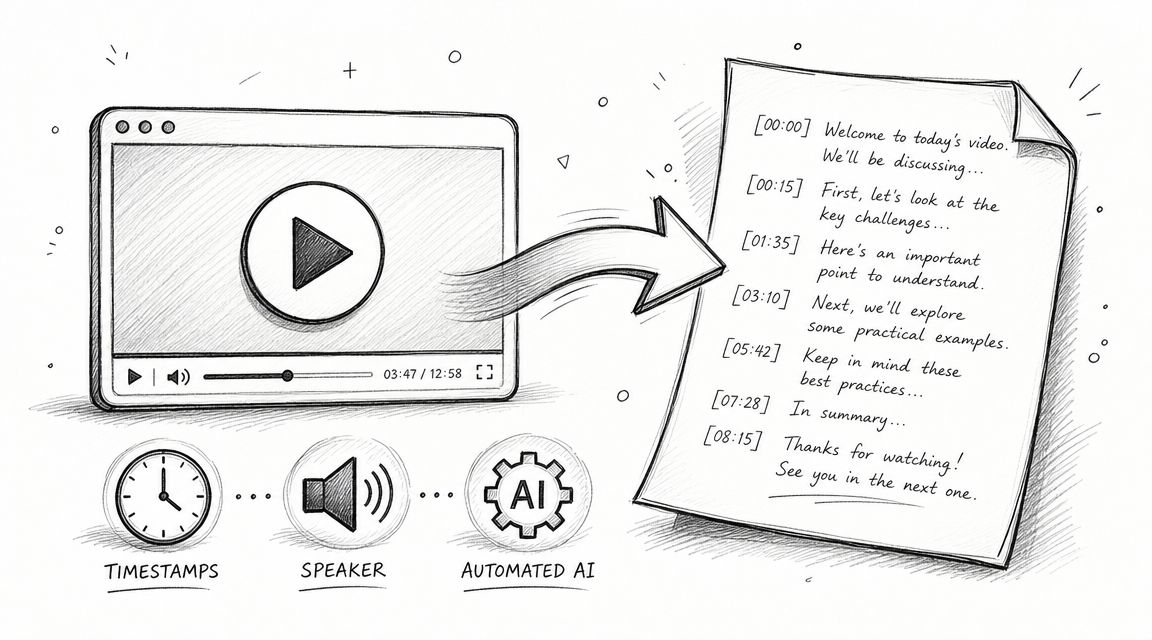
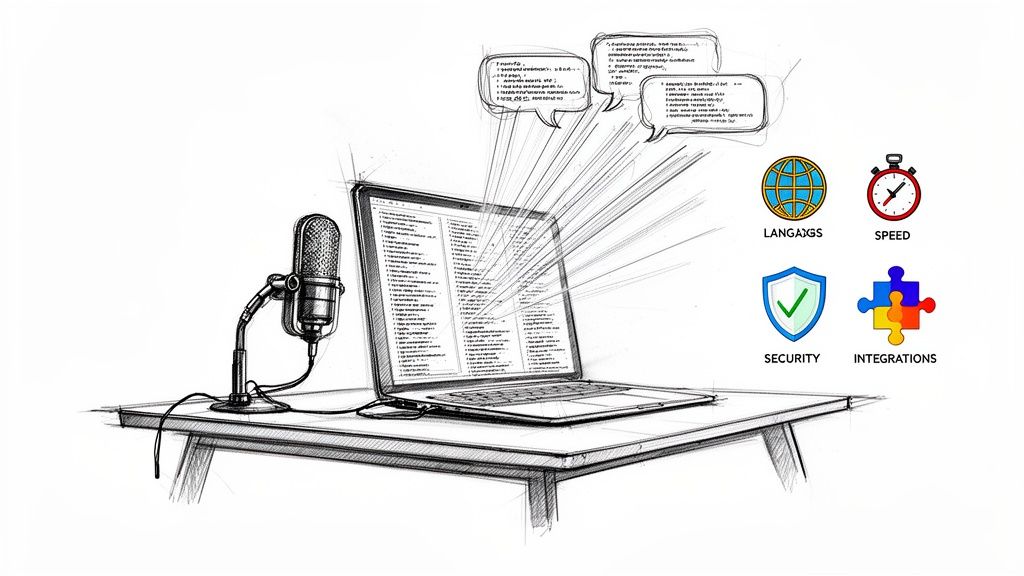
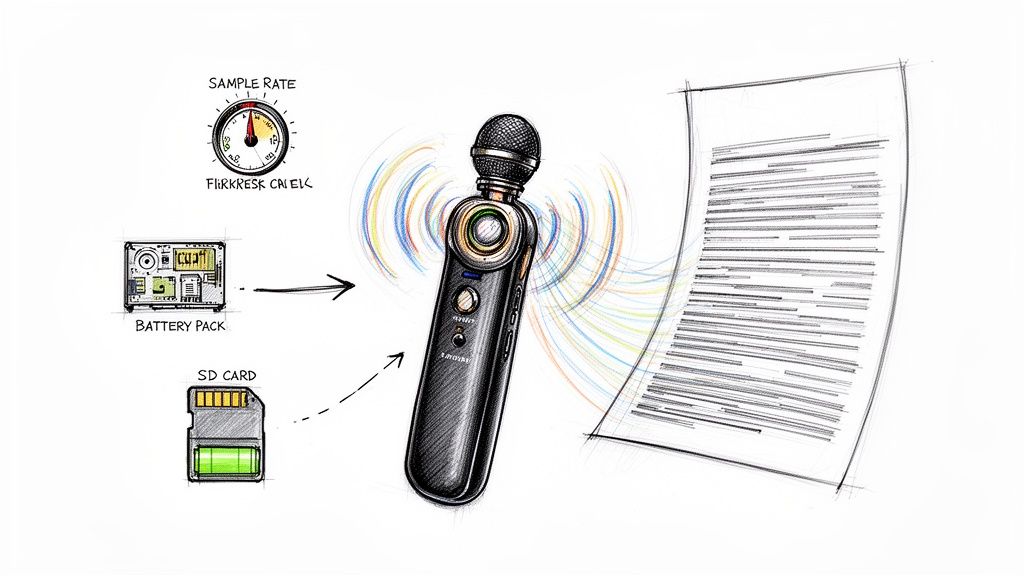
Transcription starts with one thing: an audio or video file. The end goal is simple but crucial—create a perfectly accurate written record of every word spoken. These days, powerful AI platforms like HypeScribe have made this process astonishingly fast, capable of converting hours of audio into text in just a few minutes.
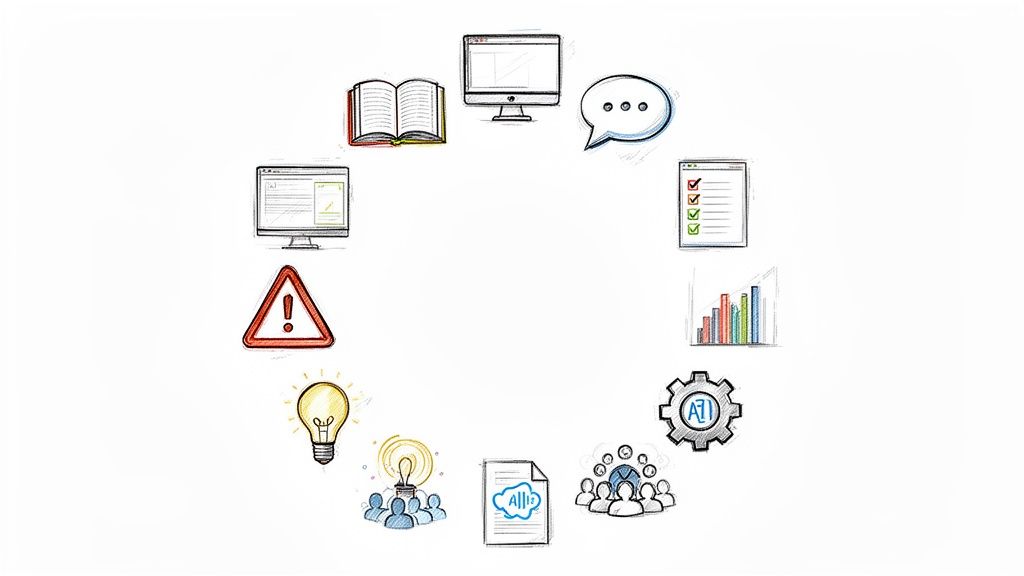
A typical transcription workflow looks something like this:
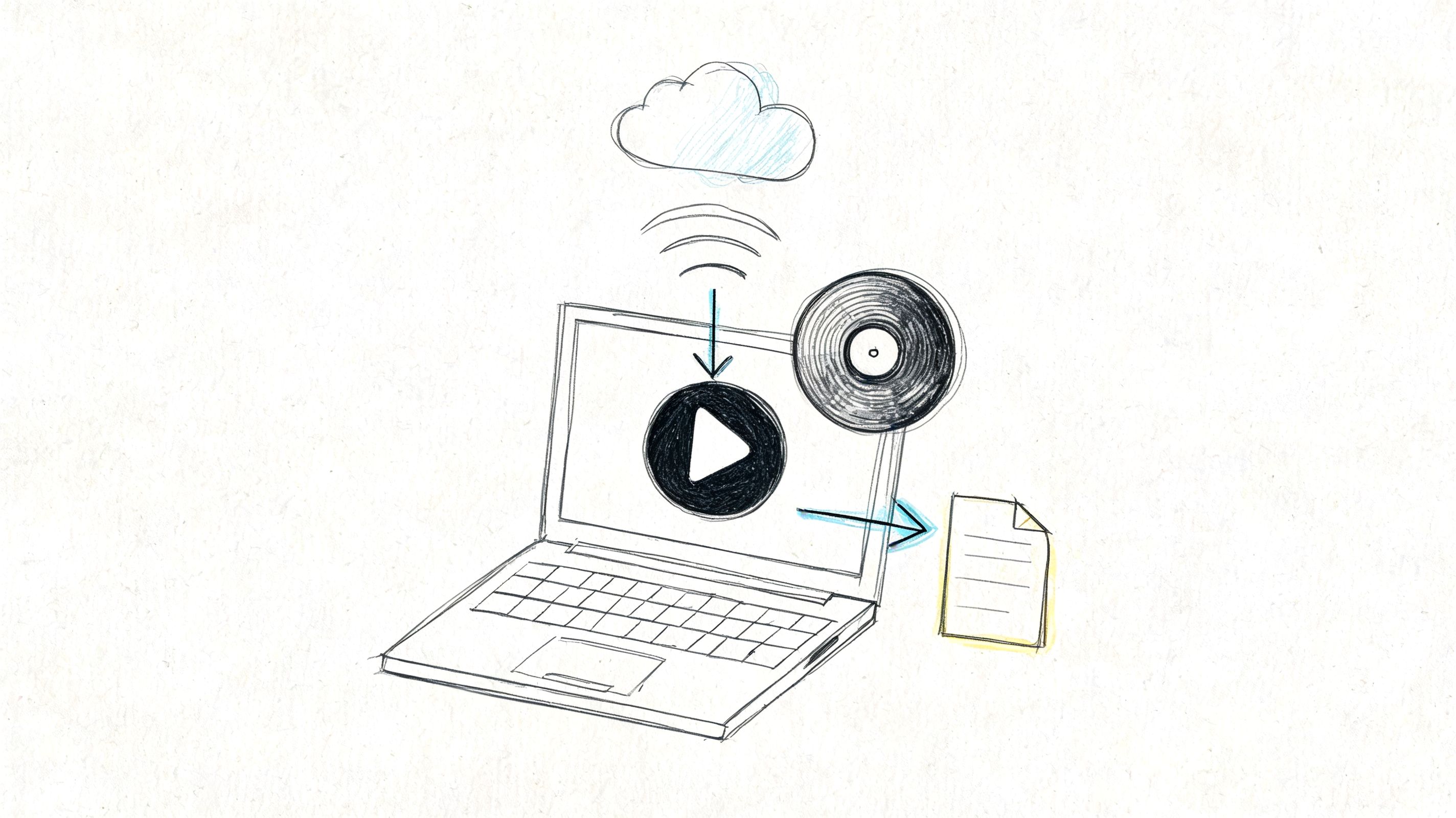
- File Upload: You start by uploading your file, pasting a link, or even recording audio on the spot.
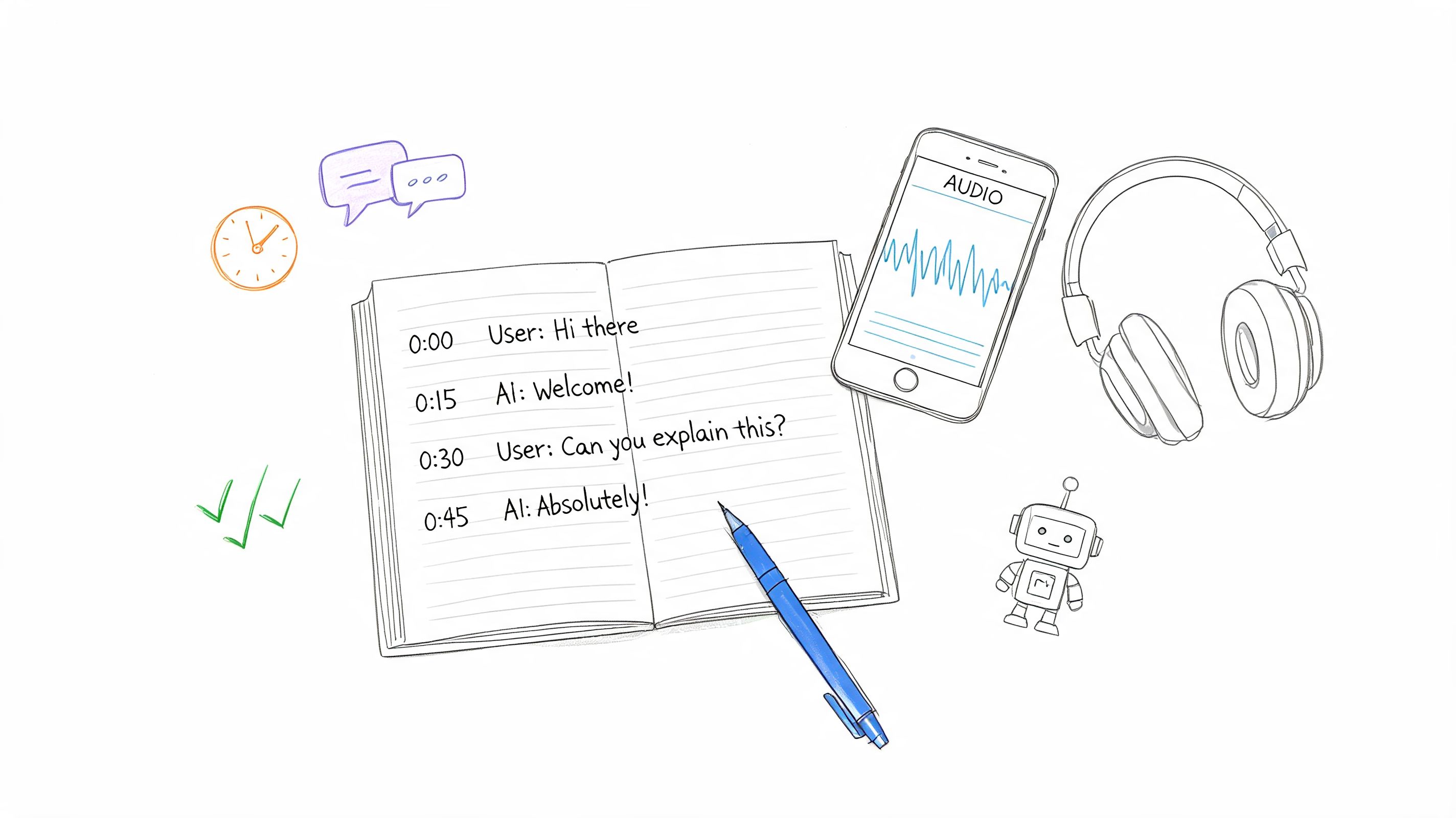
- AI Analysis: Next, a speech-to-text engine gets to work. It chews through the audio, identifying words, adding timestamps, and often distinguishing between different speakers.
- Style Choice: You then decide how you want the text to read. Verbatim transcription is the most literal, capturing every single sound, including filler words like "um" and "uh." On the other hand, intelligent verbatim cleans things up for better readability by removing those natural stumbles.
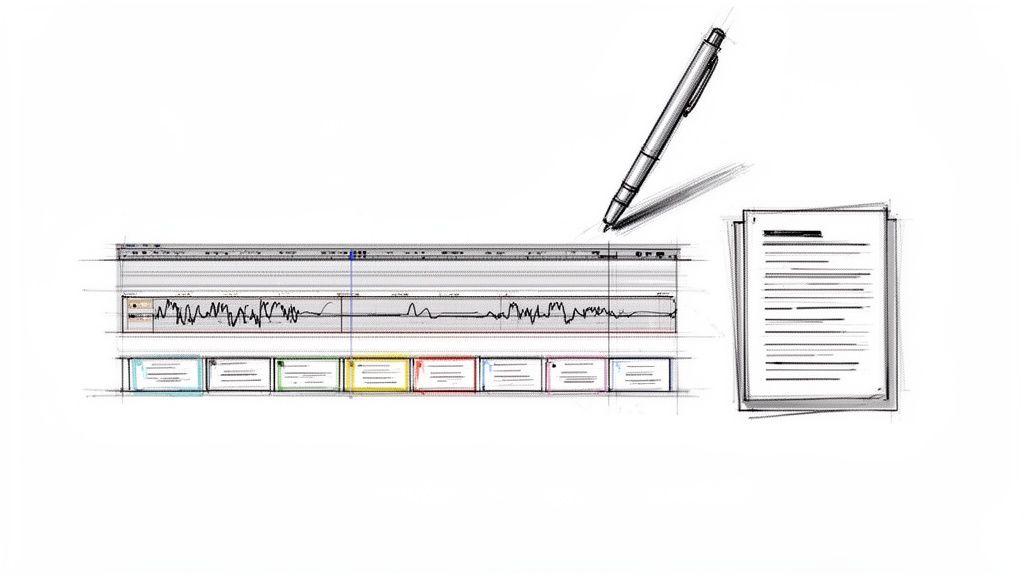
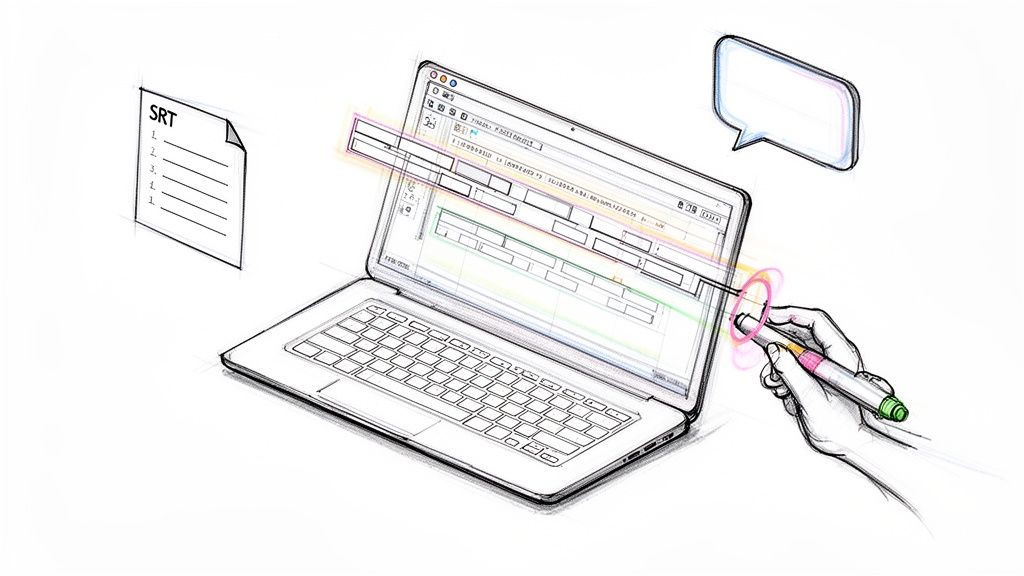
- Final Polish: The generated transcript appears in an editor where you can make any quick corrections before exporting it as a finished document.
The whole thing is built for speed and word-for-word accuracy, relying heavily on automation.
At its heart, transcription is all about fidelity. Every part of the process, from labeling speakers to adding timestamps, serves one purpose: to create a precise, searchable, and usable written account of what was said.
The Translation Workflow: From Text to Meaning
Translation, in stark contrast, is a deeply human and layered process. It picks up right where transcription leaves off—with a written document—and its mission is to rebuild that text's meaning, tone, and intent in a new language.
Most professional translation projects follow what's known as the TEP (Translation, Editing, Proofreading) model:
- Translation: A native-speaking linguist does the initial conversion. Their job is to transfer the core message accurately while navigating all the cultural subtleties that come with it. This requires genuine expertise in both languages.
- Editing: A second linguist then reviews the translation against the original source text. They’re hunting for any misinterpretations of meaning, tone, or consistency and ensuring that idioms and jargon are handled just right.
- Proofreading: Finally, a proofreader does one last sweep to catch any lingering grammatical mistakes, typos, or formatting quirks. This final pass ensures the document is polished and professional.
This multi-step approach shows just how complex translation is. While technology is a helpful tool for translators, the real work relies on human judgment to decode cultural context—something AI can't do on its own.
This fundamental difference is why these services serve completely different business needs. The U.S. transcription market, valued at $32.58 billion in 2025, is a cornerstone of content creation and information management. Meanwhile, translation services are what enable global communication and international expansion. You can learn more about the transcription market's growth and segmentation to see how these industries are evolving.
Comparing Quality, Accuracy, and Required Skills
One of the clearest ways to see the difference between transcription and translation is to look at what makes a final product “good.” The benchmarks for success couldn't be more different, because the goals are completely distinct. Think of it this way: one is a technical game of precision, while the other is an art form rooted in cultural and linguistic fluency.
When it comes to transcription, quality is pretty straightforward. The gold standard is accuracy, which we often measure with a metric called Word Error Rate (WER). A low WER means you have a nearly perfect, word-for-word record of what was said.
For a clean audio file, a top-tier AI tool like HypeScribe can hit up to 99% accuracy, which is almost flawless. But the human touch becomes critical when you introduce real-world chaos—heavy accents, background noise, or highly technical jargon. That's when a professional reviewer steps in to guarantee the final text is 100% reliable.
Translation Quality: A Deeper Look
Measuring translation quality is a whole different ballgame. It's far more subjective because it's not just about getting the words right. It's about capturing the tone, cultural nuances, and idiomatic phrases that give language its flavor. In fact, a perfectly literal translation is often a terrible one because it sounds clunky, awkward, or completely misses the point.
A translator’s real job is to recreate an experience for a new audience. This requires a much broader and more nuanced skill set:
- Bilingual and Bicultural Fluency: This isn’t just about speaking two languages. It’s about having a deep, native-level feel for both the source and target cultures.
- Subject Matter Expertise: You can't fake it when translating a legal contract or a medical research paper. True expertise is non-negotiable for handling specialized terminology.
- Creative Writing Skills: How do you make a clever marketing slogan land with the same punch in another culture? That takes creative flair and a knack for writing.
The best translations are invisible—you’d never guess the text wasn't originally written in your language. It’s all about being faithful to the meaning, not necessarily the individual words. To see how transcription plays a role in capturing nuanced data for deeper analysis, take a look at our guide on qualitative research transcription on hypescribe.com.
Transcription asks: "What was said?" It's a technical task focused on verbatim accuracy.
Translation asks: "What was meant?" It's a creative and cultural process focused on conveying intent and impact.
This fundamental difference dictates everything else. A transcriber needs an almost obsessive attention to detail and sharp listening skills. A translator, on the other hand, needs empathy, cultural savvy, and linguistic creativity to build a bridge between two different worlds. One creates a faithful record; the other crafts an entirely new message that feels native.
Real-World Scenarios: When to Use Transcription vs. Translation
It's one thing to know the dictionary definitions, but it’s another thing entirely to know which service you actually need for your project. Getting this right from the start saves a lot of time and money, so let's walk through some practical examples.
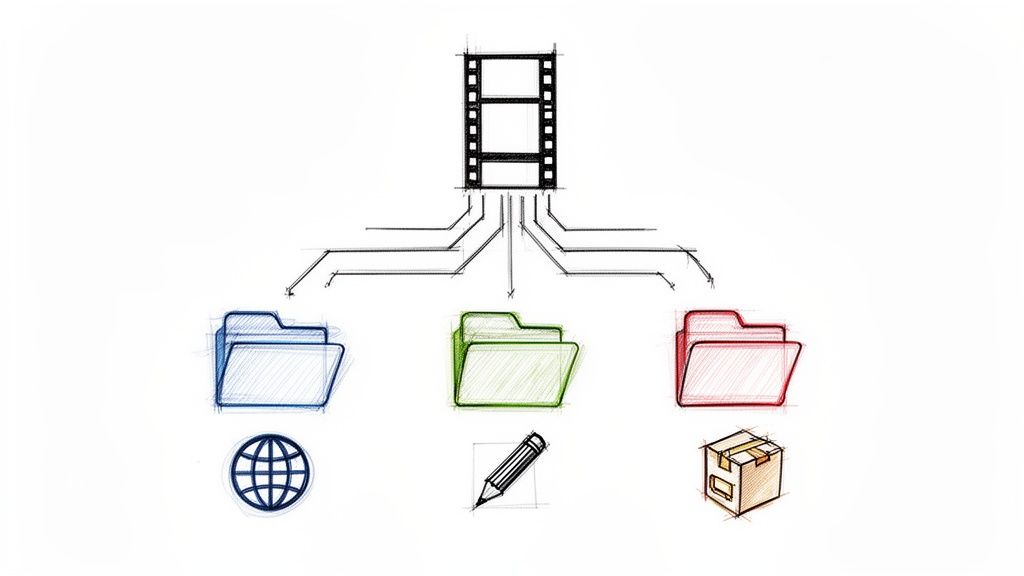
This simple decision tree illustrates the first question you should always ask.
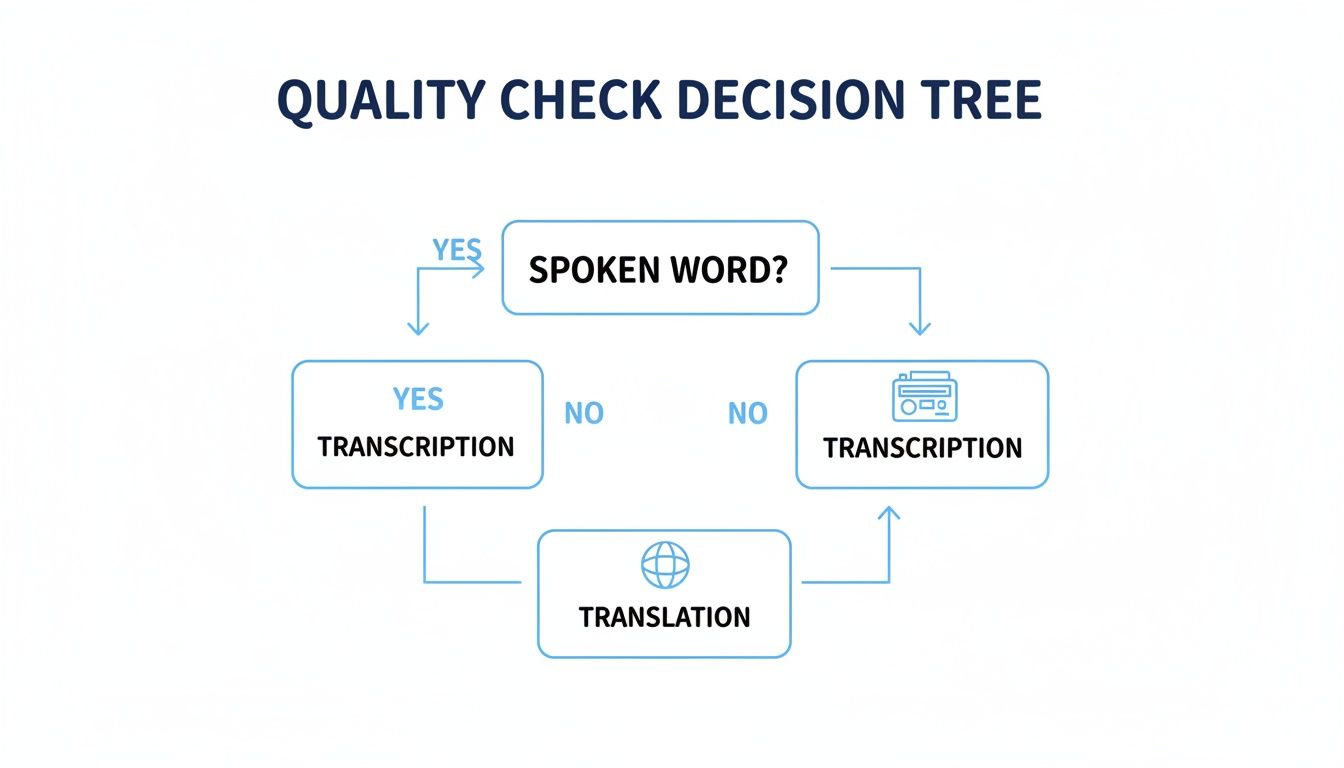
The key takeaway is straightforward: your starting point determines your first move. If you're dealing with spoken words in an audio or video file, transcription is always step one. You can't translate what hasn't been written down yet.
When to Use Transcription
Think of transcription as your go-to whenever you need to turn spoken language into a written, searchable, and shareable format. The goal here is simple: create an accurate text record of what was said, in the original language.
Here are a few common situations where transcription is a must:
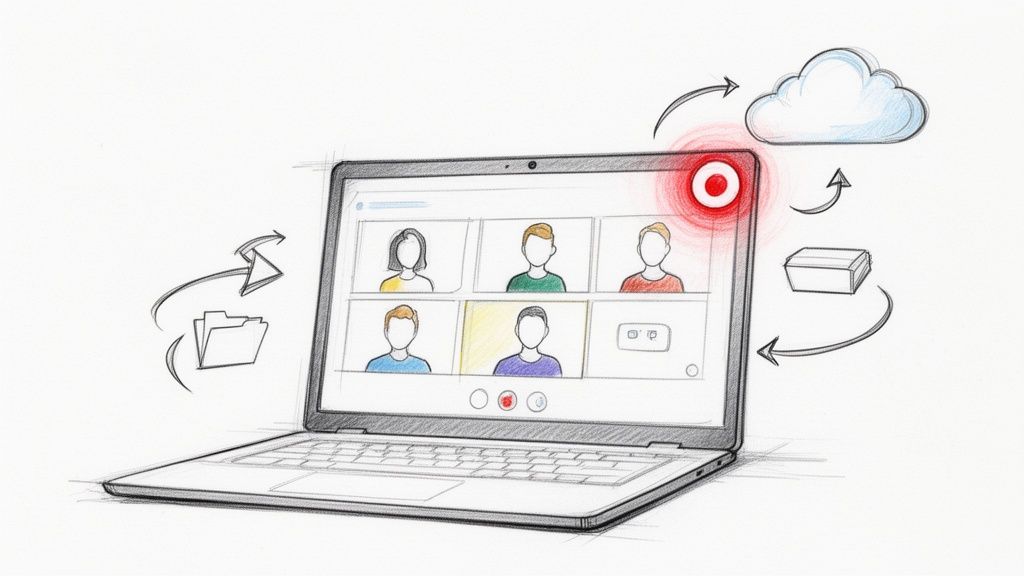
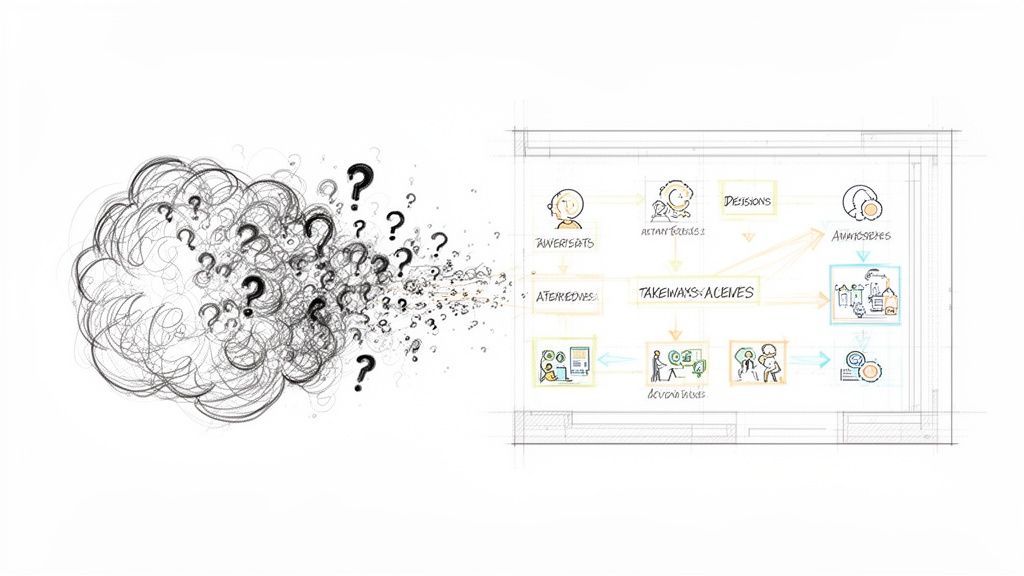
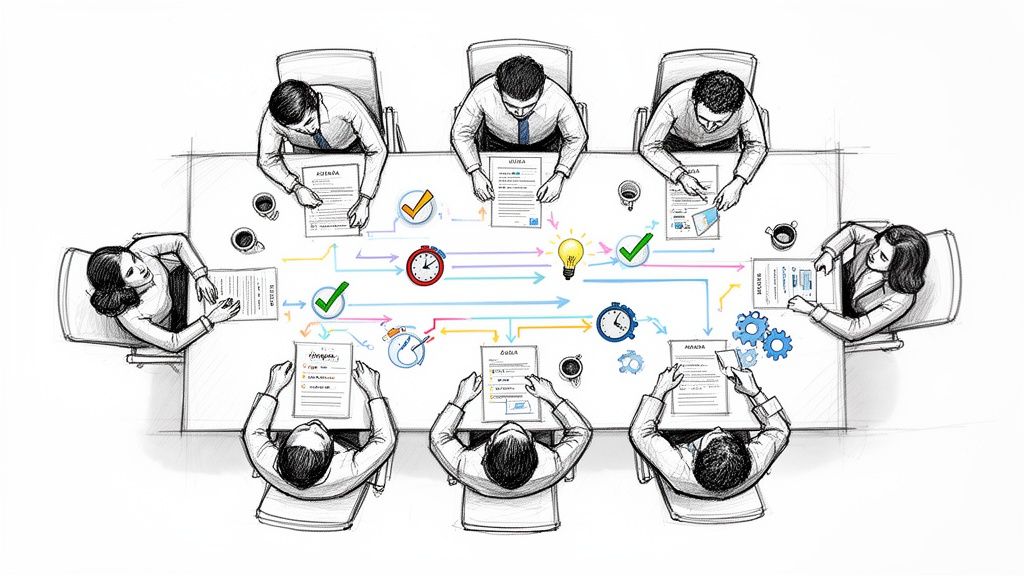
- Documenting Team Meetings: A remote team can take a one-hour video call and turn it into a searchable transcript, complete with key takeaways and action items. Suddenly, you have a single source of truth for who said what and who’s doing what next.
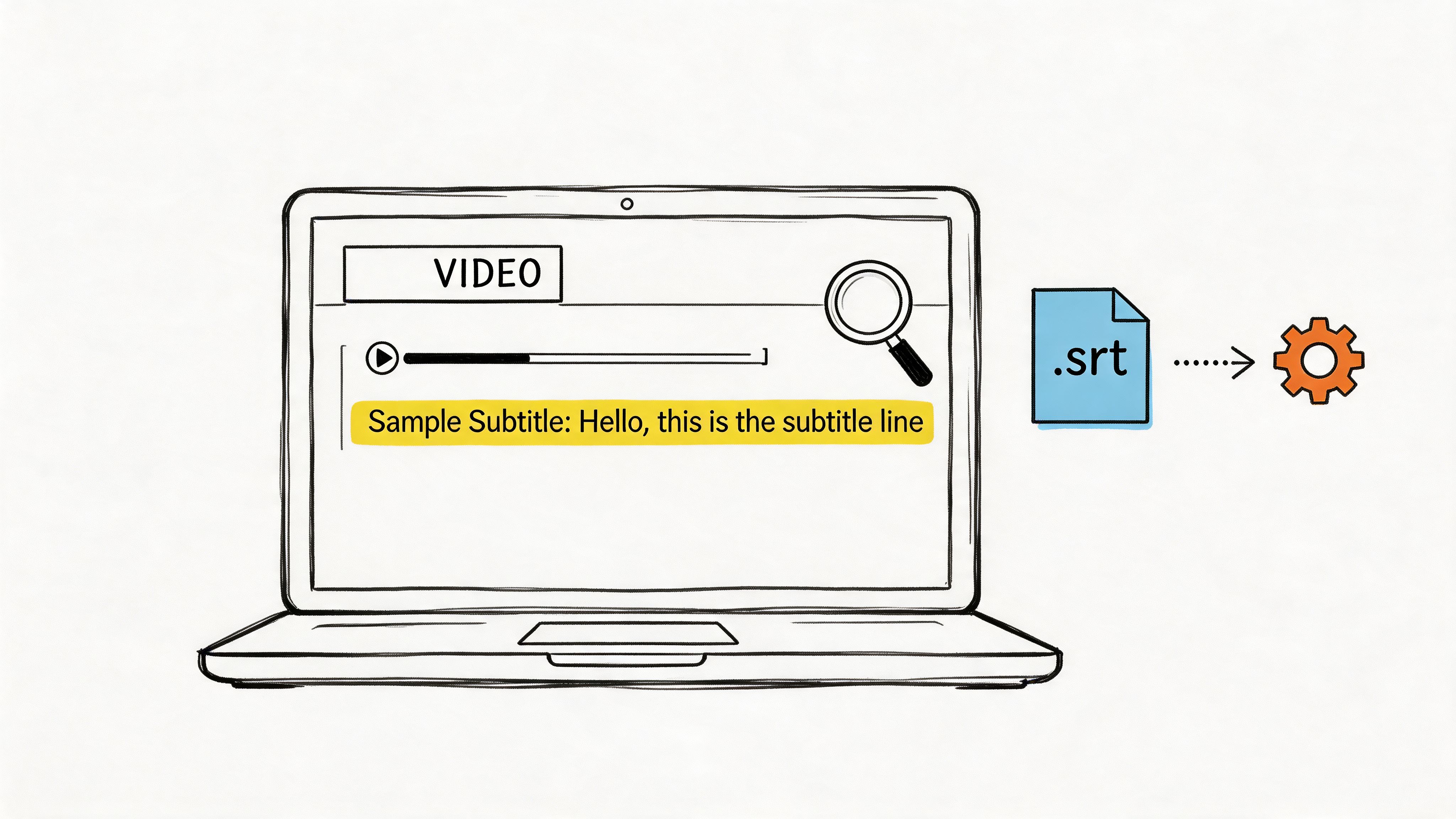
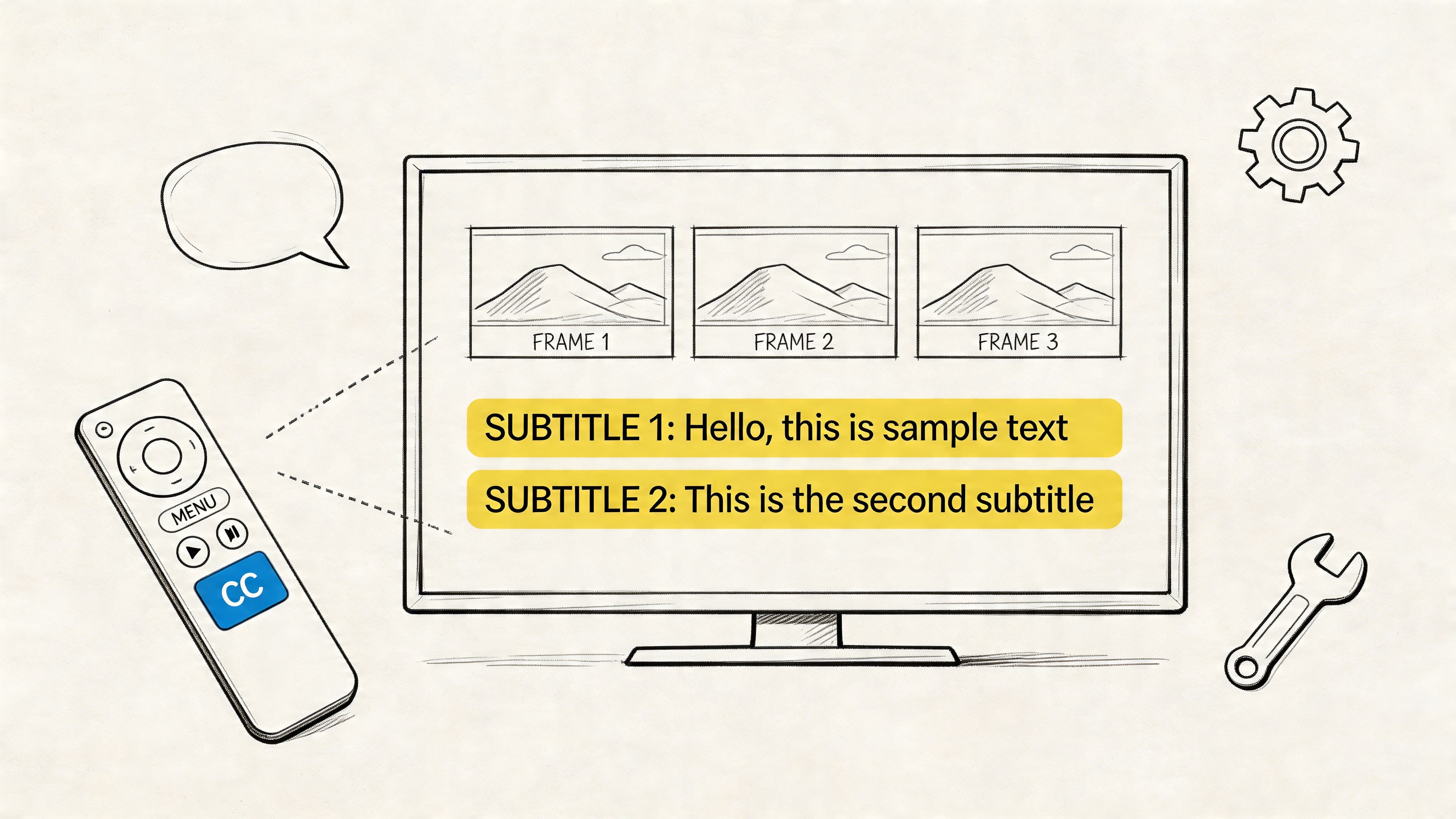
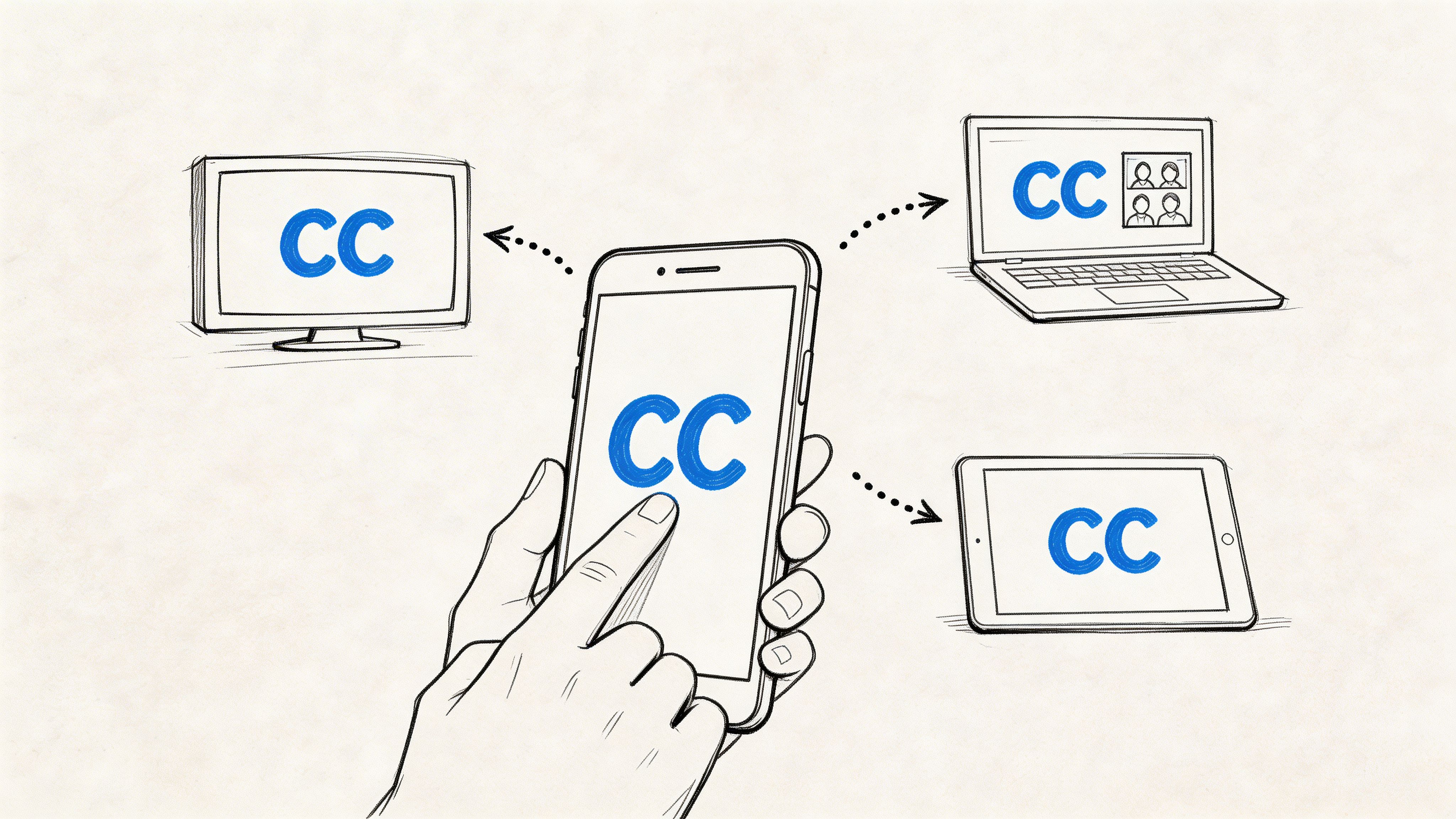
- Boosting Video SEO and Accessibility: Adding accurate captions to your videos makes them accessible to viewers with hearing impairments. Just as importantly, it allows search engines to "read" your video content, which can seriously boost its visibility. We dig deeper into this in our guide on what a subtitle is.
- Analyzing Research Interviews: For researchers, transcribing interviews is non-negotiable. It allows them to easily code the conversation, analyze qualitative data, and pull direct quotes for their findings.
- Repurposing Content from Webinars: A company can transcribe a live webinar and instantly have the raw material for a blog post, a dozen social media snippets, and an email newsletter. It's content creation, supercharged.
In every one of these cases, transcription plays a foundational role. It’s about transforming spoken information into a structured text asset that you can then archive, analyze, or build upon.
When to Use Translation
Translation enters the picture when you already have a written document and need to convey its meaning to an audience that speaks a different language. This isn't about changing the format (audio to text), but about bridging a language gap.
Here are some clear-cut scenarios that demand translation:
- Website Localization: A software company eyeing the Japanese market will need to translate its website, user interface (UI) text, and help articles from English to Japanese. This is crucial for creating a seamless, native user experience.
- Global Marketing Campaigns: A fashion brand launching a new collection in Latin America can't just run English ads. They need to translate their ad copy, social media posts, and product descriptions into Spanish and Portuguese, often adapting slogans to fit the local culture.
- Legal and Official Documentation: Anyone immigrating to a new country will need to translate official documents like birth certificates and academic records into the local language for them to be legally recognized.
The focus is always on converting meaning from a source language to a target language, a task that requires deep cultural and linguistic expertise.
Using Both Services Together
Of course, many global projects require a two-step workflow using both services. You transcribe first to get the spoken words into text, and then you translate that text.
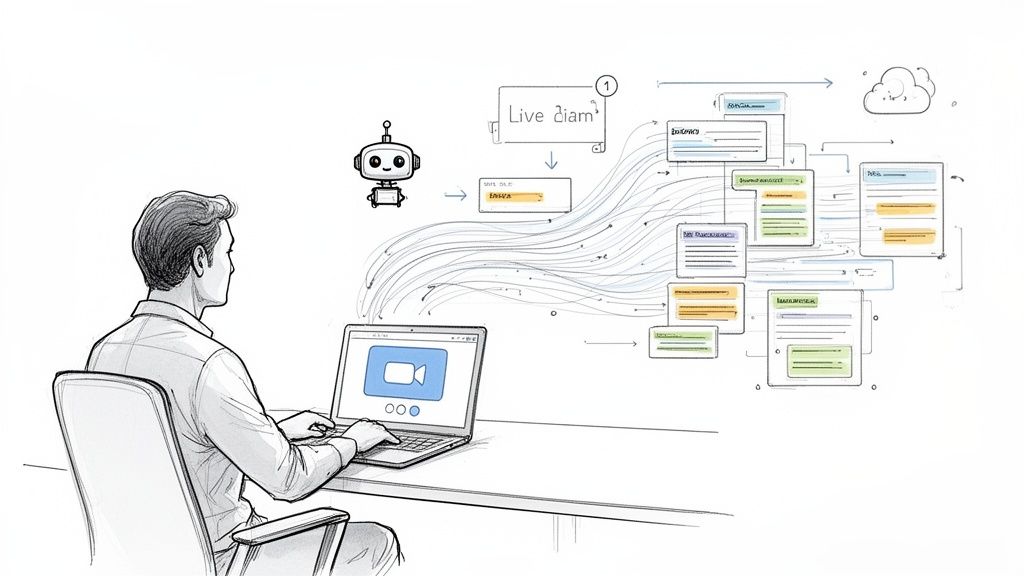
A classic example is a global corporation hosting a town hall meeting in English. To ensure everyone is on the same page, they would first transcribe the meeting recording. After that, they would translate the finished transcript into multiple languages for their international employees. This workflow guarantees everyone receives the exact same message, no matter where they are or what language they speak.
How AI Is Shaping Transcription and Translation
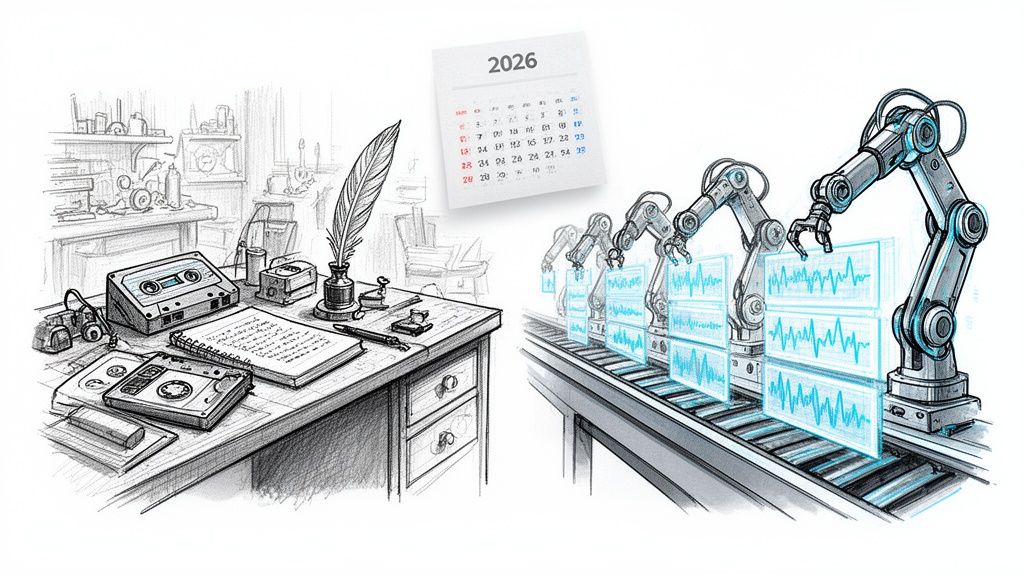
Technology has fundamentally changed how we work with language, but it hasn't treated transcription and translation equally. If you really want to understand the difference between the two today, you have to look at how artificial intelligence has been applied to each. The paths they've taken are completely different.
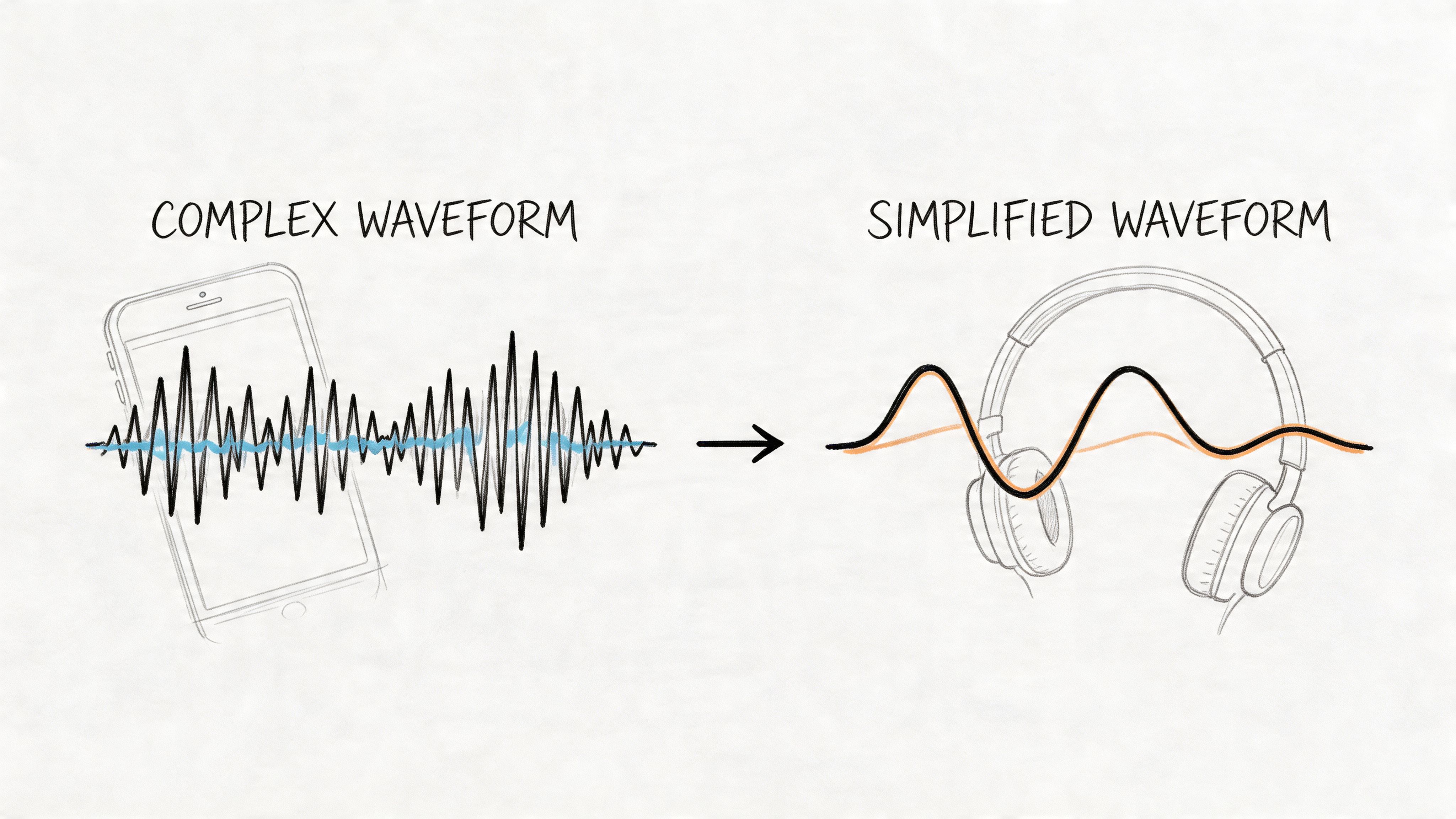
For transcription, AI has been nothing short of transformative. It's now an AI-native field. Modern platforms like HypeScribe use sophisticated speech-to-text algorithms that can turn hours of audio into an accurate transcript in just a few seconds. This isn't just about speed; it's about getting a reliable, affordable, and precise document, especially when the source audio is clear.
The AI-Powered Transcription Advantage
So, why is AI so good at transcription? It boils down to pattern recognition within a single language, which is a perfect task for machine learning. This automation delivers some massive benefits.
- Near-Instant Turnaround: A job that once took a human transcriber hours or even days can now be done in minutes.
- High Accuracy: Today’s AI can reach up to 99% accuracy, giving you a dependable document you can use right away.
- Scalability and Cost-Effectiveness: AI can process huge amounts of audio for a small fraction of what manual services would charge.
This efficiency explains why the U.S. transcription market hit a value of $30.42 billion in 2024, easily dwarfing the market for translation services alone. In fields like healthcare, law, and media, transcription is a cornerstone of data management. You can dig into more automated transcription statistics over at Sonix.ai.
Translation: A Human-Augmented Approach
For translation, the story is quite different. AI acts more like a capable assistant than a full replacement for a human expert. While Machine Translation (MT) can give you a fast, word-for-word translation, it often stumbles over the subtle complexities of language.
AI in transcription is about automation. AI in translation is about augmentation. One completes the task, while the other assists a human expert who remains essential for quality.
Real translation is more than just swapping words. It demands a deep understanding of cultural context, idioms, and tone—things machines just aren't good at yet. Because of this, professional translation almost always uses a human-in-the-loop process called Machine Translation Post-Editing (MTPE). A human linguist still needs to review, edit, and polish the AI's work to make sure it’s culturally on-point and captures the original meaning. It’s clear that the evolving technology in translation is reshaping the industry.
At the end of the day, AI-powered transcription software offers a complete, ready-to-use solution for getting spoken words into text. Translation, on the other hand, remains a nuanced, human-driven service where technology supports, but can't yet replace, the expert judgment of a skilled linguist.
Common Questions About Transcription and Translation
Even after laying out the definitions, some practical questions always pop up when people are trying to nail down the difference between transcription and translation. This section is designed to clear up those final points of confusion so you can pick the right service with confidence.
Think of it as a quick-reference FAQ to handle any lingering doubts you might have.
Can a Translation Service Transcribe My Audio File?
In short, no. These are two completely separate skills and services. A professional translator works with written text, period. If you hand them an audio or video file, they'll just hand it right back and tell you to get it transcribed first.
You'll need a dedicated transcription service, like HypeScribe, to turn that spoken audio into a clean text document. Once you have that transcript, then you can pass it along to a translator to convert it into another language.
Think of it as a mandatory sequence: Transcription must happen before translation can begin. The transcript is the raw material a translator needs to even start their work.
Forgetting this is a common project management hiccup. Trying to skip the transcription step just creates delays, so always plan for it upfront.
Which Service Is Faster and More Affordable?
Transcription is almost always the quicker and cheaper of the two, especially now with powerful AI tools. A service like HypeScribe can turn hours of audio into a highly accurate text file in just a few minutes, all for a pretty low cost. That kind of speed makes it a lifesaver for projects with tight turnarounds.
Professional translation, on the other hand, is a craft. It’s a human-driven process that demands deep expertise in both language and culture. That manual work simply takes more time—sometimes hours, sometimes days—and the price reflects that specialized skill. Translators typically charge by the word, so costs can climb quickly with longer documents.
How Is Localization Different from Translation?
This is a great question. Localization is a much deeper, more involved version of translation. It’s all about adapting your content so it feels truly native to a specific culture, not just converting the words.
While a standard translation focuses on getting the linguistic meaning right, localization looks at the bigger picture. It involves tweaking all the little things that make content resonate with a local audience, like:
- Adjusting currencies and units of measurement ($10 vs. €10)
- Formatting dates and times correctly (10/12/2024 vs. 12/10/2024)
- Swapping out images, colors, or symbols that might not make sense—or worse, be offensive—in another culture
- Changing idioms, jokes, and social references to something that will actually land with the target audience
Think about it this way: a marketing slogan might be translated perfectly, but if the humor falls flat or the visuals feel foreign, the campaign will flop. Localization is absolutely critical for anyone serious about global marketing, software, or product launches because it ensures your message actually connects.
Does HypeScribe Provide Translation Services?
HypeScribe is a specialist in one thing: high-accuracy, AI-powered transcription. Our expertise is in turning spoken words into written text, in the original language.
The platform can handle over 100 languages, so it can create a Spanish transcript from Spanish audio or a German transcript from German audio. But it doesn't perform translation, which is the separate process of converting that written text from one language to another. HypeScribe’s job is to give you a perfect, searchable written record of what was said.
Ready to turn your audio and video into accurate, actionable text? HypeScribe delivers lightning-fast transcripts, summaries, and key takeaways in seconds. Stop taking notes and start making decisions. Get started for free today at HypeScribe.