10 Essential Journalist Interview Tips for 2026
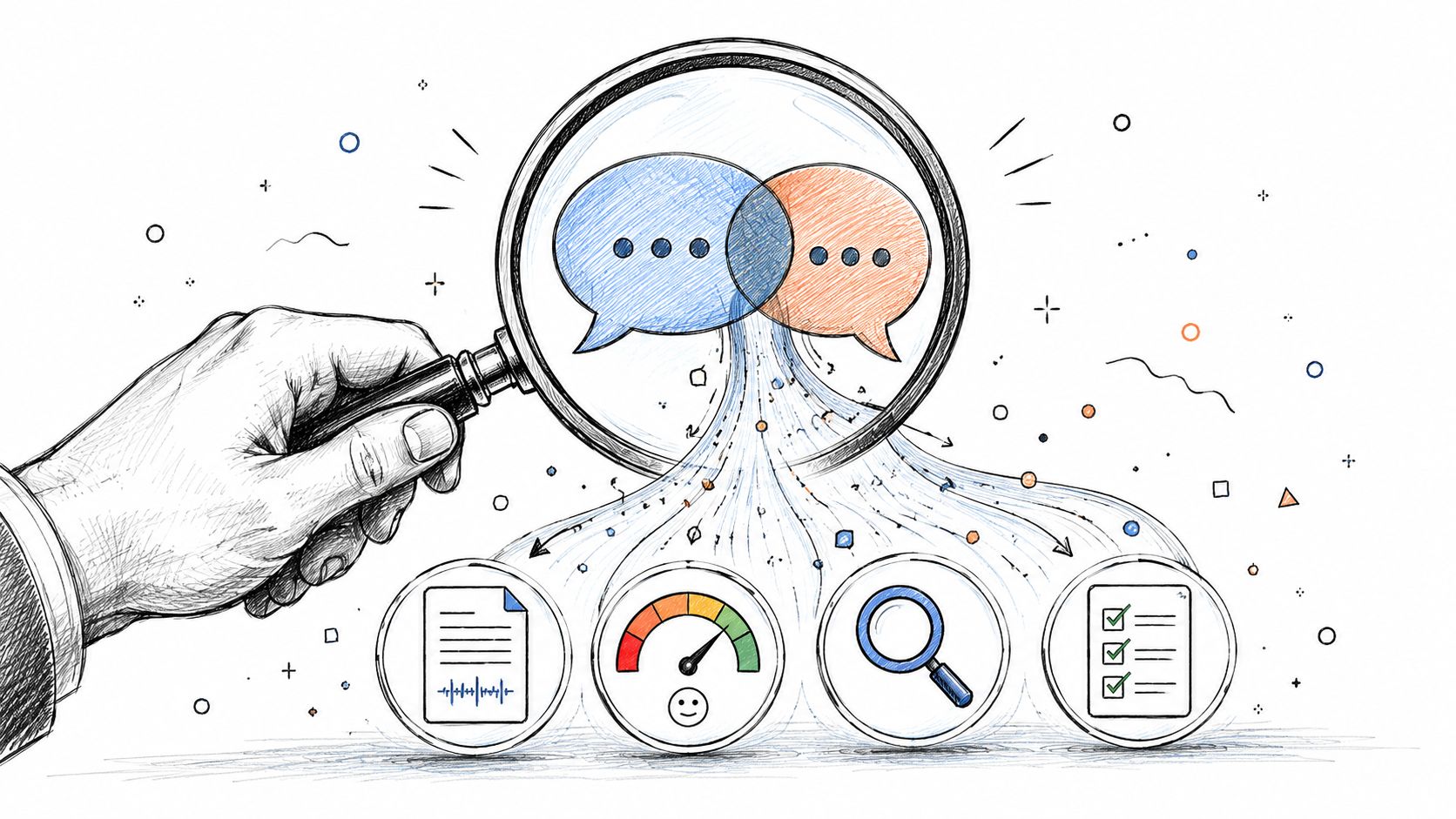
In an era of information overload and dwindling trust, a journalist's ability to conduct a masterful interview is more critical than ever. It's the core skill that separates surface-level reporting from groundbreaking journalism. A great interview doesn't just gather facts; it uncovers nuance, reveals character, and captures the human element that makes a story resonate. But mastering this craft goes far beyond simply asking questions. It requires meticulous preparation, psychological acuity, technical proficiency, and unshakable ethical grounding.
This guide provides a deep dive into experience-based journalist interview tips designed to elevate your technique. We'll move past the generic advice and explore actionable strategies that seasoned reporters use to build rapport, handle difficult sources, and consistently extract compelling narratives. To truly unlock these powerful accounts, it helps to study strong examples of narrative stories and understand what makes them so compelling for an audience.
Whether you're a student journalist learning the ropes or a veteran reporter refining your process, these insights will equip you to navigate any interview scenario with confidence. You'll learn to manage conversations with precision, ensuring you not only get the story but tell it with the accuracy and depth it deserves. From pre-interview research to post-interview verification, this comprehensive collection covers the essential skills needed to produce work that stands out.
1. Prepare Thoroughly with Pre-Interview Research
The quality of an interview is often decided long before you ask the first question. Conducting deep background research is a non-negotiable step that separates a good journalist from a great one. This preparation is about more than just a quick online search; it involves a systematic investigation into your subject, their field, and the context surrounding your story. This foundational work allows you to ask insightful questions, build rapport, and demonstrate to your source that you respect their time and expertise.
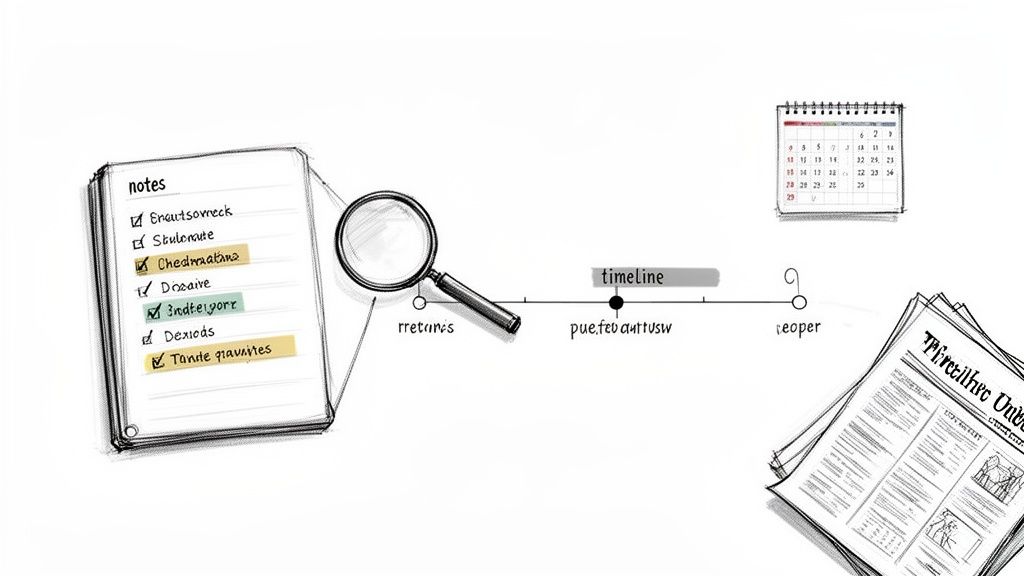
When you arrive prepared, you can move beyond basic, surface-level inquiries and dig into the core of the issue. Your knowledge enables you to spot inconsistencies, challenge vague statements, and ask follow-up questions that reveal new information. This meticulous approach is a hallmark of journalism, from Edward R. Murrow’s legendary interviews with political titans to modern data journalists who use public records to inform their questions.
How to Implement Thorough Research
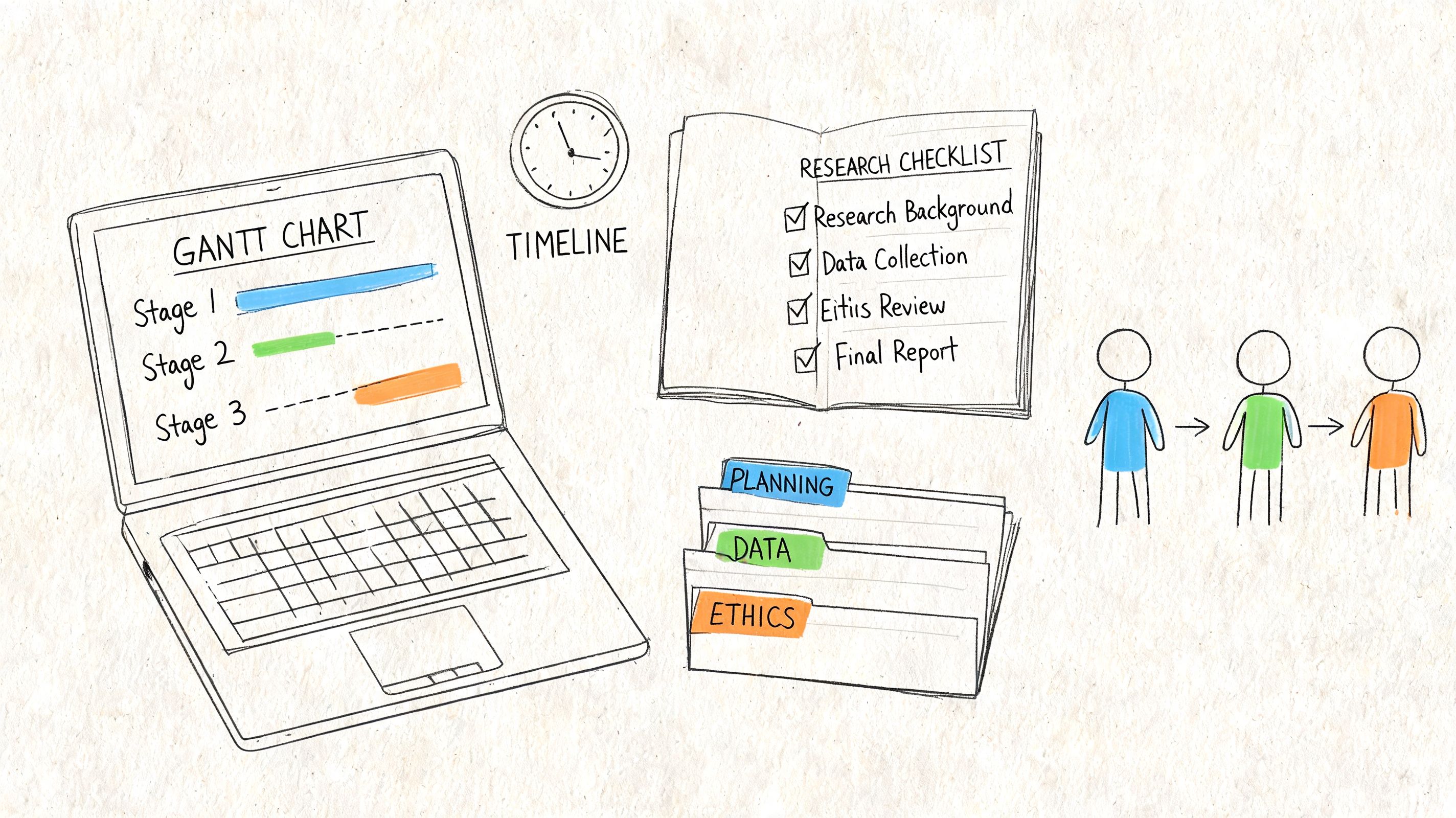
To make your research effective, it needs structure. Don't just collect information; organize it for quick access during the conversation. Here are some actionable journalist interview tips for effective preparation:
- Create a Master Research Document: Start a dedicated document for each interview. Fill it with key facts, important dates, direct quotes from previous articles or speeches, and links to relevant reports. This becomes your single source of truth.
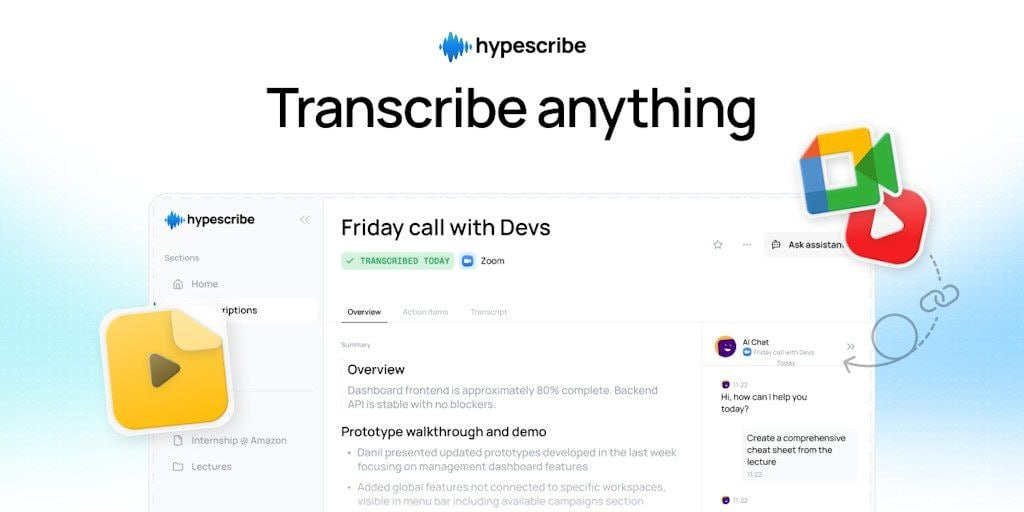
- Analyze Past Statements: Before interviewing someone, understand what they've already said publicly. A powerful technique is to use an AI transcription tool like HypeScribe to transcribe and review audio or video of their past interviews, speeches, or public appearances. This helps you pinpoint shifts in their messaging or identify topics they consistently avoid.
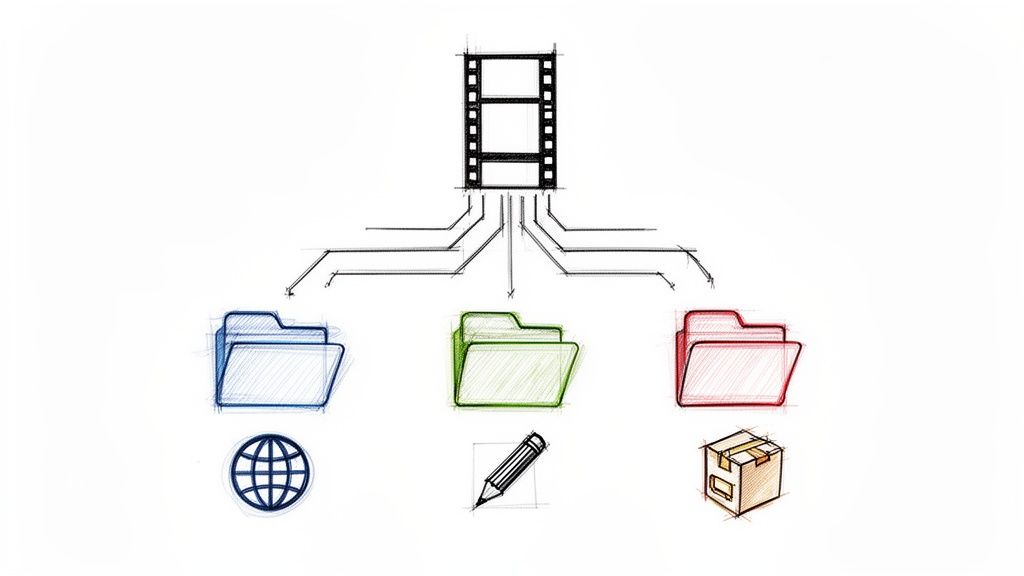
- Organize Notes by Theme: Instead of a chronological jumble, structure your research document with topic-based headings (e.g., "Project Funding," "Early Career," "Controversial Statements"). This allows you to find specific information instantly during the interview.
- Block Out Dedicated Time: Treat research as a distinct and critical task. Schedule dedicated blocks of time for it before you even request the interview. This prevents last-minute scrambling and ensures you are fully prepared.
- Final Pre-Interview Review: About 30 minutes before the interview begins, do a final, focused review of your research document. This refreshes your memory on the key points and helps you walk in with confidence and a clear plan.
2. Use Active Listening and Strategic Silence
A common mistake for journalists is to think about their next question while the source is still talking. The most revealing moments in an interview, however, often come from what is not said. Active listening and strategic silence are powerful journalist interview tips that transform a conversation from a simple Q&A into a genuine dialogue. This means fully concentrating on the interviewee's response, absorbing their words, tone, and body language to truly understand their perspective. This deep engagement builds trust and often coaxes out the most compelling quotes.
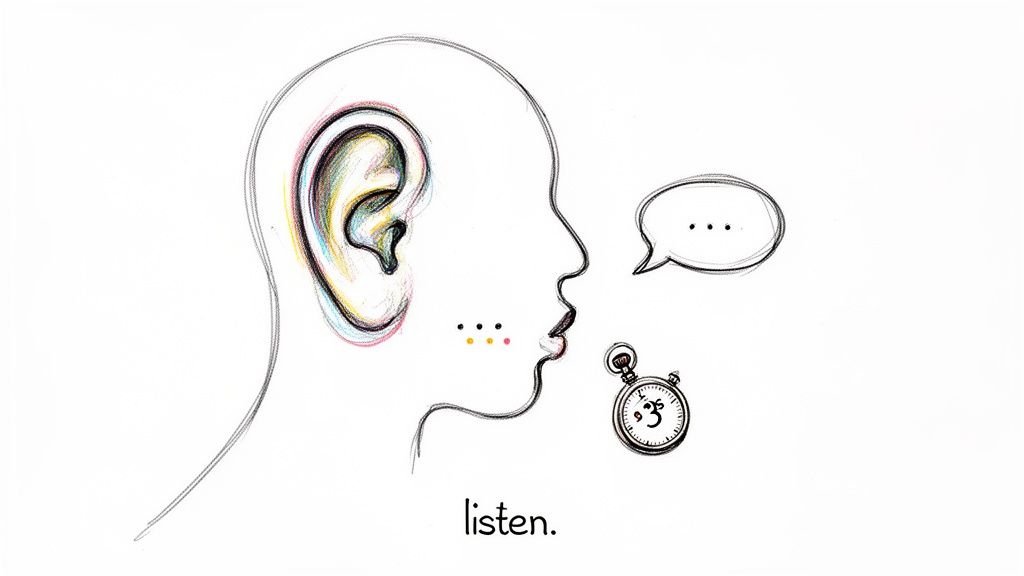
When you embrace a pause after a source finishes speaking, you create a space for them to reflect and elaborate. Nature abhors a vacuum, and so do most conversations. People will often fill the silence with additional details, clarifications, or second thoughts they might have otherwise kept to themselves. This technique is a signature of masters like NPR's Terry Gross and Bill Moyers, whose patient, listening-first approaches allow subjects to fully develop their thoughts, leading to profound and memorable interviews.
How to Implement Active Listening and Silence
To make this method work, you must be comfortable with pauses and focus your complete attention on the speaker. This requires practice and a shift in mindset from "interrogator" to "engaged listener." Here are some actionable journalist interview tips for mastering this skill:
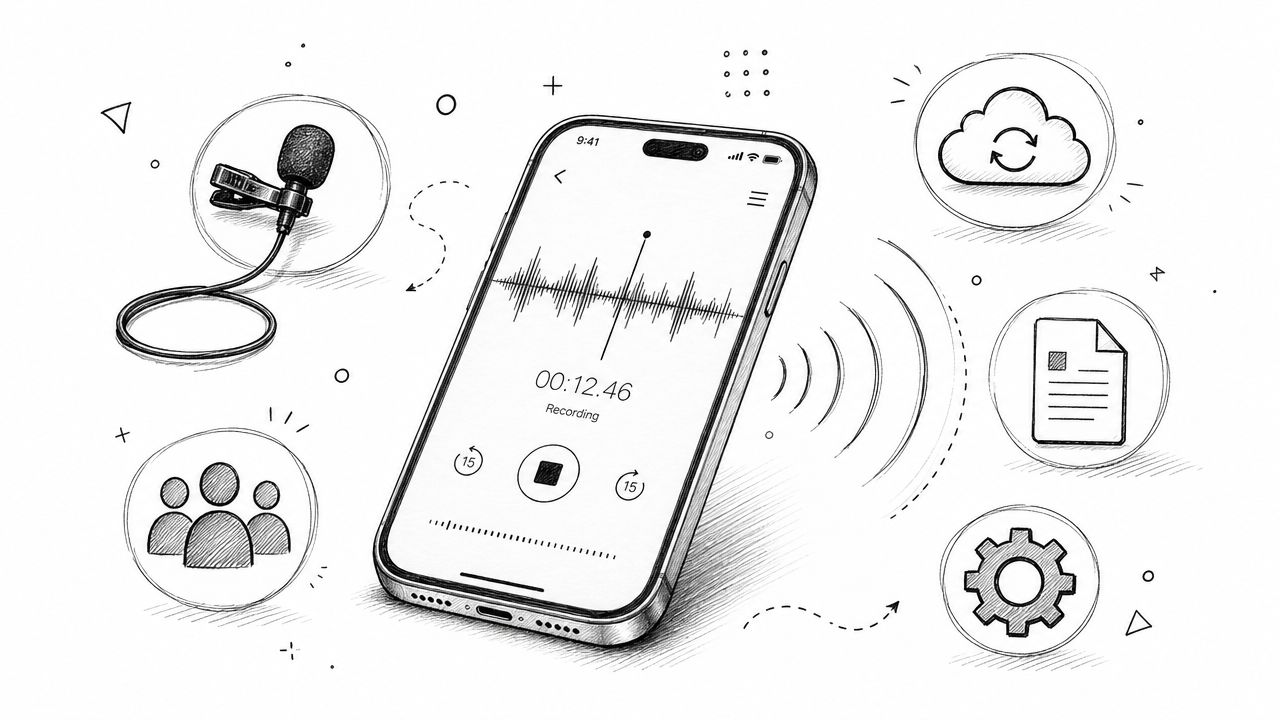
- Record Everything: Rely on an audio recorder so you can stop worrying about capturing every word verbatim. This frees your mental energy to focus completely on listening. Knowing you can review the transcript later lets you stay present in the moment.
- The Three-Second Rule: After your source finishes their answer, silently count to three before you speak. This small, intentional pause often prompts them to add a critical piece of information they were hesitant to share. It signals that you are considering their words, not just waiting for your turn to talk.
- Use Engaged Body Language: Maintain eye contact, nod, and use non-verbal cues to show you are paying attention. This encourages the speaker and makes them feel heard. If you're conducting a remote interview, keeping your camera on and looking into the lens achieves a similar effect.
- Jot Down Keywords, Not Sentences: If you must take notes, limit them to single words or short phrases that can jog your memory for a follow-up question. Trying to write full sentences will inevitably pull your focus away from the speaker.
- Review Your Tapes: After the interview, listen back to the recording. Pay attention to the moments where silence worked and where you might have cut the person off too soon. For a deeper understanding of the practice, you can discover more about what active listening is in communication and how to apply its principles.
3. Structure Questions with Open-Ended Design
The questions you ask are the tools you use to build your story. Closed-ended questions, which can be answered with a simple "yes" or "no," are like using a hammer when you need a chisel. Open-ended questions, in contrast, invite your source to share stories, details, and context, providing the rich, nuanced material that makes a story compelling. They create space for the interviewee to guide the narrative from their perspective, often revealing unexpected angles and deeper motivations.
When you ask someone to "walk me through what happened," you get a chronological account filled with personal observations. When you ask, "Did the project fail?" you get a one-word answer and a dead end. Masters of the form, like Terry Gross on NPR's Fresh Air, consistently demonstrate how starting with broad, exploratory questions allows conversations to unfold naturally. This approach is one of the most fundamental journalist interview tips for moving beyond surface-level facts to capture the human experience behind the story.
How to Implement Open-Ended Design
Crafting effective open-ended questions is a skill that requires conscious practice. The goal is to be specific enough to guide the source without leading them to a predetermined answer. Here are some actionable journalist interview tips for structuring your questions:
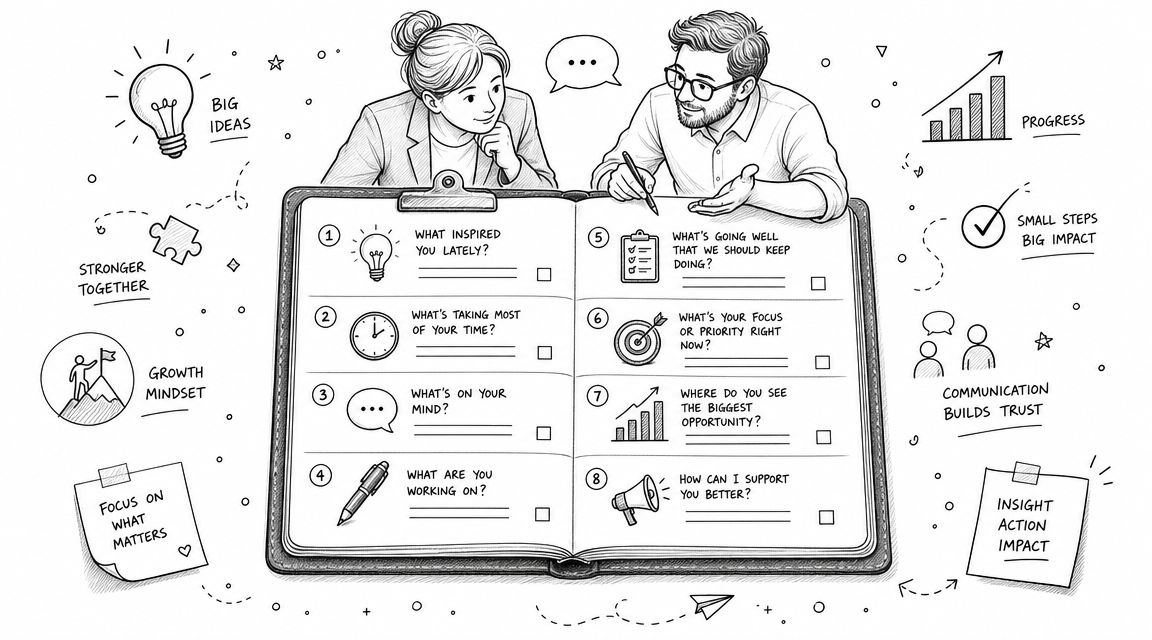
- Rephrase Closed Questions: Before the interview, review your question list. Identify any that can be answered with a simple "yes" or "no" and rephrase them. For example, change "Do you think the new policy is fair?" to "What are your thoughts on the fairness of the new policy?"
- Use Invitational Language: Start your questions with phrases that encourage detailed responses. Powerful prompts include "Tell me about a time when…," "Describe the moment you realized…," or "Help me understand your perspective on…"
- Avoid Leading a Source: Scrutinize your questions for biased language. Remove phrases like "Don't you agree that…" or any wording that implies a correct answer. A neutral question respects the source’s autonomy and produces more authentic responses.
- Start Broad, Then Narrow: Begin the interview with wide-ranging open-ended questions to establish a comfortable rapport and get an overview of the topic. As the conversation progresses, you can narrow your focus with more specific, probing inquiries based on their initial answers.
- Prepare Prompts, Not Scripts: Instead of writing out rigid follow-up questions, prepare a list of open-ended prompts like "Can you give me an example?" or "How did that affect you?" This allows you to adapt to the flow of the conversation and dig deeper into what your source shares.
4. Build Rapport and Establish Trust with Sources
The most revealing interviews are rarely interrogations; they are conversations built on mutual trust. Building rapport is the art of creating a comfortable environment where your source feels respected and safe enough to speak openly. This human connection is a critical journalist interview tip, as it encourages candidness and moves the discussion beyond rehearsed answers to genuine insights. When a source trusts you, they are more likely to share sensitive information, offer personal anecdotes, and provide the authentic perspective that makes a story compelling.
This principle is visible in the work of masters like Oprah Winfrey, who can establish an immediate, disarming connection with any subject, and investigative reporters like Bob Woodward, who famously spends weeks or months with sources to build the deep trust necessary for groundbreaking stories. It’s not about manipulation; it's about showing genuine interest and respecting the person behind the information. A trusted journalist is seen as a fair and careful steward of someone's story, not just an extractor of quotes.
How to Implement Rapport and Trust Building
Building a strong connection requires intentional effort before, during, and after the interview. Here are some actionable ways to establish and maintain trust with your sources:
- Arrive Early and Chat Casually: Get to the interview location 10-15 minutes early. Use this time not just to set up equipment, but to engage in small talk about non-story topics. Comment on a photo in their office or ask about their commute. This small investment in a human moment lowers defenses.
- Be Transparent About the Process: Before you start recording, clearly explain the ground rules. Reiterate who you are, the publication you represent, what the story is about, and whether the conversation is on or off the record. This clarity removes uncertainty and builds a foundation of professional respect.
- Share Your "Why": Briefly explain why you are personally interested in this story beyond the assignment. Sharing a genuine motivation- "I've been following this issue for years," or "Your work in this area is fascinating to me"- humanizes you and shows your investment in getting the story right.
- Find Common Ground: Listen for opportunities to connect on a personal level. If they mention a university you're familiar with or a hobby you share, a brief, authentic comment can forge a powerful bond. The goal is to show you see them as a whole person, not just a source.
- Send a Thoughtful Follow-Up: After the interview, send a brief thank-you email. Instead of a generic note, mention a specific personal detail from your conversation (e.g., "I hope you enjoy your upcoming hiking trip!"). This reinforces the connection and leaves the door open for future contact.
5. Record and Transcribe Interviews for Accuracy
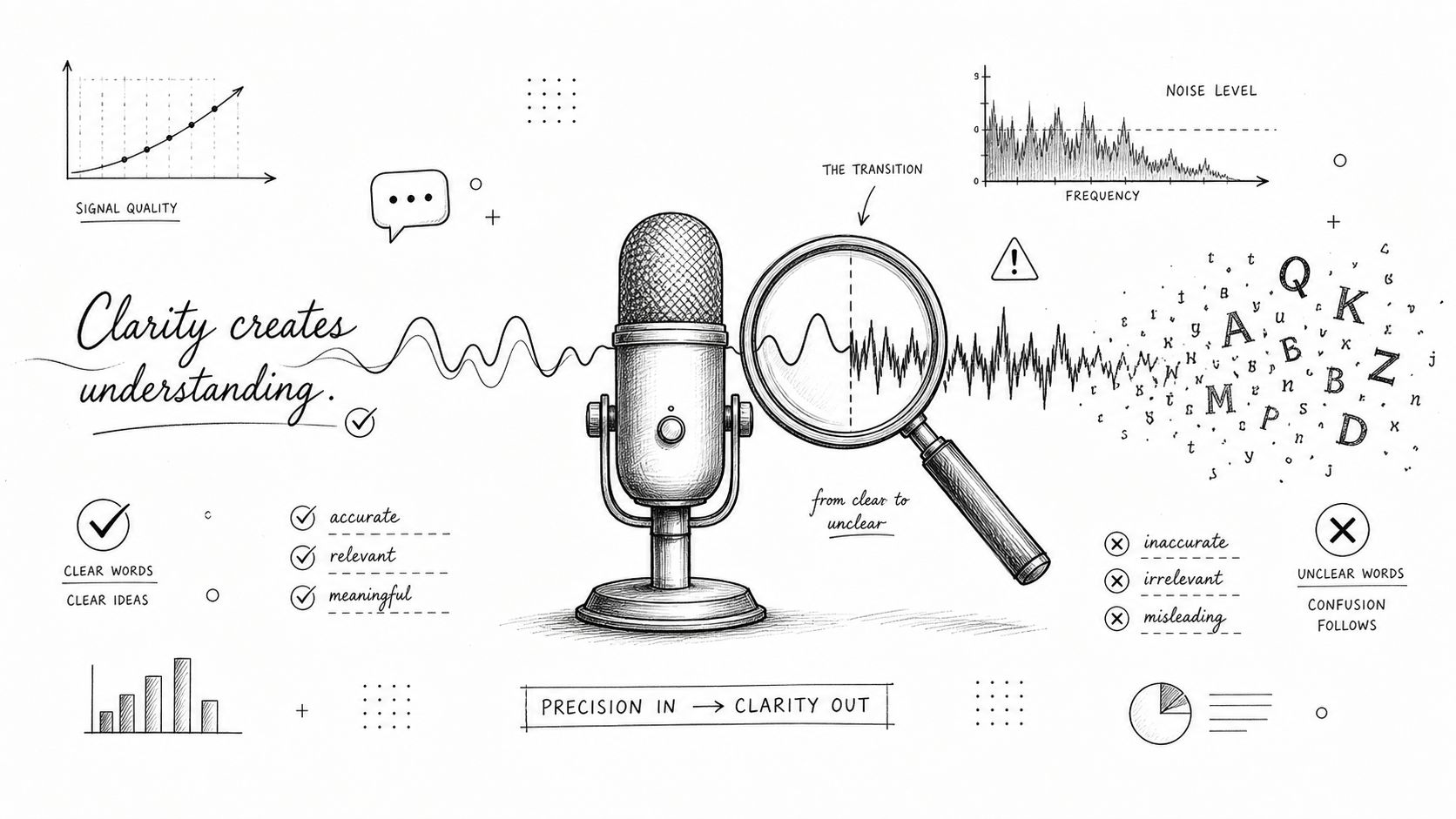
Relying solely on handwritten notes during an interview is a high-risk gamble. You might misquote a source, miss crucial nuances in their tone, or find yourself unable to defend your reporting if a quote is challenged. Recording your interviews and then transcribing them is a foundational practice that safeguards against these errors, ensuring your work is built on a bedrock of precision. It creates an undeniable, searchable record of exactly what was said, by whom, and in what context.
This method isn’t just about defense; it's about offense. When you aren't frantically scribbling every word, you are free to truly listen. You can maintain eye contact, observe body language, and focus on asking thoughtful follow-up questions. Organizations like NPR and StoryCorps have built their reputations on the power of the recorded word, creating extensive archives that preserve history with unassailable accuracy. Many major newsrooms now mandate audio backups for significant interviews for this very reason.
How to Implement Recording and Transcription
Integrating this into your workflow requires a few key procedural steps to ensure it’s effective and ethical. Here are some journalist interview tips to get it right:
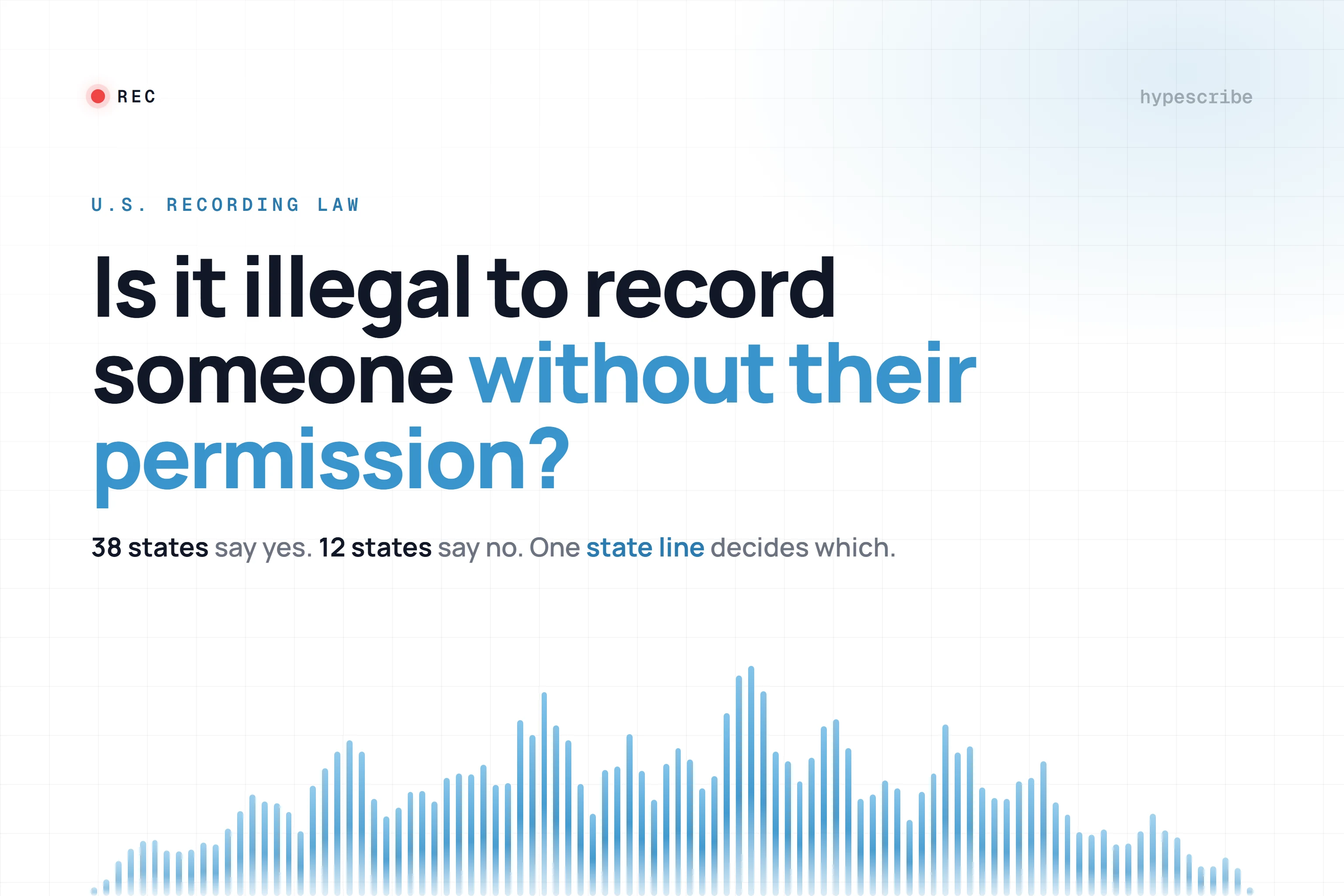
- Always Get Explicit Consent: Before you press record, you must inform your source that the conversation will be recorded and obtain their clear, verbal consent. This is a critical ethical and often legal requirement.
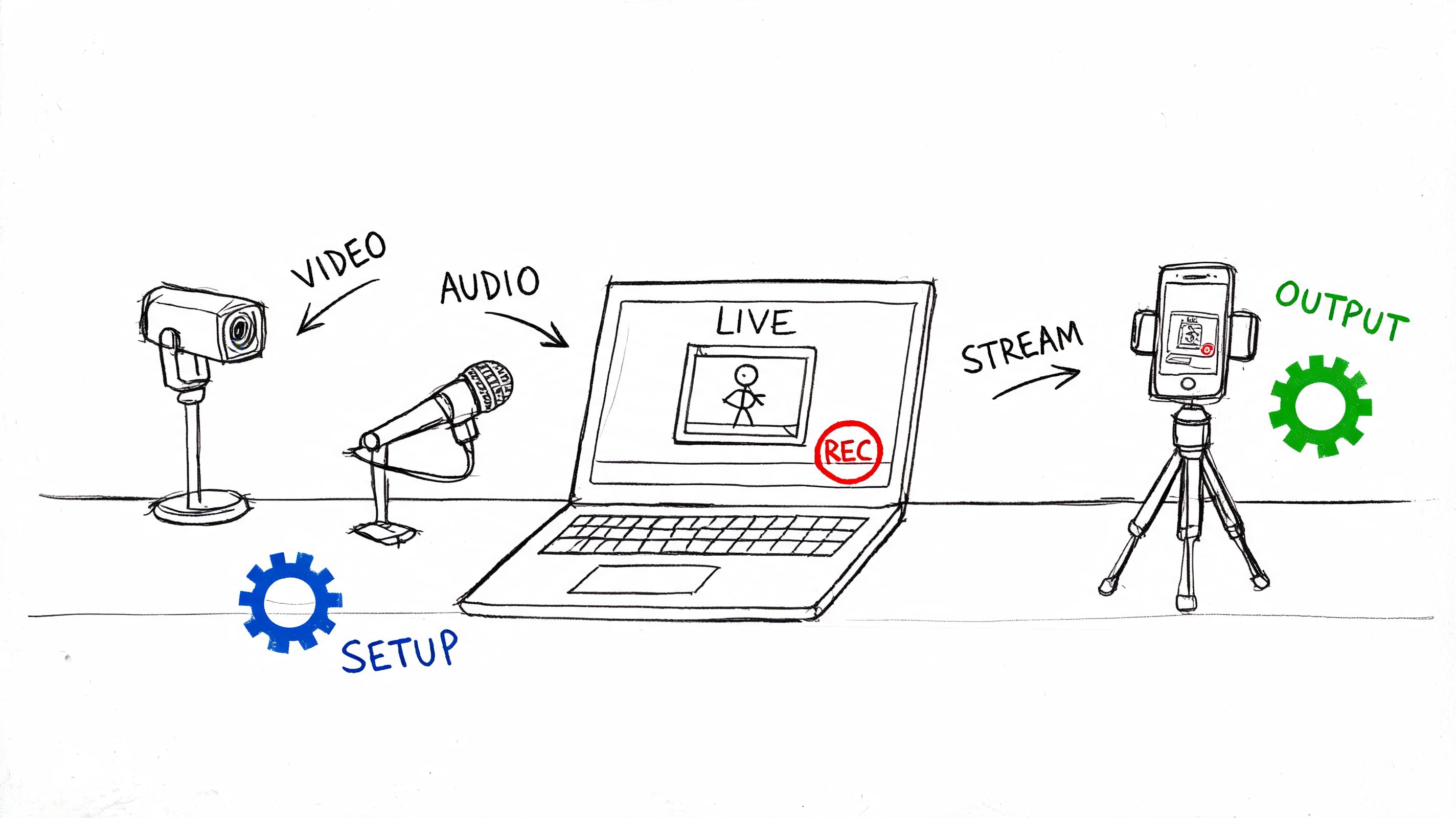
- Use Redundant Recording Devices: Technology can fail. Always use a primary and a secondary recording device. Your smartphone can be an excellent backup to a dedicated digital recorder. This simple step can save an entire interview.
- Test Your Equipment Beforehand: Do a quick sound check with your devices right before the interview begins. Record a few seconds of audio and play it back to ensure levels are good and the microphone is working correctly.
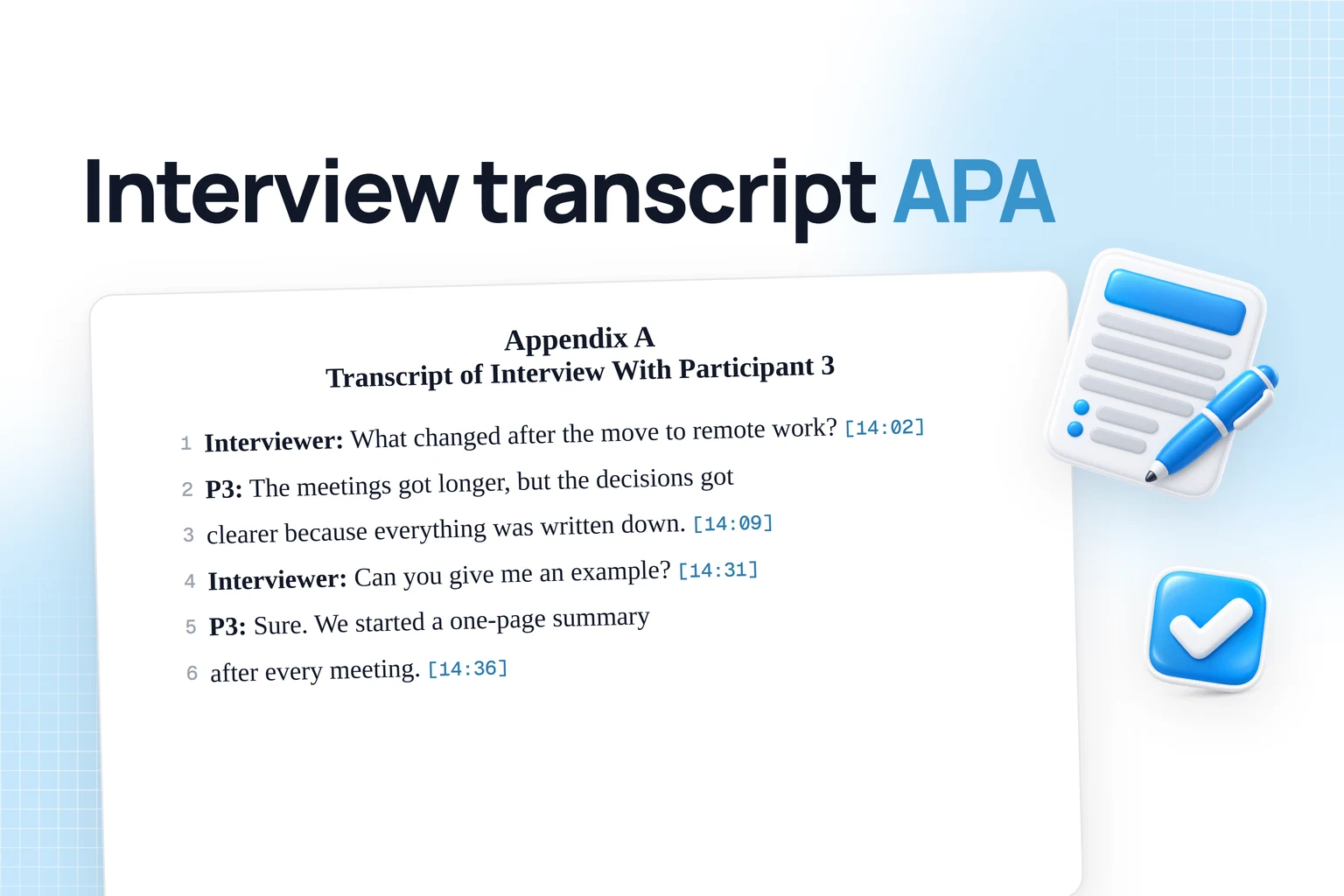
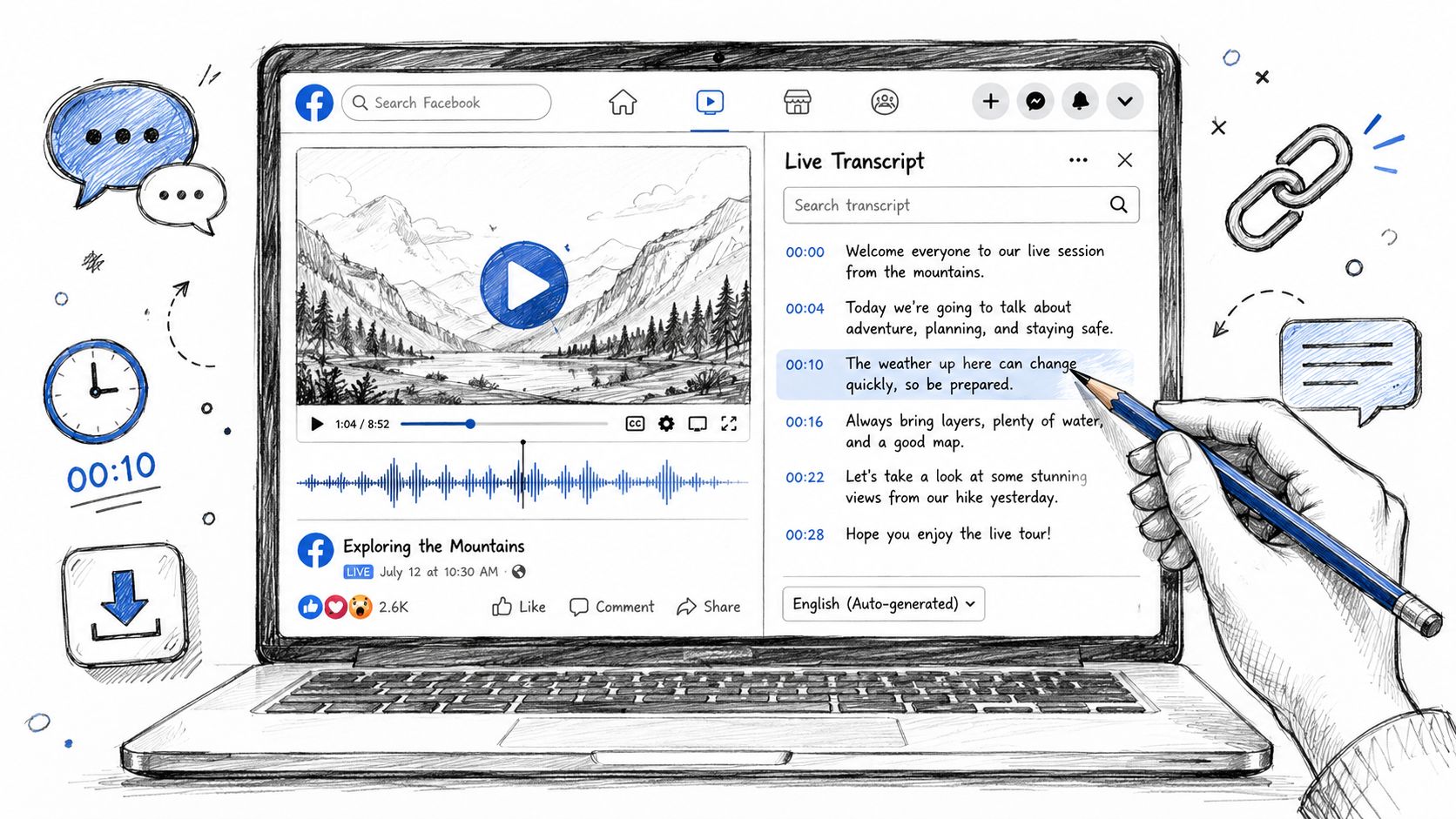
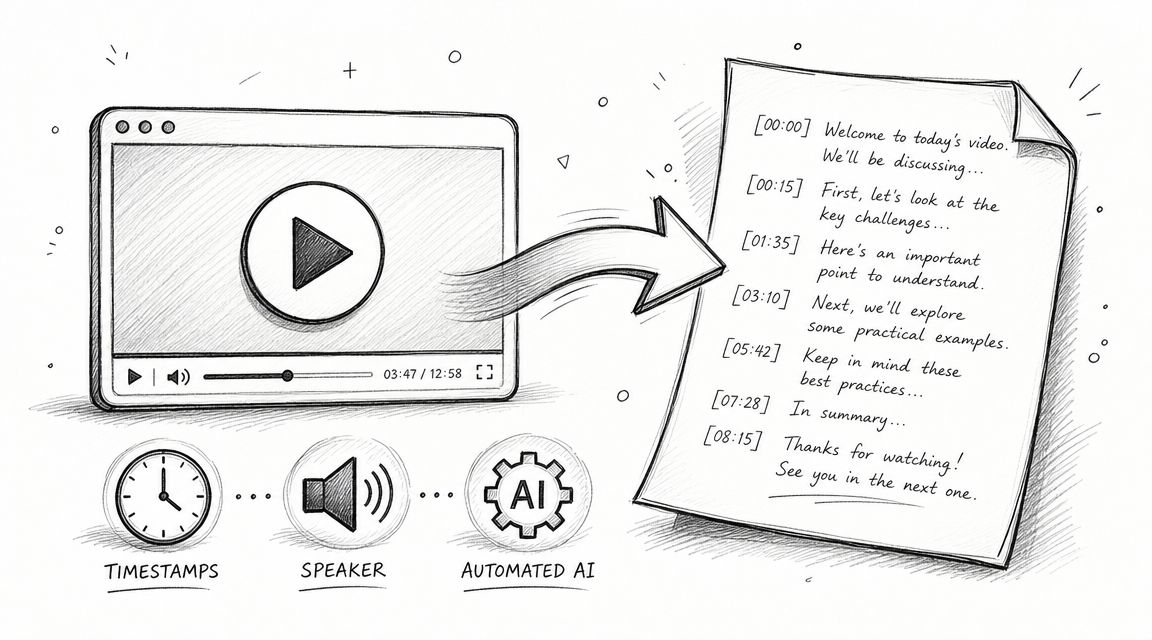
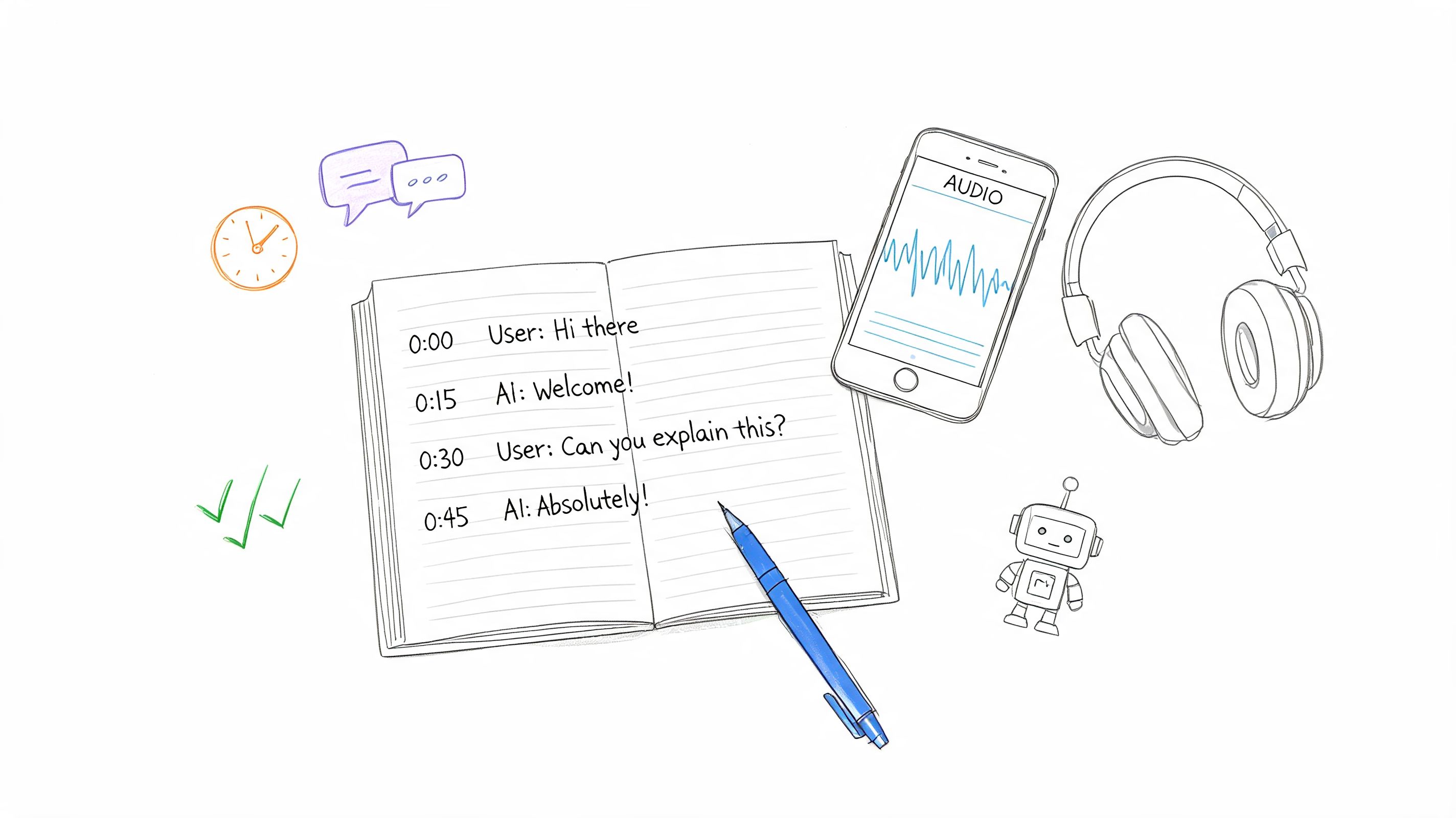
- Timestamp Key Moments: During the interview, jot down the timestamp of a particularly powerful quote or a confusing statement. This allows you to quickly find those key moments in the recording later, saving significant time during the writing process.
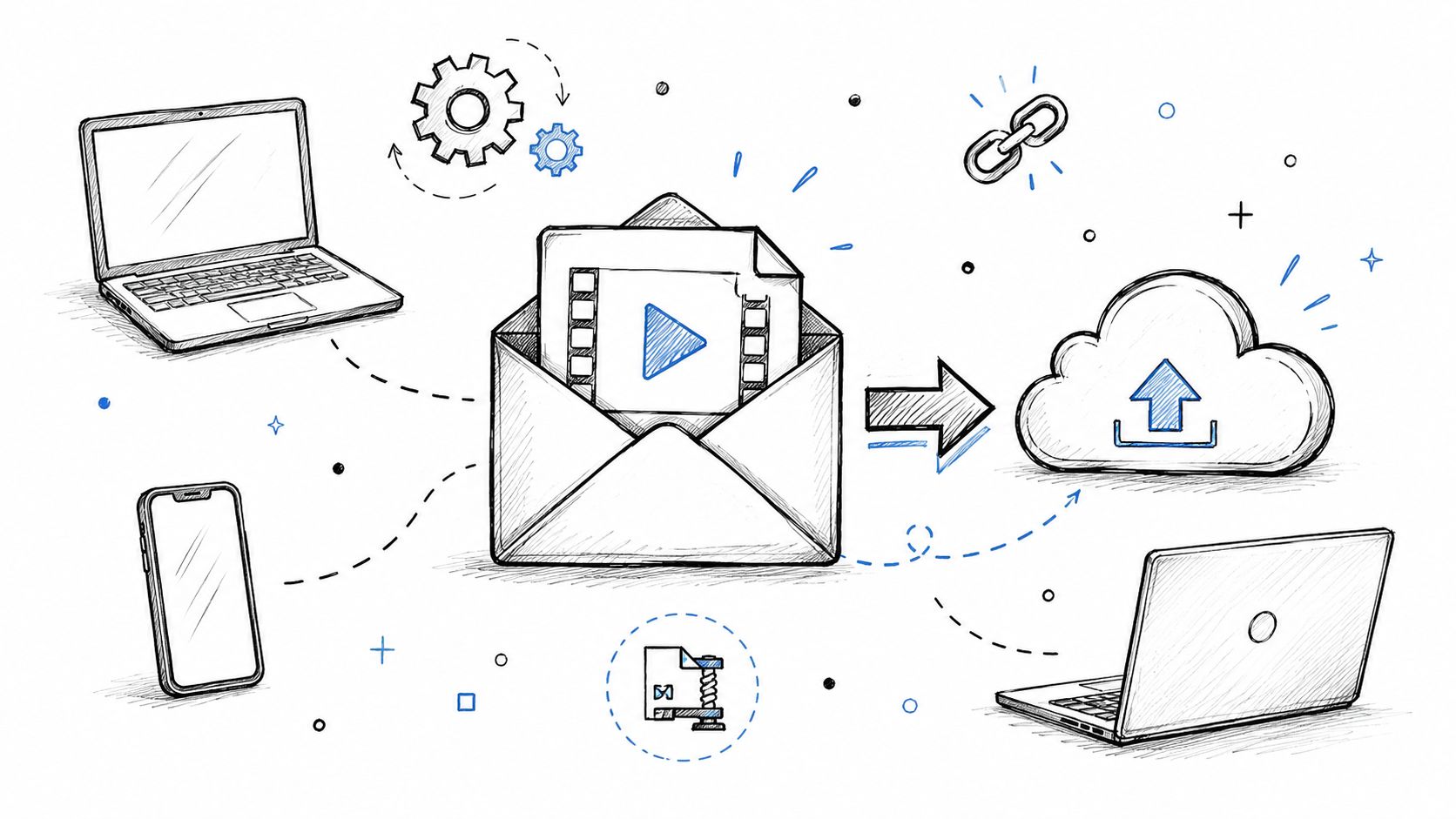
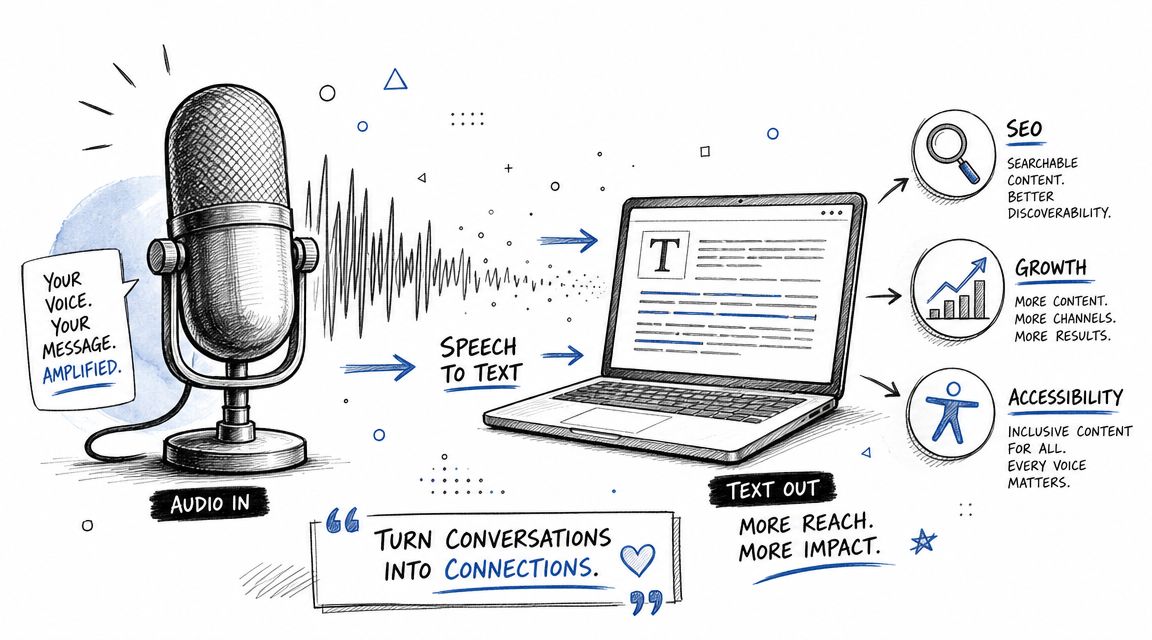
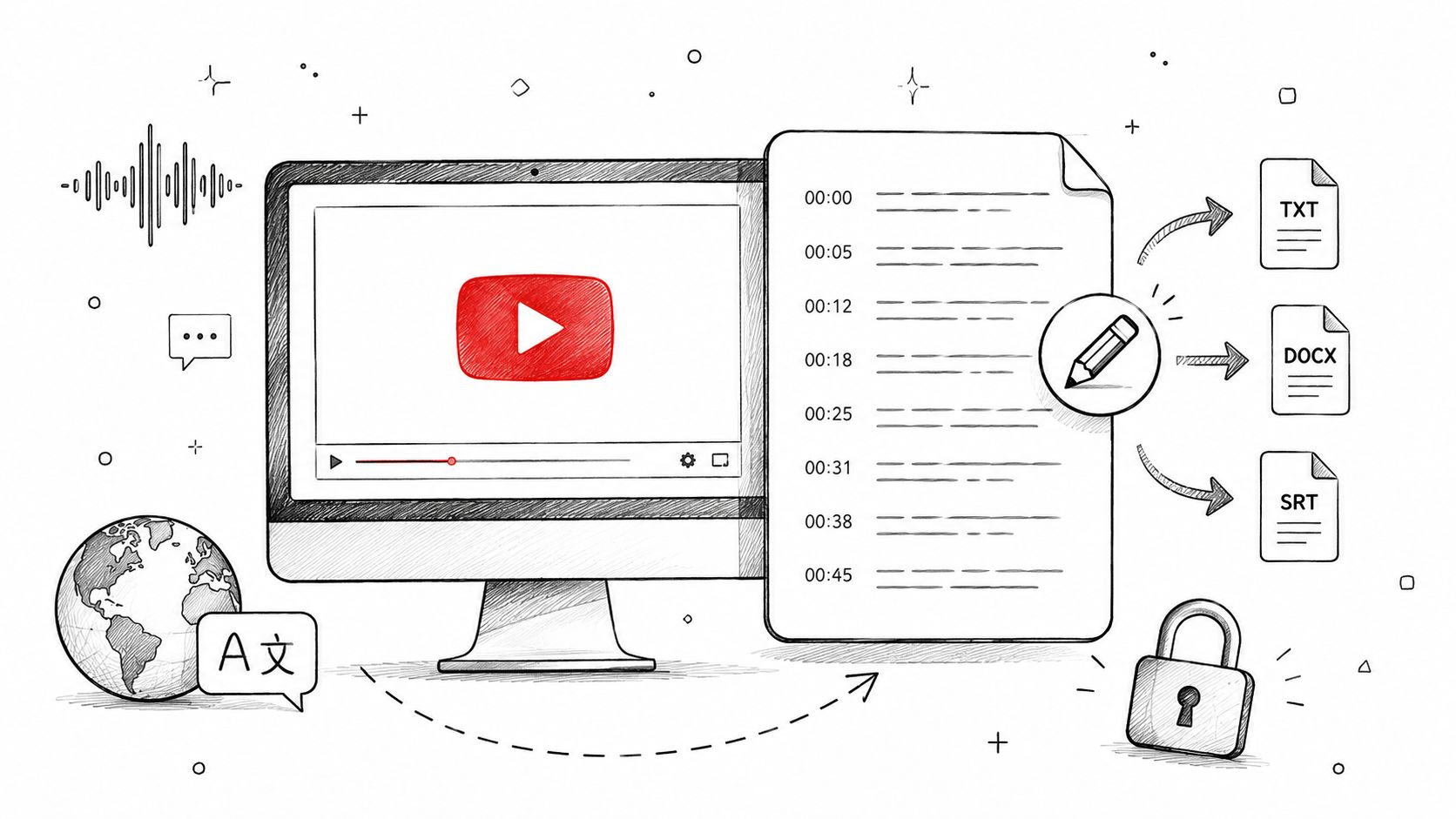
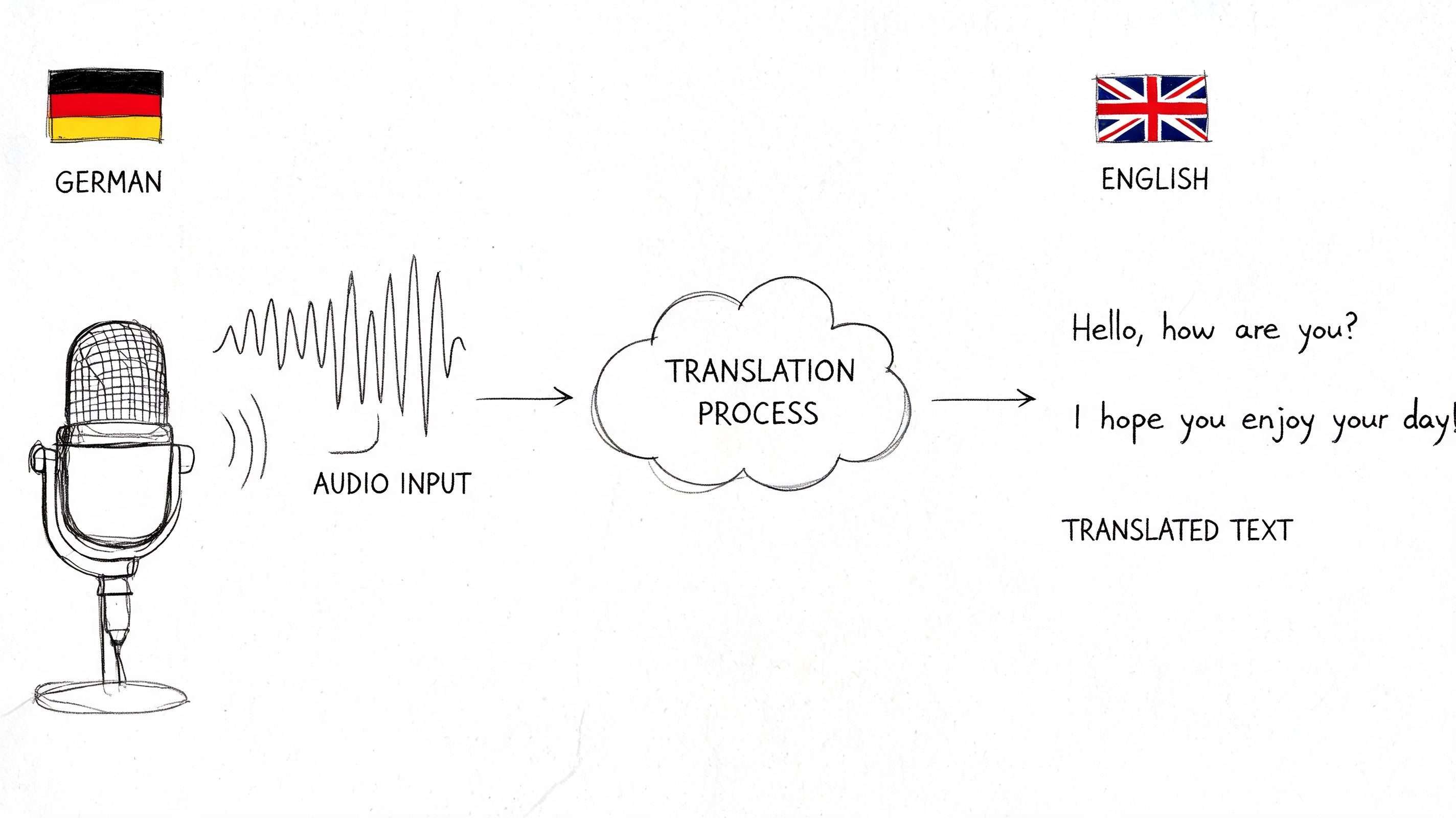
- Transcribe Promptly: For the most accurate and efficient process, use an AI tool like HypeScribe to get a fast, precise transcript. Review the transcript within 24 hours while the conversation is still fresh in your mind to correct any minor errors and add your own context notes. You can explore a detailed guide on how to transcribe an interview to perfect your workflow.
6. Ask Strategic Follow-Up Questions and Probe Deeper
The most revealing moments in an interview rarely come from the initial answer. They are unearthed by the follow-up question. Strategic probing is the art of digging beneath a subject's prepared responses to find the details, contradictions, or unexplored angles that contain the real story. This technique is what separates a routine Q&A from insightful, in-depth journalism, demonstrating active listening and a genuine curiosity to understand the full picture.
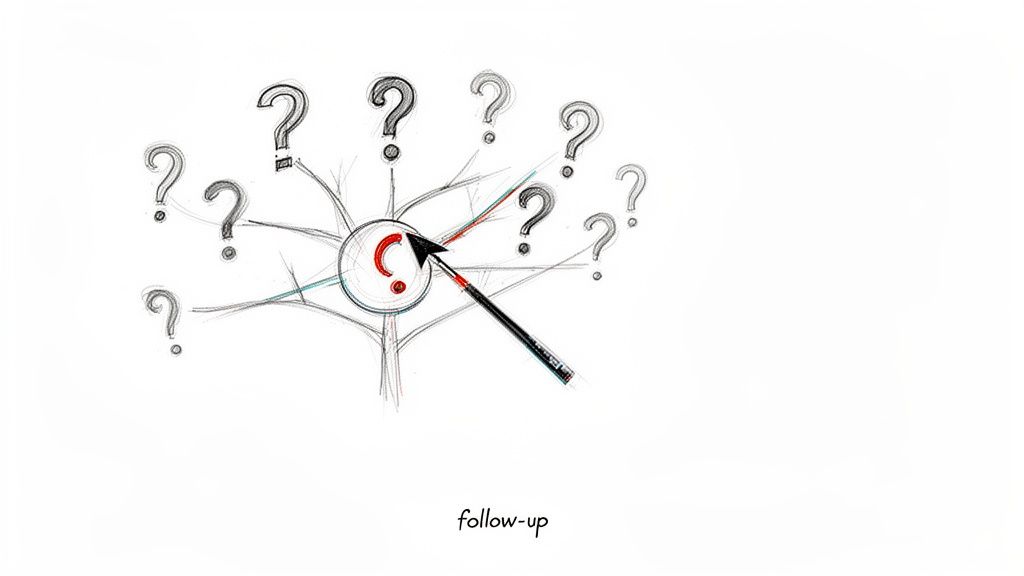
While your prepared questions provide the framework, your follow-ups build the substance. Effective probing shows you are engaged and encourages the source to move past their talking points and elaborate. This is a core element of accountability journalism, evident in the persistent, specific follow-ups seen in 60 Minutes interviews or the clarifying questions court reporters ask during depositions. Mastering this skill is a crucial part of any journalist's interview toolkit.
How to Implement Strategic Probing
Effective follow-ups are not random; they are intentional and built on active listening. Here are some actionable journalist interview tips for asking questions that get you closer to the truth:
- Mark Vague Answers for Follow-Up: As the subject speaks, make a small mark in your notes (like a star or a question mark) next to any answer that feels general, evasive, or incomplete. Circle back to these points once they finish their thought.
- Request Specific Examples: When a source gives a broad or abstract statement, immediately ask, "Can you give me a specific example of that?" This simple question forces them to ground their claims in concrete reality.
- Connect to Earlier Statements: Show you've been paying close attention by linking different parts of the conversation. Use phrases like, "You mentioned X earlier. Can you tell me more about how that connects to what you're saying now?"
- Rephrase the Same Question: If you suspect an answer is inconsistent or evasive, ask the same core question in a different way later in the interview. This can test the consistency of their narrative without being overtly confrontational.
- Save Tough Follow-Ups for Later: Build rapport and trust first. Once the subject is comfortable, you can introduce more challenging or sensitive follow-up questions. This increases the likelihood of a candid response rather than a defensive shutdown.
7. Manage Difficult Sources and Hostile Interviews
Not every interview is a cooperative exchange of information. Journalists frequently encounter defensive, evasive, or overtly hostile sources who are determined to control the narrative or avoid accountability. Mastering the ability to manage these encounters is a critical skill that maintains the integrity of your work and ensures you can still extract value, even under pressure. This skill involves a delicate balance of persistence, professionalism, and strategic calm.
When faced with a difficult subject, the goal is not to win an argument but to secure the most accurate information possible for your audience. Staying composed while the source becomes agitated can often be the most powerful tool in your arsenal. This approach is exemplified in legendary hard-news interviews, from BBC journalists pressing politicians on policy failures to 60 Minutes correspondents holding corporate executives accountable with fact-based questioning. Your professionalism highlights their defensiveness.
How to Handle Difficult Interviews
A successful outcome in a tense interview hinges on preparation and emotional regulation. Instead of reacting to hostility, you can guide the conversation back to your objectives with specific tactics. Here are some actionable journalist interview tips for managing these challenging situations:
- Arm Yourself with Facts: The best defense against evasion and spin is data. Before the interview, compile and organize all relevant documents, statistics, and past quotes. Being able to say, "The report from May 15th states X, but you are now saying Y," makes it much harder for a source to deflect.
- Remain Calm and Professional: Your composure is your greatest asset. If a source raises their voice or becomes aggressive, maintain a steady, even tone. This de-escalates the tension and keeps the focus on the substance of your questions, not the drama of the confrontation.
- Use Phrases of Persistent Inquiry: Don't let a non-answer end a line of questioning. Politely re-center the conversation with phrases like, "I understand that is your position, but my question was specifically about..." or "To be clear for our audience, are you declining to answer that question?"
- Document Evasions: Explicitly note when a direct question is not answered. This documentation becomes part of the story. Stating in your article, "When asked directly about the budget shortfall, the CEO instead discussed third-quarter profits," is a powerful form of factual reporting.
- Employ Strategic Silence: After asking a tough question, especially one that is met with a non-answer or hostility, simply wait. The silence creates pressure and can often prompt the source to elaborate or provide a more substantive response than they initially intended.
8. Take Strategic Notes While Preserving Conversation Flow
Effective note-taking during an interview is a delicate balance between capturing critical information and maintaining conversational engagement. Your primary goal isn't to transcribe every word; it's to create a reliable roadmap that supports your audio recording. Strategic notes allow you to pinpoint key quotes, track themes, and remember follow-up questions without breaking eye contact or disrupting the natural rhythm of the dialogue.
This method transforms your notepad from a crutch into a powerful analytical tool. Rather than burying your head in your notes, you remain an active participant, guiding the conversation with confidence. This focus on engagement builds rapport and encourages the source to share more openly, a technique mastered by journalists who conduct lengthy, in-depth interviews where conversational flow is paramount to uncovering deeper truths.
How to Implement Strategic Note-Taking
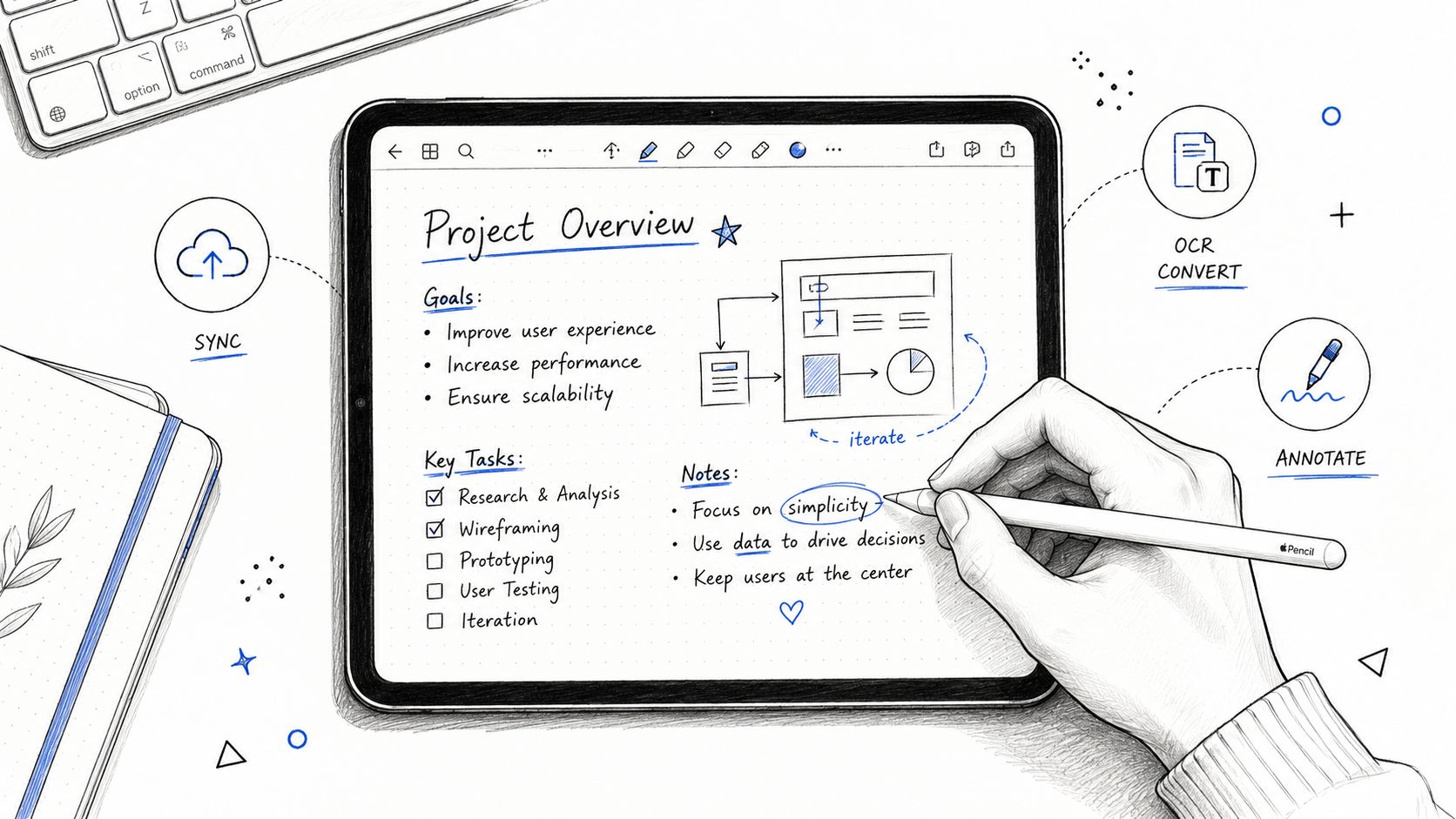
The key to this approach is developing a personal shorthand system that is both fast and functional. Your notes should be a guide, not a transcript. Here are some actionable journalist interview tips for taking better notes:
- Use Timestamps as Anchors: As you record the interview, periodically jot down the timestamp next to a critical point (e.g.,
[14:32] - new funding numbers). This allows you to instantly find that exact moment in the audio file later, saving hours of scrubbing through the recording. - Develop a Symbol System: Create a consistent set of symbols for quick notation. For instance, use
**for a powerful quote,?for something to fact-check, and➜to link related ideas. The goal is speed and clarity. - Separate Quotes from Paraphrases: Clearly distinguish direct quotes by putting them inside quotation marks (
"I believe this is a critical failure."). Write paraphrased summaries without them. This prevents misattribution later. - Create Columns for Organization: Divide your page into two columns. Use the main column for your running notes and the smaller side column exclusively for follow-up questions that come to mind. This keeps you on track without interrupting the source.
- Review and Expand Immediately: Within an hour of the interview ending, review your notes while the conversation is still fresh. Flesh out abbreviated points and add context. You can learn more about how to improve your note-taking skills for journalism to make this process even more effective.
9. Verify and Fact-Check Information Before Publication
The interview is over, but your most important work is just beginning. Diligent fact-checking is the bedrock of journalistic credibility, transforming a compelling conversation into a trustworthy report. This critical post-interview process involves systematically verifying every claim, quote, and piece of data your source provided. It's the step that protects your reputation, prevents the spread of misinformation, and upholds your ethical duty to the public.
When you treat verification as an integral part of your workflow, you move from being a simple stenographer to a true journalist. This process often reveals deeper truths, exposing when a source is mistaken, misremembering, or intentionally misleading. Legendary investigative outlets like ProPublica build their hard-hitting reports on this foundation of multi-source verification, while organizations like FactCheck.org document the origin of every validated claim, setting a standard for transparency.
How to Implement Rigorous Verification
An organized approach to fact-checking ensures nothing slips through the cracks. It’s about building a system of proof for your story. Here are some actionable journalist interview tips for a robust verification process:
- Create a Verification Checklist: After the interview, review your notes and create a list of all key factual claims, names, dates, and statistics that require confirmation. Go through this list item by item.
- Review Transcripts for Precision: Use the exact wording from your interview when quoting. An accurate transcript, such as one generated by HypeScribe, is essential for ensuring you don’t misrepresent what was said.
- Seek Primary Documents: Ask your source directly for reports, emails, or data that support their claims. If they mention a study, find the original study. Don't rely on their interpretation alone. In an era of deepfakes, mastering the analysis of photos for journalists is also becoming an indispensable skill for verifying visual evidence.
- Contact Secondary Sources: If your interviewee mentions another person, contact that person independently to confirm their side of the story. Never assume the initial account is complete or unbiased.
- Offer the 'Right of Reply': Before publishing, it is ethical practice to go back to the subject of any negative or contentious claims made by others and give them a fair opportunity to respond. This not only strengthens your story but also ensures fairness.
10. Adapt Interview Style to Source Type and Medium
A one-size-fits-all interview approach is a recipe for missed opportunities. The most effective journalists are conversational chameleons, capable of adjusting their questioning style, tone, and technique based on who they are interviewing and where the story will be published. This flexibility is key to extracting the best possible material, whether you're speaking with a cautious CEO, an emotional eyewitness, or a technical expert.
Your approach for a podcast, where storytelling is paramount, will differ greatly from a print interview focused on precise facts and quotes. Similarly, an interview for a video segment needs questions that generate visual engagement, not just verbal answers. Understanding these nuances ahead of time is a critical part of a journalist's toolkit and directly impacts the quality of the final product. Great journalist interview tips often center on this adaptability, ensuring you get the right content in the right format.
How to Adapt Your Interview Style
Adjusting your approach requires planning before the interview and tactical awareness during it. Here are some actionable ways to tailor your style to the source and the medium:
- Clarify the Medium Upfront: Before you begin, tell your source where the interview will appear. Saying, "This is for a podcast, so we're hoping you can share the story of what happened from the beginning," sets different expectations than, "This is for a data-driven article, so I'll be asking for some specific figures."
- For Video: Ask questions that encourage movement, demonstration, or emotional expression. Instead of "How did the machine work?" try "Can you show me how the machine works?" This creates a dynamic visual moment rather than a static talking head.
- For Audio: Focus on narrative and rich descriptions. Ask questions that prompt storytelling, like, "Paint a picture for me, what did it sound and feel like in that room?" This helps the listener visualize the scene without any visual aids.
- For Print: Your goal is precision. Focus on getting concrete facts, data points, and powerful, quotable statements. Follow up on vague answers to get the specific details needed for a written piece.
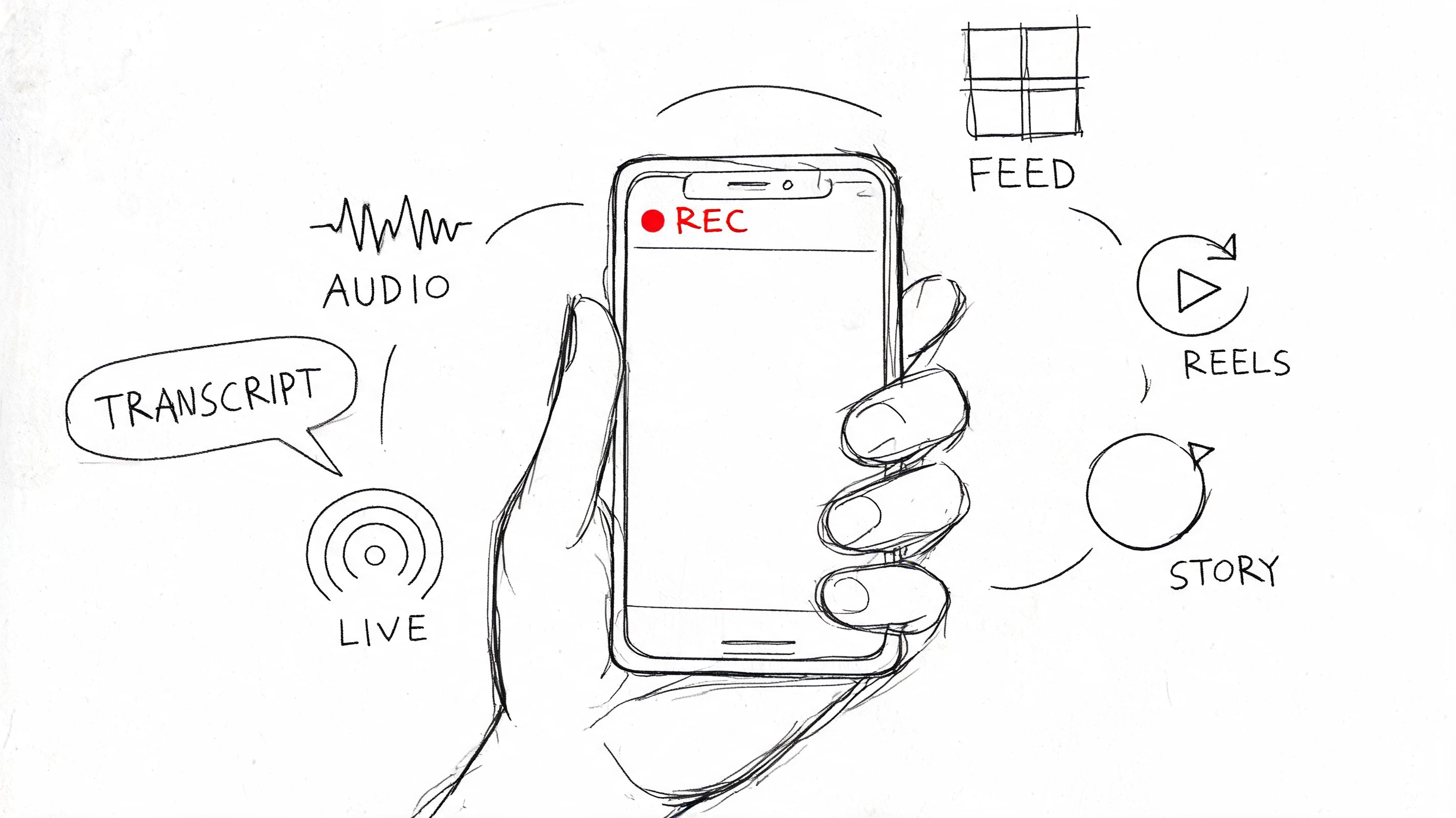
- For Social Media Clips: Listen for short, impactful soundbites. Ask pointed questions that can elicit a concise, shareable response. Sometimes a simple, direct question like "What is the single biggest misconception about this issue?" can produce a perfect clip.
10-Point Comparison of Journalist Interview Tips
Integrating These Tips into Your Journalistic Workflow
The journey to becoming an exceptional interviewer is one of continuous practice and refinement. The ten journalist interview tips detailed in this article are not isolated tricks but interconnected principles that form a complete methodology. Mastering the art of the interview is what separates adequate reporting from truly impactful journalism.
From the foundational work of pre-interview research to the empathetic process of building rapport, each element reinforces the others. The structure of your questions, the strategic use of silence, and your ability to probe with follow-ups all work together. These skills are amplified by technical precision in recording and the meticulous post-interview work of verification and fact-checking.
Turning Theory into Practice
Absorbing this advice is the first step, but genuine improvement comes from deliberate application. It can feel overwhelming to try and implement ten new strategies at once. Instead, adopt a focused, incremental approach.
- Focus on One or Two Skills: For your next few interviews, concentrate on a specific area. Perhaps you'll focus entirely on crafting more effective open-ended questions and consciously resisting the urge to ask simple yes/no queries.
- Practice Active Listening: In your next conversation, make it your primary goal to use strategic silence. After your source finishes a thought, count to three in your head before speaking. Note how often this prompts them to add a crucial, unprompted detail.
- Adapt and Evolve: As you gain confidence with one technique, consciously integrate another. After mastering question structure, turn your attention to managing difficult sources or improving your real-time note-taking. This methodical process builds muscle memory, turning conscious effort into natural instinct.
The Power of Technology in Modern Journalism
One of the most significant journalist interview tips is to record and transcribe for accuracy. This process, however, can be a major time and energy drain, pulling your focus away from more critical tasks like analysis and writing. This is where modern tools can make a substantial difference. By offloading the cognitive burden of manual transcription, you free up mental space to concentrate on the human dynamics of the conversation itself.
Key Insight: When you aren't worried about catching every single word, you can be more present. You can better observe body language, listen for emotional subtext, and identify the perfect moment to ask a critical follow-up question.
This is not about replacing journalistic skill but augmenting it. Accurate transcripts are the raw material for your story. They allow you to pull exact quotes, verify details with certainty, and find narrative threads you might have missed in the moment. Using an AI-powered service gives you this foundation quickly and reliably, so you can spend your time on what matters most: crafting a powerful, accurate, and compelling story.
By consciously applying and adapting these strategies, you will transform your interviews from simple Q&A sessions into powerful engines for discovery and accountability. The best stories are often waiting just beneath the surface; your job is to develop the skill to ask the questions that bring them to light.
Ready to spend less time transcribing and more time storytelling? HypeScribe provides fast, accurate, and secure audio-to-text transcription, freeing you to focus on what you do best. Get your first 30 minutes of transcription free and experience the difference at HypeScribe.