Level 10 Meeting Template: The 2026 High-Growth Guide
The meeting starts at 9:00. At 9:07, someone is still opening their laptop. By 9:15, the team is buried in updates nobody needed to hear live. Sales is explaining pipeline history. Operations is defending a delayed handoff. Marketing adds a side topic that should've been a Slack thread. At 10:02, everyone agrees the discussion was useful. At 10:03, nobody can say who owns what next.
That is the weekly meeting structure many teams consider standard.
A level 10 meeting template is built to break that pattern. Not by making the meeting friendlier, looser, or more collaborative in the abstract. It works by doing the opposite. It imposes structure, compresses reporting, and protects problem-solving time. The discipline is the point.
I've seen teams resist that structure at first. They say the agenda feels rigid. Then they run three or four meetings with real issue-solving, clear owners, and fewer hallway replays, and the resistance fades fast. Teams rarely hate disciplined meetings. They hate meetings that pretend to be decisive and then create more cleanup work after the fact.
Your Last Bad Meeting Starts Now
Bad meetings usually don't look dramatic. They look ordinary.
A department head gives a long update because they want context on a problem. Someone interrupts with another example. The team debates symptoms instead of naming the issue. A strong personality fills the air. Quiet people stop trying. The meeting ends with vague phrases like “let's keep an eye on it” or “we'll circle back.”
None of that feels reckless in the moment. It just feels slow.
Why status meetings drain teams
The damage comes from three places:
- Reporting crowds out solving. The team spends most of its energy describing work instead of removing blockers.
- Ownership gets fuzzy. If nobody leaves with a named action, the work returns next week wearing a new hat.
- People stop trusting the meeting. Once that happens, they either hold back real issues or try to solve everything outside the room.
That's when a weekly meeting becomes an expensive habit.
Bad meetings don't fail because people don't care. They fail because the format rewards drift.
What the L10 changes
The Level 10 Meeting came out of EOS and was introduced by Gino Wickman in Traction as a strict weekly operating rhythm. The goal isn't just to have a meeting people like. The goal is to create a meeting the team can count on to surface issues, force decisions, and drive accountability.
That's why the format is tight. It's also why teams that use it well defend the rules hard. The rules keep the meeting from becoming a group therapy session, a reporting forum, or an executive monologue.
A good L10 does something most weekly meetings don't. It separates information from resolution. You review facts fast. You flag what's off track. Then you spend the bulk of the meeting solving what matters.
That shift sounds simple. In practice, it changes the culture of the room.
The 90-Minute Level 10 Meeting Agenda
At 10:02, someone starts giving a seven-minute update on a project nobody asked about. By 10:18, the team is debating a metric they cannot fix in the room. By 10:41, the actual issue finally comes out, and now there is no time left to solve it.
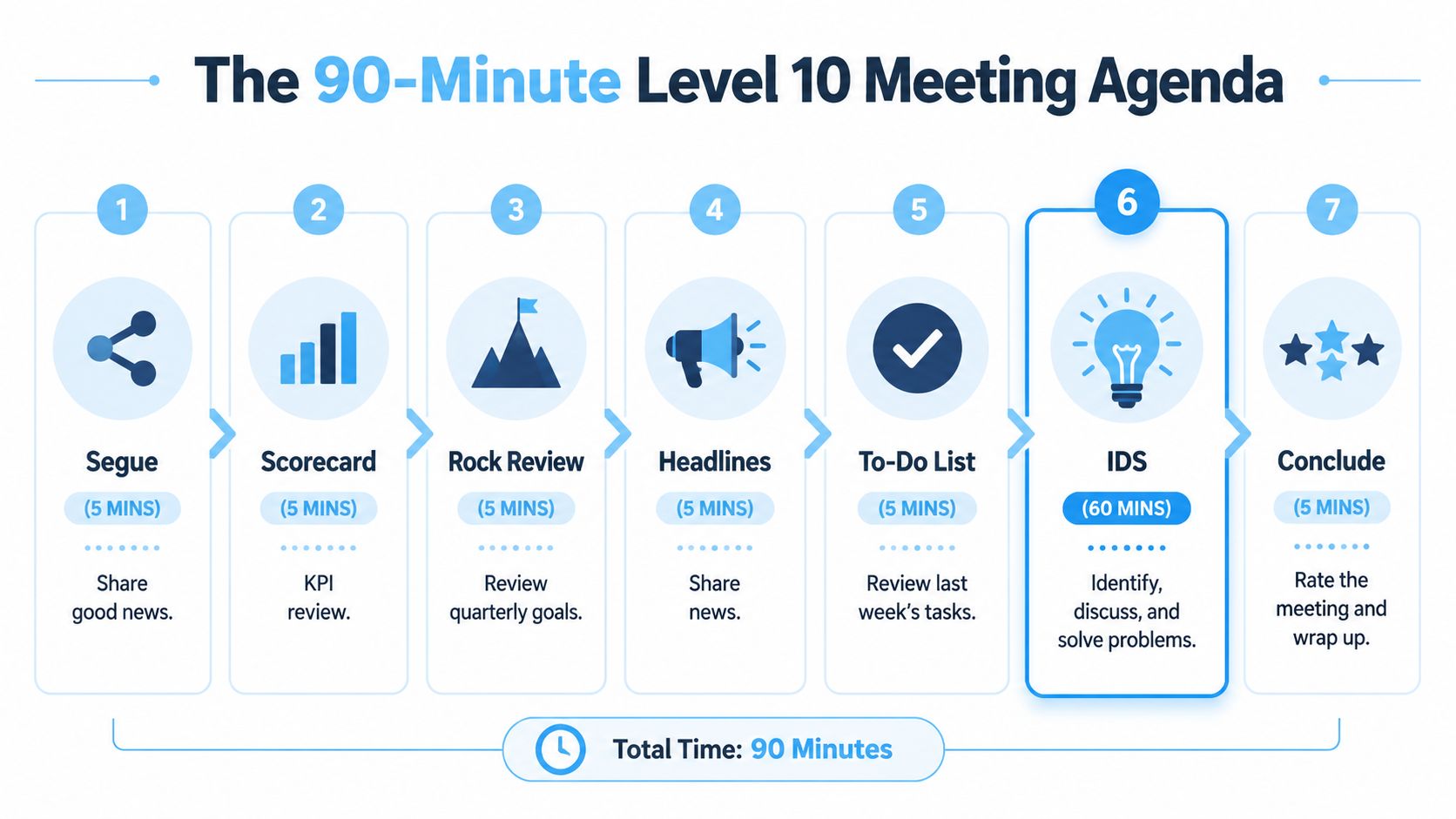
That is why the L10 agenda is strict. The 90 minutes are not arbitrary. They are designed to starve status talk and protect decision time. Teams that treat the template like a suggestion usually get a decent conversation and weak follow-through. Teams that respect the clock get a weekly operating system.
The agenda at a glance
| Segment | Time | What happens |
|---|---|---|
| Segue | 5 min | Quick wins and check-in |
| Scorecard | 5 min | Review key metrics |
| Rock Review | 5 min | Check quarterly priorities |
| Headlines | 1 to 5 min | Share notable customer or employee items |
| To-Do Review | 5 min | Mark last week's commitments done or not done |
| IDS | 60 min | Identify, Discuss, Solve the top issues |
| Conclusion | 5 min | Recap actions, rate the meeting |
If your team is still building basic meeting discipline, Bulby's meeting template can be a useful contrast. It asks less of the room. The L10 works better once the team is ready to make clear calls, accept accountability, and stop hiding inside updates.
Segue
Skeptical operators often want to cut this first. I have seen that backfire.
A fast personal or professional win settles the room and reduces early defensiveness. People listen better once they have spoken once. That matters later, especially when the team has to challenge assumptions or push on a missed commitment.
Keep it tight. One win. One sentence if possible.
Facilitator prompt: “Give us one personal or professional win from the week. Twenty seconds each.”
Scorecard
This section exists to spot exceptions, not explain history.
Run the numbers line by line. If a metric is off track, drop it onto the issues list and move on. Do not let the CFO, head of sales, or anyone else turn this into a performance review. The team can solve the problem in IDS. Right now, the job is to identify what needs attention.
Good scorecards are blunt and repeatable. Revenue, gross margin, close rate, implementation backlog, churn, hiring pipeline. Every number should answer the same question quickly. Are we on track or not?
Facilitator prompt: “Off track goes to issues. No diagnosis yet.”
Rock Review
Rocks are quarterly priorities, not ongoing departments disguised as priorities.
Each Rock gets a fast status check. On track or off track. If it is off track, add it to the issues list. If someone starts explaining all the effort behind the work, stop it. Effort does not change status, and long updates steal time from the part of the meeting that helps.
Teams often fail here because they confuse visibility with discussion. Visibility is enough for this segment.
Headlines
This is a small section with a specific job. Raise items the leadership team should know that do not fit the scorecard or Rock review.
Examples help. A major customer escalation. A key employee resignation. A legal issue. A quality concern surfacing across multiple accounts. If the headline needs discussion, capture it as an issue and keep moving.
A headline is a flag, not a story.
Facilitator prompt: “State the headline. If it needs discussion, we'll put it on the list.”
To-Do Review
This is the credibility check.
Every To-Do is either done or not done. No partial credit. No “almost.” No long explanation about why the week got busy. If teams allow soft grading here, the rest of the agenda loses force because people learn that commitments are negotiable.
The harder truth is usually simple. Repeated misses mean the action was too vague, too large, assigned to the wrong owner, or never important enough to deserve a due date in the first place. A disciplined action item list workflow helps teams capture cleaner ownership and avoid the familiar pattern of a strong discussion followed by scattered follow-up.
Facilitator prompt: “Done or not done. If it is not done, we can examine why in IDS if it matters.”
IDS
This is the value center of the meeting.
Everything before IDS feeds the issues list. If the team rushes through the first 25 minutes and protects the full hour here, the meeting can change the business. If that hour gets eaten by reporting, the team leaves with better awareness and the same problems.
Pick the few issues that matter most. Work them in order. Get to root cause fast. Then solve them in a form the team can execute: a decision, a named next step, a clear owner, and a deadline. “We should all communicate better” is not a solve. “Sarah drafts the client escalation path by Thursday and tests it with support next week” is a solve.
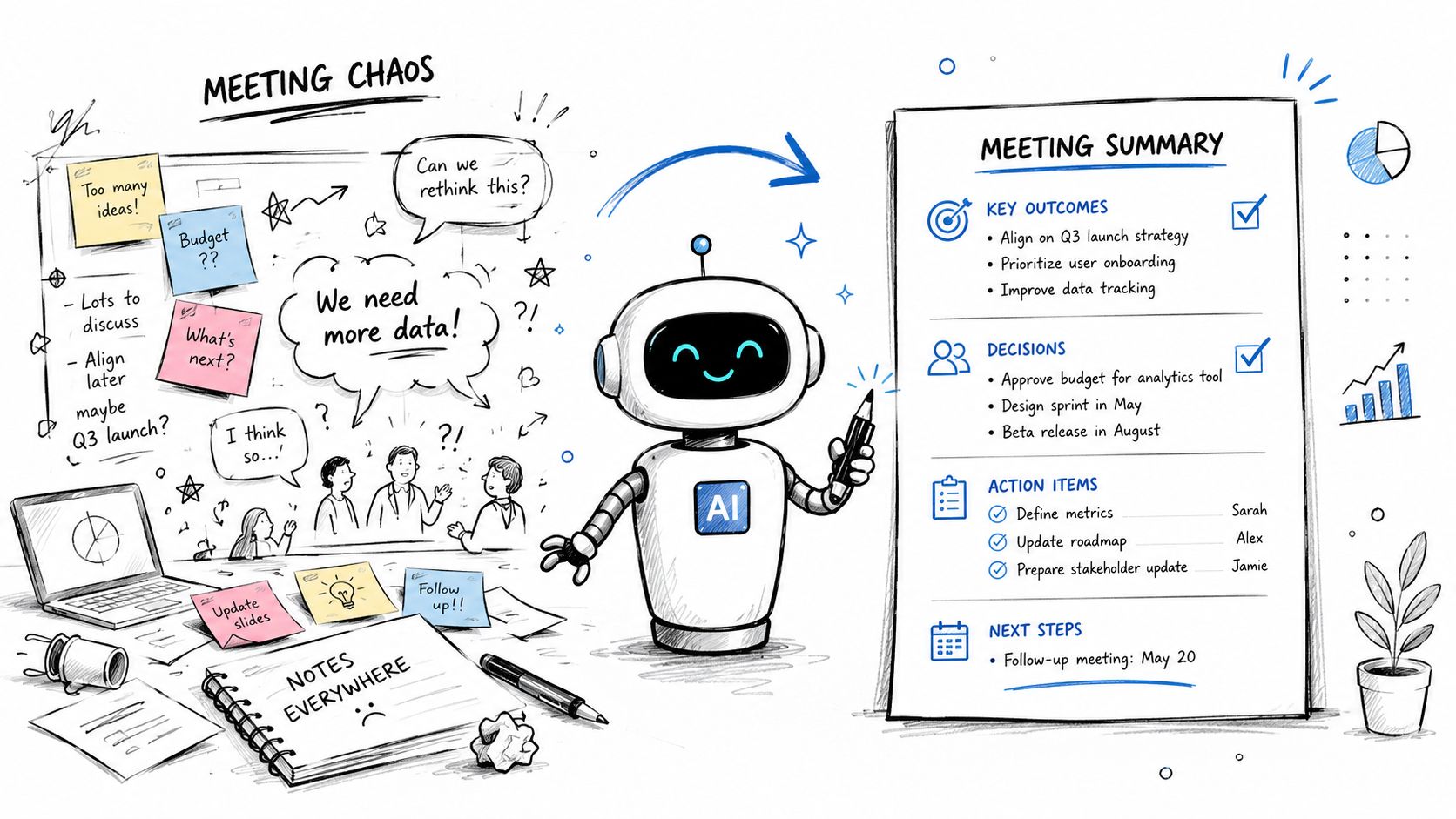
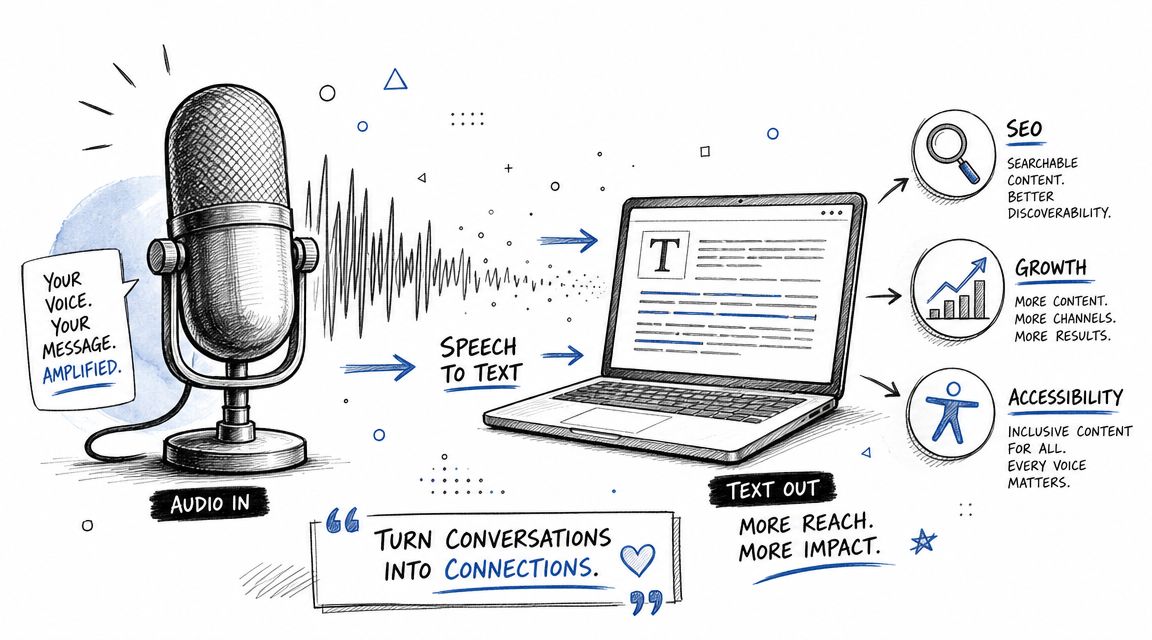
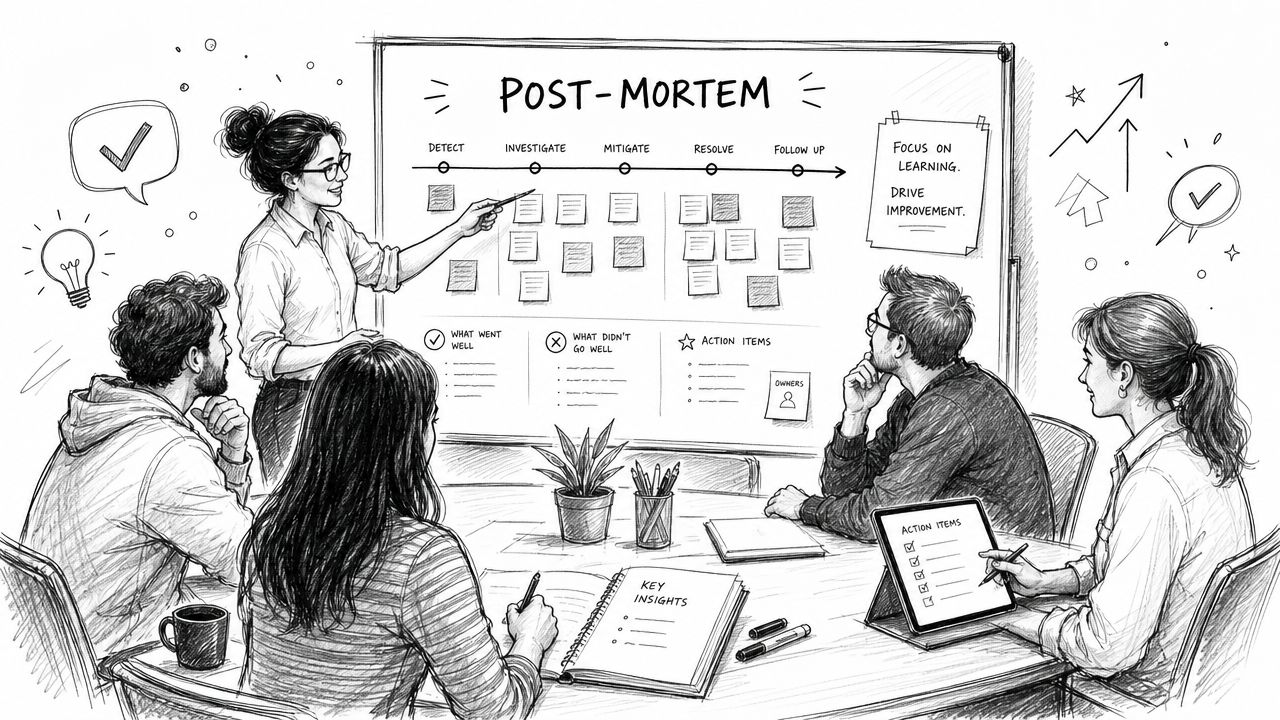
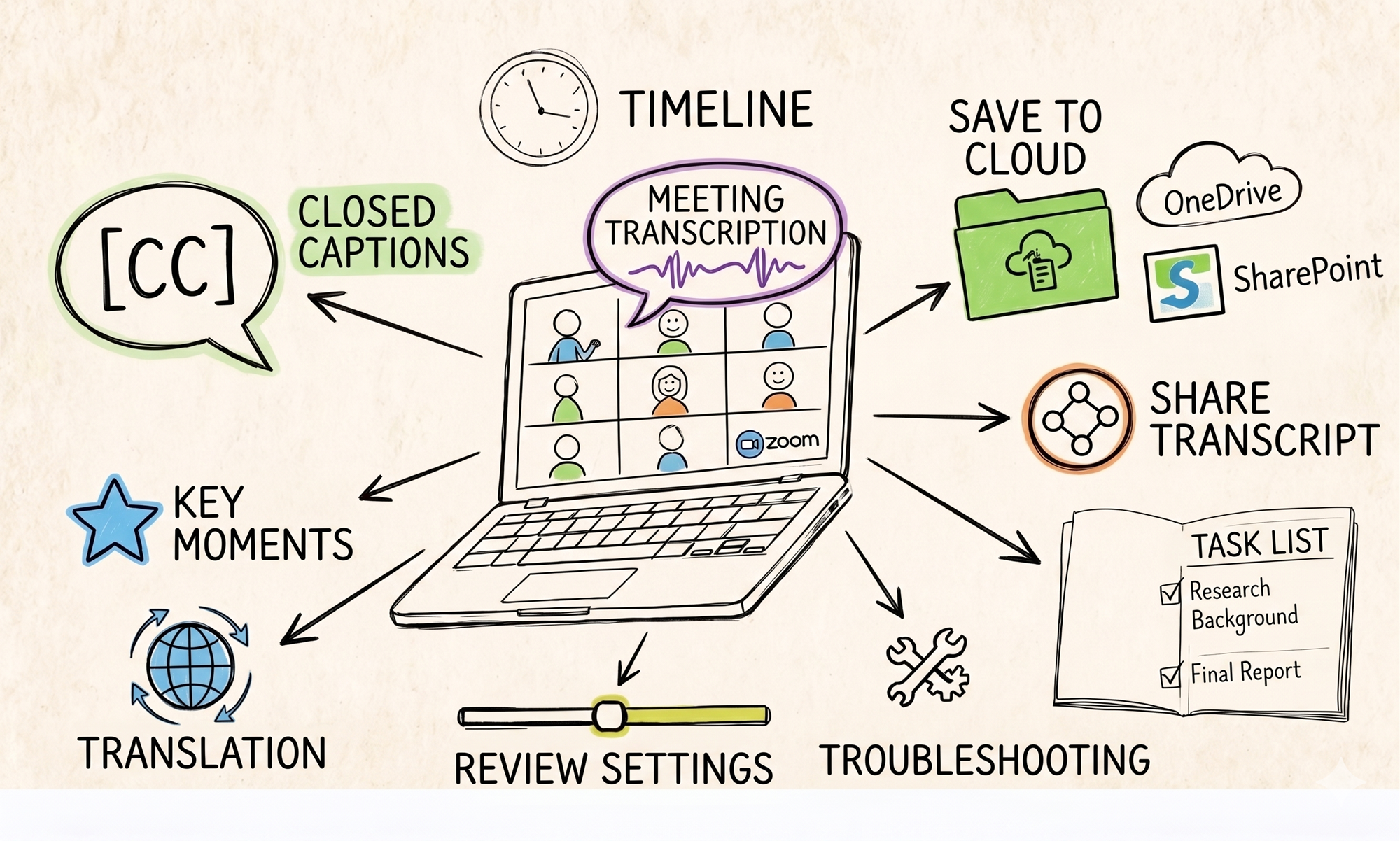
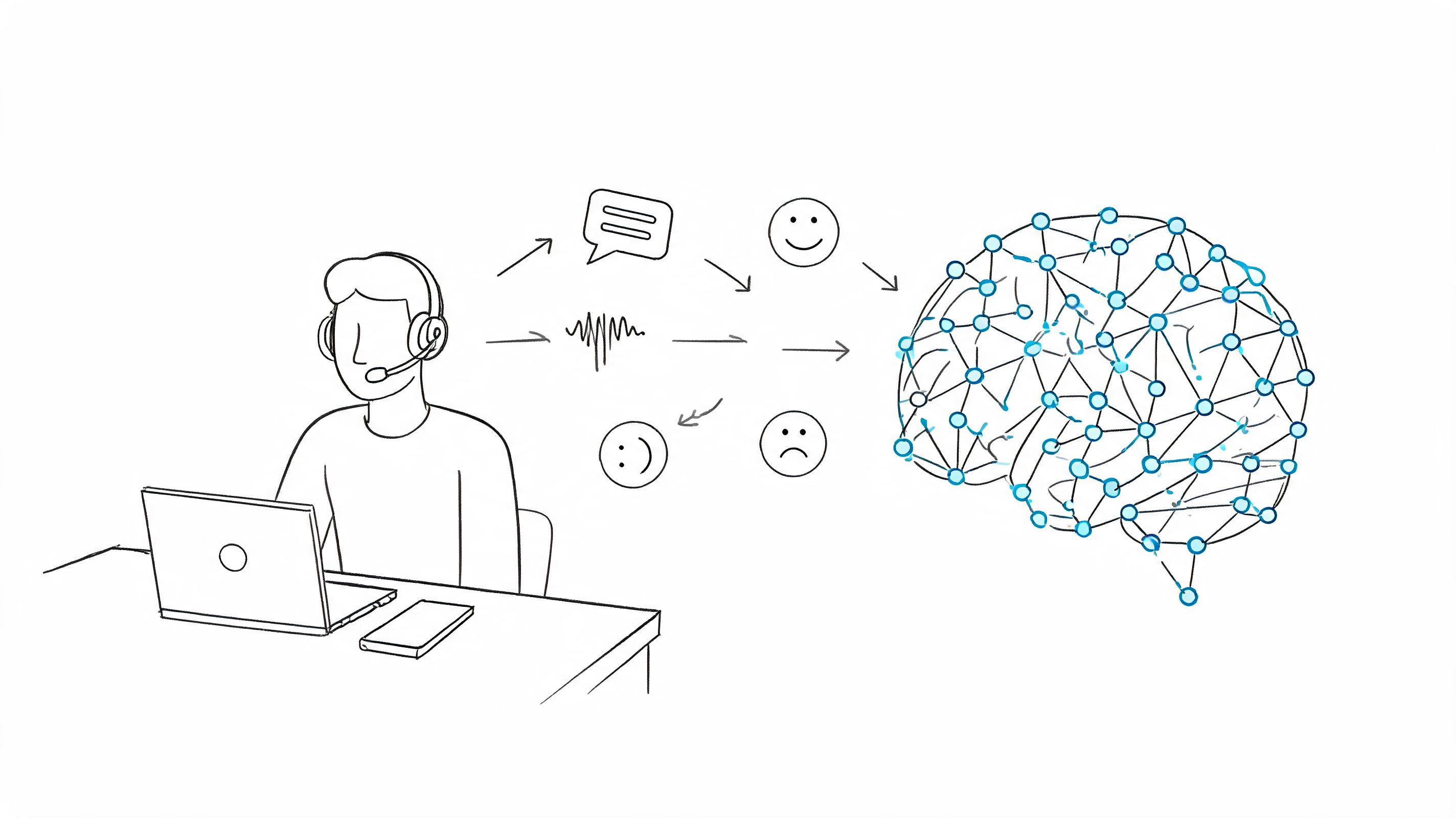
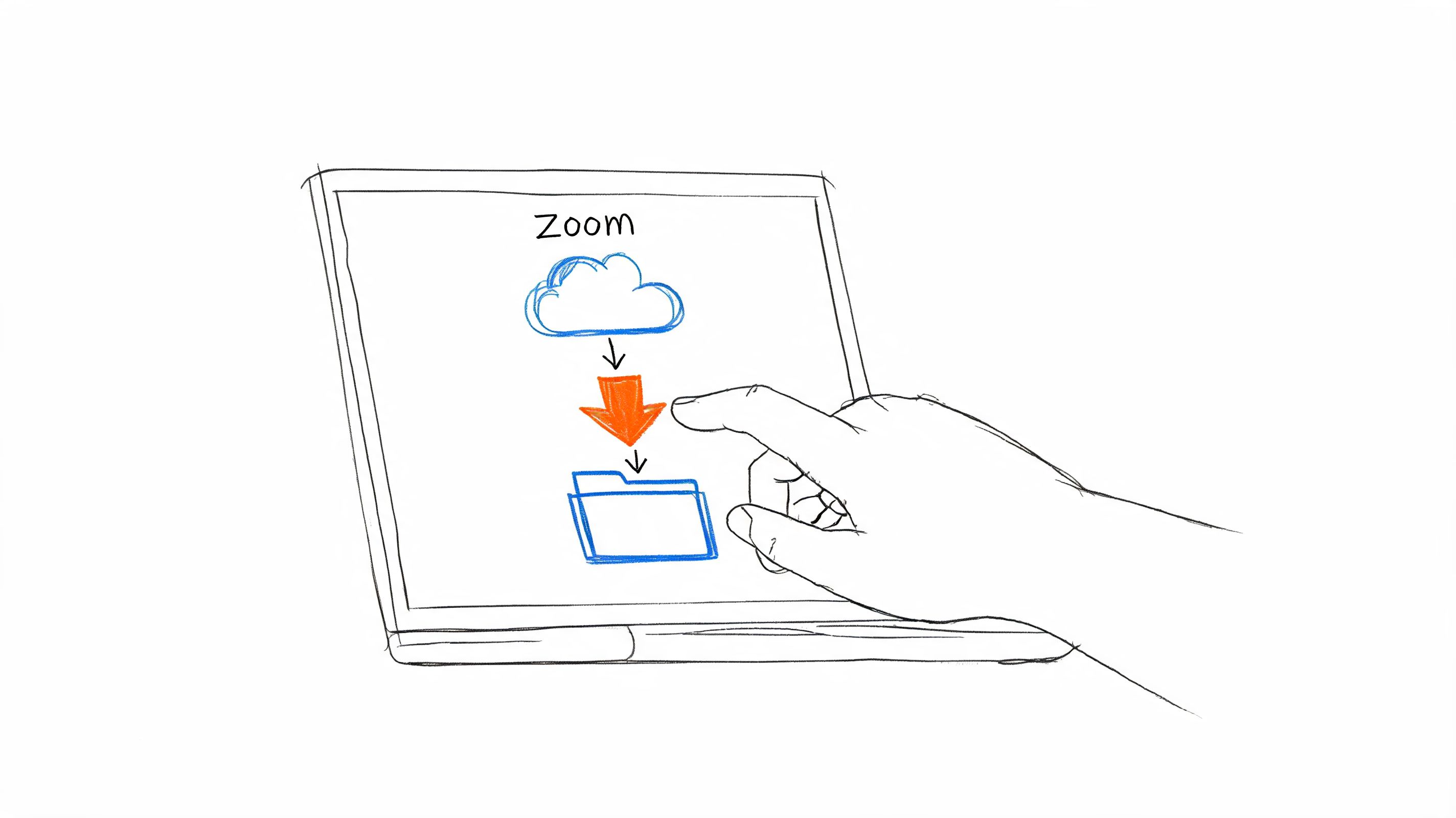
This is also where modern tooling helps. A facilitator should still run the room, but AI note capture can record decisions, pull out owners, and push tasks into the team's system before people leave the meeting. That closes the gap that ruins a lot of L10s. Good discussion. Weak follow-through.
A visual walkthrough helps if you're training a team for the first time:
Conclusion
The last five minutes decide whether the meeting survives the week.
Review the actions, confirm each owner, and state any message that needs to be shared with the broader team. Then rate the meeting. Keep the rating fast. If someone gives it a low score, ask for the reason in one sentence. Capture the lesson and end on time.
The close should feel crisp. If people leave unsure about who owns what, the meeting was only half finished.
How to Facilitate a Level 10 Meeting
Teams frequently don't fail because the level 10 meeting template is wrong. They fail because nobody protects it.
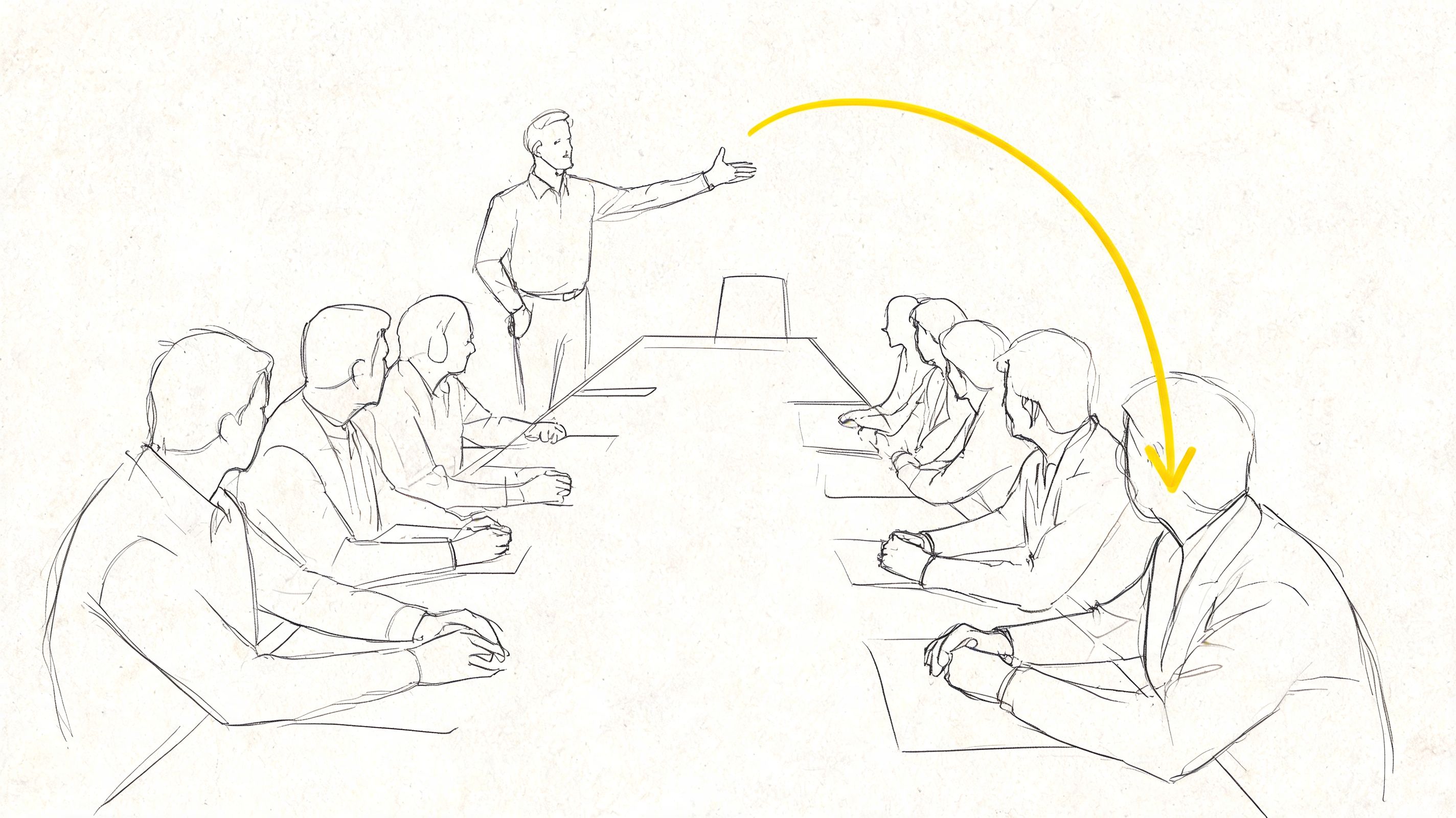
The facilitator's job isn't to be the smartest person in the room. It's to keep the room honest. That means starting on time, holding the time boxes, blocking sidebars, and refusing to let discussion masquerade as progress.
What strong facilitation looks like
According to EOS Worldwide's explanation of the Level 10 Meeting, the 60-minute IDS phase should focus on the top 3 issues, use root-cause methods like the 5 Whys, keep discussion free of blame, and end with SMART action items. That same source notes that EOS firms using this structured approach report 25% faster issue resolution.
That tells you what the facilitator must enforce:
- Pick fewer issues: Three solved issues beat ten admired issues.
- Push for root cause: If the team is arguing over symptoms, stop them.
- Force specificity: “Improve communication” is not an action item.
- Protect emotional safety without softening standards: People can disagree hard without getting personal.
Useful scripts for real rooms
When a leader starts rambling, don't apologize for cutting in. Do it cleanly.
Practical rule: “I'm going to stop you there. That sounds like an issue, not a scorecard explanation. Let's drop it to the list and keep moving.”
When the team keeps circling the obvious symptom:
- Ask: “What problem are we trying to solve?”
- Follow with: “Why is that happening?”
- Then again: “Why does that keep happening?”
That's the simplest way to use the 5 Whys without making it feel academic.
When conflict gets personal, name the standard.
- Say: “Debate the decision, not the person.”
- Then narrow it: “What are the two real options in front of us?”
When the room drifts into analysis with no close:
- Say: “What does solve look like by next week?”
- Then assign: “Who owns it?”
The facilitator's non-negotiables
| Situation | Wrong move | Better move |
|---|---|---|
| A metric is off track | Debate causes in scorecard | Move it to IDS |
| A To-Do is incomplete | Accept a long excuse | Mark not done and keep moving |
| Two people dominate | Let them duel | Call on others first |
| No decision emerges | End with “let's monitor it” | Create a specific action with owner |
Facilitators who struggle usually make one of two mistakes. They either over-control the content, or they under-control the process. The sweet spot is firm process, open content.
The room doesn't need another participant with strong opinions. It needs a referee who won't let the game fall apart.
Common Mistakes That Ruin Level 10 Meetings
The failure mode isn't usually obvious. The meeting still happens. People still talk. Notes still get taken. The problem is that the same friction keeps returning, and the team slowly stops believing the meeting changes anything.
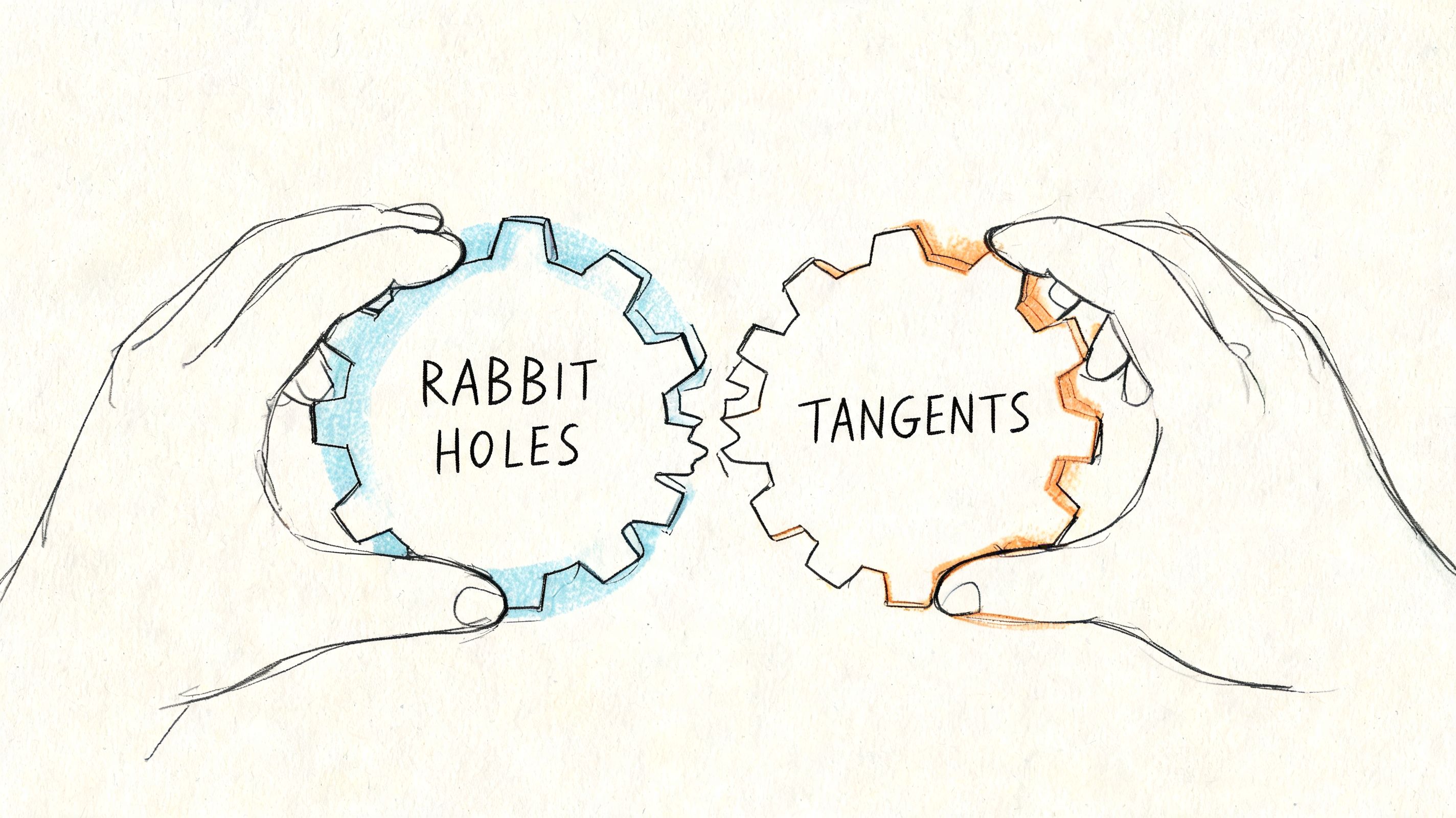
Mistake one using IDS as a reporting block
Symptom: the room spends most of IDS hearing background context.
Diagnosis: the team didn't separate updates from issue-solving.
Cure: insist that issue owners state the problem in one sentence. If they need five minutes of setup, they probably haven't identified the issue yet.
A useful reset line is, “What decision do we need from the team right now?” If nobody can answer that, the item isn't ready for IDS.
Mistake two letting the scorecard become a debate
Scorecard drift kills tempo.
The scorecard exists to flag signal, not host interpretation battles. Once the team starts explaining every line, the meeting gets slower and less honest. People begin preparing defenses instead of preparing facts.
Use a simple rule set:
- On track: no discussion.
- Off track: add to issues.
- Missing data: fix the owner or reporting process outside the meeting.
Mistake three accepting vague To-Dos
A weak To-Do sounds respectable. “Review handoff process.” “Look into churn drivers.” “Sync with finance.”
Those aren't commitments. They're placeholders.
Good To-Dos have one owner and a finish line people can recognize. If a task can't be marked done or not done next week, it's too fuzzy. Rewrite it before the meeting ends.
If your To-Do list reads like intentions instead of deliverables, the meeting is leaking accountability.
Mistake four carrying recurring issues forever
Some issues come back because they're hard. Others come back because the team never solved the root cause.
Recurring issues are diagnostic. They tell you where process, role clarity, or decision quality is breaking down. If the same item appears repeatedly, stop treating it like a fresh topic. Ask why prior solves didn't hold.
A practical move is to classify the recurrence:
| Repeat pattern | Likely cause | What to do |
|---|---|---|
| Same owner misses same type of task | Overload or weak accountability | Reduce scope or reset expectations |
| Same cross-functional conflict returns | No process agreement | Build a clear handoff or policy |
| Same complaint reappears with new examples | Symptom was treated, cause wasn't | Reopen root-cause discussion |
Mistake five customizing too early
Teams love to “adapt the framework” before they've earned the right.
They stretch Segue into social time, add new recurring agenda blocks, or turn Headlines into mini town halls. Sometimes that works for mature teams with strong habits. For newer teams, it usually becomes a loophole factory.
Start with the standard. Run it clean for long enough that people know the difference between discipline and preference. Then adjust carefully, and only when the adjustment solves a real operating need.
Supercharge Your L10 with AI Note Taking
One of the most common breakdowns happens after the meeting, not during it. The team had a strong discussion. A few real decisions were made. Then the notes go into a doc nobody opens again, and the energy disappears into normal work.
That gap is bigger than many organizations acknowledge. Recent studies cited in the verified data note that teams often report better alignment from L10s, but only 23% track post-meeting execution rates. The same verified data states that AI note-takers have been shown to boost L10 productivity by 35% by auto-generating summaries and capturing action items.
That doesn't mean AI fixes bad meetings. It means AI can keep a good meeting from collapsing in the handoff.

What AI should handle
The best use of AI in an L10 isn't “write the meeting for us.” It's more practical.
Use it to support the work humans are bad at doing in real time while also participating:
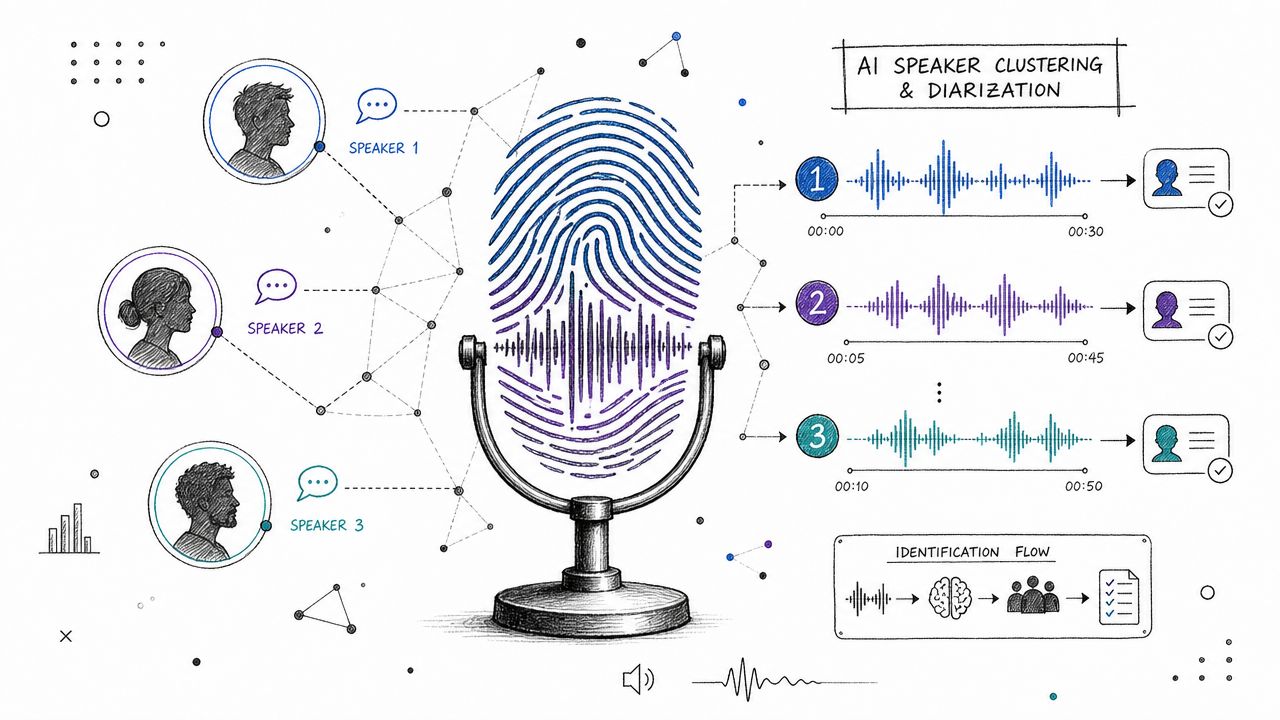
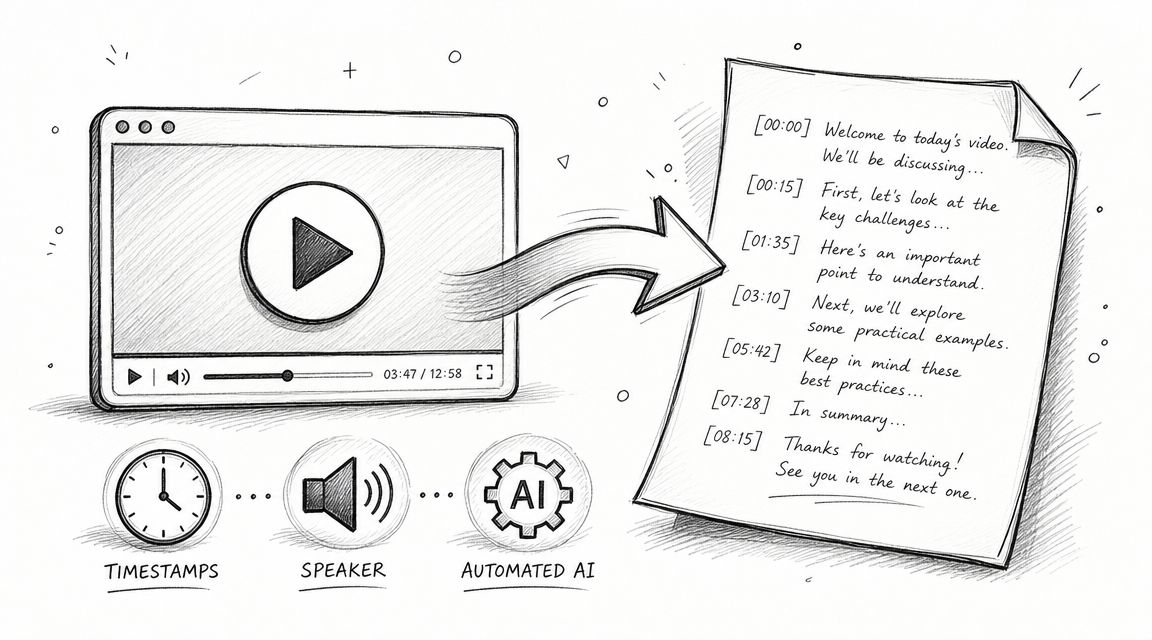
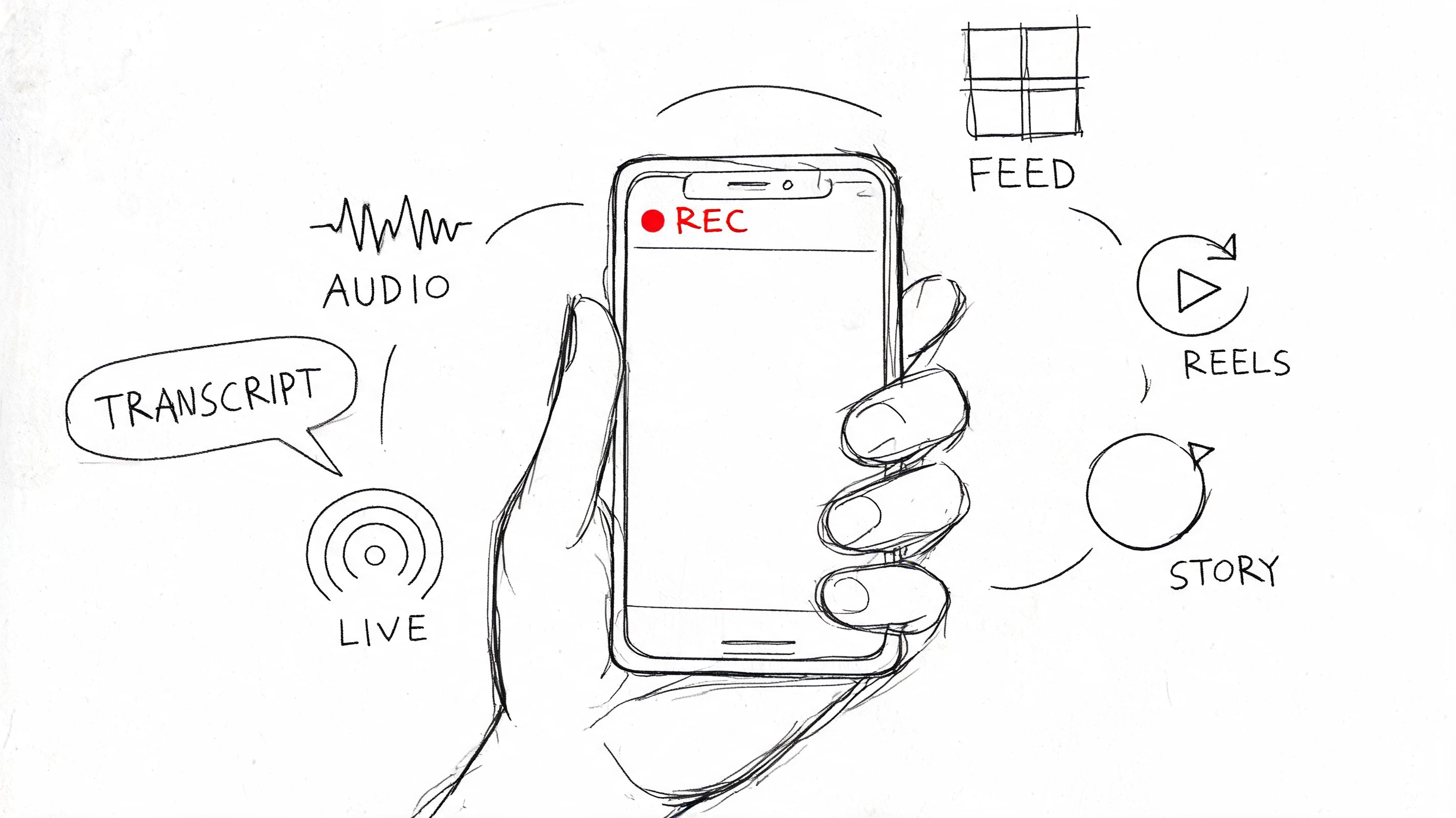
- Transcript capture: preserve the actual wording behind decisions
- Action extraction: pull out owner-task pairs from IDS
- Summary generation: produce a short operational recap for the team
- Searchability: make prior decisions easy to find when issues recur
That's where AI note-taking becomes an operational advantage instead of a novelty.
For teams evaluating how this fits into broader operations, this guide on streamlining workflows with intelligence is useful context. The same principle applies in meetings. Automation works best when it removes repeatable clerical work and leaves judgment to people.
What good AI support looks like in practice
A useful meeting output should answer five questions fast:
- What was decided
- What still needs a decision
- Who owns each action
- When follow-up happens
- What themes are repeating over time
That last one matters more than many groups realize. If your issue list has patterns, your notes shouldn't live as disposable artifacts. They should become an operating record. An AI meeting note taker workflow earns its keep in this capacity. It gives the facilitator a way to preserve decisions without also playing full-time scribe.
The trade-off to manage
There is one trap here. Teams can become passive if they assume the tool will remember everything for them.
Don't let AI replace discipline. Keep the live habits that matter:
- Speak decisions clearly
- State one owner per action
- Confirm deadlines out loud
- Review unresolved issues next week
The tool should reduce clerical drag, not reduce attention.
If the team's language is vague, the transcript will faithfully preserve vagueness. If the solve is weak, the summary will make that weakness look tidy. AI helps most when the underlying L10 is already structured, fast, and specific.
From Meeting Rhythm to Business Results
A Level 10 meeting doesn't fix a business because it's clever. It helps because it creates a repeatable weekly rhythm where problems get surfaced, solved, and followed through.
That rhythm matters more than any single meeting score. A team that meets every week, uses the same structure, and leaves with real ownership will outperform a team that keeps redesigning its meetings around personality and mood. Consistency builds trust. Trust makes candor possible. Candor makes solving possible.
What results actually come from a good L10
You should expect practical effects, not magic.
- Cleaner escalation: teams bring real issues to the table earlier
- Better accountability: commitments are visible and harder to dodge
- Less rework: decisions don't need to be rediscovered every week
- Stronger alignment: people know which problems matter now
The meeting itself is never the finish line. It's the control point.
The operating standard worth keeping
Three habits separate effective L10s from performative ones:
| Habit | What it looks like |
|---|---|
| Discipline | Start on time, keep the agenda, end on time |
| Honesty | Call things off track without spinning them |
| Follow-through | Convert decisions into owned next steps |
If one of those habits breaks, the whole system weakens. A disciplined meeting with no honesty becomes sterile. Honest discussion with no follow-through becomes emotional theater. Follow-through without discipline becomes scattered work management.
Teams that want the meeting to drive execution should also tighten the handoff after the room goes quiet. A simple meeting follow-up template helps turn decisions into visible next actions and prevents “good meeting, no movement” syndrome.
The level 10 meeting template gives you the map. Facilitation gives it force. Follow-through is what makes the meeting worth having next week.
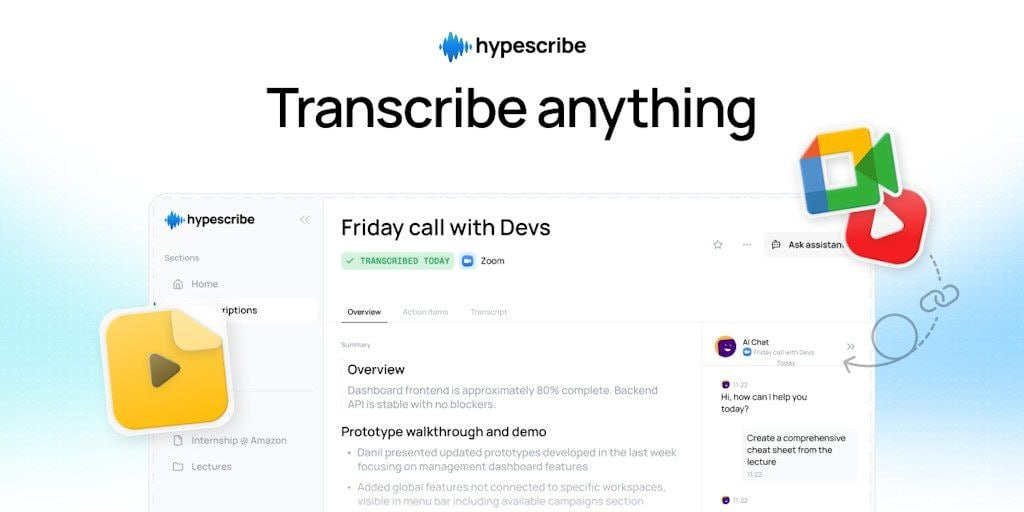
If your team is tired of strong discussions turning into weak follow-up, HypeScribe helps capture meeting transcripts, summaries, and action items so your L10 outputs stay searchable, structured, and easier to execute.