Post Mortem Meeting: A Guide to Driving Real Change
The project is finally over, or the incident is finally contained, and somebody sends the calendar invite nobody wants. Post mortem meeting. Half the team reads that as, “We're about to replay the worst hour of the quarter.” The other half assumes it'll be another dutiful conversation that ends with vague notes and no real change.
That reaction is earned. A lot of post mortem meetings are badly run. They drift into blame, turn into a timeline recital, or produce a document that gets filed and forgotten.
A useful post mortem meeting does something much simpler and much harder. It helps a team understand what happened, why the system allowed it, and what must change next. Not who looked bad. Not who spoke most confidently. Not who can explain themselves best after the fact.
When teams get this right, the meeting stops feeling like cleanup theater and starts acting like operational maintenance for the organization itself.
Why Most Post-Mortems Fail and How Yours Can Succeed
Most failed post mortem meetings break down for one of three reasons. The room doesn't feel safe, the conversation stays too shallow, or nobody treats the output as real work.
The first problem is emotional, not procedural. If people think they're walking into a trial, they'll protect themselves. They'll soften details, skip context, and choose language that makes them look careful instead of language that helps the team learn. Once that happens, the meeting is over in spirit even if it stays on the calendar.
The second problem is more subtle. Teams often confuse reconstructing events with analyzing causes. A polished timeline can still miss the core issue. “Deployment happened, alert fired, rollback started” is useful, but it doesn't explain why the release path made the failure possible.
A blameless post mortem meeting isn't soft on accountability. It's strict about where accountability belongs, in processes, decisions, handoffs, tools, and incentives.
What success actually looks like
A good post mortem meeting leaves people with more clarity than they had before they joined. Participants should understand the user impact, the sequence of events, the conditions that made the failure possible, and what changes now have owners.
It should also feel fair. People can talk plainly without being cornered.
If your team already runs sprint retrospectives, the mindset isn't entirely new. A strong guide for product managers on retrospectives is helpful because it reinforces the same discipline of reflection and learning, even though a post mortem meeting usually goes deeper on one specific incident or project outcome.
The shift that changes everything
The key shift is this. Stop asking, “Who caused this?” Start asking, “What conditions made this outcome likely?”
That one change improves the tone, the quality of analysis, and the odds that people will surface uncomfortable truths early. Teams don't improve because they held a meeting. They improve because the meeting made it easier to see the system clearly.
Preparing for a Productive Post-Mortem
The meeting is on the calendar, eight people join, and the first twenty minutes disappear into basic fact-finding. Someone is pulling up old Slack threads. Someone else remembers a detail that changes the timeline. By the time the group reaches causes, energy is gone and the follow-up work is vague. That failure usually starts in preparation, not in facilitation.
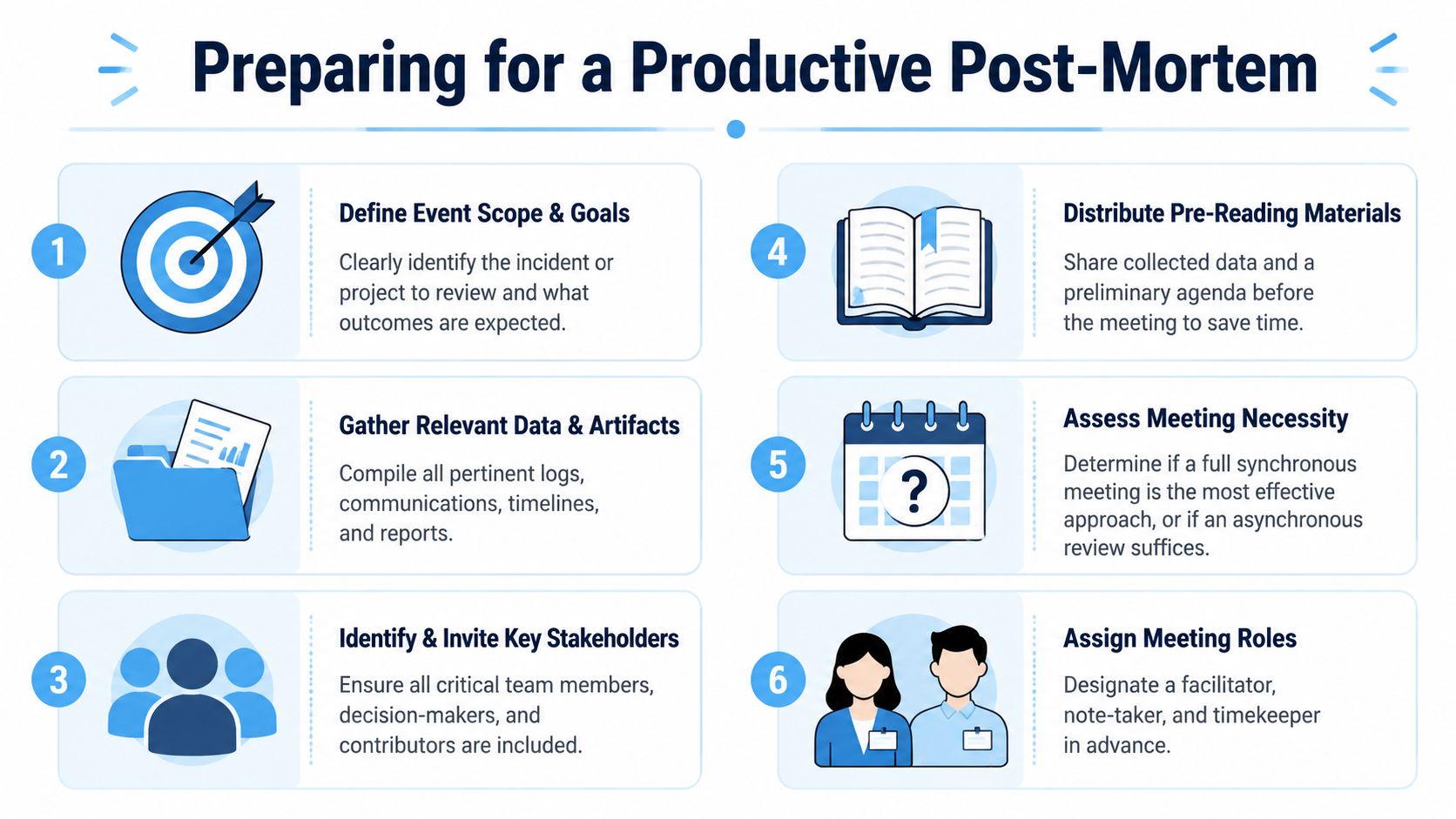
Decide if a live meeting is necessary
A live post-mortem should earn its cost.
Some incidents need real-time discussion because people hold different versions of what happened, the impact crossed team boundaries, or the lesson matters enough that shared understanding is part of the fix. In those cases, a meeting saves time because it resolves confusion quickly.
Other cases do not. If the event was contained, the timeline is clear, and the corrective work is obvious, an async review is often the better choice. I have seen teams drain trust by treating every minor issue like a major incident. People stop speaking candidly when the process feels performative.
Use a simple filter:
- Run a live meeting for cross-functional failures, customer-impacting issues, messy handoffs, or cases where the team needs to align on what really happened.
- Use async review for contained problems with clear facts and straightforward fixes.
- Switch to live if written comments expose disagreement, missing context, or tension that will slow down decision-making.
The point is not to protect calendars. It is to spend team attention where discussion will actually change future behavior.
Send the invite early, with enough structure to get useful input
Schedule the session while details are still fresh. Then give people a way to think before they talk.
A short pre-meeting survey works well here. Ask three questions: what worked, what did not, and what should change. This practical post-mortem workflow gets the basic mechanics right. The primary value is not speed. It is quality. Quiet contributors often write the most useful observations before the room dynamics take over.
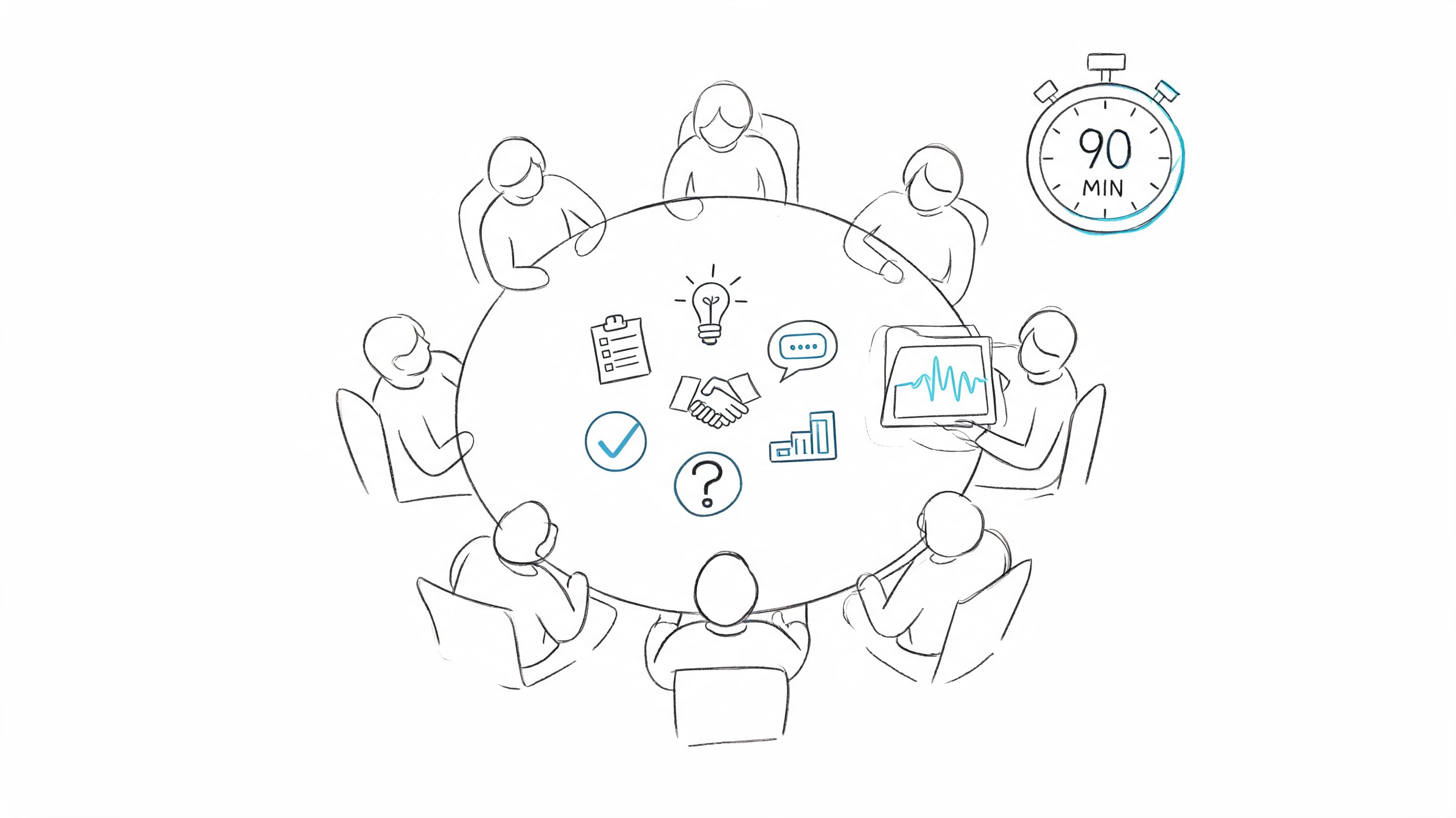
Keep the meeting length realistic. An hour is enough for a contained review. More complex incidents may need ninety minutes. If you already know the issue spans multiple teams or decisions over time, split the work into two stages: fact gathering first, discussion second. That is usually cleaner than forcing everything into one long session.
Build the attendee list around questions that need answers
Invite for coverage, not status.
The room should include people who can reconstruct events, explain user or stakeholder impact, clarify why certain trade-offs were made, and commit to changes afterward. If a person cannot help with one of those jobs, they probably do not need to attend live.
| Question | Who should be in the room |
|---|---|
| What actually happened | People directly involved in execution or response |
| What was the customer or stakeholder impact | Product, support, or account-facing leads |
| What constraints shaped decisions | The manager, lead, or owner who set priorities |
| What can realistically change next | Whoever can approve or implement follow-up work |
Many teams inadvertently weaken the whole process. They invite too broadly in the name of transparency, then wonder why the conversation stays polite and shallow. A better pattern is a smaller working session and a written summary for everyone else.
Set the rules before the meeting starts
Preparation also means defining how people will work together. A short list of meeting ground rules that reduce defensiveness and side-tracking helps more than a long preamble at the start of the call.
I also recommend documenting expectations once and reusing them. Simple team norms sample templates can help teams agree on practical standards such as speaking from firsthand knowledge, separating facts from interpretation, and challenging process gaps without targeting individuals.
That kind of prep matters later. Teams are much more likely to follow through on action items when the meeting started with clear operating rules instead of improvised etiquette.
Send a pre-read people will actually use
A useful pre-read is short, concrete, and built to reduce recall work in the room. Include the scope of the review, the objective of the session, the known artifacts, and the roles. If there is already a rough timeline, share it as a draft, not as a verdict.
A good pre-read usually covers:
- Scope: The incident, launch, project, or release under review
- Objective: What the group must leave with, such as causes, lessons, and assigned actions
- Known artifacts: Logs, tickets, screenshots, customer feedback, support notes, and timeline drafts
- Roles: Facilitator, note-taker, and the person responsible for confirming next steps
One practical test works every time. If attendees need the opening stretch of the meeting just to reconstruct basic facts, the prep was incomplete.
Good preparation does more than make the discussion smoother. It creates the raw material for follow-up later, when findings need to turn into owned, trackable changes instead of a document no one reopens.
Facilitating a Blameless and Honest Discussion
The facilitator sets the temperature of the room. Not with a speech, but with small corrections in language, pacing, and focus.
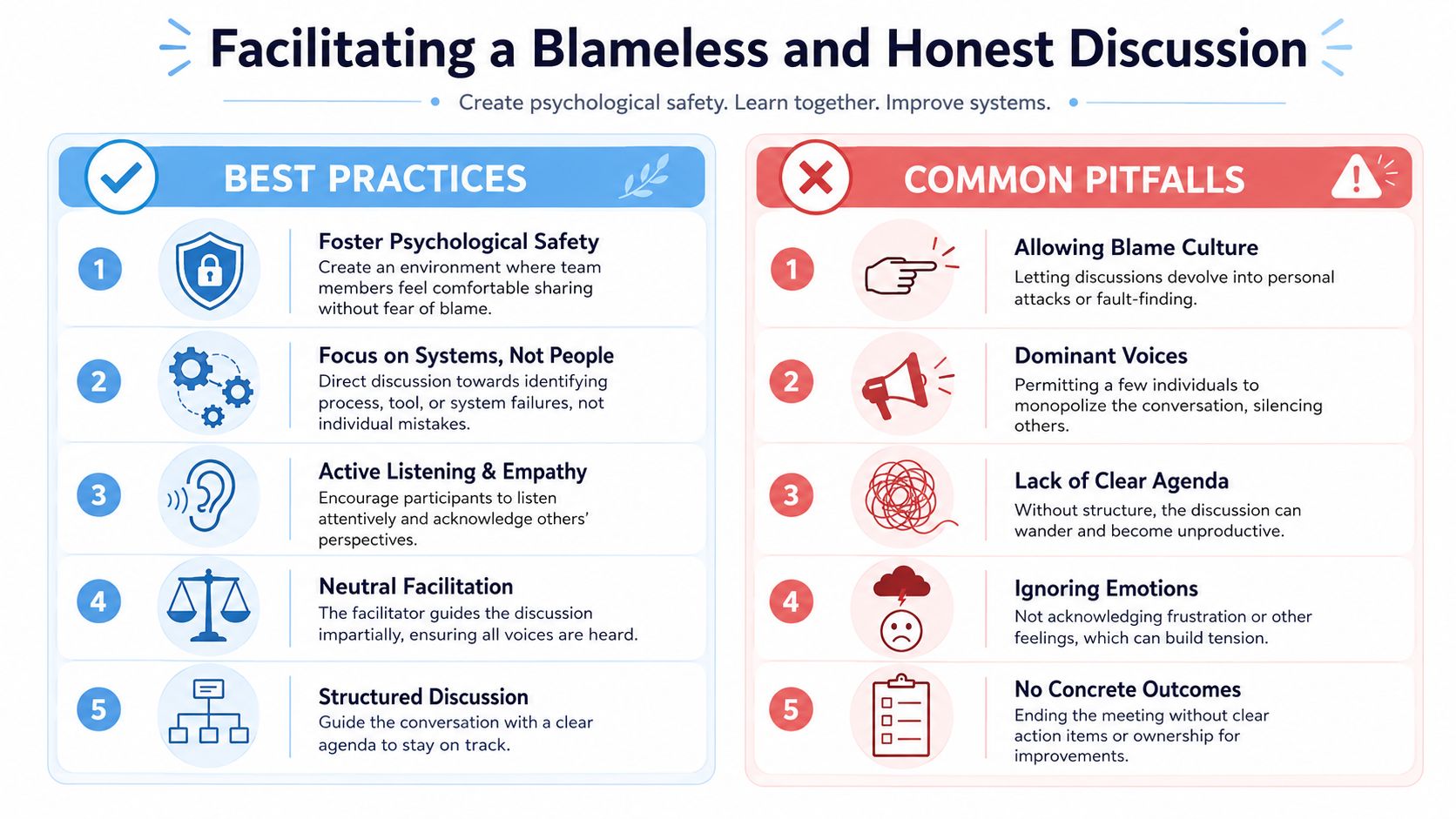
A strong facilitator does three jobs at once. They guard psychological safety, they keep the conversation structured, and they stop the group from settling for the first explanation that sounds plausible.
Start with a shared frame
Open plainly. The team needs to hear that the goal is to understand the system, not rank individual performance.
Then define the failure in user terms. A technical postmortem method that works well is to start with a user-facing definition of failure, then build a timeline from report to resolution, leaving space to fill in causes collaboratively. That structure is reinforced by a blameless canvas approach where participants draft stickies per section, group duplicates, and convert the discussion into follow-up actions, as shown in this incident postmortem walkthrough.
That user-facing opening keeps the discussion grounded. It prevents the team from hiding inside implementation details too early.
Use language that redirects blame
Facilitators should intervene fast when wording becomes personal. Not aggressively. Just consistently.
A simple do this, not that approach helps:
Instead of “Why did you ship it like that?”
Say “What information and constraints shaped that decision?”Instead of “Who missed this?”
Say “Where did our review or testing path fail to catch this?”Instead of “Why didn't the team communicate?”
Say “What made the handoff unclear in the moment?”Instead of “That was careless.”
Say “What made this easy to overlook?”
These edits matter because people answer the question they hear. Ask a blame question and you'll get self-protection. Ask a systems question and you might get a useful answer.
Give the conversation structure
A blank discussion invites rambling. A clear sequence keeps things useful:
- State the impact in plain language.
- Walk the timeline from first signal to resolution.
- Identify contributing conditions before debating root causes.
- Probe deeper with techniques like repeated “why” questions.
- Name what worked, not just what failed.
- Convert learnings into changes before the meeting ends.
If your team struggles with recurring tension in meetings, it helps to formalize expectations ahead of time. Resources like team norms sample templates can help teams define how they challenge ideas, handle disagreement, and share airtime. For meeting behavior specifically, a short set of ground rules for meetings makes facilitation much easier because the facilitator can point back to shared rules instead of improvising authority in the moment.
Name the behavior you want in the room before emotions rise. It's much easier to protect candor when expectations were agreed in advance.
Watch for the real failure mode
The most common sign that a post mortem meeting is drifting isn't open conflict. It's false agreement.
People nod. The timeline looks complete. Somebody says the lesson is “test better” or “communicate earlier.” That's not a root cause. That's a category label.
Keep pushing until the team can describe what was missing, where the handoff broke, what assumption proved wrong, or which decision rule needs to change.
Capturing Insights Not Just Minutes
Many post mortem meetings lose value in the documentation step. The discussion is rich, but the record is thin. One person types furiously, misses half the nuance, and leaves with a document full of fragments that make less sense a week later.
That old model creates two problems. The note-taker can't fully participate, and the rest of the team assumes important details were captured when they often weren't.
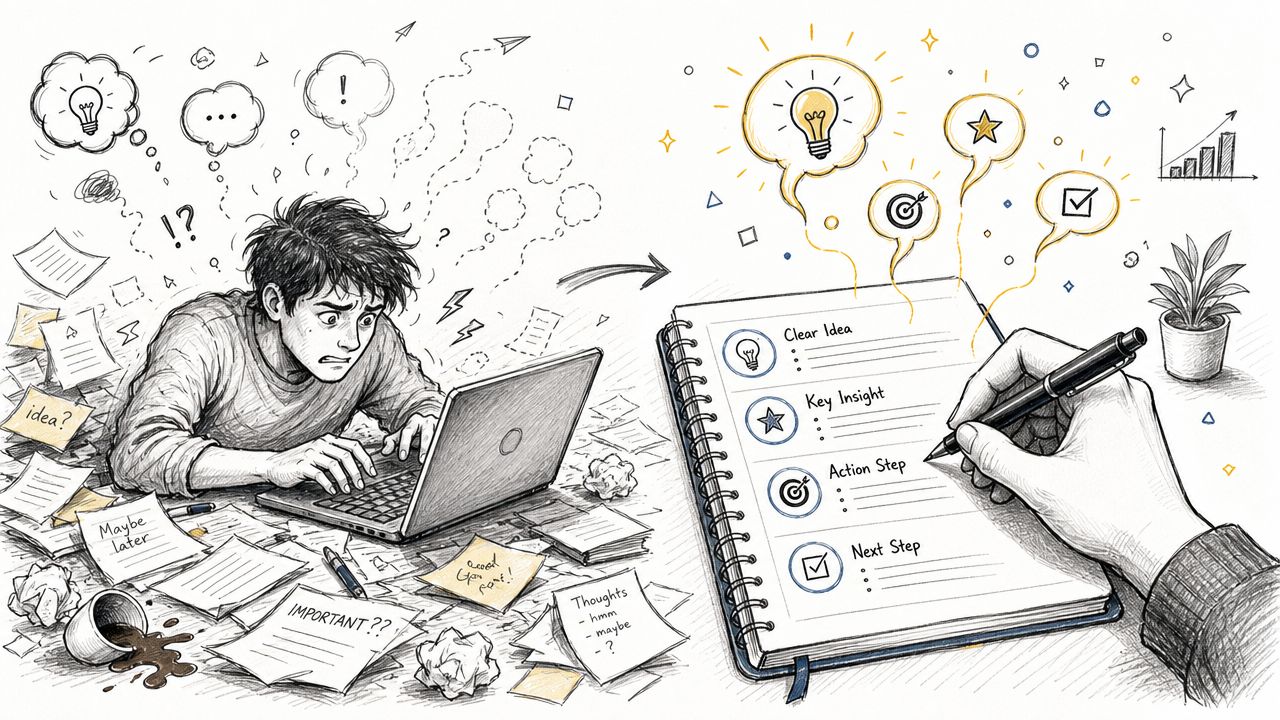
Manual notes versus transcript-based capture
Here's the practical difference:
| Approach | What usually happens |
|---|---|
| Manual note-taking | The recorder captures headlines, misses phrasing, loses side comments, and struggles to separate facts from conclusions |
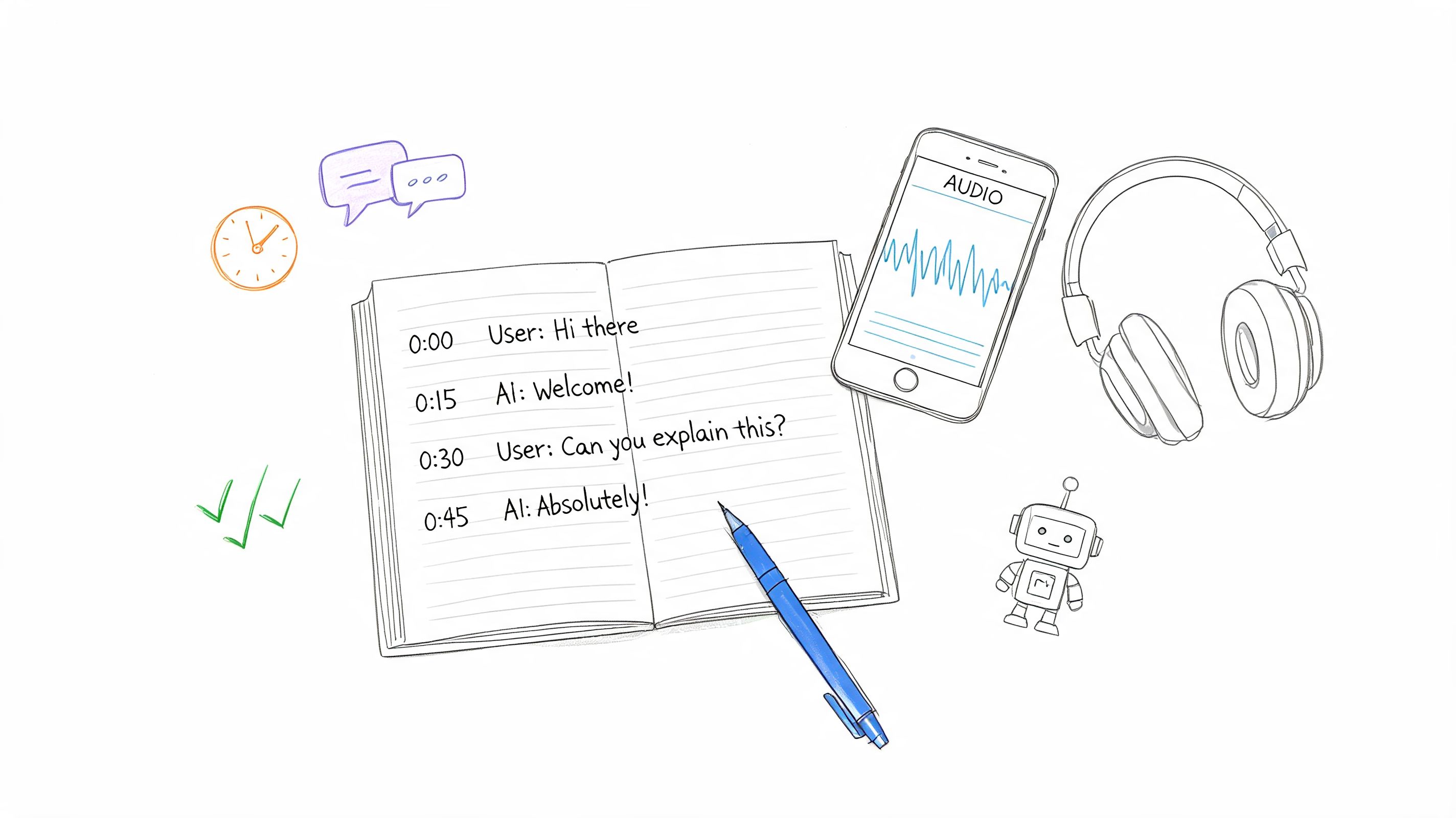
| Transcript plus summary workflow | The team gets a full record, then reviews a distilled summary, decisions, and candidate action items |
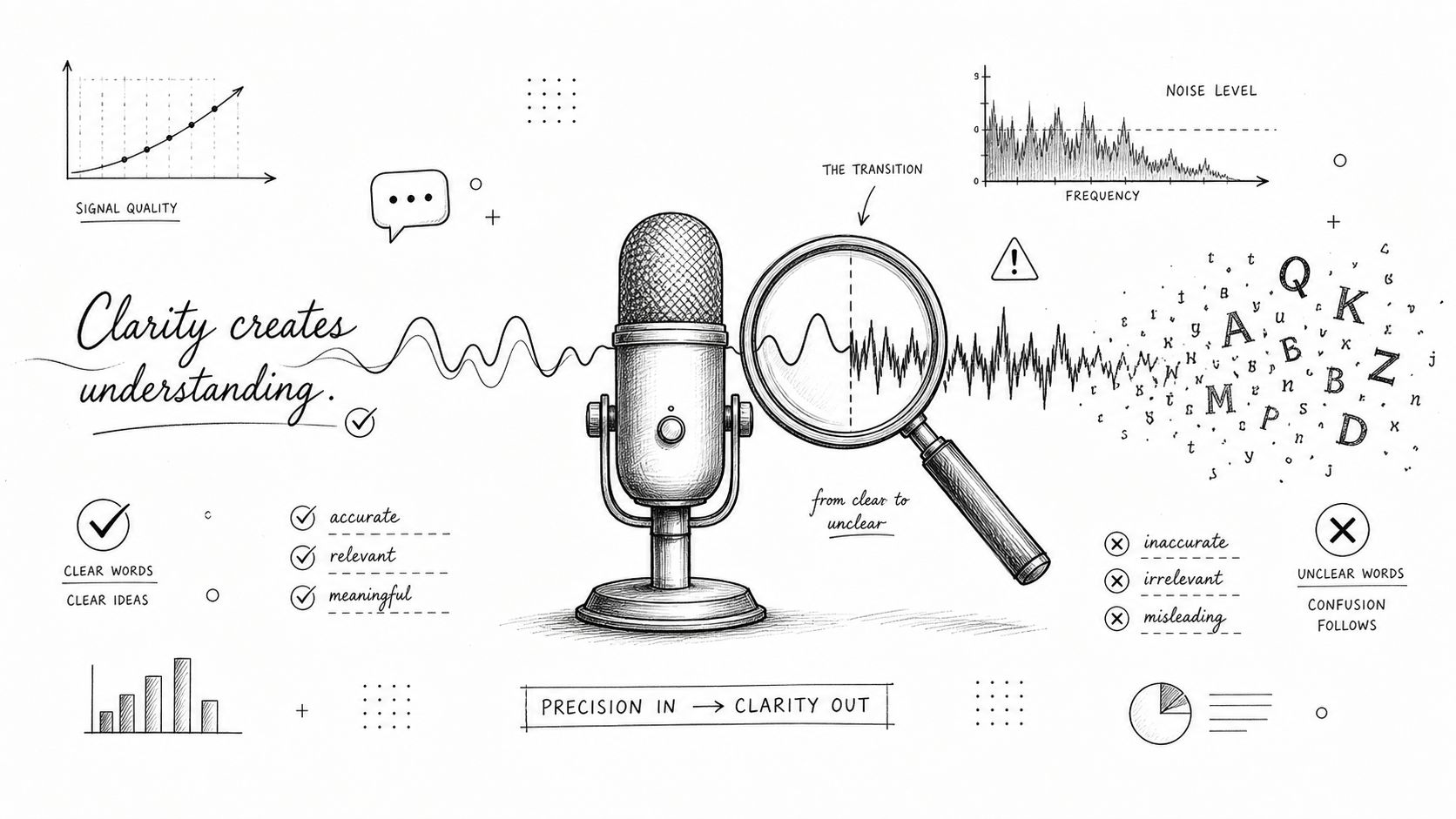
Transcript-first workflows are better for post mortem meetings because they preserve the exact language around confusion, assumptions, tradeoffs, and disagreements. That context often matters more than the polished final sentence in a summary.
What good tooling actually changes
The point of using transcription isn't to create a perfect archive for its own sake. The value is operational.
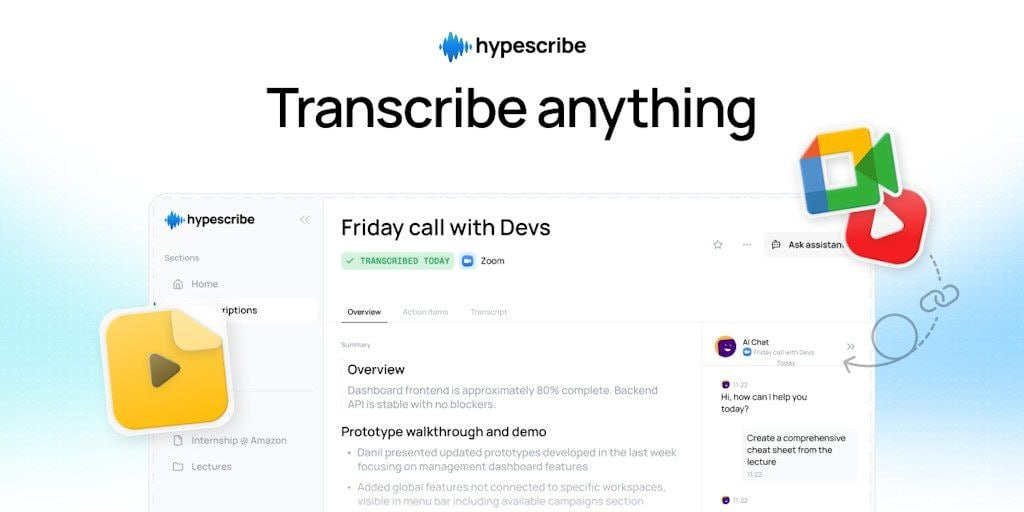
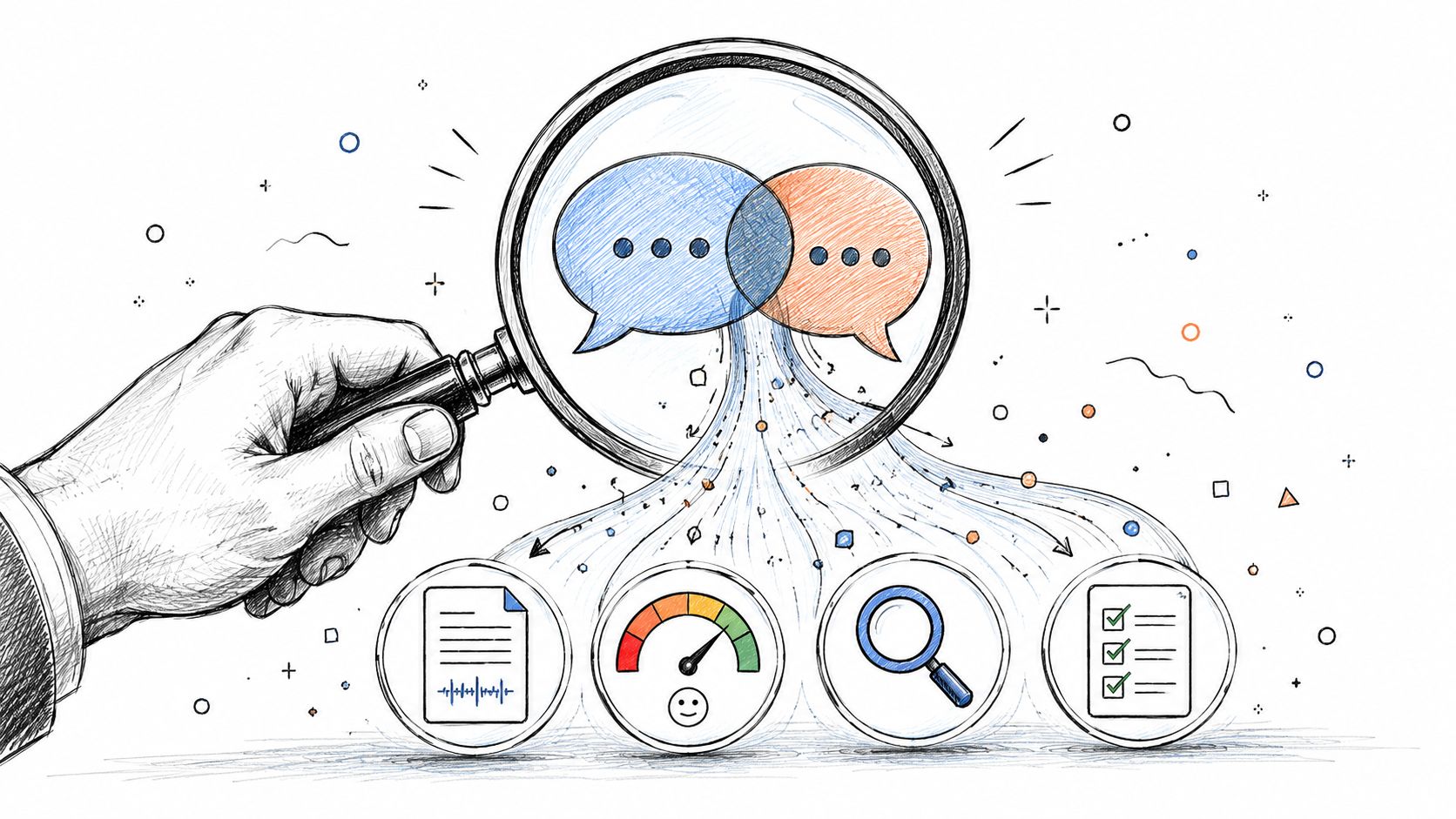
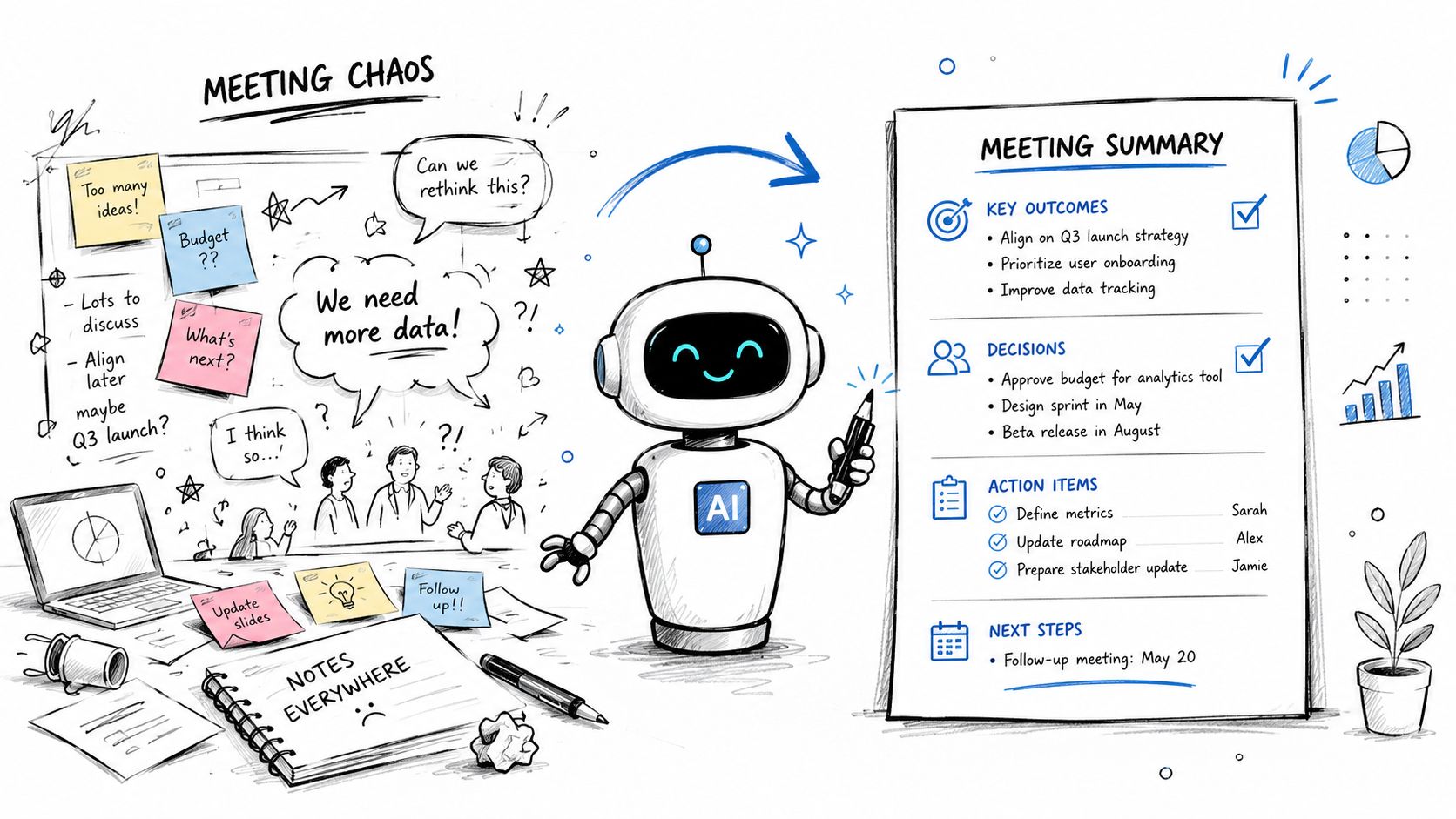
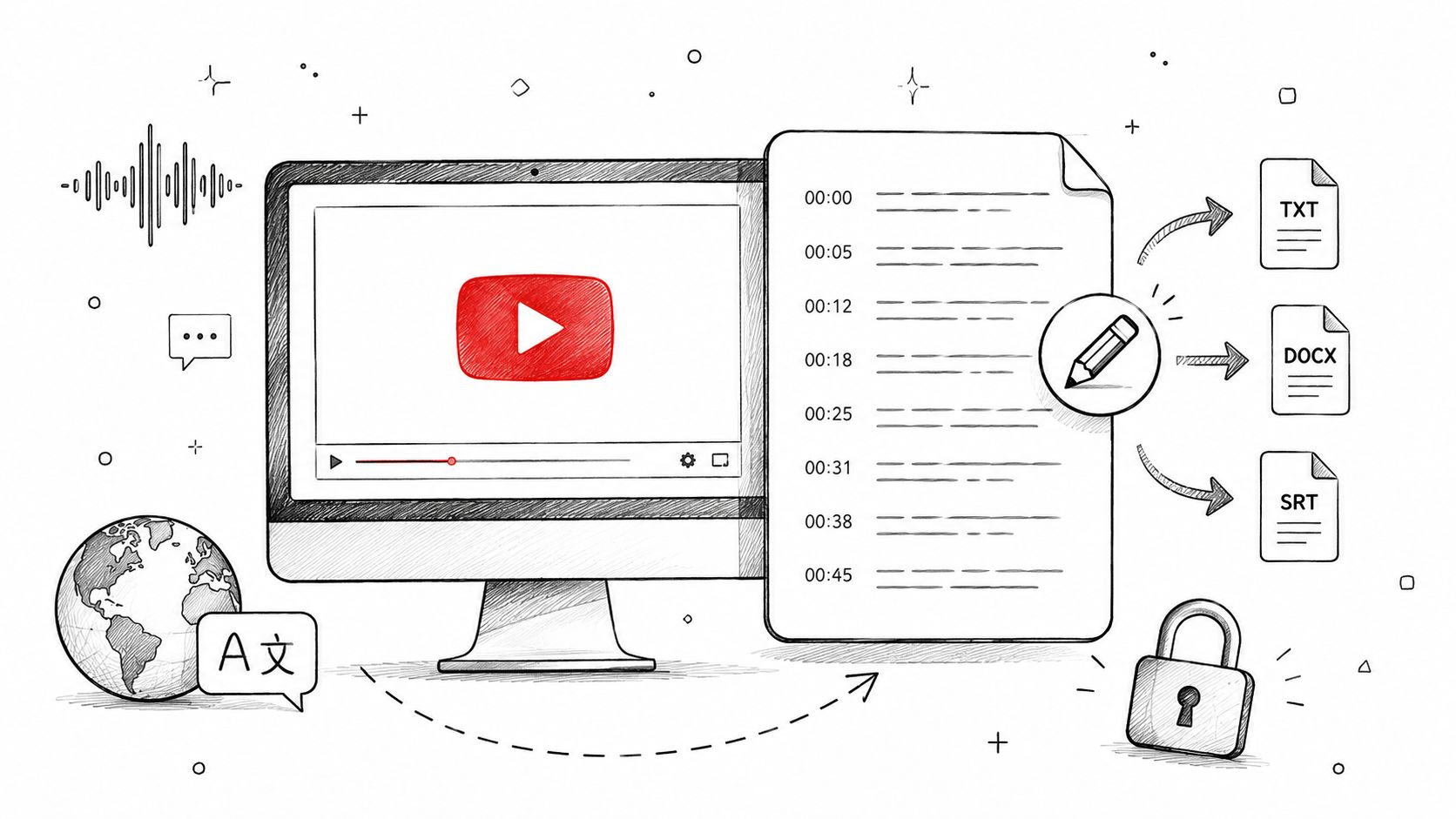
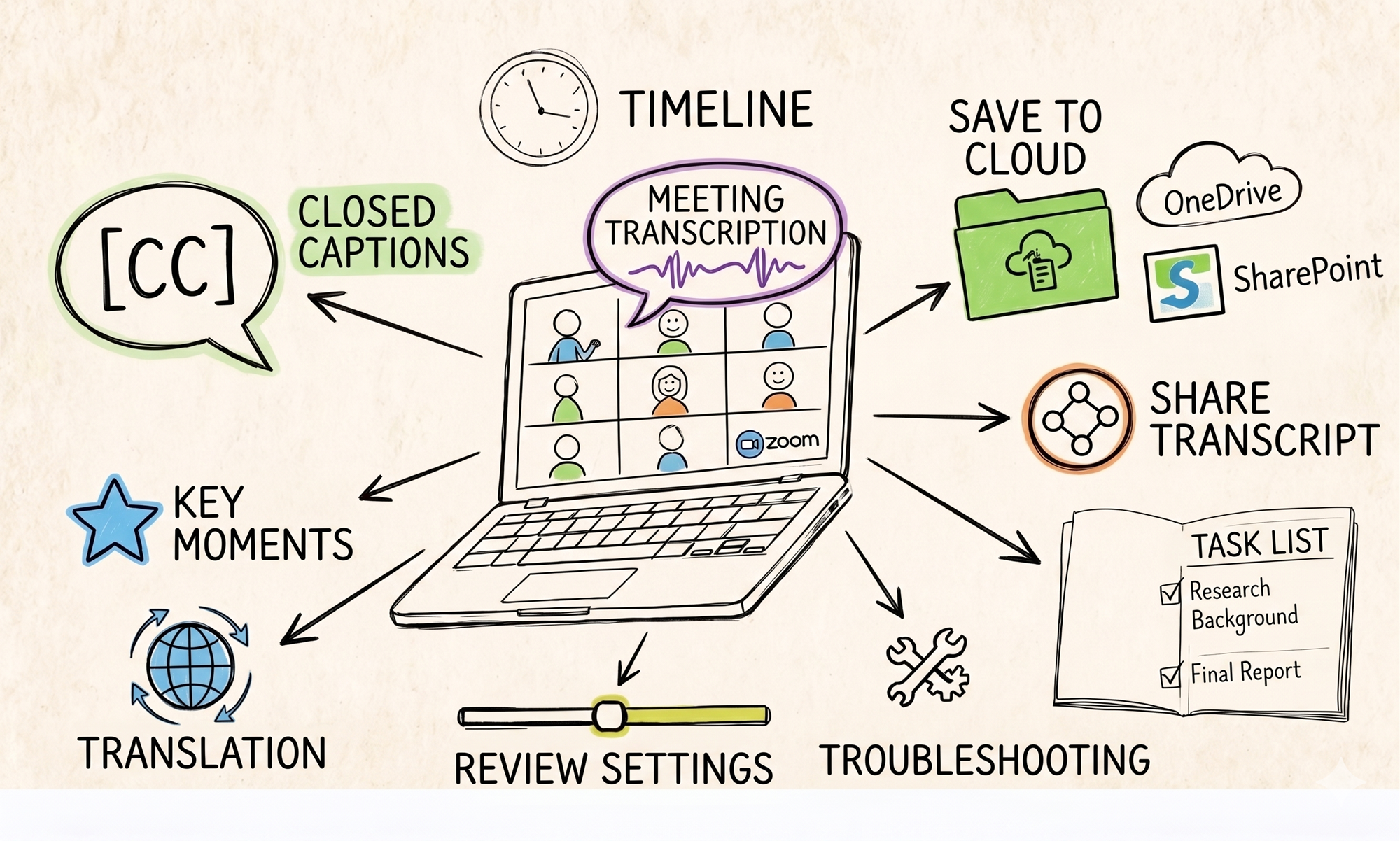
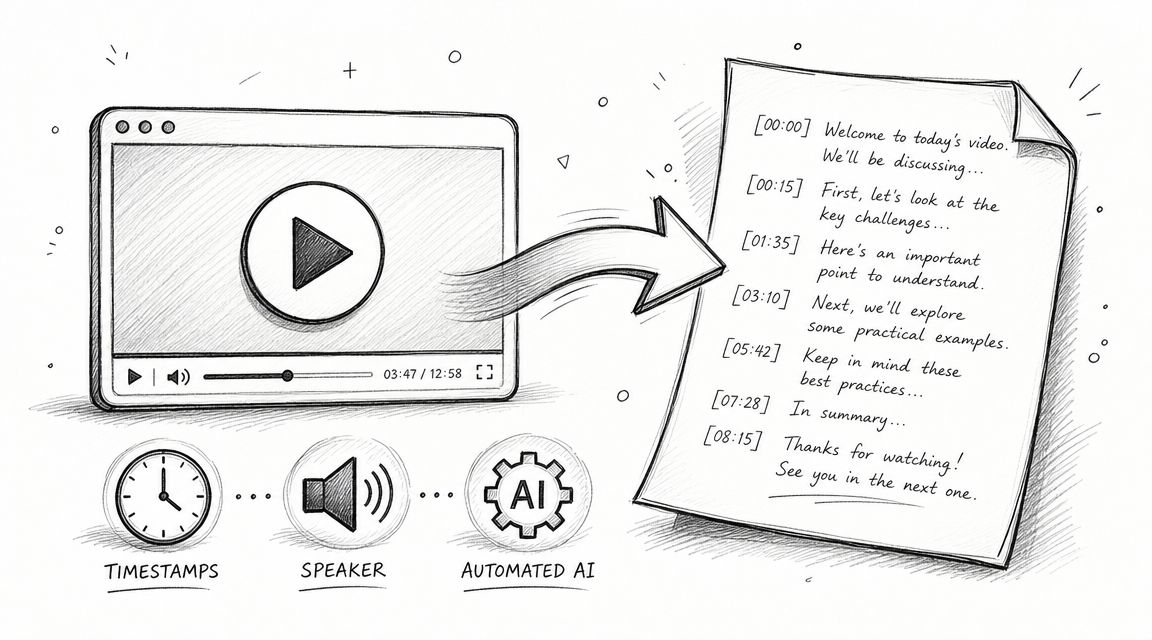
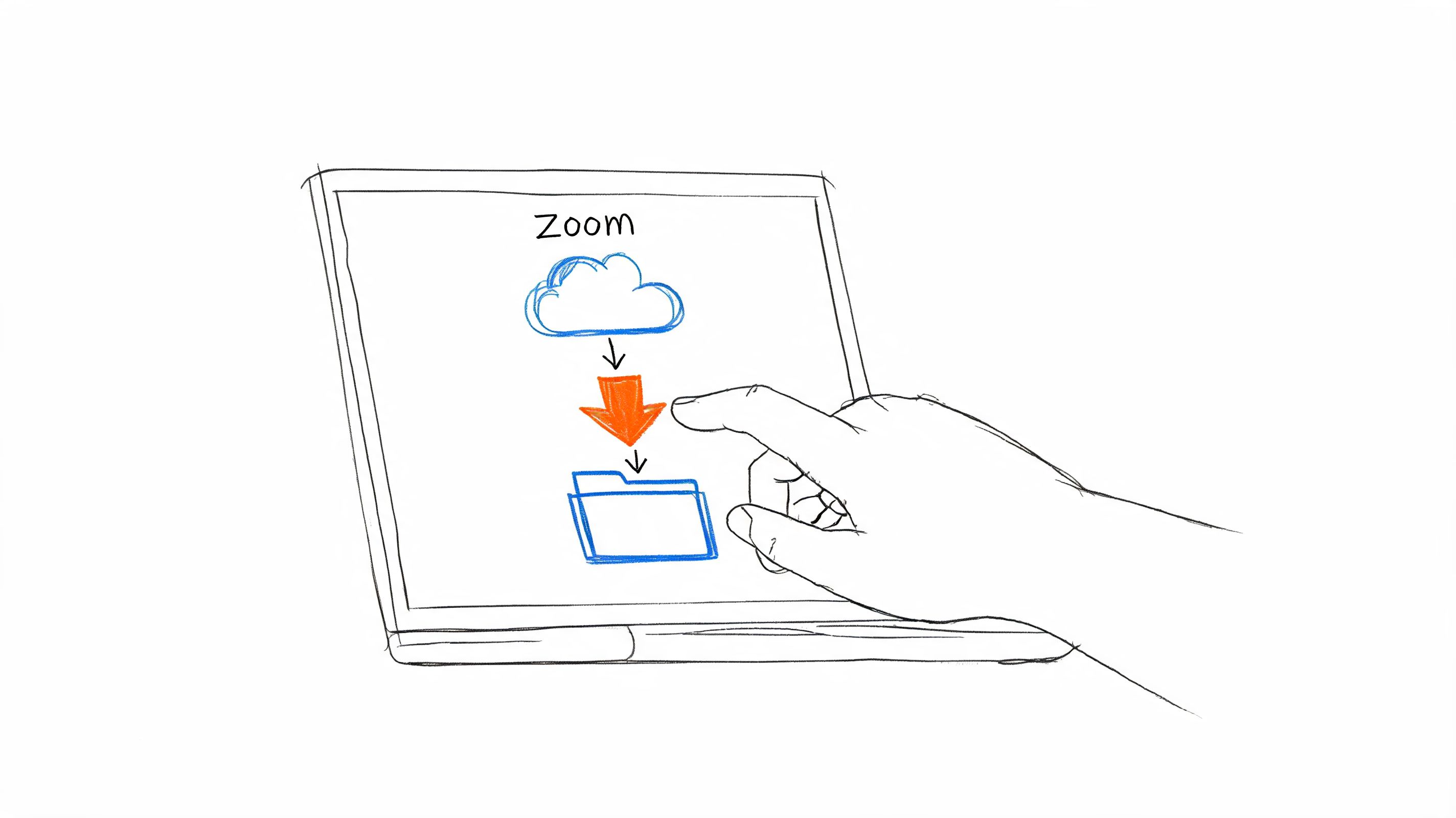
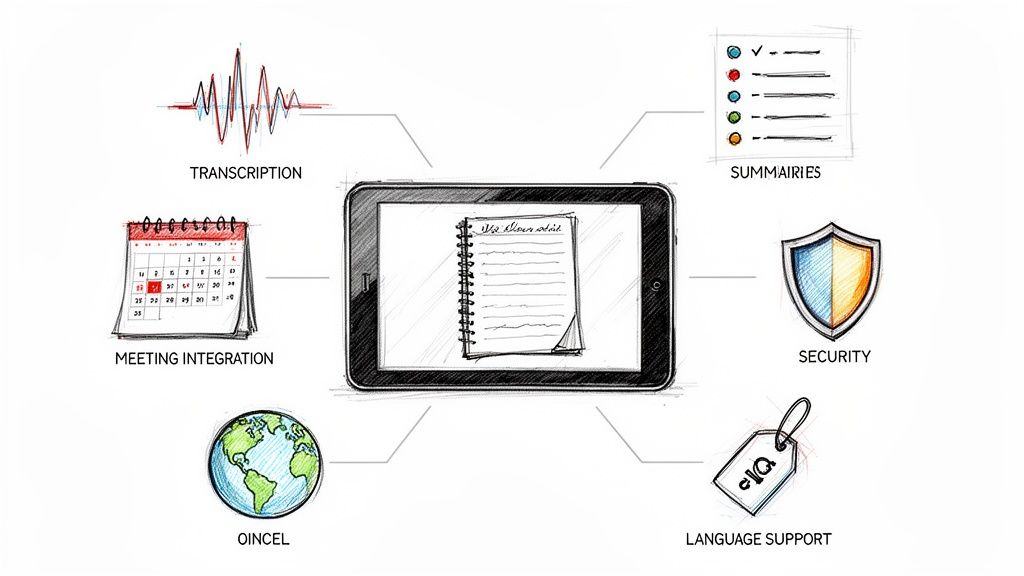
A tool like HypeScribe can transcribe a meeting, generate summaries, extract key takeaways, and identify action items so the note-taking role becomes a review-and-confirm task instead of frantic live capture. That's especially helpful when the meeting includes multiple perspectives, side discussions, and fast-moving root cause analysis. If your team wants to improve the quality of meeting records in general, this guide on how to take better meeting notes is a useful complement.
That still requires judgment. AI can surface candidate action items, but the team needs to decide which are meaningful, who owns them, and whether they solve the actual issue.
Capture decisions, not just discussion
A strong post mortem record should clearly separate four things:
- Observed facts: What happened and when
- Interpretation: Why the team believes it happened
- Lessons: What this incident revealed about process, tooling, or coordination
- Actions: What changes now enter the workflow
For root cause work, teams often benefit from using a structured template outside the meeting as well. A practical example is this Fluidwave problem-solving guide, which helps organize causes and corrective actions without turning the conversation into a vague brainstorm.
The transcript is the raw material. The real artifact is the set of decisions the team confirms after reviewing it.
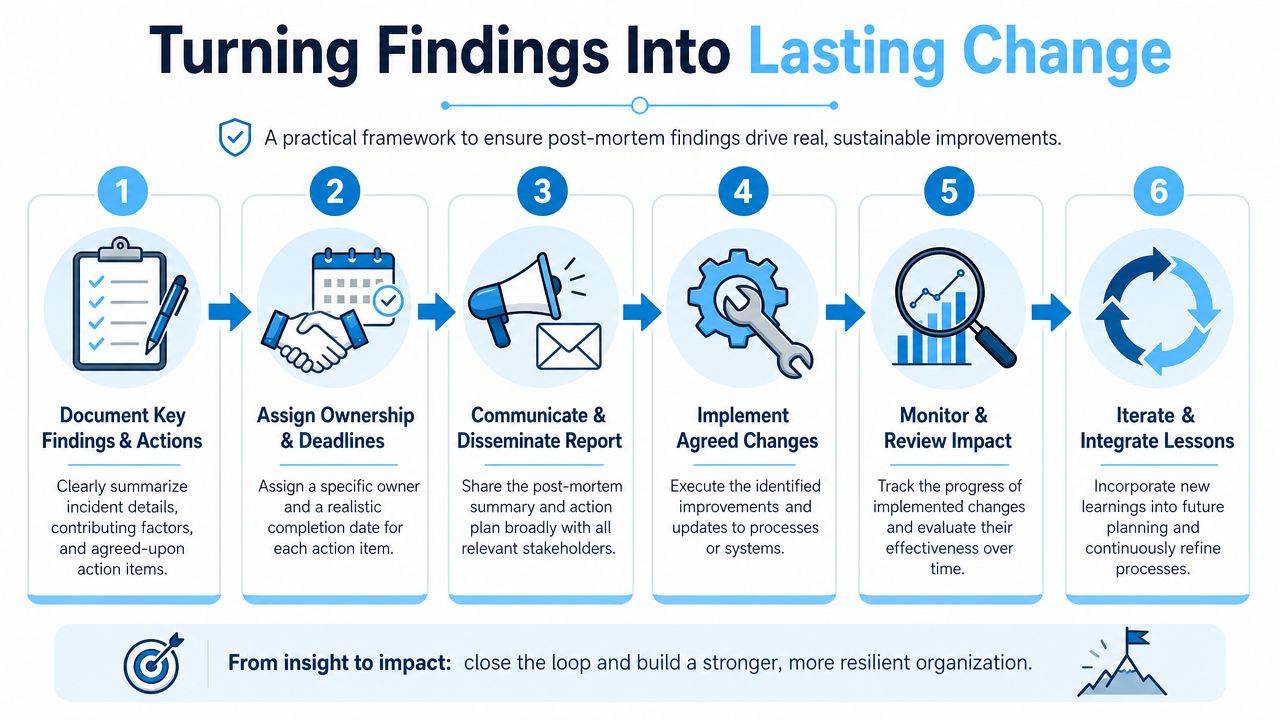
Turning Findings Into Lasting Change
A post mortem often feels successful at 4:55 p.m. The conversation was honest, the causes are clearer, and the notes look solid. By the next sprint, the team is back under delivery pressure, the document is buried, and nothing has changed in the actual work.
That is the failure point I see most often. The meeting is rarely the problem. Teams lose value in the days and weeks after it, when no one converts lessons into visible, owned work.
A post mortem is only finished when the changes are implemented, verified, or consciously dropped for a stated reason.
Use the last 15 minutes to assign real work
Reserve the end of the meeting for decisions that can survive contact with normal workload. If the team leaves with broad intentions, those intentions will compete with product deadlines and usually lose.
The difference shows up in the wording.
Weak action item: “Improve testing.”
Better action item: “Create a pre-release test checklist for checkout changes and add it to the release workflow.”
Strong action item: one owner, one due date, one deliverable, and one place where anyone can check status.
Teams that need a cleaner way to write and track those commitments can use a simple action item list workflow so follow-up lives in the same system as the rest of the work.
Decide what deserves a task
One mistake I have seen repeatedly is turning every frustration into an action item. That creates a long list, gives everyone a brief sense of progress, and produces very little change.
Assign work only when the team can point to a concrete intervention. Some findings belong somewhere else.
Use this filter:
- Create a task when the team can make a specific process, tooling, or coordination change
- Create a decision record when the lesson should guide future choices but does not require immediate implementation
- Create a watch item when the pattern is concerning but still needs more evidence
- Drop it when the group is naming a problem without a plausible next step
This is a judgment call, not a clerical one. A shorter list of meaningful changes beats a long list of good intentions every time.
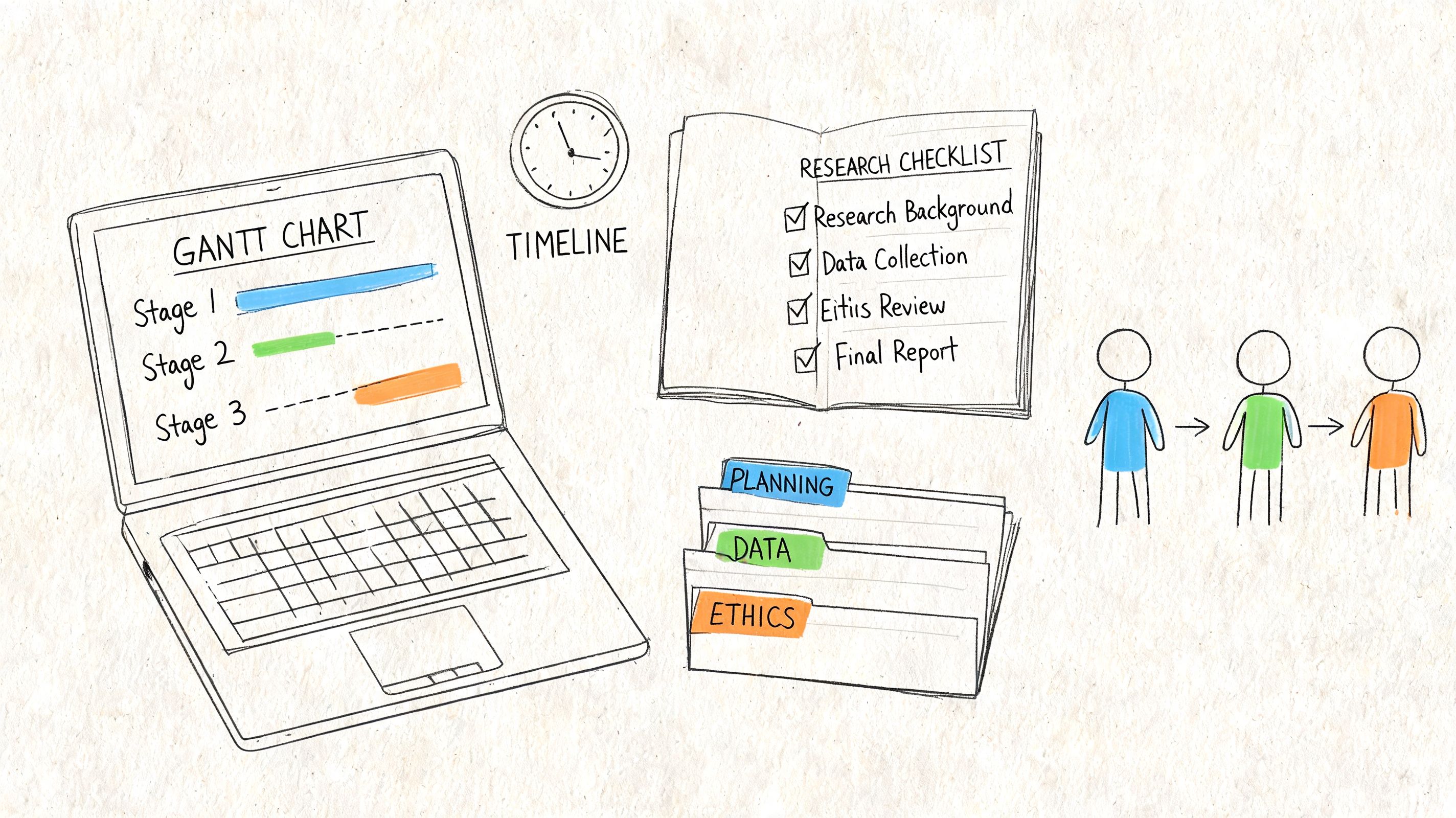
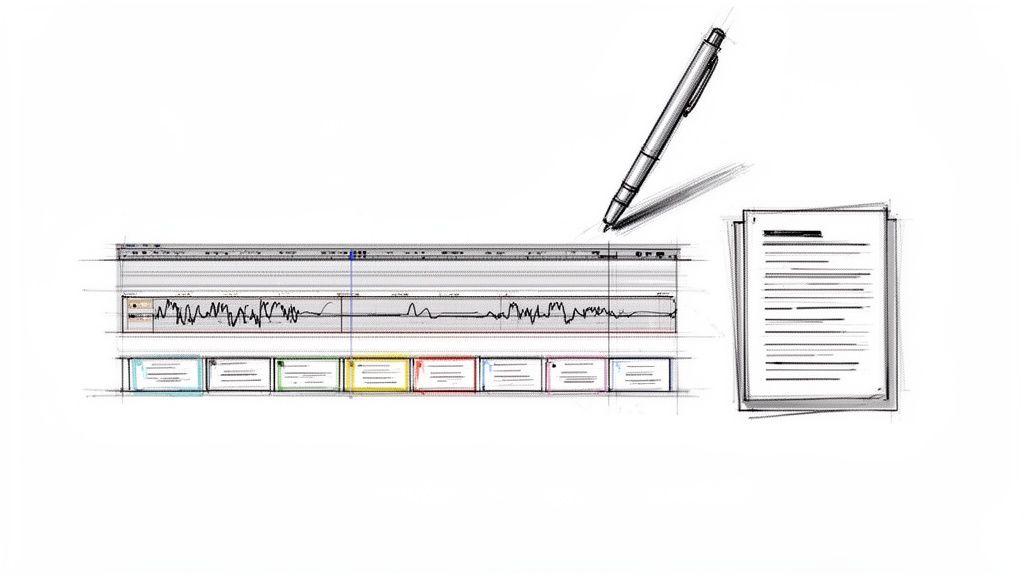
A quick visual can help teams think about the follow-through loop before they leave the meeting.
Put lessons where future work happens
If the lesson stays in the post mortem document, only the attendees benefit. That is useful, but it does not improve the system. The goal is to move the lesson into the tools, templates, and routines that shape later decisions.
In practice, that usually means updating:
- Project management tools with corrective tasks and review dates
- Runbooks and checklists with the changed procedure
- Release templates with any new approval or validation step
- Onboarding material with recurring lessons new team members should inherit
- Planning discussions when the incident exposed understaffing, risky sequencing, or ownership gaps
Often, many post mortems fail to progress. Teams document the insight but never install it into day-to-day work.
Review follow-up like you would review delivery work
Post mortem actions need the same scrutiny as any other committed task. If nobody checks whether the fix shipped, people will report intent instead of completion.
A short follow-up review is usually enough. Keep it practical.
| Review question | What you want to see |
|---|---|
| Is every action owned by one person | No shared ownership blur |
| Is progress visible in a tool the team already uses | Not buried in a document |
| Did we implement the change we agreed to | Completion, not discussion |
| Did the fix change workflow, tooling, or decision-making | A real shift in behavior |
The strongest teams are not the ones that run the most thoughtful meeting. They are the ones that treat post mortem follow-up as operating work, track it openly, and close the loop until the lesson shows up in how the team works.
Common Post-Mortem Pitfalls and How to Avoid Them
Teams usually don't ruin a post mortem meeting with one dramatic mistake. They do it with familiar anti-patterns that feel normal in the moment.
The blame game
This one is obvious, but it still shows up in polished organizations. Someone asks a loaded question. Someone else gets defensive. The rest of the room goes quiet.
The antidote is immediate reframing. Move the discussion from individual behavior to the conditions around it. Ask what made the error possible, easy, or invisible until late.
The forgetting funnel
The meeting feels productive. People leave with relief. Then the notes sit untouched and the tasks never enter the system.
This is the most expensive failure mode because it creates the illusion of improvement. The fix is simple but absolutely critical. Every meaningful action needs one owner, a due date, and a visible home in the team's normal workflow.
Scope sprawl
A single incident reveals ten adjacent problems, and the group tries to solve all of them in one sitting. The conversation widens, energy drops, and nothing gets finished.
Contain the meeting. Separate what caused this event from what broader weaknesses it exposed. Solve the first, log the second, and decide later what deserves separate work.
Watch for this phrase: “While we're here, we should also fix…”
That's usually the moment a useful post mortem meeting starts becoming a strategy session.
The historian's report
Some teams produce beautiful documentation and still learn very little. They can recite every event in order but never challenge assumptions, decision paths, or missing safeguards.
A timeline is a foundation, not the destination. Once the sequence is clear, force the harder discussion. What did we believe at the time? What signal did we miss? What process should now work differently?
The false closure problem
The room agrees too quickly. The actions look tidy. Nobody tests whether the proposed fixes are strong enough to matter.
Before ending, ask one uncomfortable question: If we changed only these things, would the same type of failure still be possible? If the honest answer is yes, the team hasn't finished.
A good post mortem meeting doesn't just document the past. It changes the odds of repeating it.
If your team is tired of losing important details during review meetings, HypeScribe can help you turn spoken discussion into searchable transcripts, summaries, and action items so post mortem follow-up is easier to confirm and track.